Au Temps qui Passe: Art Aborigène – Australian Art in Switzerland
Some extraordinary works from Australia will be available to view once again this November, at the renowned Au Temps qui Passe gallery in Genolier,…

Franz Gertsch Museum presents an exhibition on artistic creation from the Emmental in the spring/summer of 2025, at the suggestion of the Cultural Commission of the Emmental Regional Conference. The exhibition will showcase artworks by Emmental artists or works related to the Emmental valley, primarily from the possession of the 39 municipalities that have joined the Regional Conference, the Cultural Commission of which has supported the museum since 2021. The exhibition spans a wide range of well-known representatives from the 19th/20th centuries to more recent and contemporary art in mediums such as painting, watercolour, drawing, printmaking, photography, object art, sculpture, and…
Museo Nazionale del San Gottardo is one of the highest-located museums in Europe, housed in a traditional roadhouse on the Gotthard Pass. “The…
A walk through the history of the Reformation TEXT: BETTINA GUIRKINGER, TRANSLATION: MARILENA STRACKE | PHOTOS © MIR GENÈVE Since 2005, the…
The Kulturama Museum of Human Evolution captivates visitors by bringing the development of mankind to life. It offers an exciting experience for both…
… is that it is not just about football”, writes the famous British author Terry Pratchett. He is absolutely right, as sometimes football is also…
Some extraordinary works from Australia will be available to view once again this November, at the renowned Au Temps qui Passe gallery in Genolier,…

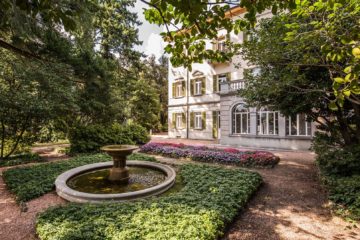
Bellinzona Musei brings a great collection of unpublished paintings, prints and sketches by the late German artist Josef Albers (1888-1976) to…
Kunsthaus Zug is a treasure trove and laboratory for modern art – rooted locally and connected globally. For nearly 30 years, the Kunsthaus has…
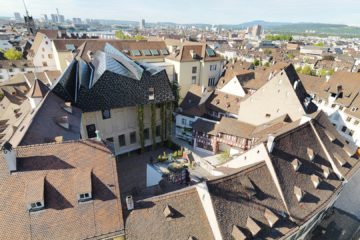
Cultural treasures from five continents, exhibitions on familiar day-to-day topics, an attractive blend of architecture, present shopping and…
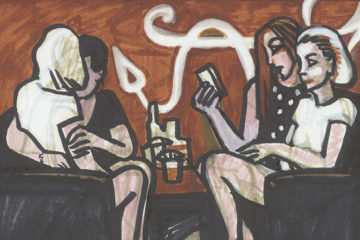
This year, the legendary Cartoonmuseum Basel is celebrating its 40th anniversary. As the only Swiss museum entirely dedicated to all areas of…

Nowadays, we are used to streaming music online, but how did people in the 19th century listen to music? The Museum of Music Automatons in…
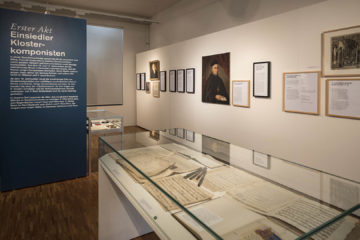
Mit Ein himmlisch' Werk wirft das Museum Fram Licht auf bislang verborgene musikalische Schätze des weltbekannten Klosters Einsiedeln. Das…
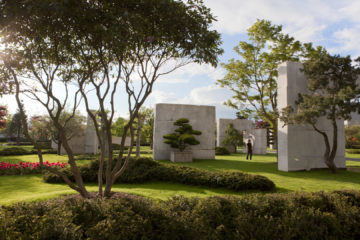
The Tree Museum designed by Enea Landscape Architecture in Rapperswil-Jona promotes a vital exchange between nature and humanity. Being the only one…
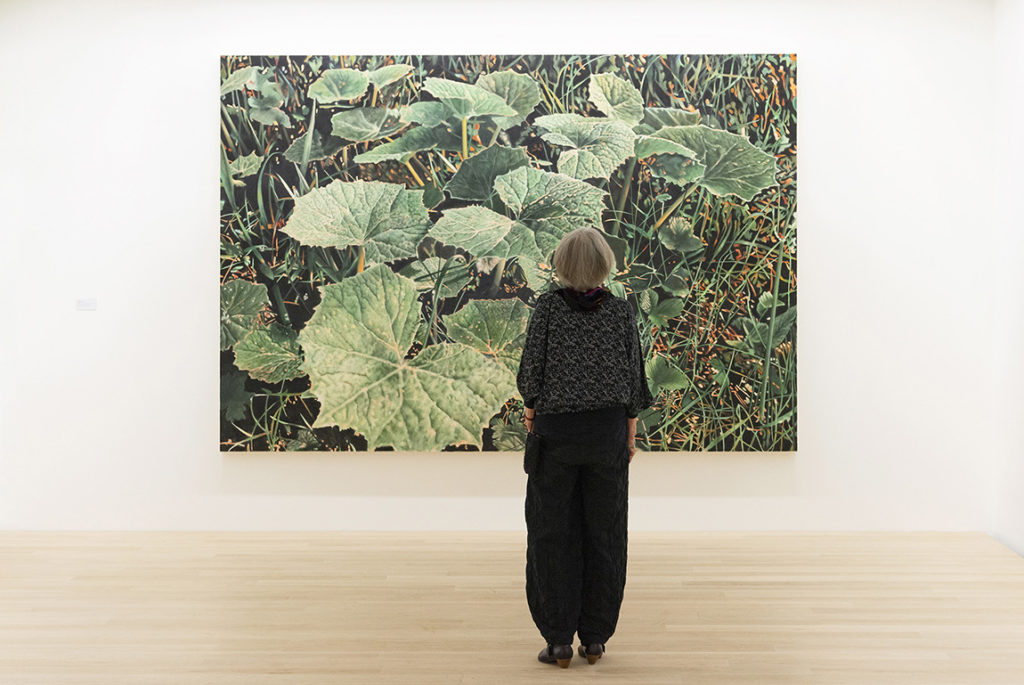
Museum Franz Gertsch in Burgdorf is a must for art lovers, bringing together postmodern and contemporary art in striking gallery spaces while showcasing the rich artistic landscape of the Emmental region. Photo by © Museum Franz Gertsch, Bernhard Strahm, Gerlafingen.
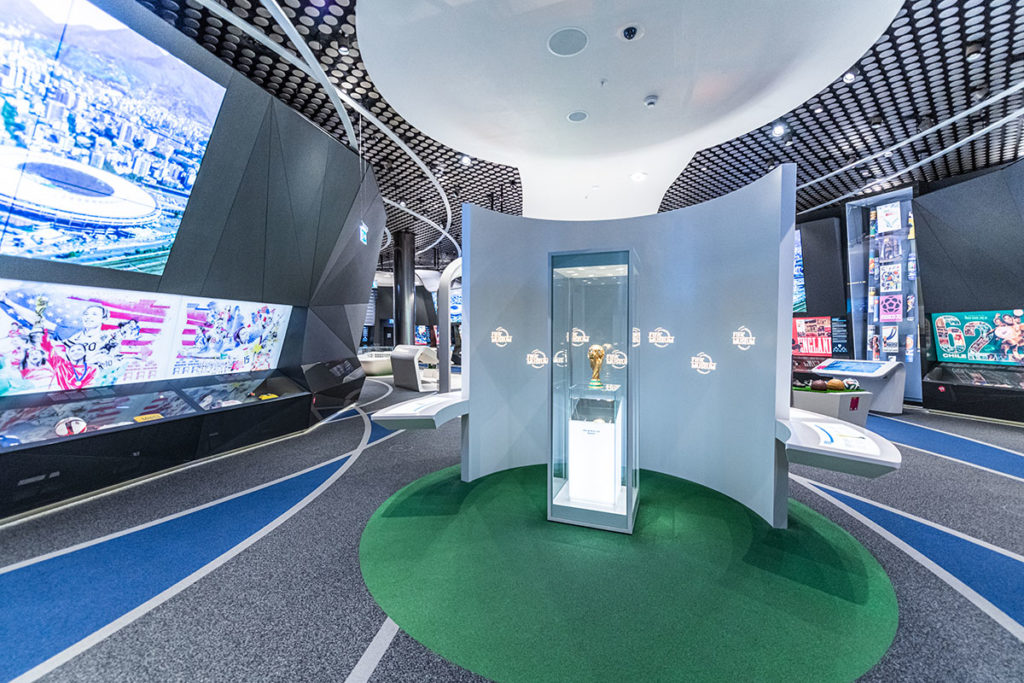
The FIFA Museum in Zurich is a must-visit for football fans, bringing the global story of the game to life through iconic trophies, historic memorabilia and immersive interactive displays. Photo by FIFA Museum AG.
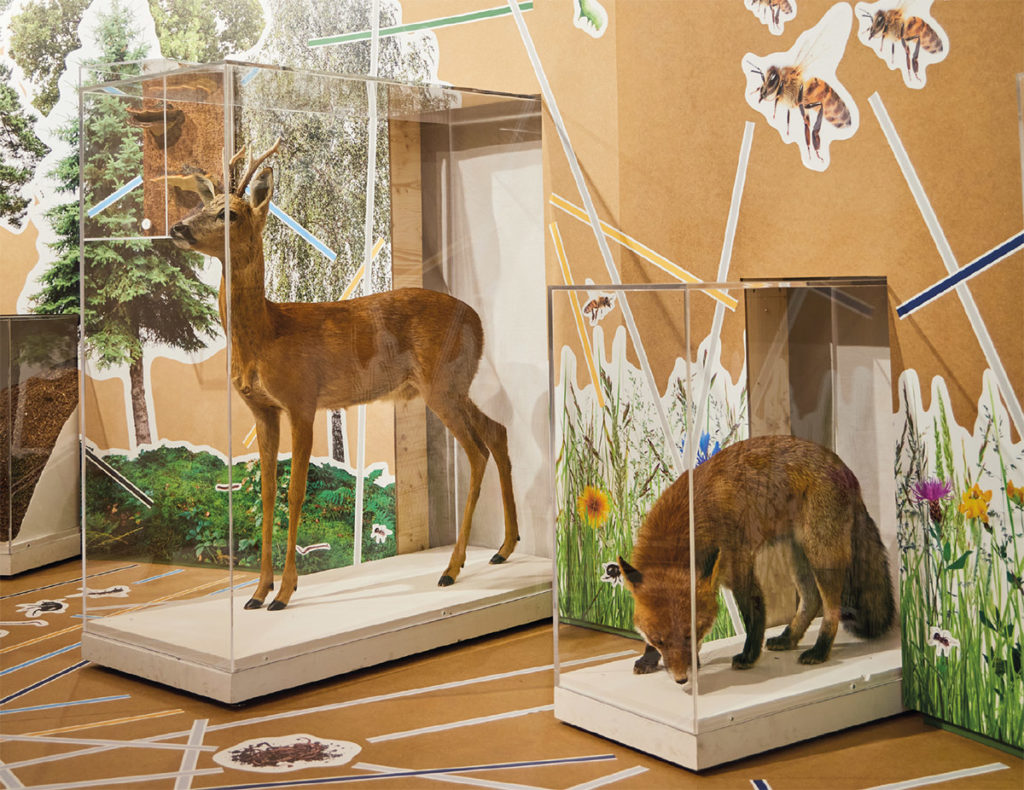
Kulturama Museum of Human Evolution in Zurich makes science engaging and accessible, exploring human evolution, nature and the pressures facing our planet through vivid displays and thought-provoking exhibitions. Photo by ©KULTURAMA, Joanna Lesniewska.
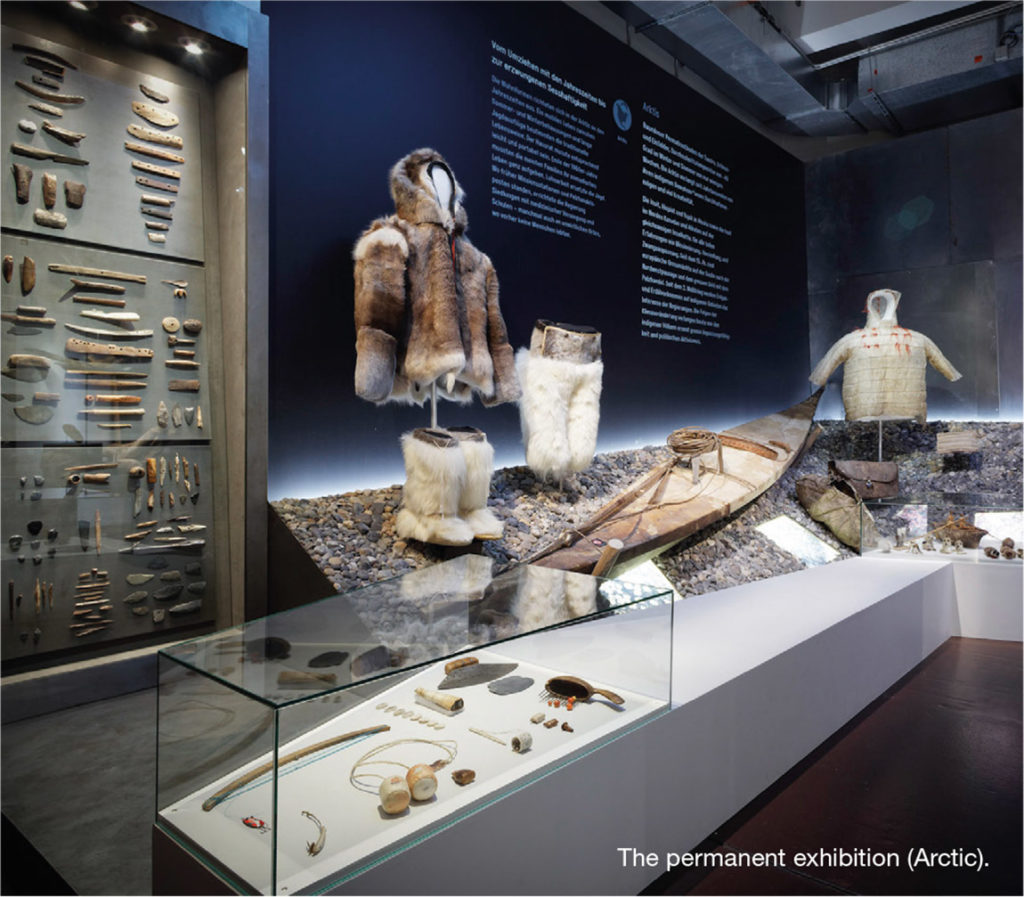
NONAM in Zurich offers a fascinating introduction to Native American art and culture, with richly displayed objects, clothing and artefacts that bring the traditions and histories of Indigenous peoples of North America vividly to life. Photo by NONAM.
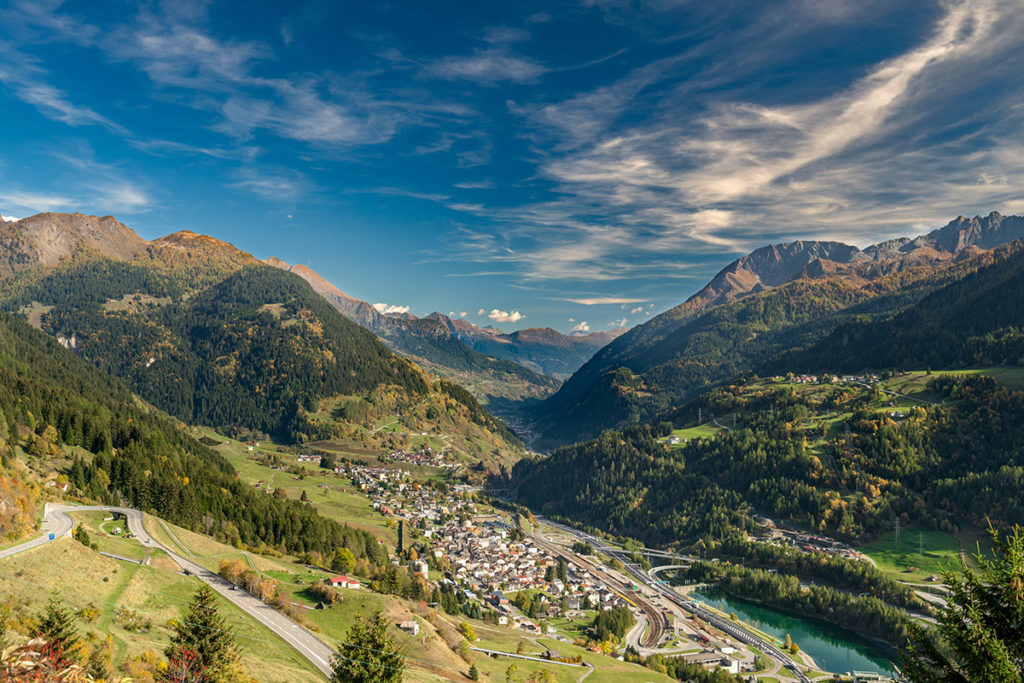
Museo Nazionale del San Gottardo brings the dramatic history of the Gotthard Pass to life, exploring centuries of travel, trade and engineering in one of Switzerland’s most spectacular Alpine settings. Photo by MNSG.
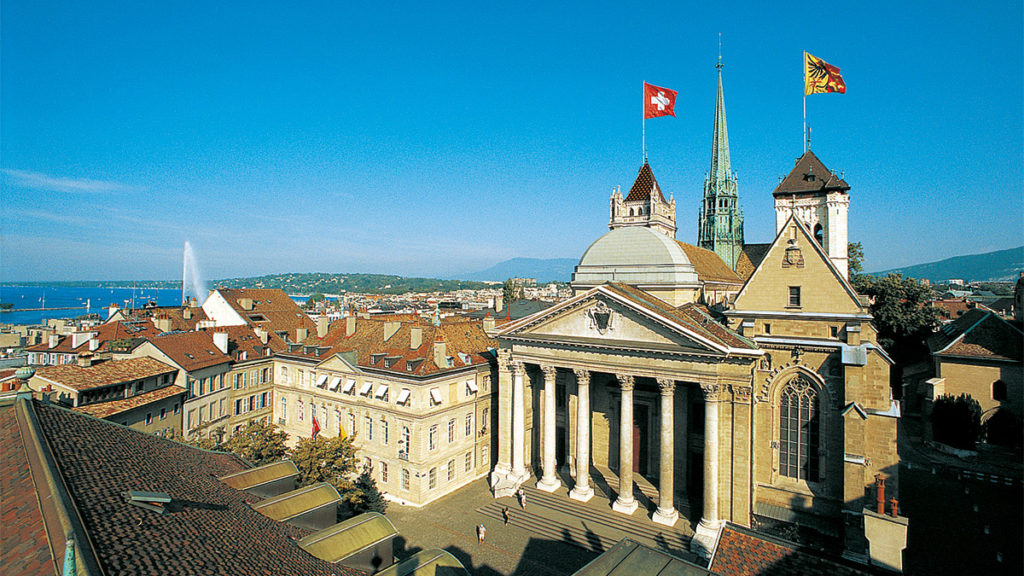
The International Museum of the Reformation in Geneva is a must-visit for anyone interested in European history, bringing the dramatic story of the Reformation to life in the very city where it helped reshape religion and society. Photo by Lightmotif-Blatt.
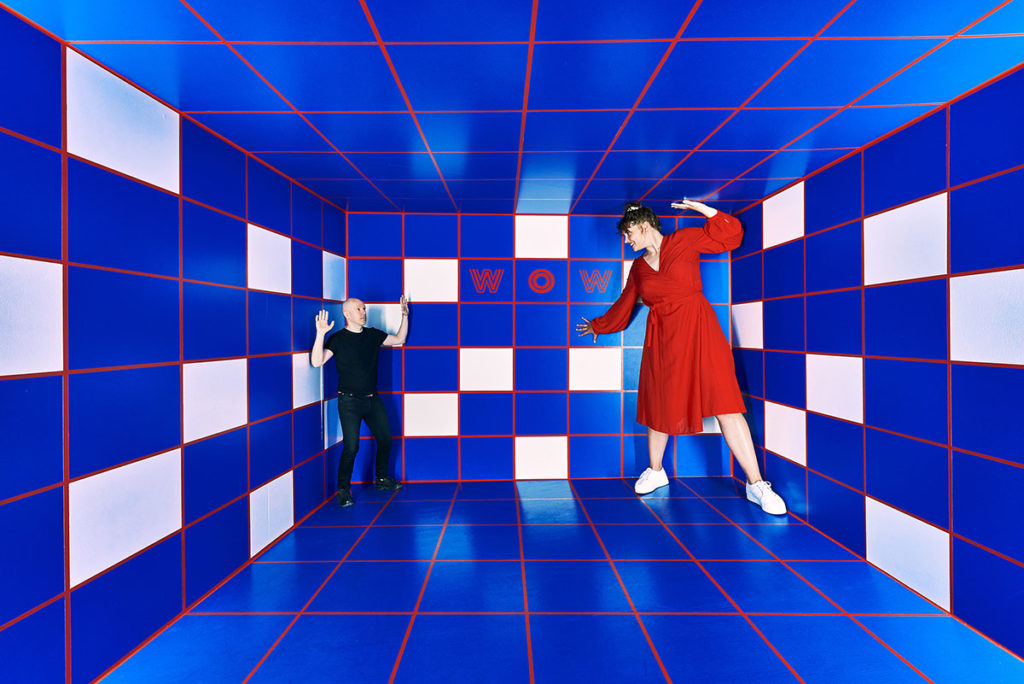
WOW Museum in Zurich turns perception into pure fun, with mind-bending optical illusions and interactive rooms that make it an entertaining stop for families, couples and anyone who enjoys seeing the world from a different angle. Photo by WOW Museum.
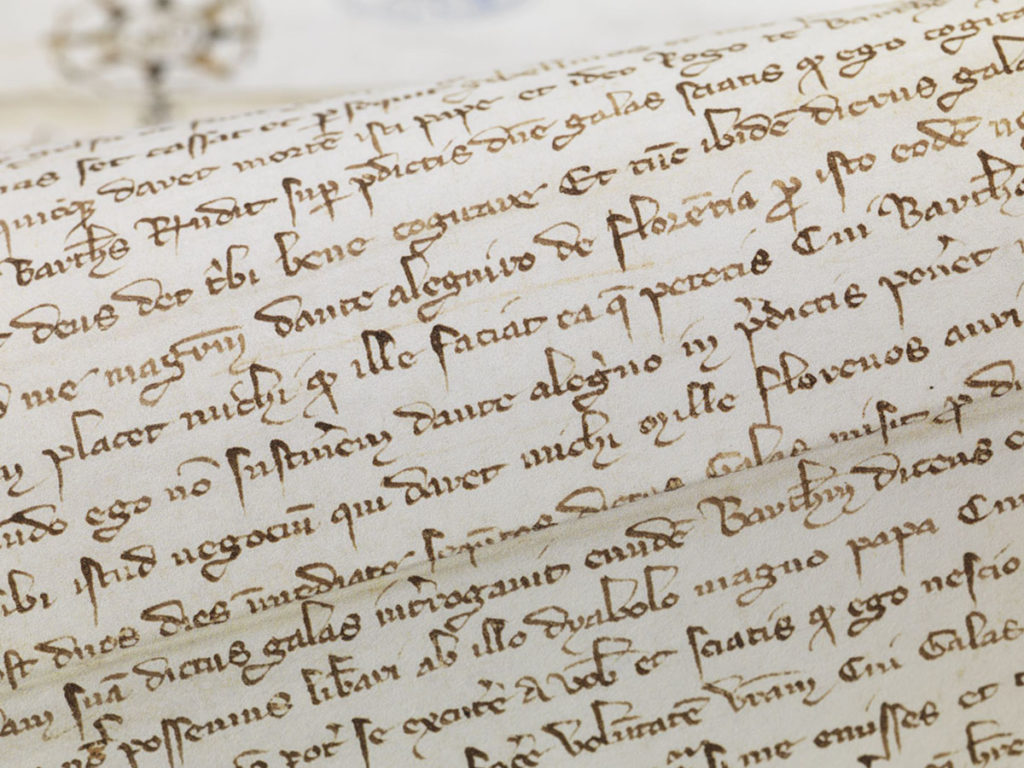
The Bodmer Museum near Geneva is a treasure trove for lovers of literature and history, bringing visitors face to face with rare manuscripts, historic editions and some of the written works that have shaped European culture. Photo by Fondation Bodmer / Naomi Wenger.

The Olympic Museum in Lausanne is a must for sports fans, bringing the Olympic story to life through iconic memorabilia, legendary athletes and unforgettable objects such as Usain Bolt’s competition jersey. Photo by International Olympic Committee (IOC) – All Rights Reserved.
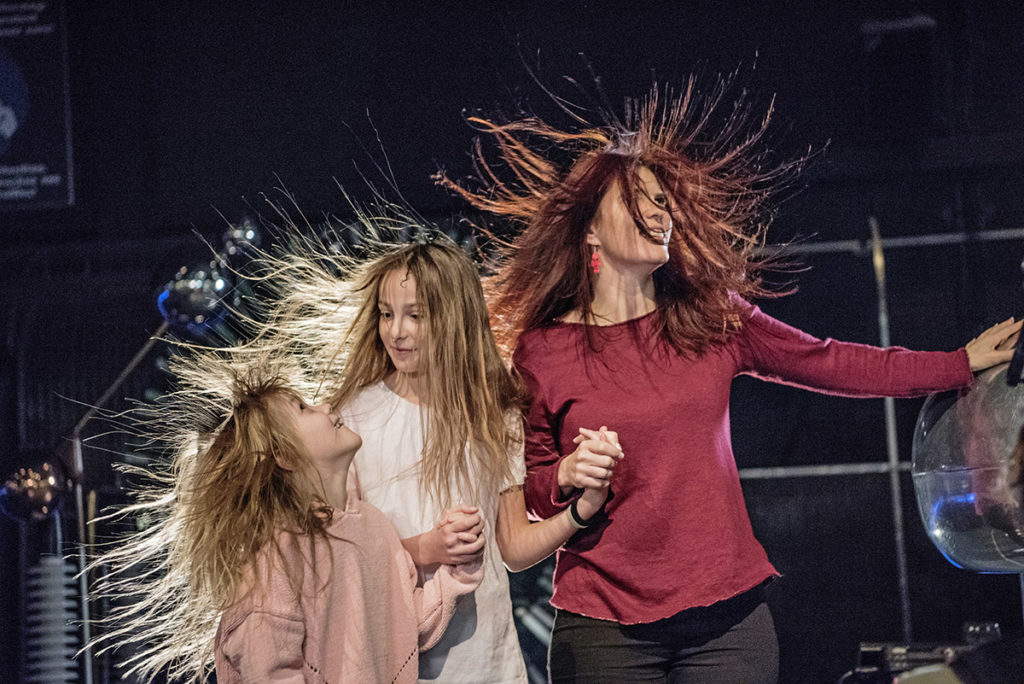
Technorama Winterthur is one of Switzerland’s most exciting family attractions, turning science into a hands-on adventure with spectacular experiments, live demonstrations and interactive exhibits that make curiosity irresistible for children and adults alike. Photo by Technorama Winterthur.
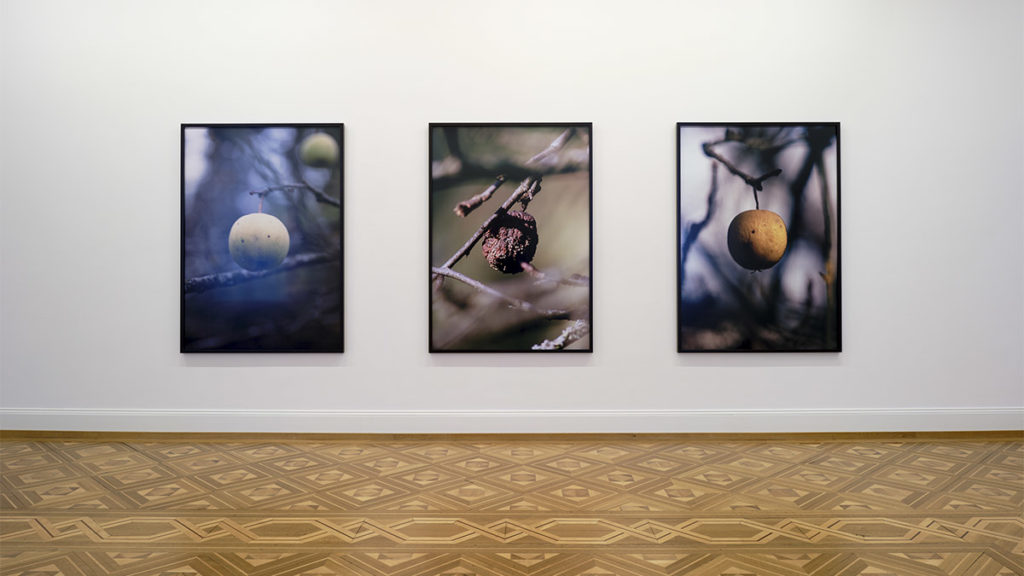
The Art Museum Thun is a rewarding stop for lovers of modern and contemporary art, combining changing exhibitions with the extraordinary Thun Panorama, the world’s oldest surviving panoramic painting. Photo by David Aebi.
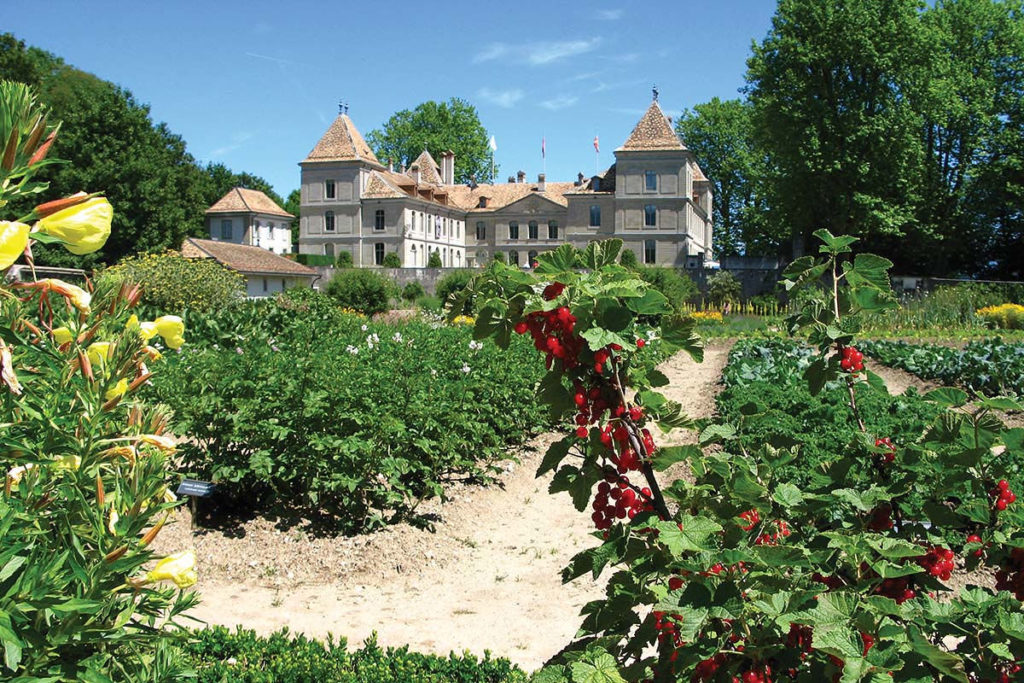
The Swiss National Museum Château de Prangins is one of the most beautiful places to explore Swiss social and cultural history, combining engaging exhibitions with an elegant 18th-century château and historic gardens overlooking Lake Geneva. Photo by Musée National Suisse – Château de Prangins.
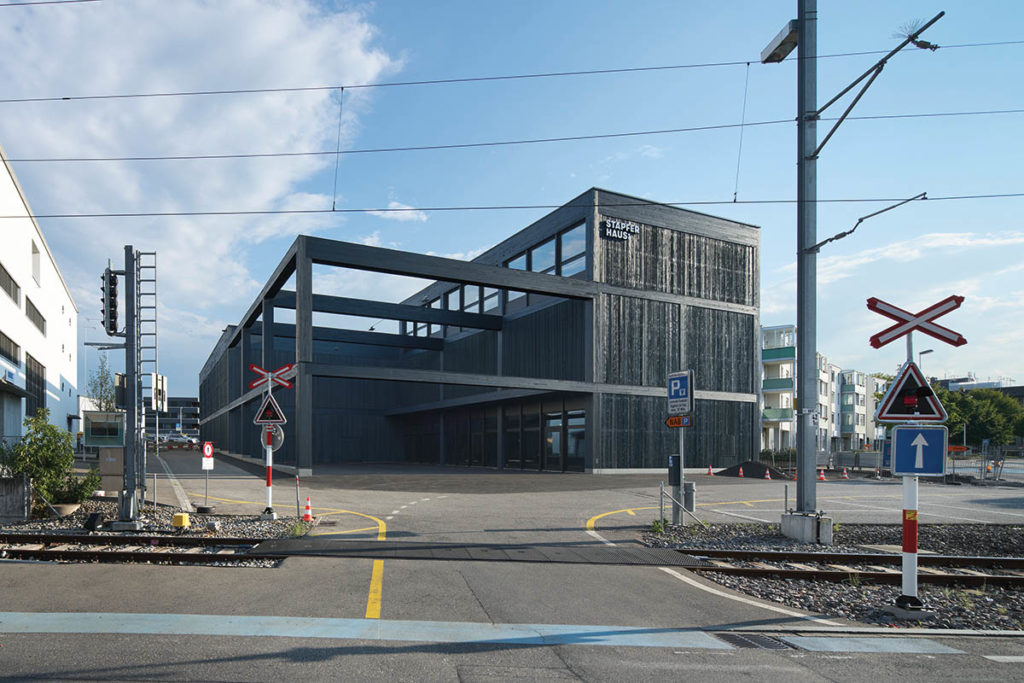
Stapferhaus in Lenzburg turns the big questions of modern life into immersive, interactive exhibitions, making it a thought-provoking and surprisingly entertaining museum experience for adults and families alike. Photo by Ralph Feiner, © Stapferhaus.
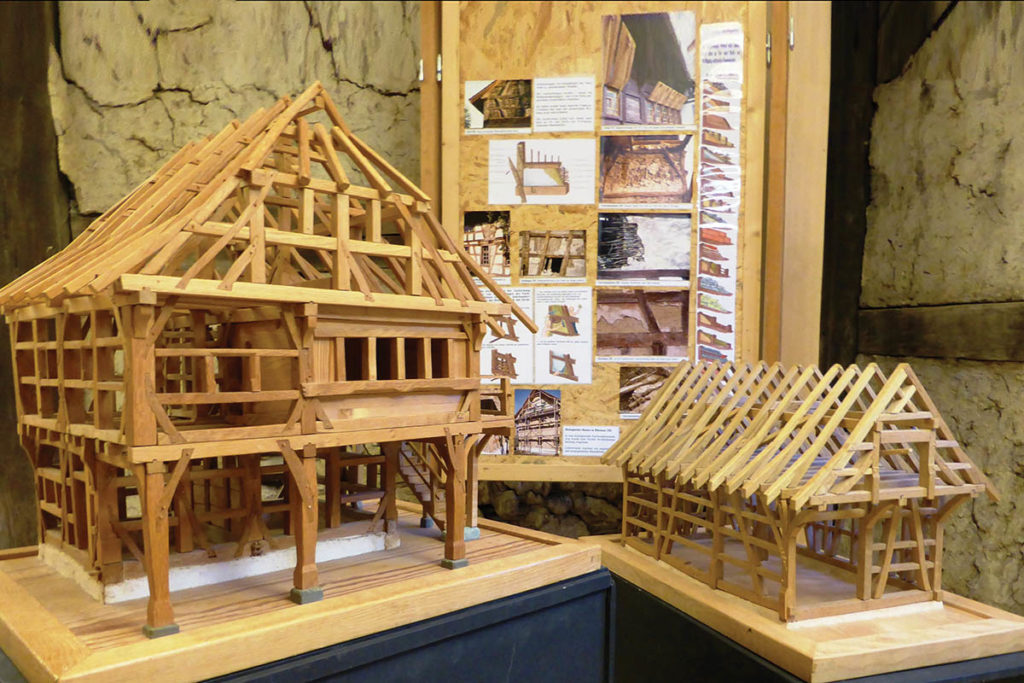
Girsbergerhaus is a fascinating hands-on museum for anyone interested in traditional craftsmanship, bringing historic timber-framing techniques to life through detailed models, practical displays and interactive learning. Photo by Fachwerkerleben.
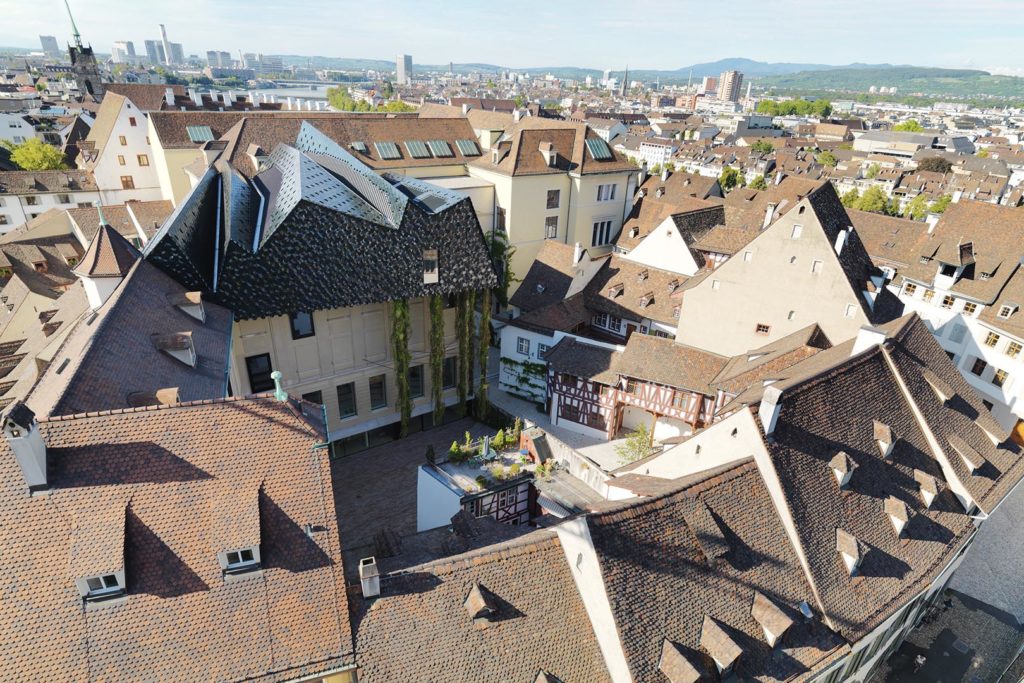
Museum der Kulturen Basel is a fascinating stop for curious travellers, opening a window onto cultures from around the world through thought-provoking exhibitions, remarkable objects and one of Basel’s most distinctive museum buildings. Photo by © Museum der Kulturen Basel, photographers Omar Lemke and Derek Li Wan Po.
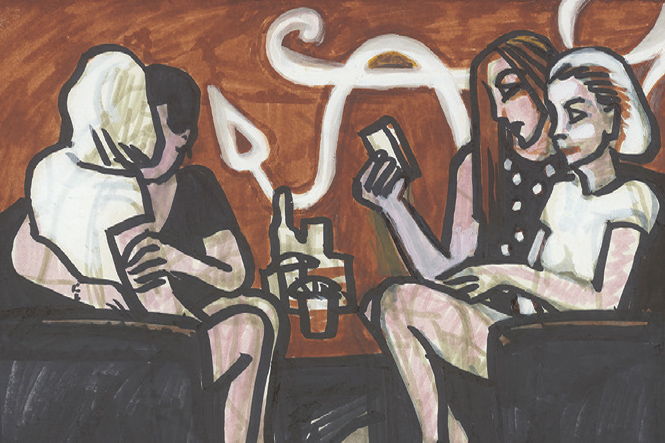
Cartoonmuseum Basel is a delightfully different stop for art lovers, celebrating cartoons, comics and graphic storytelling through bold exhibitions that prove illustration can be every bit as sharp, inventive and thought-provoking as traditional fine art. Photo by © Victoria Lomasko.
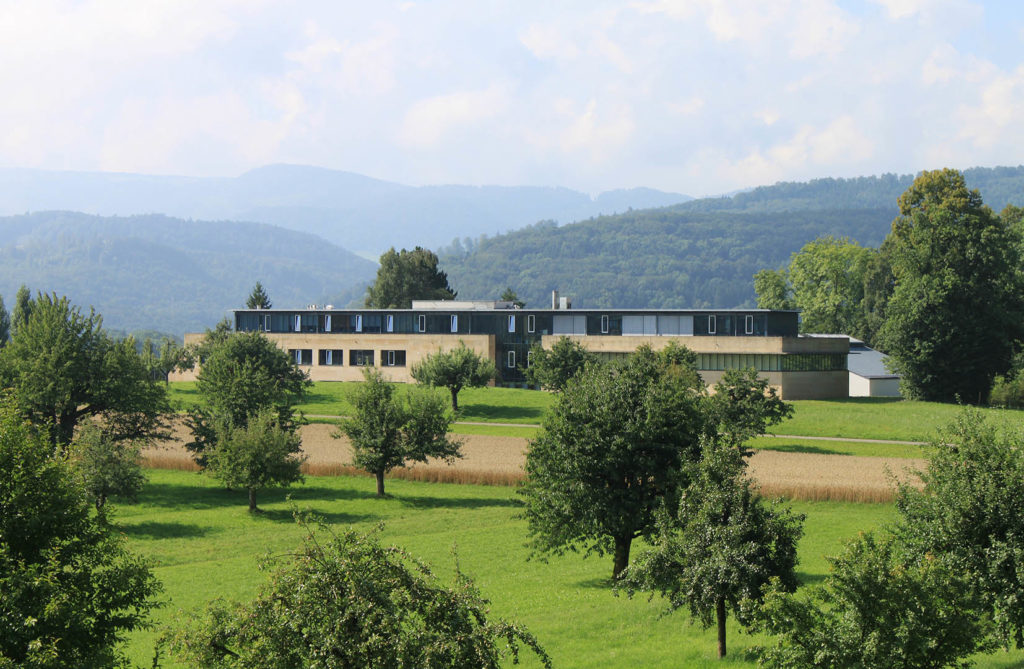
The Museum of Music Automatons in Seewen is one of Switzerland’s most charming specialist museums, bringing mechanical music to life through beautifully preserved music boxes, automata and historic instruments in a peaceful countryside setting. Photo by © Museum für Musikautomaten.
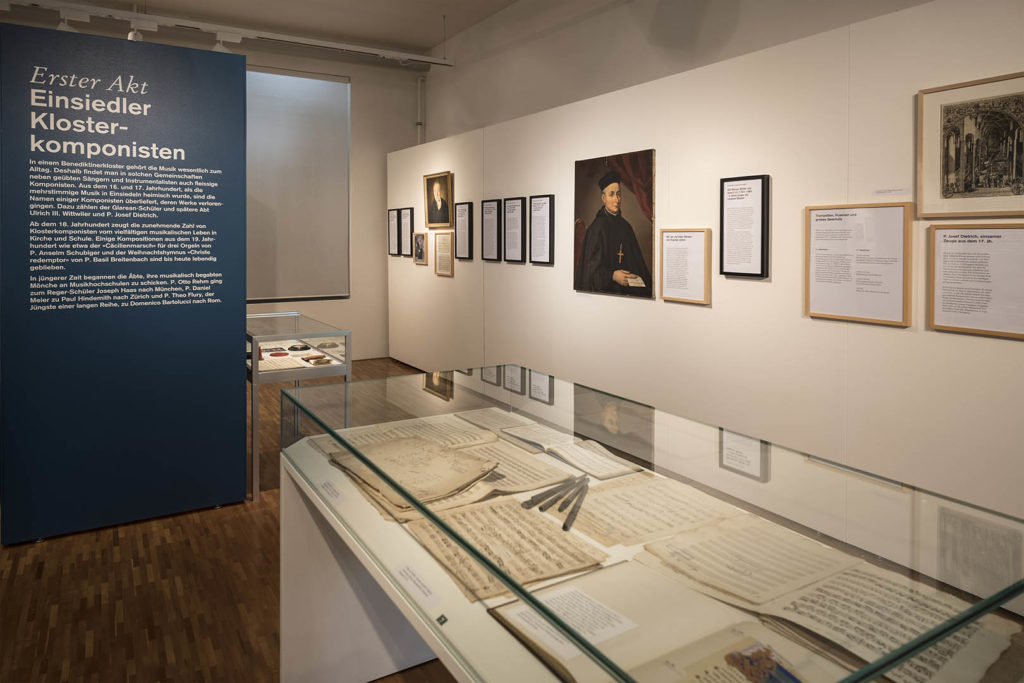
Museum Fram in Einsiedeln offers a fascinating journey into the region’s cultural and musical heritage, using manuscripts, historic objects and carefully curated exhibitions to bring local history vividly to life. Photo by © Stiftung Kulturerbe Einsiedeln.
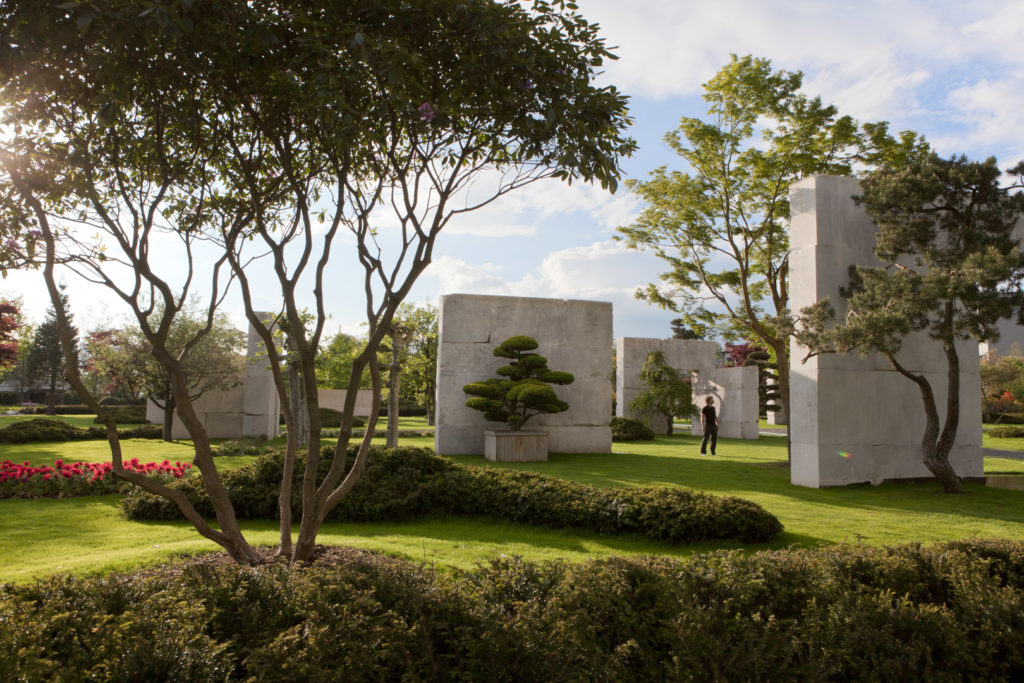
The Enea Tree Museum near Rapperswil-Jona is a wonderfully different museum experience, blending landscape architecture, mature trees, art and sculptural design into a serene open-air setting that feels more like a living gallery than a traditional museum. Photo by © Enea.
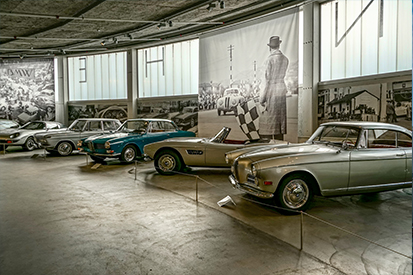
Pantheon Basel is a must-visit for classic-car enthusiasts, showcasing beautifully preserved vehicles that trace the evolution of motoring from the early days of automobile production to the present. Photo by Pantheon Basel.
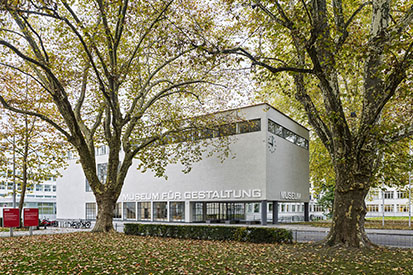
The Museum of Design Zurich is a must-visit for design lovers, showcasing the best of Swiss and international graphic, product and visual design in one of Zurich’s most important cultural institutions. Photo by © ZHdK.
The best museums in Switzerland
Switzerland may be best known internationally for mountains, lakes, chocolate and precision engineering, but its museum landscape is every bit as varied. Across the country, visitors can move from world-class art collections and design museums to institutions devoted to science, sport, human evolution, railways, cultural history and even witchcraft.
The best museums in Switzerland are also remarkably well distributed. Zurich and Winterthur offer some of the country’s strongest art, design and science institutions; Basel has an exceptional concentration of internationally important museums; Bern combines national history with Einstein and Paul Klee; Lausanne brings sport and Olympic history into the mix; Geneva ranges from the Reformation to rare books and ethnography; while the Alpine regions tell the story of Switzerland through railways, mountain passes and local heritage.
Below, we travel through Switzerland region by region, combining museums featured by Discover Germany with a small number of major institutions that belong in any genuinely useful national guide.
Zurich and Winterthur: design, science and world-class art
Zurich is an obvious starting point. Switzerland’s largest city offers a particularly strong mix of art, design, cultural history and more playful museum experiences.
Design and visual culture
The Museum of Design Zurich is one of the strongest places to begin. Its collections span design, graphics, posters and decorative arts, making it an excellent introduction to the visual culture for which Switzerland has become internationally recognised.
For art on a much larger scale, Kunsthaus Zürich is essential. It is Switzerland’s largest art museum and brings together more than 800 years of art history, with major holdings of Alberto Giacometti, Edvard Munch, Impressionism, classical modernism and contemporary art.
The contrast between these two institutions makes Zurich especially rewarding: one examines the objects, graphics and ideas shaping everyday visual culture, while the other offers the sweep of European art history.
Switzerland’s national story
The Swiss National Museum in Zurich should also be high on any first-time visitor’s list. Its collection contains more than 870,000 objects covering Swiss cultural history, craftsmanship and art from the country’s earliest periods to the present.
For visitors trying to understand Switzerland beyond stereotypes, this is arguably one of the most useful museums in the country. Archaeology, historic interiors, decorative arts, photographs and everyday objects collectively tell the story of how modern Switzerland developed.
Science, football and optical illusions
Zurich’s museums are not limited to traditional art and history.
The FIFA Museum turns the history of football into a global cultural story, with trophies, shirts, memorabilia and interactive experiences documenting the sport’s extraordinary international reach.
For something more playful, the WOW Museum uses optical illusions and interactive environments to challenge perception. It works particularly well for families and anyone wanting a break from conventional galleries.
Another unusual institution is Kulturama Museum of Human Evolution, where human biology, evolution and cultural history are explored through objects, models and interactive displays.
And for visitors interested in global cultures, NONAM – the North American Native Museum – introduces Indigenous cultures of North America through artworks, objects and cultural history.
Taken together, these institutions make Zurich one of Switzerland’s strongest destinations for families as well as serious museum travellers.
Winterthur: art, photography and science
A short journey from Zurich, Winterthur deserves to be treated as a museum destination in its own right.
Sammlung Oskar Reinhart
The Sammlung Oskar Reinhart “Am Römerholz” is one of the most atmospheric art experiences in Switzerland.
Housed in the collector’s former villa, the museum brings major works into an unusually intimate domestic setting. Cranach, Rembrandt, El Greco, Picasso, Rodin and other major artists sit within rooms that still retain the character of a private residence.
Collection director Kerstin Richter told Discover Germany:
“You will hardly find another place where visitors may encounter such a rich choice of high-quality art.”
It is precisely that combination of quality and intimacy that distinguishes the museum from much larger institutions.
Fotomuseum Winterthur
The Fotomuseum adds another layer to Winterthur’s cultural offer. Dedicated to photography and visual culture, it gives visitors an opportunity to explore the medium as both documentary evidence and artistic expression.
For anyone interested in contemporary visual culture, pairing Fotomuseum Winterthur with the Oskar Reinhart collection creates a fascinating conversation between traditional painting and photography.
Technorama: science you can touch
The Swiss Science Center Technorama is almost the opposite of a conventional museum.
Here, visitors are encouraged to touch, test and experiment. The centre is one of Europe’s larger science centres and uses hundreds of experiment stations, laboratories, demonstrations and outdoor installations to explain physics, chemistry, biology, light, water and movement through direct experience.
The result is genuinely useful rather than simply child-friendly: adults can easily lose several hours experimenting alongside younger visitors.
For families, Technorama is one of the best museums in Switzerland – even if it proudly behaves unlike a traditional museum at all.
Basel: one of Europe’s great museum cities
Basel has one of the highest concentrations of serious museums in Switzerland. Art dominates, but the city also excels in cultural history, cartoons and specialist collections.
Kunstmuseum Basel
Any national museum guide has to begin with Kunstmuseum Basel.
Its public art collection traces its origins to the acquisition of the Amerbach Cabinet in 1661, making it the oldest public art collection in the world. Today the collection spans eight centuries and includes major works by Hans Holbein the Younger, Cézanne, Picasso, Warhol, Joseph Beuys and many others.
The museum operates across several buildings, allowing historic art, modernism and contemporary work to be given substantial space.
For art lovers, it is one of Switzerland’s genuinely essential museums.
Fondation Beyeler
Just outside central Basel in Riehen, Fondation Beyeler is another institution that should not be missed.
The collection assembled by Ernst and Hildy Beyeler contains more than 400 classic modern and contemporary works, and the museum’s setting – architecture, landscaped grounds and carefully curated exhibitions – is a major part of the experience.
Monet, Picasso and other modern masters sit within a museum that feels deliberately calm and spacious, making it a very different experience from the denser historic collections in central Basel.
Museum der Kulturen Basel
The Museum der Kulturen Basel widens the perspective dramatically.
Its collections examine cultures from around the world, using objects not merely as curiosities but as starting points for understanding different societies, belief systems and ways of living.
The museum’s distinctive folded roof by Herzog & de Meuron is itself worth seeing.
Cartoonmuseum Basel
The Cartoonmuseum Basel proves that Basel’s museum culture is not overly solemn.
Illustration, caricature, comics and graphic storytelling are taken seriously as artistic forms, making this one of Switzerland’s more unusual specialist museums.
Cars and mechanical culture
For visitors whose interests extend beyond fine art, Pantheon Basel offers a completely different experience centred around classic cars and automotive culture.
The variety is part of Basel’s appeal. A weekend can move from Holbein and Picasso to ethnography, cartoons and historic automobiles without ever feeling repetitive.
Bern and the Emmental: national history, Einstein and modern art
Switzerland’s capital has a quieter museum scene than Zurich or Basel, but several institutions are nationally significant.
Bernisches Historisches Museum and Einstein Museum
The Bernisches Historisches Museum is one of the most important places for understanding the history of Bern and Switzerland more broadly.
Within the same museum complex, the Einstein Museum explores the life and work of Albert Einstein, whose years in Bern were among the most important of his career.
Visitors who want an even more personal connection can also visit the Einstein Haus, the apartment where Einstein lived while developing some of the ideas that would revolutionise modern physics.
It is a rare opportunity to connect major scientific history with the actual urban environment in which it happened.
Zentrum Paul Klee
Bern’s Zentrum Paul Klee brings a completely different dimension.
Its collection is one of the world’s most important holdings of works by Paul Klee, with paintings, watercolours and drawings documenting the extraordinary range of his career.
The institution is particularly valuable because Klee’s works are often delicate and light-sensitive, meaning exhibitions rotate and visitors can encounter different aspects of his output over repeated visits.
For modern art lovers, it should sit alongside Kunsthaus Zürich, Kunstmuseum Basel and Fondation Beyeler on a serious Swiss itinerary.
Museum Franz Gertsch
In nearby Burgdorf, the Museum Franz Gertsch offers a more regional approach to contemporary art.
Recent exhibitions have explored artistic production across the Emmental, placing the work of Franz Gertsch within a wider local cultural context and connecting established names with younger artists.
This is one of the pleasures of Switzerland’s museum landscape: some of the most interesting institutions sit outside the largest cities.
Girsbergerhaus
The Girsbergerhaus provides yet another shift in scale.
This hands-on museum focuses on traditional timber framing and building techniques, preserving practical knowledge that might otherwise disappear. It is a good example of the way smaller Swiss museums often concentrate on regional craftsmanship rather than large national narratives.
Geneva: Reformation, rare books and global cultures
Geneva’s identity as an international city is reflected in its museums, which often connect local history to much broader themes.
International Museum of the Reformation
The International Museum of the Reformation is one of Geneva’s most distinctive historical institutions.
Located in the Old Town, it explores the religious and social movement that transformed Europe from the 16th century onwards. Paintings, books, documents, engravings and multimedia displays connect figures such as Luther, Calvin and later Protestant thinkers to the wider consequences of the Reformation.
Discover Germany’s feature describes it as the only secular institution devoted specifically to this history, and the setting in an 18th-century mansion adds considerably to the experience.
Fondation Martin Bodmer
The Bodmer Museum is another remarkable Geneva-area institution.
Built around one of the world’s great collections of written culture, it brings manuscripts, rare books and literary history together in a museum that rewards slow exploration.
For readers and lovers of intellectual history, it is easily one of the most rewarding museums in the region.
Musée Barbier-Mueller
The Musée Barbier-Mueller focuses on art and cultural objects from Africa, Oceania and other regions outside Europe.
Its collections provide a useful complement to Geneva’s European historical museums and underline the city’s long-standing international outlook.
Lake Geneva and western Switzerland: sport, history and art
The shores of Lake Geneva combine several very different museum experiences.
The Olympic Museum, Lausanne
The Olympic Museum is one of Switzerland’s most recognisable specialist museums.
The collections include Olympic torches, clothing, equipment and memorabilia associated with athletes such as Roger Federer, Usain Bolt, Nadia Comaneci and Michael Phelps, alongside archives containing hundreds of thousands of photographs and vast quantities of film footage.
Even visitors with only a passing interest in competitive sport can find the museum surprisingly absorbing because it approaches the Olympics through human stories, design, politics, technology and cultural history.
Château de Prangins
The Swiss National Museum Château de Prangins provides an entirely different experience.
Set in an elegant château overlooking Lake Geneva, it explores Swiss social and cultural history through objects, interiors and exhibitions.
The historic setting is an important part of the appeal and makes the museum particularly rewarding for visitors who enjoy architecture and gardens alongside collections.
Neuchâtel
Further north-west, the Musée d’ethnographie de Neuchâtel examines ethnography and global cultural encounters.
Rather than presenting collections as static displays, the museum has a reputation for questioning how ethnographic collections themselves are interpreted – useful context in a period when museums around the world are reconsidering the histories behind their holdings.
Central Switzerland: transport, mountain passes and mechanical ingenuity
Some of the most recognisably Swiss museum subjects appear in central Switzerland.
Swiss Museum of Transport, Lucerne
The Swiss Museum of Transport is one of the biggest attractions missing from many casual lists – and it deserves a prominent place here.
It is Switzerland’s most-visited museum and covers rail, road, aviation, shipping, cableways, tourism and energy through original vehicles and highly interactive exhibitions. The museum also incorporates a planetarium, film theatre and other attractions.
For families, transport enthusiasts and anyone fascinated by Swiss engineering, it is one of the safest recommendations in the country.
The scale also matters: this is not a quick one-hour stop. There is enough to occupy a substantial part of a day.
Museo Nazionale del San Gottardo
High in the Alps, the Museo Nazionale del San Gottardo explores one of Switzerland’s most important historic crossings.
The Gotthard is far more than a mountain pass. It represents trade, travel, defence, engineering and the challenge of connecting northern and southern Europe through the Alps.
Visiting the museum in the landscape where that history unfolded makes the subject particularly tangible.
Museum of Music Automatons
The Museum of Music Automatons is one of the more unexpected entries on this list.
Mechanical musical instruments, music boxes and automated devices reveal a fascinating meeting point between craftsmanship, engineering and entertainment.
It is exactly the sort of specialist museum that makes a wider Swiss museum trip more memorable.
Graubünden and eastern Switzerland: railways and military history
The Swiss Alps have shaped transport and defence as much as culture.
Albula Railway Museum
The Bahnmuseum Albula explores the railway history of the spectacular Albula line.
Swiss railway engineering is central to the country’s national identity, and this museum provides useful context for the tunnels, viaducts and mountain routes that travellers often experience without fully understanding how they were built.
Anyone travelling through Graubünden by rail should consider it a natural extension of the journey itself.
Festungsmuseum Heldsberg
The Festungsmuseum Heldsberg preserves an underground Swiss military fortress.
Visitors enter an environment designed for defence rather than display, giving a physical sense of Switzerland’s 20th-century military preparedness.
Like many converted military sites, the location itself is as important as the objects inside.
Zug, Ticino and smaller art destinations
Switzerland’s smaller cities also contain worthwhile art museums.
Kunsthaus Zug has developed an international perspective that extends beyond conventional Swiss and European collections, including significant engagement with Australian Aboriginal art.
In Bellinzona, Museo Villa dei Cedri offers art in an elegant historic villa, giving Ticino a strong presence on a national museum itinerary.
The Enea Tree Museum near Lake Zurich stretches the definition of a museum even further. Landscape, trees and design become the collection itself, creating a serene outdoor experience that works particularly well as a counterpoint to indoor galleries.
And for something completely unexpected, the Hexenmuseum Schweiz explores the history of witchcraft, folklore and persecution – proof that Switzerland’s museum landscape is not short on eccentricity.
How to plan a museum trip through Switzerland
Switzerland’s compact geography makes combining museums unusually easy.
Zurich and Winterthur are the strongest pairing for design, photography, science and major art collections.
Basel is arguably the best destination for a dedicated art weekend, particularly if Kunstmuseum Basel and Fondation Beyeler are combined with the city’s smaller specialist institutions.
Bern and Burgdorf work well for Swiss history, Einstein, Paul Klee and contemporary Swiss art.
Geneva and Lausanne offer a different balance: Reformation history, literary collections, global cultures and the Olympic story.
Lucerne and central Switzerland are particularly strong for transport, engineering and Alpine history.
And visitors travelling through the mountains can turn the journey itself into a museum route by incorporating the Gotthard and Albula institutions.
Which Swiss museums should you visit first?
For a first visit, it is better to choose according to interest than attempt to create a definitive ranking.
For art, start with Kunsthaus Zürich, Kunstmuseum Basel, Fondation Beyeler and Zentrum Paul Klee, then explore the more intimate Oskar Reinhart and Franz Gertsch collections.
For design and visual culture, the Museum of Design Zurich and Fotomuseum Winterthur are particularly strong.
For science and families, Technorama and the Swiss Museum of Transport are hard to beat.
For Swiss history, combine the Swiss National Museum in Zurich with the Bernisches Historisches Museum and Château de Prangins.
For specialist experiences, the Olympic Museum, International Museum of the Reformation, FIFA Museum, Albula Railway Museum and Museum of Music Automatons all offer something difficult to find elsewhere.
Why Switzerland’s museums are worth making time for
The strength of the best museums in Switzerland is their variety.
A visitor can spend one morning with Giacometti and Munch, the afternoon experimenting with physics, and the following day walking through the history of Swiss railways or standing inside a military fortress.
Many institutions are also closely tied to their locations. The Oskar Reinhart collection belongs naturally in its Winterthur villa; Alpine transport museums make more sense when experienced alongside the routes they interpret; and Geneva’s Reformation museum gains depth from being embedded in the historic city where Calvin once worked.
That relationship between museum and place makes Switzerland particularly rewarding.
The biggest names deserve their reputations, but it would be a mistake to stop there. Smaller institutions devoted to photography, music automatons, timber framing, military history or trees can be just as memorable precisely because their subjects are so focused.
Switzerland’s museum landscape extends far beyond the highlights above. Discover Germany has featured museums across the country, from major cultural institutions to smaller specialist collections devoted to art, history, science, design and regional heritage. Explore our full museum archive to discover even more places worth visiting.
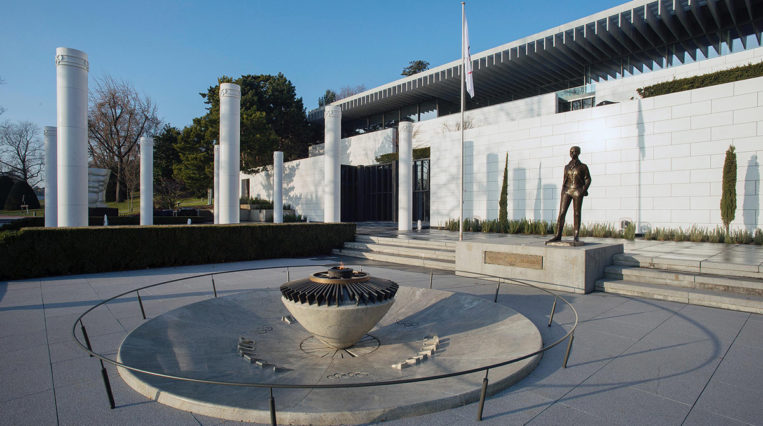
600,000 pictures, 30,000 hours of video footage and an impressive collection of original pieces make The Olympic Museum in Lausanne a key destination…
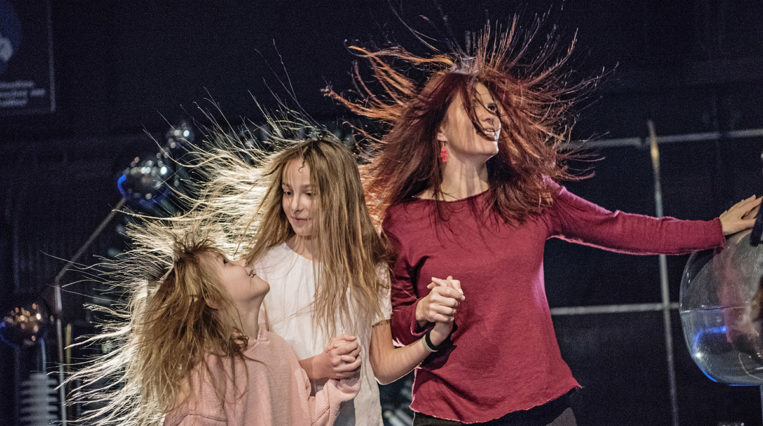
Technorama Winterthur is one of the largest science centres in Europe. With its unique variety of experiment stations across four floors, it offers…
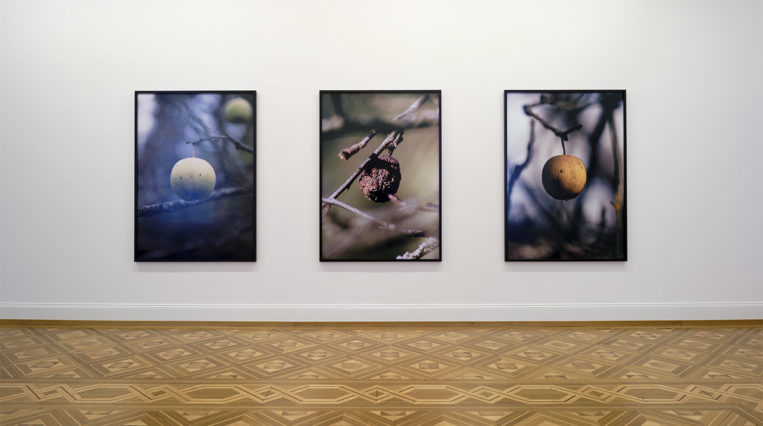
The Art Museum Thun, situated in the former Grand Hotel Thunerhof, features various temporary exhibitions of nationally and internationally renowned…
Are you a fan of Germany, Switzerland and Austria? So are we! Sign up to our newsletter now to stay up to date on the most exciting news, events and destinations.