Wendisches Museum – More than a place of preservation
Nestled in the heart of Niederlausitz in Cottbus, Wendisches Museum, or Wendish Museum, has stood as a beacon of Sorbian culture since its inception…

Staatlichen Kunstsammlungen Dresden (Dresden State Art Collections) is a vibrant museum association dedicated to European art history, with roots stretching back to the 16th century. This spring, Residenzschloss Dresden (Royal Palace) celebrates two mile-stones: the completion of its new staterooms and the unveiling of a spectacular new permanent exhibition, further enriching this centre of art and scholarship. Dresden, once a centre of Baroque splendour, is home to one of the oldest and most important muse-um networks in Europe. Staatliche Kunstsammlungen Dresden (SKD) includes 15 museums whose origins trace back to the Elector's art chamber of 1560, founded out of a passion for collecting…
As a world-renowned magnet for German expressionist works, Munich's Lenbachhaus is proud to own, collect and exhibit the largest collection of the…
It hasn’t been long since the celebrations that marked the 30th anniversary of the German Unity Day and the fall of the Berlin Wall. The Wall and its…
Located at Kaispeicher B and spreading over nine ‘decks’, the International Maritime Museum Hamburg shows the whole spectrum of maritime history,…
The Kunstmuseum Moritzburg Halle (Saale) starts the new year with a much regarded retrospective on the photography art of the late designer, fashion…
Nestled in the heart of Niederlausitz in Cottbus, Wendisches Museum, or Wendish Museum, has stood as a beacon of Sorbian culture since its inception…

Between propeller shafts and pivotal chapters of history, Deutsche Marinemuseum (German Naval Museum) in Wilhelmshaven brings maritime heritage to…

Experience great art up close at the Von der Heydt Museum in Wuppertal. With its pronounced focus on 19th century and classic modernism, the unique…
The LutherMuseen bring history to life at the original locations where Martin Luther once stood. In the five museums in Eisleben, Mansfeld and…
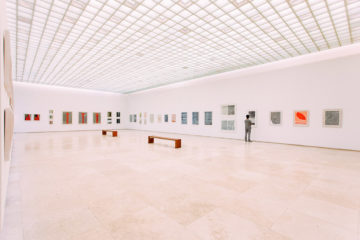
How do people visit museums? Who visits museums? Why? Why not? How are museums perceived? In collaboration with four museum advisory centres in the…
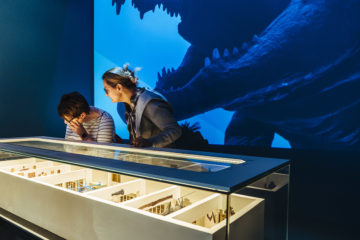
300 years of curiosity mark the baroque Cabinet of Artefacts and Natural Curiosities of the Francke Foundations in Halle. On the top floor of the…
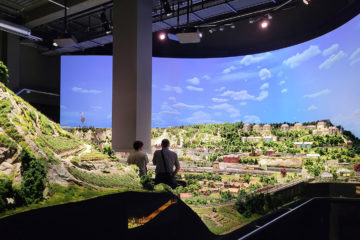
Märklineum in Göppingen is no ordinary museum. This immersive cultural venue, centred around toy brand Märklin, tells the story of 165 years of…

The Städtische Galerie Karlsruhe offers a fresh and comprehensive look at current thematic discourses in art and society. With the special show…
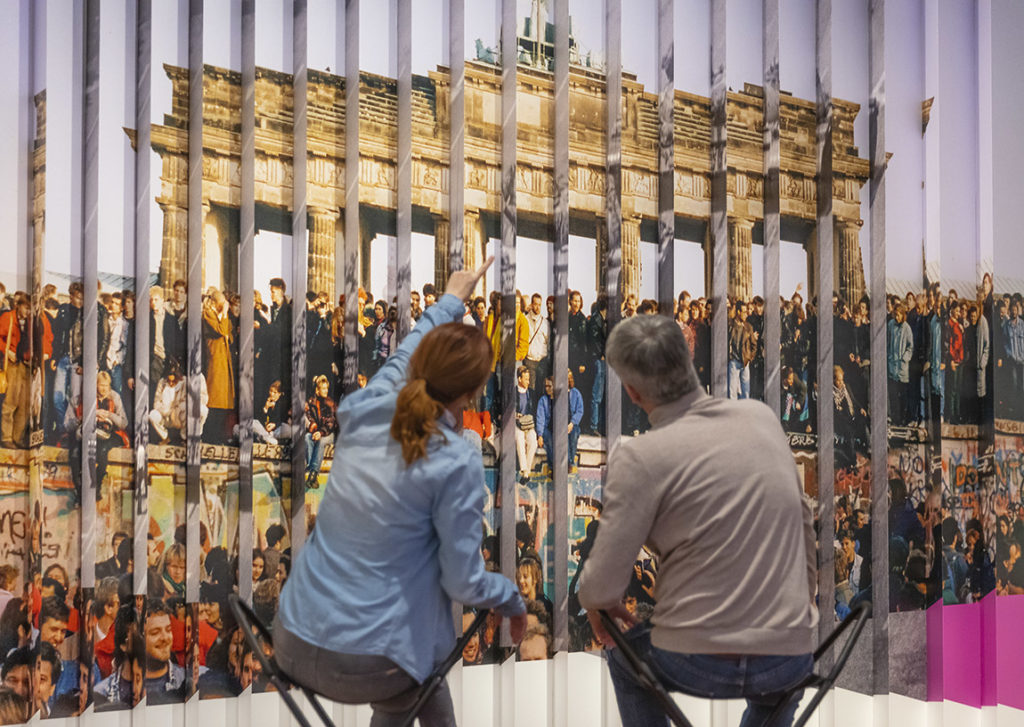
The German History Museum in Berlin brings the country’s past vividly to life through powerful exhibitions, striking architecture and thought-provoking perspectives on the events that shaped modern Germany — an essential stop for anyone wanting to understand the nation beyond the surface. Photo by Deutsches Historisches Museum/David von Becker.
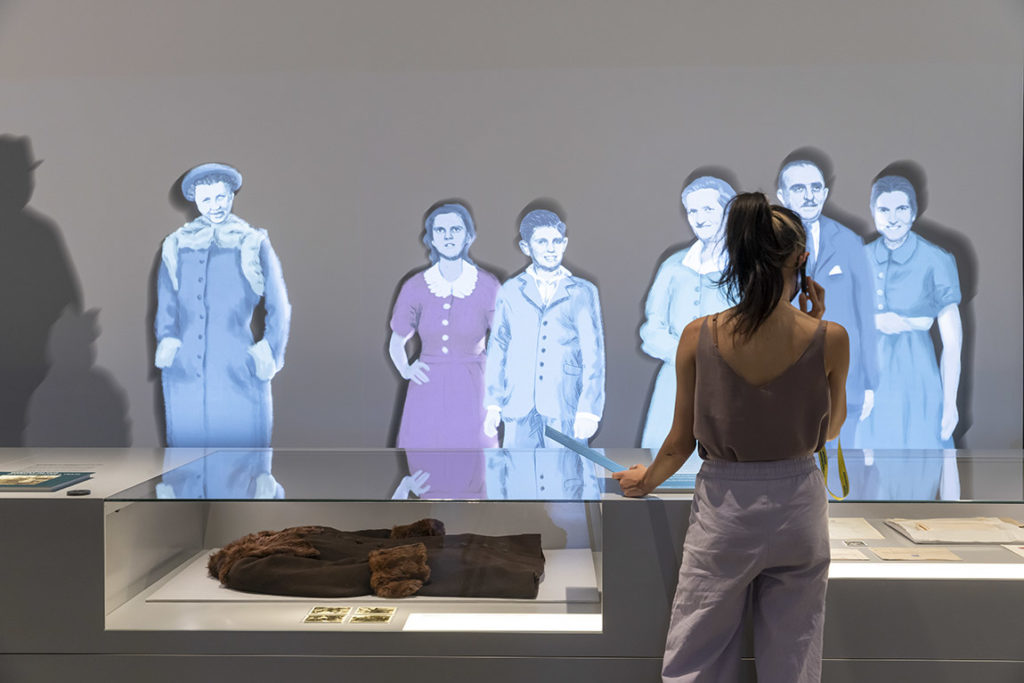
The Documentation Centre for Displacement, Expulsion, Reconciliation in Berlin offers a powerful and highly relevant look at forced migration, displacement and their human consequences — an important museum for visitors wanting to understand both Germany’s past and wider European history. Photo by Stiftung Flucht, Vertreibung, Versöhnung/Thomas Bruns.
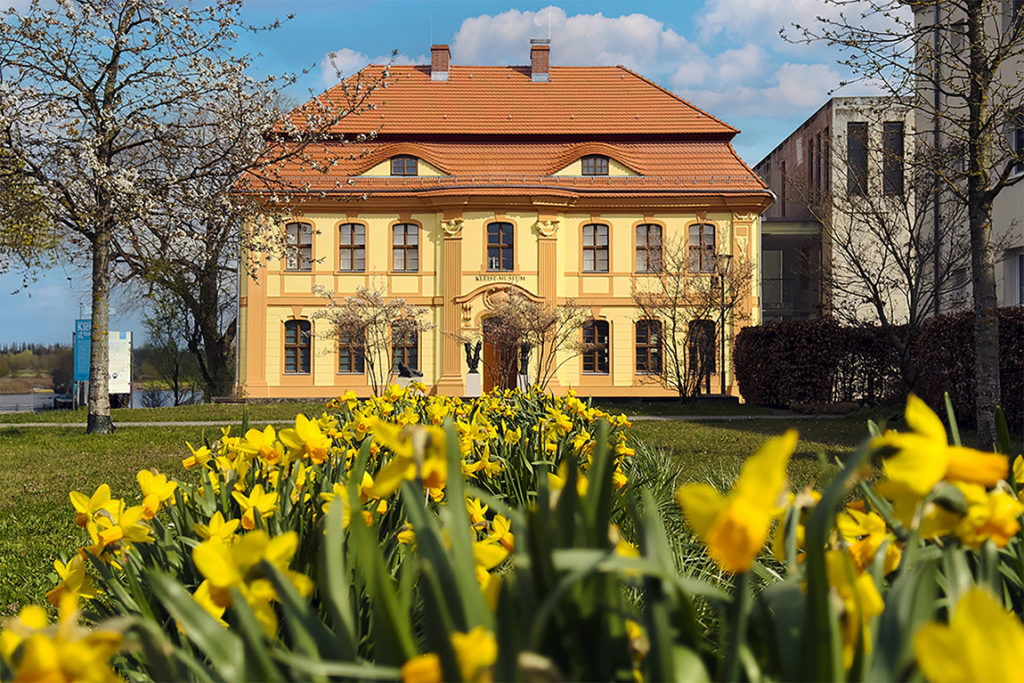
The Kleist-Museum in Frankfurt (Oder) offers a fascinating literary journey into the life and work of Heinrich von Kleist, set across a beautifully restored historic building and a striking modern extension — a rewarding stop for literature and culture lovers. Photo by Stiftung Kleist-Museum.
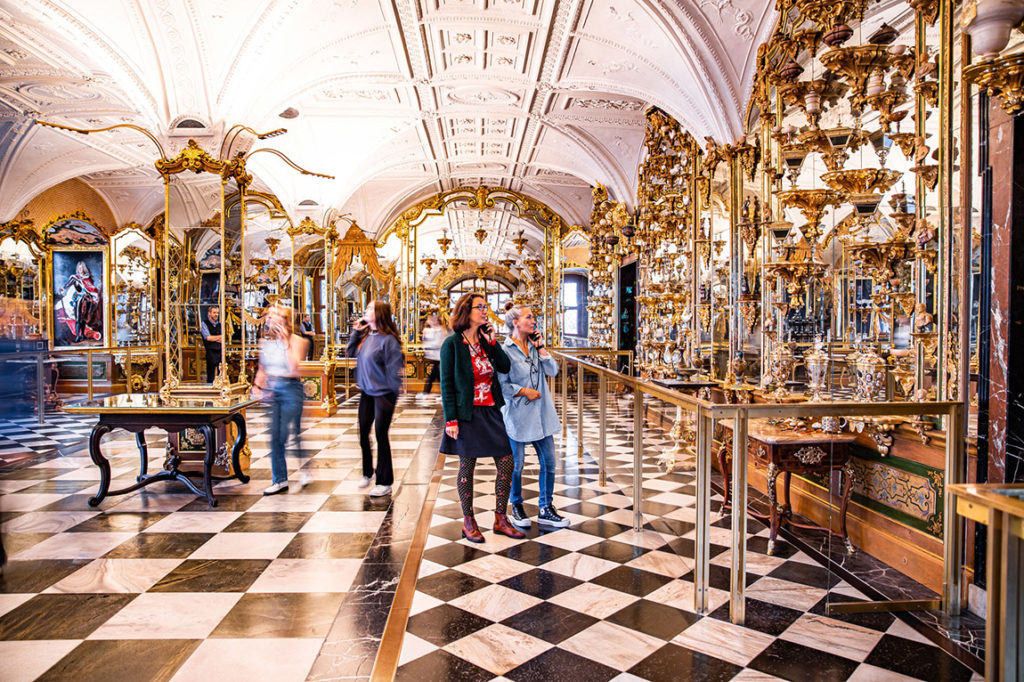
The Historic Green Vault in Dresden is one of Germany’s great museum experiences, dazzling visitors with an extraordinary display of treasures, craftsmanship and royal splendour at the heart of the Staatliche Kunstsammlungen Dresden. Photo by SKD, C. Sonntag.

The Deutsches Hygiene-Museum in Dresden takes visitors on a fascinating journey through the human body, health and society, combining science with thought-provoking exhibitions in one of Germany’s most distinctive museum settings. Photo Isabel Noack.
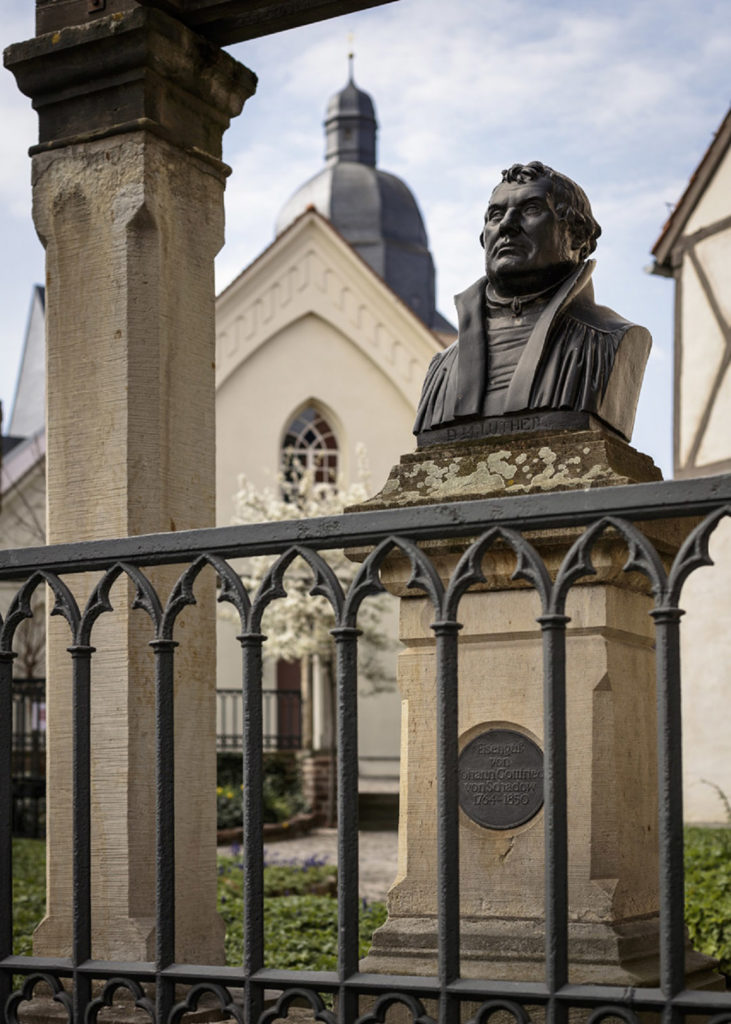
The LutherMuseen bring the story of Martin Luther and the Reformation vividly to life across the historic sites of Wittenberg and Eisleben, offering visitors the chance to explore the places where one of Europe’s most influential movements began. Photo by Stiftung Luthergedenkstätten in Sachsen-Anhalt / Tomasz Lewandowski.
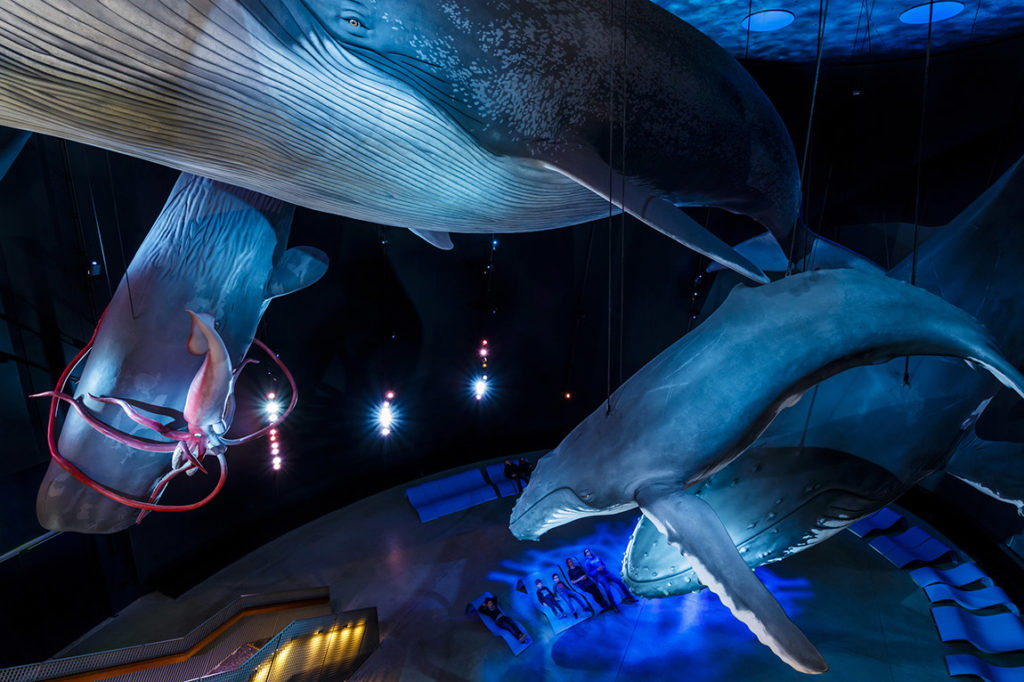
OZEANEUM Stralsund plunges visitors into the fascinating underwater world of the Baltic and North Seas, with huge aquariums and spectacular life-size whale models making it one of northern Germany’s standout family attractions. Photo by Martin Harms.
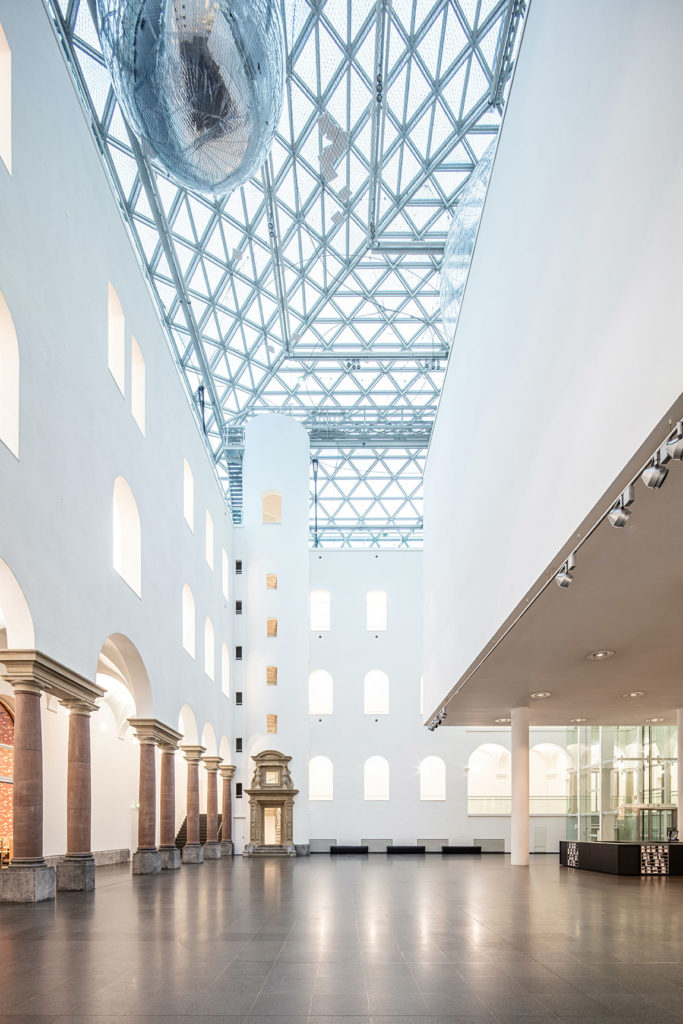
Kunstsammlung Nordrhein-Westfalen in Düsseldorf is a must for lovers of modern and contemporary art, combining major international works with striking architecture across its renowned K20 and K21 spaces. Photo by Sebastian Drüen / Kunstsammlung NRW.
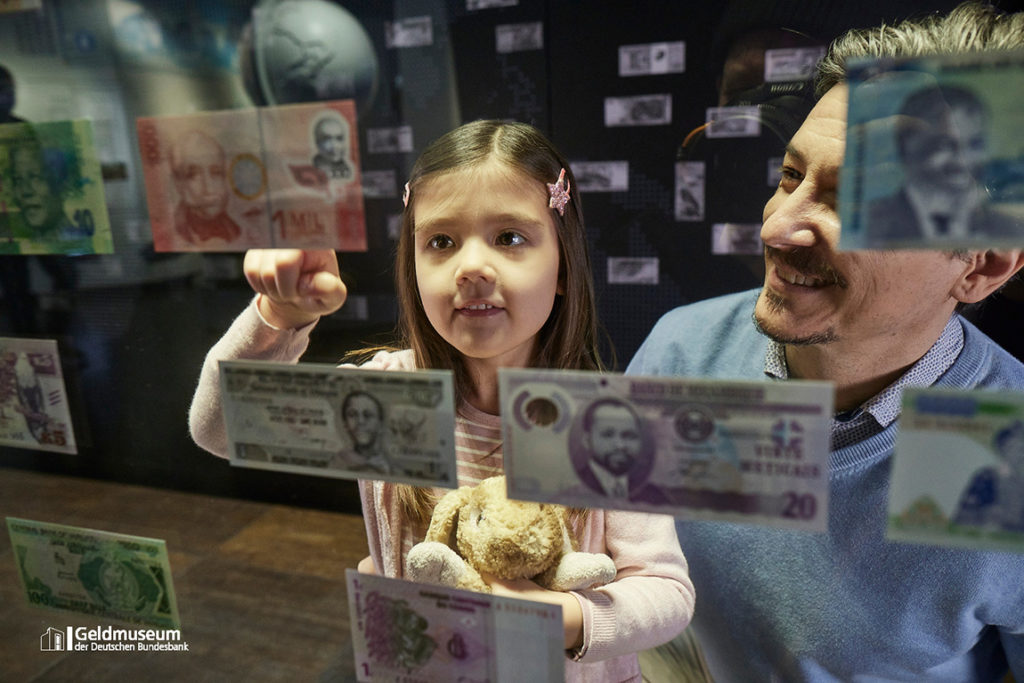
The Money Museum of the Deutsche Bundesbank makes the world of money, inflation and monetary policy surprisingly accessible, with interactive exhibitions that are both educational and engaging for visitors of all ages. Photo by Deutsche Bundesbank.
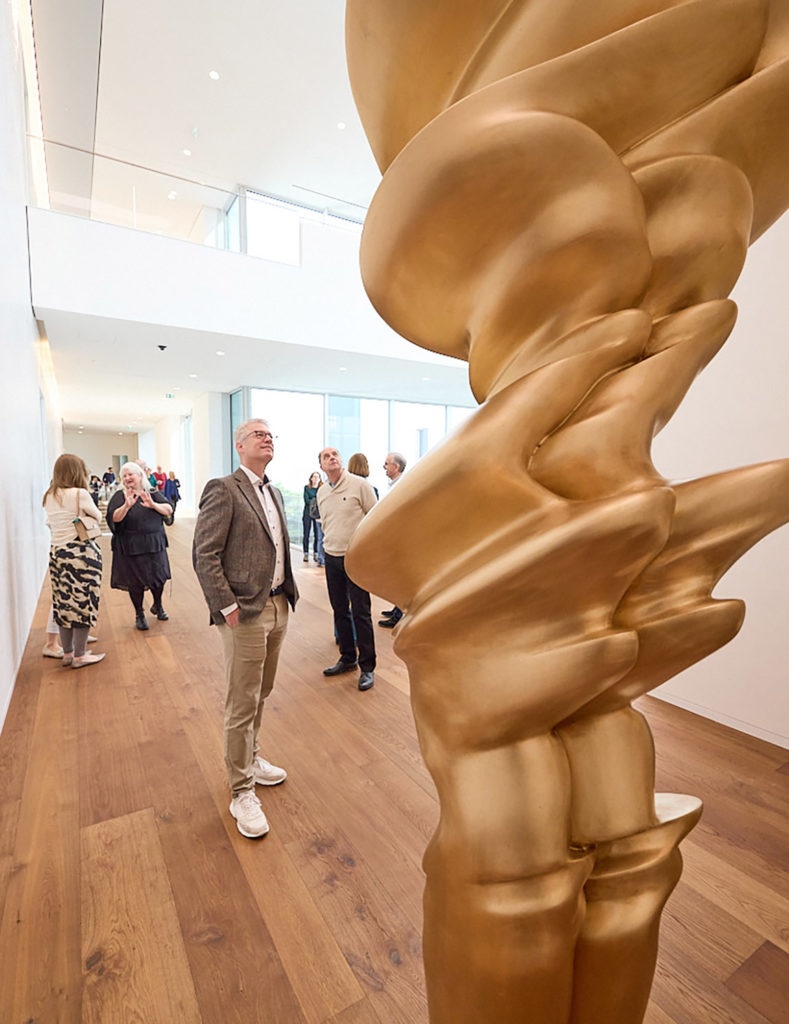
Museum Reinhard Ernst in Wiesbaden is a striking destination for lovers of abstract art, pairing a bold contemporary collection with remarkable architecture designed by Pritzker Prize winner Fumihiko Maki. Photo by Robert Lichtenberg.
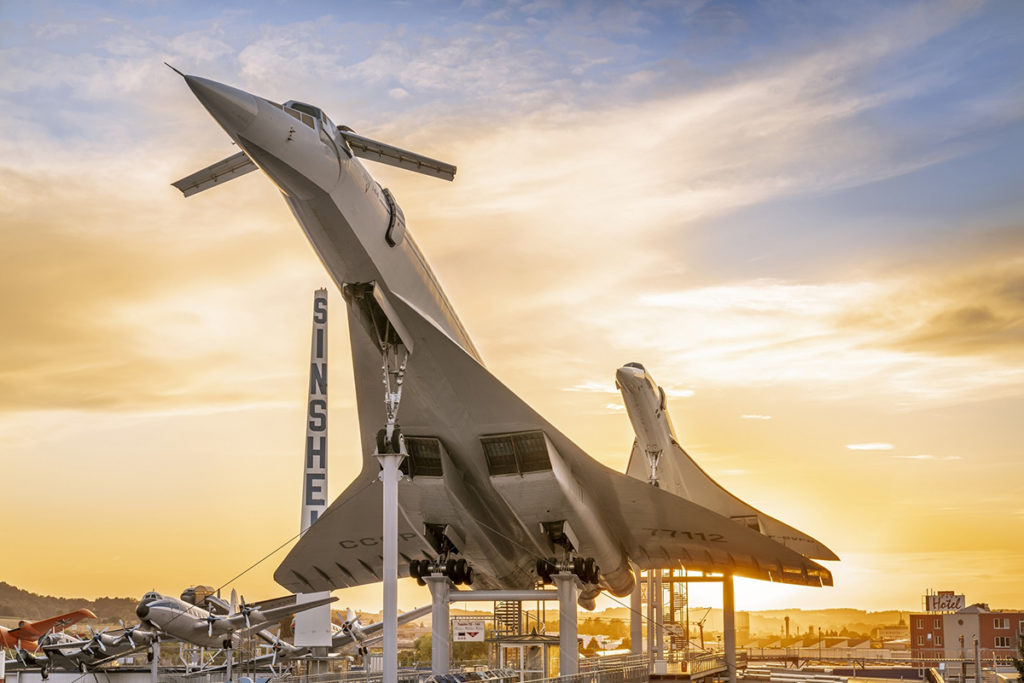
Technik Museen Sinsheim Speyer deliver technology on a spectacular scale, with everything from submarines and classic cars to the legendary Concorde displayed up close — a must-visit for anyone fascinated by engineering, transport and innovation. Photo by Technik Museen Sinsheim Speyer.
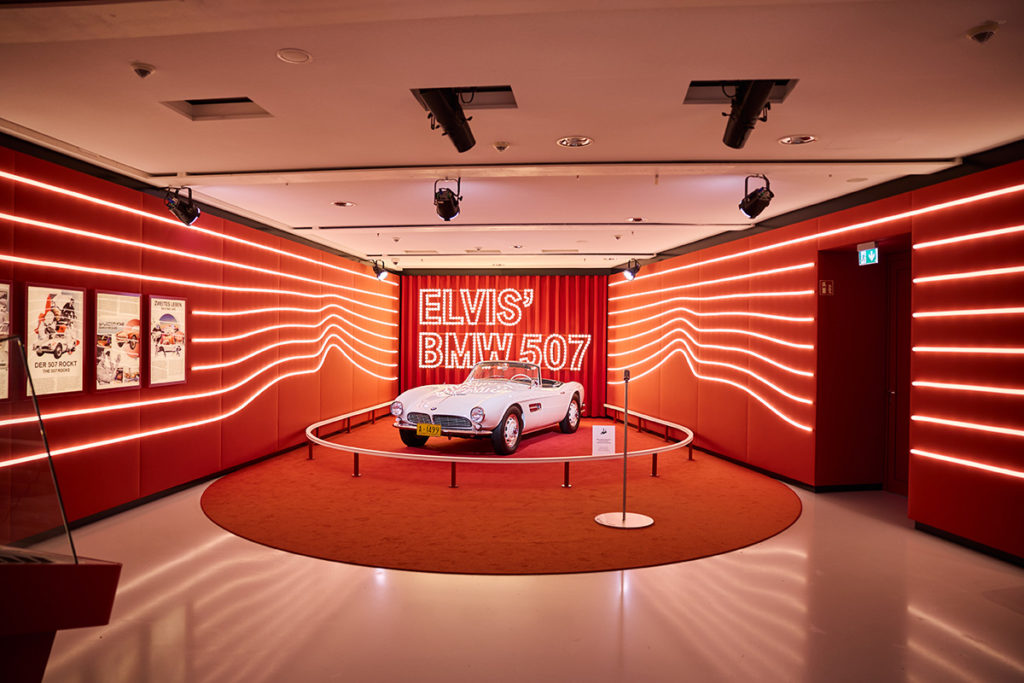
The BMW Museum in Munich brings automotive history to life through iconic cars, bold exhibition design and stories that connect engineering with culture — including Elvis Presley’s legendary BMW 507. Photo by BMW Group.
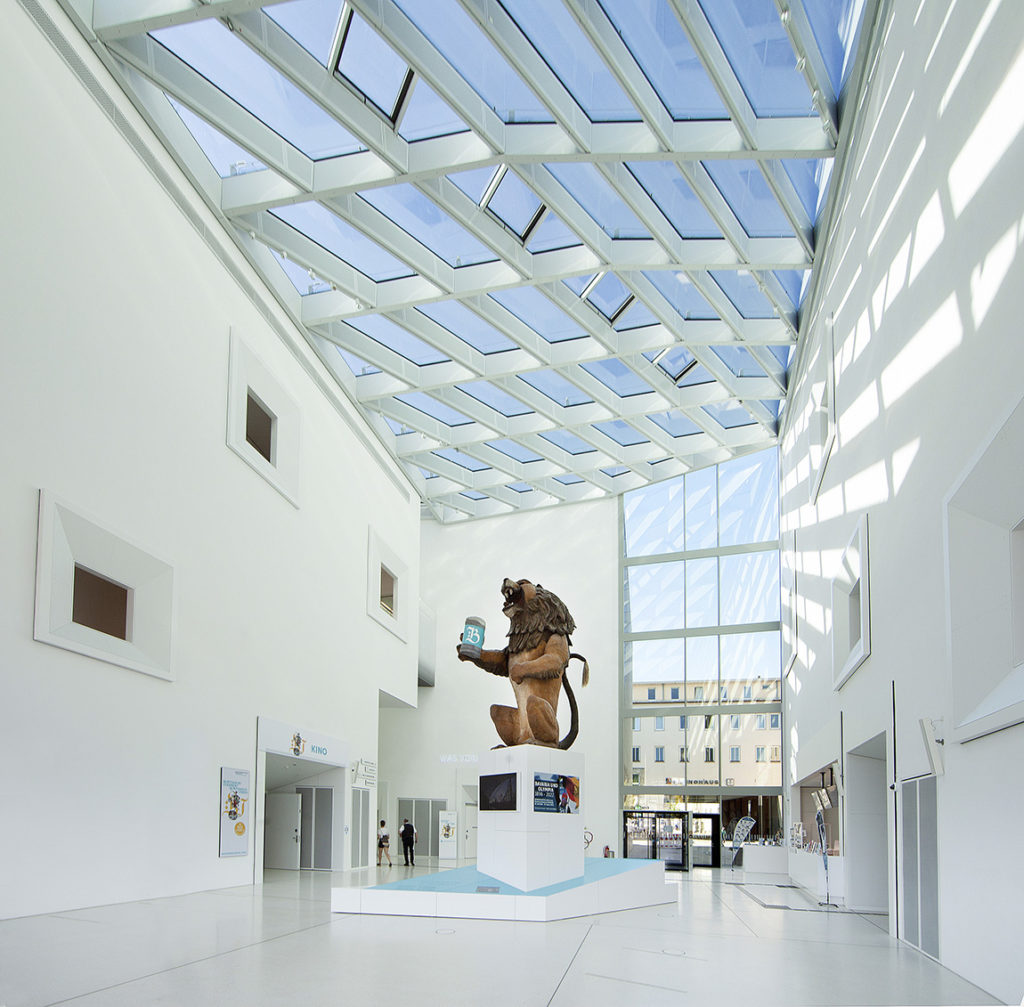
Haus der Bayerischen Geschichte in Regensburg brings Bavaria’s past to life in a bright, modern setting, tracing the state’s journey from the 19th century to the present with engaging exhibitions and a distinctly Bavarian sense of character. Photo by Hans Bauer / hansbauer-fotografie.de.
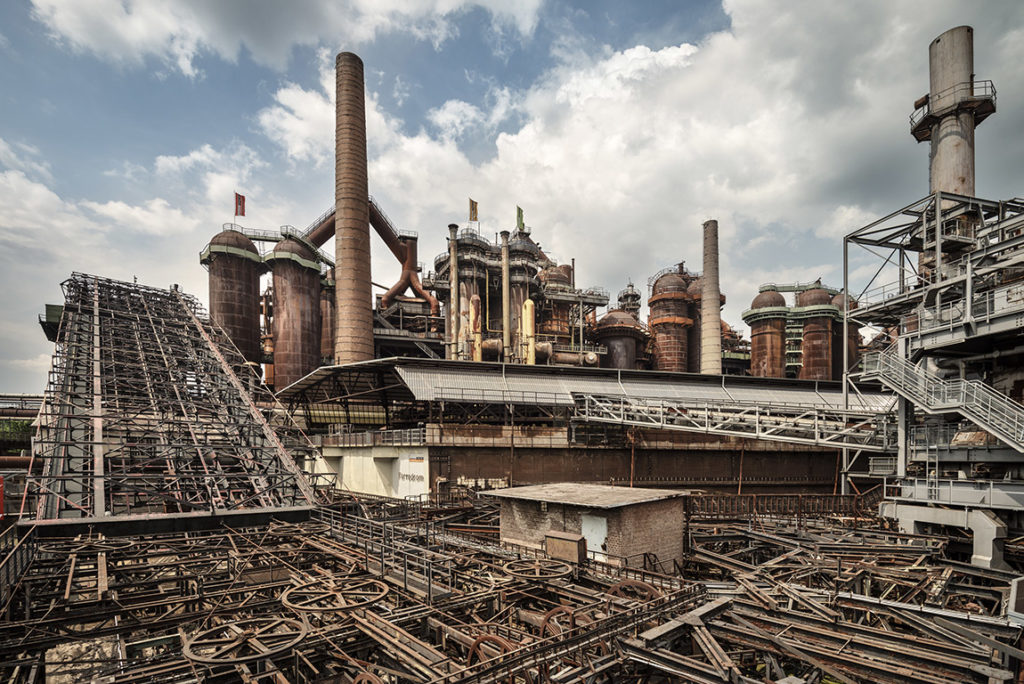
Völklinger Hütte is one of Germany’s most extraordinary museum experiences, transforming a vast former ironworks into a spectacular UNESCO World Heritage Site where visitors can walk through the machinery, furnaces and industrial architecture of a bygone era. Photo by Günther Bayerl.
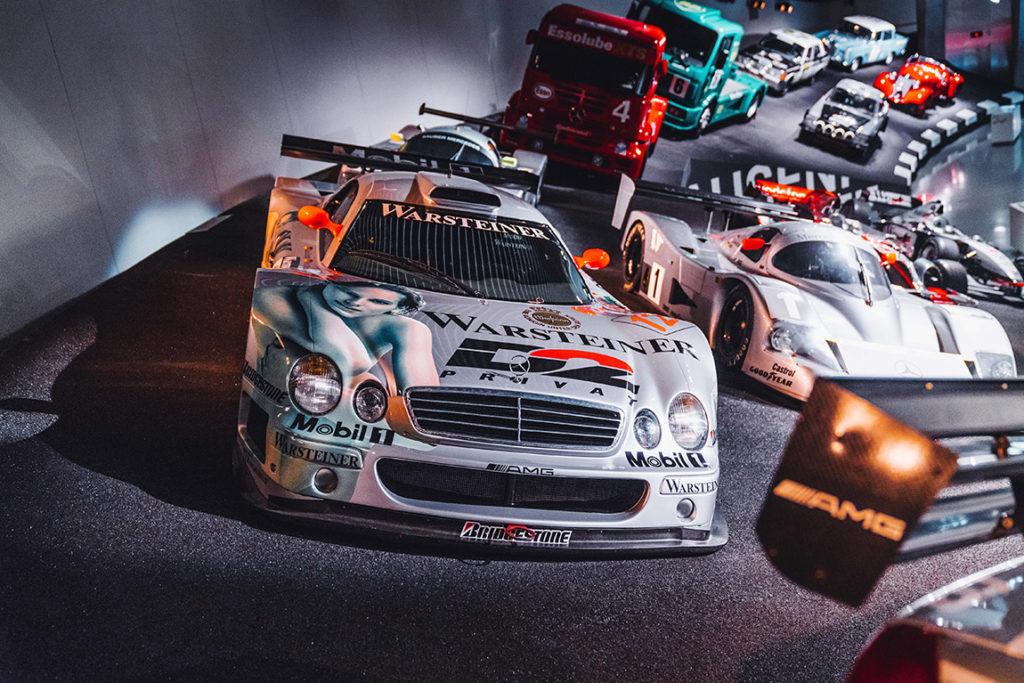
The Mercedes-Benz Museum in Stuttgart takes visitors on a spectacular journey through 140 years of automotive history, from pioneering early cars to legendary racing machines and visions of future mobility — an essential stop for motoring and design enthusiasts. Photo by Mercedes-Benz Group AG.

Museum der Illusionen Stuttgart turns perception into play, with mind-bending optical illusions and interactive exhibits that make it a fun, memorable stop for both adults and children. Photo by Nelefotografie.
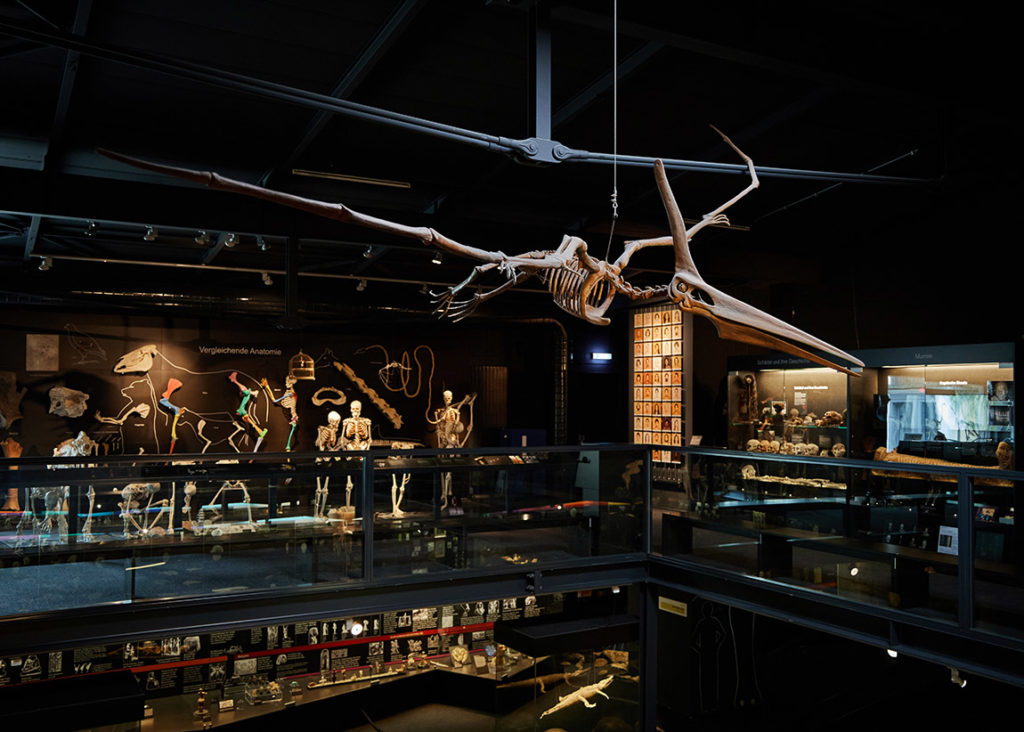
Kulturama Museum of Human Evolution in Zurich brings the story of human development vividly to life through fossils, skeletons and interactive exhibitions that make science engaging for all ages. Photo by Joanna Lesniewska.
Germany’s museum landscape is exceptionally varied. In one journey, visitors can move from Renaissance masterpieces and royal treasure chambers to Cold War history, industrial heritage, migration stories, submarines, automobiles, contemporary art and hands-on science. Some institutions occupy palaces and former factories; others have been designed specifically to challenge traditional ideas of what a museum should look and feel like.
That breadth is one of the reasons the best German museums are found far beyond Berlin. Dresden possesses one of Europe’s great historic art collections, North Rhine-Westphalia is packed with major modern and contemporary art institutions, southern Germany excels in technology and design, while northern Germany tells compelling stories about the sea, migration and the country’s relationship with its coast.
Below, we travel through Germany region by region, highlighting museums featured by Discover Germany alongside a handful of major national institutions that no genuinely useful guide should leave out.
Berlin and Brandenburg: Germany’s history in one region
It is difficult to imagine a better place to begin a museum journey through Germany than Berlin. Few European cities have accumulated so many layers of political, cultural and social history in such a concentrated area.
History, identity and memory
The Deutsches Historisches Museum is an obvious starting point for anyone wanting to understand Germany’s wider story. Its collections explore centuries of German history while its location in the historic centre places it close to many of Berlin’s other great cultural institutions.
The city’s Jewish history is powerfully represented at the Centrum Judaicum – Neue Synagoge Berlin. The restored synagogue on Oranienburger Straße is not simply an architectural landmark; exhibitions explore Jewish life in Berlin and the extraordinary history of the building and community around it.
Another institution dealing directly with difficult European history is the Documentation Centre for Displacement, Expulsion, Reconciliation. Its exhibitions examine forced migration and displacement in 20th-century Europe, providing historical context for subjects that remain politically and socially relevant today.
Berlin’s division during the Cold War provides another essential chapter. The Mauermuseum at Checkpoint Charlie documents the Berlin Wall, escape attempts and the extraordinary ingenuity of people trying to cross from East to West. It is one of the capital’s longest-established museums devoted to this period.
Museum Island
Although Discover Germany has covered numerous Berlin museums, no guide to the best museums in Germany would be credible without mentioning Museum Island.
The UNESCO-listed ensemble brings together the Altes Museum, Neues Museum, Alte Nationalgalerie and Bode-Museum in the historic centre of Berlin. The Pergamonmuseum is currently undergoing major renovation and remains closed, with the renovated North Wing and central building scheduled to reopen on 4 June 2027, bringing the famous Pergamon Altar back into public view.
Even during the renovation period, Museum Island remains one of Europe’s great cultural destinations and deserves at least half a day – considerably longer for dedicated art and archaeology enthusiasts.
Beyond Berlin
Brandenburg provides more intimate experiences. In Frankfurt (Oder), the Kleist-Museum is devoted to playwright and poet Heinrich von Kleist. Rather than attempting to compete with Berlin’s enormous institutions, it shows how focused literary museums can illuminate a single life, body of work and historical period.
Further south, the Wendisches Museum in Cottbus introduces visitors to the culture and history of the Sorbian/Wendish people. It is an excellent example of how Germany’s regional museums preserve identities that can easily disappear from broader national narratives.
Saxony and Saxony-Anhalt: royal treasures, art and Reformation history
For museum lovers, Dresden alone can justify a trip to eastern Germany.
Dresden: one of Europe’s great museum cities
The Staatliche Kunstsammlungen Dresden – the Dresden State Art Collections – encompass 15 museums with roots stretching back to the Electors of Saxony and their 16th-century collections.
The Historic Green Vault, Royal Palace, Porcelain Collection and Old Masters Picture Gallery collectively offer an extraordinary sweep of European art, decorative objects and court culture.
Marketing director Doreen Scherfke captures the importance of one of its best-known works:
“One of the icons of the collection is Raffael’s legendary Sistine Madonna, one of Dresden’s most recognisable cultural landmarks.”
Dresden offers something quite unusual: rather than one dominant museum, visitors can effectively spend several days moving through a network of collections.
The Deutsches Hygiene-Museum provides a complete change of subject. Dedicated to the human body, health, science and society, it demonstrates just how broad Germany’s interpretation of the word “museum” can be.
Halle and the story of central Germany
In Halle, Kunstmuseum Moritzburg combines a historic castle setting with collections ranging from medieval art to modernism. Its architecture alone makes the visit memorable: contemporary interventions sit within the remains of a late medieval complex.
The nearby Stadtmuseum Halle brings the focus down to the history of the city itself, while the Francke Foundations explore an extraordinary educational and social complex founded at the end of the 17th century.
For visitors interested in the Reformation, the LutherMuseen should be high on the list. Their historic sites in Wittenberg and Eisleben connect Martin Luther’s life to the actual places in which crucial events occurred, transforming what can seem like distant religious history into something remarkably tangible.
Northern Germany: the sea, migration and maritime history
Northern Germany’s strongest museums often reflect its relationship with the water.
Bremerhaven and Wilhelmshaven
The Deutsches Auswandererhaus in Bremerhaven approaches migration through individual human stories. Millions of Europeans departed through ports such as Bremerhaven for new lives overseas, and the museum uses recreated environments, documents and personal histories to turn enormous demographic movements into relatable experiences.
Further west in Wilhelmshaven, the Deutsches Marinemuseum brings German naval history into three dimensions.
Its museum harbour is particularly compelling. As deputy museum director Nina Nustede explains:
“Four different ships and boats in the museum harbour are open for visitors to explore – many right down to the lower decks.”
Visitors can enter vessels including submarine U-10 and explore spaces normally inaccessible to civilians. It is difficult to understand the physical reality of naval life until you have actually stood inside the restricted confines of a submarine.
Hamburg, Stralsund and Mecklenburg
Hamburg’s International Maritime Museum is another important stop for anyone fascinated by shipping. Housed in a huge historic warehouse, its collections explore maritime history on a global scale.
In Stralsund, OZEANEUM moves from ships to the oceans themselves. Huge aquariums and exhibitions introduce marine ecosystems of the Baltic and North Seas and make this an especially strong choice for families.
The Technical State Museum of Mecklenburg-Vorpommern adds another dimension, documenting industrial and technological development, while Müritzeum explores the natural environment around Germany’s Lake District.
Lower Saxony: art, nature and photography
Lower Saxony is easy to overlook when planning a German museum trip, yet it contains several institutions worth building into a wider itinerary.
The Landesmuseum Hannover is particularly versatile, combining art, natural history and archaeology under one roof. It is ideal when travelling with a group whose interests do not all neatly align.
Göttingen’s Kunsthaus focuses much more tightly on contemporary art and international artistic exchange.
Meanwhile, the Museum for Photography Brunswick provides a dedicated space for photographic practice and exhibitions – another example of Germany’s strong network of specialised museums outside its largest cities.
North Rhine-Westphalia: one of Germany’s richest art regions
For art lovers, North Rhine-Westphalia can compete with almost anywhere in Germany.
Düsseldorf, Münster and Wuppertal
The Kunstsammlung Nordrhein-Westfalen in Düsseldorf is one of the state’s great modern and contemporary art institutions. Its collections and exhibitions make it a natural cornerstone of an art-focused weekend in the city.
In Münster, the LWL-Museum für Kunst und Kultur ranges across centuries of art and cultural history. Its strengths lie partly in that breadth: medieval objects, Old Masters, modernism and contemporary art are allowed to speak to one another rather than existing as completely separate worlds.
The Von der Heydt-Museum in Wuppertal is another heavyweight, with an outstanding collection particularly associated with 19th-century painting, Expressionism and modern art.
Architecture becomes part of the experience
In Herford, Marta Herford is worth seeing before you even know what is on display. Designed by Frank Gehry, the building’s sculptural forms immediately blur the boundary between museum and artwork.
Paderborn’s Heinz Nixdorf MuseumsForum takes visitors in a completely different direction, tracing information technology from the earliest forms of writing and calculation to computers, robotics and digital communication. It is one of those museums where adults intending to spend an hour often end up staying significantly longer.
The rock’n’popmuseum in Gronau adds music to the mix, using sound, performance and interactive displays to create something intentionally closer to a live experience than a conventional display museum.
One major omission: Museum Ludwig, Cologne
Cologne deserves more weight in any national museum guide than our archive currently gives it, so Museum Ludwig should be mentioned.
Its collections are particularly strong in 20th- and 21st-century art, including Pop Art and a major Picasso collection. Located beside Cologne Cathedral and the Rhine, it also fits extremely easily into a first visit to the city.
Hesse: Frankfurt’s museums and a new art landmark
Frankfurt has one of Germany’s most concentrated museum landscapes, much of it clustered along the Main.
The Money Museum of the Deutsche Bundesbank makes economics unusually approachable, exploring everything from how money functions to monetary policy and inflation.
The Archäologisches Museum Frankfurt takes visitors much further back, tracing archaeology across the city and wider region.
Wiesbaden’s Museum Reinhard Ernst is one of the exciting newer additions to Germany’s museum landscape. Its striking white architecture houses a private collection focused on abstract art, providing a useful contemporary counterpoint to the country’s older collections.
One museum Frankfurt cannot be discussed without
Our archive does not currently give the Städel Museum the prominence it deserves, so it belongs here regardless.
Founded in 1815, the Städel presents around 700 years of European art, from Old Masters and the Renaissance through modern and contemporary works. Its collections include paintings, sculpture, photography, drawings and prints across more than 15,000 square metres.
If you are spending a cultural weekend in Frankfurt, it is one of the few institutions that should be considered essential rather than optional.
Baden-Württemberg: cars, technology, art and illusion
Baden-Württemberg offers perhaps the greatest variety of any section of this guide.
Stuttgart: art and automotive history
The Mercedes-Benz Museum uses the history of the automobile to tell a much broader story about technology, mobility and social change. Even visitors who would never describe themselves as car enthusiasts can appreciate the extraordinary architecture, design and engineering on display.
The Staatsgalerie Stuttgart provides the artistic counterpart. As Baden-Württemberg’s largest art museum, its collections range across centuries and include particularly strong modern holdings.
Families wanting something more playful can head to the Museum der Illusionen Stuttgart, where optical tricks and interactive installations offer a deliberate contrast to traditional museum etiquette.
Karlsruhe and Göppingen
The Städtische Galerie Karlsruhe focuses on modern and contemporary art, while Göppingen’s Märklineum celebrates model railways and the history of Märklin.
The latter may sound niche until you see the scale of the displays. Model trains occupy a special place in German industrial and childhood history, and the museum successfully appeals both to committed collectors and families.
Sinsheim and Speyer: technology on a monumental scale
Few museums make a first impression like the Technik Museen Sinsheim Speyer.
Across enormous exhibition areas, visitors encounter aircraft, locomotives, classic cars, military technology and other engineering landmarks. The scale makes these museums destinations in their own right rather than quick roadside stops.
Bavaria: design, automobiles, history and science
Munich alone contains enough museums for several days.
Cars, design and contemporary culture
The BMW Museum charts the evolution of one of Germany’s best-known brands through cars, motorcycles, engineering and industrial design. Its location beside BMW Welt means the wider complex can easily occupy half a day.
The Lenbachhaus provides a completely different Munich experience. Particularly associated with the Blue Rider movement, it combines historic architecture with modern and contemporary art.
The Museum Fünf Kontinente widens the perspective beyond Europe, while Die Neue Sammlung focuses on design and is among the institutions that underline Munich’s importance in the history of industrial and product design.
Contemporary visitors can also explore MUCA, which brings street and urban art into an institutional setting.
The missing giant: Deutsches Museum
One institution is simply too important to omit because it has not been individually featured in our archive: Munich’s Deutsches Museum.
Its enormous science and technology collections cover subjects ranging from aviation, chemistry and mathematics to musical instruments, agriculture and space exploration. Following major renovation, 19 new and redesigned exhibitions opened in 2022 across around 20,000 square metres of the main museum.
For families, engineering enthusiasts and anyone interested in how things work, it deserves to rank alongside Germany’s great art museums.
Beyond Munich
Regensburg’s Haus der Bayerischen Geschichte explores Bavarian history in a way that is accessible even if you arrive knowing very little about the state.
In Bayreuth, the Richard Wagner Museum is essential for anyone interested in opera and musical history, while Fürth’s Ludwig Erhard Zentrum examines the former German chancellor and the economic development of post-war Germany.
Saarland: industrial history on an extraordinary scale
Some of Germany’s most memorable museums do not look like museums at all.
The Völklinger Hütte in Saarland is the clearest example.
This vast former ironworks is a UNESCO World Heritage Site and one of Europe’s great monuments to industrial history. Visitors walk through an environment of furnaces, pipes, steel platforms and machinery that once formed part of a functioning industrial complex.
Today, exhibitions and cultural events occupy spaces that were built for production rather than display. The result is something fundamentally different from a conventional museum: the building and infrastructure are themselves the principal exhibits.
It is worth travelling for.
How to plan a museum trip through Germany
The sheer number of museums can make planning difficult, so it helps to think in clusters.
Berlin is strongest for national history, archaeology, Jewish history and 20th-century memory.
Dresden and Saxony-Anhalt combine royal collections, European art, Reformation history and some excellent specialist institutions.
North Rhine-Westphalia is particularly rewarding for modern and contemporary art, with Düsseldorf, Cologne, Münster, Wuppertal and Herford all offering substantial collections.
Frankfurt and the Rhine-Main region work particularly well for art and specialised museums, while the concentration of institutions along Frankfurt’s Museumsufer makes visiting several in one trip unusually easy.
Stuttgart and Baden-Württemberg are superb for technology and automotive culture alongside strong art collections.
Munich and Bavaria offer perhaps the broadest overall combination: design, art, science, automobiles, cultural history and music.
And northern Germany is where maritime history, migration and the natural world become particularly prominent.
Which German museums should you visit first?
If this is your first cultural trip to Germany, do not attempt to see everything.
Choose one or two major institutions and allow enough time to enjoy them properly.
Art lovers could build an extraordinary itinerary around Dresden’s State Art Collections, Berlin’s Museum Island, Düsseldorf’s Kunstsammlung Nordrhein-Westfalen, Frankfurt’s Städel and Munich’s Lenbachhaus.
History enthusiasts might instead combine Berlin’s historical institutions with the LutherMuseen, Deutsches Auswandererhaus and Haus der Bayerischen Geschichte.
Families and technology fans could construct an entirely different trip around the Deutsches Museum, Mercedes-Benz Museum, BMW Museum, Heinz Nixdorf MuseumsForum and Technik Museen Sinsheim Speyer.
The joy is that there is no single correct route.
Germany’s museums are about much more than collections
What makes the best German museums so interesting is not simply the value or rarity of the objects they contain.
They occupy former royal palaces, converted factories, historic warehouses, purpose-built architectural landmarks and entire industrial landscapes. Some preserve national memory; others encourage visitors to touch, experiment and play. A literary museum in Frankfurt (Oder) can be just as revealing as a major national collection in Berlin, while an old ironworks in Saarland can tell a story about Germany that no painting ever could.
The strongest museums also increasingly understand that visitors want context rather than rows of objects. Technology is placed within social history. Art is connected to politics and identity. Migration is explained through individual lives. Industrial heritage is experienced by physically entering the spaces where people once worked.
That is why Germany rewards museum travellers who look beyond the obvious names.
Visit Berlin and Dresden for the institutions known around the world, certainly. But leave room for a submarine in Wilhelmshaven, abstract art in Wiesbaden, immigration stories in Bremerhaven, modern art in Wuppertal, trains in Göppingen or a giant steelworks in Völklingen.
There are hundreds more museums across the country, from tiny specialist collections to major international institutions. The museums featured here are therefore not intended as a definitive ranking, but as a starting point for discovering just how broad, ambitious and sometimes wonderfully unexpected Germany’s museum culture can be.
Explore more museums, exhibitions, cultural destinations and remarkable institutions throughout the Discover Germany archive.
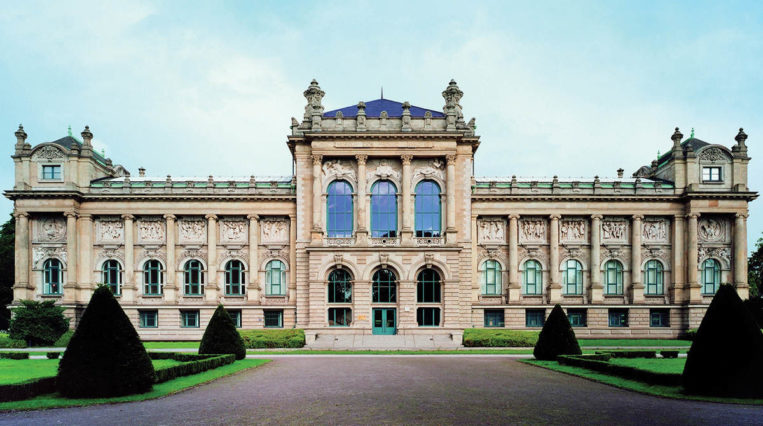
Three worlds brought together make the Landesmuseum Hannover a great place for visitors – from families and school classes exploring natural history…
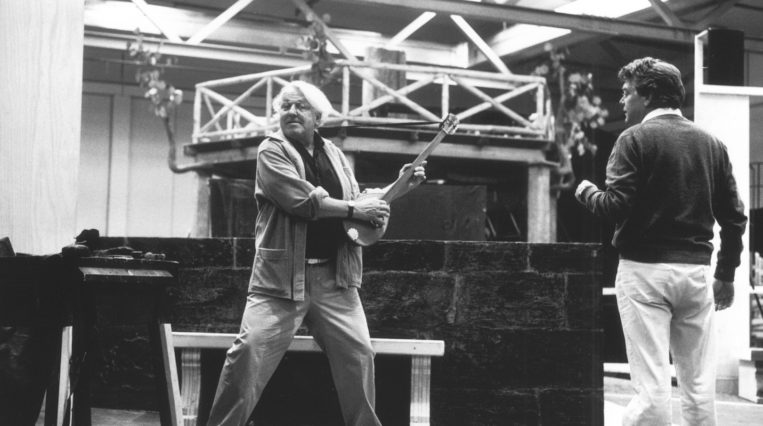
The long-standing Bayreuth festival director Wolfgang Wagner in focus TEXT: JESSICA HOLZHAUSEN | PHOTO © WILHELM RAUH For almost 60 years, Richard…
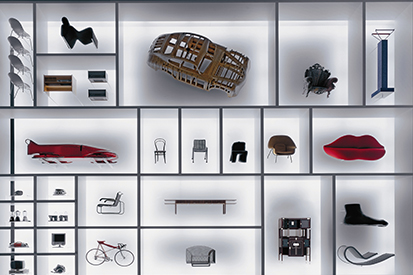
Munich design museum follows the trails of Bauhaus TEXT: JESSICA HOLZHAUSEN | PHOTOS © DIE NEUE SAMMLUNG From 8 February 2018 to 2 February 2020, The…
Are you a fan of Germany, Switzerland and Austria? So are we! Sign up to our newsletter now to stay up to date on the most exciting news, events and destinations.