
ART DOMINO®: TURN YOUR FAVOURITE LOCATION INTO A PIECE OF ART
For ten years now, Berlin-based artist Sabine Welz has been turning urban motifs and sights into individual Pop Art style images. Today, her ART…

Tojo Möbel shows how a simple everyday experience can evolve into a successful design concept. While moving houses during his student years, founder and managing director Gerald Schatz realised just how impractical and cumbersome traditional beds can be. His solution: modular furniture that is easy to transport, adapt and reassemble. Tojo stands for sustainable designer furniture, developed in collaboration with both established and emerging designers. Its characteristic feature is the modular principle: Tojo furniture can be expanded, reduced in size or repaired with replacement parts as needed. This means that is does not have to be replaced with every change in living circumstances. A…
For almost 30 years, Helma Interior has been a destination for those who appreciate authentic craftsmanship. “Our dedication to quality design has…
Since 1978, Ballerina kitchens has been creating innovative and exclusive kitchens that stand out by their quality, design and functionality.…
The interior design team at Studio Komo never intended to start a ceramics label, but inspiration took the reins. And thank goodness it did! Now,…
Ein gut eingerichteter Arbeitsplatz mit optimal durchdachten Büromöbeln, Arbeits- und Ablageflächen, die den Anforderungen der modernen hybriden…
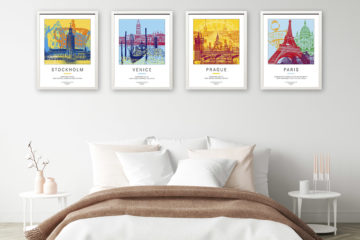
For ten years now, Berlin-based artist Sabine Welz has been turning urban motifs and sights into individual Pop Art style images. Today, her ART…

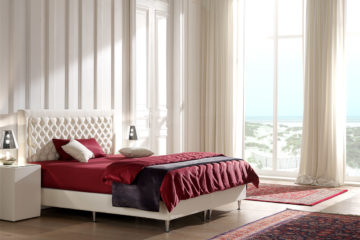
The Cologne company Dormastyle is the number 1 in Germany for high-quality beds with great resting and sleep comfort. True craftsmanship is combined…
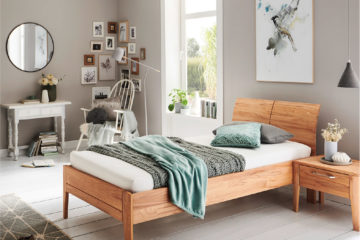
The renowned furniture label Decker combines genuine sustainability across the board with modern design and innovative craftsmanship – features that…
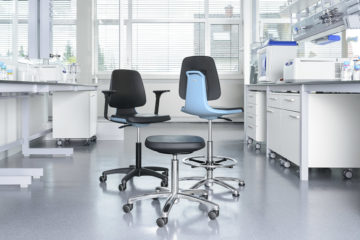
The company Interstuhl, based in the German Baden-Württemberg region, is not only a synonym for healthy sitting in the office and home office, but is…
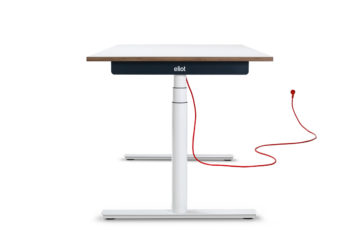
Am Schreibtisch stundenlang sitzen oder doch lieber stehen? Die Antwort liegt klar in der Abwechslung. Der Steh-Sitz Schreibtisch Eliot von…
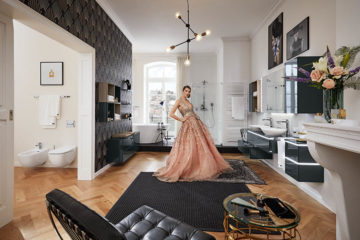
V IGOUR vogue is haute couture for the bathroom. The design line combines practicality with stylish elegance and curved forms. It includes bath…
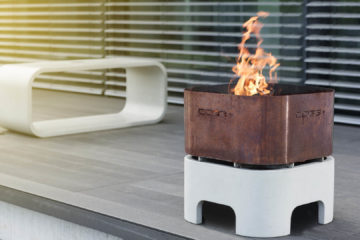
When it comes to design furniture, you probably don’t think of concrete. A young entrepreneur from Thuringia shows that timeless design and modern…
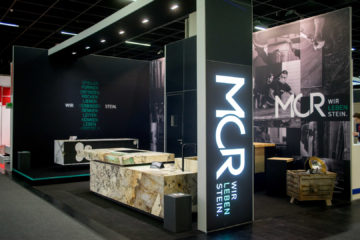
Elegant interior designs and kitchens made from natural stone – for indoors and outdoors M CR Marmor-Center Römhild GmbH, from southern Thuringia,…
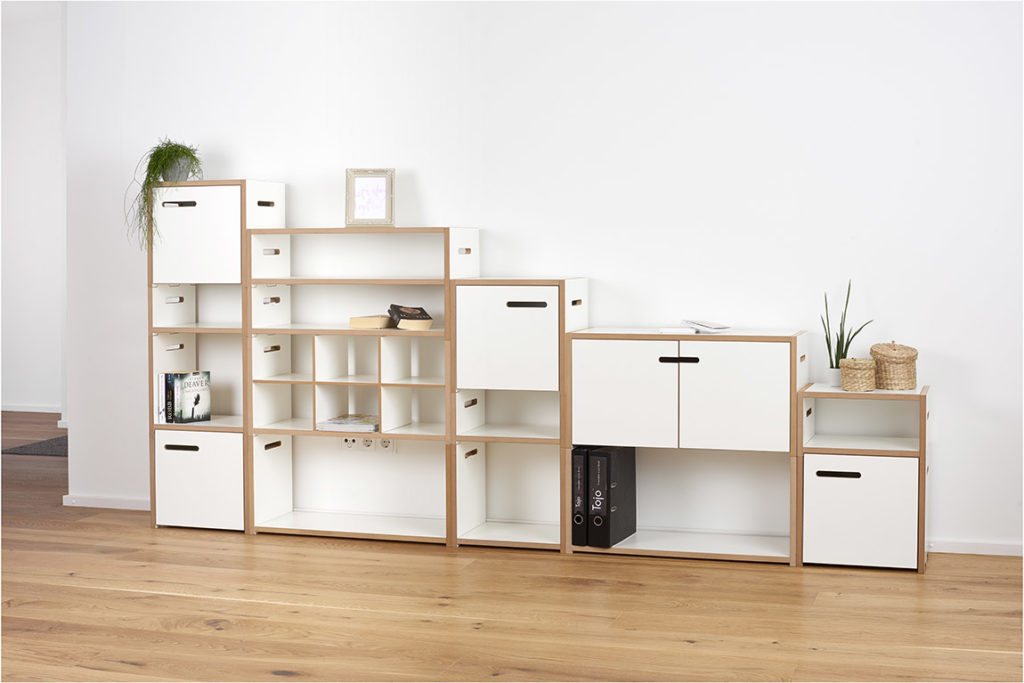
Tojo Möbel brings flexibility to contemporary German furniture, with clean, modular designs that can be adapted and reconfigured as homes and needs change. Photo by Tojo Möbel GmbH.
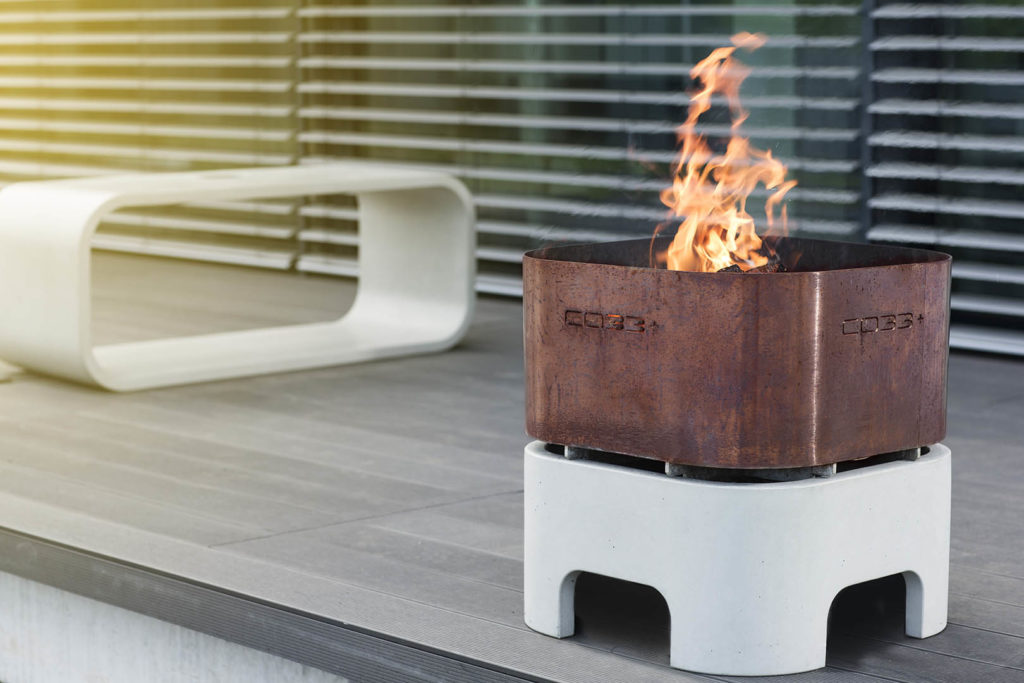
CO33 turns concrete and steel into striking contemporary furniture and outdoor design, with award-winning pieces such as the OPUS IGNIS fire bowl combining durability with sculptural form. Photo by CO33.
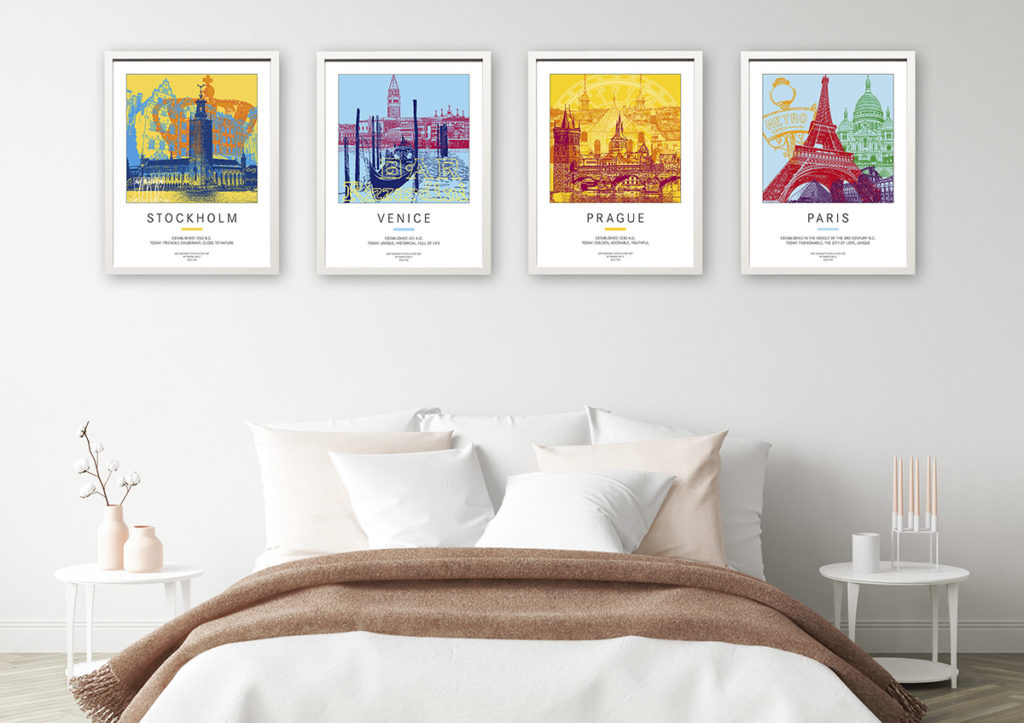
ART DOMINO® brings a playful, graphic touch to the home, turning favourite cities and places into colourful artworks that add personality to contemporary interiors. Photo by iStockphoto / ART-DOMINO®.
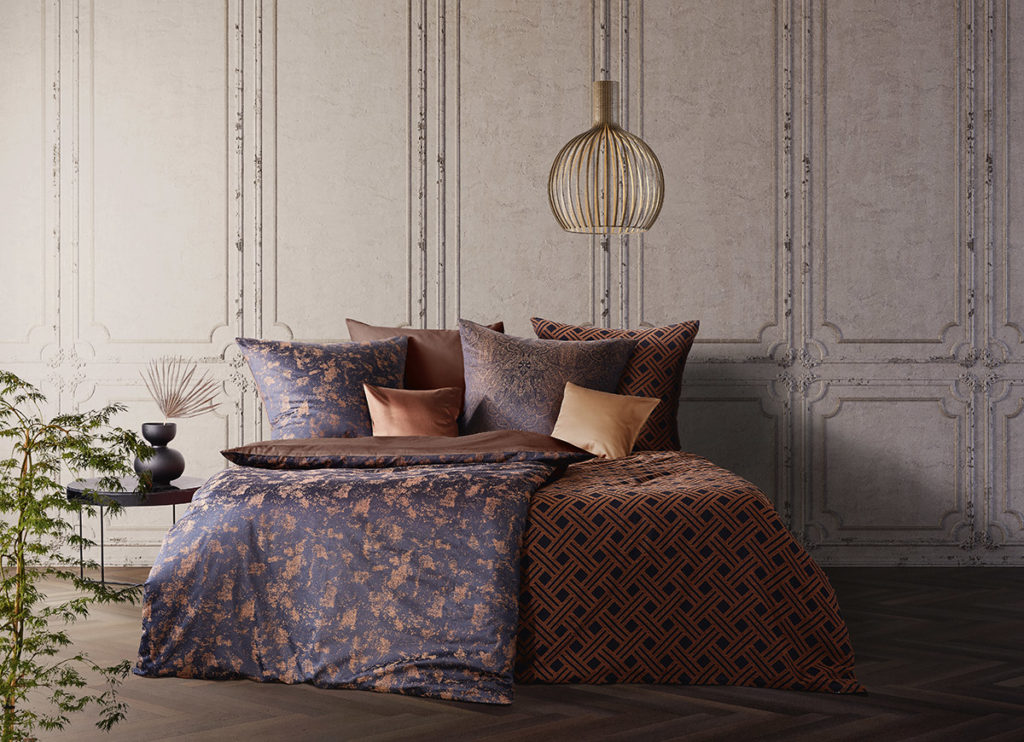
fleuresse® brings colour, pattern and a sense of luxury to the bedroom, with German-designed bed linen that turns everyday textiles into a strong part of the interior scheme. Photo by fleuresse GmbH.
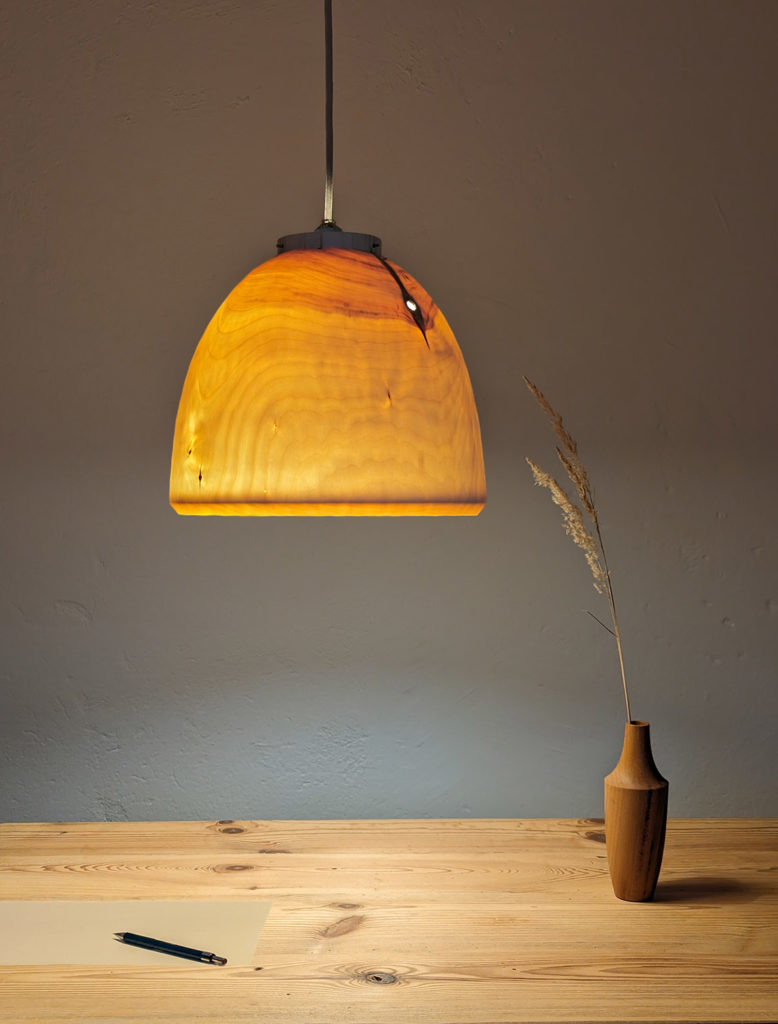
MAXLUZI turns solid wood into sculptural lighting, creating handcrafted lamps that bring warmth, natural texture and a distinctive focal point to contemporary interiors. Photo by MAXLUZI.
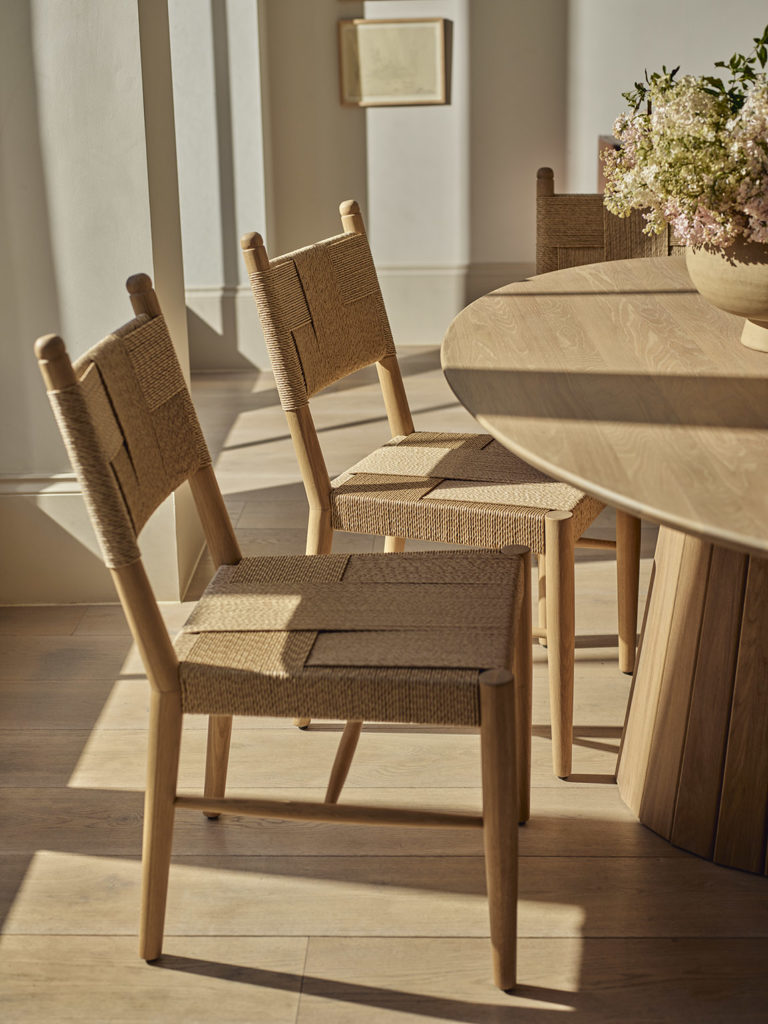
Helma Interior in Heidelberg brings together natural materials, timeless furniture and warm, understated interiors, creating spaces designed to feel elegant without being overly formal. Photo by Neptune by Helma Interior.
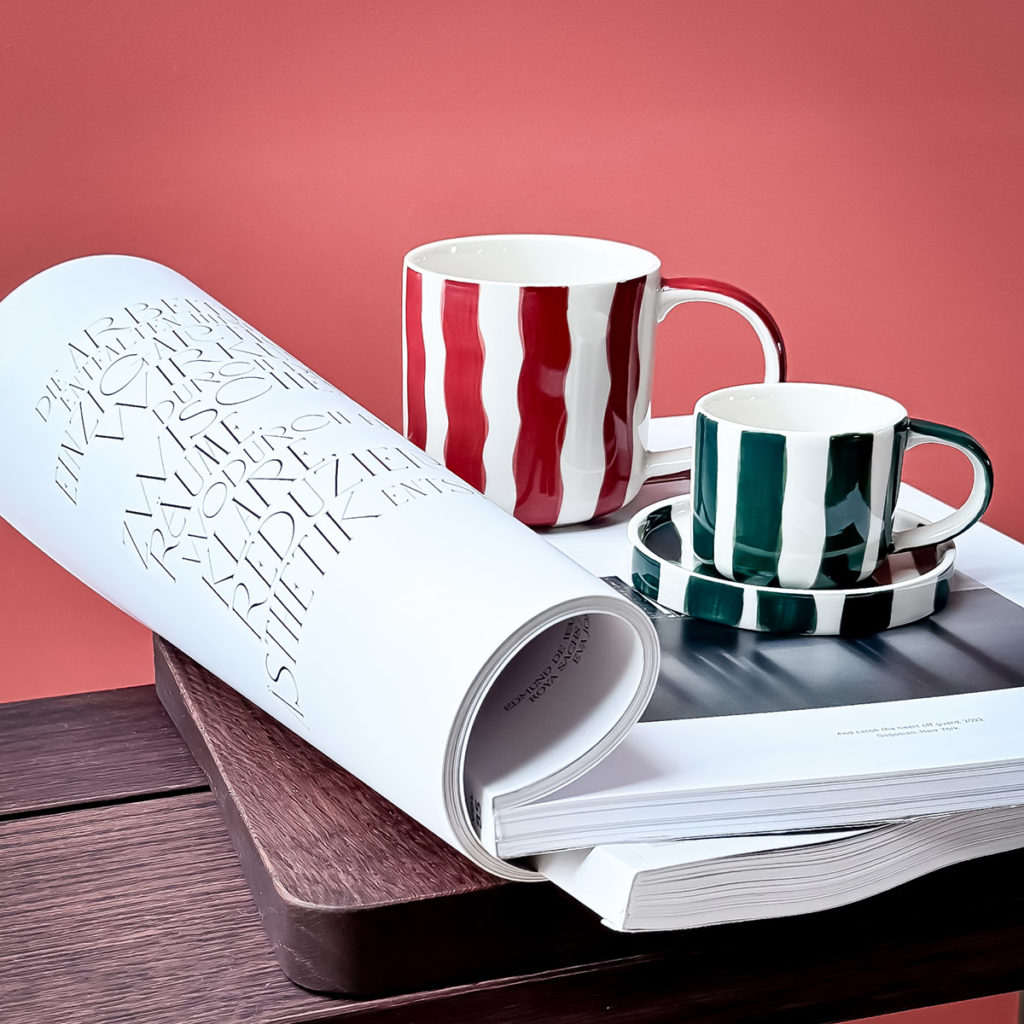
Studio Komo brings a playful dose of colour to German interiors, with bold striped ceramics that turn everyday tableware into eye-catching design pieces. Photo by Studio Komo.
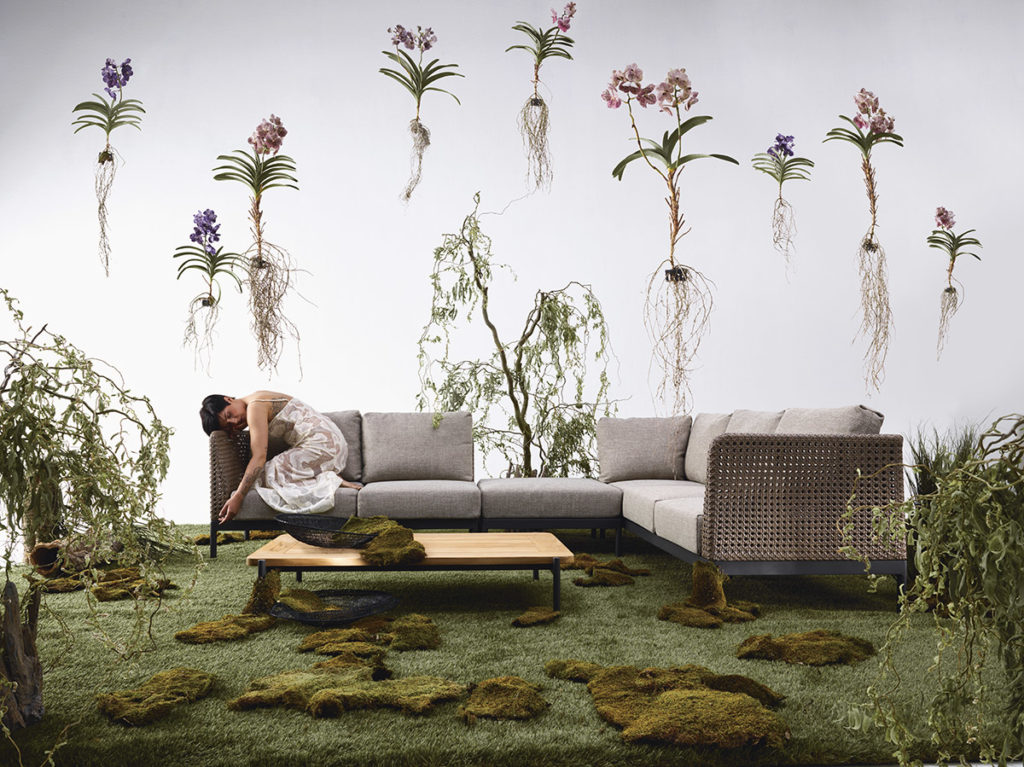
idyl brings contemporary German design outdoors, combining sculptural forms, premium materials and a strong visual identity in furniture made for terraces, gardens and open-air living. Photo by idyl.
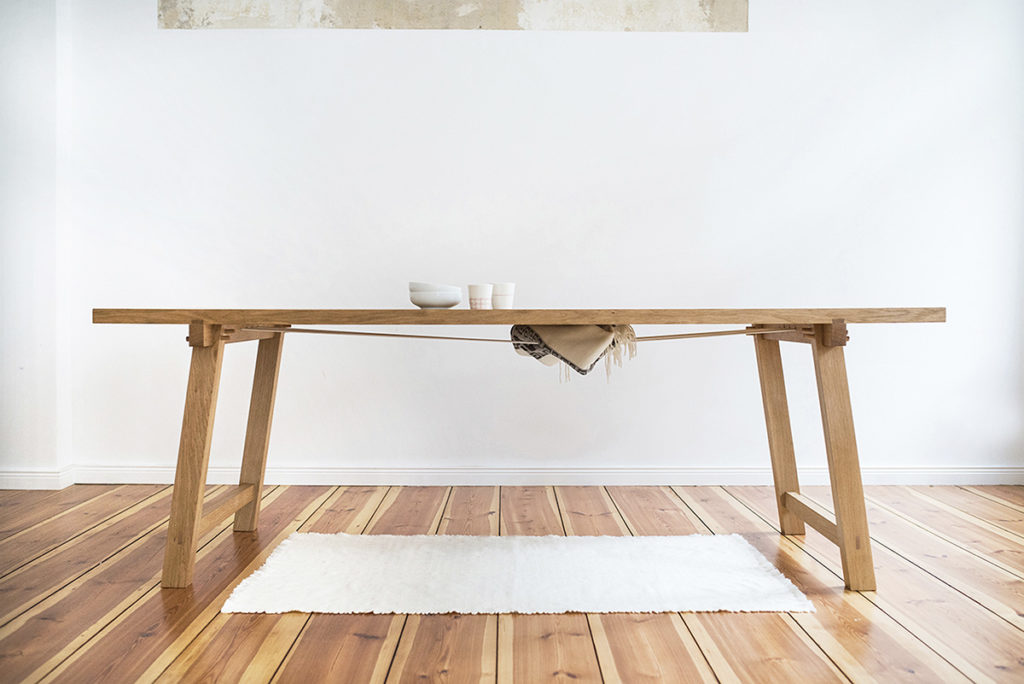
Frau Caze combines traditional craftsmanship with a clean, forward-looking approach to furniture, creating distinctive pieces from locally sourced wood with an emphasis on longevity and character. Photo by Cristopher Santos.
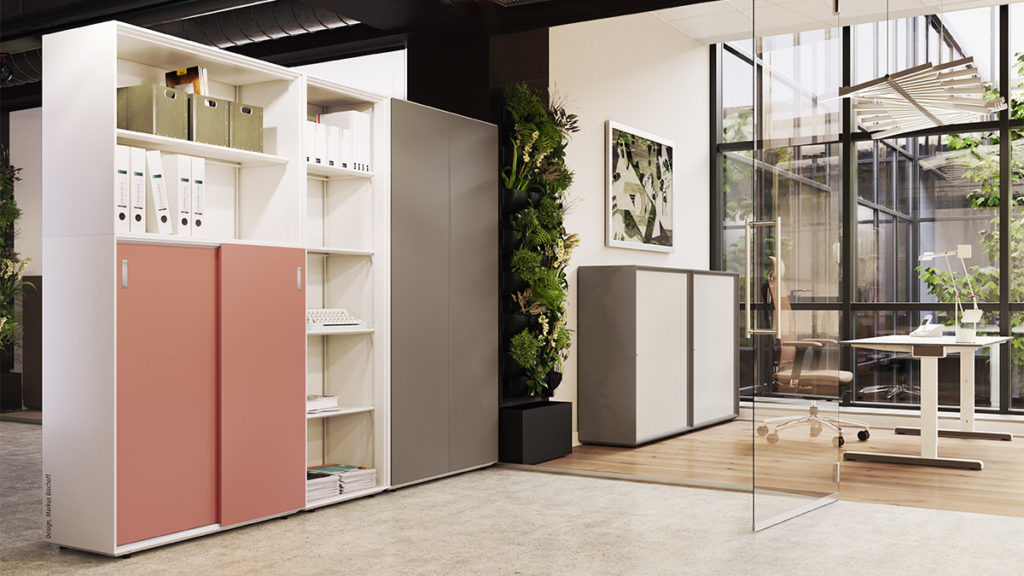
mauser brings German precision to steel furniture, creating durable, highly functional storage and workplace systems with a clean contemporary design language. Photo by mauser Einrichtungssysteme GmbH & Co. KG.
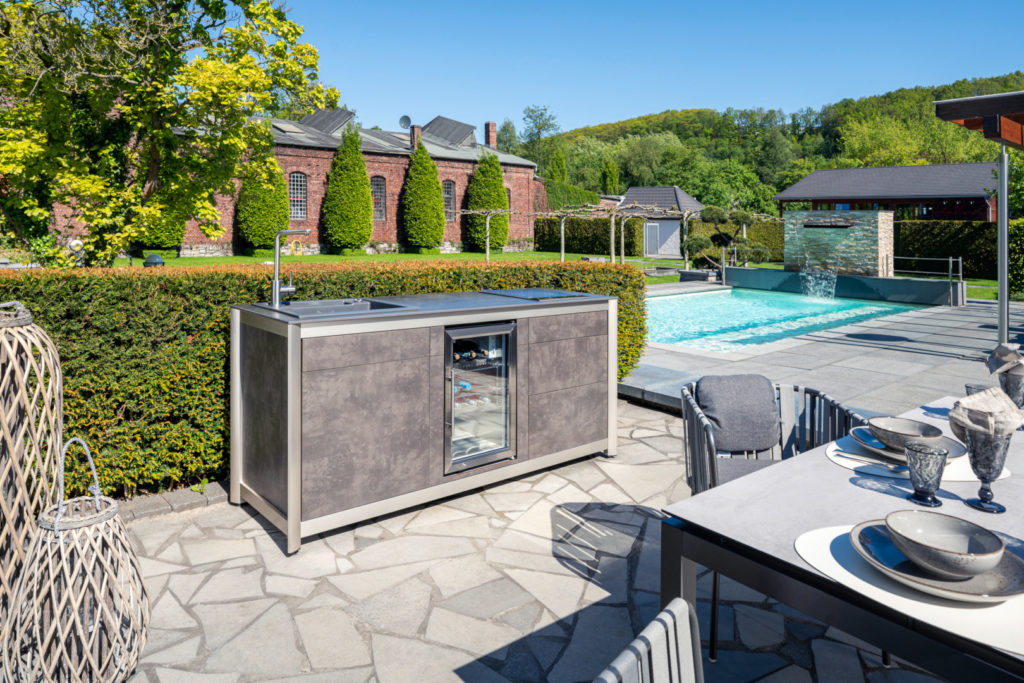
WESCO takes German kitchen design outdoors, with sleek, modular outdoor kitchens that bring cooking, dining and entertaining together on the terrace or in the garden. Photo by WESCO M. Westermann & Co. GmbH.
Germany’s reputation for design stretches far beyond cars and architecture. From bentwood chairs that changed the way furniture was manufactured to contemporary sofas, modular shelving, precision-made kitchens and experimental lighting, German furniture brands have played an important role in shaping how homes look and function.
Some names, such as Thonet, Rolf Benz and Walter Knoll, are internationally established design institutions. Others are smaller manufacturers and studios combining traditional craftsmanship with new materials, flexible living and more sustainable approaches to production.
For anyone interested in German interior design, these are some of the furniture makers, kitchen specialists, lighting brands and emerging design names worth knowing.
German furniture icons
Thonet
Few German furniture brands have a history comparable with Thonet. Closely associated with the development of bentwood furniture in the 19th century, the company created chairs that became landmarks of modern furniture design long before modernism itself had a name.
Its catalogue today brings historic designs together with contemporary pieces, making Thonet a useful starting point for anyone exploring the development of German furniture.
Rolf Benz
Founded in the Black Forest, Rolf Benz has become one of Germany’s best-known names for upholstered furniture. Sofas and seating remain at the heart of the brand, with an emphasis on comfort, restrained contemporary styling and German production.
It is particularly associated with the kind of sophisticated but understated interiors that have become synonymous with high-end German residential design.
Walter Knoll
Walter Knoll combines a long furniture-making heritage with a distinctly architectural approach to contemporary interiors. The Stuttgart-area company works with international designers on sofas, chairs, tables and office furniture.
Its collections tend towards clean proportions and carefully considered materials rather than short-lived trends.
COR
Another important name in German upholstered furniture is COR. Based in North Rhine-Westphalia, the family-owned manufacturer is particularly known for sofas and modular seating systems.
Its designs are often deceptively simple, with flexibility and comfort doing as much of the work as visual appearance.
Zeitraum
Zeitraum takes a particularly material-led approach to furniture. Wood plays a central role in its tables, chairs, beds and storage pieces, with designs that tend to reveal rather than disguise the characteristics of the material.
For buyers drawn to quieter, natural interiors, it represents an important strand of contemporary German design.
e15
Frankfurt-based e15 helped establish a more minimal and architectural language in contemporary German furniture. Solid wood, straightforward construction and strong proportions feature prominently across its collections.
Its pieces sit comfortably between furniture, product design and architecture.
ClassiCon
Munich-based ClassiCon is known both for producing modern design classics and for introducing contemporary furniture by established and emerging designers.
It is a particularly useful name to know if your taste moves between early modernism and more recent collectible design.
interlübke
Storage is rarely the glamorous part of an interior, but German manufacturer interlübke has spent decades treating cupboards, shelving and modular storage as pieces of architecture in their own right.
Its restrained systems are a good example of the precision and practicality often associated with German furniture design.
Tojo Möbel
Not every clever piece of furniture needs to be complicated. Tojo Möbel specialises in clean, modular furniture designed to adapt as living requirements change.
Beds, shelving, tables and storage systems place flexibility at the centre of the design, making the brand particularly relevant as homes become smaller and rooms increasingly need to serve several purposes.
KFF
Based in Lemgo, KFF focuses on chairs, benches, tables and lounge furniture for both private and commercial interiors.
Seating is a particular strength, with designs intended to combine comfort with a recognisable contemporary character.
Decker
Natural wood is at the centre of Decker, a German furniture manufacturer whose work demonstrates that solid-wood furniture does not have to feel rustic or traditional.
Its contemporary living and dining collections bring natural materials into cleaner, modern interiors.
Interstuhl
Good German design is just as visible in the workplace as it is in the living room. Interstuhl has built its reputation around seating, particularly ergonomic office chairs and furniture designed around the way people actually work.
For anyone furnishing a home office, it is a useful reminder that comfort and engineering are as important as appearance.
German kitchen and bathroom design
German design has an especially strong reputation in kitchens. Precision manufacturing, storage, ergonomics and understated finishes have allowed several German kitchen companies to become international brands in their own right.
bulthaup
bulthaup is one of the most internationally recognised names in German kitchen design. Rather than treating the kitchen simply as a collection of cabinets and appliances, the company has long approached it as an architectural living space.
Minimal detailing and carefully planned systems make it especially influential at the premium end of the market.
SieMatic
Another major German kitchen name is SieMatic, whose ranges span minimalist, contemporary and more traditional interiors.
Its strength lies partly in the degree to which storage, materials and individual components can be combined to create kitchens tailored to the architecture of a home.
Nolte Küchen
Nolte Küchen brings German kitchen manufacturing to a broader market. Its extensive ranges cover colours, surfaces, worktops and layouts across different styles and price levels.
For homeowners researching a German-made kitchen rather than simply following high-end design brands, it is an important name to include.
Ballerina Küchen
Ballerina Küchen combines contemporary kitchen design with a strong focus on practical details and materials.
The kitchen is increasingly part of the main living space rather than a room hidden away from it, and Ballerina’s collections reflect that shift towards kitchens that need to function as both working environments and furniture.
Steinberg
German interior design does not stop at the kitchen door. Steinberg specialises in taps and fittings, bringing a design-led approach to the bathroom.
It is an interesting example of how relatively small functional objects can have a considerable effect on the overall character of an interior.
German lighting, textiles and surfaces
Furniture may dominate discussions about German design, but lighting, textiles and surfaces often make the bigger difference to how a room actually feels.
MAXLUZI
Wood takes an unexpected form in the lighting created by MAXLUZI.
Its wooden lamps combine warm natural materials with contemporary forms, offering an alternative to the metal and glass that dominate much modern lighting.
GANTlights
Berlin label GANTlights approaches lighting almost like small-scale architecture.
Concrete and other industrial materials give its lamps a distinctive character, making them particularly suited to interiors where the lighting itself is intended to become part of the visual composition.
HEY-SIGN
Felt is the defining material at HEY-SIGN. The German company uses wool felt across furniture, rugs, lamps, accessories, room dividers and acoustic products.
The material brings warmth and colour into a room while also having useful acoustic properties – particularly relevant in open-plan interiors.
Carpet Concept
German manufacturer Carpet Concept demonstrates how flooring can become an integral part of an interior-design concept.
Its woven carpets and textile surfaces have been used across architectural and commercial projects, with design, colour and texture treated as more than simply a background to the furniture.
Marburger Tapetenfabrik
Wallpaper may be one of the oldest forms of interior decoration, but Marburger Tapetenfabrik shows how much scope remains for experimentation.
The German manufacturer has worked across colours, textures, patterns and artist collaborations, making walls an active part of an interior rather than a neutral backdrop.
Studio Samira Nami
Hamburg-based Studio Samira Nami brings a more individual approach to the floor.
Its felt-square rugs blur the boundary between textile design and art, while also showing how smaller German studios can offer a counterpoint to the country’s large industrial manufacturers.
Studio Komo
For something more playful, Studio Komo brings bold stripes and colour to ceramics.
Pieces such as these are an important part of the German design picture: not every interior needs to be composed exclusively of restrained greys, immaculate cabinetry and modernist chairs.
German outdoor furniture
DEDON
DEDON has helped bring the same attention to design and materials found in indoor furniture to outdoor living.
The brand is particularly associated with woven outdoor furniture and has built an international following for collections intended to make terraces and gardens feel like extensions of the interior rather than entirely separate spaces.
Explore more German furniture, interiors and product design in our Design & Art archive.
German interior design extends well beyond the country’s best-known furniture manufacturers. Kitchens, lighting, textiles, surfaces and smaller independent studios all form part of the picture, with companies ranging from long-established industrial producers to designers experimenting with materials such as felt, concrete, ceramics and solid wood.
Whether you are looking for a design classic, a new sofa, a German-made kitchen or simply inspiration for your home, the brands above offer plenty of places to begin.
Explore more German furniture, interiors and product design in our Design & Art archive.
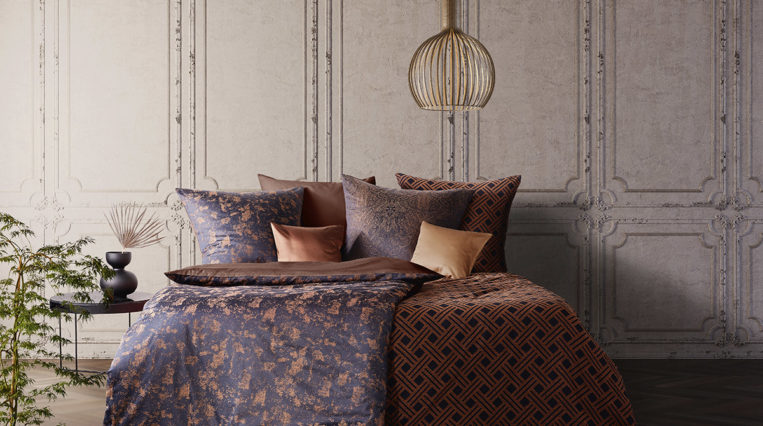
With cutting-edge designs and expertise in quality, fleuresse® creates textile moments of well-being. “Our bed linen is of the highest quality and…
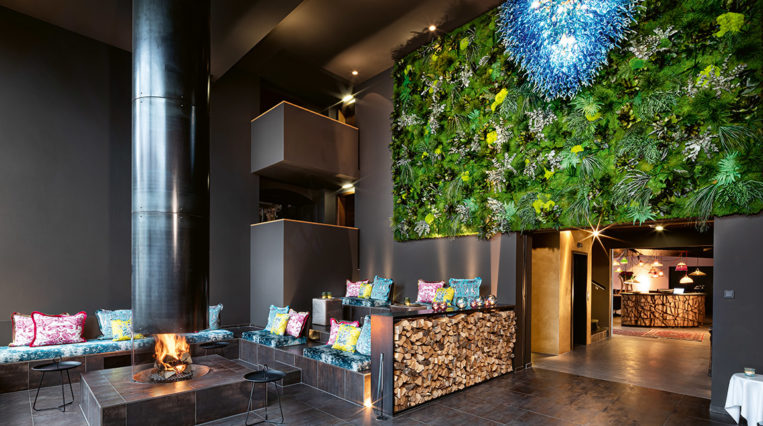
Moos•Moos's green innovations conquer urban spaces across the DACH region with handcrafted moss walls and pictures, promoting sustainable well-being.…
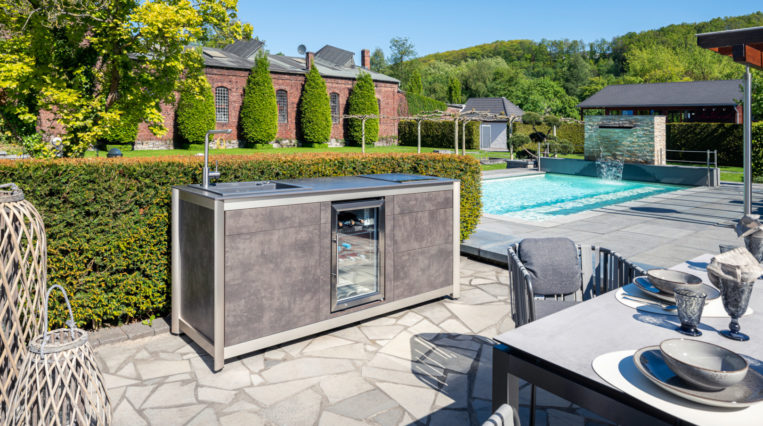
UPGRADE YOUR HOME – WESCO Outdoorküchen I m Sommer findet das Leben draußen statt! Praktisch, wenn die Küchenzeile im Freien steht und das Essen…
Are you a fan of Germany, Switzerland and Austria? So are we! Sign up to our newsletter now to stay up to date on the most exciting news, events and destinations.