
400 years of the Reeperbahn: Hamburg’s most famous street
Few streets in the world carry as much mythology as the Reeperbahn. It conjures images of neon-lit clubs, the Beatles and the restless energy of a…

Few streets in the world carry as much mythology as the Reeperbahn. It conjures images of neon-lit clubs, the Beatles and the restless energy of a port city that never sleeps. In 2026, its story from ropemakers to rock ‘n’ roll is in the limelight. “The word Reeperbahn comes from the Low German Reep, meaning rope, and the craftsmen known as Reepschläger (rope makers) who gave the street its name,” explains historian and tour guide Eva Decker. “Producing ropes for Hamburg's merchant fleet required long, straight lanes hundreds of metres in length, along which craftsmen walked backwards twisting fibres by hand.” By the early 17th century, Hamburg was expanding its defensive fortifications and…
Hailed as the most exciting opening since the Elbphilharmonie, a formidable relic from World War II has been given a new lease of life in the St…
“Europe’s largest inner-city urban development area is a blueprint for the new European city on the waterfront,” says André Stark, the press…
In the flow of the Elbe and surrounded on three sides by water, the Elbphilharmonie Hamburg is a centre of attraction for all who live in Hamburg as…
Located at Kaispeicher B and spreading over nine ‘decks’, the International Maritime Museum Hamburg shows the whole spectrum of maritime history,…

Few streets in the world carry as much mythology as the Reeperbahn. It conjures images of neon-lit clubs, the Beatles and the restless energy of a…

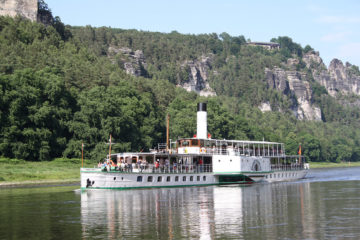
Anyone who has ever heard the unmistakable chuff of a historic steam engine and felt the steady rhythm of its paddle wheels knows that a journey…

Looking for the best swimming spots in Germany, places for wild swimming in Switzerland or great swimming lakes in Austria? Summer in Central Europe…

Looking to create lifelong memories with your loved ones? Germany is the ideal destination for fun-filled family escapes, blending cultural…
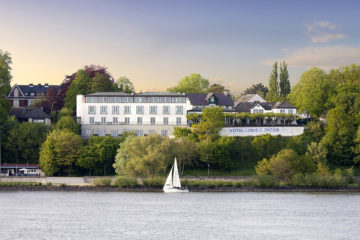
If there are places that tell stories, Louis C. Jacob is without doubt one of them. For 235 years, this prestigious five-star hotel has stood proudly…
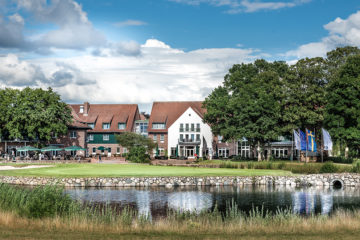
Nestled in the idyllic landscape of Alstertal, Treudelberg Resort Hamburg combines relaxation, activity, and North German elegance into one…

While Germany is world-famous for its festive Christmas markets and snow-dusted fairy-tale castles, there is a hidden side to winter here that…
Music festivals have the extraordinary power to unite people, transcending borders, languages, and genres. Germany, Switzerland, and Austria are…
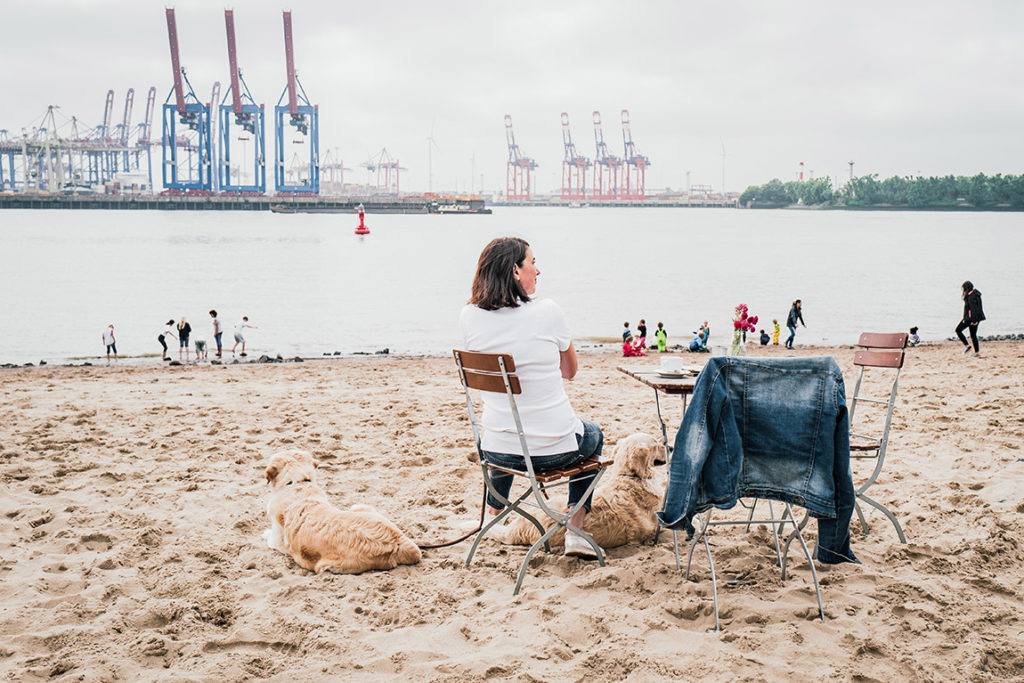
One of Hamburg’s most unexpected summer escapes, Elbstrand combines a broad sandy beach with views across the working port and passing ships on the Elbe. Photo by © www.mediaserver.hamburg.de, Jan Traupe.
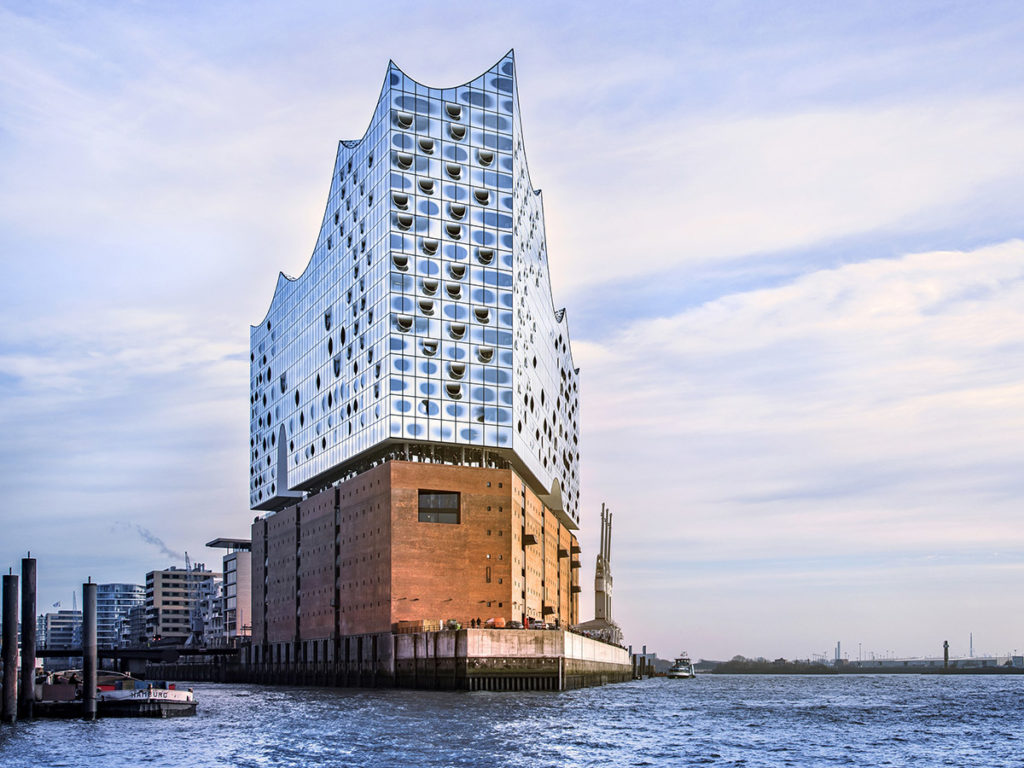
The Elbphilharmonie has become one of Hamburg’s defining landmarks, combining striking contemporary architecture with sweeping views across the harbour. Its waterfront setting makes it an essential stop when exploring HafenCity and the historic port. Photo by © Mediaserver Hamburg / Thies Rätzke.
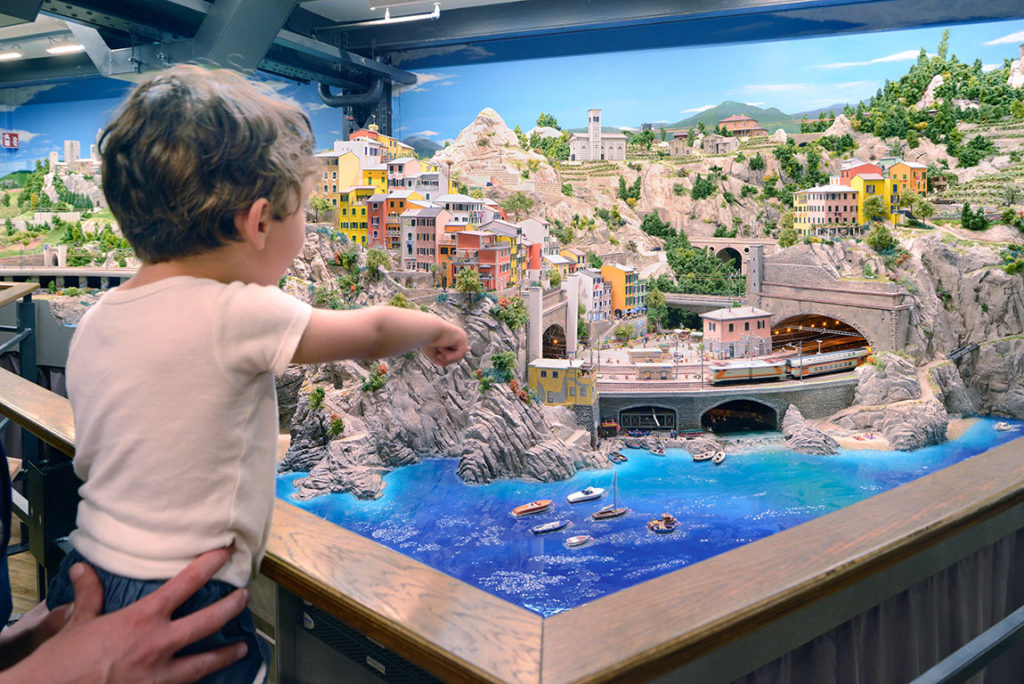
Miniatur Wunderland brings entire cities, landscapes and transport networks to life in extraordinary detail, making it one of Hamburg’s most memorable attractions for visitors of all ages. Set in the historic Speicherstadt, it is an easy highlight to combine with a day exploring the harbour and HafenCity. Photo by DZT / Francesco Carovillano.
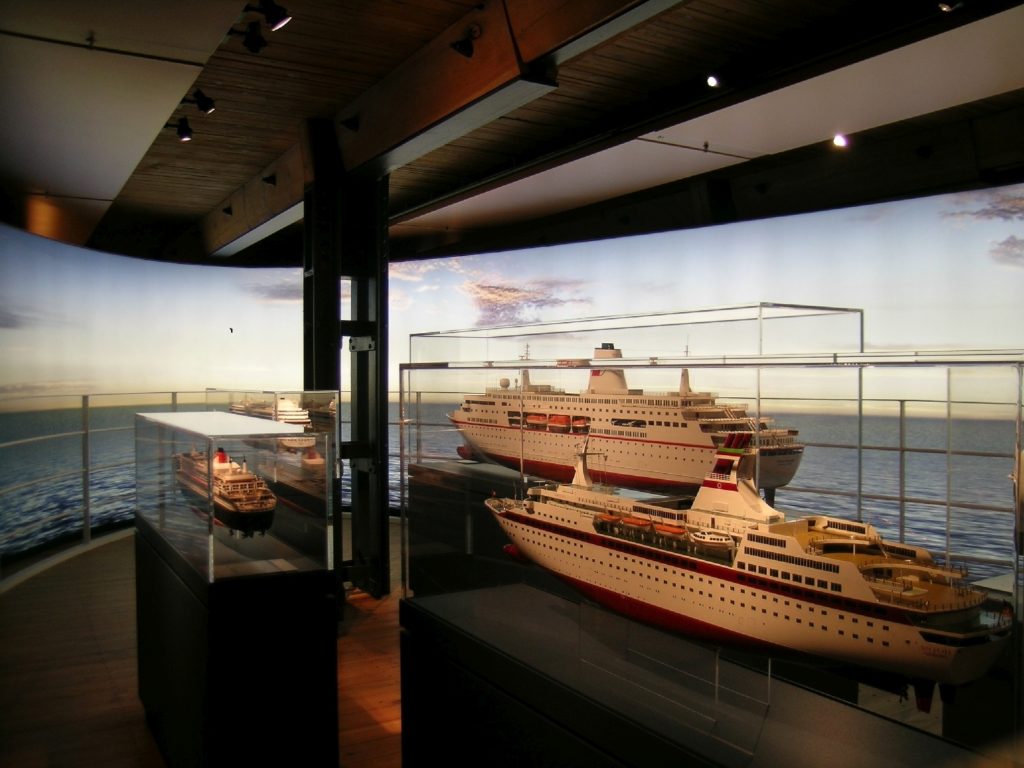
Spread across nine ‘decks’ inside historic Kaispeicher B, the International Maritime Museum Hamburg brings centuries of seafaring to life through ship models, artefacts and maritime treasures. Its vast collection makes it an absorbing stop for anyone wanting to understand Hamburg’s enduring connection with the sea. Photo by IMMH.
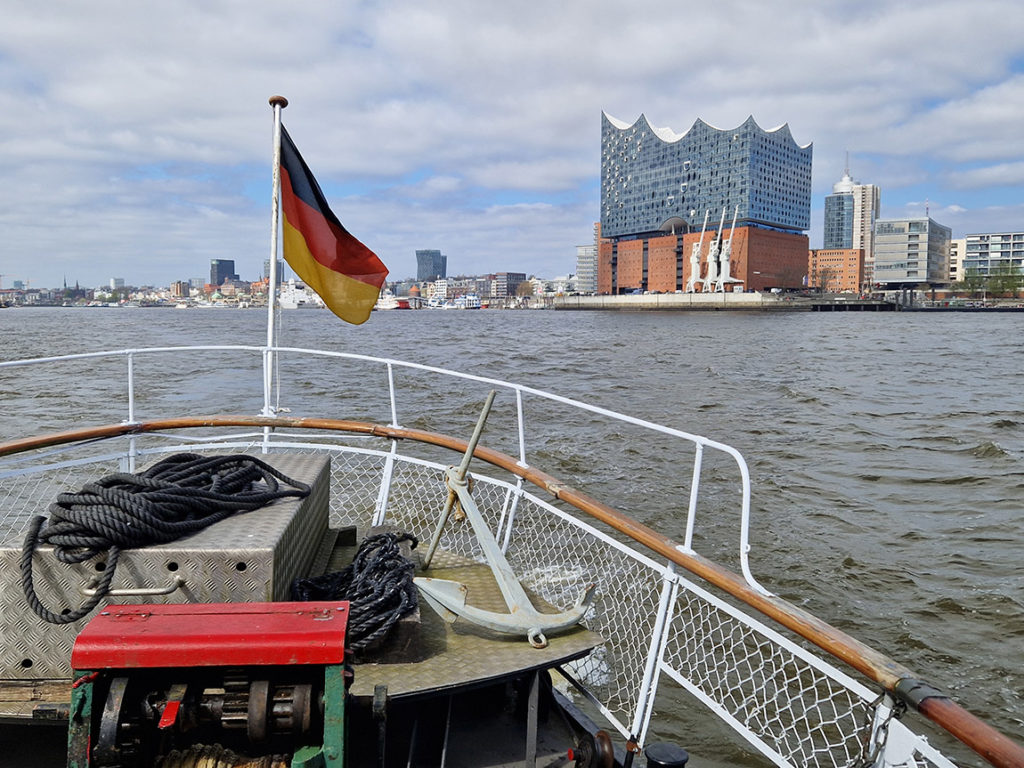
Historic paddle steamers bring a very different rhythm to travelling along the Elbe. Steam Cruises alternates its itineraries between Prague and Hamburg, with the Hamburg journey culminating in a harbour cruise through the city aboard a historic paddle steamer. Photo by Michael Hillmann.
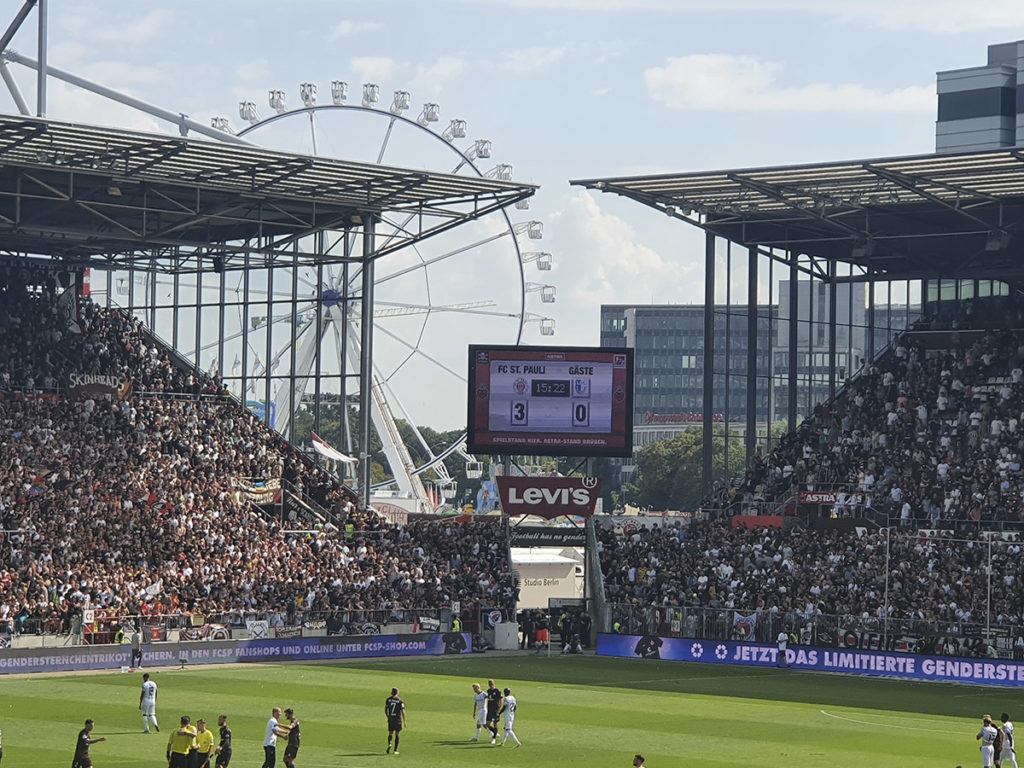
Few football grounds are as closely tied to their neighbourhood as Hamburg’s Millerntor-Stadion. Home to FC St Pauli, it combines a distinctive matchday atmosphere with the energy of St Pauli itself, making a game here an experience that reaches well beyond the football. Photo by Daniel Barthold.
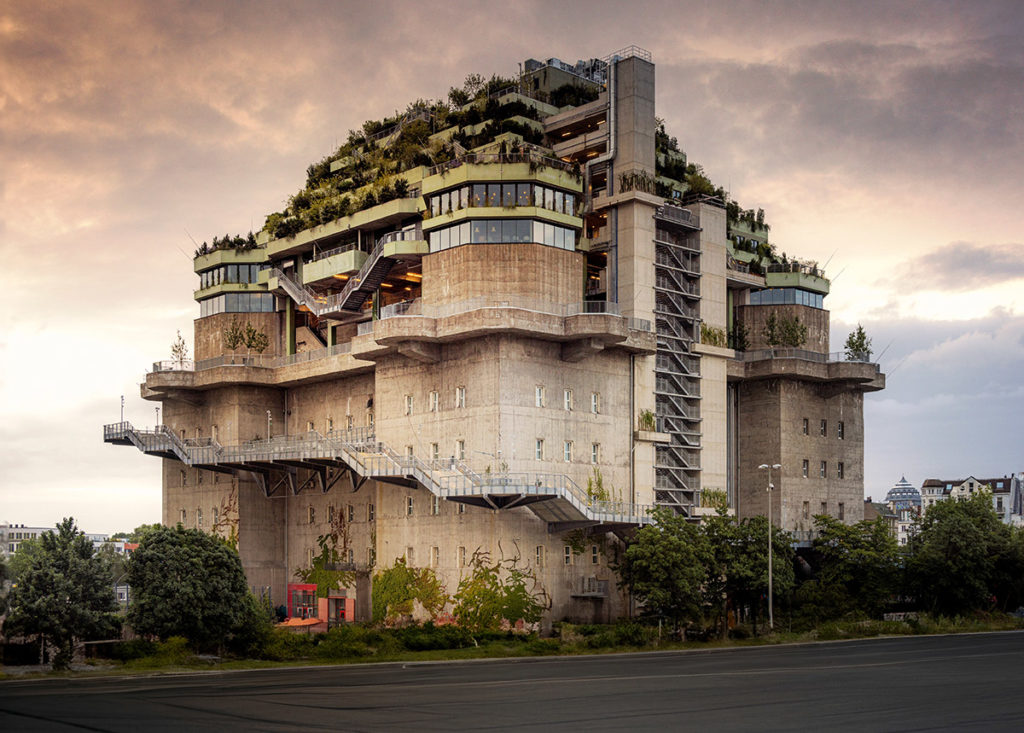
Hamburg’s former Flak Tower IV has been transformed into one of the city’s most unusual landmarks, with planted terraces and elevated walkways rising above St Pauli. The contrast between the monumental wartime bunker and its new green spaces makes it a striking stop on any Hamburg visit. Photo by HMG.
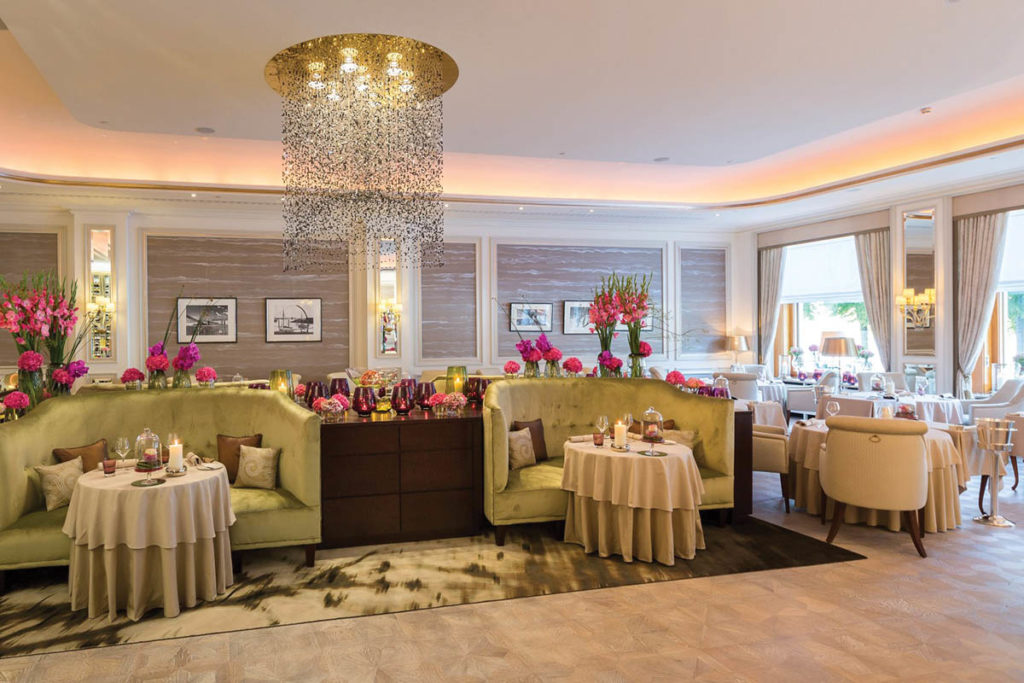
Restaurant Haerlin brings refined fine dining to the heart of Hamburg at the Fairmont Hotel Vier Jahreszeiten, combining an elegant setting with ambitious cuisine led by chef Christoph Rüffer. It is a natural choice for visitors looking to make one evening of their Hamburg stay particularly special. Photo by Guido Leifhelm.
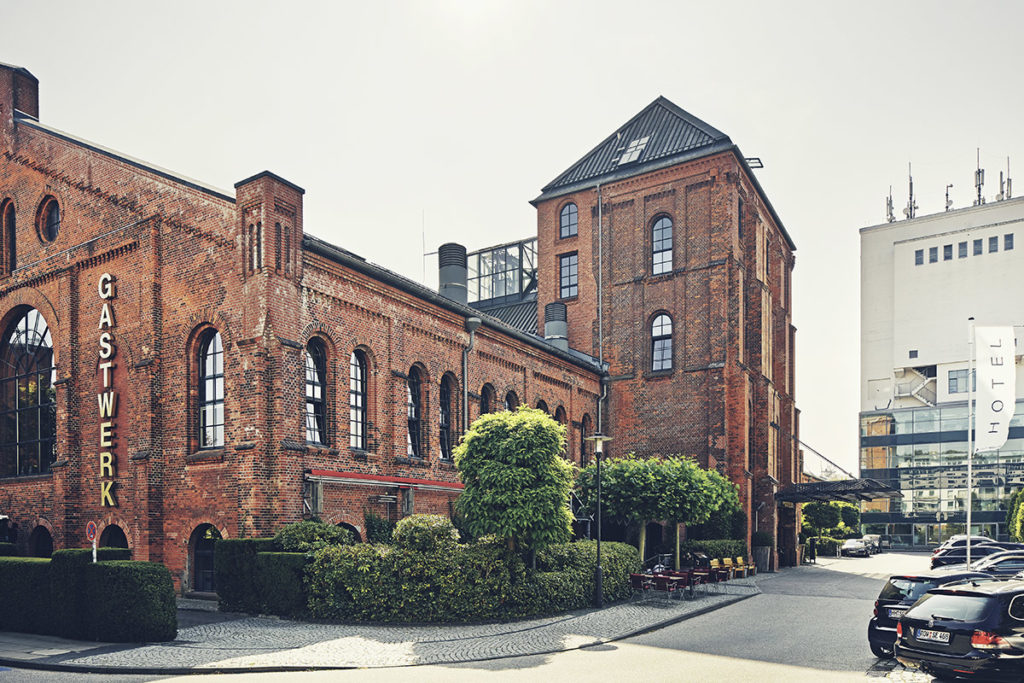
Gastwerk Hotel Hamburg brings together industrial heritage and contemporary design inside a striking former gasworks in Bahrenfeld. Its red-brick architecture, spacious interiors and distinctive character make it a strong choice for visitors looking for a hotel with a real sense of place. Photo by Gastwerk Hotel Hamburg.
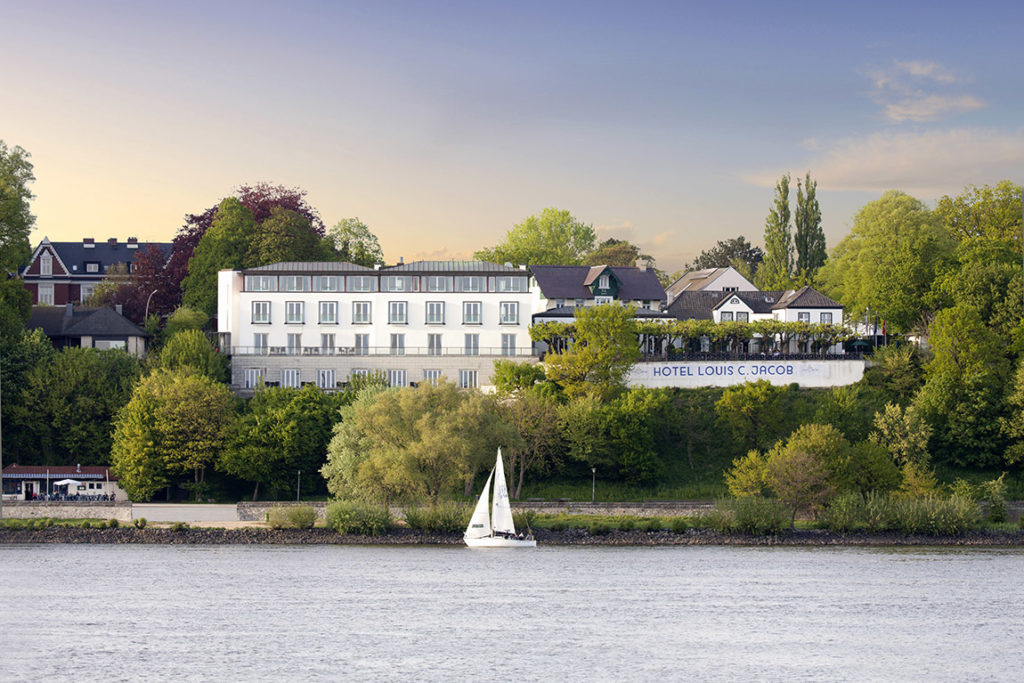
Overlooking the River Elbe from Hamburg’s leafy Elbchaussee, Hotel Louis C. Jacob combines a long history with one of the city’s most attractive riverside settings. Its terrace, elegant rooms and peaceful location make it a particularly appealing choice for visitors wanting to experience a quieter side of Hamburg without losing touch with the city. Photo by DSR Hotel Holding GmbH.
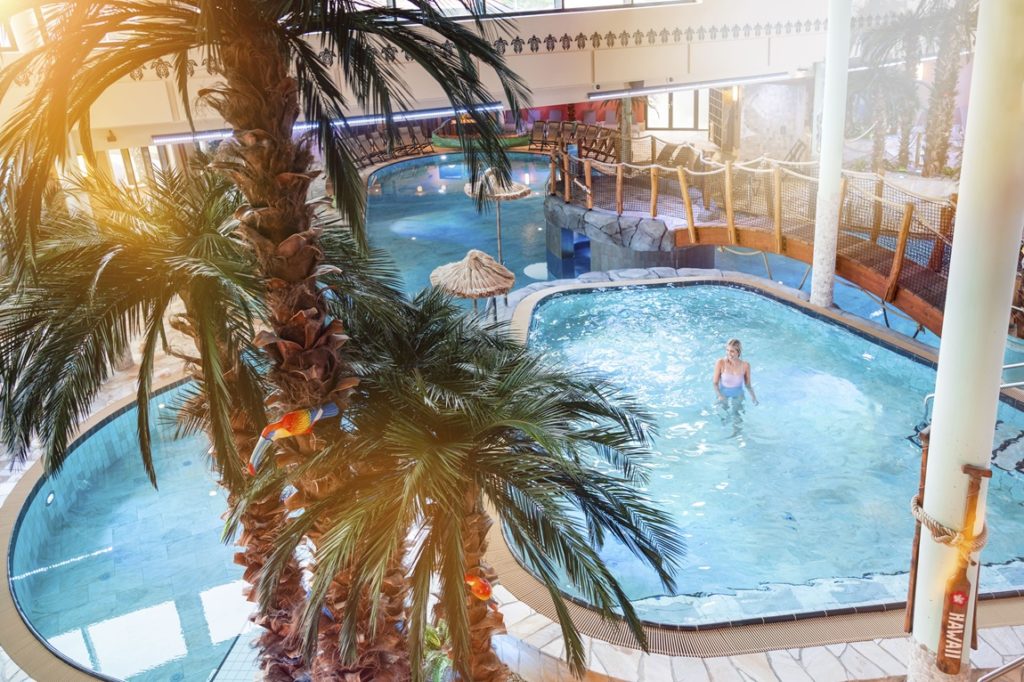
Just 30 kilometres from Hamburg, HolstenTherme in Kaltenkirchen makes an easy wellness escape from the city, combining pools, saunas and relaxation under one roof. Its tropical atmosphere and broad spa offering make it a tempting option for anyone wanting to slow the pace after a busy few days of sightseeing. Photo by HolstenTherme.
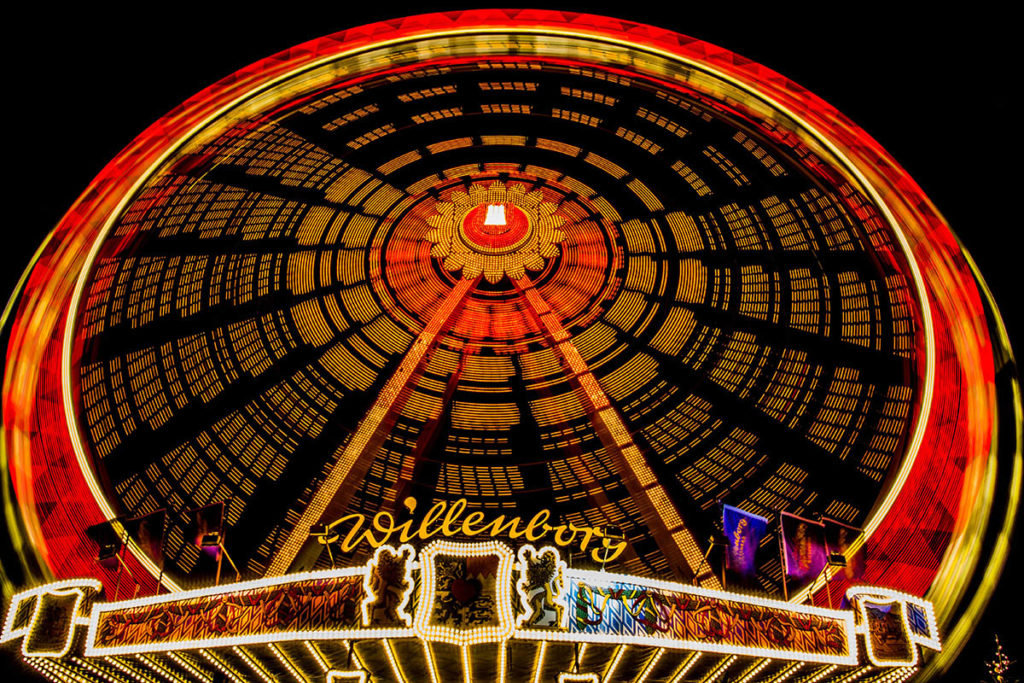
Hamburger DOM brings fairground rides, lights, food stalls and a lively festival atmosphere to the Heiligengeistfeld several times a year. It is one of Hamburg’s most popular seasonal traditions and a great way to experience the city at its most colourful after dark. Photo by Pixabay.
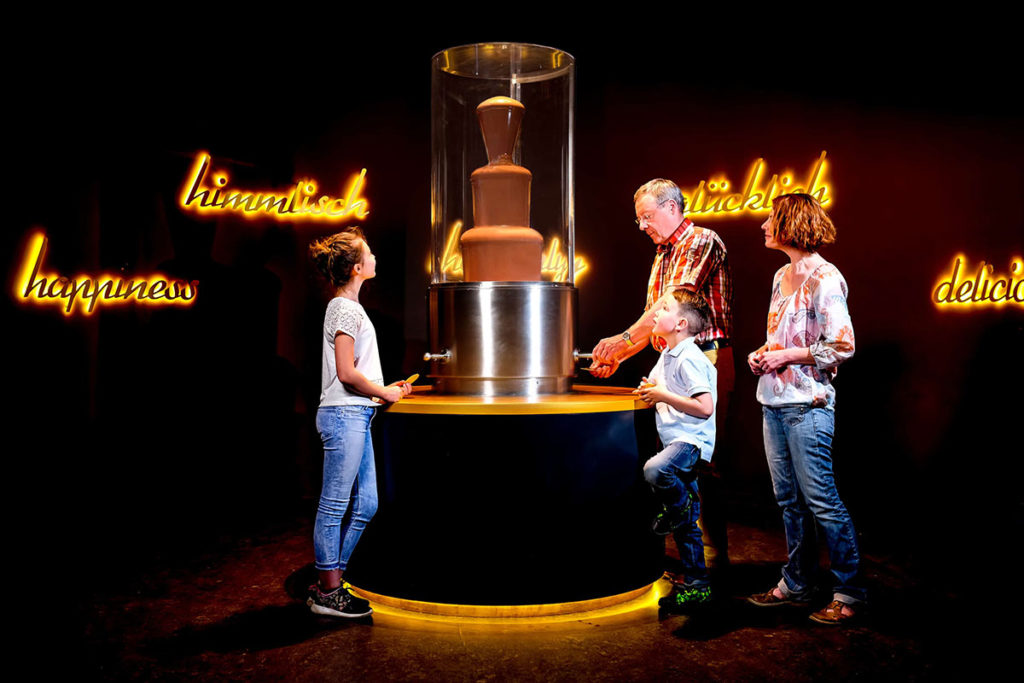
At Hamburg’s Chocoversum, the chocolate fountain is just the beginning: visitors follow cocoa’s journey from bean to bar, with tastings and the chance to create their own chocolate to take home. Photo by Dietrich Kühne, Chocoversum.
Germany’s great northern port rewards visitors who look beyond the obvious. Between the Elbe and the Alster are historic warehouses, ambitious new architecture, neighbourhoods with very different personalities, major museums, music, markets, restaurants, parks and some surprisingly peaceful stretches of waterfront.
Hamburg is a city shaped by water. The Elbe brought trade, ships and people from across the world, while the Alster gives the centre an openness that few large cities can match. Yet Hamburg is not one place with one character. The warehouses of Speicherstadt feel far removed from leafy Blankenese; elegant streets around the Binnenalster give way to St Pauli’s clubs and theatres; and within a short journey of the harbour, city beaches, parks and quiet residential neighbourhoods begin to appear.
For a first visit, the temptation is to race between landmarks. Hamburg is better when there is time to wander between them.
Start with the harbour
The Landungsbrücken are as good a place as any to begin. Ferries and excursion boats come and go beneath the long riverside terminal, while across the Elbe cranes and dockside infrastructure make it clear that this is still very much a working port.
A harbour tour puts that scale into perspective, taking visitors past shipyards, terminals and historic waterfront buildings. There is also a much simpler alternative: board one of the city’s public ferries. Line 62 heads west along the Elbe towards Altona, Övelgönne and Finkenwerder and doubles as one of Hamburg’s most enjoyable sightseeing journeys.
Close to the Landungsbrücken, the old Elbe Tunnel descends beneath the river. Opened in 1911, its tiled pedestrian tunnels remain one of Hamburg’s most distinctive pieces of engineering. The short walk beneath the Elbe leads to a very different view back towards the city skyline.
The river is equally important further west. Around Övelgönne, historic ships and riverside houses line the waterfront before the city unexpectedly opens onto the sandy Elbstrand. Our feature on Germany’s summer swimming spots includes this stretch of Hamburg, where visitors can sit on the beach while container ships pass along the river.
Above the waterfront, the Altonaer Balkon offers another wide view across the port. Continue west and Hamburg becomes increasingly green and residential, eventually reaching Blankenese and its Treppenviertel. The hillside neighbourhood is threaded with narrow lanes and steps descending towards the Elbe, making it one of the most enjoyable areas for an aimless walk.
Between Speicherstadt and HafenCity
Few areas show Hamburg’s past and present as clearly as Speicherstadt and HafenCity.
The Speicherstadt’s red-brick warehouses, bridges and canals were built around the movement and storage of goods arriving through the port. Together with the neighbouring Kontorhausviertel, the district forms part of Hamburg’s UNESCO World Heritage Site. Nearby, the Chilehaus is one of the city’s most recognisable examples of brick architecture, its sharp eastern corner recalling the bow of a ship.
Beside all this history, HafenCity has extended central Hamburg towards the Elbe with new homes, offices, restaurants, promenades and cultural attractions. It is one of the largest inner-city redevelopment projects in Europe, yet the most interesting part for visitors is how closely the new district sits beside the warehouses and waterways of the old port.
Its defining landmark is the Elbphilharmonie. The concert hall rises above a former warehouse at the edge of the harbour, its glass upper structure contrasting with the brick below. A concert is not essential to experience the building: visitors can access the Plaza for views across HafenCity, the Elbe and central Hamburg.
There is enough nearby to fill an entire day. Miniatur Wunderland, also highlighted in our family-friendly Germany feature, has grown far beyond its origins as a model railway attraction. Its miniature landscapes, cities, airports and thousands of tiny scenes have made it one of Hamburg’s most visited attractions.
The International Maritime Museum occupies historic Kaispeicher B and traces centuries of seafaring through ship models, artefacts and maritime history. For something rather sweeter, CHOCOVERSUM explores cocoa and chocolate close to the Kontorhausviertel.
Newer HafenCity attractions include Port des Lumières, where large-scale projections turn art into an immersive experience, as well as the LEGO Discovery Centre and the shops, restaurants and leisure spaces of Westfield Hamburg-Überseequartier.
A city of museums and culture
Hamburg’s museum scene stretches well beyond the harbour.
The Hamburger Kunsthalle, close to the main station and Binnenalster, covers several centuries of European art and has particularly strong holdings in German Romanticism. The Museum für Kunst und Gewerbe takes a broader view of visual culture through design, fashion, photography and decorative arts, while the Bucerius Kunst Forum beside the Rathaus concentrates on changing exhibitions.
For contemporary art and photography, the Deichtorhallen are among Hamburg’s most impressive cultural spaces. The former market halls sit between the traditional city centre and HafenCity, and their vast interiors lend themselves particularly well to large exhibitions.
Hamburg’s history is also told through more specialised museums. BallinStadt on Veddel explores the stories of emigrants who passed through Hamburg on their journeys overseas, while the Cap San Diego and Rickmer Rickmers allow visitors to step aboard ships moored in the harbour itself.
The St Nikolai Memorial offers a much darker perspective on Hamburg’s past. The ruined church and surviving tower commemorate the destruction of war and provide a quiet counterpoint to the busy streets around it.
From the Alster to Hamburg’s green spaces
The Binnenalster sits at the heart of central Hamburg. Jungfernstieg runs along its southern shore, with the Rathaus, shopping streets and arcades just behind. From here, the water stretches north into the much larger Außenalster, edged by parks, paths and residential neighbourhoods.
Walking, running, sailing and paddling are part of everyday life here. Visitors with time to spare can simply follow the lakeside paths and watch Hamburg become calmer with every step away from the centre.
Planten un Blomen provides another green escape without leaving central Hamburg. Included in our guide to Germany’s gardens, the park combines planted gardens, lawns and water features and sits conveniently between the shopping streets, exhibition grounds and St Pauli.
Further north, Stadtpark is one of Hamburg’s largest recreational areas. At its western end, the Planetarium occupies a former water tower and hosts astronomy programmes, immersive shows and concerts beneath its dome.
Tierpark Hagenbeck offers another full-day option, particularly for families. Hamburg’s long-established zoo appears alongside Miniatur Wunderland in our family travel feature and includes landscaped animal habitats as well as a tropical aquarium.
Hamburg even offers an unusual attraction at its airport. Our feature on Hamburg Airport looks at its visitor experiences and behind-the-scenes perspective on aviation.
St Pauli after dark
No area has done more to shape Hamburg’s international reputation than St Pauli.
The Reeperbahn has been associated with nightlife and entertainment for centuries. Today, theatres, clubs, live-music venues, restaurants and bars sit alongside reminders of the district’s long relationship with sailors and the harbour.
St Pauli becomes more interesting once visitors leave the main strip and explore the surrounding streets. Music remains central to the area’s identity, not least during the Reeperbahn Festival, when venues across the district host artists and industry events. It also features in our wider look at music festivals in Germany, Austria and Switzerland.
Football has its own place in local culture. FC St Pauli’s Millerntor-Stadion stands beside the Heiligengeistfeld, and our feature on a night at Millerntor captures some of the atmosphere around matchday.
Across the road, one of Hamburg’s most imposing wartime structures has recently been given an entirely different role. The former Flak Tower IV has been transformed with planting and publicly accessible spaces, creating what is now commonly known as the St Pauli Bunker. Its evolution from military structure to urban landmark is explored in our feature on Hamburg’s green bunker.
The Heiligengeistfeld also hosts the Hamburger DOM three times a year, filling the vast site with fairground rides, food and entertainment.
Explore Hamburg neighbourhood by neighbourhood
Some of Hamburg’s most enjoyable areas have very few conventional sights.
Sternschanze, usually shortened simply to the Schanze, is packed with cafés, bars, restaurants and independent shops. Nearby, the smaller Karoviertel has developed its own identity around Marktstraße, where fashion, design and smaller businesses give the area a very different feel from the main shopping streets.
Ottensen, west of the centre, combines busy shopping streets with quieter residential corners, cafés and restaurants. Its position close to Altona and the Elbe makes it particularly easy to combine with the waterfront.
Further north, Isemarkt stretches beneath the elevated U3 railway between Hoheluftbrücke and Eppendorfer Baum. The long market sells fruit, vegetables, flowers, cheese, baked goods and prepared food beneath the viaduct and is one of the city’s more unusual market settings.
In central Hamburg, the Rathaus provides a much grander starting point. From here, Jungfernstieg leads along the Binnenalster, while Neuer Wall and the surrounding streets cover the more polished end of Hamburg shopping.
Eating and drinking in Hamburg
Fish sandwiches may be the harbour classic, but Hamburg’s food scene ranges far beyond maritime tradition.
Inside the Hotel Vier Jahreszeiten, Restaurant Haerlin represents the formal end of the city’s dining scene. HafenCity has also developed into a serious restaurant destination, including bianc, where the setting matches the modern architecture outside.
Seafood naturally plays a major role. Jellyfish takes a contemporary approach to fish and seafood, while visitors looking for something more casual will find everything from traditional fish rolls around the harbour to international restaurants across the city’s neighbourhoods.
THEO’S at the Grand Elysée specialises in steak, while Brooklyn Burger Bar pairs burgers with cocktails close to the historic centre.
Hamburg’s trading history is also present in its coffee culture. Speicherstadt Kaffeerösterei sits inside the old warehouse district and provides a particularly atmospheric place to stop while exploring the canals and brick buildings nearby.
Sunday mornings belong to the Fish Market. Traders have been doing business beside the Elbe here for centuries. Today, food, music and market stalls draw a mixture of early risers and people finishing a night out in St Pauli.
Places to stay with a sense of Hamburg
Hamburg’s hotels offer very different ways of experiencing the city.
In the centre, TORTUE Hamburg sits within the Stadthöfe, within easy walking distance of the Rathaus, Binnenalster and Neuer Wall. Restaurants and bars are central to the hotel’s character, making it as much a place to spend an evening as somewhere to sleep.
The Gastwerk Hotel Hamburg occupies a former industrial site in Bahrenfeld and makes particularly good use of its large-scale brick architecture.
For harbour views, the GINN Hotel Hamburg sits in the Elbspeicher on the Altona waterfront, close to the Fish Market. Further west, Hotel Louis C. Jacob looks across the Elbe from the Elbchaussee and has long been associated with its riverside setting and terrace.
Hamburg becomes quieter towards its outer districts. Treudelberg Resort Hamburg sits amid the green landscape of Alstertal, while Zollenspieker Fährhaus brings hotel, restaurant and spa together beside the Elbe in the city’s rural southeast.
Festivals and seasonal Hamburg
Hamburg changes noticeably with the seasons, and several annual events are worth building a visit around.
The Hafengeburtstag, or Harbour Birthday, fills Hamburg’s waterfront with ships, parades, live entertainment and maritime displays each spring. It is one of the city’s major annual events and a natural time to experience the harbour at its liveliest.
Later in the summer, MS Dockville brings music and art to Wilhelmsburg. The festival’s industrial surroundings are part of its character and can be seen in our Hamburg festival coverage.
Autumn brings the Reeperbahn Festival, while winter turns the city towards Christmas markets. The traditional market around the Rathaus and the rather less traditional Santa Pauli both feature in our guide to the best Christmas markets in Germany.
For another winter option, Christmas Garden combines a walking route with illuminated installations. As with all seasonal attractions, current dates should be checked before travelling.
A little further afield
A longer stay in Hamburg also opens up easy excursions beyond the city.
vabali spa and hotel Hamburg is actually in nearby Glinde rather than Hamburg itself, but works well as a wellness escape from the city. North of Hamburg, HolstenTherme in Kaltenkirchen offers another day devoted to thermal bathing and saunas.
Lübeck is one of the most rewarding day trips, with a historic Hanseatic old town and attractions including KOLK 17.
Continue towards the Baltic and Timmendorfer Strand, Niendorf and Scharbeutz bring beaches and watersports within reach of Hamburg. Our guide to stand-up paddling on the Schleswig-Holstein coast offers a few ideas, while Seehuus Hotel provides an option for turning the excursion into an overnight stay.
A weekend in Hamburg
For two days, it makes sense to keep the first day close to the Elbe. Start in the old city around the Rathaus, walk through the Kontorhausviertel and Speicherstadt and continue into HafenCity. From the Elbphilharmonie, follow the waterfront towards the Landungsbrücken, take a ferry or walk through the old Elbe Tunnel, then finish in St Pauli.
The second day can be slower. Begin around the Alster or one of the major museums before heading west through Altona and Ottensen. From there, continue towards Övelgönne and the Elbstrand or travel further to Blankenese for the Treppenviertel and Elbe views.
Those with a third day can look beyond the familiar centre entirely: explore Hamburg’s green north, spend time in the Schanze and Karoviertel, visit Hagenbeck or the Planetarium, or follow the river towards the quieter edges of the city.
Hamburg’s famous landmarks provide the framework, but they are only part of what makes the city worth returning to. Between the harbour and the Alster, the red-brick warehouses and modern waterfront, the busy nightlife streets and unexpectedly quiet beaches, Hamburg is a city of contrasts that become clearer the longer you stay.
Discover more destinations, ideas and inspiration in our wider travel archive, with stories from Hamburg and across Germany.
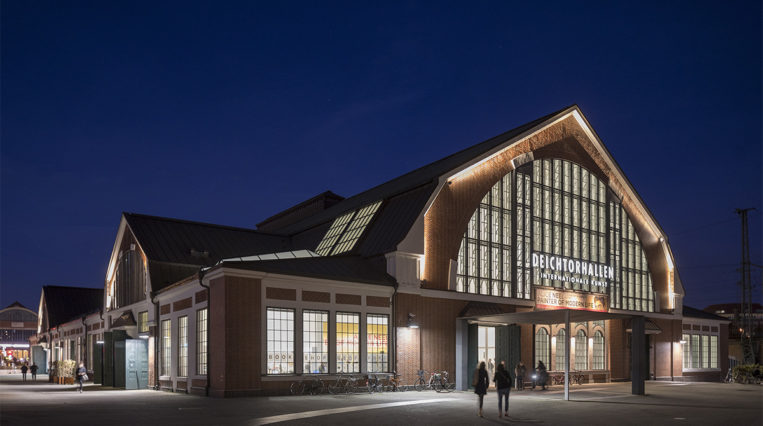
The Deichtorhallen Hamburg offer an impressive 10,000 square-metre exhibition space in two locations. The listed buildings not only stand out due to…
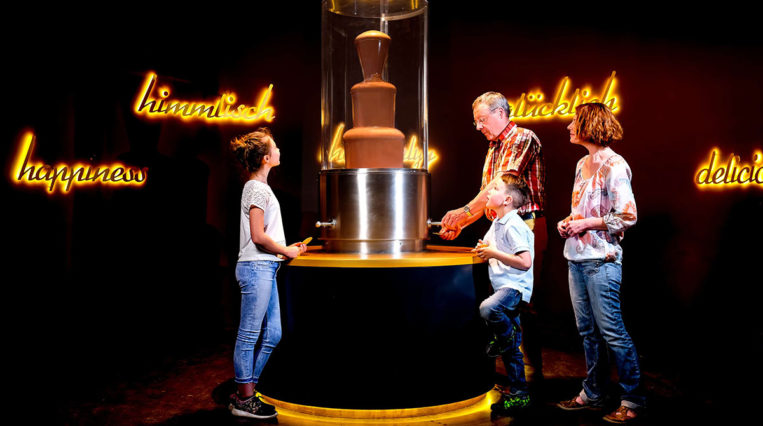
For ten years, chocolate lovers have been finding themselves at what is the right address in Hamburg. With different exhibition areas, the…
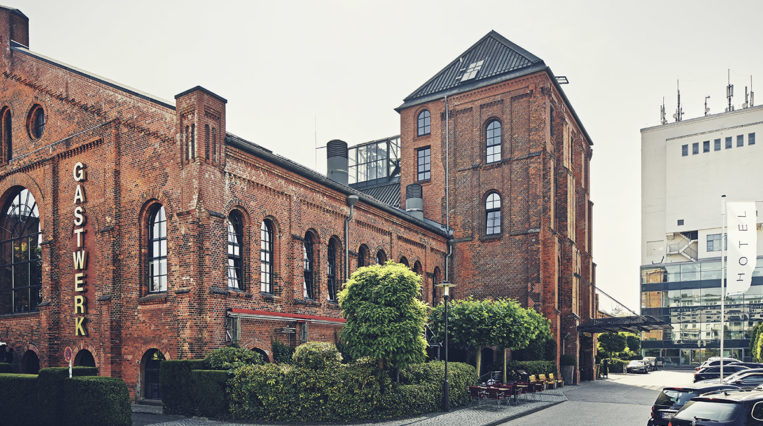
The Gastwerk Hotel Hamburg has defined design standards in the popular city for more than 20 years. Situated in the restored buildings of the old gas…
Are you a fan of Germany, Switzerland and Austria? So are we! Sign up to our newsletter now to stay up to date on the most exciting news, events and destinations.