
Explore Lower Austria through Discover Germany’s coverage of travel, art and design, business and education: inspiring places, restaurants, hotels, architecture, culture, companies and educational institutions in Lower Austria.
 The pear necessities: Getting the most from Austrian pear-fect cider
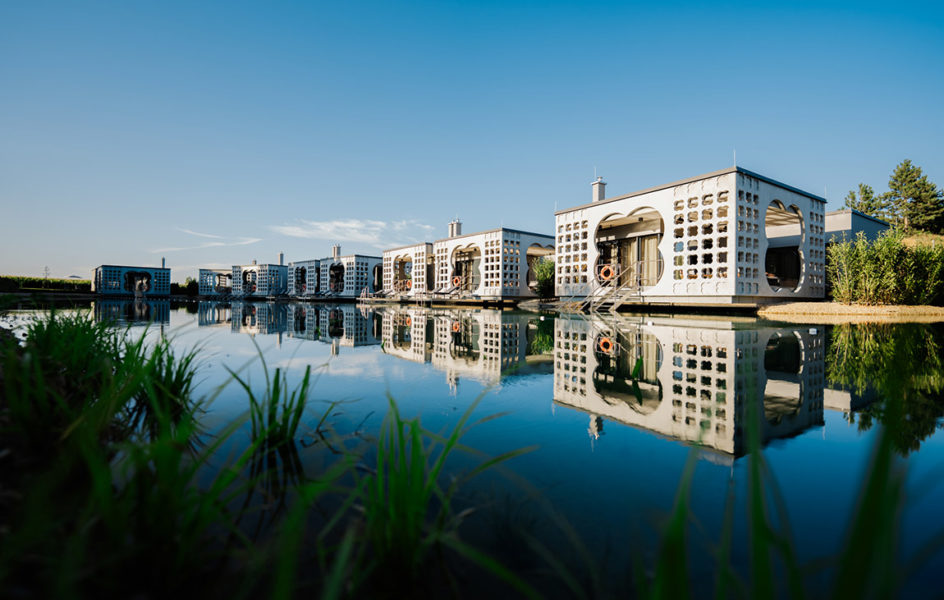
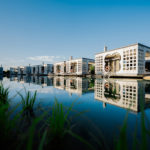 Silent Villas: High-end wellness in the picturesque Weinviertel region
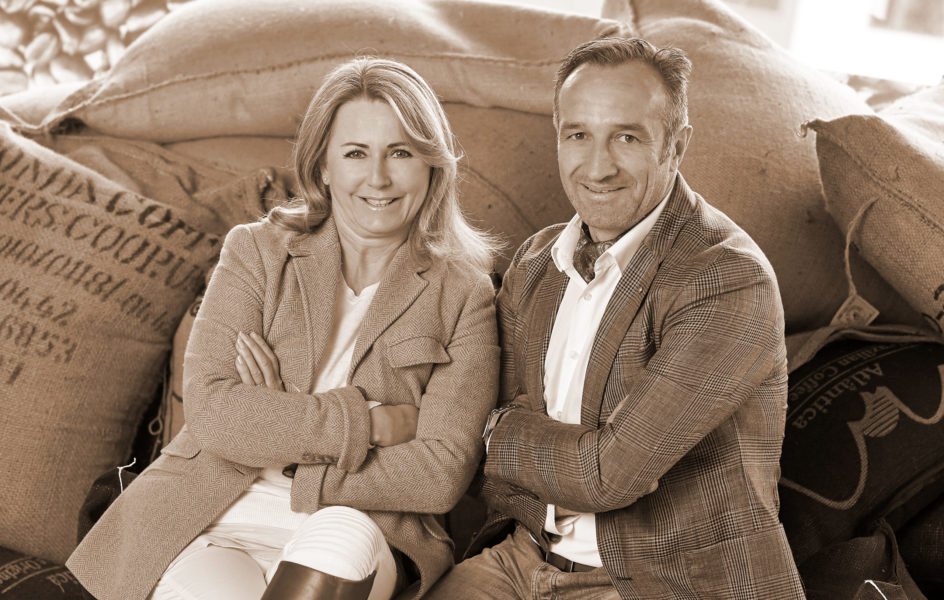
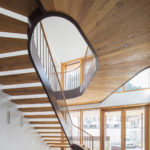 ritzinger Architektur: To Create and Preserve
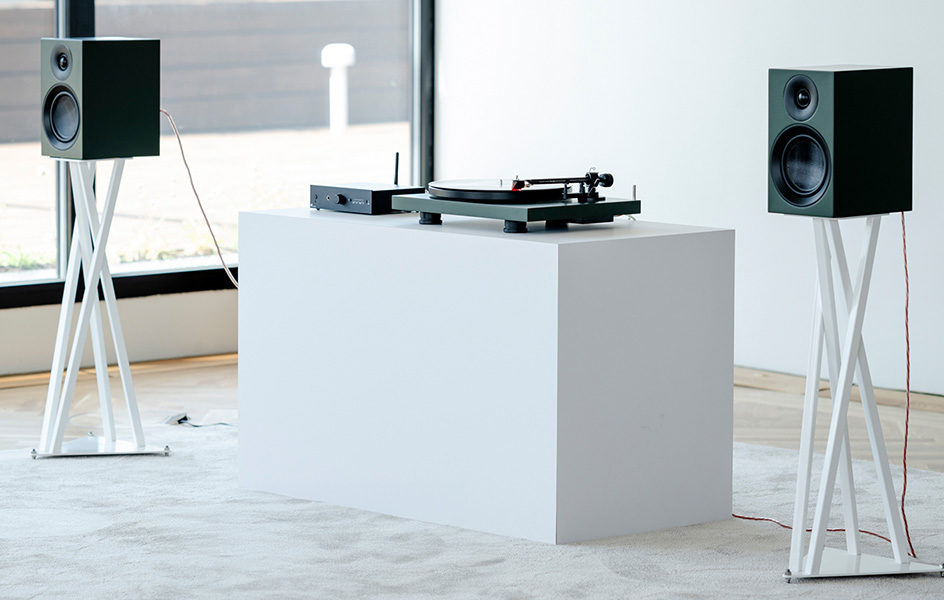
 A pioneer in the world of hi-fi: Pro-Ject Audio Systems
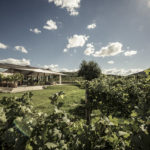 Malat: CENTURY OLD VITICULTURE AND OUTSTANDING HOSPITALITY COMBINED IN ONE VINEYARD
 Organic Winery Georg Toifl: Distinctive wines with character
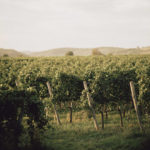 Weingut Christoph Edelbauer: A Pinot Noir that breathes the Austrian Kamptal
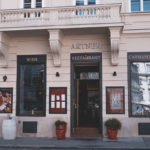 AN INDULGENCE FOR THE PALATE…WELCOME TO THE ARTNER FAMILY WINE ESTATE
 Karl Landsteiner University of Health Sciences: SMALL GROUPS, EXPERTISE AND ACCESS TO PRACTICAL EXPERIENCES ARE KEY IN MEDICINE
 Netzl Winery: A WINERY WITH HEART AND SOUL
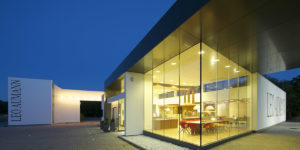 Vineyard Leo Aumann: The art of viticulture at prime locations
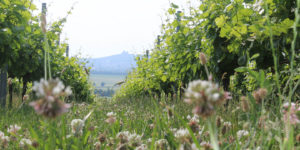 R&A Pfaffl winery: The ‘Hund’: 40 years of premium white wine from Austria
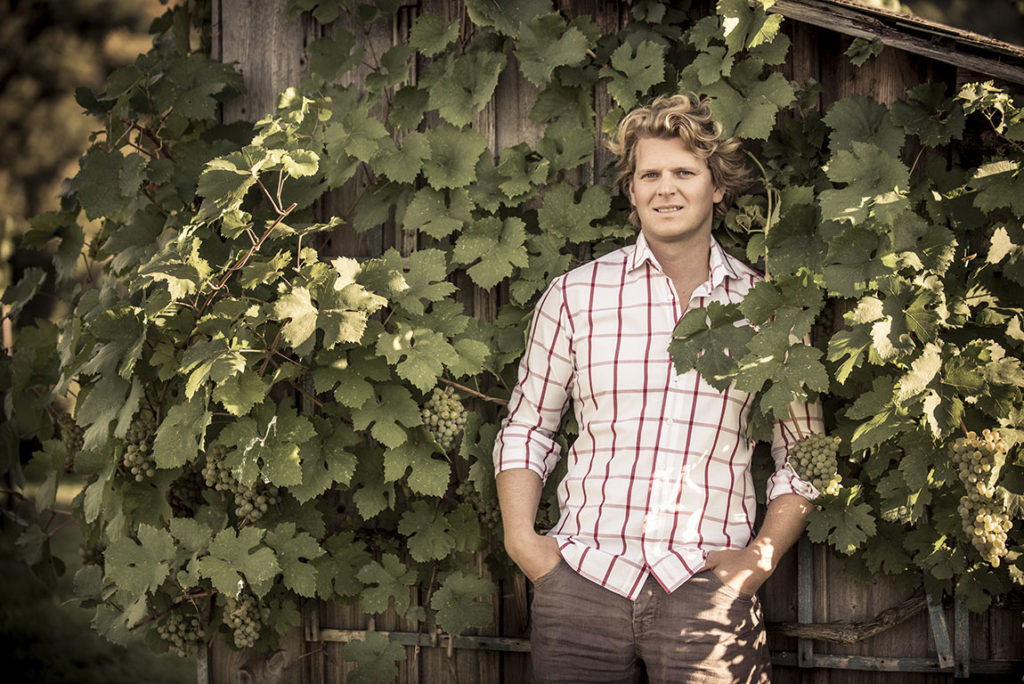
Winemaker Michael Malat stands among the vines at his family’s estate in Lower Austria’s Kremstal wine region, where centuries of winemaking tradition meet contemporary techniques, careful craftsmanship and a dedication to producing distinctive Austrian wines. Photo by Malat.
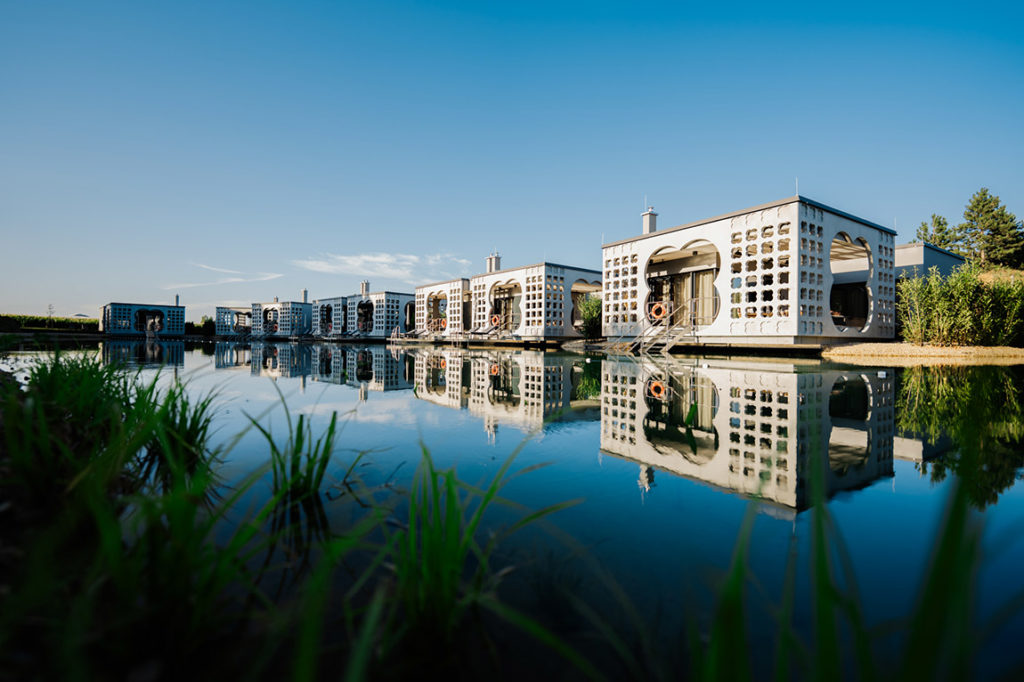
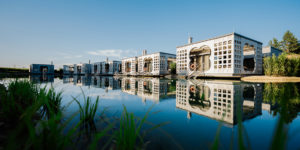
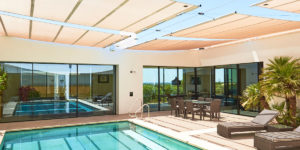
Contemporary architecture at the Silent Villas of Thermenresort Laa reflects beautifully across a tranquil swimming pond in Lower Austria’s Weinviertel region, offering an exclusive adults-only retreat where modern design meets peaceful natural surroundings. Photo by Thermenresort Laa / Pflanzl Media.
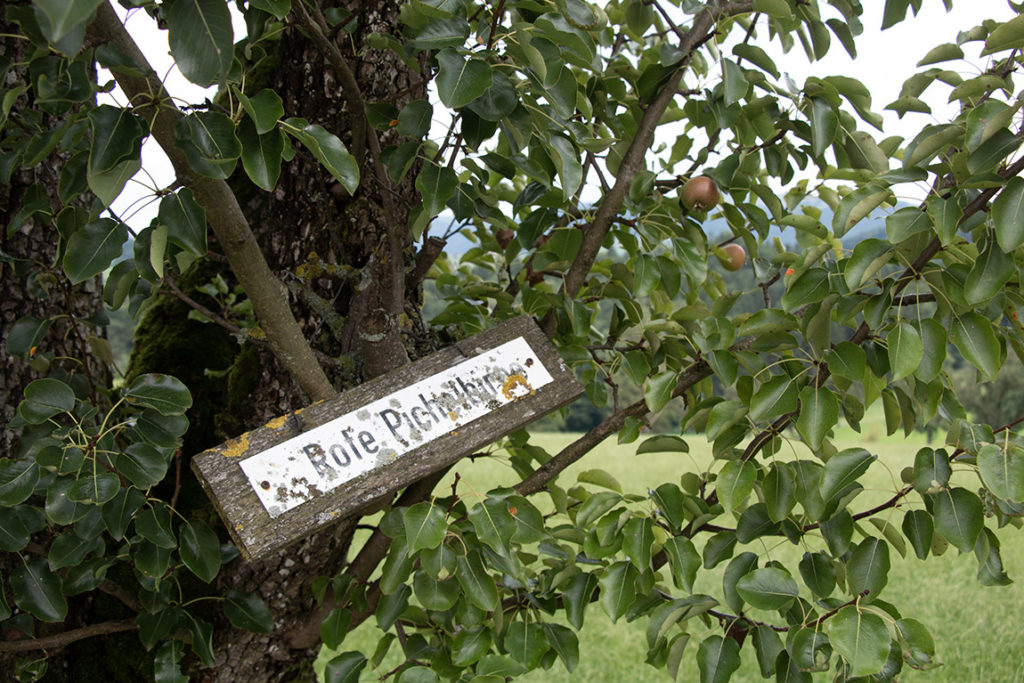
A labelled pear tree in Lower Austria’s Mostviertel reflects the remarkable variety of fruit grown across this countryside, where traditional orchards and a revived cider-making culture have helped make perry a defining regional speciality. Photo by Dan Cole.
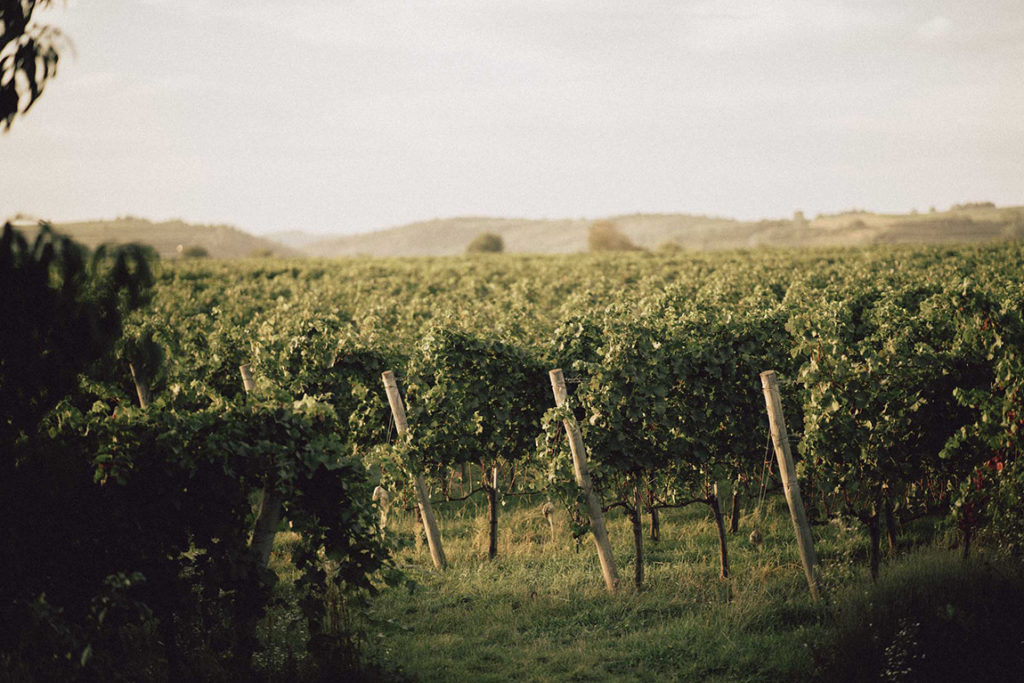
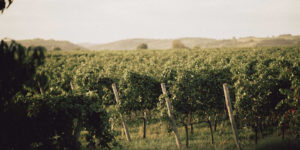
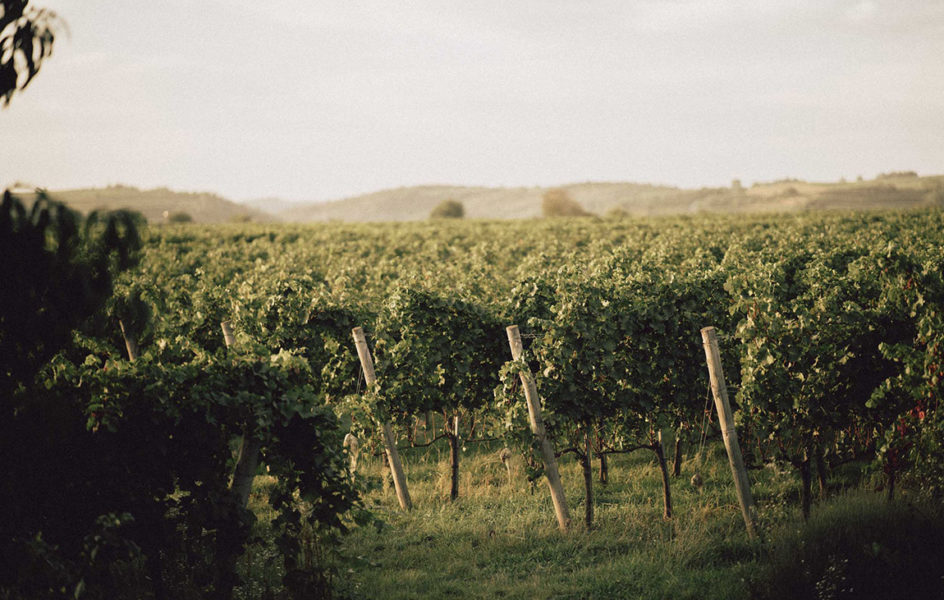
Rows of vines stretch across the gentle hills of Lower Austria’s Kamptal wine region, where Weingut Christoph Edelbauer cultivates Pinot Noir and draws on the landscape’s distinctive soils and climate to produce expressive wines. Photo by Rudolf Ebner.
Lower Austria is a region of remarkable contrasts, where the Danube winds through vineyard-covered hills, historic towns sit alongside contemporary cultural attractions, and peaceful countryside stretches towards the foothills of the Alps. Surrounding Vienna, Austria’s largest federal state offers a fascinating combination of natural beauty, architectural heritage, gastronomy and modern enterprise.
From the celebrated wine villages of the Wachau Valley to the forests of the Waldviertel and the orchards of the Mostviertel, Lower Austria invites visitors to explore a landscape shaped by centuries of tradition and a continuing spirit of creativity.
Few landscapes capture the character of Lower Austria quite like the Wachau Valley. Recognised as a UNESCO World Heritage Site, this picturesque stretch of the Danube between Melk and Krems is known for its steep vineyard terraces, medieval villages and impressive architectural landmarks.
The magnificent Melk Abbey rises above the river, while the charming streets of Dürnstein and the surrounding wine-growing communities provide opportunities to discover local history, traditional hospitality and regional cuisine.
The Wachau is also celebrated for its apricots and distinctive wines, particularly Grüner Veltliner and Riesling. Visitors can explore the valley by bicycle, follow walking trails through the vineyards or simply enjoy the scenery from a riverside terrace.
Wine culture extends far beyond the Wachau. The Weinviertel, Kamptal, Kremstal and other established wine-growing areas are home to producers combining generations of experience with contemporary approaches to cultivation and winemaking.
Traditional Heurige wine taverns remain an important part of local life, offering regional dishes and the opportunity to sample wines in welcoming, informal surroundings.
Elsewhere, the Mostviertel is particularly associated with its pear orchards and cider-making traditions, while the Waldviertel is known for its rural landscapes, distinctive ingredients and artisan food producers.
Independent businesses, family-run estates and innovative producers contribute to a food and drink culture that is both deeply rooted and continually evolving. Like neighbouring Burgenland, Lower Austria demonstrates how regional identity and modern winemaking can flourish together.
Lower Austria’s towns offer much more than attractive historic centres. Krems combines centuries-old architecture with a lively cultural scene, including contemporary art exhibitions and museums. Nearby, the imposing Göttweig Abbey overlooks the Danube and surrounding countryside.
St. Pölten, the regional capital, brings together Baroque buildings, modern architecture and cultural institutions, while Baden bei Wien is celebrated for its elegant streets, thermal spa heritage and longstanding association with music.
Across the region, castles, monasteries and historic estates provide atmospheric settings for exhibitions, concerts and cultural events. Yet Lower Austria is equally home to research institutions, design-led businesses, educational establishments and ambitious entrepreneurs.
This relationship between heritage and innovation gives the region an identity that extends well beyond its traditional attractions.
For visitors drawn to nature, Lower Austria offers an impressive variety of landscapes. The Waldviertel is characterised by forests, granite formations and tranquil lakes, making it particularly appealing for walking, cycling and peaceful countryside breaks.
To the south, the Vienna Alps introduce a different atmosphere. The mountains around Semmering, Rax and Schneeberg provide opportunities for hiking, winter sports and scenic excursions, while the historic Semmering Railway is itself a UNESCO World Heritage Site.
Closer to Vienna, the Vienna Woods offer woodland trails, traditional villages and opportunities to escape the city without travelling far.
Whether enjoying a boutique countryside hotel, exploring a family-owned winery or discovering contemporary Austrian design, Lower Austria offers experiences that reward curiosity and unhurried exploration.
Its combination of cultural heritage, natural landscapes and independent enterprise makes it one of the most varied destinations in Austria.