
Susanne Hallmann: Creating new perspectives
Psychologist and teacher Susanne Hallmann is dedicated to helping people break down personal barriers, so they can pursue and realise their dreams.…

Der nächste wichtige Call steht an, die Welt dreht sich schnell und von außen wirkt alles perfekt. Doch tief im Inneren nagt etwas. Eine Erschöpfung, die nicht weggeht. Ein inneres Rasen, das selbst in ruhigen Momenten nicht aufhört. Das Gefühl, überall gefordert zu sein und dabei irgendwie verloren zu gehen. Viele kennen es: Der Erfolg, den man sich so hart erarbeitet hat, fühlt sich plötzlich an wie eine Last. Mit diesen Herausforderungen arbeitet die Psychologin Nancy Klinckmann, die sich auf deutschsprachige Expats, internationale Fach- und Führungskräfte sowie ortsunabhängig Arbeitende spezialisiert hat. Sie studierte Arbeits- und Klinische Psychologie und hat zudem einen…
Breaking free from toxic relationships is not easy, especially when children are involved. Svenja Breitenbach from Hamburg in Germany does not only…
‚Halte durch’, sagen sich viele Frauen. ‚Die anderen schaffen es doch auch.' Sie ignorieren ihre Erschöpfung und reden sich ein, dass es irgendwann…
The Frankfurt-based mindset and business coach Simone Zander is convinced: there is a lioness hiding inside every woman. The 36-year-old, originally…
Online und in der eigenen Praxis in München begleitet Jochen Rögelein seit 2005 Menschen auf ihrem Weg zu besseren Beziehungen. Im Bereich der…

Psychologist and teacher Susanne Hallmann is dedicated to helping people break down personal barriers, so they can pursue and realise their dreams.…


Mamafinanzen helps women and mothers to discover their financial strength, make smart decisions and realize their life goals. “Finances have the…
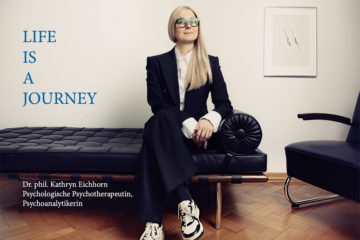
Dr. Kathryn Eichhorn hilft Menschen durch Einzel- und Paartherapie unbewusste Muster zu erkennen und neue Wege zu gehen. Mehr Selbstbestimmtheit und…
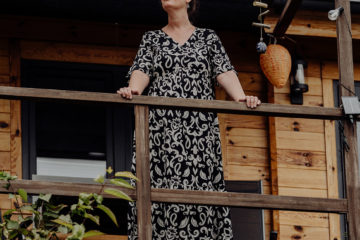
Mit dem Refugium Carica hat Jannine Schäfer einen Ort geschaffen, der Menschen hilft, aus dem Hamsterrad auszubrechen und eine tiefe Verbindung zu…
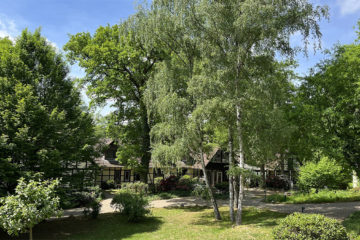
The Ellernhof retreat hotel combines blissful seclusion with outstanding comfort as well as in-house coaching and workshop offers – allowing for a…
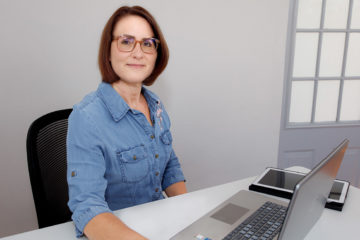
When children suffer, the entire family system often suffers as well. For Stefanie Guth, this insight forms the foundation of her work: focusing not…
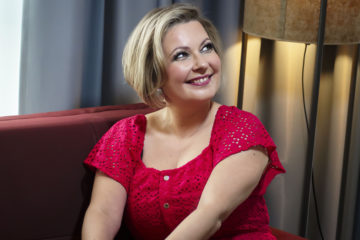
Ein spirituelles Werkzeug, das Lebensveränderungen bewirkt und das Unterbewusstsein neu programmiert. Tatjana Bambulovic erzählt uns alles über die…
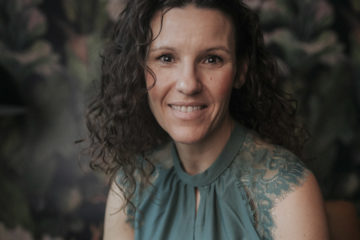
Die Herausforderungen des Alltags können dazu führen, dass wir uns in unseren Partnerschaften und im eigenen Leben verloren oder unverstanden fühlen.…
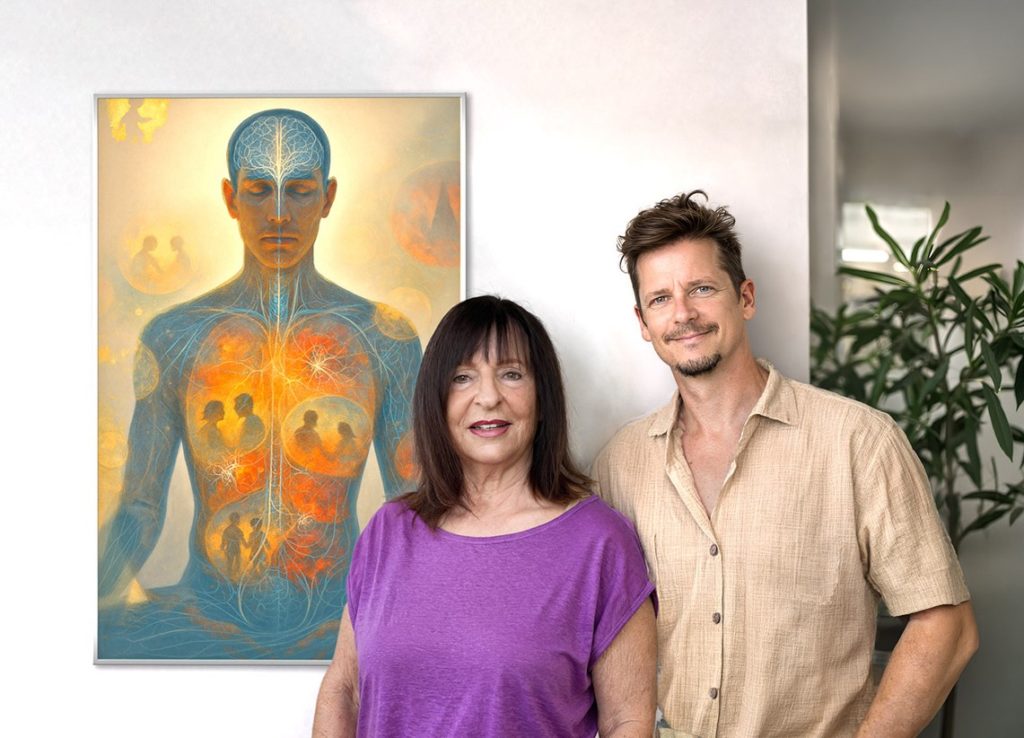
Ilona and Patrick Palucki of Palucki Coaching & Research focus on trauma work and lasting personal transformation, combining their experience and specialist approach to help clients address deeply rooted patterns and create meaningful change. Photo by PRCI.
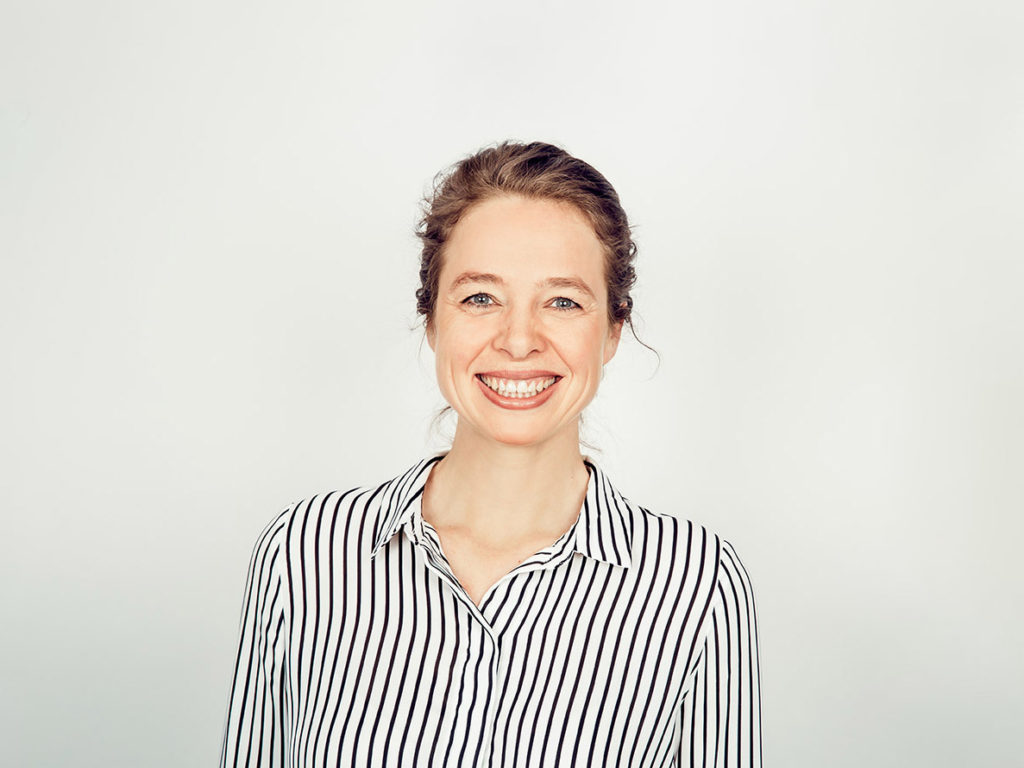
Nancy Klinckmann supports German-speaking expats, international professionals and location-independent workers who may appear successful on the outside while struggling with exhaustion, pressure or a lack of fulfilment. Combining a background in occupational and clinical psychology with commercial experience, she focuses on mental clarity and sustainable success. Photo by Kristina Becker.
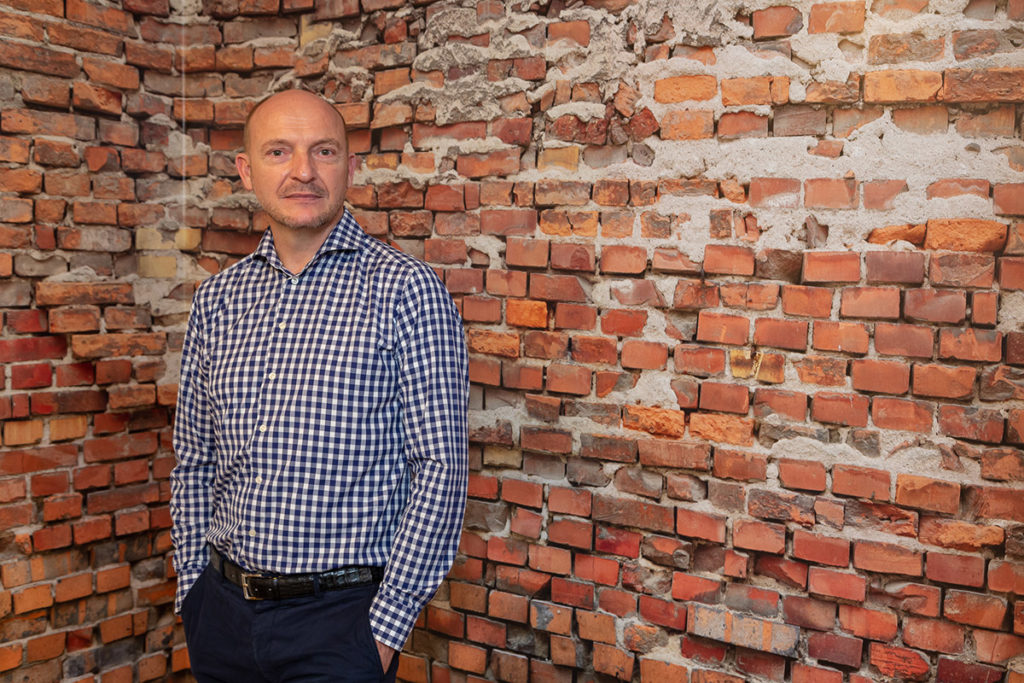
Jochen Rögelein combines systemic therapy and coaching with a strong focus on healthier family relationships. His work looks beyond the individual to the wider dynamics within families, helping clients recognise established patterns, improve communication and create more constructive ways of relating to one another. Photo by Jochen Rögelein.
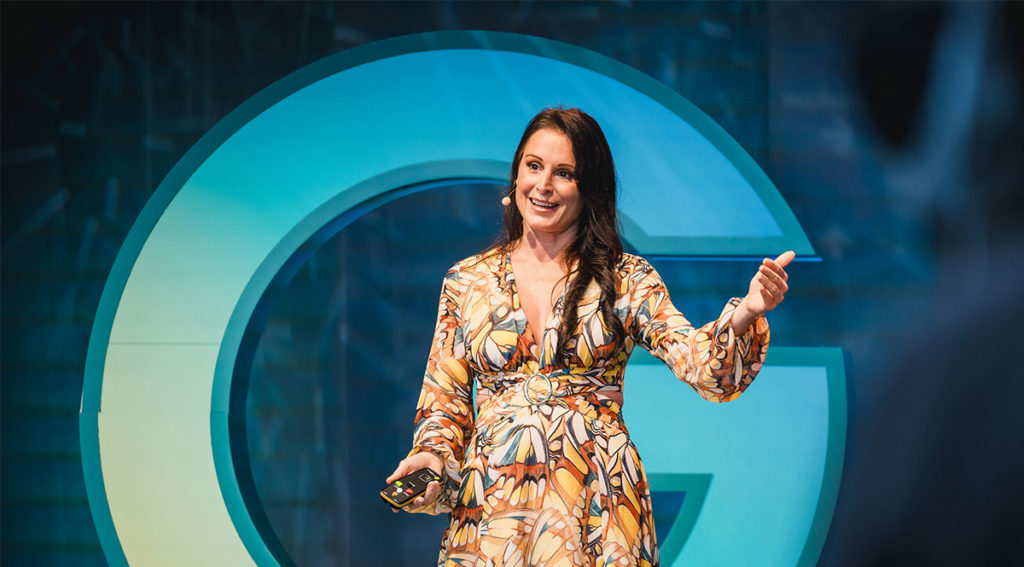
Petra Fürst specialises in soulmate coaching for women, combining relationship coaching with personal development to explore the patterns and expectations that shape the search for partnership. Her approach focuses on greater clarity, self-awareness and creating the foundations for more fulfilling relationships. Photo by Greator.
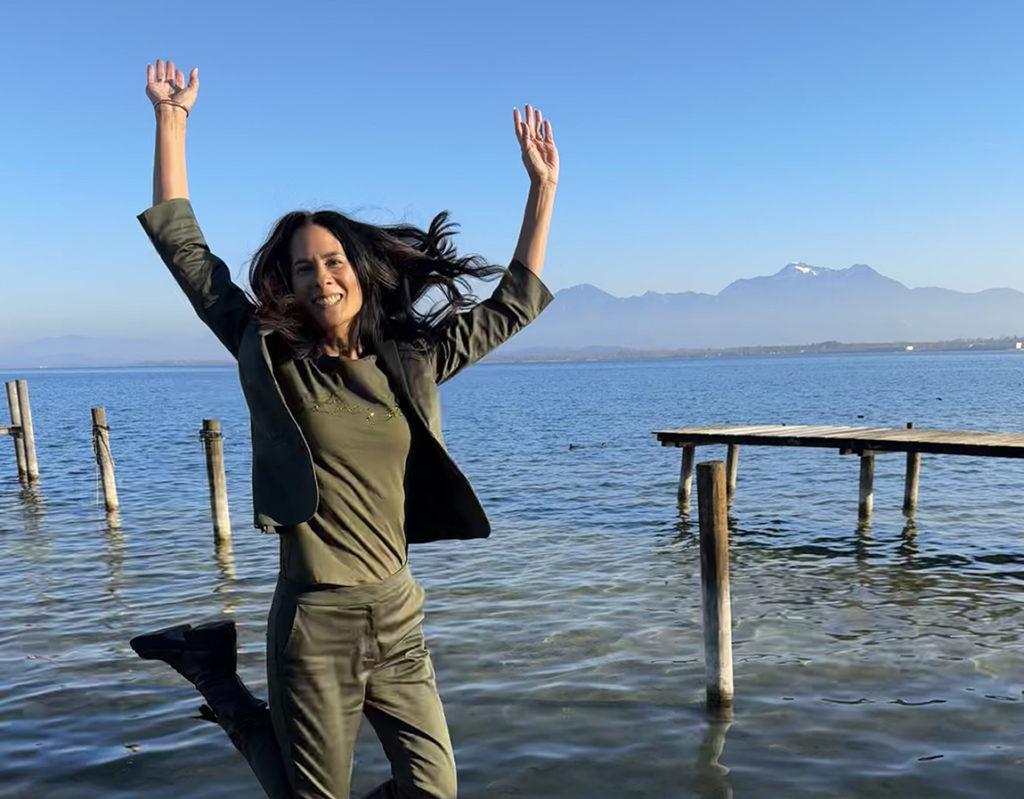
Peggy Haase specialises in stress and burnout coaching for women who have spent years meeting the demands of work and family while neglecting their own needs. Her approach focuses on understanding stress patterns, rebuilding resilience and creating sustainable change rather than simply pushing through exhaustion. Photo by Peggy Haase.
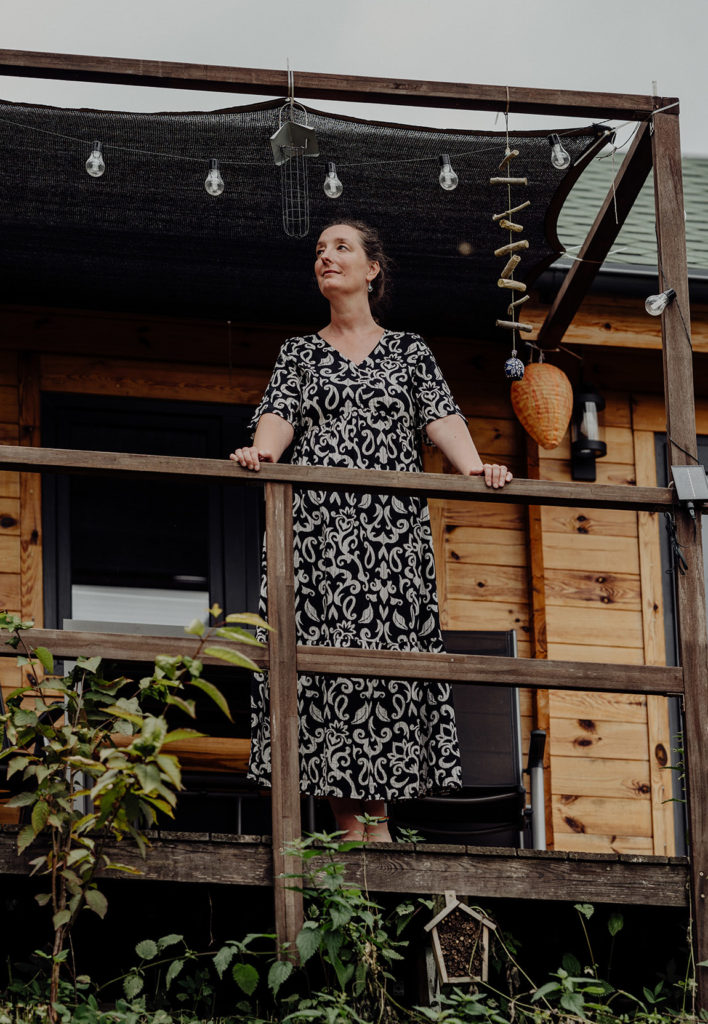
Refugium Carica in the Weserbergland offers a retreat from everyday demands, with a focus on inner calm, self-discovery and personal renewal. Its approach creates space for reflection and a more conscious engagement with individual needs, priorities and direction. Photo by Esther Posala, www.soulfood-and-eyecandy.com
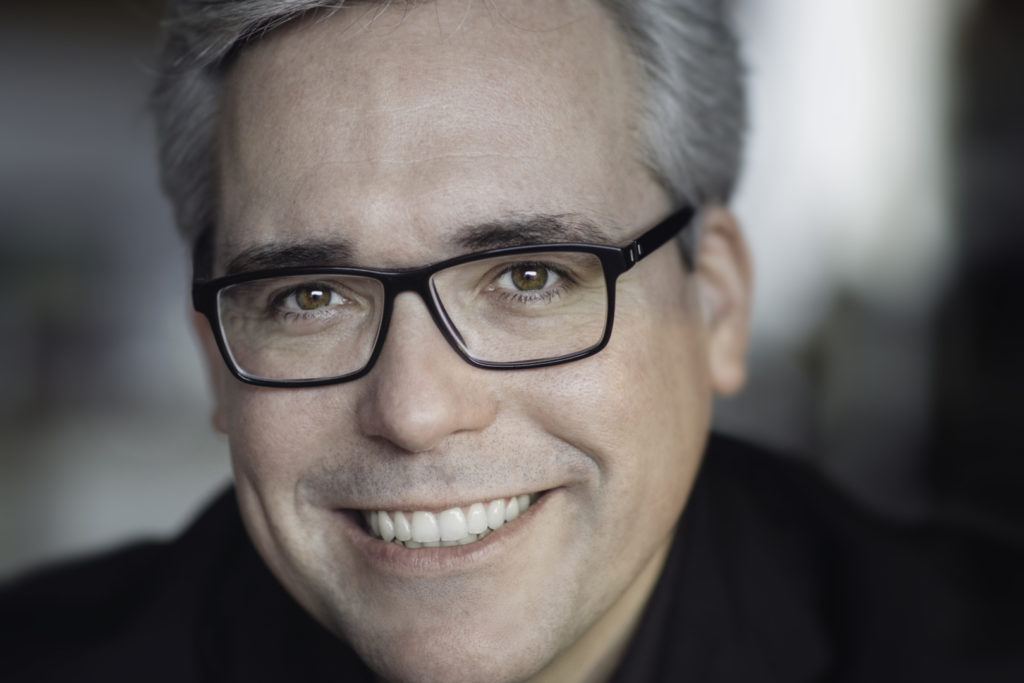
Rolf Schmiel combines psychological expertise with practical, scientifically grounded approaches to motivation and personal development. Known from German television, radio and his work as an author and speaker, he focuses on sustainable motivation, energy management and helping people better understand the psychological mechanisms behind their behaviour. Photo by Steffi Atze.
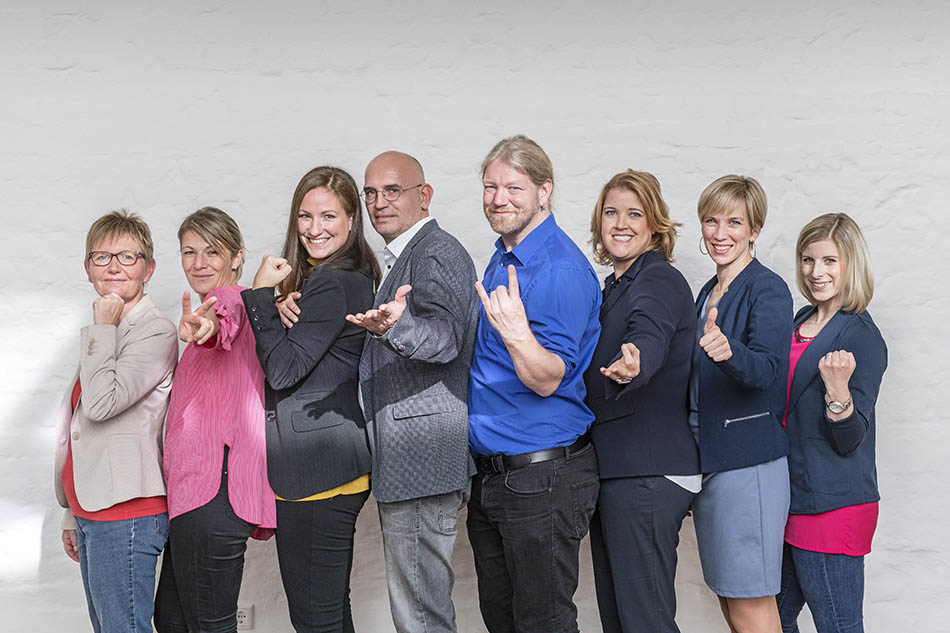
The Cologne-based Coachingwerk brings together nine experienced coaches specialising in individual and team coaching, workshops and training. Using systemic methods, the team helps clients gain new perspectives, reflect on the impact of their behaviour and develop sustainable solutions for personal and professional change. Photo by Boris Löhrer.
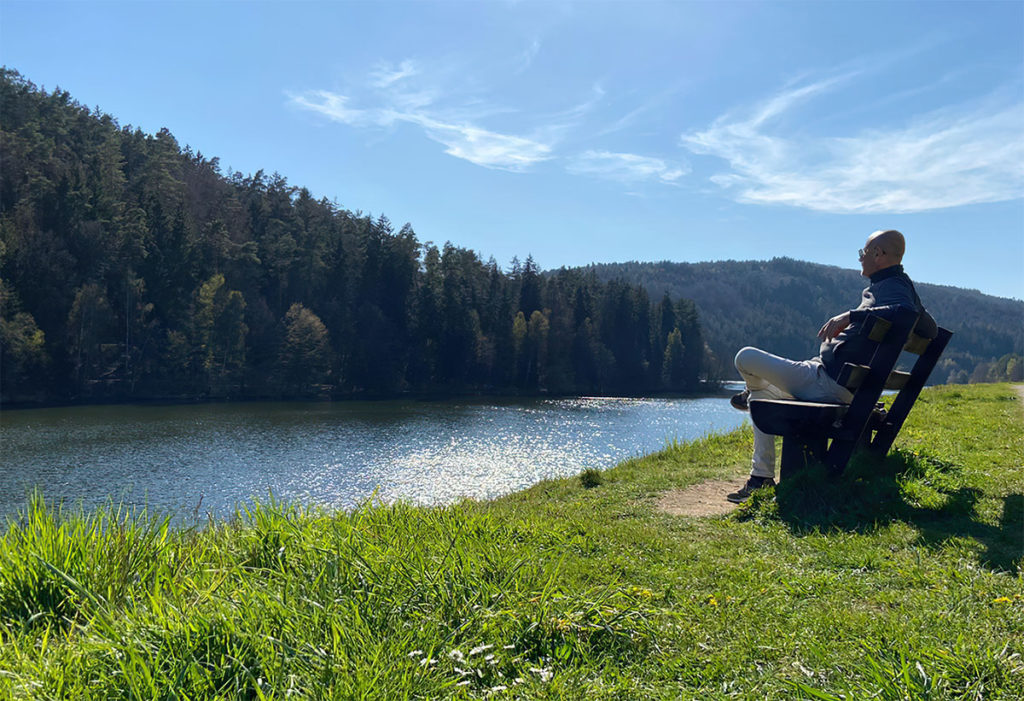
Frank Schaehfer works as a holistic mentor and life coach, helping clients develop a clear personal vision that extends beyond career or financial success. Drawing on years of experience as an entrepreneur and creative professional, his coaching focuses on conscious decision-making, self-reflection and creating a fulfilling life across both personal and professional spheres. Photo by Frank Schaehfer.
Best Life Coaches in Germany
Germany’s life-coaching landscape is as varied as the people who turn to it. Across the country, coaches are developing distinctive approaches to personal growth, relationships, resilience, professional change and self-discovery – often combining long-standing coaching methods with expertise drawn from psychology, business, mindfulness, communication and other disciplines.
What stands out is the increasing specialisation of the sector. Rather than positioning themselves simply as “life coaches”, many practitioners have developed a clear focus and a highly individual philosophy. Some concentrate on relationships or family dynamics, others on burnout and professional change, while a growing number explore confidence, self-reflection, sensitivity or more holistic forms of personal development.
Over the years, Discover Germany has met and interviewed numerous coaches working across this diverse field. Here, we take a closer look at some of the life coaches in Germany whose ideas, methods and specialist expertise have caught our attention.
New perspectives on personal development
Personal development remains at the heart of much of Germany’s life-coaching sector, but the concept can mean very different things depending on the practitioner.
For Nancy Klinckmann, one particularly interesting starting point is the disconnect that can occur between external success and inner satisfaction. Her work considers what happens when everything seems to be going according to plan on paper, yet the feeling of fulfilment that was expected to accompany that success is missing. It is an approach particularly relevant to people reassessing established definitions of achievement and considering what they actually want the next stage of their lives to look like.
Dr Kathryn Eichhorn places self-reflection firmly at the centre of her work. Rather than focusing solely on the next goal, her approach looks at the value of understanding the patterns, behaviours and assumptions that shape the decisions people make. This emphasis on reflection represents an important strand within contemporary German coaching: development not simply through doing more, but through gaining a clearer view of what is already driving our choices.
Creating a different perspective is also central to Susanne Hallmann. Her work demonstrates how coaching can provide a space in which familiar situations are considered from new angles. Sometimes it is not the circumstances themselves that immediately need to change, but the perspective from which they are being viewed. This focus on opening up alternative possibilities gives Hallmann’s coaching its characteristic direction.
Together, these coaches illustrate the breadth hidden within the seemingly simple term “personal development”. It can involve questioning conventional ideas of success, examining existing patterns or discovering a completely different way of looking at a familiar situation.
Relationships, communication and connection
Relationship coaching has developed into another distinctive area of German life coaching, with specialists taking increasingly focused approaches to partnership, communication and interpersonal dynamics.
Svenja Breitenbach has made toxic relationships a central focus of her work. Her coaching looks at the dynamics that can keep people caught within destructive relationship patterns and at the process of developing a clearer understanding of those patterns. It is a highly specific area of expertise, and one that shows how far relationship coaching has evolved from general advice about communication or partnership.
Petra Fürst, meanwhile, approaches the subject from a different direction. Her soulmate coaching for women explores relationships alongside questions of personal development and the patterns people bring into their search for partnership. The concept combines the desire for a fulfilling relationship with a closer examination of the person seeking it – giving Fürst’s work a distinctive position within the relationship-coaching field.
For Tanja Wendel, clarity and openness are key themes. Her work connects the quality of relationships with a broader sense of quality of life, reflecting the extent to which communication and personal relationships influence areas far beyond partnership itself. Her approach places honest interaction and clearer understanding at the centre of positive change.
These three coaches demonstrate the range that exists even within one coaching specialism. Relationship coaching in Germany can encompass everything from recognising destructive dynamics to examining personal expectations, communication and the ways in which relationships influence wider wellbeing.
Rethinking work, success and burnout
The relationship between professional achievement and personal fulfilment is one of the strongest themes to emerge in modern coaching.
As working lives have become more demanding and career paths less predictable, questions that may initially appear professional often develop into much broader considerations about priorities, identity and lifestyle.
Peggy Haase specialises in stress and burnout coaching, with an approach encapsulated by the idea of moving from merely surviving to truly living. Her work addresses a phenomenon familiar to many high-performing professionals: the ability to continue functioning and meeting expectations even when the underlying way of working has ceased to be sustainable. Haase’s focus places recovery and a re-evaluation of everyday patterns alongside conventional ideas of performance.
A closely related theme appears at Dream Career, where burnout becomes a potential starting point for professional reinvention. Its work considers what happens when a career that once provided motivation no longer does so, and how a period of exhaustion can prompt a more fundamental reassessment of professional direction. Rather than treating career planning as a purely strategic exercise, Dream Career connects it with questions of energy, purpose and long-term sustainability.
Frank Schaehfer adds another perspective to the conversation by questioning the relationship between financial success and a fulfilled life. The premise behind his work is strikingly simple: a full bank account does not automatically equal a fulfilling existence. That distinction opens a much broader discussion about what success actually means once conventional milestones have been reached.
Collectively, these approaches reflect a noticeable evolution within German life coaching. Achievement is no longer discussed only in terms of progression or productivity. Increasingly, coaches are examining whether a particular definition of success remains meaningful – and sustainable – for the individual pursuing it.
Confidence, potential and professional direction
The boundaries between life coaching and professional coaching are often fluid. A career decision can affect confidence and identity just as strongly as it affects a CV, while greater personal clarity can have an immediate influence on professional decisions.
Kathrin Jeglejewski focuses on the mechanisms behind success and on helping people access more of their individual potential. Her approach brings together the personal and professional sides of development, looking beyond isolated goals towards the underlying factors that influence whether someone is able to act on their ambitions.
Simone Zander has developed a particularly distinctive position around female confidence. Her work centres on courage, self-belief and personal power, connecting confidence with the ability to pursue both professional and personal ambitions. Rather than treating confidence as a superficial presentation skill, Zander positions it as something that can fundamentally influence the decisions people are prepared to make.
At Coachingwerk, the emphasis is on new perspectives through systemic methods. Systemic coaching considers a person or challenge within a wider context, rather than viewing individual problems in isolation. This allows professional and personal questions to be explored in relation to the environments, relationships and structures surrounding them – an approach that has become particularly influential within German coaching.
The work of these coaches shows why it is increasingly difficult to divide coaching neatly into “life” and “business”. Confidence, potential, work and personal direction frequently overlap, and many of the most interesting coaching approaches operate precisely at that intersection.
Families, younger people and changing life stages
Life coaching is by no means limited to professionals navigating careers or adults reassessing personal goals. A number of German specialists are applying coaching and systemic approaches to families, younger people and the challenges associated with different stages of life.
Jochen Rögelein works with systemic therapy and coaching, with healthy family relationships forming a central part of his approach. By looking at the family as an interconnected system rather than focusing exclusively on one individual, his work considers how behaviours and relationships influence one another. It is an approach particularly suited to situations in which the challenge cannot easily be separated from the wider family dynamic.
Stefanie Guth also brings the focus onto children, adolescents and families. Self-exploration plays an important role in her work, with the aim of strengthening younger people as well as the relationships surrounding them. Her specialist focus demonstrates how coaching principles traditionally associated with adult development are increasingly being adapted to the needs of younger age groups.
Meike Jürgensen takes this further into the educational sphere through her work in student coaching. Her approach is centred on sustainable learning success rather than short-term academic fixes, linking the process of learning with motivation, self-management and the individual student. It is another example of how specialised the German coaching sector has become, with expertise increasingly tailored to clearly defined groups and situations.
Together, Rögelein, Guth and Jürgensen highlight an important dimension of the wider coaching landscape: personal development does not begin with a first job and end with retirement. Coaching approaches are being used across very different stages of life, often with methods specifically developed for the people and environments involved.
Mindfulness, sensitivity and a wider view of wellbeing
Alongside systemic and goal-oriented coaching, Germany is also home to practitioners who bring mindfulness and more individualised concepts of wellbeing into their work.
Judith Heuer connects mindfulness and medicine, bringing two fields together that have increasingly become part of the same conversation. Her work reflects growing interest in approaches that consider awareness and wellbeing alongside more conventional ideas about personal development. By drawing these areas together, Heuer offers a perspective that is distinct from purely performance-driven coaching.
Katrin Rahnefeld has developed an especially clear specialism: coaching for highly sensitive people. Rather than treating sensitivity as something that needs to be overcome, her work considers the particular experiences and needs of highly sensitive individuals. This highly targeted focus is representative of a wider trend within German coaching, where practitioners increasingly develop expertise around a specific group rather than offering an entirely general coaching proposition.
The increasing presence of such specialists is one of the reasons Germany’s life-coaching landscape is so interesting. The sector now contains a broad spectrum of approaches, from systemic work and career transformation to relationship coaching, mindfulness and highly individual areas of personal development.
Discover more life coaches in the Discover Germany archive
The coaches highlighted above represent only a selection of the specialists Discover Germany, Switzerland & Austria has featured over the years.
Our archive contains many more interviews and profiles spanning life coaching, personal development, relationships, mindfulness, family coaching, resilience, professional change and a variety of specialist coaching approaches.
Explore the Discover Germany archive to discover more German life coaches, learn about their individual philosophies and methods, and meet the people shaping Germany’s diverse coaching landscape.
Meetings, sales figures, deadlines... A myriad of things govern our working lives on a daily basis. If we are not careful, they can often overwhelm…
Viele Stresserkrankungen stehen im Zusammenhang mit unseren Lebensgewohnheiten. Eine Änderung der Lebensgewohnheiten könnte diese also vermeiden.…
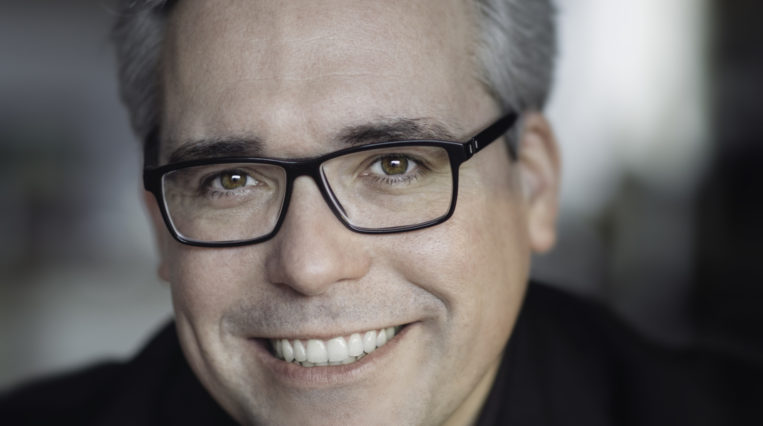
Best known for analysing people, brands and the media on Sat.1’s breakfast television programme and Sat.1’s show So tickt der Mensch, star…
Are you a fan of Germany, Switzerland and Austria? So are we! Sign up to our newsletter now to stay up to date on the most exciting news, events and destinations.