
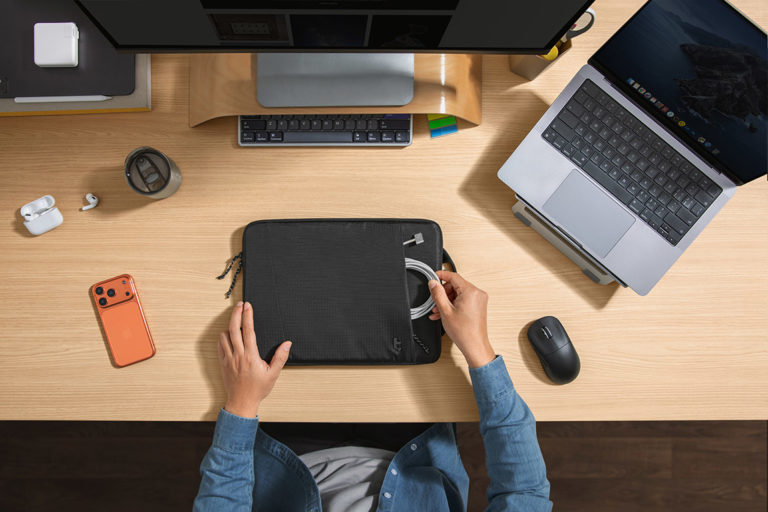
Founded in 2016, tomtoc creates refined carry solutions centred on tech protection and thoughtful organisation for people around the world. Designed for a generation…
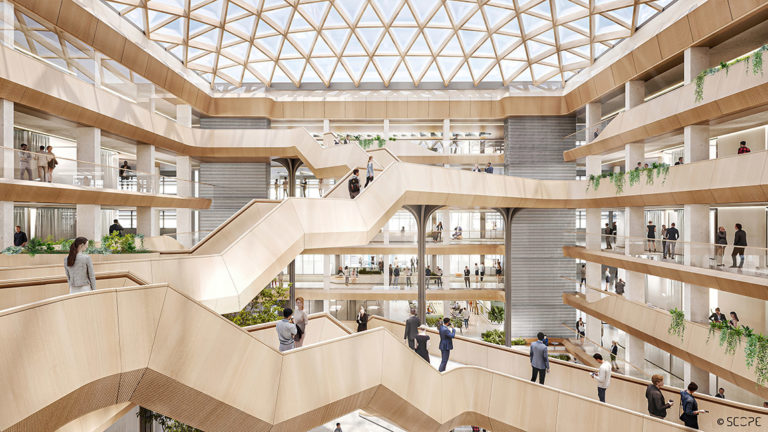
As an interdisciplinary firm specialising in architecture, interior and design, SCOPE Architekten takes a holistic approach, from the urban context down to the finest…
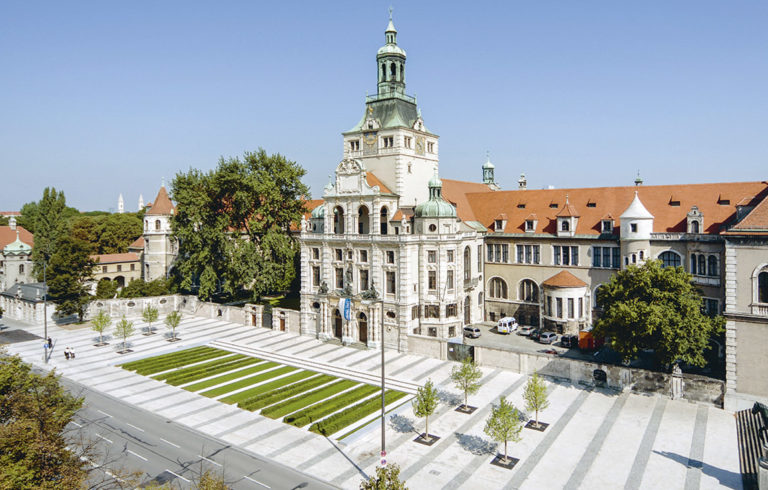
At Rainer Schmidt Landscape Architects, the site takes precedence and inspires a clear concept that is highly expressive, with its own identity and distinctive…
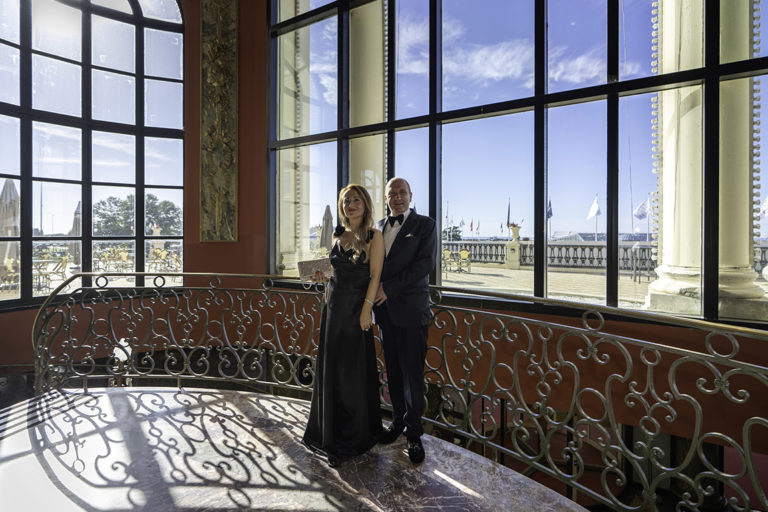
Casa Padrino stands for exclusive furniture that is far more than mere home furnishings. Founded in 2007 by Marvin Schertl and managed jointly with…

The festive season is traditionally a time of giving. Yet, as awareness grows, so does our understanding of what truly makes a gift valuable.…
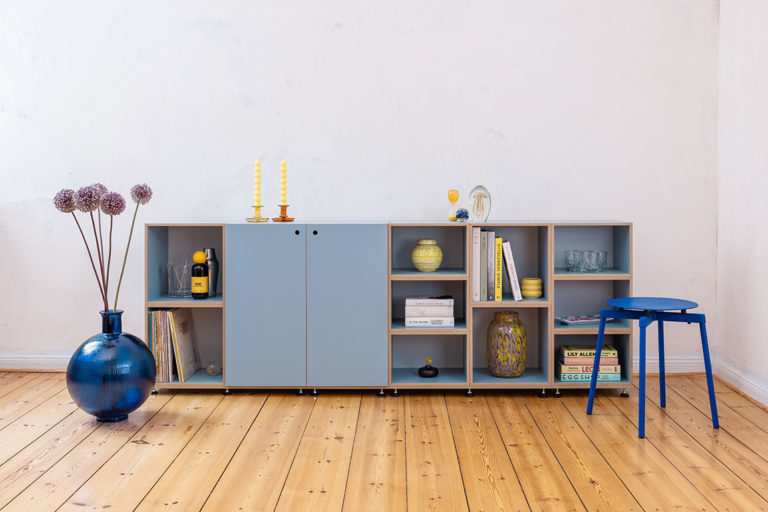
Seit 15 Jahren liefert das 2011 gegründete Berliner Unternehmen stocubo den Beweis, dass es möglich ist, qualitativ hochwertige Möbel nachhaltig und mit fair bezahlten…
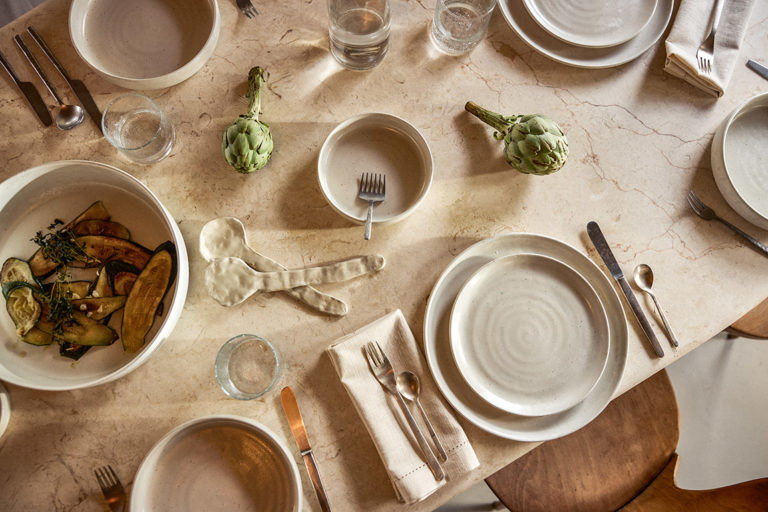
The focus of the Cologne ceramics brand onomao lies on the table. The company works together with manufacturers in Portugal to create timeless pieces…
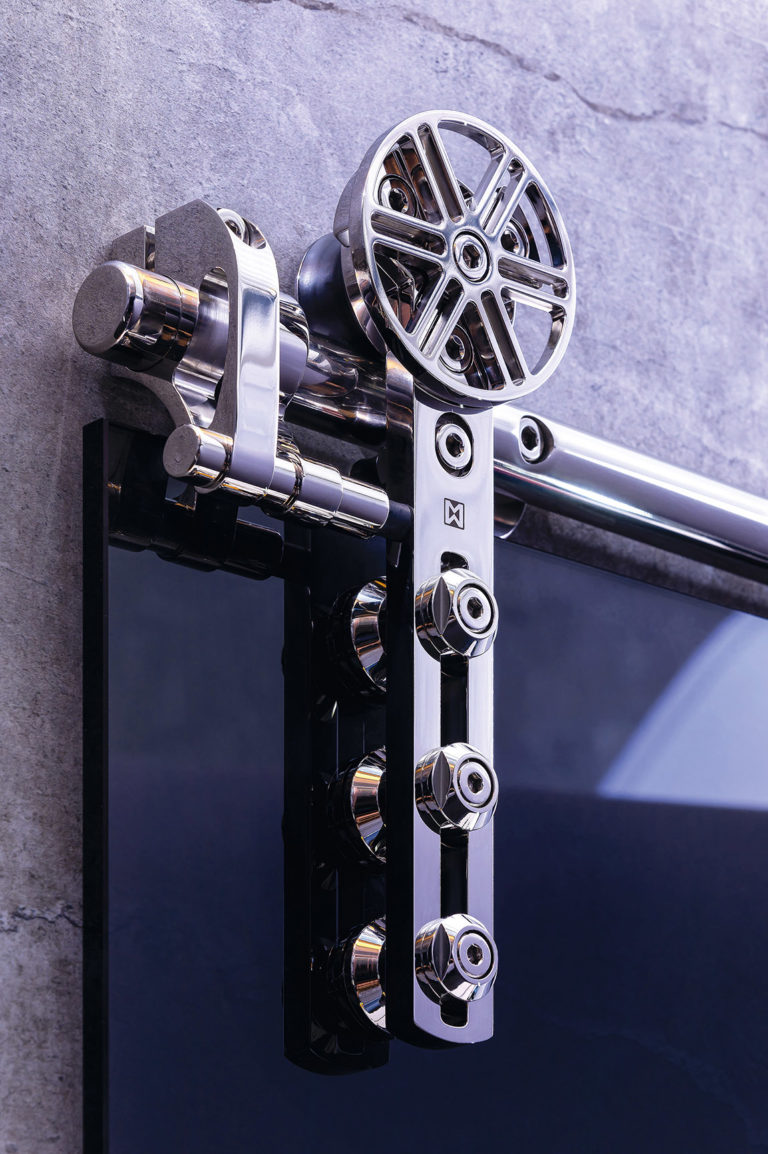
Craftsmanship that transforms spaces: for more than 20 years, MWE Edelstahlmanufaktur has been creating premium interior solutions that combine timeless design with engineering precision.…
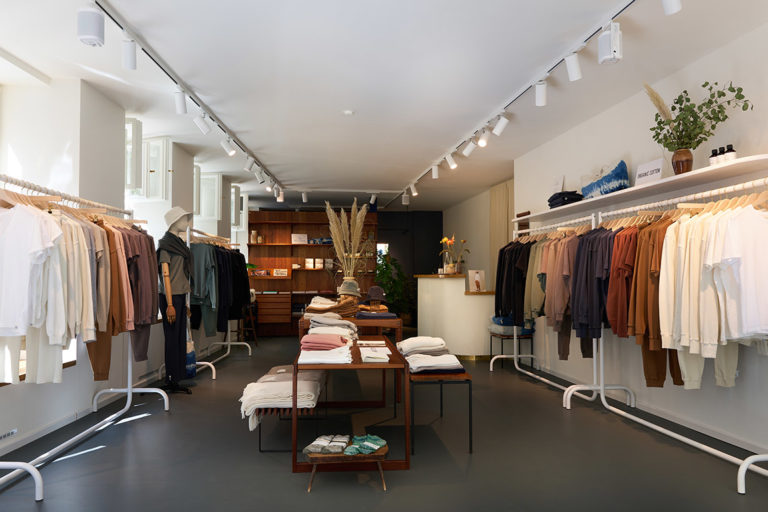
How a German brand weaves tradition, sustainability, and modern design into every fibre. In the heart of the Swabian Alps, a region once at…

KRINNER: A name few may know, but a brand whose products many people know and trust. In 1990, Klaus Krinner – farmer, inventor, and…
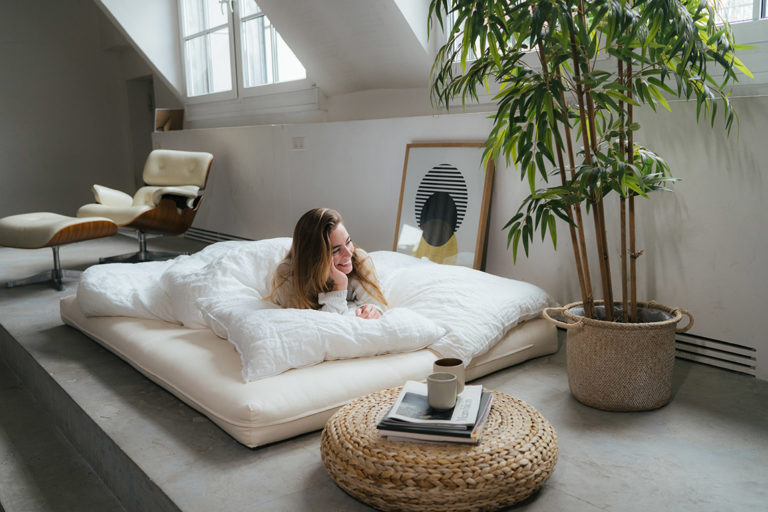
At Dortmund-based Futonwerk, high-quality natural futon-mattresses and more are produced from 100 per cent natural, certified materials – for a healthy, personalised sleeping experience…
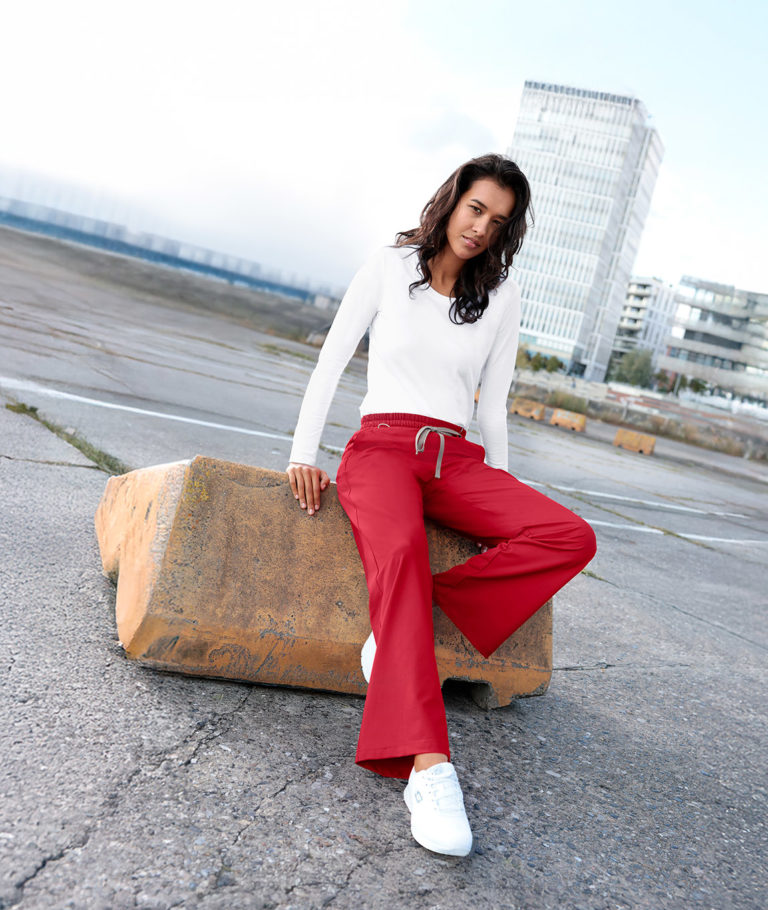
Das Aussehen von Berufsbekleidung hat sich auch im Gesundheitswesen in den vergangenen Jahrzehnten deutlich verändert. Aus dem klassischen weißen Kittel ist ein Kleidungsstück geworden,…
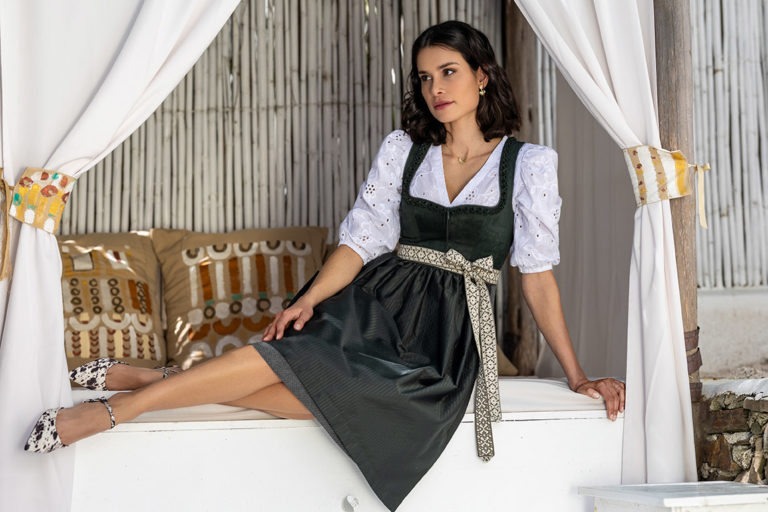
Traditional costume is far more than clothing for folk festivals. It represents companionship, special occasions and a way of life that charmingly combines tradition…
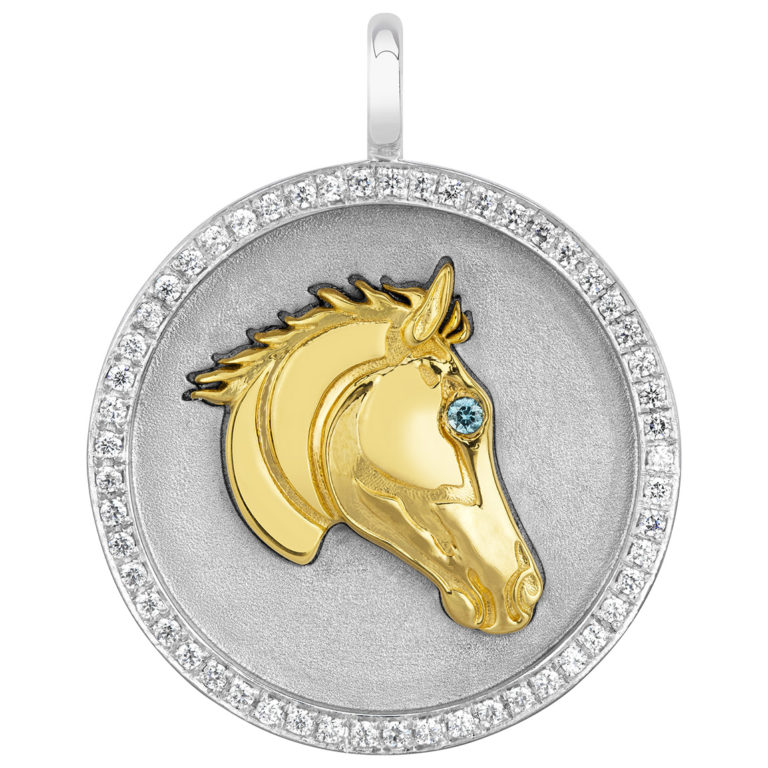
Cosmoszeit is known for its high-quality watches and zodiac pendants, inspired by both time and astronomy. “Our designs are exceptional because they are shaped…
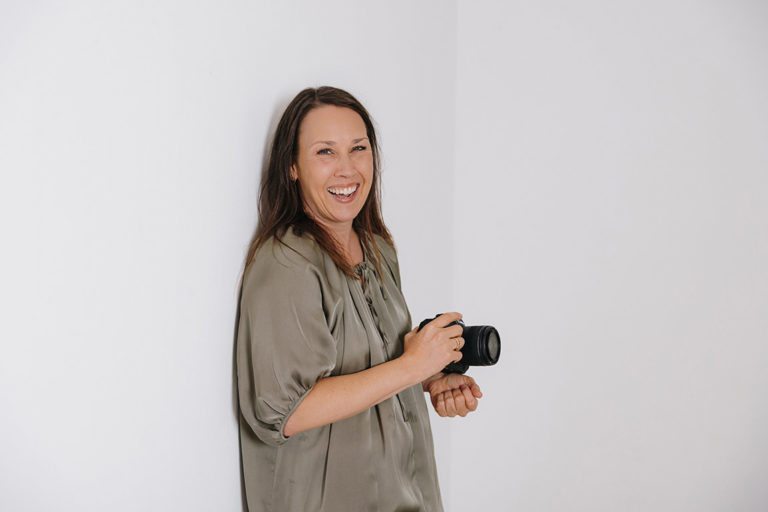
Manuela Baum works with empathy and a personal touch to create authentic images that highlight businesswomen and bring their vision, values and personality to…
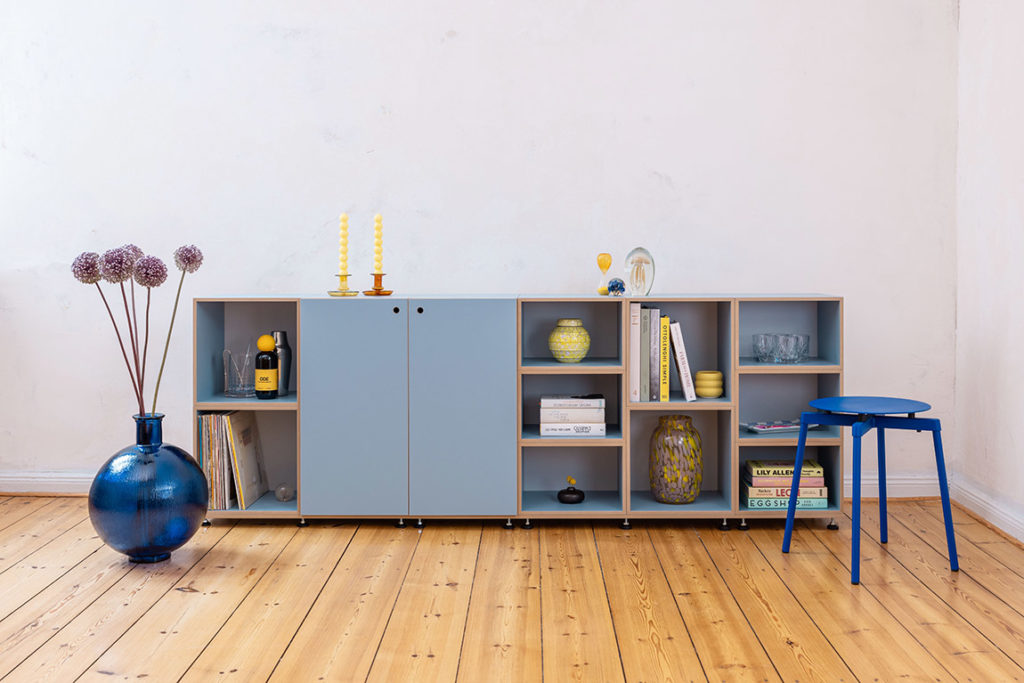
Berlin-based stocubo's modular furniture combines minimalist design with everyday versatility. This elegant blue sideboard features interchangeable wooden units, open shelving and practical storage, bringing contemporary German craftsmanship and understated colour into a beautifully simple living space. Image courtesy of stocubo.
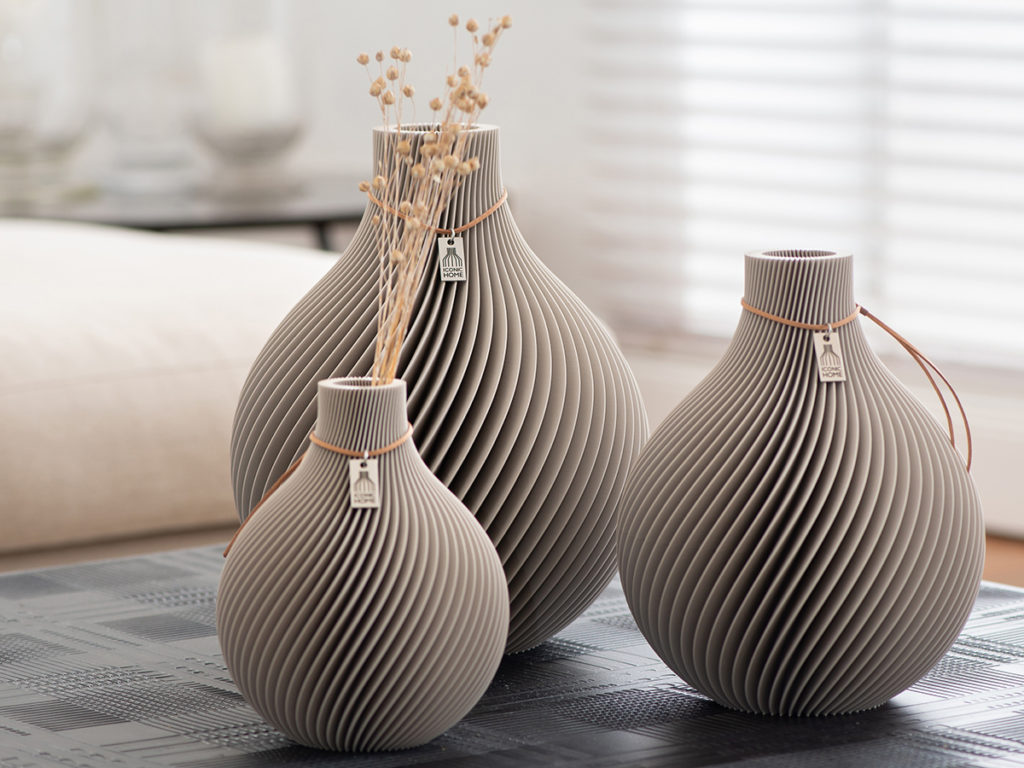
ICONIC HOME’s sculptural Sphere vases combine elegant organic shapes with intricate ribbed surfaces, creating a beautiful interplay of light and shadow. These contemporary decorative pieces demonstrate how innovative German product design transforms everyday objects into distinctive interior accessories. Photo by Designscape.
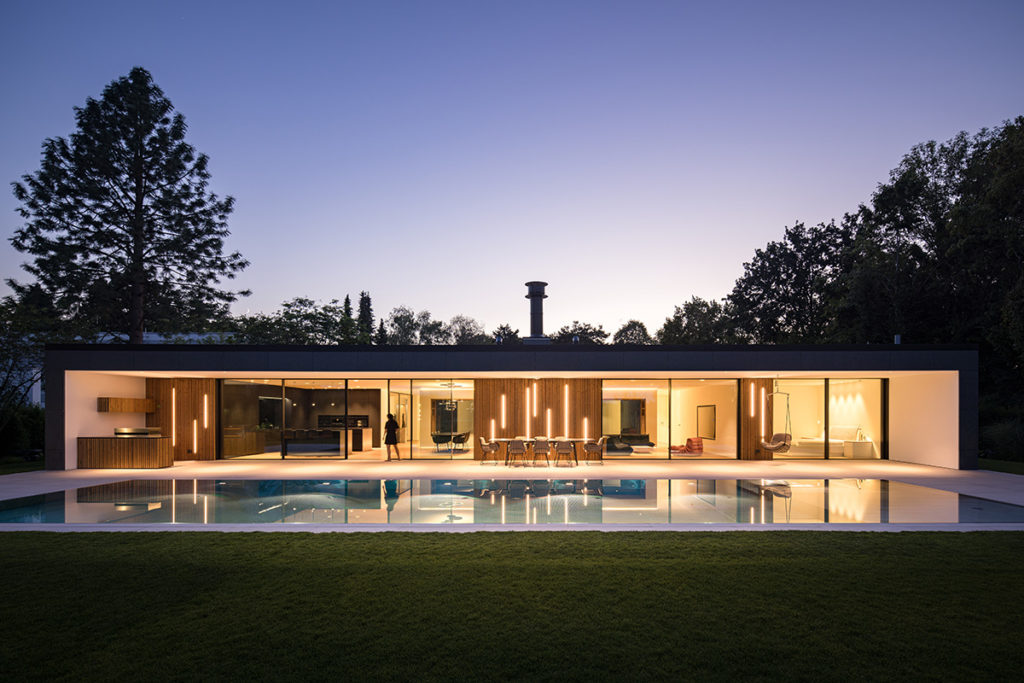
MundS Architekten’s striking Villa RS showcases contemporary residential design, with expansive glazing, warm interior lighting and elegant minimalist architecture. Reflected in the swimming pool at dusk, this sophisticated home demonstrates the practice’s commitment to creating exceptional living spaces. Photo by Lars Gruber.
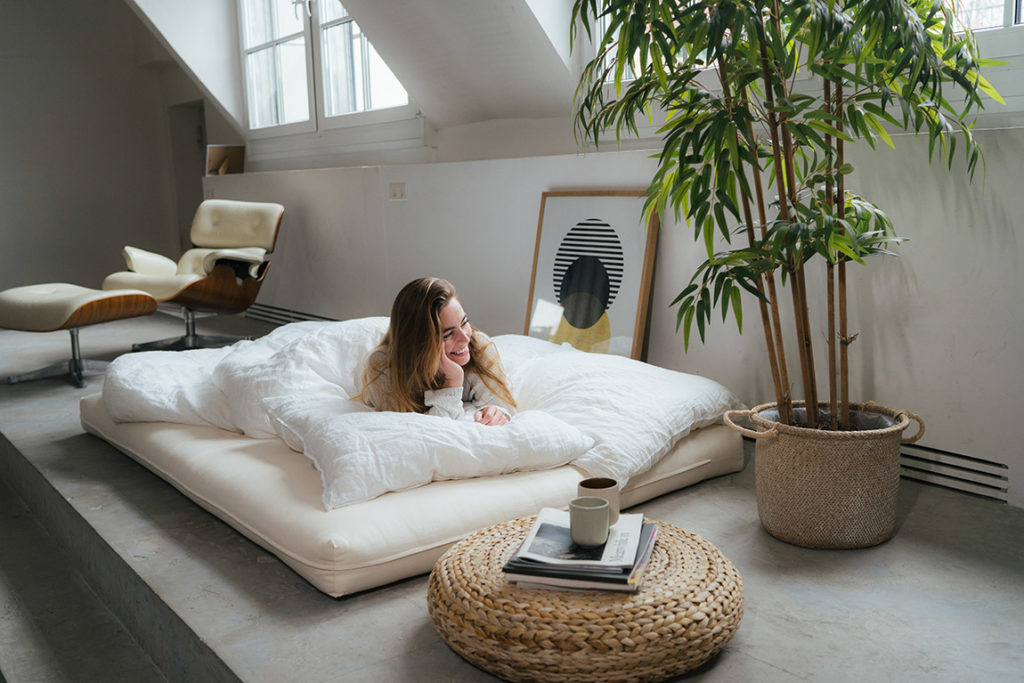
A light-filled interior showcases Futonwerk & Neonatura’s natural futon mattress, surrounded by soft white bedding, warm textures and greenery. The inviting setting demonstrates how thoughtful German design brings together comfort, craftsmanship and understated contemporary style. Photo by @tobi_holzweiler.
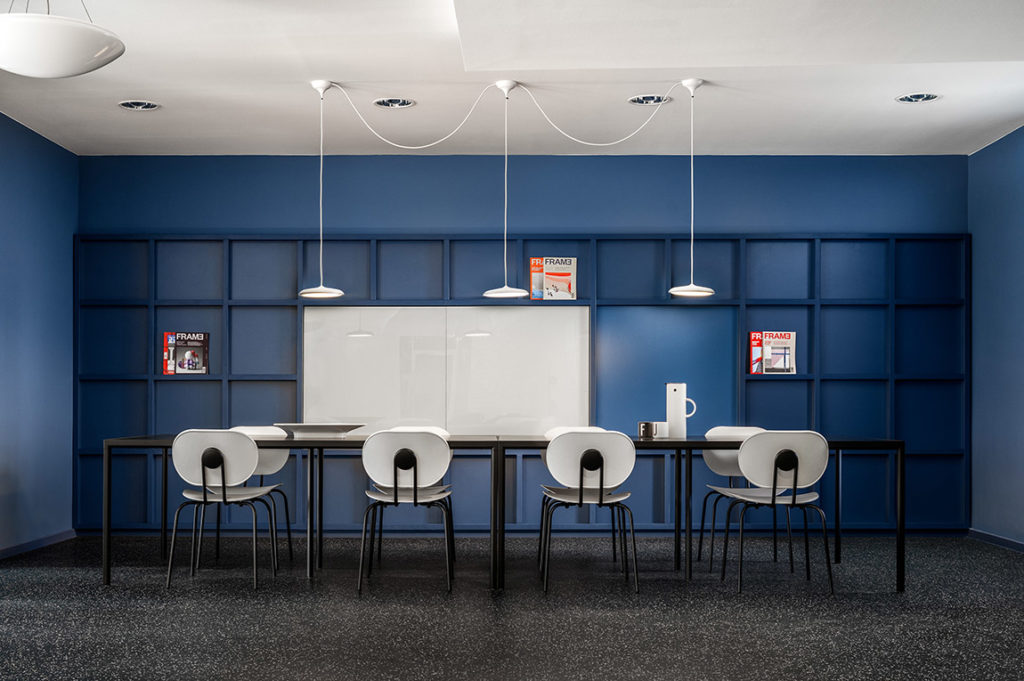
A striking deep-blue communal space at The House of Co. showcases the creative approach of interior.architects.munich. Elegant pendant lighting, integrated shelving and contemporary furnishings create a sophisticated, welcoming environment that combines functionality with distinctive German interior design. Photo by Andreas Jekic.
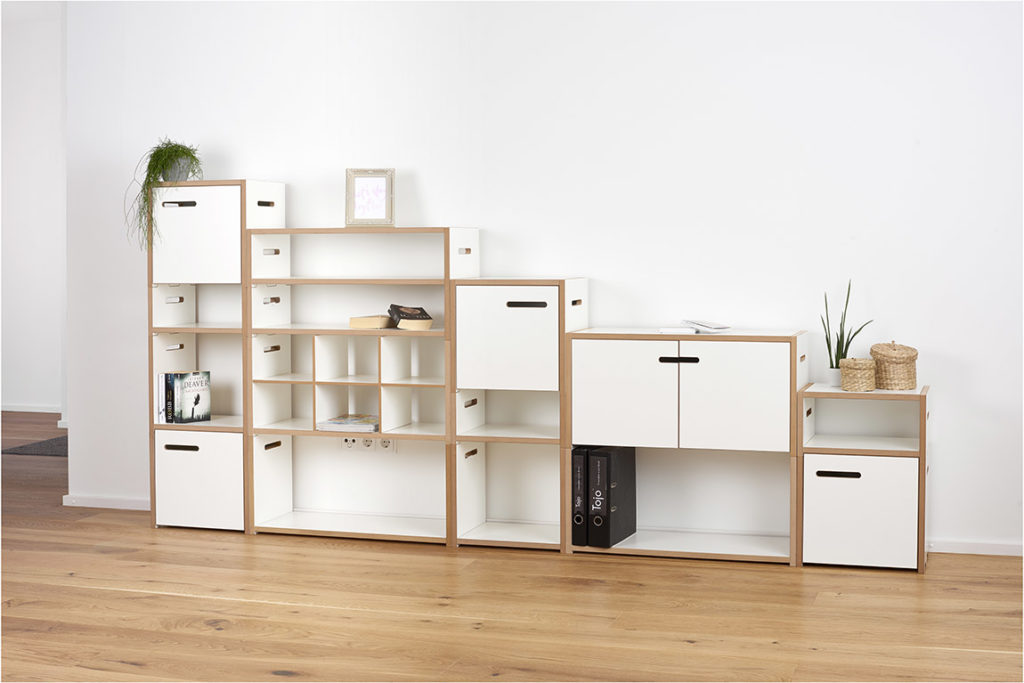
Tojo Möbel’s innovative modular shelving system combines clean white surfaces with natural wood detailing, creating a flexible and contemporary storage solution. Its adaptable design reflects Germany’s tradition of functional furniture that balances simplicity, practicality and understated elegance. Photo by Tojo Möbel GmbH.
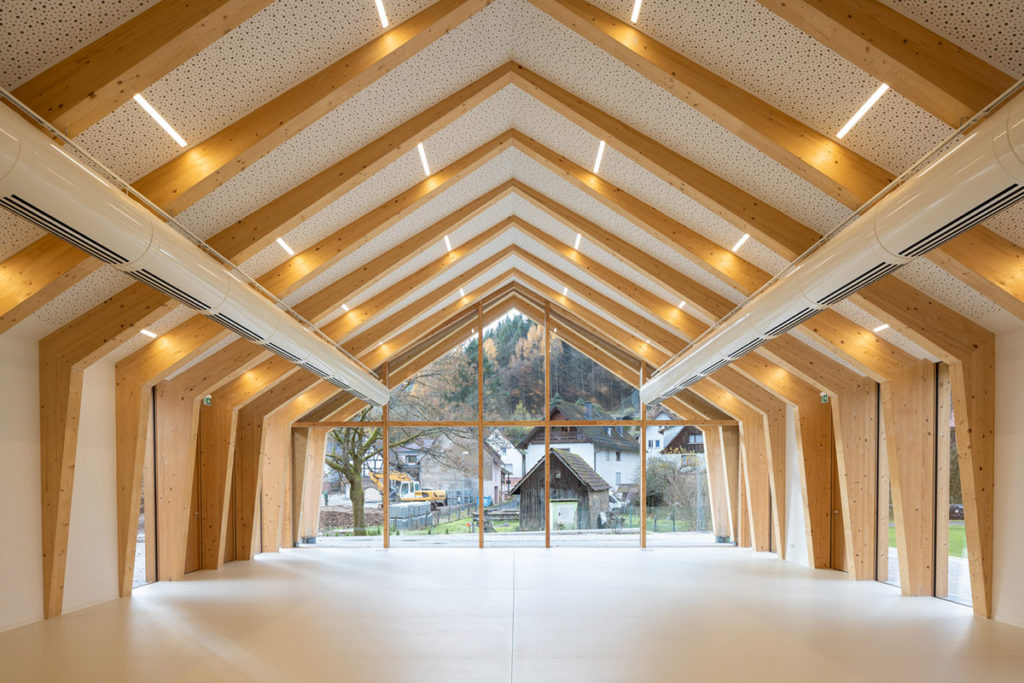
CCM Architekten’s village community hall in Flörsbachtal showcases striking timber architecture, soaring ceilings and expansive windows overlooking the surrounding landscape. Combining contemporary design with natural materials, this light-filled space creates an inviting setting for community gatherings. Photo by Jörg Hempel.
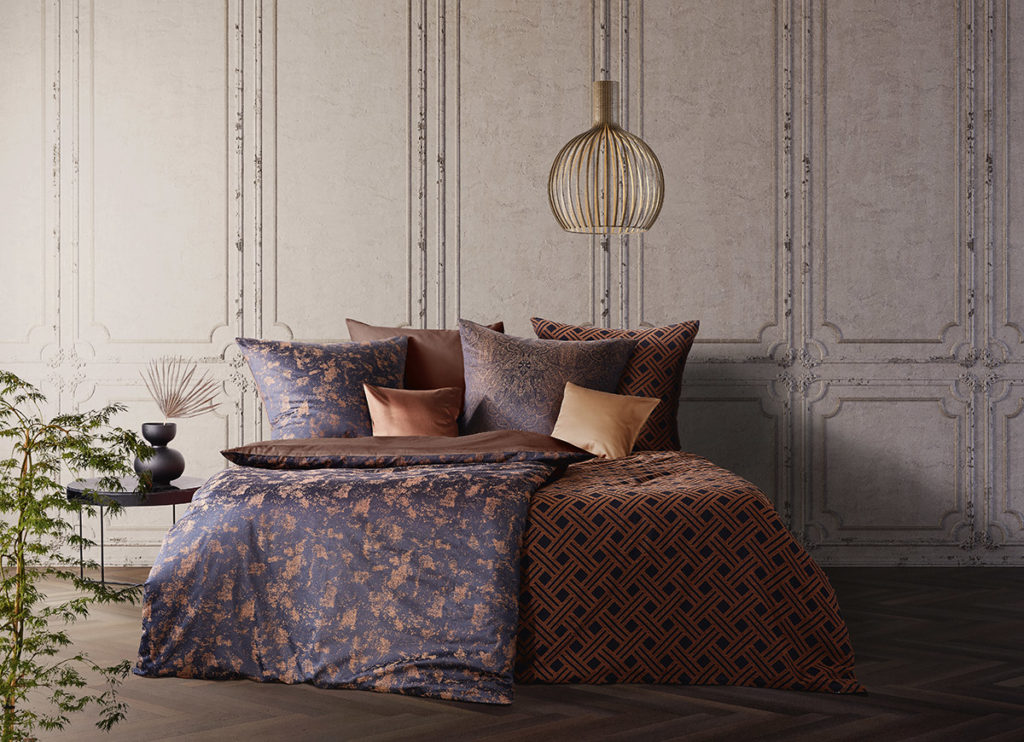
Fleuresse transforms the bedroom into an elegant retreat with beautifully patterned bed linen in rich copper and deep blue tones. Combining luxurious textiles, sophisticated colours and contemporary design, this inviting setting celebrates German craftsmanship and stylish living. Photo by fleuresse GmbH.
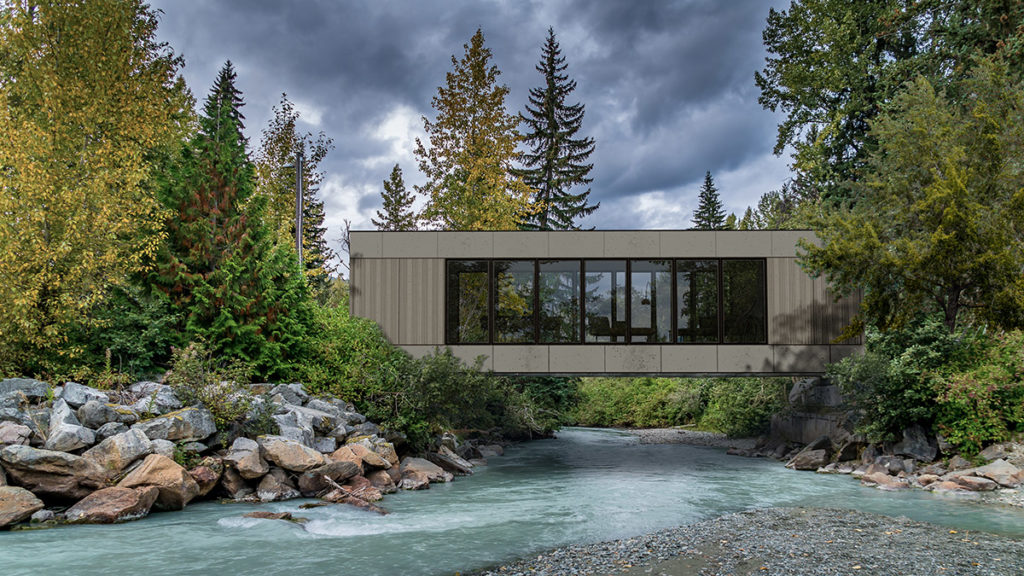
Pick & Build’s striking bridge house spans a flowing river, combining minimalist architecture with expansive windows and a beautiful woodland setting. The innovative design demonstrates the creative possibilities of modular construction and adaptable building systems. Photo by Pick & Build.
German design has earned an international reputation for combining creativity, technical precision and an enduring commitment to quality. From the revolutionary ideas of the Bauhaus movement to contemporary furniture, innovative consumer products and imaginative interiors, Germany’s design culture reflects a fascinating relationship between form, function and craftsmanship.
Across the country, established manufacturers work alongside independent designers, specialist workshops and experimental creative studios. Traditional materials meet advanced production techniques, while new technologies and changing lifestyles continue to inspire fresh approaches to the objects and spaces around us.
Whether exploring beautifully crafted furniture, sophisticated industrial design or distinctive everyday objects, German design reveals a culture in which practical thinking and artistic expression have long complemented one another.
Few movements have influenced international design as profoundly as the Bauhaus. Founded by Walter Gropius in Weimar in 1919, the school brought together art, architecture, craftsmanship and emerging industrial production in a radically new approach to creative education.
Its emphasis on functional forms, clean lines and the relationship between materials and purpose helped shape modern furniture, architecture, typography and product design.
The Bauhaus later moved to Dessau and Berlin, leaving an architectural and cultural legacy that remains visible across Germany. Its influence extends far beyond the famous buildings associated with the movement, informing generations of designers who continue to explore simplicity, functionality and visual clarity.
Post-war Germany developed further design traditions, notably through the Ulm School of Design, where systematic thinking and a close relationship between technology and aesthetics became central principles.
Today, these historic ideas continue to inspire contemporary German designers, even as new materials, technologies and changing lifestyles encourage entirely different forms of creative expression.
Germany’s international reputation for engineering is closely connected to its tradition of industrial design. From precision machinery and automotive technology to domestic appliances and specialist equipment, successful products must balance practical performance with thoughtful appearance and intuitive use.
Industrial designers consider far more than the exterior of an object. Ergonomics, materials, manufacturing processes, durability and the experience of the person using the product all influence the final result.
This approach is particularly evident in products where technical complexity must be translated into accessible, elegant solutions.
Germany’s extensive manufacturing sector provides an important foundation for such innovation. Designers, engineers and specialist manufacturers frequently collaborate to develop products that combine technical excellence with distinctive visual identities.
Advances in robotics, digital manufacturing and intelligent technology are opening new possibilities, while attention to product longevity and repairability reflects the continuing importance of thoughtful, responsible design.
Explore industrial design in Germany to discover how creativity, precision engineering and product development contribute to the country’s design heritage.
German furniture design encompasses a remarkable spectrum of styles, from minimalist contemporary collections to individually crafted pieces celebrating traditional materials and techniques.
Functionality remains an important theme, particularly in modular furniture, flexible storage systems and adaptable designs intended for changing living environments.
Natural wood, metal, glass, textiles and innovative composite materials offer different possibilities for designers interested in balancing durability, comfort and visual appeal.
German interior design places equal emphasis on the relationship between people and their surroundings. Residential interiors, workplaces, hotels and commercial environments increasingly reflect a desire for spaces that feel both attractive and practical.
Lighting, colour, acoustics, spatial planning and carefully chosen furnishings all contribute to the atmosphere of an interior. From luxurious residential settings to inspiring contemporary workplaces, the most successful spaces balance individual character with everyday usability.
Discover interior design in Germany for further inspiration, from contemporary furniture and decorative objects to creative approaches to living and working spaces.
Across Germany, independent designers and established manufacturers continue to demonstrate how thoughtful interiors can improve everyday experiences.
Design in Germany extends beyond furniture and industrial products into the creative worlds of fashion, textiles and personal accessories.
Berlin has developed a distinctive fashion identity, associated with independent labels, experimental clothing and an unconventional approach to personal style. Its creative communities encourage designers to explore individuality, alternative materials and contemporary cultural influences.
Elsewhere, Germany’s established textile and clothing industries draw on longstanding traditions of manufacturing expertise, precision and craftsmanship.
Fashion designers increasingly explore the relationship between comfort, functionality and visual expression. Technical fabrics, adaptable garments and carefully considered details demonstrate how innovation can influence clothing as much as industrial products.
Traditional craftsmanship also remains important, from specialist shoemaking and leather goods to tailored clothing and regional costume.
Explore German fashion and design to discover how established traditions and contemporary creativity shape the country’s evolving style.
Some of Germany’s most appealing design traditions are found in everyday objects, where skilled craftsmanship transforms practical items into lasting expressions of creativity.
Ceramics, glassware, tableware, lighting and decorative accessories demonstrate the diversity of the country’s design culture. Independent makers frequently combine traditional techniques with contemporary shapes, colours and surface treatments.
Porcelain production has a particularly important place in German heritage. Historic centres such as Meissen are associated with centuries of technical expertise and artistic development, while contemporary ceramic designers continue to experiment with new interpretations of familiar materials.
Woodworking, metalworking and specialist manufacturing contribute further depth to this tradition. Carefully produced furniture fittings, architectural hardware and household accessories illustrate how even small details can reflect thoughtful design.
Across Germany, workshops and independent studios preserve valuable practical skills while introducing fresh perspectives and experimental approaches.
The resulting objects often celebrate the natural qualities of their materials, combining visual character with the pleasure of everyday use. Their appeal lies not merely in appearance, but in the craftsmanship and attention to detail that make them rewarding to own and use.
Germany’s design community also encompasses graphic designers, creative directors, photographers, digital specialists and studios working across visual communication.
Typography has a particularly strong connection to German design history. From early modernist experimentation to contemporary digital typefaces, clarity and visual structure have played important roles in the development of graphic communication.
Today, creative studios work with everything from brand identities and packaging to exhibition design, digital environments and interactive installations.
The relationship between design and storytelling is especially important in museums and cultural institutions, where visual concepts, lighting, spatial arrangements and multimedia elements can transform how visitors encounter information.
Photography and illustration provide further opportunities for creative expression, bringing distinctive perspectives to commercial communication, publishing and contemporary art.
Digital technologies have also expanded the possibilities of visual design. Interactive experiences, animation, three-dimensional modelling and immersive environments enable designers to explore new relationships between physical and virtual spaces.
Across Germany’s cities, collaboration between graphic designers, architects, artists and technology specialists continues to create new possibilities for communicating ideas through visual experiences.
One of the defining strengths of German design is its regional diversity. Creative traditions, industrial specialisations and cultural influences vary considerably across the country.
Berlin is particularly associated with experimental design, independent studios, contemporary furniture and creative entrepreneurship. Its international character encourages collaboration across artistic disciplines.
Munich and Bavaria combine established manufacturing expertise with industrial design, architecture and contemporary interiors, while Stuttgart and Baden-Württemberg are closely connected to engineering, automotive innovation and precision manufacturing.
Hamburg offers a distinctive creative environment shaped by its maritime heritage, publishing traditions and contemporary design community.
Cologne and Düsseldorf are important centres for furniture, interiors, fashion and visual communication, bringing together designers, manufacturers and creative professionals.
In eastern Germany, Weimar, Dessau and Leipzig reflect the influence of design history, artistic education and contemporary creative practice. Dresden and the surrounding regions contribute important traditions of craftsmanship, ceramics and specialist manufacturing.
Throughout Germany, smaller towns and regional workshops also play an essential role in preserving skills and developing distinctive design identities.
From internationally influential movements to beautifully considered everyday objects, German design continues to demonstrate how creativity, craftsmanship and technical knowledge can work together.
Its enduring appeal lies in this ability to respect established traditions while continually discovering new ways to shape the objects, spaces and experiences of everyday life.
Are you a fan of Germany, Switzerland and Austria? So are we! Sign up to our newsletter now to stay up to date on the most exciting news, events and destinations.