
LBBW Immobilien Management GmbH
The residential project ‘FRIENDS‘ makes international lifestyle trends en vogue in Munich. High-quality living spaces for expats, international…

In einem großzügigen typischen Altberliner Innenhof in der Düsseldorfer Straße 68 B, entsteht mit SIGNUM ein hochwertiges Wohnensemble. Fußläufig erreichbar sind das Shoppingparadies Ku’damm, der idyllische Ludwigkirchplatz, exklusive Cafés, einladende Restaurants und gepflegte Parks. VENTIS Immobilien realisiert dieses Projekt, um urbanes Wohnen in bester Citylage im Grünen zu ermöglichen. Insgesamt bietet SIGNUM 32 Einheiten. Die Einheiten mit zwei bis fünf Zimmer à 40 bis 170 Quadratmeter adressieren zwei elementare Zielgruppen: Kapitalanleger mit Aussicht auf attraktive Renditen. Und Eigennutzer, die sich ein lebenswertes, innerstädtisches Zuhause wünschen. [caption…
Die IVT AG entwickelt sich durch ein eigens entwickeltes digitales Ökosystem zum Vorreiter im Vermögensmanagement von Immobilien. Was 1982 als…
Andreas Lohmüller provides his clients with bespoke real estate investments that not only secure financial freedom but also aim to play a role in…
The10a Projects redefines exterior and interior design for the modern investor and transforms properties into soulful, profitable spaces. Where…
For a long time, tiny houses have been more than just a trend – they stand for minimalism, sustainability and new living concepts in times of rising…
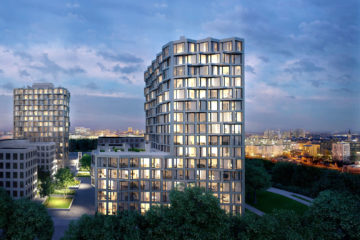
The residential project ‘FRIENDS‘ makes international lifestyle trends en vogue in Munich. High-quality living spaces for expats, international…

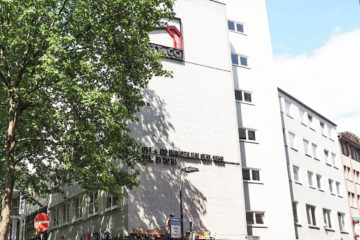
For over 50 years, Ott Immobilien has owned, sold, developed, let and managed properties across residential and commercial sectors. As one of the…

Law and tax firm Höchstetter & Kollegen stands for competent, highly creative and qualified legal advice. Reacting in the quickest way possible,…
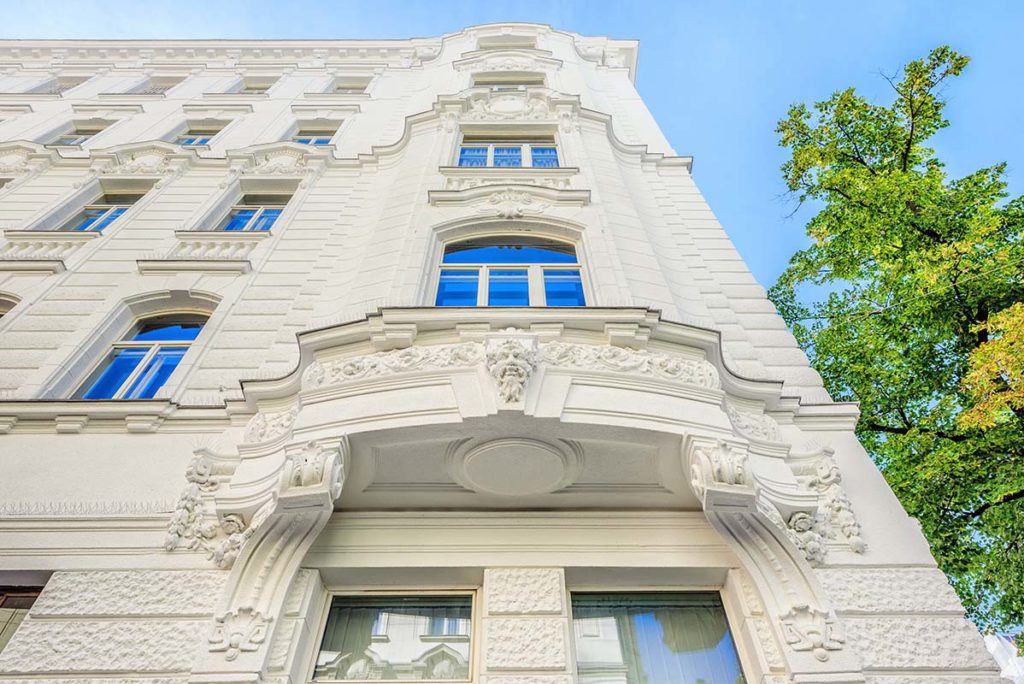
Arnold Investments combines local market knowledge with investment expertise, helping international buyers and investors identify and assess real-estate opportunities in Germany. Photo by Arnold Investments.

Konstantin Wettig, founder of KW Real Estate, advises clients on property scouting, valuation and transactions, with a particular focus on high-end residential real estate in Munich. Photo by KW Real Estate.
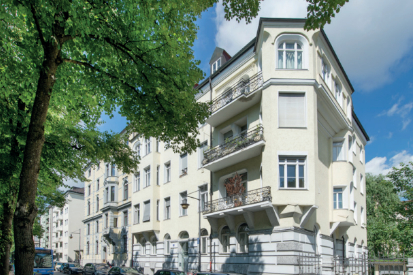
Engel & Völkers brings long-standing local market knowledge to Munich’s residential property market, helping buyers navigate one of Germany’s most sought-after cities. Photo by Christine Dempf.

PriceHubble uses data-driven valuation tools to help property professionals and buyers better understand market values, locations and price trends when assessing real estate. Photo by fizkes.
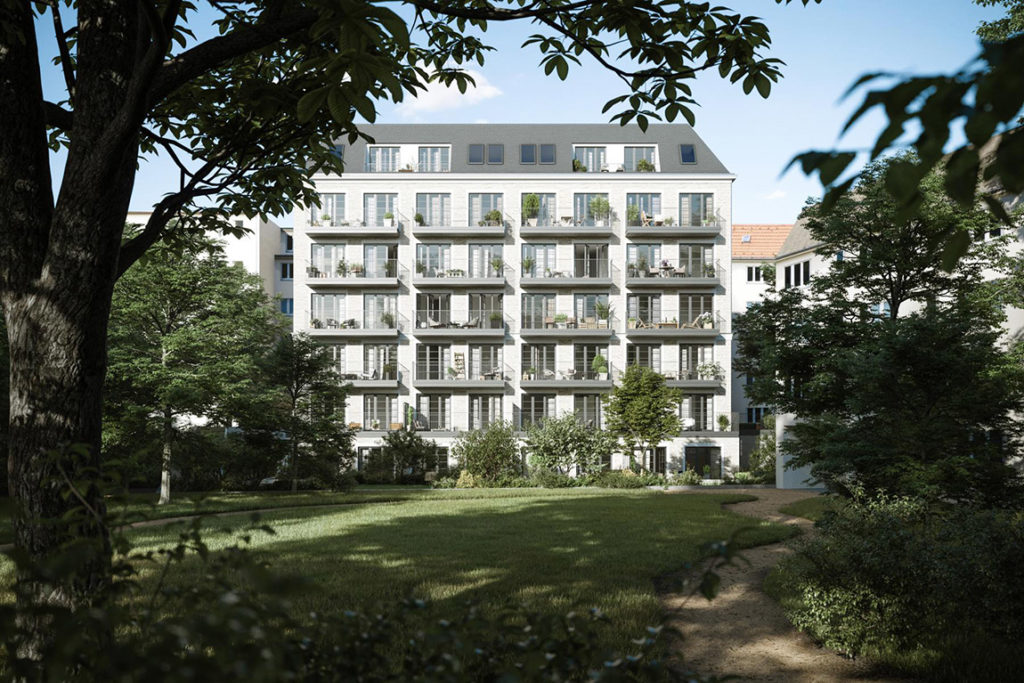
SIGNUM in Berlin-Wilmersdorf combines contemporary apartment living with a green courtyard setting, offering a glimpse of the kind of residential developments available to buyers in the German capital. Photo by Ventis Immobilien AG.
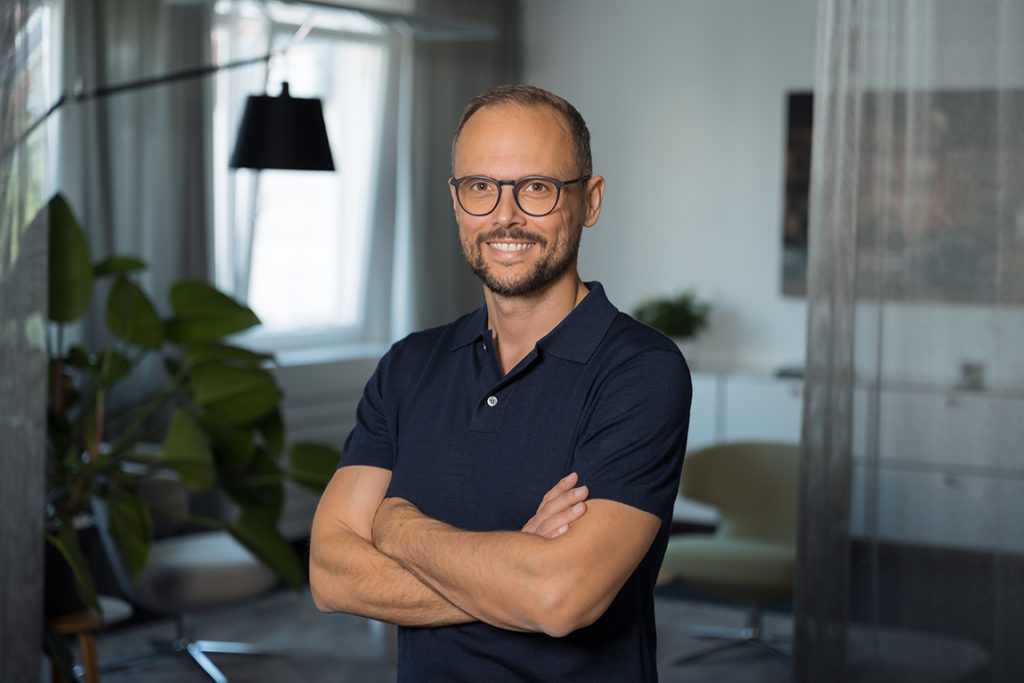
IVT AG CEO Sven Neubert leads the company’s specialised real-estate family-office approach, combining long-term property expertise with a growing focus on digital asset management. Photo by IVT AG.
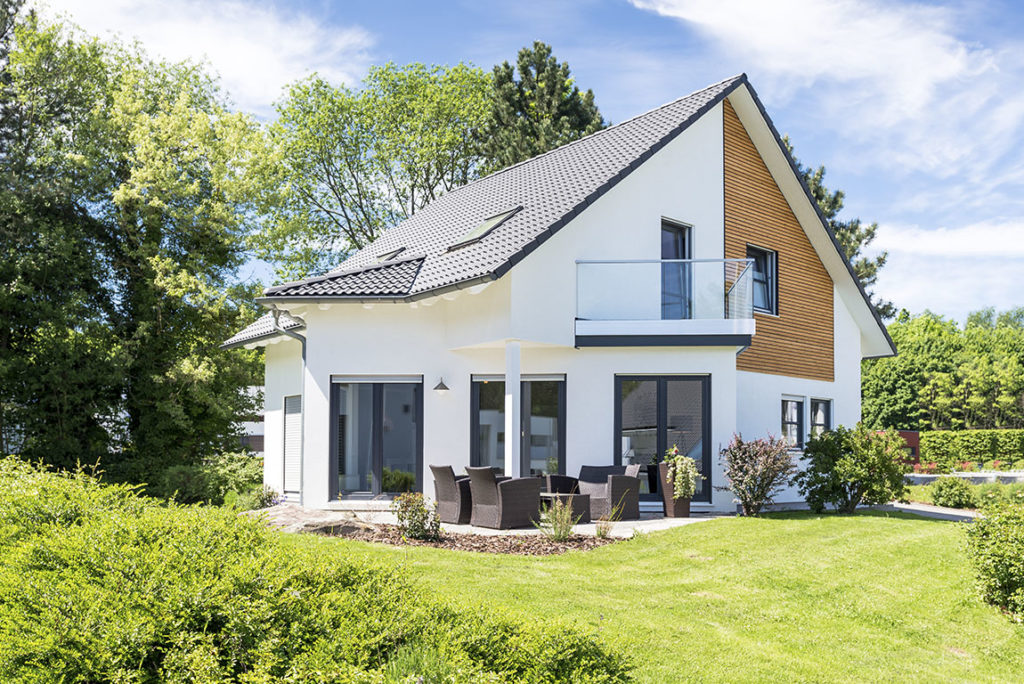
For buyers looking at the higher end of Germany’s residential market, KENSINGTON International combines local property expertise with an international network and access to exclusive homes. Photo by js-photo / Adobe Stock.

Mr.Lodge managing director Norbert Verbücheln helps international clients navigate Munich’s property market, with a multilingual team supporting buyers and new residents in their search for a home. Photo by Mr. Lodge GmbH.
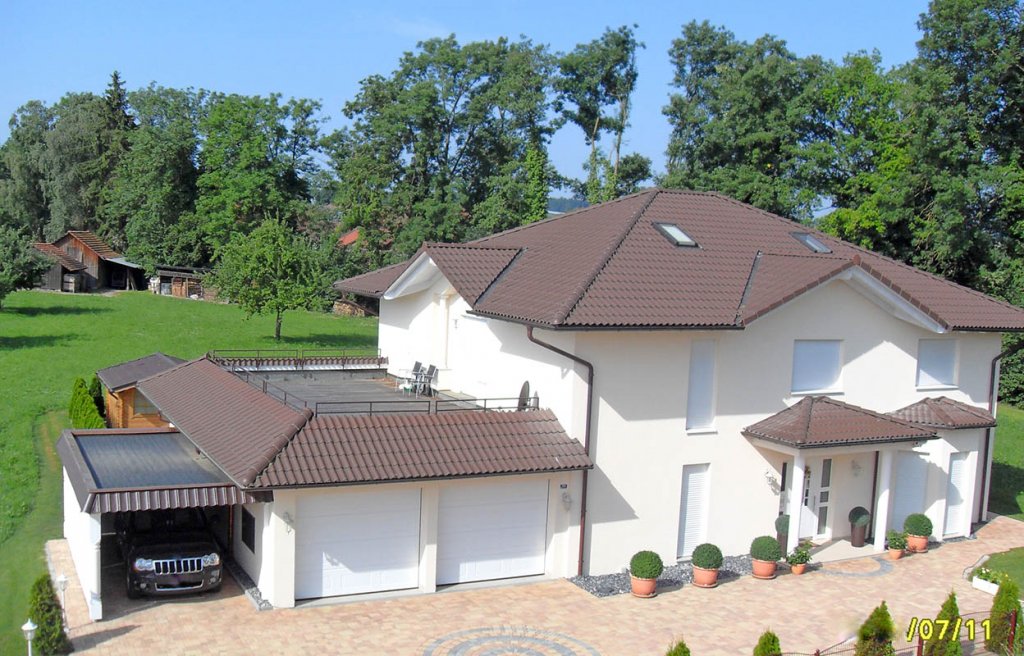
Immobilien Herbstler advises buyers and sellers across several German regions, combining local market knowledge with a practical approach to finding and assessing residential property. Photo by Immobilien Herbstler.
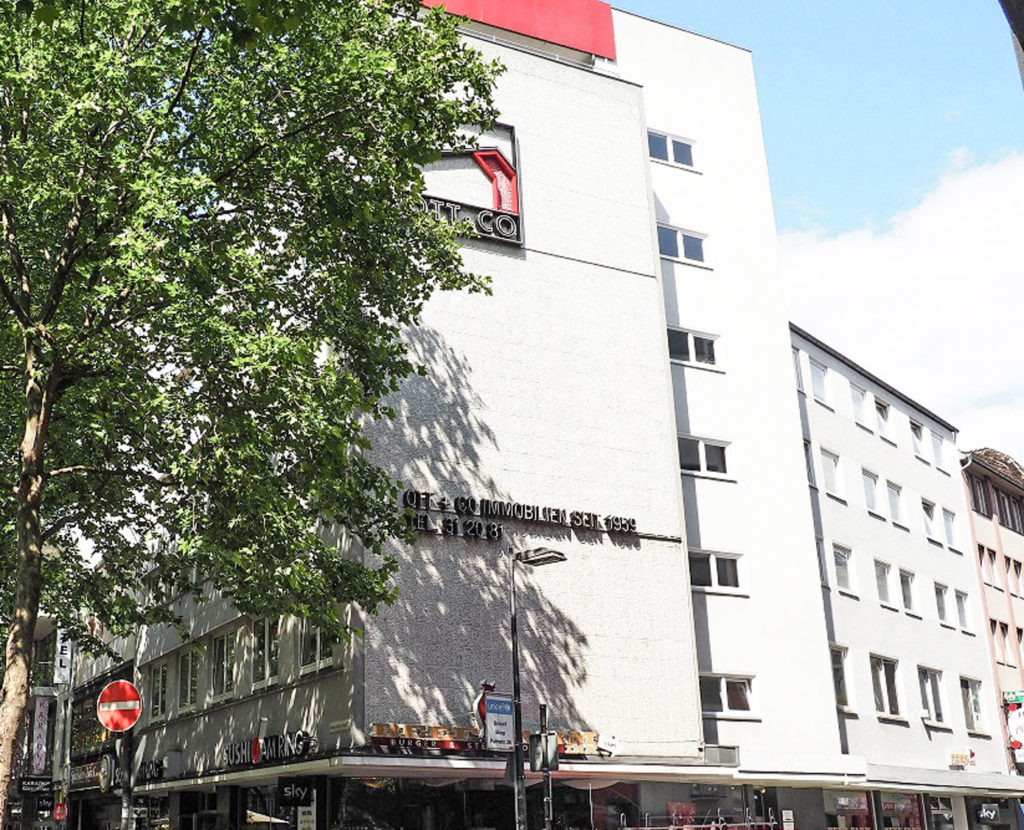
Ott Immobilien has decades of experience across residential and commercial property, with services ranging from sales and acquisitions to development, letting and property management. Photo: Ott Immobilien.
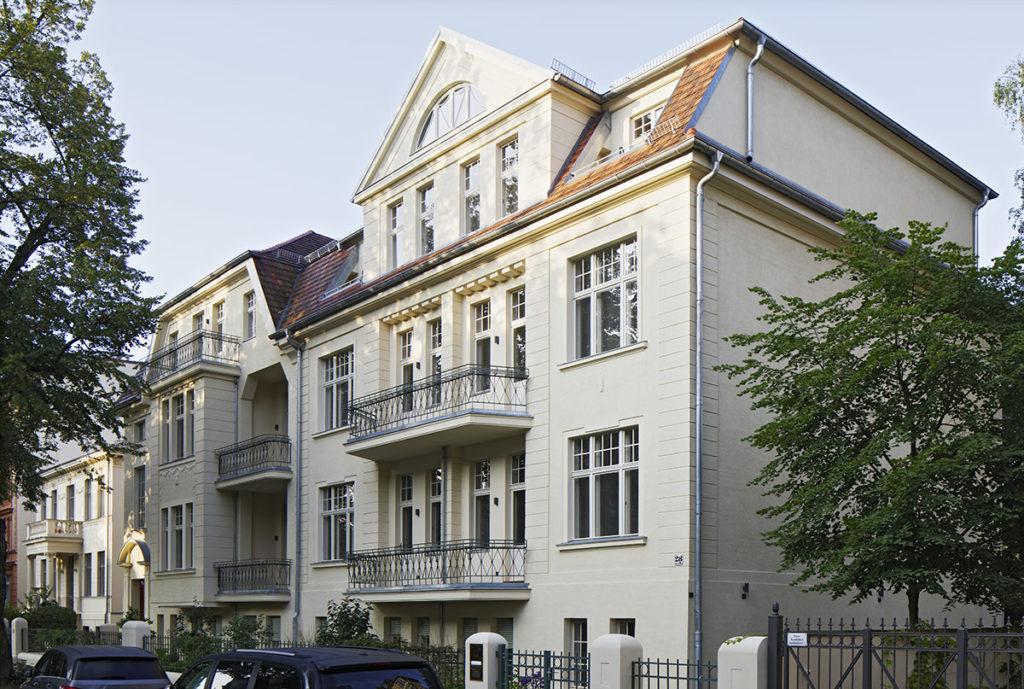
Listed properties can offer character and long-term appeal, but buyers need to understand renovation, conservation and energy-efficiency requirements before committing. Thamm & Partner specialises in restoring and developing historic buildings for modern use. Photo by Thamm & Partner GmbH.

Andreas Lohmüller specialises in direct real-estate investments, helping clients with property selection, acquisition, financing, management and eventual sale. Photo: Andreas Lohmüller.
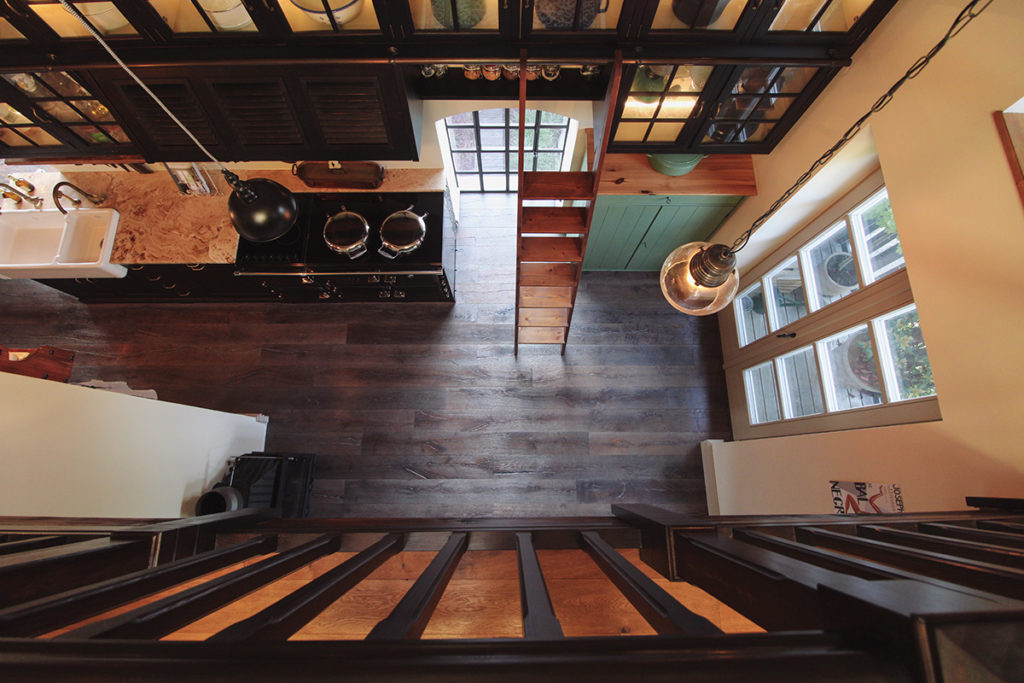
The10a Projects helps property owners and investors unlock the potential of a space through interior and exterior design, combining architectural ideas with an eye on long-term value. Photo by The10a Projects.
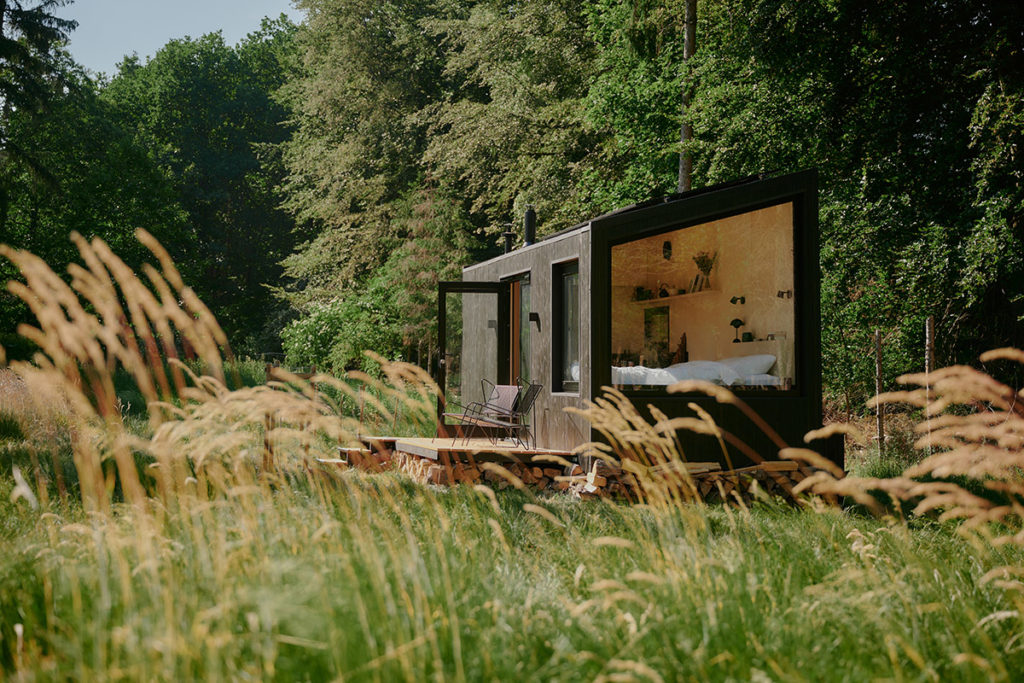
For buyers looking for something different, Germany’s growing tiny-house scene offers a more flexible and design-led way of thinking about home ownership, with compact homes set in some beautiful locations. Photo by Raus / Noel Richter.
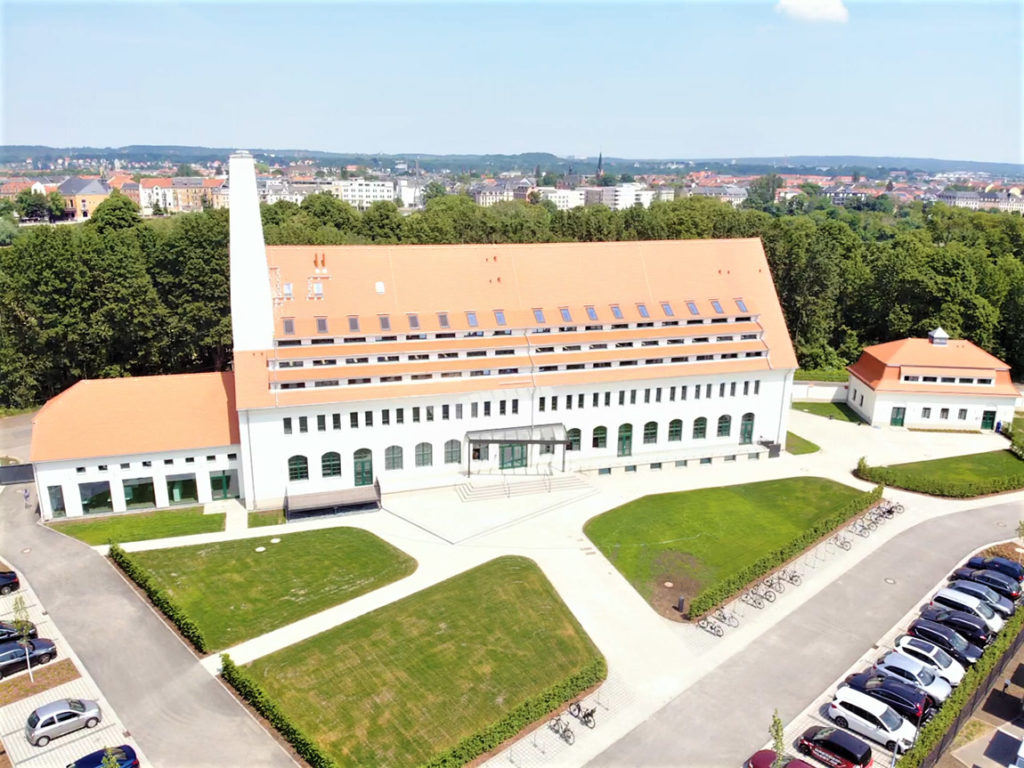
MUNDUS Immobilien transforms established sites into forward-looking places to work and invest, with projects such as Dresden’s Alte Fettschmelze showing how existing buildings can be given a new future. Photo by MUNDUS Immobilien.
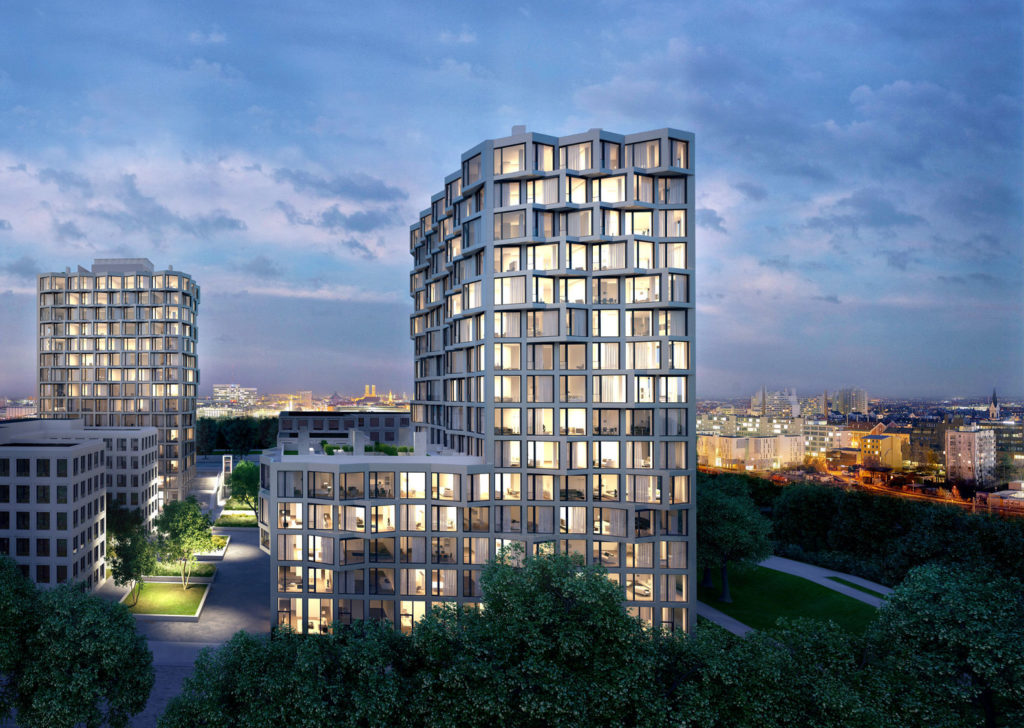
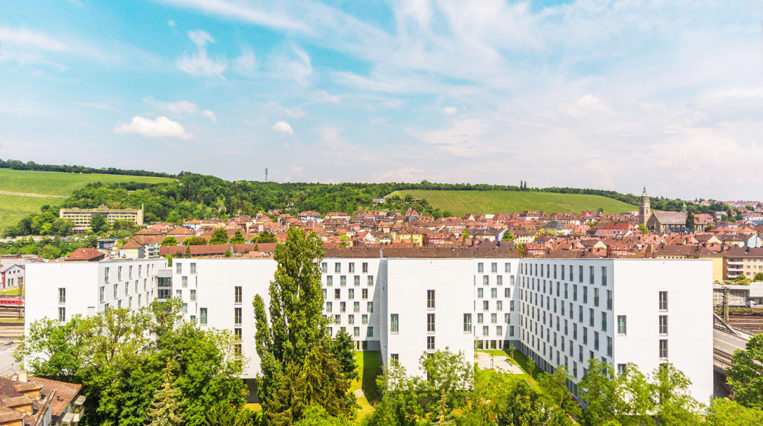
LBBW Immobilien develops, manages and markets residential and commercial property across Germany, covering everything from project development to asset and property management. Its FRIENDS project in Munich is an example of its contemporary residential developments. Photo by LBBW Immobilien.
Buying a home in another country can feel daunting, particularly when the legal process, financing system and terminology are unfamiliar. Germany, however, has a highly structured property-purchase process, with the notary playing a central role and ownership formally recorded in the land register.
The opportunities are varied too. A buyer might be looking for an apartment in Berlin, a family home in Bavaria, a city base for an international relocation or a property intended to generate long-term rental income. Others may be interested in new developments, historic buildings or something altogether less conventional.
Whatever the reason for buying, understanding the process before beginning the property search can save considerable time and uncertainty. From estate agents and valuation specialists to mortgage advisers, notaries and property consultants, the right expertise can make an unfamiliar market much easier to navigate.
This guide looks at the main stages of buying property in Germany, the costs and checks to consider and the different specialists who can help along the way.
Can foreigners buy property in Germany?
Yes. Germany does not generally impose nationality-based restrictions on the purchase of real estate, meaning foreign residents and non-residents can own German property. Germany Trade & Invest also states that there are no restrictions or barriers to real-estate purchases by foreign investors.
There is, however, an important distinction between owning property and having the right to live in Germany. Buying a house or apartment does not in itself provide a residence permit. Immigration and property ownership are separate matters, so anyone intending to relocate should check the appropriate residence requirements independently.
In practical terms, financing can be a bigger hurdle than nationality. Buyers relying on a German mortgage may find that lenders examine residence status, income, employment, existing assets and the amount of equity available. International buyers should therefore explore financing before becoming too attached to a particular property.
Start with the reason for buying
Before looking at listings, decide what the property actually needs to achieve.
A home for permanent relocation requires a different search from a holiday base or an investment apartment. A family may prioritise schools, green space and transport, while an investor may focus more heavily on rental demand, maintenance costs and the long-term prospects of the location.
This matters particularly in Germany because property markets can vary considerably even within the same city. The right neighbourhood can depend on lifestyle as much as budget.
Berlin illustrates that variety well. New residential developments can offer contemporary apartments while still being embedded in established neighbourhoods; the SIGNUM project in Berlin-Wilmersdorf is one example of how new housing is being incorporated into a mature urban district.
Munich presents a different challenge. High demand and substantial price differences between neighbourhoods mean local knowledge can be valuable, particularly for buyers arriving from abroad. Munich’s property market through Engel & Völkers offers one perspective on the city’s residential landscape.
The lesson is simple: choose the location around the purpose of the purchase, not simply around a city name.
Finding the right property
German property portals make it possible to begin a search from almost anywhere, but online listings only tell part of the story.
An experienced local estate agent can help explain differences between districts, arrange viewings, interpret the asking price and identify properties that suit a buyer’s actual requirements. This can be particularly helpful for an international buyer working in another language or travelling to Germany specifically for viewings.
Relocation adds another layer. Someone arriving for work may need furnished accommodation initially while searching for a permanent home. The Mr.Lodge approach to searching and finding in Munich looks at this intersection between relocation, accommodation and property search.
Buyers looking at higher-value homes may instead want an adviser who combines property scouting with detailed local knowledge. The work described in KW Real Estate’s approach to property search and consultancy shows how that more personalised model can work.
It is also worth remembering that Germany is not just Berlin and Munich. Regional specialists may provide much better insight into smaller cities and local markets. Immobilien Herbstler, for example, highlights the importance of asking questions and understanding both the property and the area rather than relying solely on the sales particulars.
Do not judge a property by the asking price alone
Determining whether a property represents reasonable value is one of the hardest parts of buying in an unfamiliar market.
The price per square metre can be useful, but it is only a starting point. Street, condition, floor, outlook, energy efficiency, tenancy status, nearby development and the building itself can all affect value.
Technology is increasingly helping buyers and professionals interpret market data. Digital valuation tools can combine transaction and location information to provide a broader picture, as explored in PriceHubble: Innovative real estate valuations for more transparency and success.
But data should not replace inspection.
For an older house, a technical survey or specialist building inspection can uncover problems that are not obvious during a viewing. With an apartment, the condition of the whole building matters as well as the condition of the individual flat.
The German notarial information service advises apartment buyers to examine documents including the Teilungserklärung, which defines private and common property, as well as the monthly Hausgeld, maintenance reserve and possible outstanding liabilities within the owners’ association.
In other words, buying a beautiful apartment also means buying a share of the roof, stairwell, structure and other communal responsibilities.
Financing a property purchase
A mortgage should ideally be considered before the serious property search begins.
German banks do lend to foreign nationals, but the amount they are prepared to finance will depend on the individual buyer. Residence status, income currency, employment history, assets and available equity can all affect the decision. International and non-resident buyers may therefore find it useful to speak to lenders or mortgage specialists at an early stage rather than assuming that financing will follow automatically once a property is found.
It is also important to distinguish between the purchase price and the amount of cash actually required.
Taxes, notary and land-register costs and potentially an estate-agent commission sit on top of the price. Buyers should therefore calculate the full acquisition cost before deciding how much property they can afford.
For people looking at property as part of a broader wealth strategy, the questions become different again. Direct property ownership involves financing, management, maintenance and eventually the decision whether to retain or sell the asset. Andreas Lohmüller’s look at direct real-estate investment provides one perspective on this longer-term approach.
At portfolio level, property may sit alongside other assets rather than being considered in isolation. That wider perspective is explored in IVT AG: Neue Wege in der Vermögensverwaltung.
What does it cost to buy property in Germany?
One of the most important budgeting points is that the advertised price is not the final cost.
A significant additional expense is real-estate transfer tax, or Grunderwerbsteuer. The rate varies according to the federal state. At present, the range is 3.5 to 6.5 per cent of the purchase price, so location can make a meaningful difference to the acquisition cost.
There are also notary and land-register costs. Notarial fees in Germany are regulated rather than negotiated individually, and the amount depends on the value and nature of the transaction. The land registry charges separately for the necessary registrations.
If an estate agent is involved, commission may also be payable. There is no single national commission rate. For a consumer buying a single-family home or apartment, however, German law regulates how the commission can be distributed between buyer and seller; where both sides are charged, the buyer cannot simply be made to carry the entire fee.
Then there may be financing costs, surveys, translations or specialist advice.
The sensible approach is therefore to keep a separate acquisition-cost budget rather than spending the entire available capital on the deposit.
The German notary is central to the purchase
The role of the notary is one of the biggest differences international buyers may encounter.
A German property purchase must be notarised. The notary is neutral and independent rather than being the personal lawyer of either buyer or seller. The purpose is to create a legally sound transaction, explain the agreement and ensure that the transfer is carried out securely.
The purchase contract is formally executed before the notary. Afterwards, the notary coordinates the steps required to protect both parties and complete the transfer.
Importantly, the buyer does not normally simply sign the contract and send the money immediately.
The notary first ensures that the conditions for payment have been satisfied. These typically include entering a priority notice in the land register to secure the buyer’s right to acquire the property, obtaining necessary approvals and dealing with existing charges that are not being taken over. Once those protections are in place, the buyer receives notification that the purchase price is due.
Ownership is ultimately recorded in the Grundbuch, Germany’s land register.
For buyers unfamiliar with German legal terminology, it may still be sensible to obtain separate legal advice, particularly where the transaction is complex or the buyer requires independent representation. Höchstetter & Kollegen provides an example of a German legal practice working across areas including property law.
Buying an apartment requires extra checks
An apartment purchase deserves particular attention because the buyer is acquiring two things at once: the private apartment and a share of the common property.
Before signing, buyers should understand the owners’ association, the maintenance reserve and the Hausgeld payable each month. Minutes of owners’ meetings can also reveal planned work or disputes that may result in substantial future expenditure.
A beautiful kitchen does little to compensate for an apartment block that needs a new roof, facade or heating system.
The Teilungserklärung is another important document. It determines which parts belong exclusively to the apartment and which form part of the jointly owned building. The German notarial service specifically recommends reviewing this before the purchase contract is notarised.
For buyers who do not speak German fluently, these are precisely the moments when professional help becomes useful: not merely finding a property, but understanding what is actually being purchased.
Buying property as an investment
Investment property should be approached differently from a home.
The emotional question — “Would I like to live here?” — becomes less important than rental demand, achievable rent, operating costs, maintenance, financing and exit strategy.
Local knowledge matters here too. A city can contain both highly liquid neighbourhoods and areas where resale or rental demand is considerably more limited.
International investors may also find the fragmented nature of local markets difficult to interpret from abroad. Arnold Investments on local knowledge and real-estate investment illustrates why market knowledge and access to suitable opportunities can be important when investing outside one’s home country.
Larger acquisitions or development projects may require an entirely different group of advisers. Cost control, technical due diligence and project management become increasingly important as the scale and complexity of the investment grows; Gleeds’ approach to project and cost management provides a useful example.
Anyone buying for rental income should also obtain current German tax advice appropriate to their own residence and ownership structure.
New-build property: look beyond the brochure
Buying a newly built apartment can remove some of the maintenance concerns associated with older housing, but it introduces different questions.
The specification, construction timetable, developer, payment schedule and exact contents of the purchase agreement all deserve scrutiny. Buyers should understand what is included in the quoted price and what will require additional expenditure after completion.
The surrounding neighbourhood matters just as much. New developments work best when the transport, services and quality of the immediate environment fit the reason for buying.
Germany’s residential development market ranges from individual apartment schemes to substantial urban regeneration. MUNDUS Immobilien and the creation of new urban spaces provides a broader look at how property development can reshape existing city locations.
Older and listed buildings can require specialist knowledge
Germany’s historic housing stock is one of the attractions of buying in the country. Altbau apartments, villas and listed buildings can have character that is difficult to reproduce in a new development.
They can also require more work.
Windows, roofs, insulation, heating systems, facades and protected architectural details can all influence what a new owner is able to change and how much renovation may cost.
With listed property, buyers should establish the relevant conservation requirements before committing to a project. Thamm & Partner on listed properties, sustainability and investment explores some of the opportunities and complexities associated with bringing older buildings back into use.
Interior planning can also have a direct effect on both enjoyment and value. The relationship between design, renovation and property investment is explored in The10a Projects: From blueprint to brilliance.
The important thing is to budget for the building you are actually buying, rather than the building you hope it will become.
There are alternatives to the conventional apartment or house
Not every buyer is looking for a standard city flat or suburban home.
Interest in smaller, more flexible forms of housing has grown, but alternative housing can present its own complications. Land availability, planning permission, infrastructure and financing may be more important than the cost of the building itself.
Germany’s tiny-housing movement and the practical questions surrounding it demonstrates why buying or owning a plot does not automatically mean that any desired home can simply be placed on it.
The same principle applies more broadly: before buying land, always establish what can legally and practically be built there.
Which experts can help when buying property in Germany?
Few buyers will need every type of adviser, but several professional roles can become useful during the process.
An estate agent can help identify properties and explain the local market. A mortgage adviser or lender can establish what is realistically financeable. A valuer or surveyor can help assess price and condition. The notary is essential to the legal transfer itself, while a buyer may also choose to obtain independent legal or tax advice.
International buyers may additionally need translation, relocation assistance or someone able to coordinate the process while they are outside Germany.
For high-end or cross-border searches, broader networks can also be useful. KENSINGTON International’s approach to international real estate illustrates how property search increasingly operates across national as well as regional boundaries.
The right team depends on the transaction. The goal is not to involve as many advisers as possible, but to identify where specialist knowledge reduces a genuine risk or uncertainty.
Frequently asked questions about buying property in Germany
Can a UK citizen buy property in Germany?
Yes. Germany does not generally prohibit British or other foreign nationals from buying real estate. The same basic property-purchase process applies, although obtaining finance may be more complicated for a non-resident or someone whose income and assets are outside Germany.
Does buying a property give you the right to live in Germany?
No. Owning German property does not itself create a residence right. Anyone planning to live in Germany must satisfy the relevant immigration requirements separately.
Do I need a German bank account?
There is no general rule that ownership requires a German bank account, but having one can make mortgage payments, taxes, utilities and ongoing property costs easier to manage. Buyers using German mortgage finance will naturally need to satisfy the lender’s banking requirements.
Do I need a lawyer as well as a notary?
The notary is compulsory and acts neutrally rather than representing one side. A separate lawyer is not mandatory for every straightforward purchase, but buyers can obtain independent legal advice if they want someone acting solely in their interests or if the transaction is particularly complicated.
What is the property transfer tax in Germany?
The Grunderwerbsteuer rate depends on the federal state in which the property is located. The current rates range from 3.5 to 6.5 per cent of the purchase price. Because tax rates can change, buyers should verify the rate applicable to their location at the time of purchase.
Who pays the estate-agent commission?
There is no single fixed commission throughout Germany. For consumer purchases of apartments and single-family houses, legislation regulates how the commission is divided, including rules preventing a seller who commissioned the agent from simply passing the full charge to the buyer.
When do I actually become the owner?
Signing the notarised contract is a crucial step, but legal ownership is completed through registration in the German land register, the Grundbuch. The notary coordinates the steps leading to that registration.
Buying with your eyes open
Buying property in Germany is not necessarily difficult, but it rewards preparation.
Establish the purpose of the purchase, understand the full budget rather than just the asking price, arrange financing early and investigate both the property and the building around it. For international buyers, allowing time to understand unfamiliar terminology and procedures is particularly important.
Germany’s notary-led system provides a clear legal framework for the transaction, while specialist advisers can help with the areas the notary is not there to decide: whether the location is right, whether the price makes sense, whether the building is sound and whether the purchase fits the buyer’s financial plans.
Approached in that way, the search becomes less about simply finding a property for sale and more about finding the right property — with the right information behind the decision.
Discover more property, architecture and real-estate stories from across Germany in our archive.
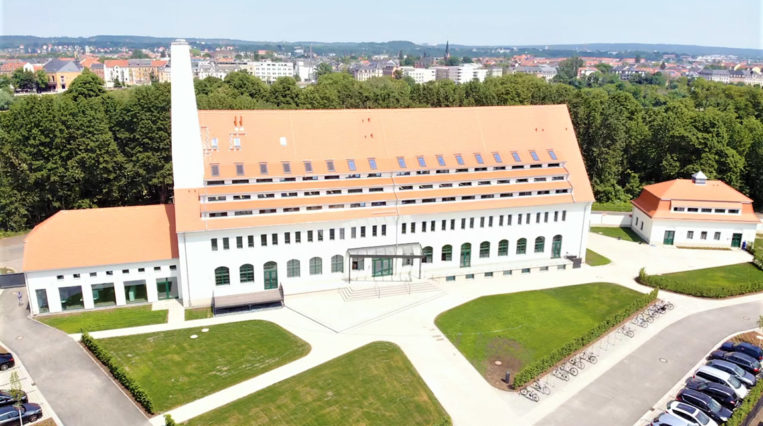
Als treibende Kraft hinter den Standortentwicklungen der MUNDUS Immobilien GmbH eröffnet Richard Bohn visionären Unternehmen und kreativen Teams…
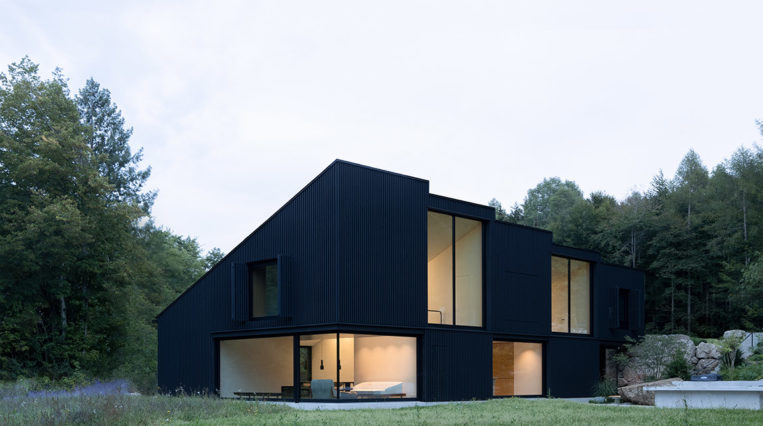
Appels Architekten schaffen Neubauten und Umnutzungen mit dem Ziel dauerhafter Schönheit, Nützlichkeit und Belastbarkeit — mit Auszeichnung. „Wir…
Gerber Architekten creates an impulse-giving, socially added value in the urban context, both sustainable and climate-sensitive. The office has been…
Are you a fan of Germany, Switzerland and Austria? So are we! Sign up to our newsletter now to stay up to date on the most exciting news, events and destinations.