
During the research phase for this article, I asked a high-ranking bank manager how she would define German Business Culture in a nutshell, and she promptly stated: “Be honest, be...
 Ritter Sport: Sustainable cocoa cultivation – With fairness, trust and respect
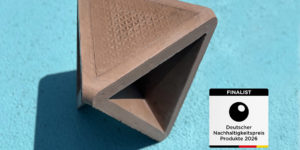 New Digital Craft: The Building Material of the Future? Tackling Climate Change Through Material Innovations
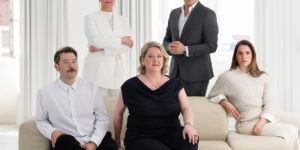 frauwenk: In the age of AI, communication still comes down to people
 EIT Food: Revolutionary food start-ups: The future of nutrition starts now
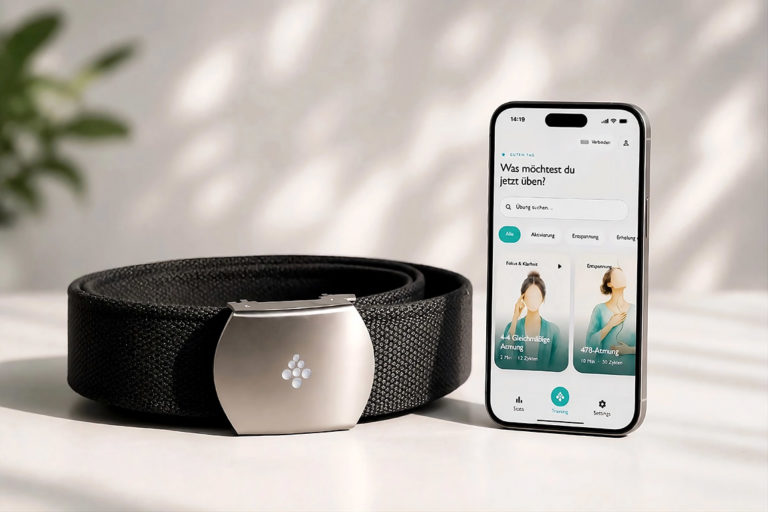
Breathing properly sounds simple enough. But how can you tell whether you are actually doing it? Chemnitz-based Fraunhofer spin-off Deep Breath combines a smart…
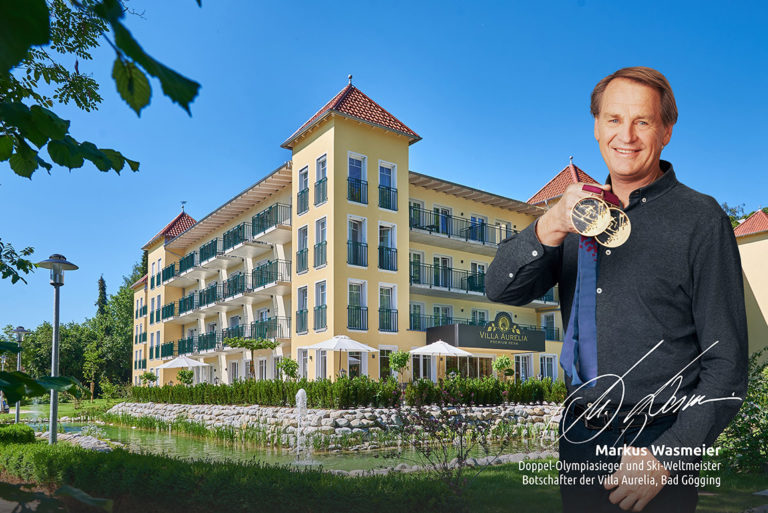
Rehabilitation marks the transition to everyday life. It is often preceded by surgery or a lengthy period of pain and limited mobility. What matters…

For previous generations, wound powder was a standard part of the home medicine cabinet. Later, the focus shifted to greasy ointments and alcohol-based sprays…
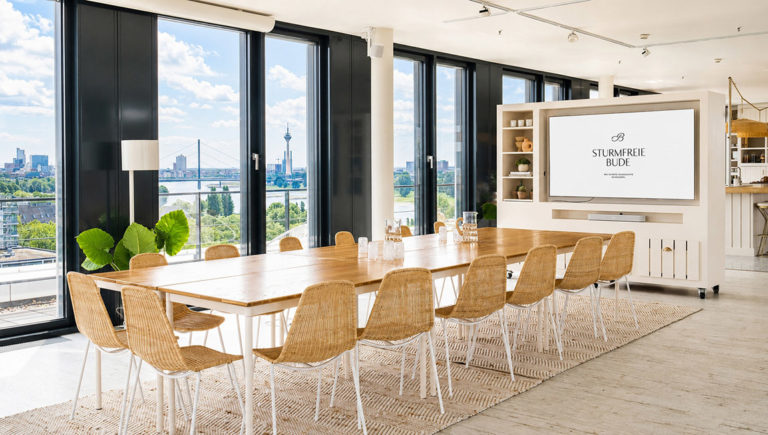
Sturmfreie Bude manages unique off-site venues, conference spaces and corporate events at prime locations in both Düsseldorf and Cologne – with a comprehensive service…
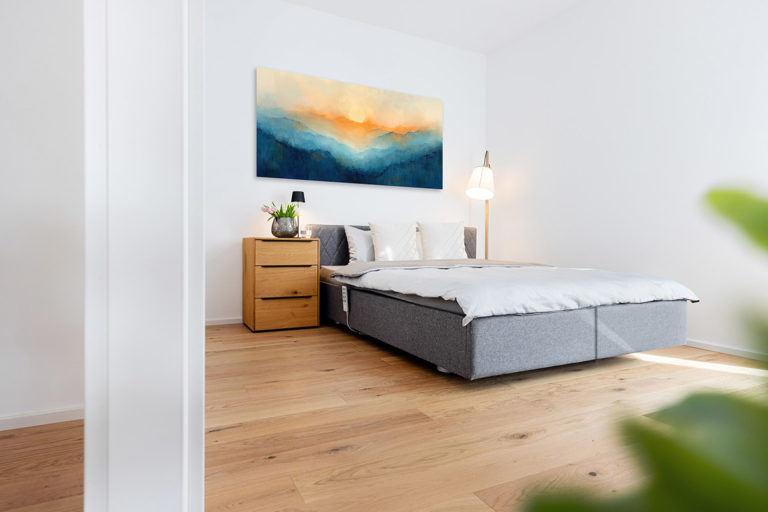
Anyone entering a modern care home today is often reminded more of a stylish hotel than a traditional care facility. Bright rooms, materials that…
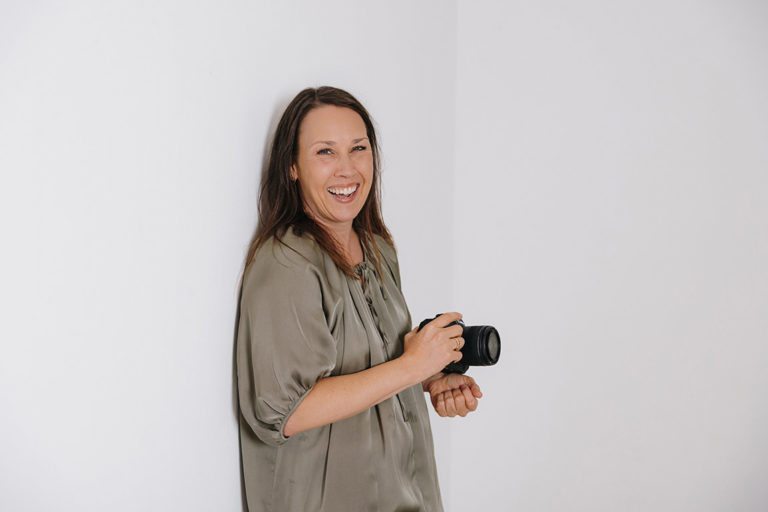
Manuela Baum works with empathy and a personal touch to create authentic images that highlight businesswomen and bring their vision, values and personality to…
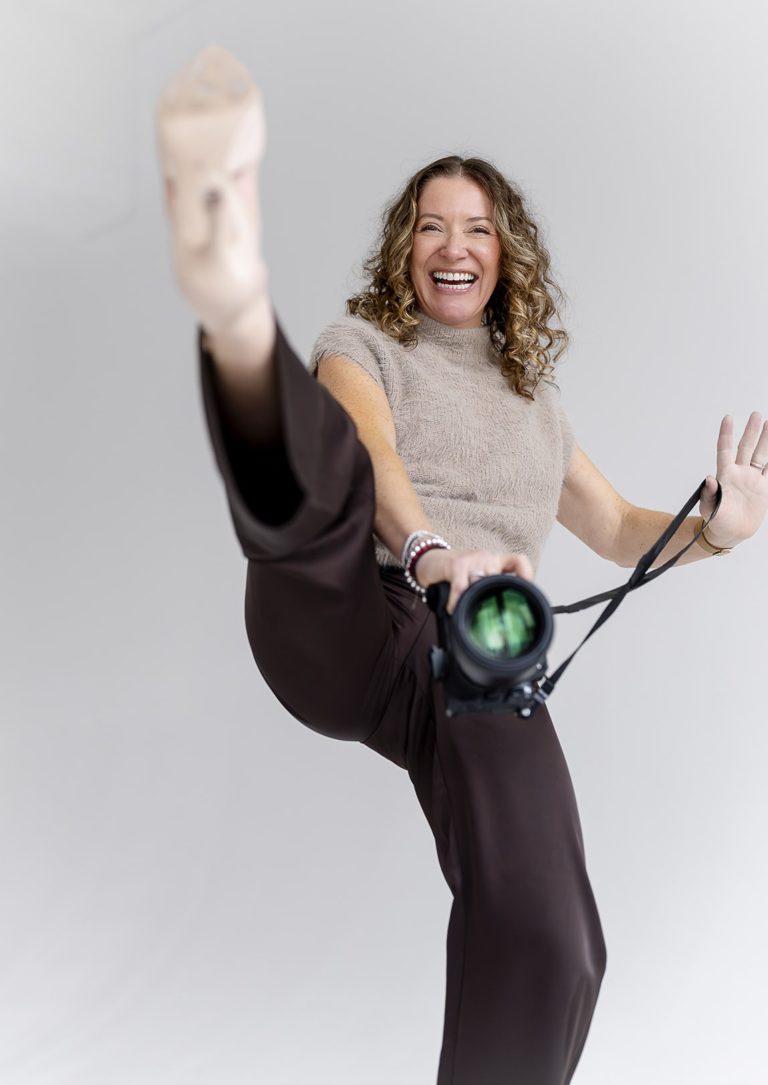
In a digital world, first impressions are formed long before the first personal meeting. Against this backdrop, personal branding, that is intentional communication of…
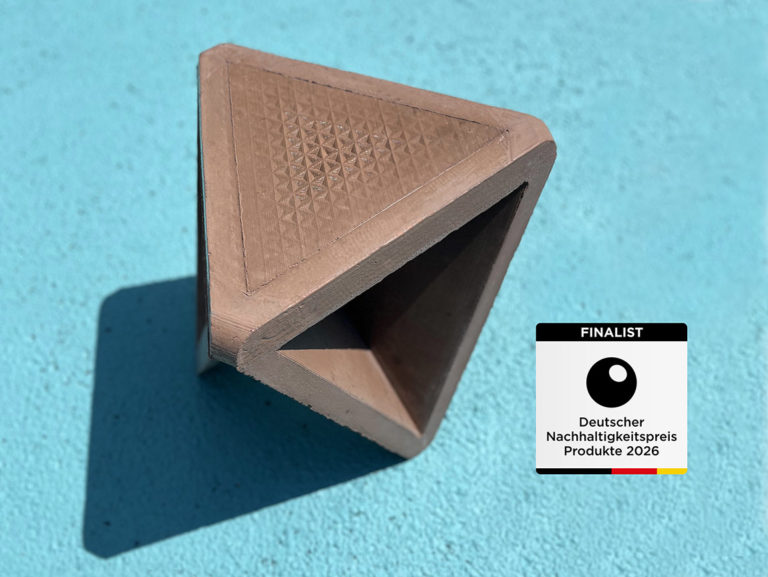
What if future cities not only emitted less CO₂, but would actively store carbon? The Heidelberg-based GreenTech company New Digital Craft is working towards…
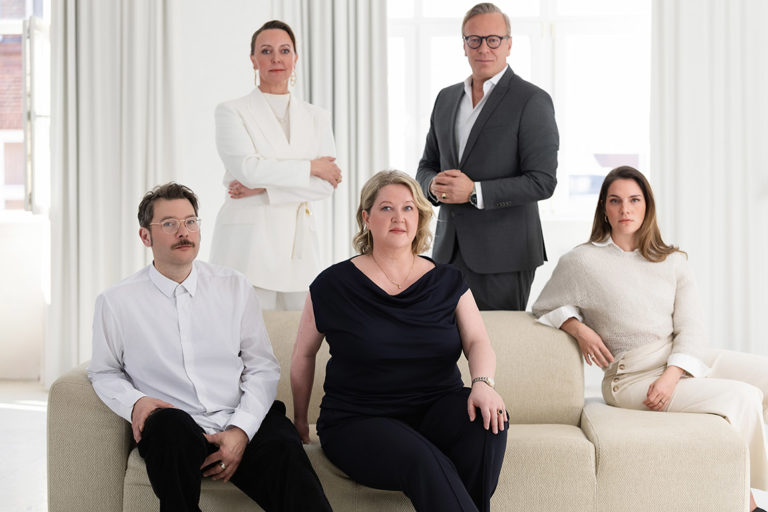
AI and digital tools have transformed and automated marketing. But when it comes to communication that truly resonates and delivers results, people still need…
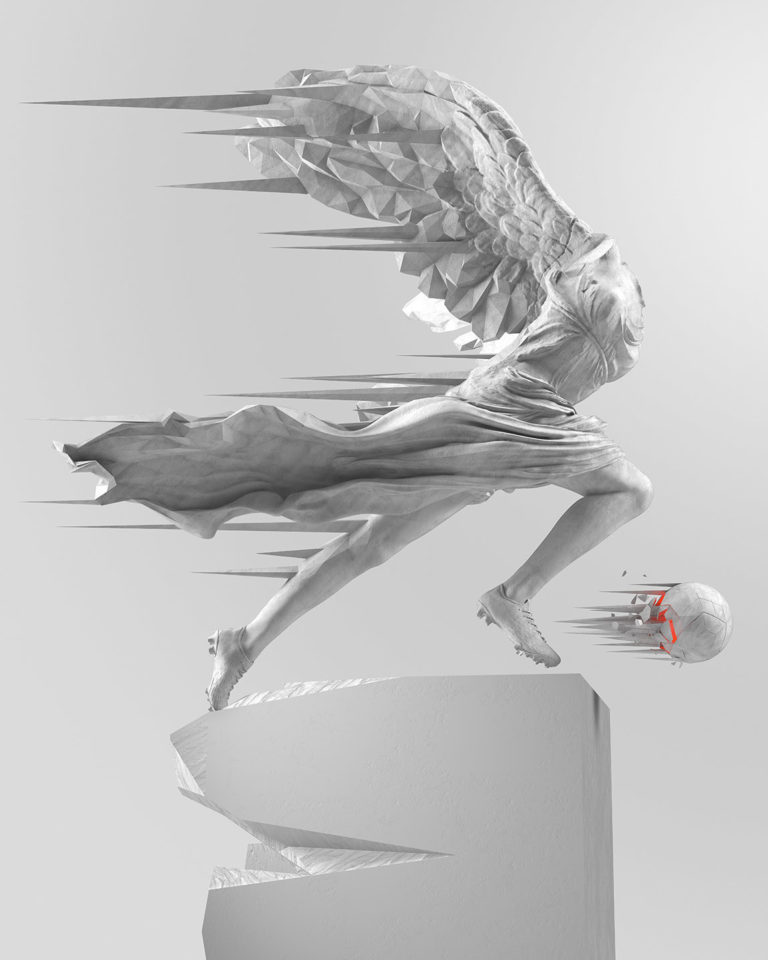
For the past 20 years, Aixsponza has been creating high-end 3D animation, motion design and visual effects. Based in Munich, the studio develops visual…
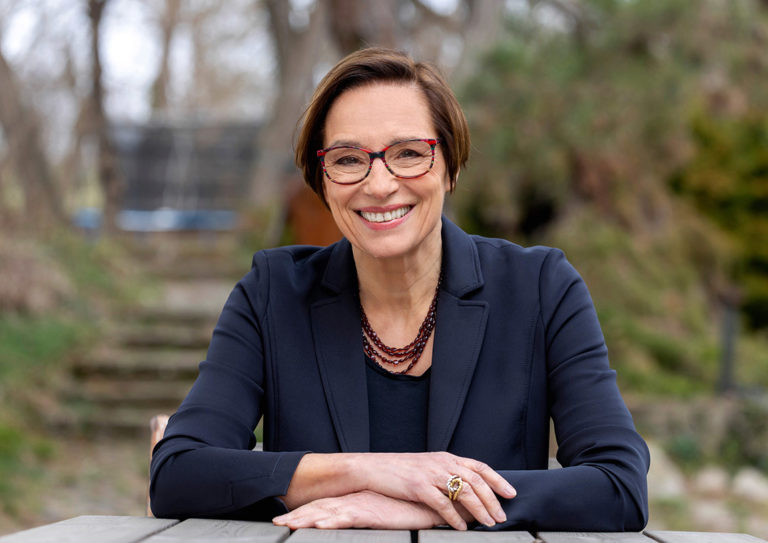
More people today are growing up between two cultures, yet the social and professional opportunities that come with biculturalism are still widely underestimated. In…
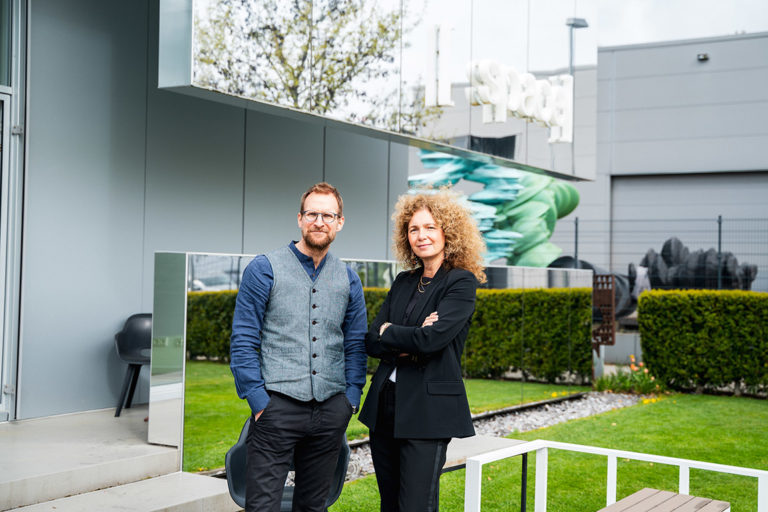
How can individual mindsets be aligned with economic demands? Wertefabrik, the leading values-driven management consultancy in the German-speaking world, offers a clear answer: through…
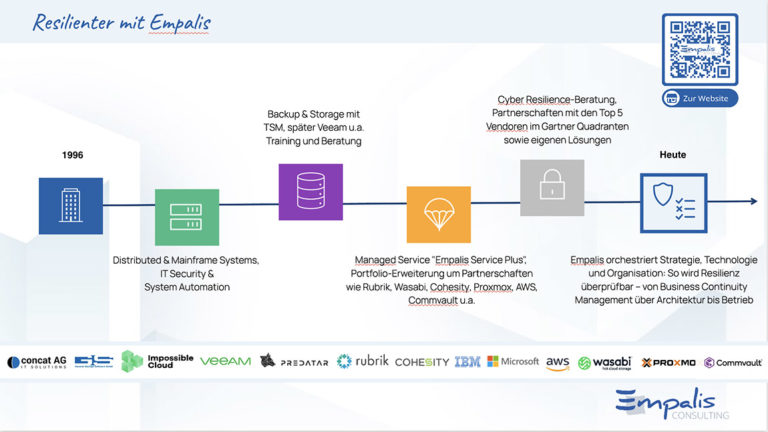
Cyberangriffe, regulatorische Anforderungen, geopolitische Unsicherheiten, die zunehmende Abhängigkeit von digitalen Geschäftsprozessen… Dies sind Themen, die Unternehmen vor eine zentrale Frage stellen: Wie bleibt der…
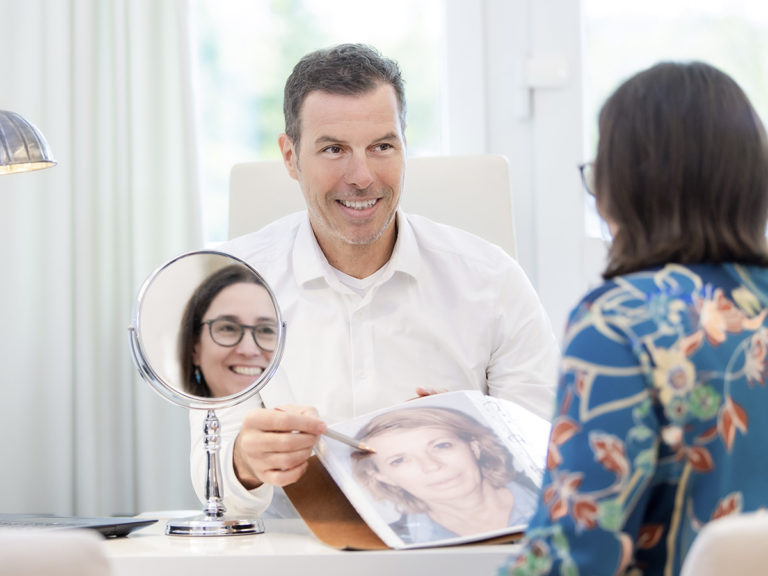
Where art and medicine meet: Dr. Christian Schrank, the renowned specialist in plastic and aesthetic surgery, boasts nearly three decades of comprehensive experience. As…

„Weil wir es verbinden.“ Ein Leitgedanke, der die Arbeit der Amrei Gschwind Company prägt und sich konsequent durch ihren interdisziplinären Ansatz zieht. Denn echte…
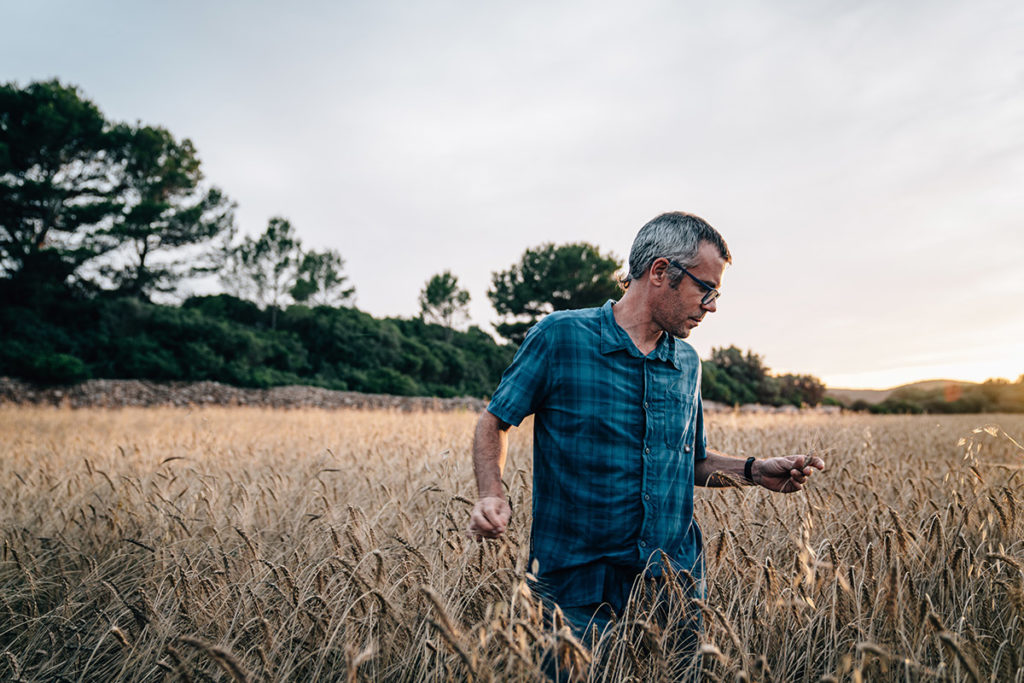
A farmer examines ripening grain in a golden field, reflecting EIT Food’s focus on regenerative agriculture and more sustainable food systems. The image captures the connection between agricultural innovation, healthy soils and future food production. Photo by EIT Food.
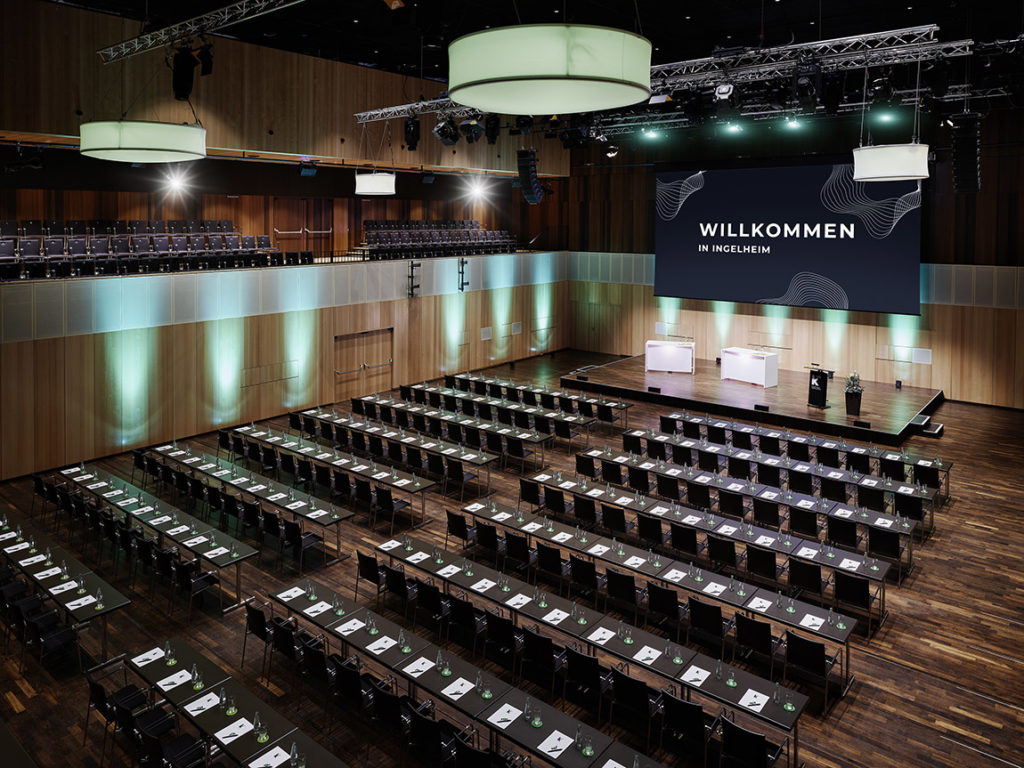
The impressive Grand Hall at kING Cultural and Congress Hall in Ingelheim am Rhein offers a sophisticated setting for conferences, concerts and corporate events. Flexible seating, contemporary architecture and state-of-the-art technology make this a versatile business venue. Photo by Roger Richter.
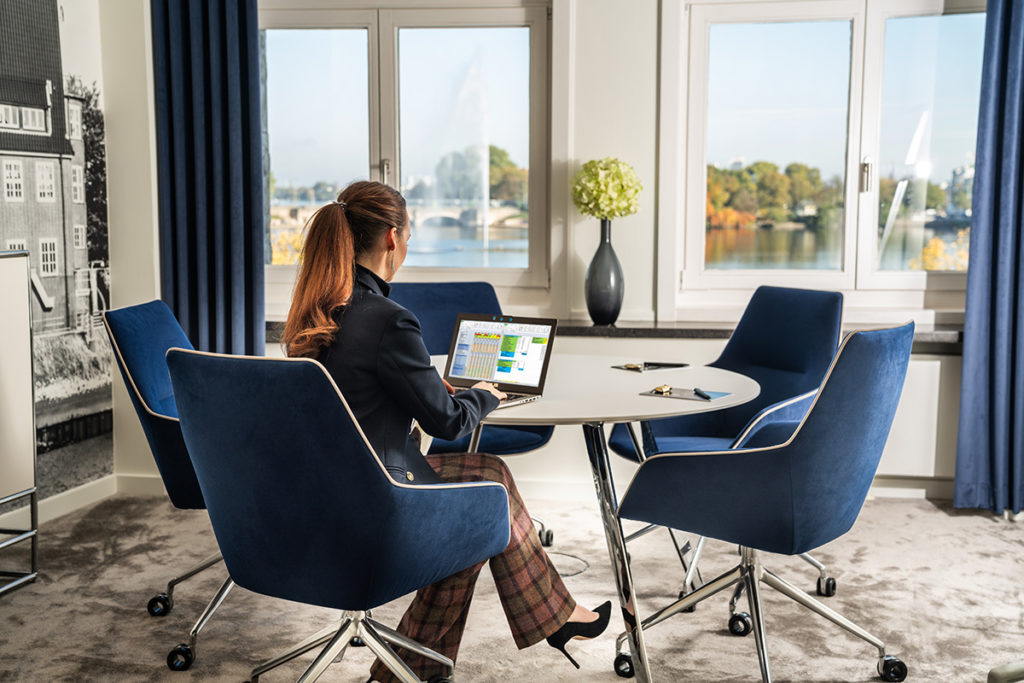
SATELLITE OFFICE combines elegant interiors, comfortable furnishings and beautiful waterfront views to create an inspiring professional environment. This light-filled workspace reflects the company's commitment to exclusive, flexible office solutions that balance productivity, privacy and sophisticated design. Photo by SATELLITE OFFICE GMBH.
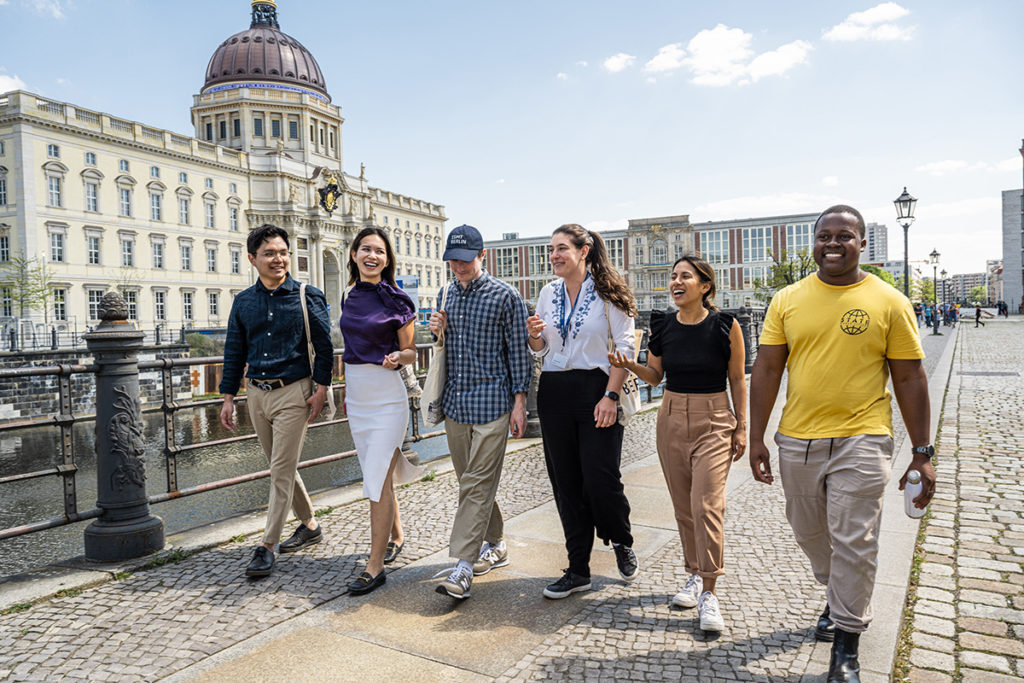
ESMT Berlin students explore the historic heart of Germany’s capital, reflecting the business school’s international outlook and emphasis on global leadership. The vibrant setting highlights Berlin’s appeal as a centre for entrepreneurship, innovation and business education. Photo by Andreas Süß.
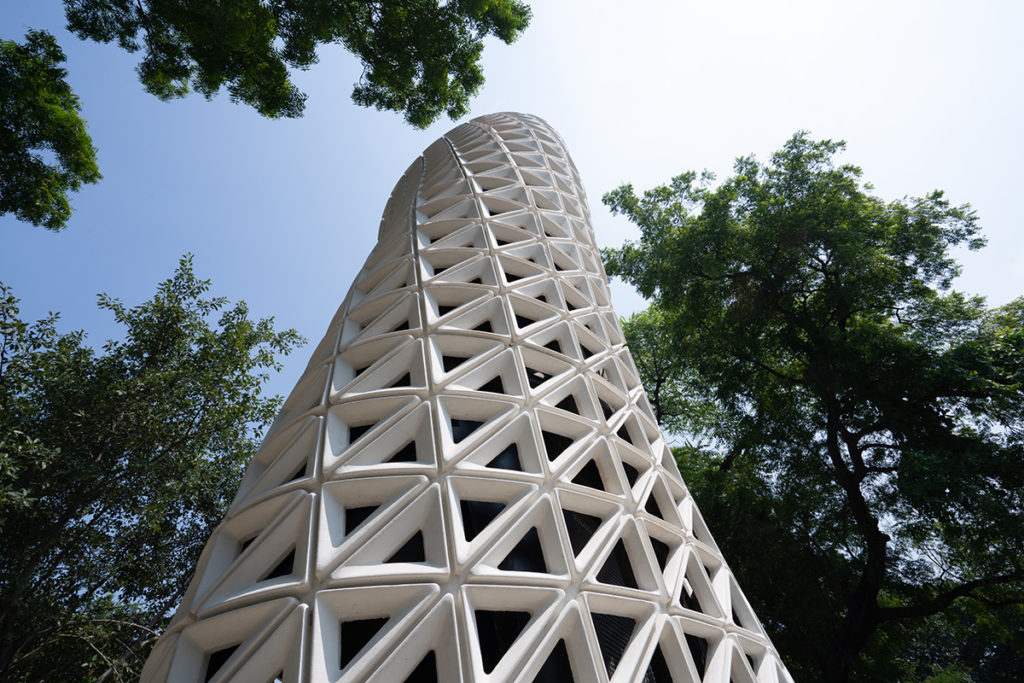
Studio Symbiosis’s striking VERTO concept combines sculptural architecture with innovative air purification technology. Its distinctive geometric structure is designed to help reduce urban air pollution, demonstrating how sustainable design and engineering could contribute to healthier cities. Visualisation by Studio Symbiosis.
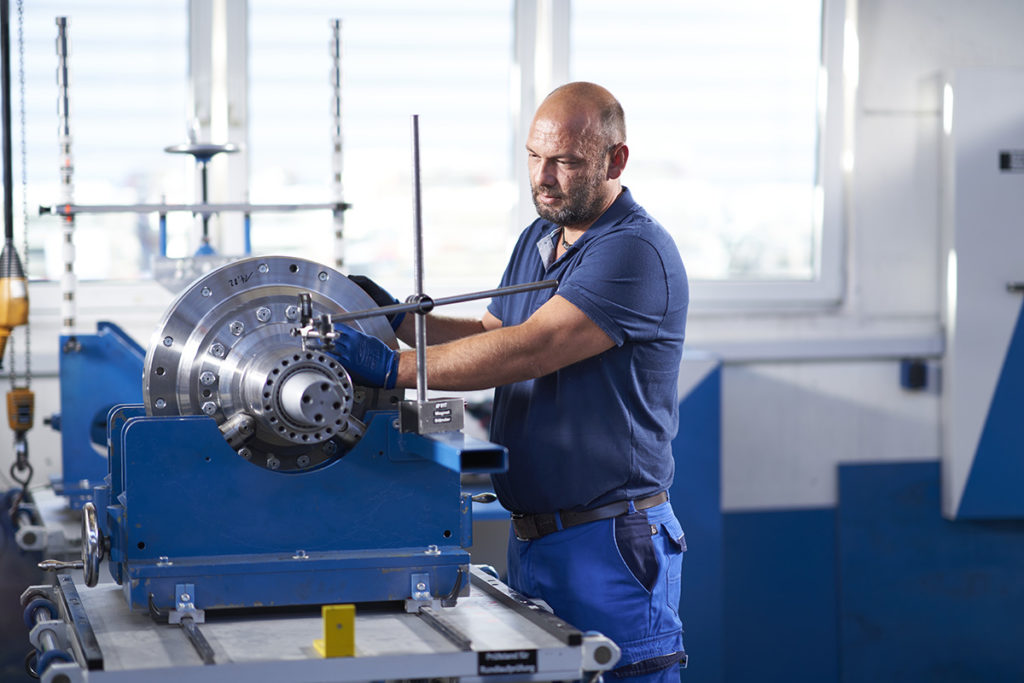
A skilled engineer at Sumitomo Drive Technologies works on a precision gearbox assembly, highlighting Germany’s renowned expertise in mechanical engineering. Combining advanced manufacturing techniques with specialist craftsmanship, the company develops innovative drive solutions for industrial applications worldwide. Photo by Sumitomo Drive Technologies.
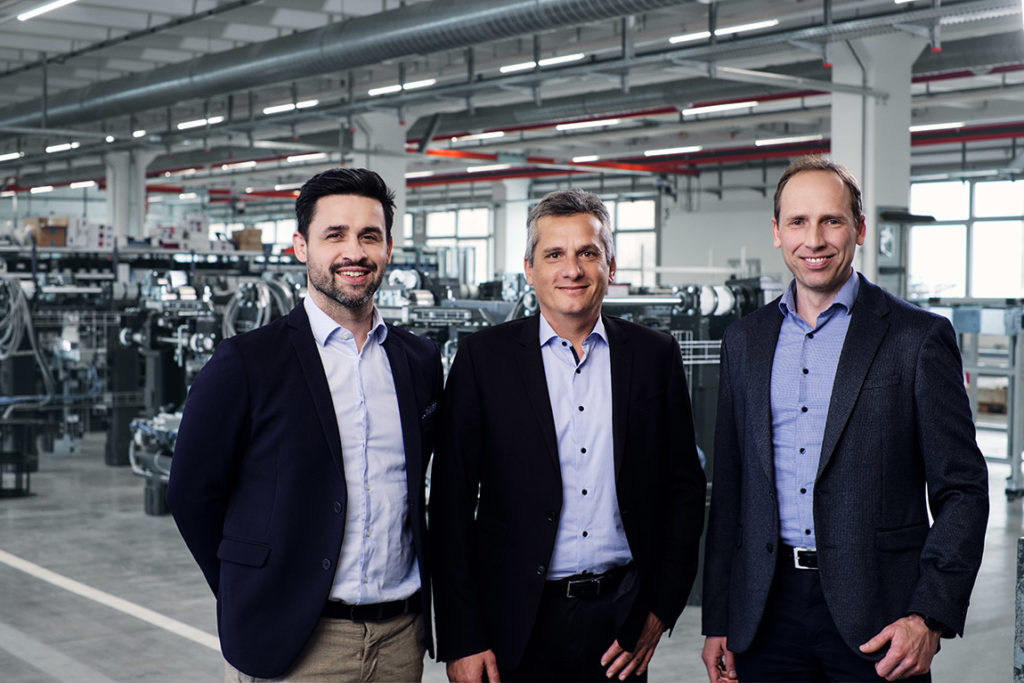
TGW Robotics managing directors Albert Breitenfellner-Fercher, Robert Wagenstaller and Ewald Koppler at the company’s production facility in Rohrdorf, near Munich. Their leadership reflects Germany’s expertise in industrial automation, innovative robotics and advanced intralogistics solutions. Photo by 10MATTERS.
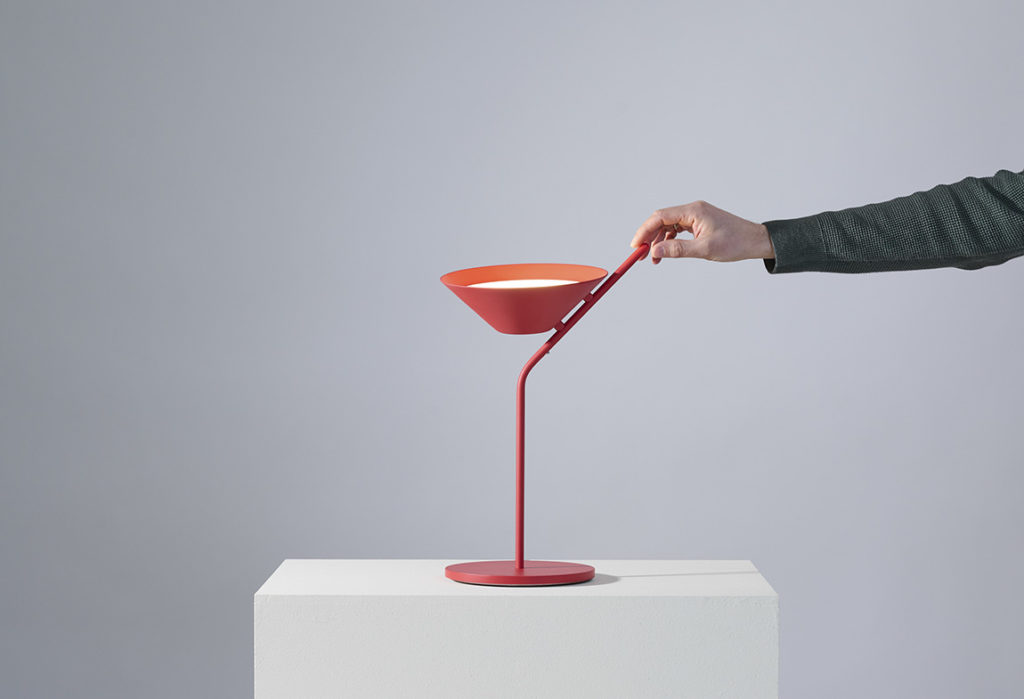
Peter Otto Vosding’s striking Martin table light combines minimalist geometry with playful functionality. Its vibrant red finish, slender silhouette and adjustable design demonstrate how contemporary German product design brings together elegance, innovation and everyday practicality. Photo by Vosding.
Business in Germany is shaped by an extraordinary combination of industrial heritage, entrepreneurial ambition and technological innovation. From internationally recognised manufacturers to specialist family businesses and ambitious startups, the country’s diverse economy reflects a long tradition of craftsmanship, engineering excellence and independent thinking.
Across Germany, established industries sit alongside emerging technologies, creative enterprises and an extensive network of professional services. Whether in the financial centres of Frankfurt, the technology hubs of Berlin and Munich or the manufacturing heartlands of southern Germany, businesses are finding new ways to combine tradition with progress.
At the heart of the German economy lies the Mittelstand, a broad community of small and medium-sized enterprises, many of which are family-owned and deeply rooted in their regions. These businesses are renowned for specialist expertise, long-term thinking and a commitment to quality that has helped establish Germany’s international reputation.
Some operate in highly specialised markets, manufacturing components, machinery and technical solutions that rarely attract public attention but remain essential to industries around the world. Others combine traditional craftsmanship with contemporary production methods, creating products valued for their precision, reliability and design.
Germany’s industrial landscape is remarkably varied. Automotive engineering, mechanical manufacturing, chemicals, pharmaceuticals and electrical equipment remain important foundations, supported by specialist suppliers, research institutions and skilled technical workforces.
This close relationship between industry, education and practical expertise has helped create an environment in which innovation often emerges through steady improvement as much as dramatic technological breakthroughs.
Germany’s reputation for engineering increasingly extends into the digital world. Software development, artificial intelligence, automation, robotics and cybersecurity are transforming the way businesses operate, while research-intensive companies continue to explore new applications for emerging technologies.
Established industrial enterprises are embracing digital production systems, intelligent machinery and connected infrastructure. At the same time, younger businesses are developing solutions for everything from financial technology and healthcare to communications, energy management and data protection.
Explore Germany’s technology sector to discover how technical expertise and entrepreneurial creativity are influencing industries across the country.
Universities, applied research institutes and business incubators also play an important role. Their collaboration with commercial organisations helps bridge the gap between scientific discovery and practical application, encouraging new ideas to develop into products and services with international potential.
One of Germany’s defining economic strengths is its decentralised structure. Rather than depending on a single dominant commercial centre, the country has developed numerous regional economies, each with distinctive industries, specialist knowledge and business traditions.
Berlin’s business landscape combines an internationally connected startup community with creative industries, digital services and scientific research. Hamburg brings together maritime commerce, logistics, aviation and media, reflecting its centuries-old role as a major trading city.
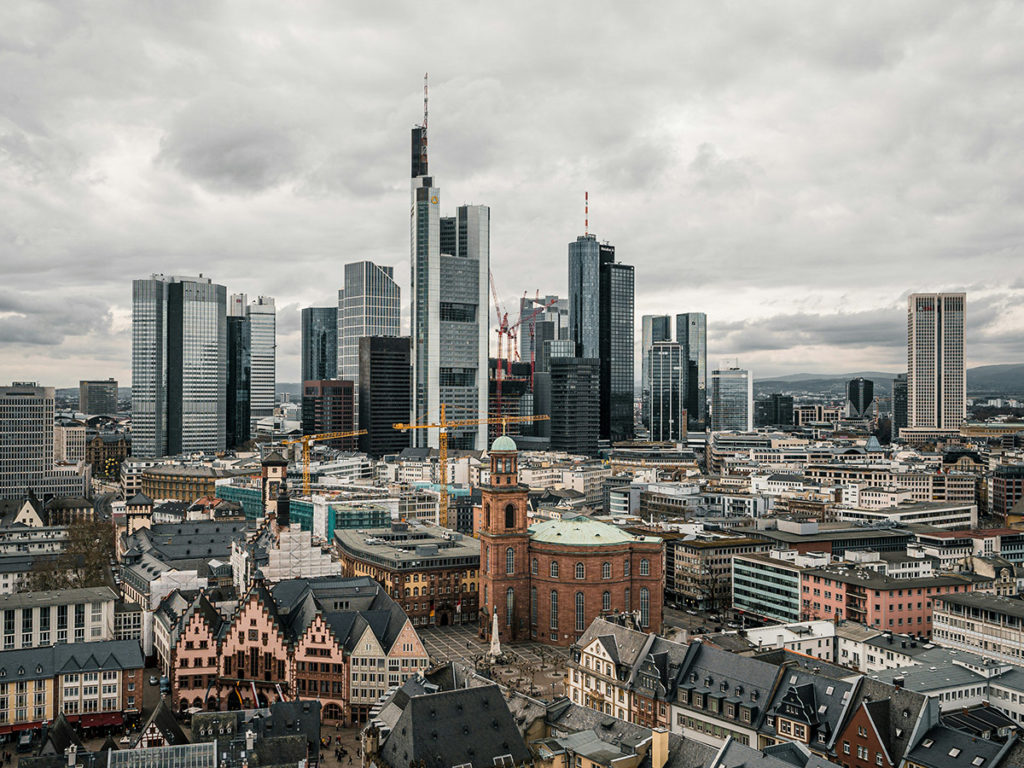
Frankfurt is an established European financial centre, home to banking, investment and professional services, while Düsseldorf and Cologne form important commercial centres within North Rhine-Westphalia. The wider Ruhr region continues to build on its industrial foundations through technology, services and economic transformation.
Further south, Munich and Bavaria are closely associated with engineering, automotive technology, electronics and research. Baden-Württemberg’s business community is particularly well known for precision manufacturing, specialist industrial companies and family-owned enterprises.
Eastern Germany adds further diversity, with Dresden’s semiconductor industry, Leipzig’s logistics and manufacturing activities, and growing research networks across Saxony and neighbouring regions.
Together, these regional strengths create an interconnected business landscape with opportunities extending well beyond the country’s largest cities.
Environmental responsibility has become an important influence on German business development. Companies across numerous industries are exploring ways to reduce energy consumption, improve resource efficiency and develop products with a smaller environmental footprint.
Renewable energy, sustainable construction, circular manufacturing and innovative materials are among the areas attracting significant attention. Engineering businesses are developing more efficient production technologies, while specialist enterprises are investigating alternatives to conventional packaging, materials and industrial processes.
Sustainability also extends beyond environmental technology. Responsible supply chains, transparent business practices and the efficient use of resources increasingly influence how companies plan their operations and relationships with suppliers.
For Germany’s industrial sector, balancing competitiveness with environmental ambitions presents genuine challenges. Yet it also creates opportunities for businesses capable of combining technical expertise with practical, commercially viable solutions.
Germany’s commercial landscape extends far beyond manufacturing and technology. An extensive professional services sector supports businesses with legal advice, financial management, consultancy, communications, marketing, property and organisational development.
Business coaches, management consultants and specialist advisers work with organisations navigating expansion, succession planning and changing market conditions. Communications agencies and creative studios help companies develop their identities and connect with customers, while software specialists provide the digital infrastructure required for increasingly complex operations.
Leadership, recruitment and workplace culture are equally important. Germany’s vocational training tradition, university education system and professional qualifications provide important routes into employment, while companies increasingly recognise the value of interdisciplinary experience, international perspectives and adaptable skills.
The country’s conference venues, exhibition centres and trade fairs also support professional exchange, bringing together manufacturers, entrepreneurs, researchers and buyers from across international markets.
German business culture is often associated with preparation, reliability, direct communication and attention to detail. Clear agreements, technical competence and carefully considered decisions are traditionally valued, particularly in established industrial and business-to-business relationships.
However, the country’s professional culture is far from uniform. International startups, creative agencies and technology companies may approach collaboration differently from long-established manufacturers or family businesses. Regional traditions, organisational size and individual leadership styles all contribute to this diversity.
Personal relationships remain important, particularly where businesses develop partnerships over many years. Trust is often built through consistency, specialist knowledge and the ability to deliver on commitments.
For international companies and entrepreneurs, understanding these differences can be valuable when establishing commercial relationships. Germany offers a sophisticated business environment in which local expertise and international perspectives frequently complement one another.
Germany’s position at the centre of Europe has long supported its role in international trade. Its transport networks, industrial supply chains and connections with neighbouring countries link businesses to markets throughout the continent and beyond.
Export-oriented manufacturers operate alongside companies specialising in logistics, international consultancy, investment and cross-border services. Businesses also benefit from professional networks that connect regional expertise with opportunities across the wider European economy.
As global industries evolve, German enterprises face the challenge of adapting established strengths to changing technologies, customer expectations and economic conditions. Digital transformation, demographic change and competition for specialist skills are reshaping established ways of working.
From innovative startups and internationally active corporations to the specialist enterprises that form the backbone of regional economies, Germany’s business community offers a fascinating picture of an economy continually balancing heritage with reinvention.
Are you a fan of Germany, Switzerland and Austria? So are we! Sign up to our newsletter now to stay up to date on the most exciting news, events and destinations.