
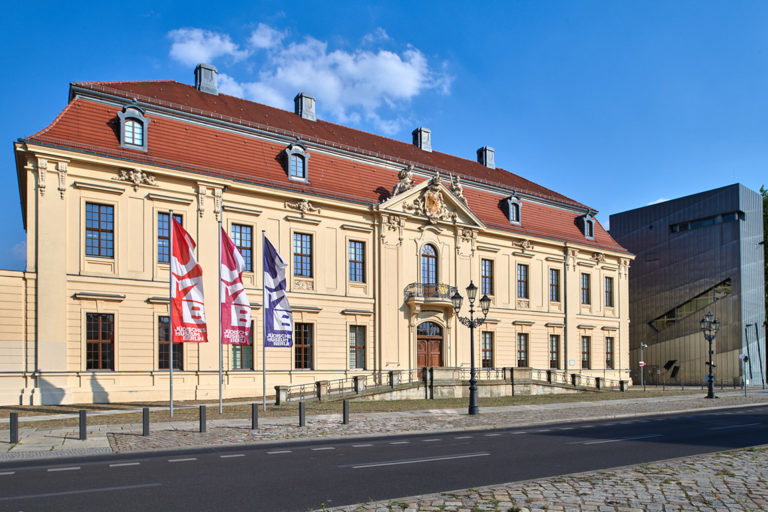
Located in the heart of colourful Kreuzberg, the Jewish Museum Berlin (JMB) is one of the capital’s top tourist attractions, drawing 640,000 visitors in…
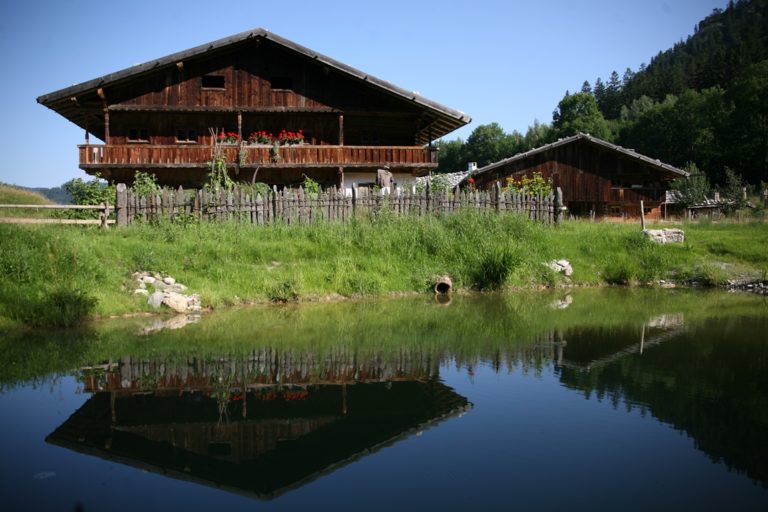
Set amidst mountains, lakes, and historic farmhouses, history comes to life at the Markus Wasmeier Open Air Museum Schliersee. Here, authentic traditions blend with…

Experience world-class art up close at Von der Heydt Museum Wuppertal. Von der Heydt Museum Wuppertal is one of Germany’s leading art museums. Its…
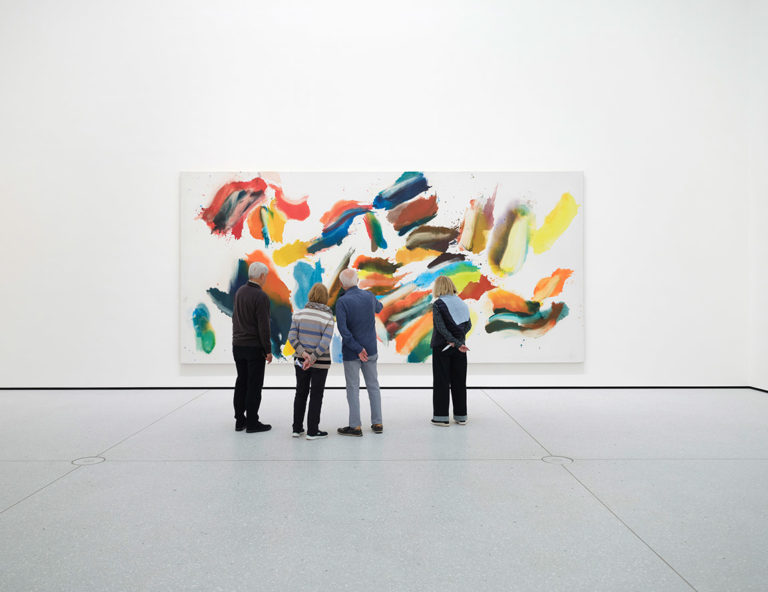
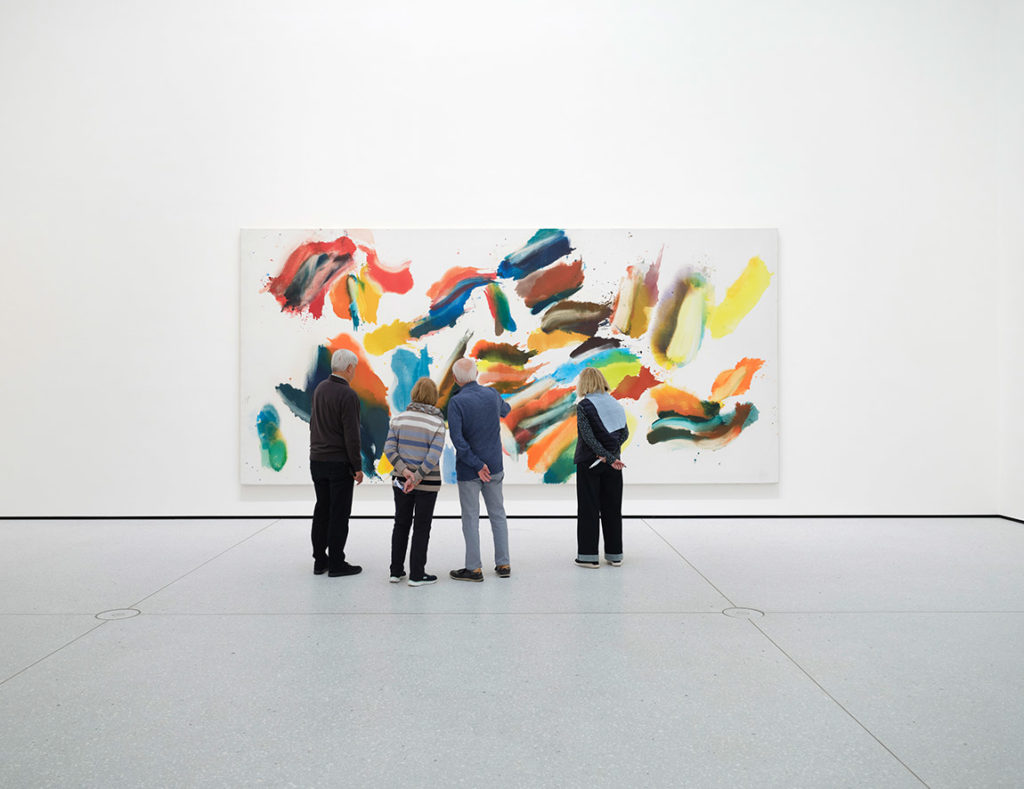
Museum Reinhard Ernst (mre) in Wiesbaden combines a comprehensive collection of abstract art with unique, contemporary architecture. Sprung from the passion for abstract art…
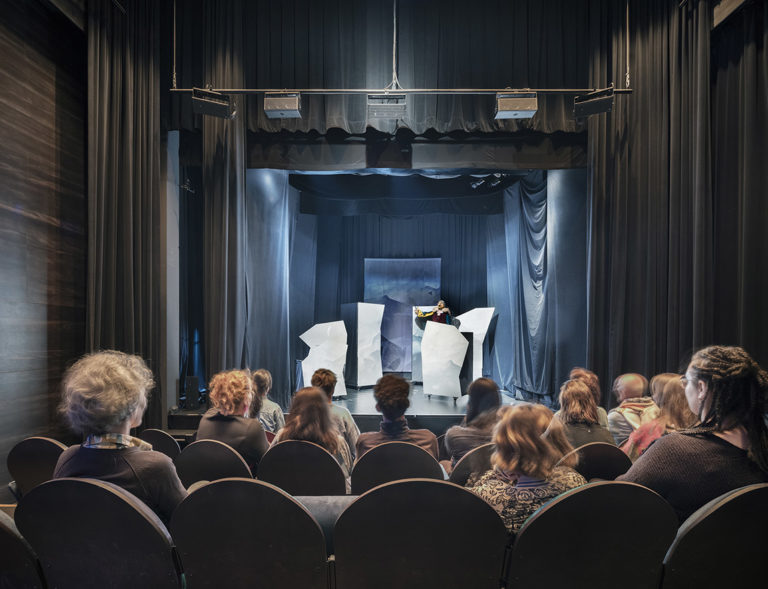
Lübeck is famous for its Holstentor, marzipan and the Buddenbrooks. Yet anyone who wants to truly get to know the city should take a…
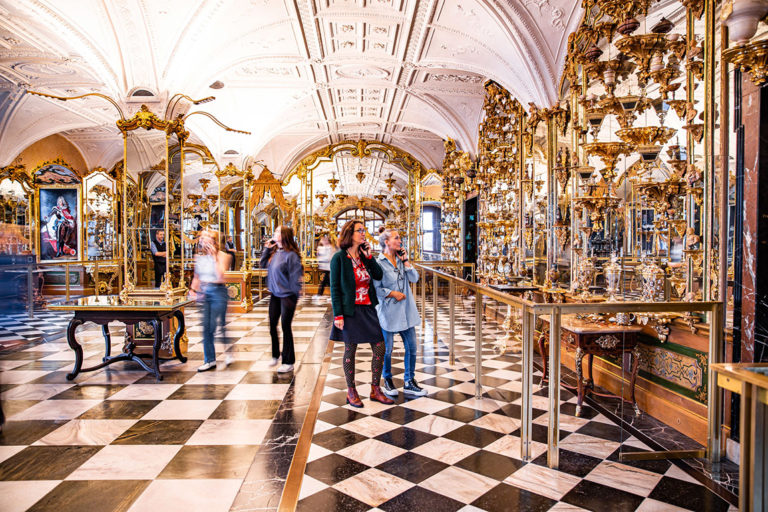
Staatlichen Kunstsammlungen Dresden (Dresden State Art Collections) is a vibrant museum association dedicated to European art history, with roots stretching back to the 16th…
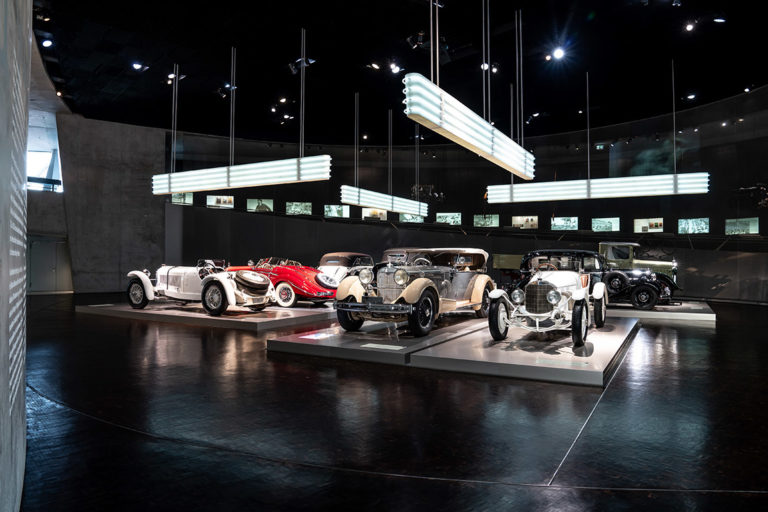
Four anniversaries, one location. In 2026, the Mercedes-Benz Museum celebrates its 20th anniversary, alongside 100 years of Mercedes-Benz, 130 years of commercial vehicles and…
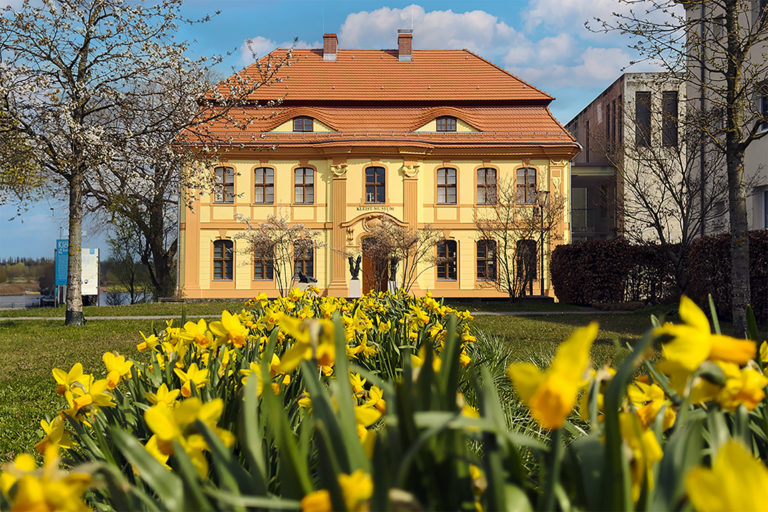
Located in the heart of the German Polish Euroregion, the Kleist-Museum in Frankfurt (Oder) places one of the most significant German-language poets and dramatists…
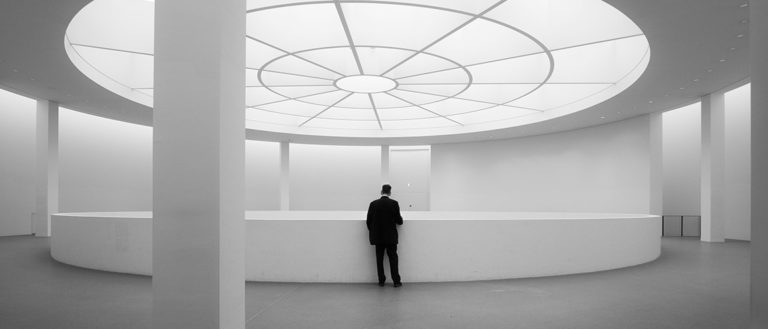
As 2026 lies ahead of us, so do numerous fantastic new exhibitions and museum highlights. In the following special theme, we explore some of…
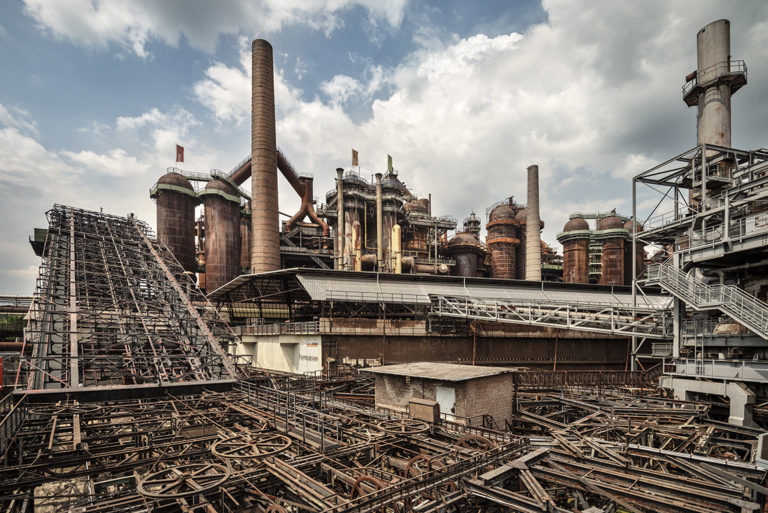
The World Heritage Site Völklinger Hütte is the world’s only fully intact ironworks from the zenith of the industrial era and the first industrial…
During winter, museums turn into havens of warmth and contemplation to the traveller and Berliner alike. However, some red flags must be cleared upfront…
With the new exhibition Kirchner. Picasso, Münster discovers the parallels between two exceptional artists. Located in the heart of Münster, the LWL-Museum für Kunst…
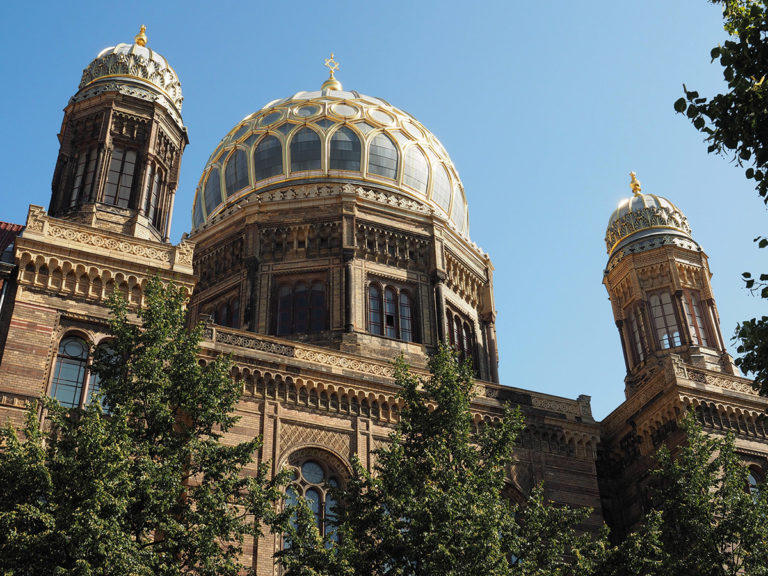
Once the new synagogue in Berlin’s Oranienburger Strasse was the largest and most beautiful of its kind in Germany, until it was desecrated in…
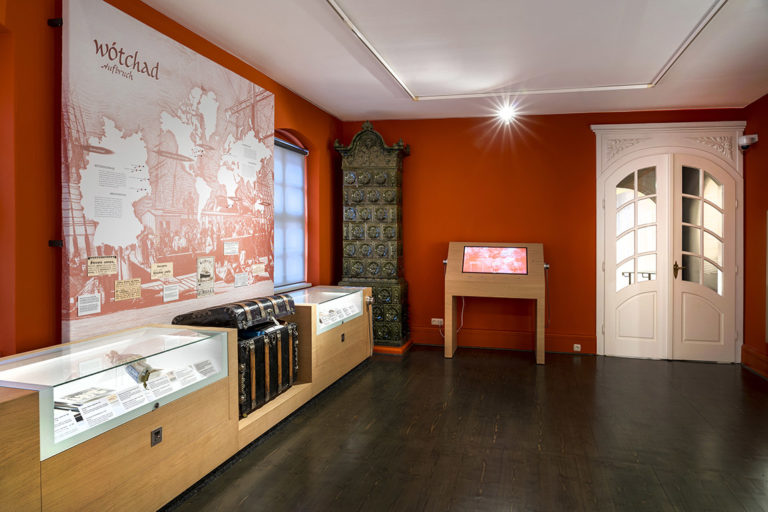
Nestled in the heart of Niederlausitz in Cottbus, Wendisches Museum, or Wendish Museum, has stood as a beacon of Sorbian culture since its inception…
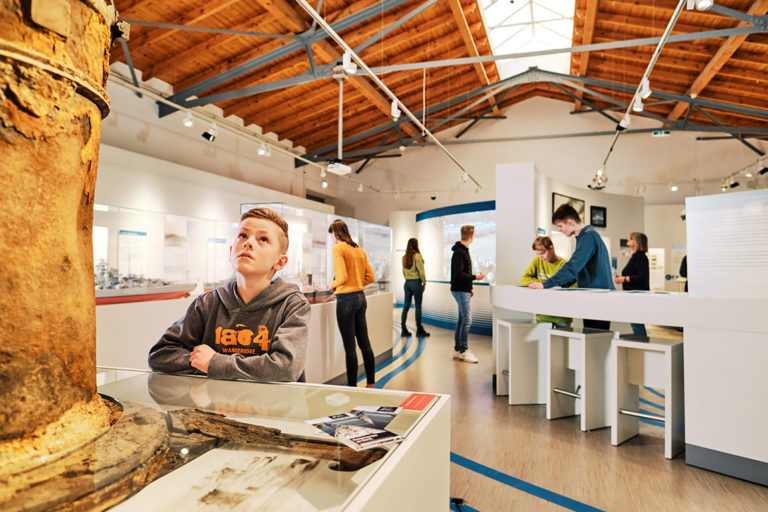
Between propeller shafts and pivotal chapters of history, Deutsche Marinemuseum (German Naval Museum) in Wilhelmshaven brings maritime heritage to life – both above and…
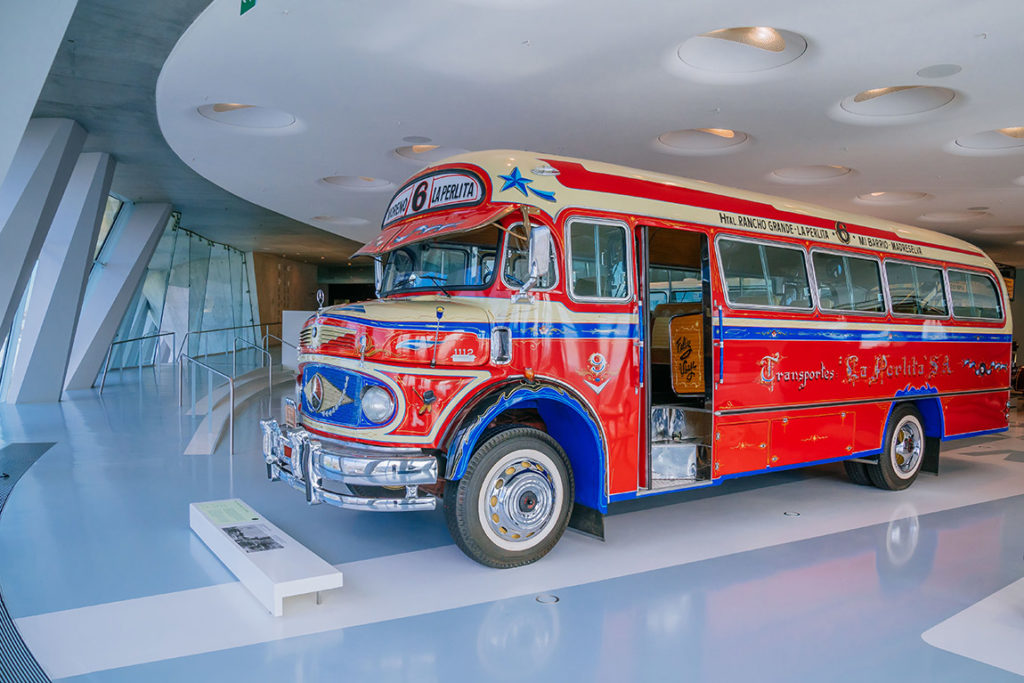
A vividly decorated vintage Mercedes-Benz bus takes centre stage at the Mercedes-Benz Museum in Stuttgart. Displayed within the museum’s striking modern architecture, the colourful vehicle offers a fascinating glimpse into the history of commercial transport. Photo by Mercedes-Benz Group AG.
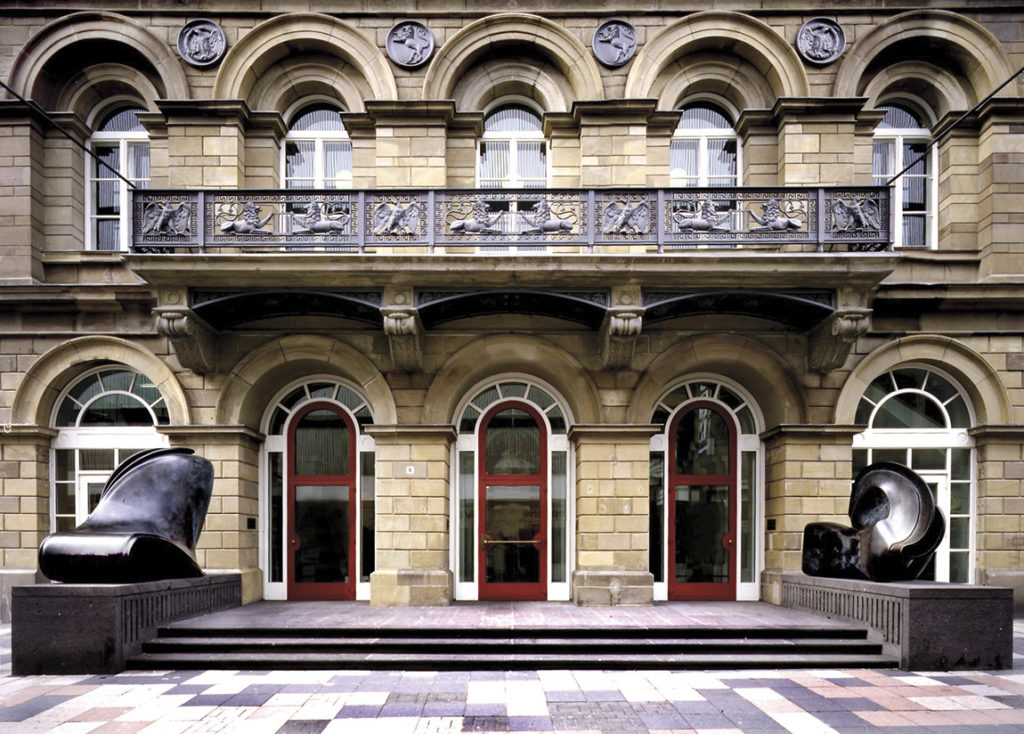
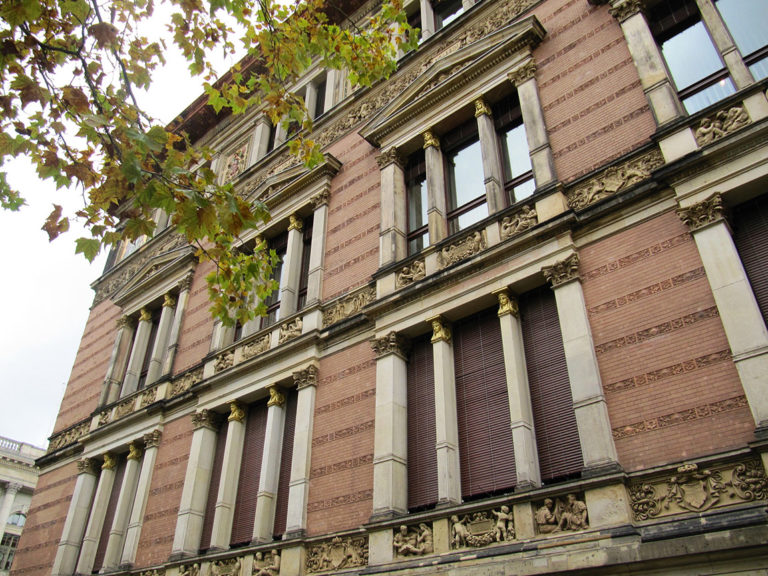
The magnificent historic façade of the Von der Heydt-Museum in Wuppertal features elegant arched windows, ornate stonework and striking sculptures. Inside, exceptional collections offer a fascinating journey through European art history. Photo by Von der Heydt-Museum Wuppertal.
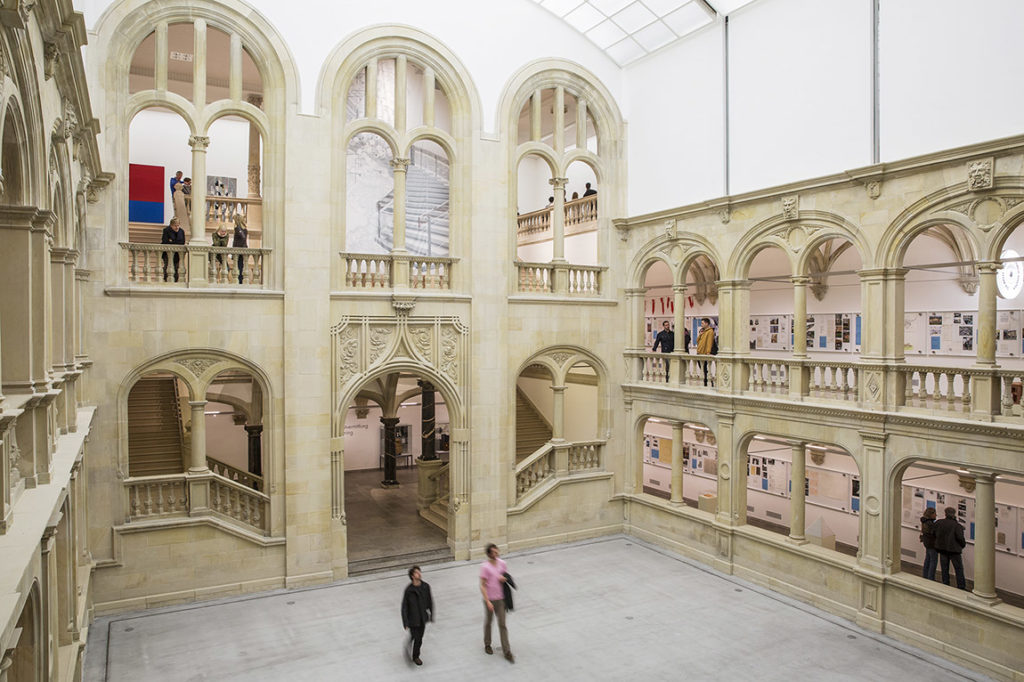
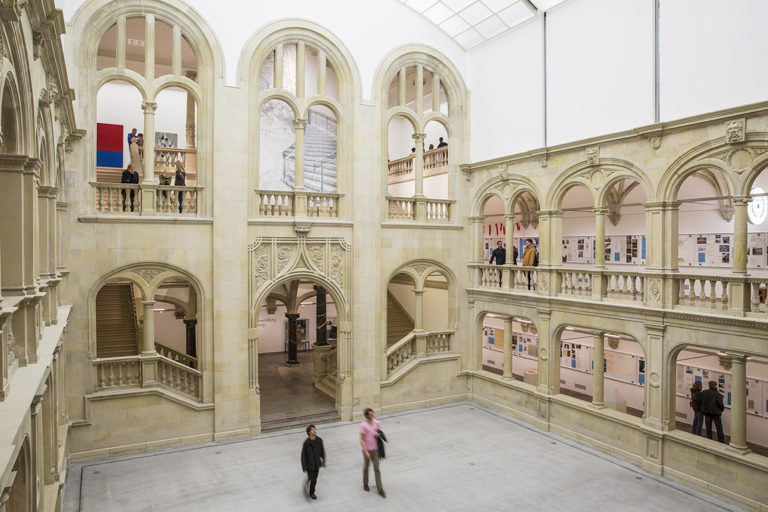
The magnificent atrium of the LWL-Museum für Kunst und Kultur in Münster showcases graceful Gothic arches, intricate stonework and soaring galleries. This striking historic interior offers a memorable introduction to the museum’s rich artistic collections. Photo by LWL, Hanna Neander.
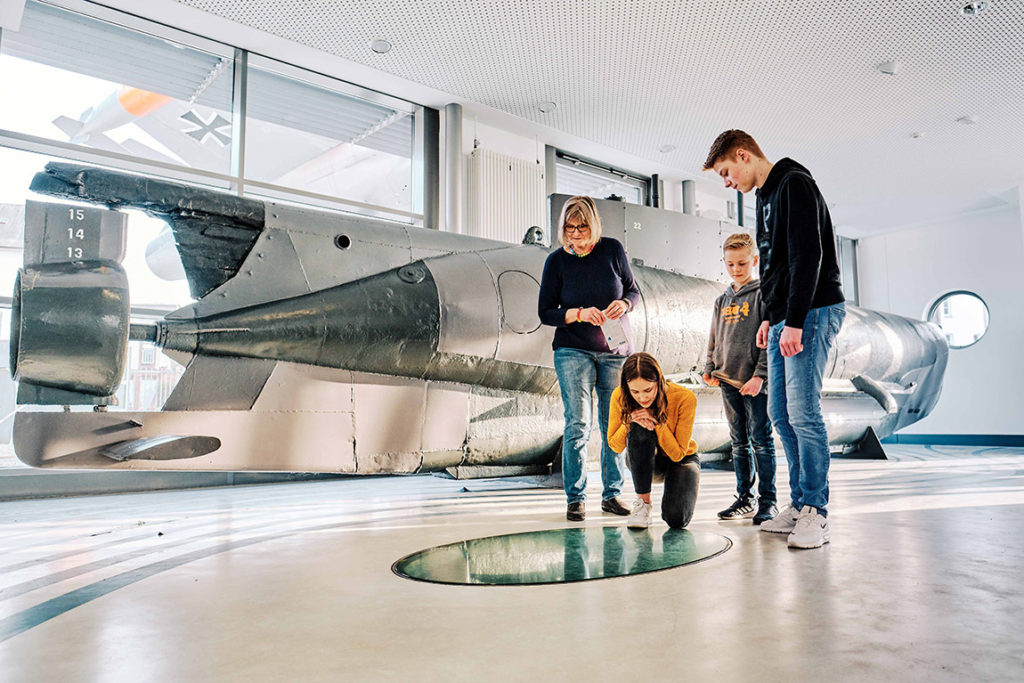
Visitors explore historic naval equipment at the Deutsches Marinemuseum in Wilhelmshaven, where fascinating exhibits and interactive displays bring Germany’s maritime history to life. An engaging cultural experience for families and history enthusiasts. Photo by Deutsches Marinemuseum / Jenny Rosentreter.
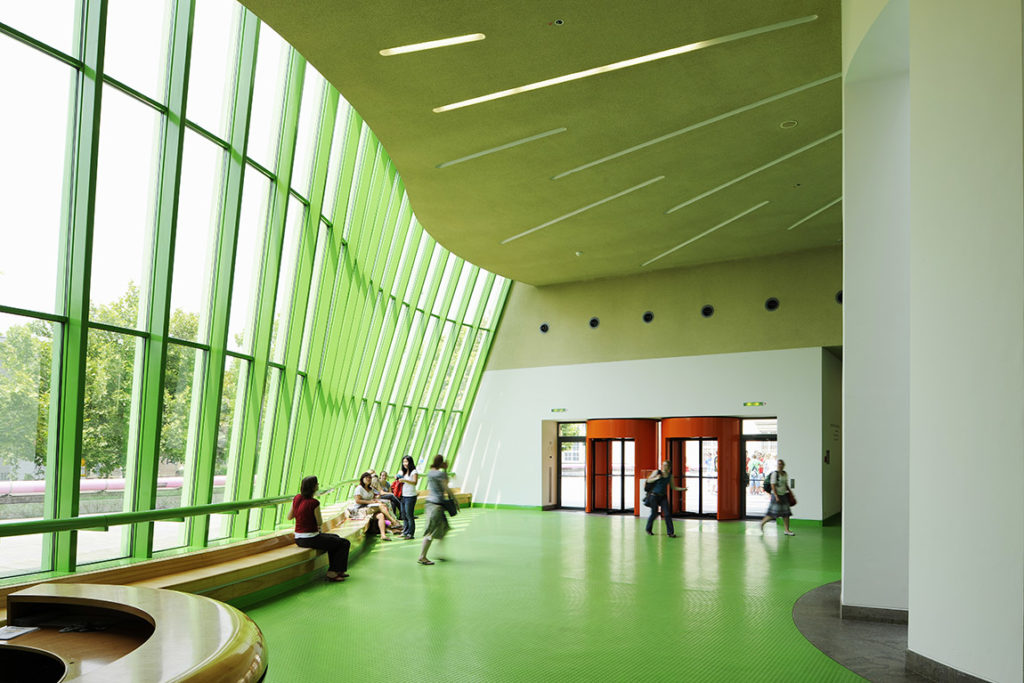
The striking green interior of the Staatsgalerie Stuttgart’s Stirling Building features sweeping curves, expansive windows and bold contemporary architecture. This remarkable space offers visitors an inspiring setting in which to explore the museum’s outstanding art collections. Photo by Staatsgalerie Stuttgart.
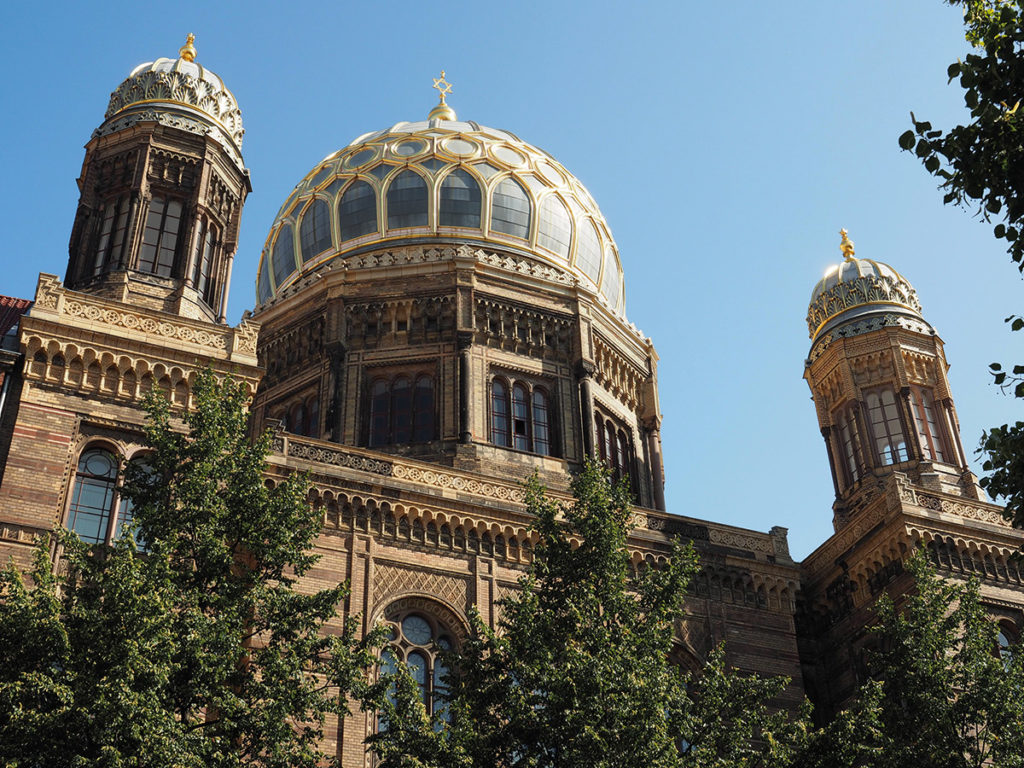
The magnificent golden dome and ornate towers of Berlin’s Neue Synagoge rise above the surrounding trees. Home to Centrum Judaicum, this remarkable historic landmark offers visitors an insight into Jewish history, culture and remembrance. Photo by Jana Blechschmidt.
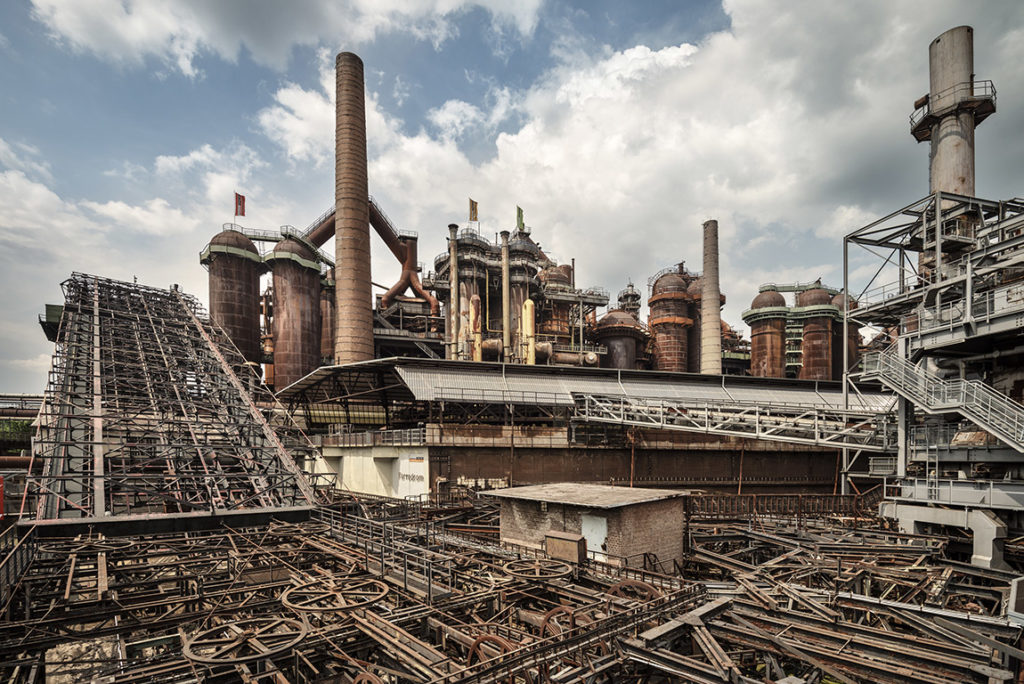
The monumental blast furnaces, towering chimneys and intricate steel structures of Völklinger Hütte reveal Germany’s remarkable industrial heritage. This UNESCO World Heritage Site offers visitors a fascinating journey through the history of iron production. Photo by Günther Bayerl.
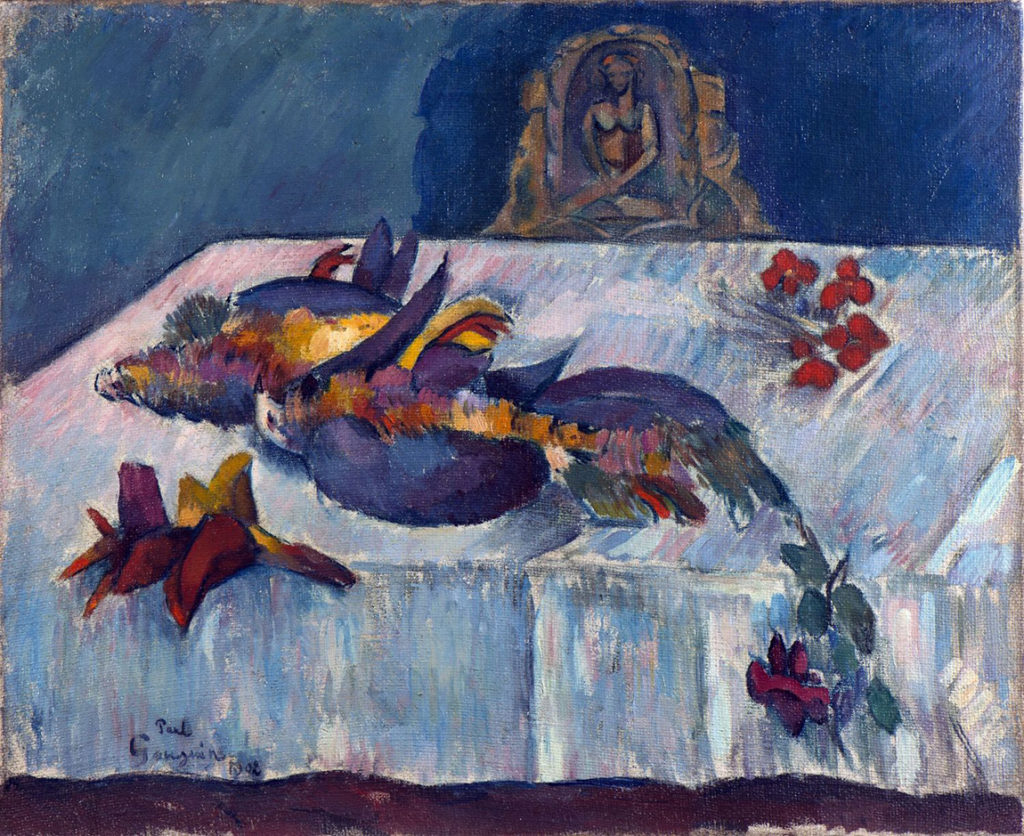
Paul Gauguin’s *Still Life with Exotic Birds* (1902) brings vibrant colour and expressive brushwork to the Von der Heydt-Museum’s remarkable collection in Wuppertal. The painting offers a captivating glimpse into the evolution of modern European art. Photo by Von der Heydt-Museum Wuppertal.
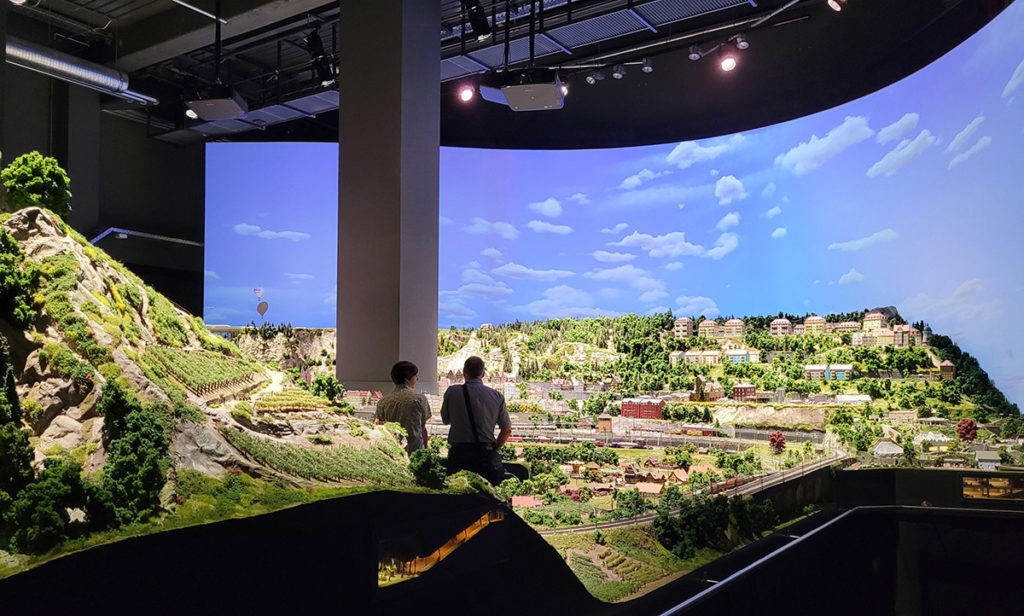
A spectacular miniature railway landscape at Märklineum in Göppingen brings an entire world to life through intricate scenery, detailed model buildings and immersive displays. This fascinating museum celebrates generations of model railway craftsmanship and imagination. Photo by Märklineum.
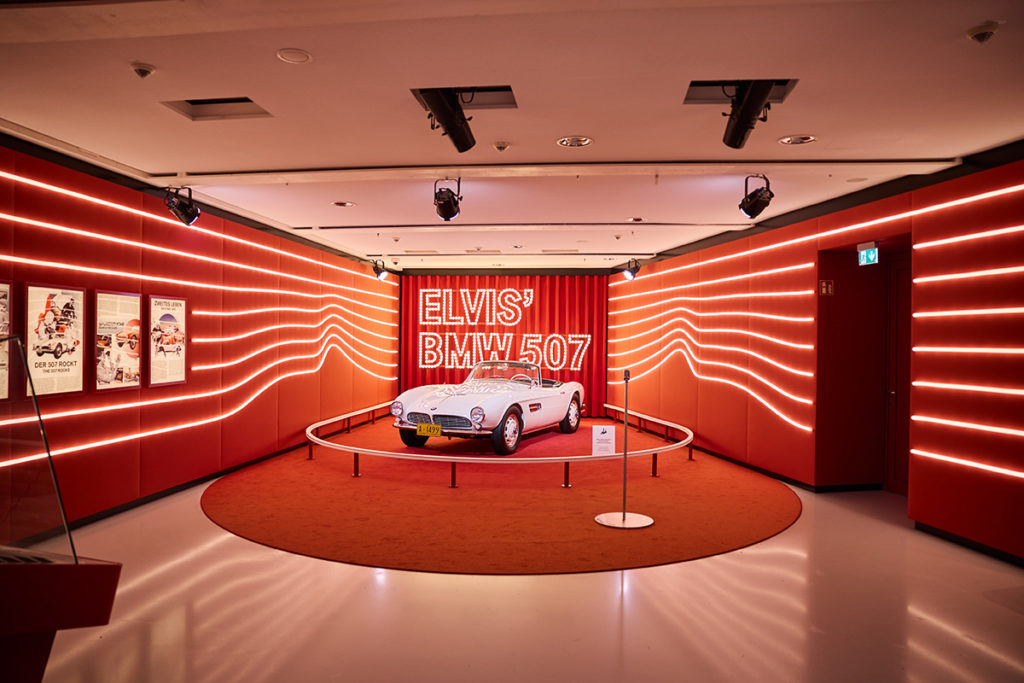
Elvis Presley’s legendary BMW 507 takes centre stage at the BMW Museum in Munich, surrounded by striking red lighting and immersive displays. This remarkable exhibition celebrates the glamour, history and timeless appeal of BMW’s iconic sports car. Photo by BMW Group.
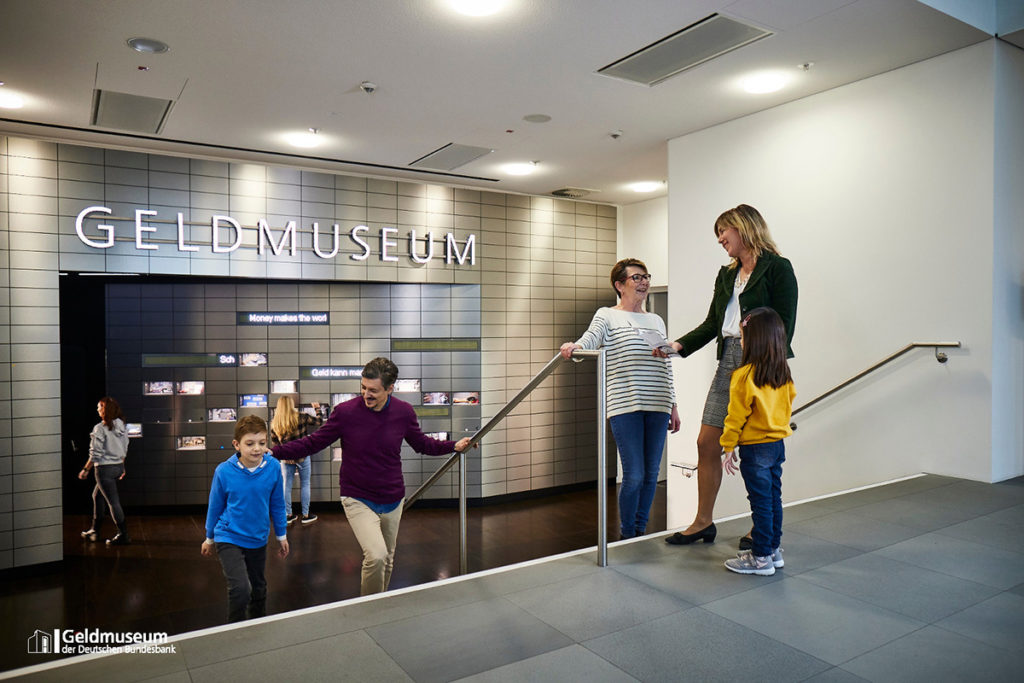
A family explores the welcoming entrance to the Deutsche Bundesbank’s Money Museum in Frankfurt, where engaging exhibitions bring the history of currency and finance to life. An inviting destination for curious visitors of all ages. Photo by Deutsche Bundesbank.
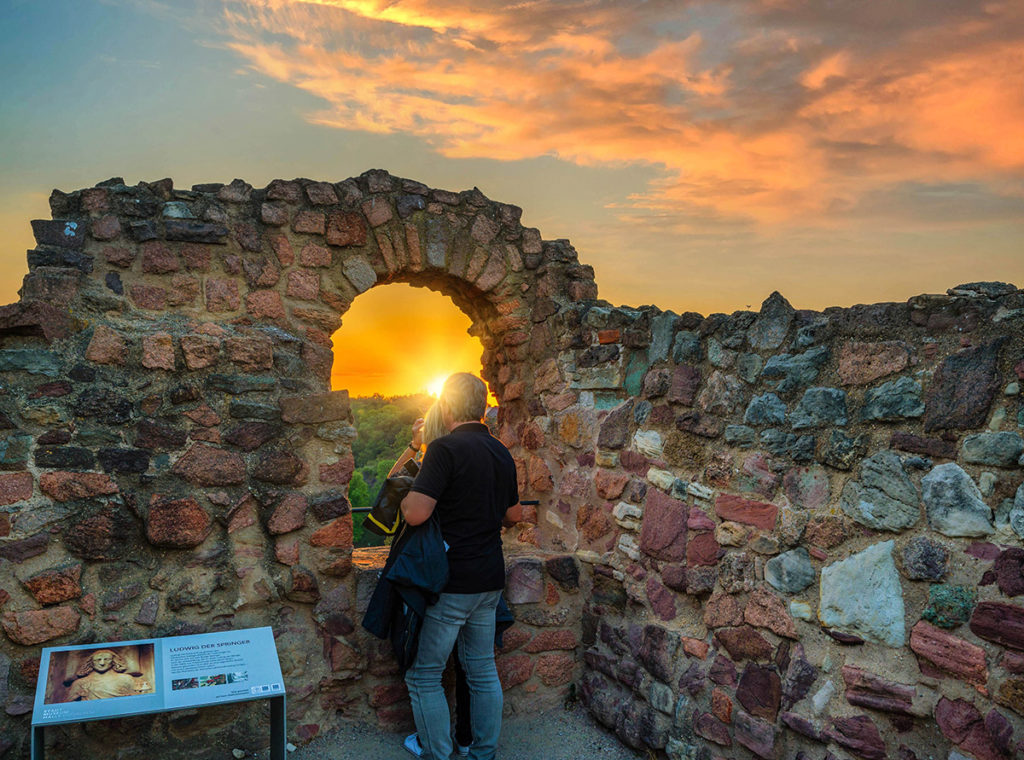
Golden evening light shines through an ancient stone archway at one of Stadtmuseum Halle’s historic sites. The atmospheric ruins invite visitors to explore the city’s fascinating past, with centuries of history brought vividly to life. Photo by Thomas Ziegler.
Germany’s museums offer an extraordinary journey through art, history, science, technology and cultural heritage. From internationally celebrated art collections and magnificent historic palaces to interactive science centres and remarkable industrial landmarks, museums across Germany reveal the country’s rich and varied identity.
Whether exploring centuries of European painting, discovering the stories behind Germany’s industrial achievements or experiencing contemporary art in striking architectural surroundings, visitors will find an exceptional variety of cultural attractions.
The country’s museum landscape extends far beyond its major cities. Smaller towns, historic communities and former industrial centres are home to fascinating institutions dedicated to regional traditions, literature, music, design and scientific discovery. Together, they offer countless opportunities to explore Germany’s past, understand its present and encounter new ideas.
Germany is home to some of Europe’s most important art museums, with collections spanning classical antiquity, Renaissance masterpieces, modern painting and contemporary artistic expression.
Berlin stands at the heart of this cultural landscape. The capital’s celebrated Museum Island brings together remarkable collections of art, archaeology and historical objects within an extraordinary architectural ensemble. Elsewhere in the city, contemporary galleries and specialist museums reflect Berlin’s creative energy and international artistic connections.
Explore museums in Berlin to discover the capital’s diverse cultural institutions and exhibitions.
Beyond Berlin, Dresden is particularly renowned for its magnificent collections of European painting, sculpture and decorative arts. Historic royal collections provide insight into centuries of artistic patronage, while contemporary institutions introduce fresh perspectives on established traditions.
Düsseldorf, Cologne, Münster and Wuppertal contribute significantly to Germany’s modern and contemporary art scene. Their museums feature important works, innovative exhibitions and distinctive architectural settings.
From Old Masters to experimental installations, Germany’s art museums offer inspiring experiences for visitors with every level of artistic interest.
Germany’s complex and fascinating history is reflected in an exceptionally varied collection of historical museums.
National institutions explore major events that shaped the country’s development, while regional museums preserve the stories, traditions and everyday experiences of individual communities.
Berlin offers particularly compelling opportunities to examine Germany’s twentieth-century history. Museums and memorial institutions explore the country’s experiences of division, reunification, persecution and social transformation.
Elsewhere, historic cities such as Dresden, Nuremberg, Leipzig and Regensburg provide fascinating settings for museums devoted to political history, cultural traditions and regional identity.
Many institutions occupy historic buildings that are themselves important parts of the story. Former palaces, monasteries, merchant houses and civic buildings allow visitors to encounter history within authentic architectural surroundings.
Personal testimony, historical documents, photographs and carefully preserved objects bring past experiences into focus, revealing the connections between national events and individual lives.
These museums offer valuable opportunities to understand not only Germany’s history, but also its continuing influence on European culture.
Germany’s reputation for engineering excellence and scientific innovation is reflected in its extensive network of technology and science museums.
From historic inventions and early industrial machinery to modern robotics, aviation and digital communication, these institutions demonstrate how technology has transformed everyday life.
Automotive museums are particularly popular, highlighting Germany’s longstanding contribution to vehicle design, manufacturing and engineering. Historic automobiles, motorcycles, experimental prototypes and interactive exhibitions reveal the technical developments behind an internationally influential industry.
Aviation and transport museums provide another perspective, displaying aircraft, locomotives and extraordinary examples of mechanical engineering.
In Munich, Stuttgart and other industrial centres, visitors can explore the relationship between scientific discovery, technological progress and practical design.
Many science museums emphasise hands-on learning, encouraging visitors to experiment, investigate and discover how things work.
Interactive displays, demonstrations and immersive installations make complex subjects accessible to both adults and children, transforming scientific education into an engaging cultural experience.
Some of Germany’s most memorable museums occupy buildings that were never originally intended for cultural exhibitions.
Former factories, steelworks, power stations, railway facilities and warehouses have been transformed into extraordinary spaces where industrial architecture becomes part of the visitor experience.
These locations reveal the scale of Germany’s manufacturing history and the remarkable engineering achievements that supported its economic development.
The Ruhr region is particularly associated with industrial heritage, where former production sites now accommodate museums, exhibitions and cultural activities.
Visitors can encounter towering machinery, vast industrial halls and preserved manufacturing environments that provide an unusually direct connection to the working lives of previous generations.
Similar transformations can be found elsewhere in Germany, including former mining and steelmaking regions, historic transport facilities and industrial complexes.
The combination of architectural preservation and contemporary cultural presentation creates a distinctive atmosphere, allowing visitors to explore the past while experiencing new creative uses for historic spaces.
Germany’s cultural landscape also includes a fascinating variety of museums dedicated to more specialised subjects.
Along the North Sea and Baltic Sea coasts, maritime museums explore centuries of seafaring, shipbuilding, navigation and international trade.
Historic vessels, nautical equipment, models and interactive exhibitions reveal the importance of maritime connections to northern Germany’s development.
Literary museums offer a different kind of cultural journey. Dedicated to influential writers, poets and intellectual traditions, these institutions preserve manuscripts, personal belongings and historical settings associated with Germany’s literary heritage.
Music museums celebrate composers, performers and the evolution of musical instruments, while specialist collections explore photography, fashion, design, architecture and regional craftsmanship.
Elsewhere, museums dedicated to migration, communication, everyday objects and local traditions reveal unexpected aspects of German life.
These smaller and more specialised institutions can be particularly rewarding, offering distinctive experiences that introduce visitors to subjects they might never previously have considered.
Germany’s museums are remarkable not only for their collections, but also for the buildings in which those collections are presented.
Magnificent historic palaces, neoclassical galleries and carefully restored civic buildings stand alongside bold contemporary structures designed by internationally recognised architects.
Some modern museums make powerful architectural statements through dramatic forms, unusual materials and imaginative uses of natural light.
Others combine historic structures with contemporary extensions, creating intriguing contrasts between established architectural traditions and modern design.
Exhibition design plays an equally important role in shaping the visitor experience.
Traditional display cases and carefully curated galleries now coexist with multimedia installations, interactive storytelling, immersive projections and experimental exhibition spaces.
These approaches encourage visitors to engage with art, history and culture in different ways, making museums increasingly dynamic environments for exploration and discovery.
The architecture itself often becomes part of the attraction, providing memorable surroundings that enhance the objects and stories on display.
One of the great pleasures of exploring Germany’s museums is discovering how strongly their character reflects the surrounding region.
Berlin is particularly celebrated for its historical collections, contemporary art institutions and museums exploring modern German identity.
In Saxony, Dresden’s magnificent art collections reflect centuries of royal patronage, while Leipzig and other cultural centres contribute to the region’s rich artistic and intellectual heritage.
Explore museums in Saxony for inspiration from one of Germany’s most culturally significant regions.
Bavaria offers another distinctive combination of history, art and scientific discovery. Munich is home to major museums devoted to technology, design, painting and cultural heritage, while smaller Bavarian towns preserve fascinating regional traditions.
Discover museums in Bavaria and the variety of cultural experiences found across southern Germany.
In North Rhine-Westphalia, important art museums sit alongside former industrial landmarks, reflecting the region’s transformation from a major manufacturing centre into a vibrant cultural destination.
Baden-Württemberg is particularly associated with automotive heritage, engineering and design, while northern Germany offers fascinating maritime collections and museums exploring trade, migration and coastal life.
From historic city centres to rural communities, each region contributes its own distinctive stories to Germany’s wider museum landscape.
Germany’s museums offer plenty of inspiration for families, with many institutions providing experiences designed to encourage curiosity and participation.
Interactive science centres, transport museums and natural history collections introduce younger visitors to subjects through practical demonstrations, engaging displays and imaginative activities.
Children can explore the principles of engineering, discover prehistoric environments, investigate the natural world or experience historical events through carefully designed exhibitions.
Open-air museums offer another appealing option, allowing families to explore traditional buildings, historic workshops and rural lifestyles in outdoor settings.
These museums often provide opportunities to experience regional crafts, agricultural traditions and everyday life from earlier centuries.
For families planning a cultural holiday, combining major museums with smaller interactive attractions can create an enjoyable balance between education, entertainment and exploration.
Many German cities also offer convenient opportunities to visit several museums during a single trip, making cultural discoveries an accessible part of a wider holiday.
Germany’s remarkable museum landscape offers far more than an opportunity to admire beautiful objects or learn historical facts.
Its cultural institutions preserve memories, celebrate creative achievements and encourage visitors to explore the ideas and experiences that have shaped society.
A visit might begin with a magnificent painting, continue through a historic industrial building and conclude with an interactive journey into the future of technology.
From internationally celebrated collections to intimate regional museums, each institution offers a different perspective on Germany’s culture, creativity and heritage.
Whether planning a dedicated museum holiday, exploring the attractions of a historic city or discovering an unexpected cultural destination, visitors will find a wealth of inspiring experiences throughout Germany.
Together, the country’s museums reveal an extraordinary combination of history, imagination, scientific achievement and artistic expression, making them an essential part of any cultural journey through Germany.
Are you a fan of Germany, Switzerland and Austria? So are we! Sign up to our newsletter now to stay up to date on the most exciting news, events and destinations.