
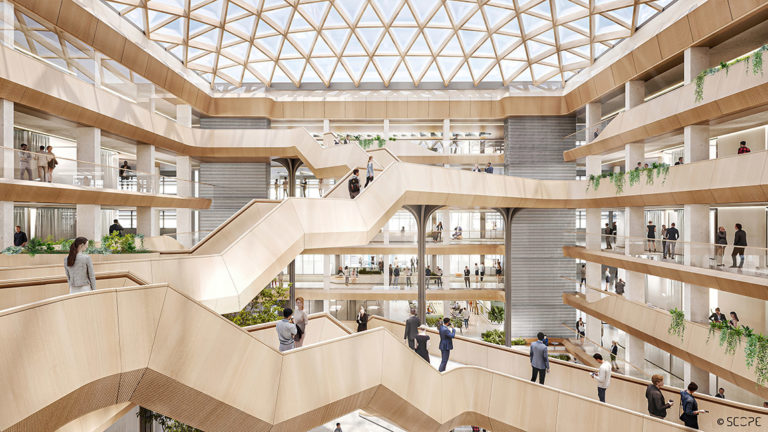
As an interdisciplinary firm specialising in architecture, interior and design, SCOPE Architekten takes a holistic approach, from the urban context down to the finest…
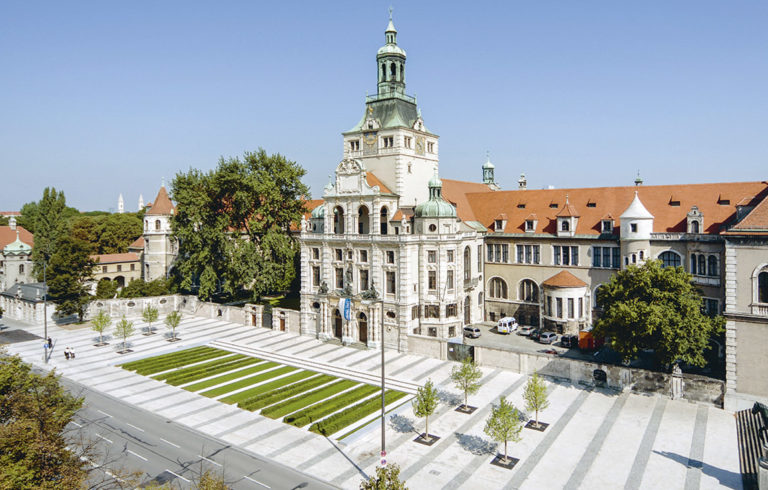
At Rainer Schmidt Landscape Architects, the site takes precedence and inspires a clear concept that is highly expressive, with its own identity and distinctive…
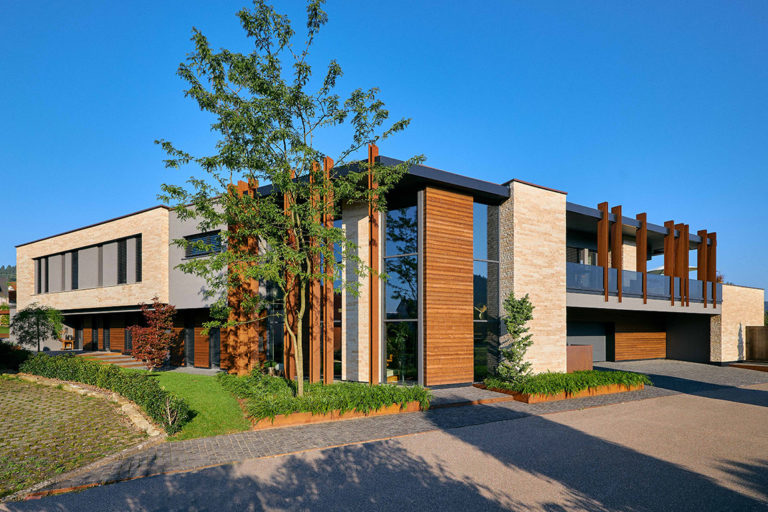
Jetter Architektur setzt auf zeitlose, ortsverbundene Villenarchitektur für Generationen – mit Herzblut, Leidenschaft und empathischem Blick auf die Bewohner*innen. „Bei uns stehen die späteren…
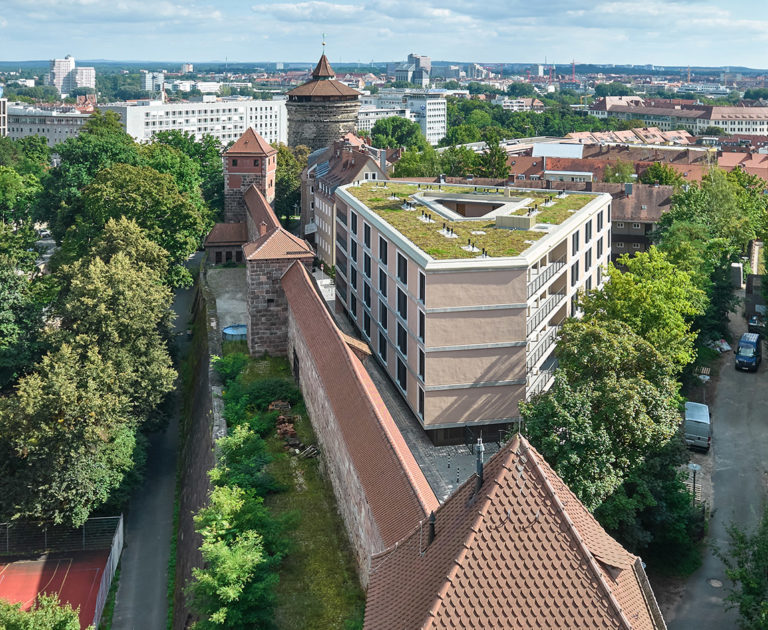
At Dömges Architekten, architecture emerges from the mindset and approach to the task at hand. Every project is shaped by its location, function, and…
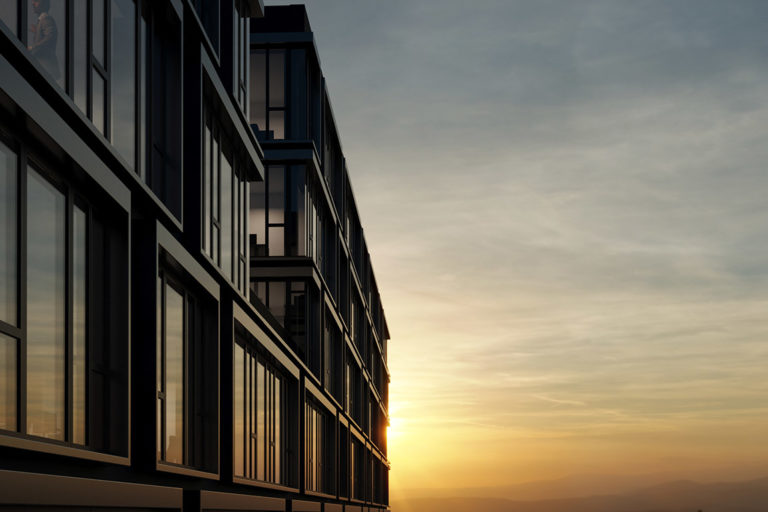
Munich-based OCHS SCHMIDHUBER Architekten designs spaces that strengthen businesses from the inside out. “For us, corporate architecture isn’t an aesthetic program – it’s a…
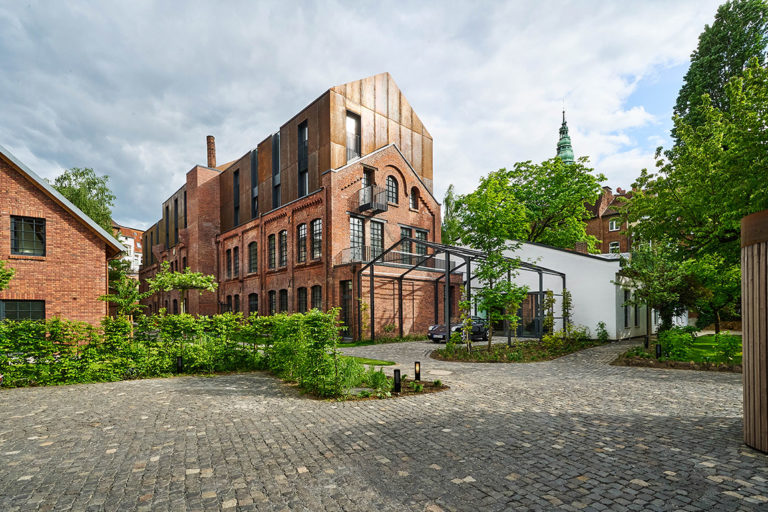
Hamburg-based Querkopf Architekten thinks out of the box, ensuring that its architecture closely reflects its visions and holistic attitude. “Our architecture arises from a…
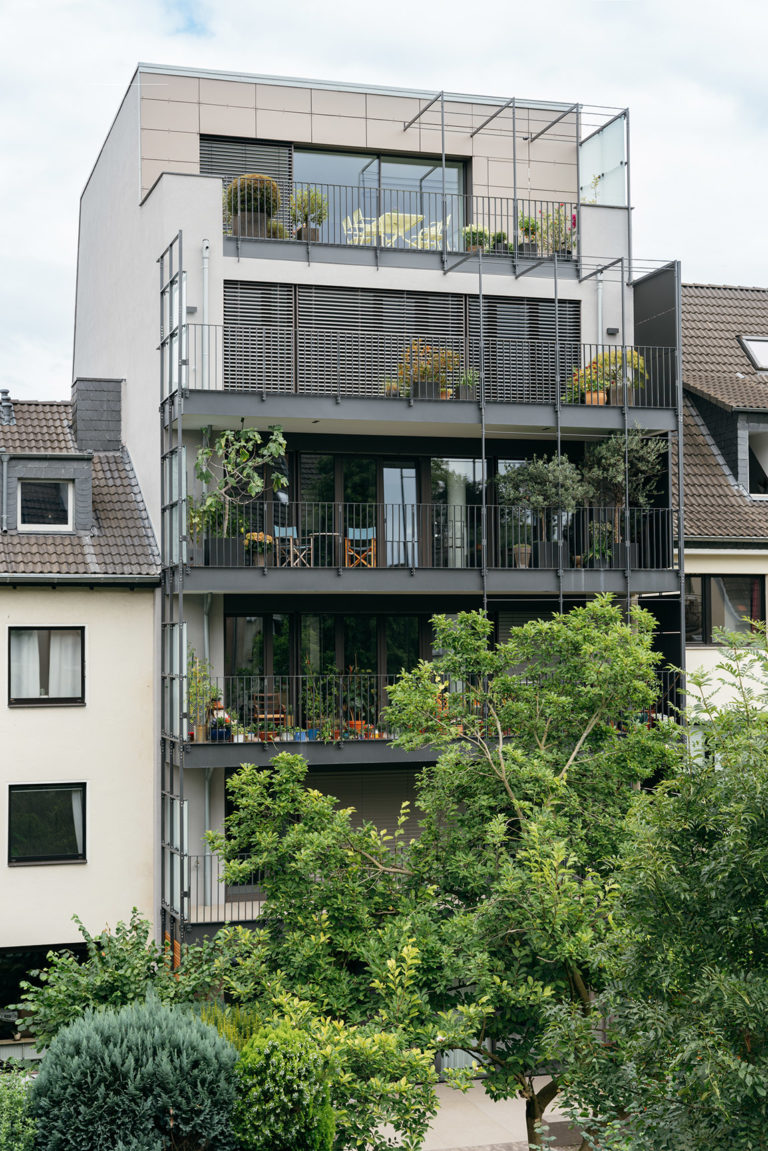
Die Kraus Planungsgruppe GmbH garantiert eine harmonische Balance zwischen Ästhetik und Funktionalität, Nachhaltigkeit und Wirtschaftlichkeit — bei gleichbleibender Qualität. „Wir setzen nicht auf aktuelle…
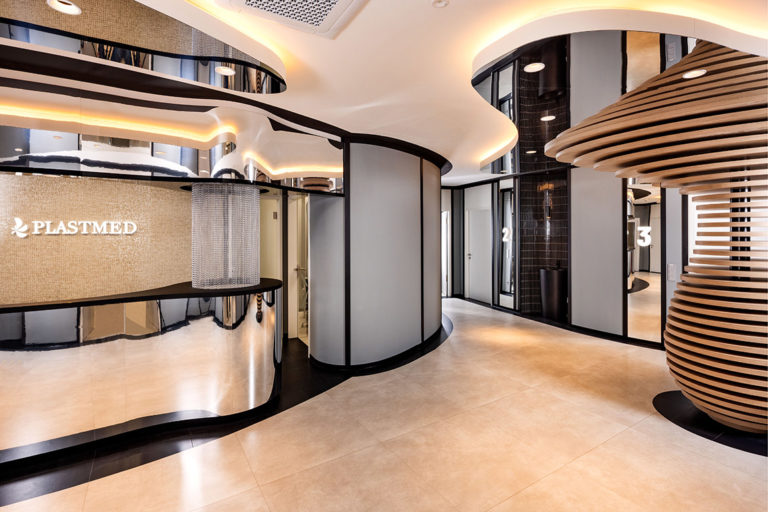
For a medical practice project in Düsseldorf’s Media Harbor, clinical precision and organic aesthetics were elegantly combined with a high standard of comfort. The…
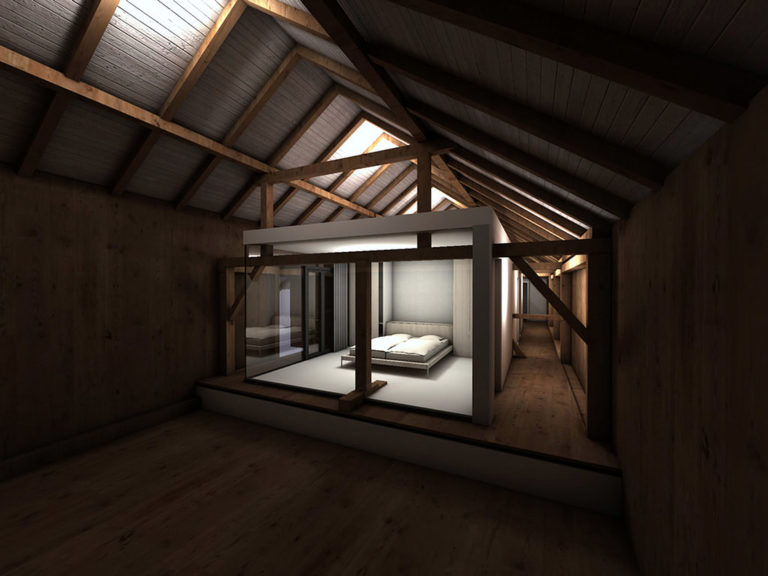
Architekturbüro Dengg creates individual solutions while preserving historical substance – for experiential architecture beyond a standardised form language. The office based in the Bavarian…
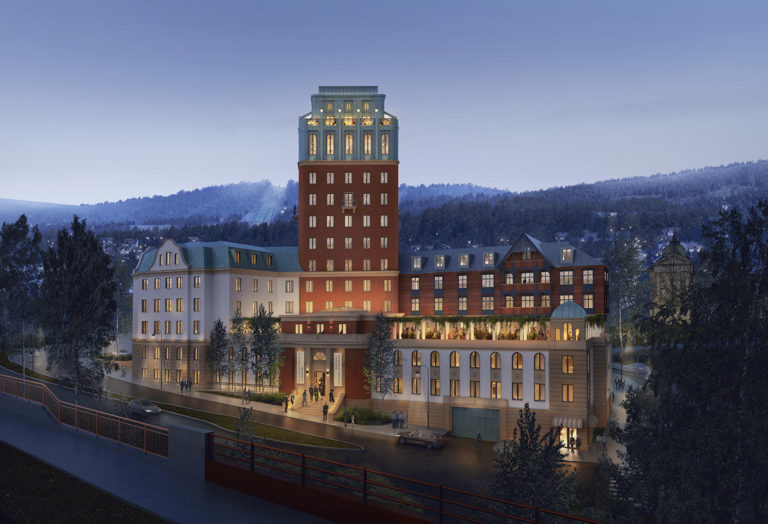
Patzschke Architekten stands for human scales and realising the harmonious proportions of classic, traditional architecture. “Since the early 1990s, we have consistently focused on…
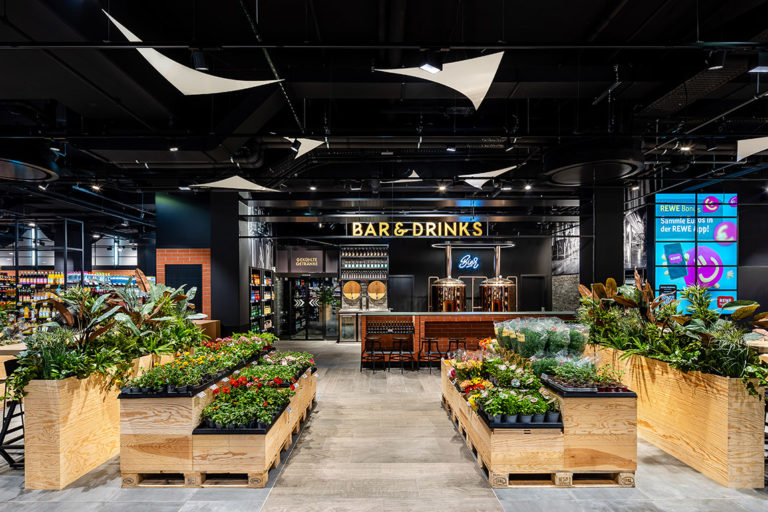
Kinzel Architecture creates experiential retail spaces that strengthen brands, promote customer loyalty, and specifically support sales. “We place the individual needs of our cus…
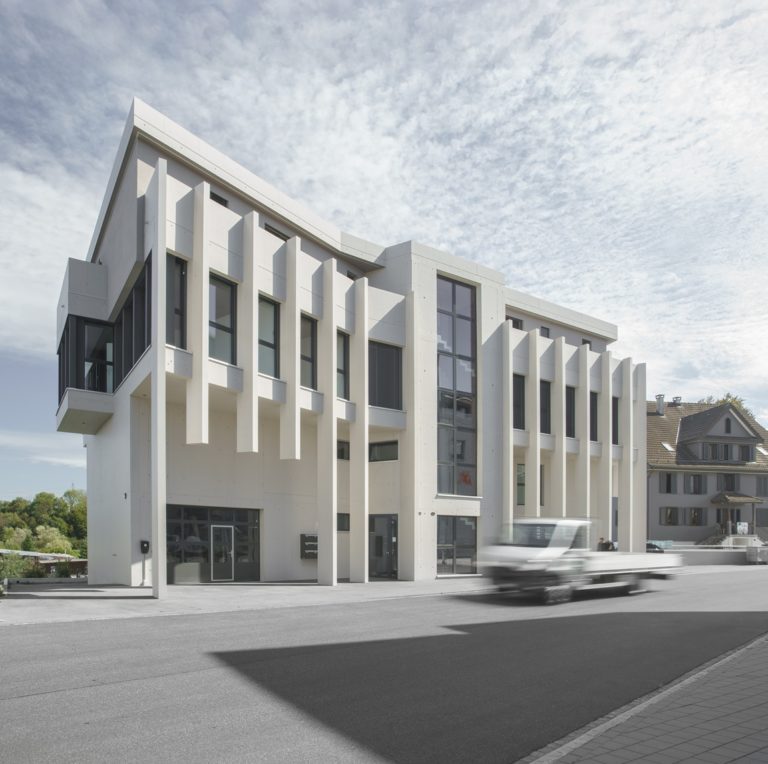
Whether as a design studio or as a client, Grobarchitekten projects are analysed in detail and depth, both in terms of innovation and space…
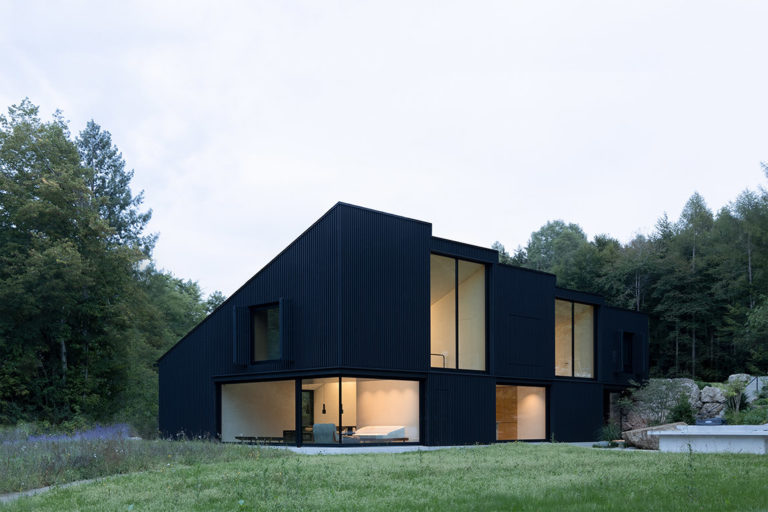
Appels Architekten schaffen Neubauten und Umnutzungen mit dem Ziel dauerhafter Schönheit, Nützlichkeit und Belastbarkeit — mit Auszeichnung. „Wir wollen dauerhafte und gern genutzte Gebäude…
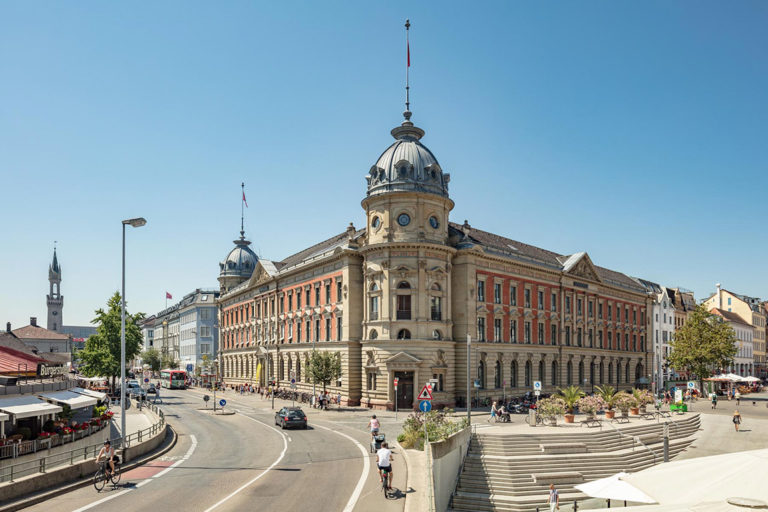
BWK.Architekten mit Sitz in Stuttgart steht für Architektur, die mehr ist als Gestaltung – sie ist Haltung. Das Büro hat sich auf die Transformation…
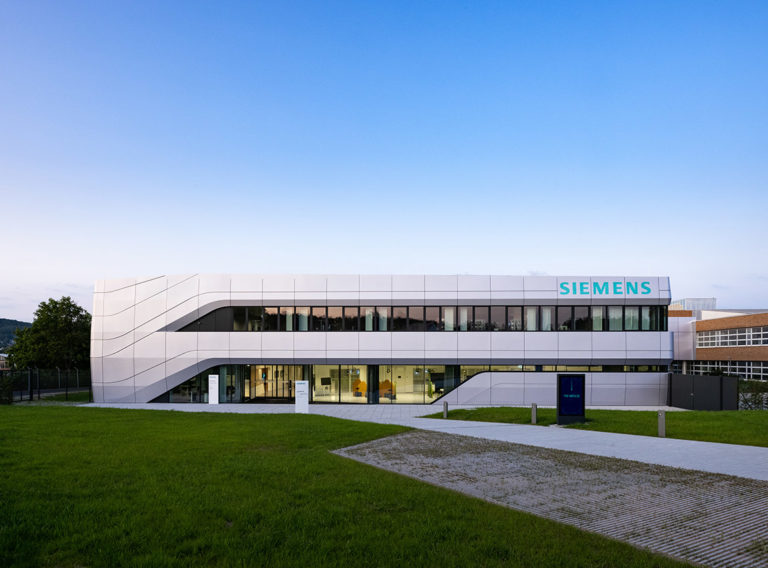
What does a building need to fulfil its purpose in 20 or 30 years? aib architects supports companies with fast-changing requirements – from production…
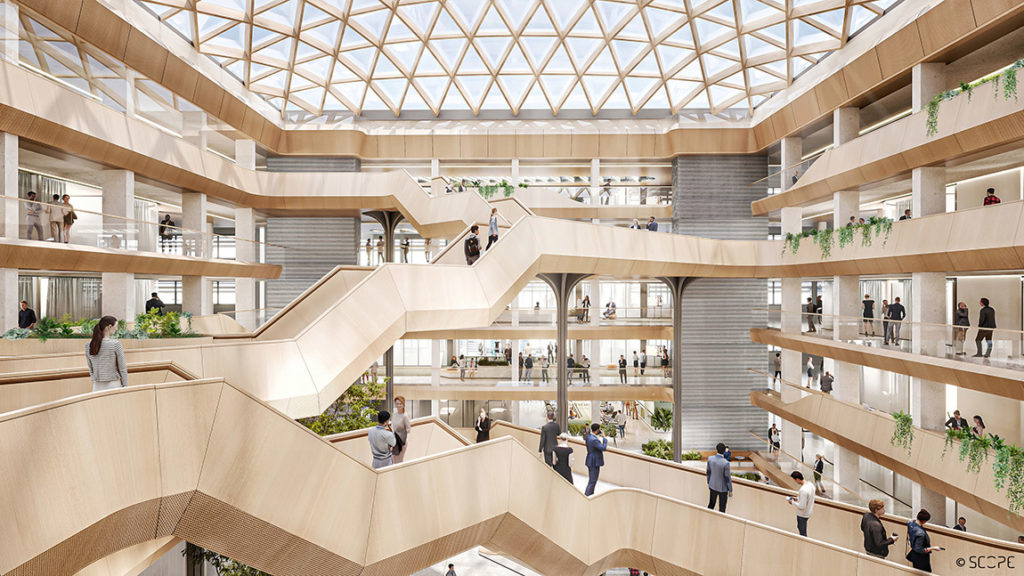
SCOPE Architekten's striking design for the SAP Campus features sweeping staircases, natural materials and a spectacular light-filled atrium. Created to encourage collaboration and connection, this innovative architectural concept places people at the heart of the working environment. Visualisation by SCOPE Architekten.
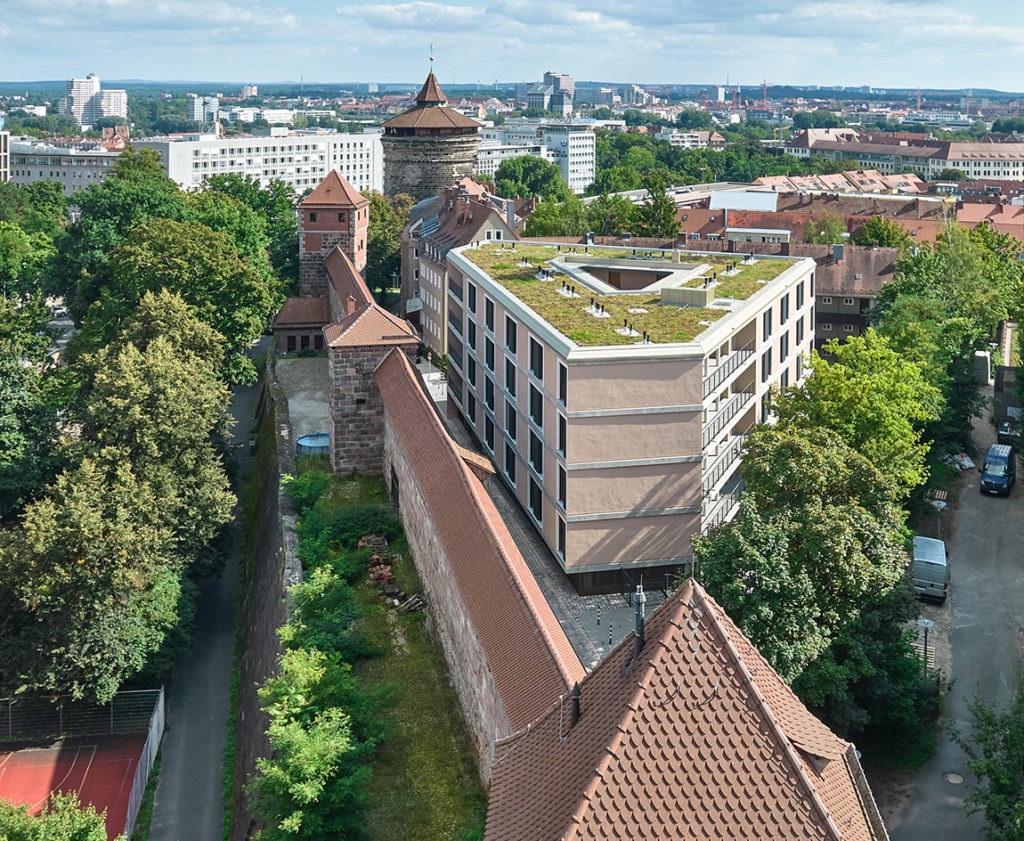
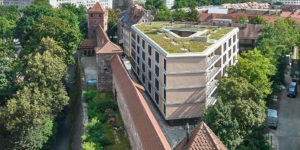
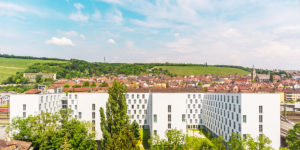
Dömges Architekten's Maxtormauer Student Apartments in Nuremberg bring contemporary living into dialogue with the city's historic fortifications. The carefully integrated building combines modern architectural lines and a green rooftop with respect for its historic setting. Photo by Jens Weber.
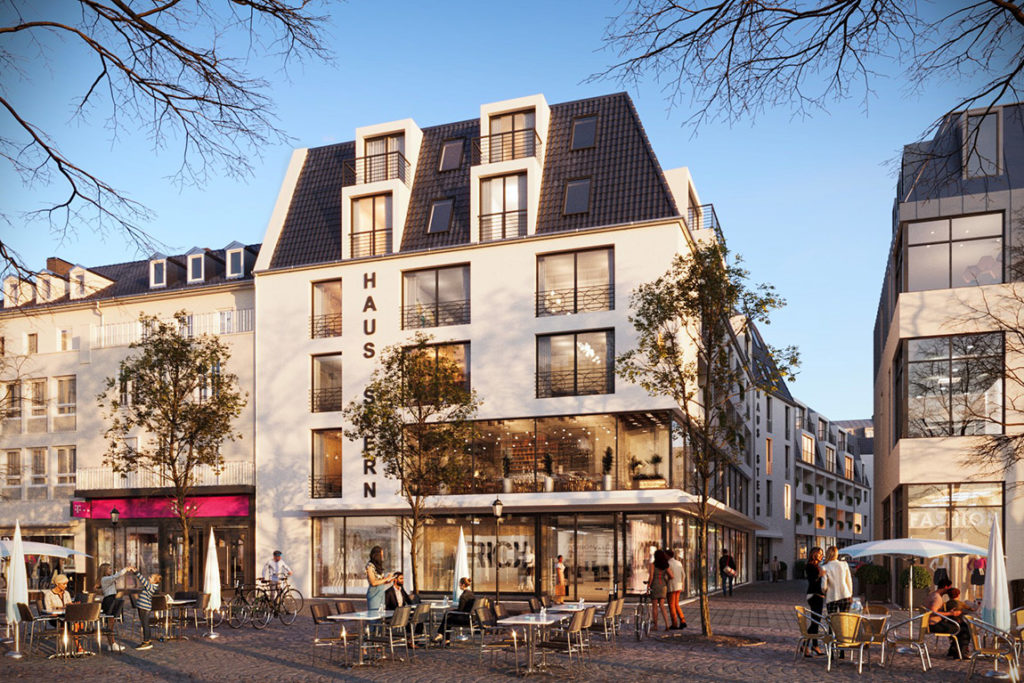
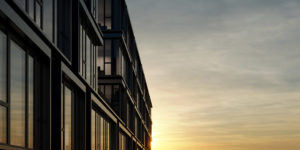
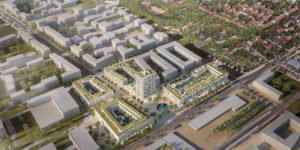
Kraus Planungsgruppe GmbH presents a contemporary residential and commercial development combining elegant architecture, accessible spaces and energy-efficient construction. The thoughtfully designed building reflects Germany's commitment to sustainable urban development and attractive city-centre living. Visualisation by RhineRender GmbH.
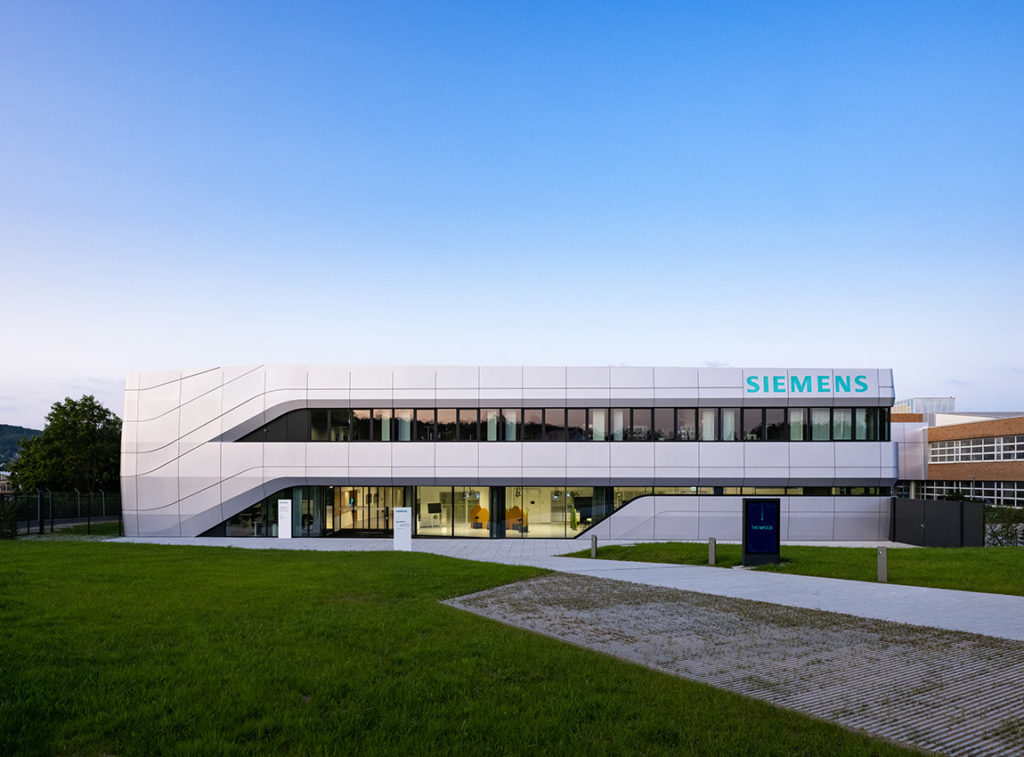
Designed by aib architects, Siemens' visitor centre 'The Impulse' combines striking contemporary architecture with elegant curved lines and a distinctive white façade. The innovative building reflects Germany's commitment to functional design and forward-thinking industrial architecture. Photo by Siemens AG, 2021/Manuel Kubitza.
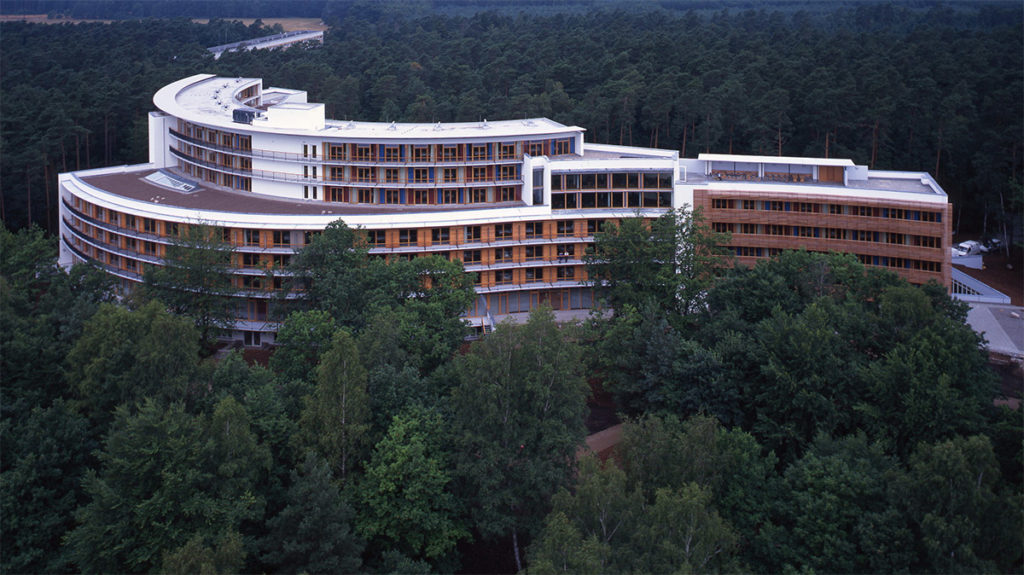
The sweeping curves of Müritzklinik hospital emerge from the surrounding woodland, showcasing architect Thomas Schindler’s thoughtful approach to contemporary design. Its distinctive form brings modern healthcare architecture into harmony with the natural landscape. Photo by Thomas Schindler.
German architecture is internationally recognised for its combination of innovative design, engineering excellence and respect for cultural heritage. From historic timber-framed buildings and magnificent Gothic cathedrals to pioneering modernist structures and contemporary sustainable developments, Germany’s architectural landscape reflects centuries of creativity and technological progress.
Today, architects across Germany continue to shape the built environment through residential developments, commercial buildings, cultural institutions and ambitious urban regeneration projects. The country’s strong traditions of precision, craftsmanship and technical innovation are reflected in an architectural industry that balances functionality, aesthetics and environmental responsibility.
German architecture cannot be reduced to a single style. Instead, its distinctive character emerges from the relationship between historical traditions, regional identity and progressive design.
Medieval towns with colourful half-timbered houses, grand Baroque palaces and imposing industrial buildings demonstrate the country’s architectural diversity. Cities such as Berlin, Hamburg, Munich and Dresden reveal different interpretations of this heritage, often combining carefully preserved historic structures with contemporary developments.
Germany also played a defining role in the development of modern architecture through the Bauhaus movement. Its emphasis on simplicity, functionality and the integration of art, design and technology helped transform architectural thinking internationally.
These principles remain influential, although contemporary German architecture encompasses everything from minimalist residential buildings to expressive cultural landmarks and innovative mixed-use developments.
An emphasis on thoughtful planning, efficient use of space and carefully considered materials continues to distinguish much of the country’s architectural work.
Germany has one of Europe’s most established architectural sectors, supported by a diverse network of independent studios, specialist consultancies and internationally active practices.
The industry encompasses residential architecture, commercial developments, healthcare facilities, educational buildings, hospitality projects and public infrastructure.
Many practices work closely with structural engineers, urban planners, landscape architects and interior designers to create comprehensive solutions that address both practical requirements and architectural ambitions.
The country’s engineering and manufacturing traditions have also encouraged close collaboration between architecture and technology. Advanced construction methods, innovative building materials and digital planning tools are increasingly important aspects of the design process.
Alongside major developments, smaller architectural studios play an essential role in shaping Germany’s towns and neighbourhoods, bringing individual attention to private homes, renovations and specialised building projects.
Together, these different areas of expertise contribute to an industry recognised for its technical capabilities and commitment to quality.
Sustainability has become a central consideration in contemporary German architecture, influencing everything from initial design concepts to material selection and long-term building performance.
Energy-efficient construction, renewable materials and intelligent building technology are increasingly integrated into residential and commercial developments.
Timber construction has attracted particular interest, while the renovation and adaptation of existing buildings offer opportunities to preserve architectural heritage while reducing the environmental impact associated with new construction.
German architects are also exploring flexible working environments, adaptable housing and more sustainable approaches to urban development.
Rather than focusing exclusively on new buildings, much contemporary architectural thinking considers how existing structures can be transformed to meet changing social, economic and environmental needs.
This balance between preservation and innovation is an important characteristic of Germany’s evolving architectural landscape.
Beyond individual buildings, architecture plays a fundamental role in shaping Germany’s cities and communities.
Urban regeneration projects increasingly seek to create attractive public spaces, improve connections between neighbourhoods and introduce new residential and commercial opportunities.
The relationship between architecture, landscape and everyday life is particularly important, with careful consideration given to natural light, green spaces, accessibility and the needs of building users.
From revitalised industrial districts to contemporary residential communities, German architecture demonstrates how thoughtful design can contribute to more appealing and functional environments.
Discover Germany explores this fascinating industry through its extensive coverage of architecture and design, highlighting the creative approaches, innovative projects and architectural ideas shaping Germany’s built environment.
Are you a fan of Germany, Switzerland and Austria? So are we! Sign up to our newsletter now to stay up to date on the most exciting news, events and destinations.