Cornelia Brelowski: Real people – the complex pattern of citizens that forms Berlin
TEXT: CORNELIA BRELOWSKI
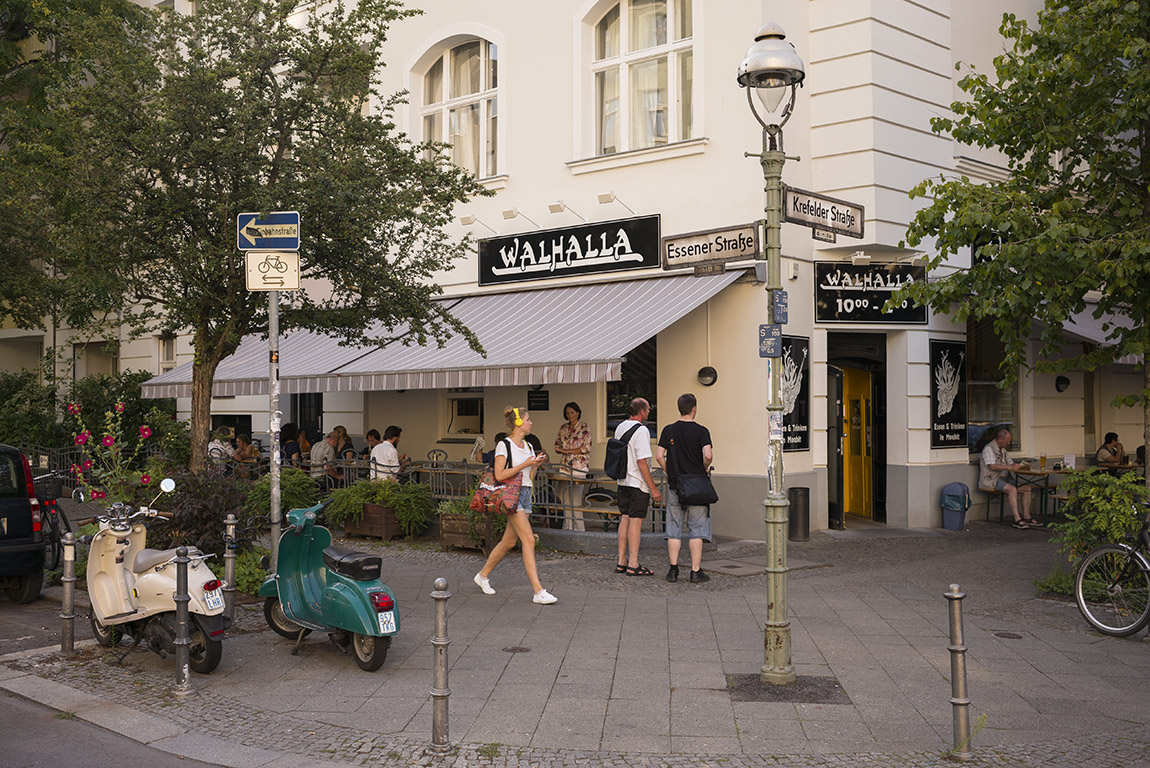
Moabit, former working-class borough. Photo: © visitBerlin, Lukas Larsson
Most journalists have to do side jobs to balance out the irregularities of a freelancer’s life. Here, they are called Minijobs, and you can do them on a long- or short term basis as needed.
One of those Minijobs has recently brought me insights into the various communities that together weave the unique pattern this town is made of. I will not disclose too much about the job itself – in short, it helps people in extreme situations with everyday chores. They exist at all levels of society, but the majority lives their twilight years alone in small flats. My first client was an elderly lady who looks back on a fulfilled life with her deceased husband who, as she puts it, “drove the big yellow ones.” The big yellow ones are Berlin’s public city buses. Always curious about a Berliner’s history, I asked her about her childhood in post war-Berlin and it turned out that after 1945, her family of seven lived in a Datsche for several years – a small allotment garden house, often the only structure left to a family after the carpet bombings. My client’s Datsche was cold and damp and afforded her a chronic lung condition. She still sees her life as blessed, through to the humble beginnings.
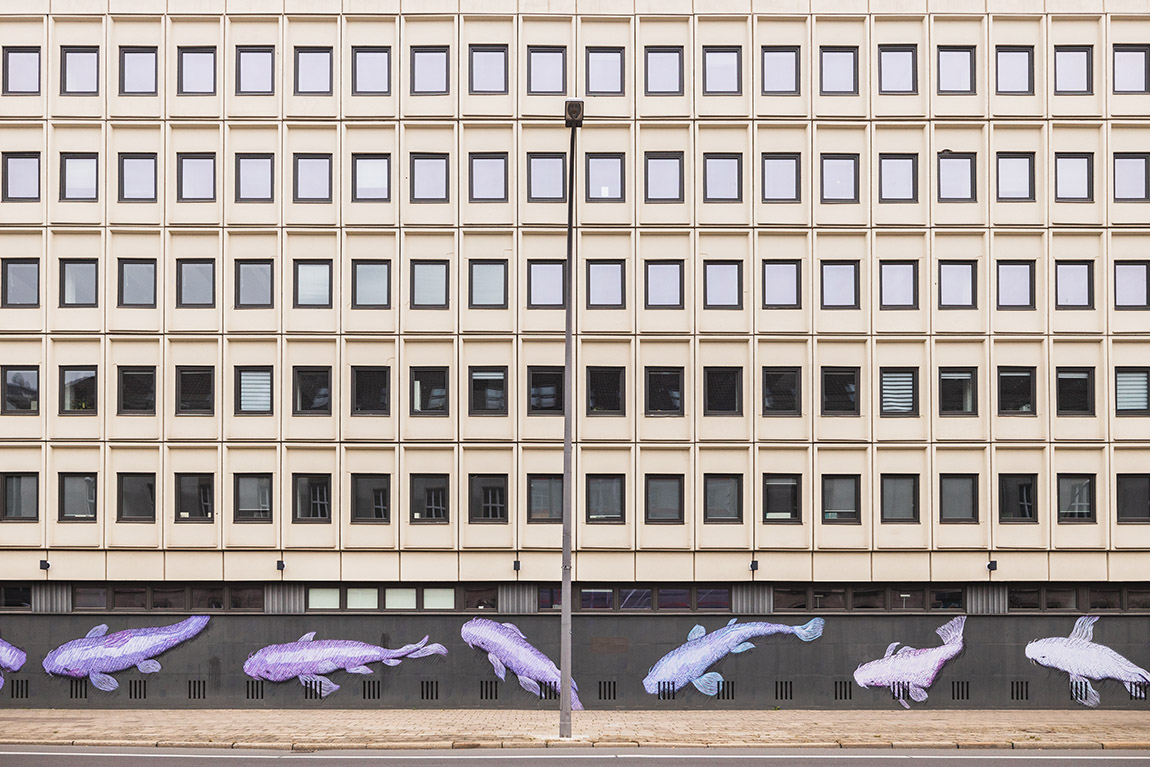
Murals, Klosterstrasse. Photo: © visitBerlin, Chris Martin Scholl
Another client has just been through a heart operation and lives in a tiny studio flat (Einraumwohnung) with a small balcony. Though living in one of the council estates of a large North Berlin housing association, he enjoys an astonishingly nice view of a church surrounded by greenery. The view is quite fitting: this client has spent years living and working in a Greek monastery. Among other things, his humble dwellings therefore reveal a good taste in icons. “I’m content with my life,” he told me on my last visit, echoing the widow’s statement from above. He cannot afford a tip, but I got chocolate the last time, and this time I went home with two bars of herbal soap. On my first visit though, he insisted on giving me an orthodox medallion. It humbles you.
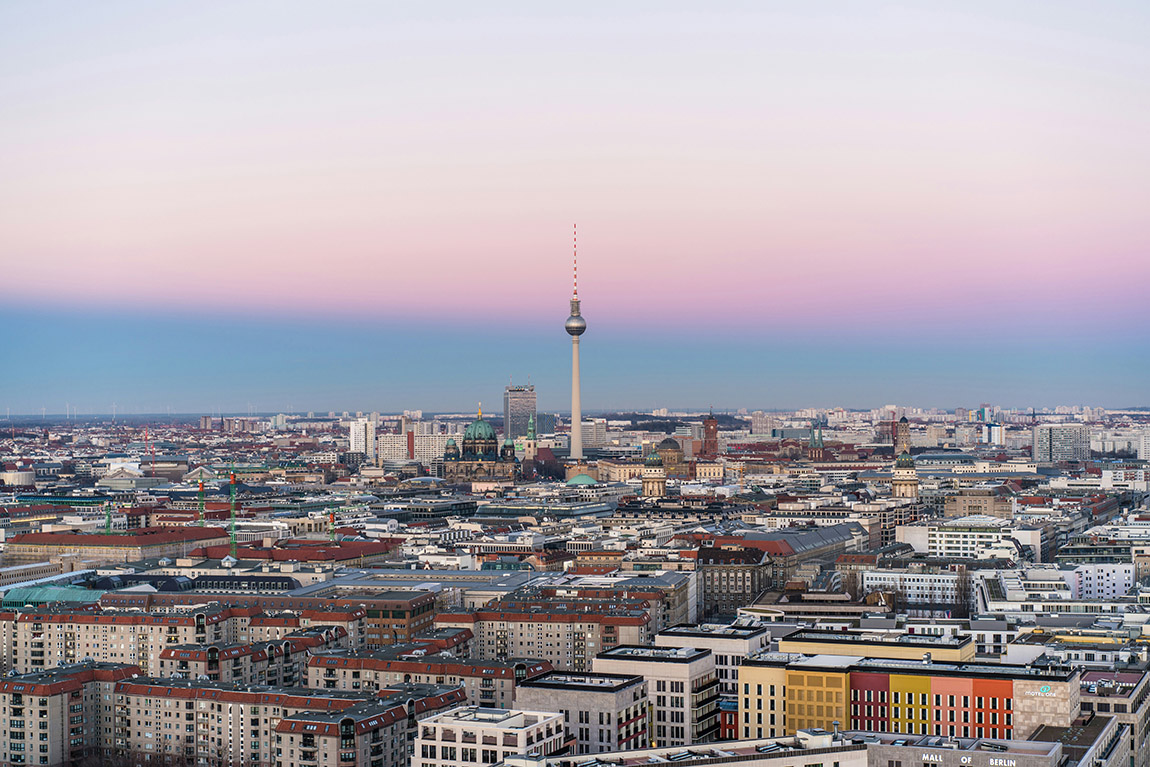
Pattern of a City. Photo: Jonas Tebbe, Unsplash
Then, there is the new middle class of the hip quarters such as Prenzlauer Berg and Mitte. Here, the vulnerable part can be a sick child or a stressful family situation after a hospital stay. These families usually live in big apartments in charmingly restored Gründerzeit buildings – well-equipped, but with more than enough work to do. In short, it is like stepping from one world into another on a daily basis – and realising how much we all exist in a bubble. I therefore urge the curious visitor to veer off the trodden paths sometimes – which can simply mean to explore a side street or to get off one subway station before your original destination. Pop into a real Späti (a neighbourhood shop open till late – please avoid the tourist fakes) or the next Schultheiss pub (see above) for a cheap coffee, beer or sandwich – and listen to the neighbourhood chat. The real Berliner is not far from where you are standing!

Photo: Coline Mattée

Subscribe to Our Newsletter
Receive our monthly newsletter by email