Cornelia Brelowski: Date with the city: Berlin’s constant ability to surprise
TEXT: CORNELIA BRELOWSKI
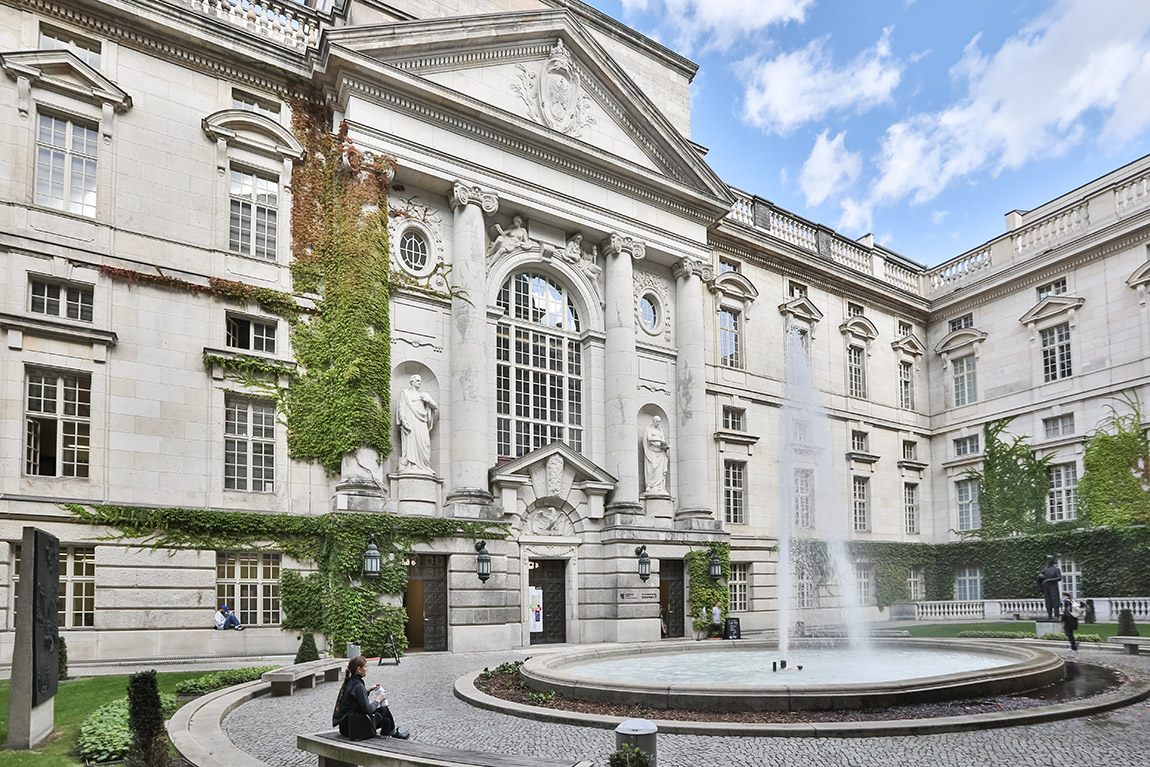
Staatsbibliothek, Brunnenhof, Haus Unter den Linden. © Stabi Berlin, Photo: nilo – Agentur für Fotografie
Today I took some time off for what I call a date with my city, something I can recommend to all those destined to spend their lives in a metropolis – because there’s always a detail you may have missed and the next surprising view or place can be around the corner.
It’s been a bright sunny morning, so I decided to leave the desk, jump on my bicycle and explore some hidden highlights. First of all – in a city, where you can nowadays easily spend up to €16-22 on a museum ticket, I’m a big fan of free, well curated exhibitions (who wouldn’t be). So here’s my first tip – and the first stop of today’s date with the city: Staatsbibliothek, or Stabi to the devoted Berliner.
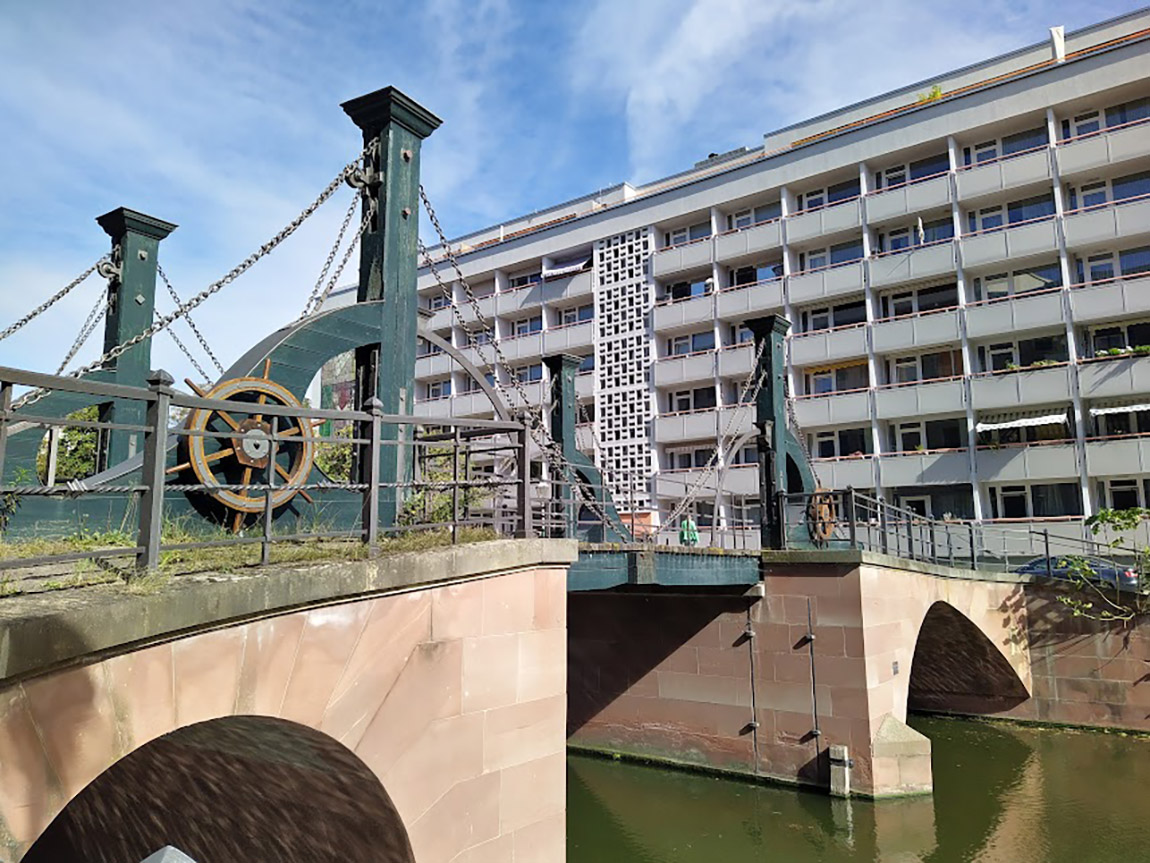
Jungfernbrücke, the oldest preserved bridge in Berlin. Photo: Cornelia Brelowski
Mind you, there are two Stabis: one is the historical building situated at Unter den Linden, the other the postwar modernist building by Hans Scharoun at Potsdamer Platz. Both feature free exhibitions covering Berlin’s colourful history. Today, I went to the old Staatsbibliothek, an imposing building in the historical part of the city. The current exhibit Berlin on Camera, running until end of December, is a detailed tour through the past 100 years of press photography in both parts of Berlin. With the pre- and post WW II features being especially interesting, the exhibition is also covering a comparative stretch of East and West press photography styles, including the famous Ostkreuz school. The exhibits feed on the bpk photo archive for historical photography, which is part of the Staatsbibliothek library.
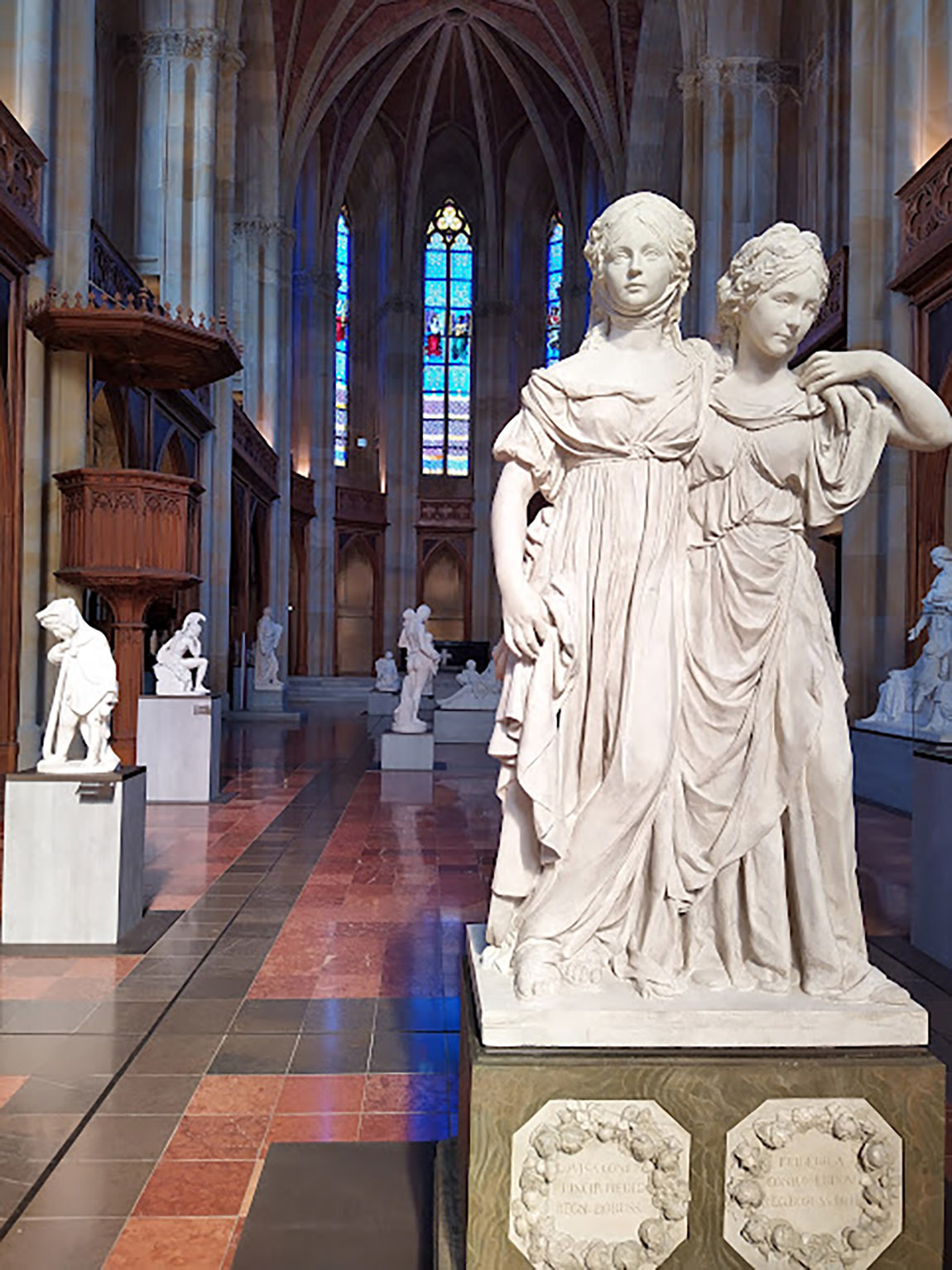
Friedrichswerdersche Kirche Berlin. Photo: Cornelia Brelowski
Back on the bike, I moved on towards Alexanderplatz for a bit and then turned right at the Spreekanal just past Bebelplatz. This little stretch (for cyclists only) took me to Werderscher Markt and the Friedrichswerdersche Kirche (finished in 1830), which had long been on my bucket list. It’s a delicate, visionary example of Karl Friedrich Schinkel’s interpretation of gothic revival, built almost entirely in red brick. Set in close vicinity to the neoclassicist Altes Museum (also by Schinkel), it’s of no surprise that this church was eventually turned into an exhibition space itself – which it has been ever since 1987, also serving as an annexe for the Old National Gallery. It currently exhibits an exquisite selection of sculptures from the Gallery’s collections, including the popular double sculpture of Prussian princesses Luise and Frederike, created in 1795 by Johann Gottfried Shadow. The church’s architect Karl Friedrich Schinkel (1781–1841) lives in my heart, because he practically built half of historic Berlin (the rest was built by his scholars) and is considered a trailblazer for modern architecture.
I’m running out of space, but let me add that on exiting the church, I found a quiet cycling path by the canal called Unterwasserstraße (translates as under water street) – and promptly came across the oldest preserved bridge of Berlin: the partly wooden Jungfernbrücke was originally built around 1688, restored in 1798 and is a double leaf bascule bridge, which means that the middle part opens like a clamp when a ship wants to sail through. Wishing you Ahoy! for your own date with the city.

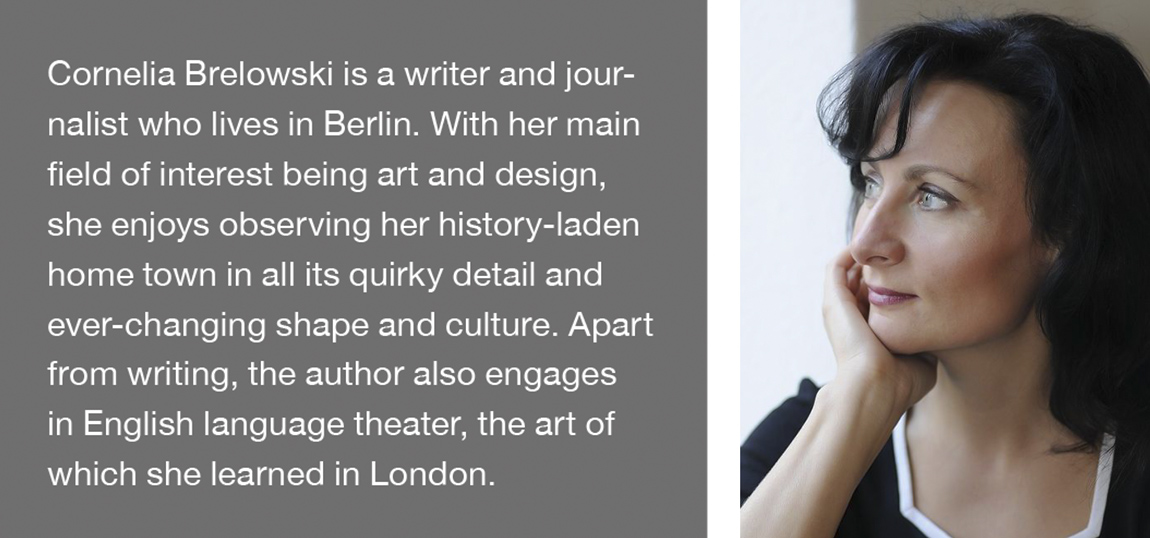
Photo: Coline Mattée

Subscribe to Our Newsletter
Receive our monthly newsletter by email