Ticino: The taste of tradition
TEXT: NANE STEINHOFF
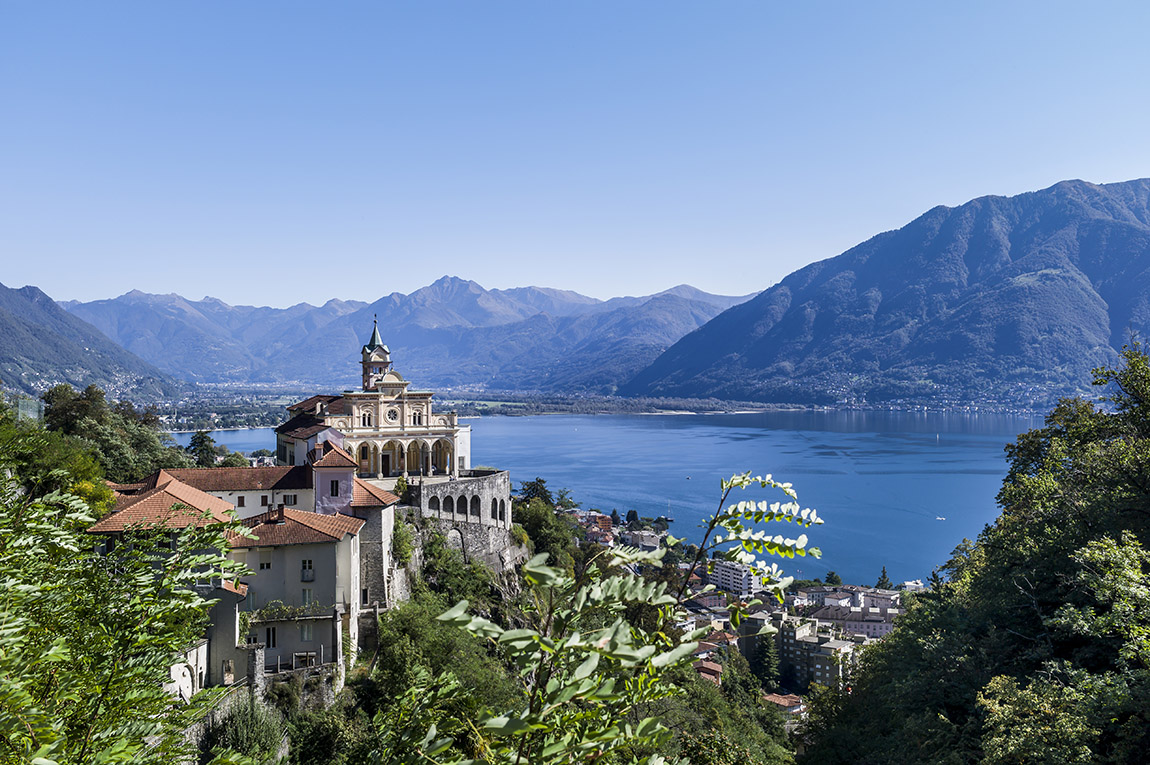
Sacro Monte della Madonna del Sasso sits perched above Locarno and Lake Maggiore. Photo: Alessio Pizzicannella / Ticino Turismo
In Switzerland’s Italian-speaking south, Ticino’s identity is served at the table: in alpine cheeses, chestnut cakes, polenta, honey, Merlot and grappa. Travelling between lakeside towns, grotti, vineyards and small family producers reveals a canton where landscape, tradition and flavour remain inseparable.
To travel through Ticino is to follow a network of small producers, inherited skills and flavours that shape the canton. Viticulture runs deep here: Merlot, introduced in 1906, now makes up around 75 per cent of the region’s grape varieties, while grappa carries the same tradition into a distilled form. Together, they reveal a culture built on technique, passion and a profound love for the land.
When I arrived in Zurich at the end of April, Switzerland announced itself before I had even touched down. From the plane window, Lake Zurich flashed silver, snow still clung to the mountains, and below, villages, forests and rapeseed-yellow fields formed a bright patchwork. It was the kind of view that makes a destination feel instantly familiar and entirely new at once. But this journey was not only about scenery. I had come to follow Switzerland south into Ticino, where the country takes on an Italian rhythm and wine, grappa, grotti and family-run producers tell a story as layered as the landscape. By train, bus, car and on foot, I would move from lakeside towns to vineyard-rich hills, meeting the people who bottle the region’s character and tasting Switzerland’s southern canton’s traditions.
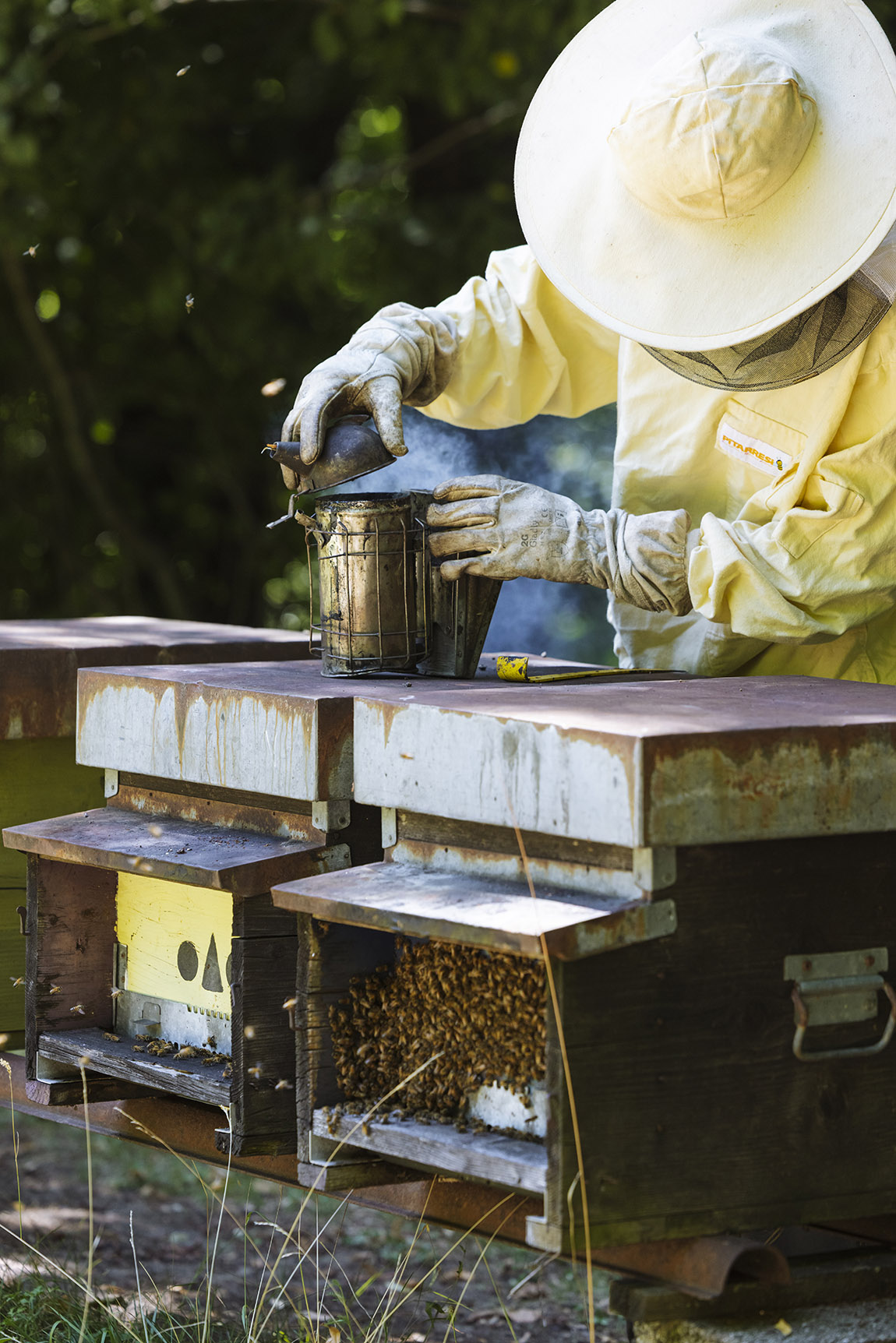
Azienda Agricola Bianchi cultivates and produces wine with full respect for nature. Photo: Azienda Agricola Bianch
My culinary route began on the train from Zurich to Lugano, a journey of just under two hours that felt like a quiet crossing between two Switzerlands. Outside the window, lakes, valleys, tunnels and snow-capped mountains gave way as the country’s German-speaking north shifted towards its Italian-speaking south. By the time Lugano came into view, framed by its lake and the Lugano Prealps, Switzerland showed its Mediterranean side as it is situated close to Como and not far from Milan.
From Lugano, the arrival into Paradiso felt effortless, helped by the Ticino Ticket, which gives overnight guests at participating accommodation free public transport across the canton. Here, my base was Bigatt Hotel & Restaurant, above the Gulf of Lugano, where the special view is only part of the story. Set in a restored historic property with gardens, orchards, olive trees and vineyards, the hotel operates as a social enterprise promoting professional integration, while its restaurant focuses on seasonal produce, regional ingredients and local wines.
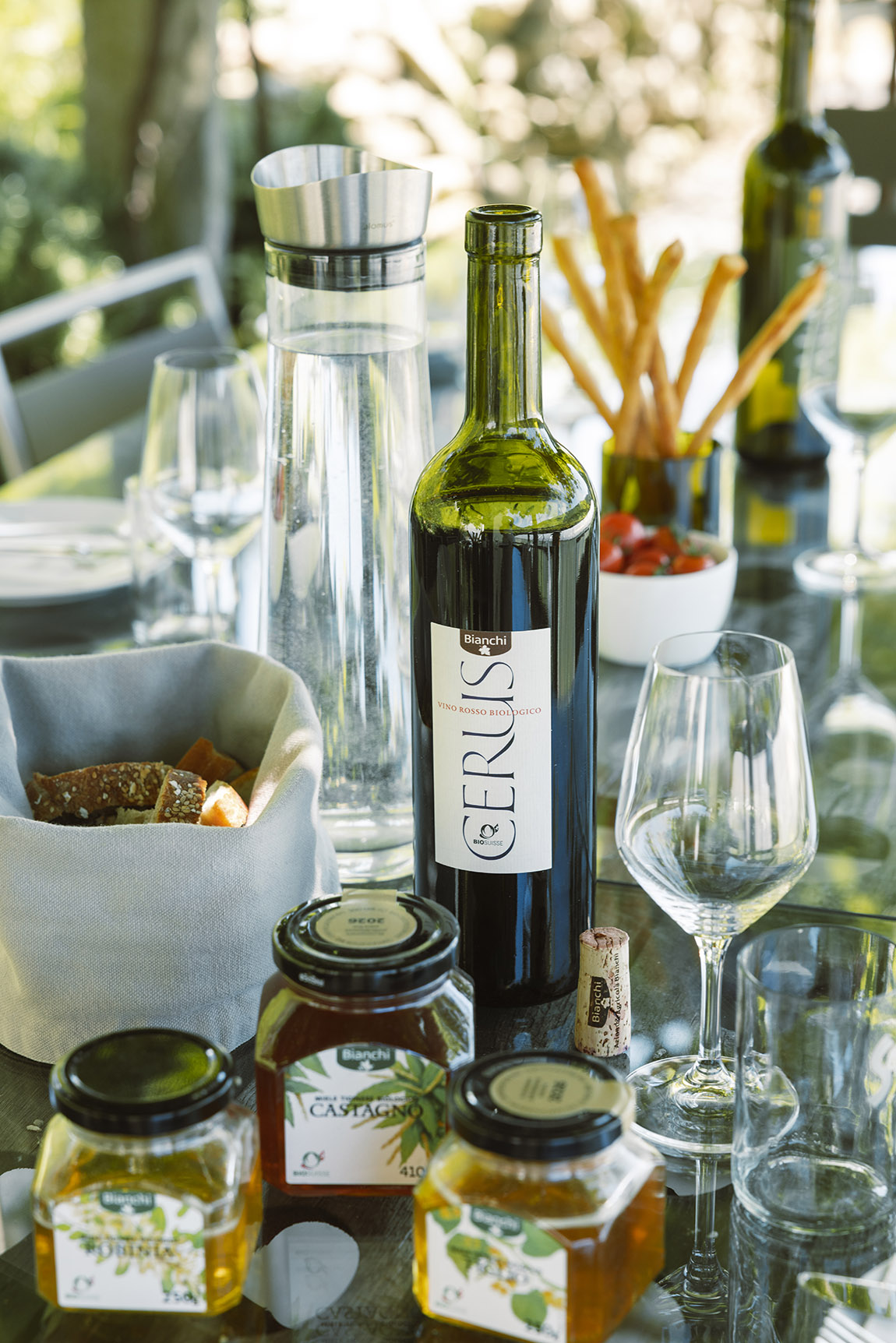
Photo: Azienda Agricola Bianch
Swiss poise, Italian tempo
Lugano itself rewards slow exploration with arcaded streets, café terraces, lakefront promenades and mountain views. Its green heart is Parco Ciani, where palms, magnolias and manicured lawns soften the urban edge. From there, Lugano’s appeal becomes clear: elegant without feeling remote, polished without losing warmth, and deeply tied to the pleasures of the table, from espresso and gelato to risotto, Ticino Merlot and polenta in a traditional grotto.
Grotti were traditionally cool stone cellars or natural caves used to store wine, cheese and cured meats. Today, many have become rustic taverns in woods, beside rivers or overlooking lakes, loved for granite tables, unhurried service and menus rooted in local produce. More than restaurants, grotti are social places that are informal, seasonal and deeply local. For me, that tradition came into focus at Grotto Morchino, just next to my hotel. Dating back to the 19th century, it still trades on the essentials that make these places so beloved: a characterful setting, regional cooking and an atmosphere removed from the city. Dinner was simple in the best sense as I ordered a minestrone built around local produce, followed by risotto with seasonal wild garlic and Alpine cheese.
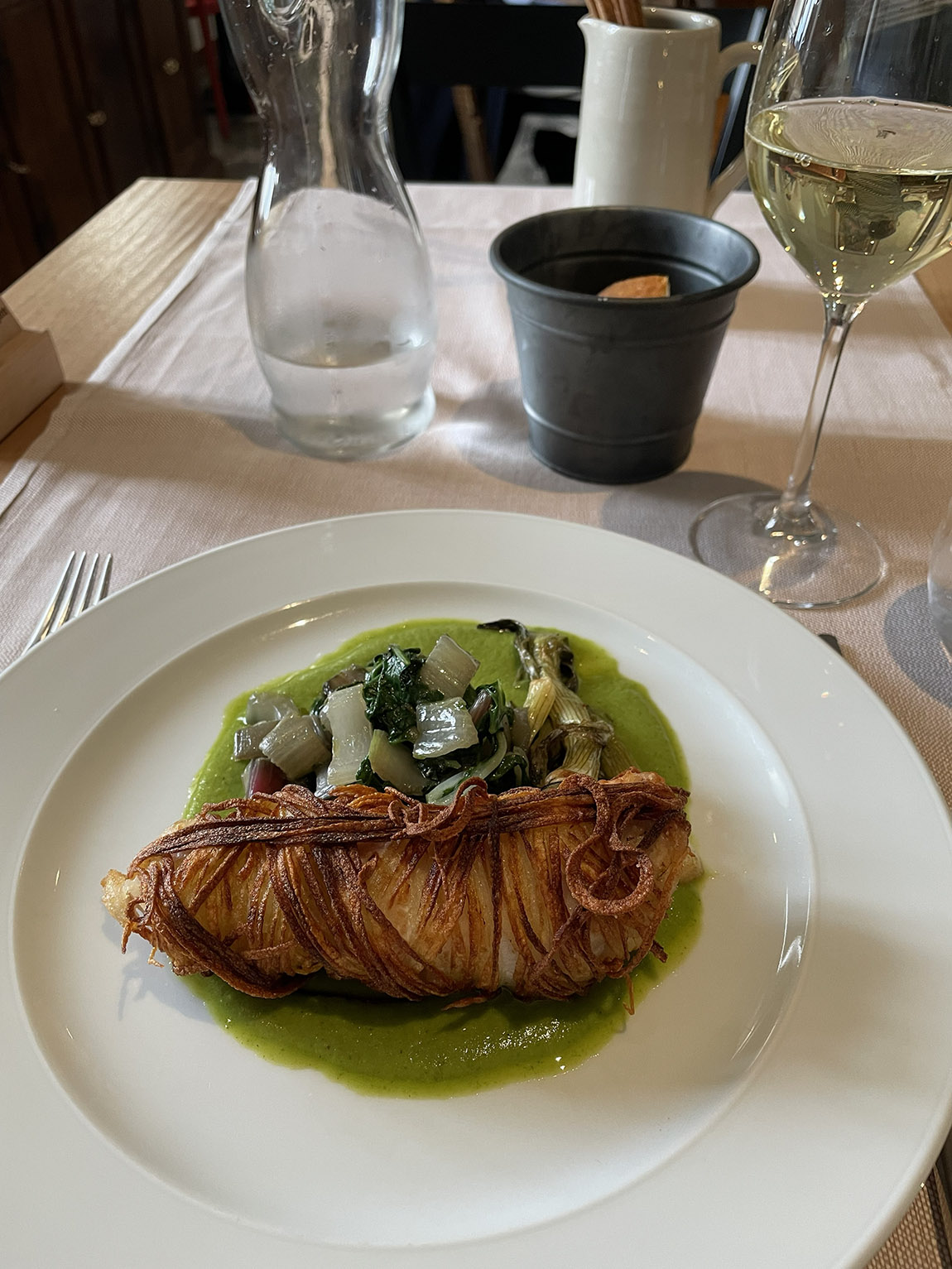
The Bigatt Hotel & Restaurant uses seasonal produce and regional ingredients. Photo: Nane Steinhoff
To understand that same rootedness in liquid form, I travelled to Losone, where Vini & Distillati Angelo Delea has shaped Ticino’s wine and grappa culture since 1983. Meeting commercial director Enrico Grisetti offered a glimpse behind a family-run producer that has grown from Angelo Delea’s original vision into a team of more than 40 people, still guided by Angelo and his sons David and Cesare. Tradition and innovation sit side by side here: 20 hectares of vines and around 200 growers supply award-winning wines, while grappa is more than an afterthought at Delea, with some matured in barrels for seven to 12 years. Grisetti described the result as round and soft, even with its alcoholic strength, and called grappa “a very interesting product.” “For years, we have tried to bring new products to the market,” he said — a philosophy visible across the operation.
In Ticino, grappa carries history especially clearly. Made not from grape juice but from vinaccia — the skins, seeds and pulp left after winemaking — it began as a spirit of thrift, transforming waste into something warming and domestic. For generations it was both digestivo and household remedy, kept in cellars for coughs, stomach troubles, muscle aches and, in rural memory, even medicine for cows. Before licensing rules changed the practice, mobile stills travelled between wineries after harvest, turning fresh pomace into a strong, clear spirit. Today, official distilleries have refined the process, but the old idea remains: grappa ensures the grape’s story does not end with wine.
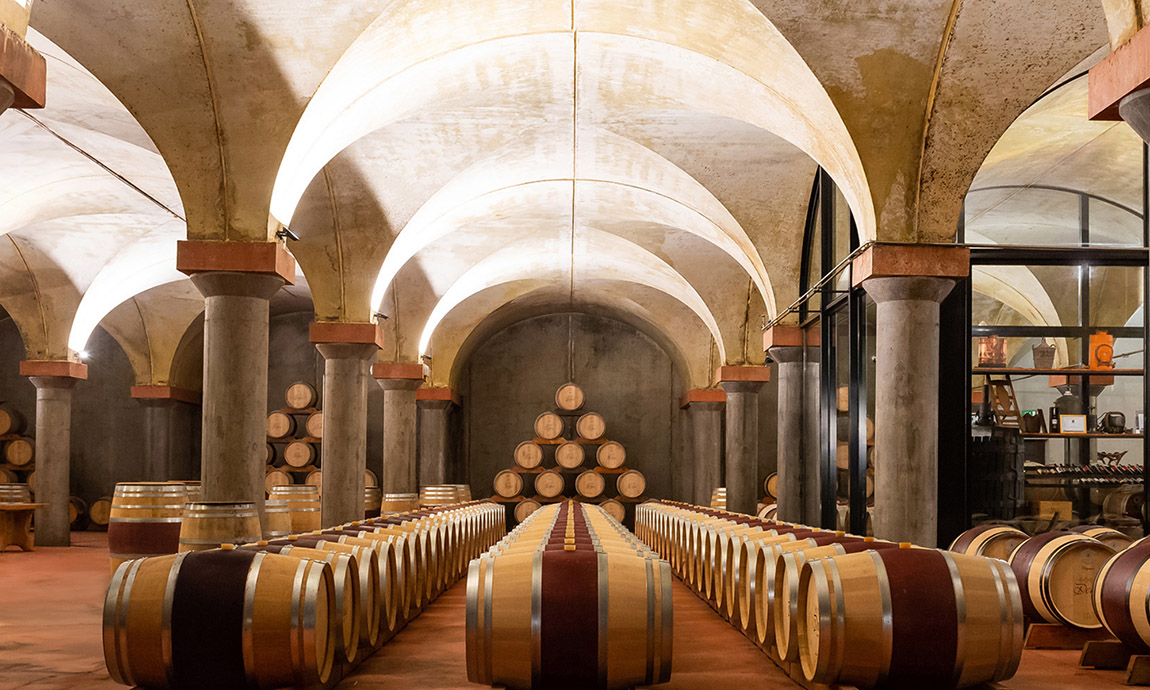
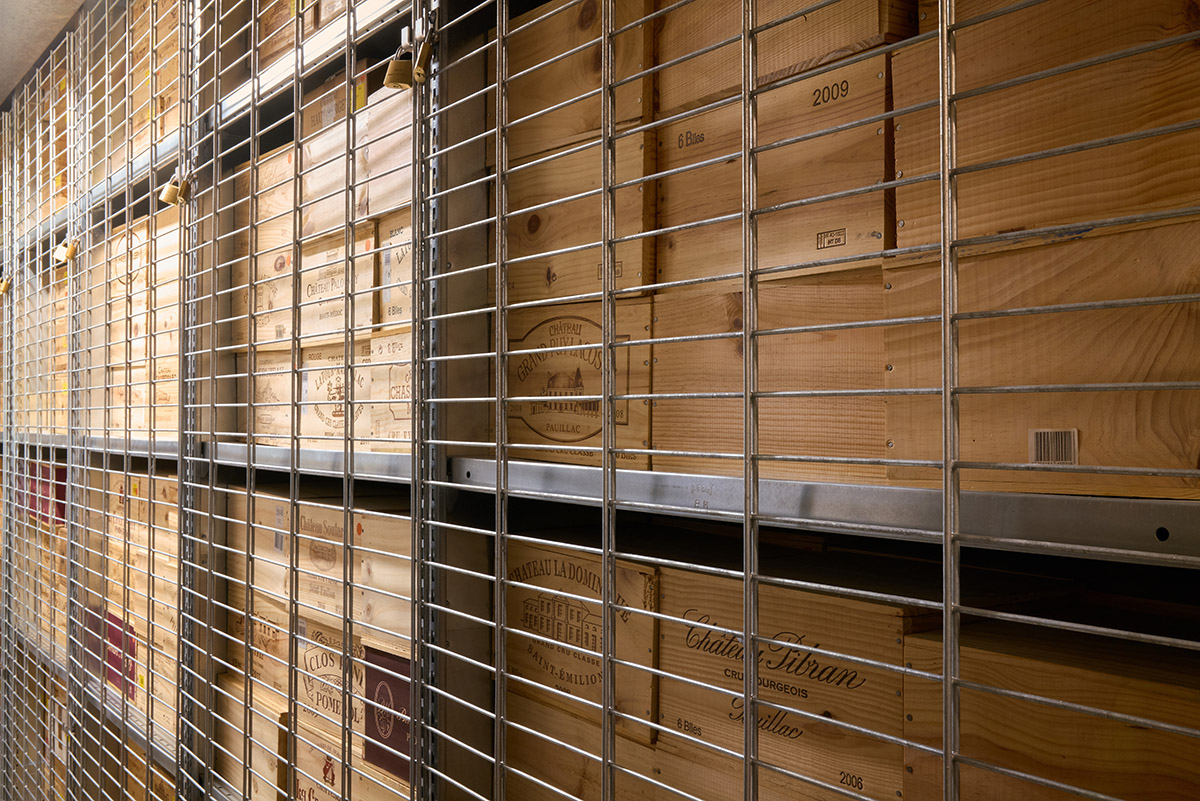
Delea’s wine cellar. Photo: DELEA Angelo SA
That idea of nothing being wasted followed me to Arogno, where Azienda Agricola Bianchi offered a quieter vision of Ticino’s future. If Delea showed scale and polish, Bianchi revealed another side of the canton’s wine culture: small, organic, inventive and committed to working with nature. Founded in 1998 by the Bianchi family, the estate is described as Ticino’s first BioSuisse-certified winery, built on respect for nature and biodiversity.
Tiziana, who showed me around, explained the estate as a living system in which vines, aromatic herbs, olive trees, beehives and animals all play their part. “It increases the biodiversity in the area,” she said. Chickens and geese help keep the grass down while returning nutrients to the soil. “They eat the grass and fertilise the soil at the same time,” she explained. Here, sustainability is not marketing language, but an everyday chain of practical, circular decisions. The Bianchi range reflects that whole-farm approach. The estate vinifies its own organic grapes, produces honey from more beehives, and makes distillates including grappa. It also produces Sambì, a semi-dry sparkling drink made from elderflower fermentation and presented as an homage to a traditional Ticinese drink nicknamed the “Champagne of the poor.” Even the by-products have a place. “Everything is used,” Tiziana added, describing grappa as “a great example of a circular economy process.”
There is expertise behind the ease. The family business was founded by Marcy and Alberto Bianchi, with the next generation now helping carry it forward; Martino works as winemaker and Gabriele, who studied and worked in Champagne, brings knowledge of metodo classico sparkling wine. “If you knew Gabriele, he’s a volcano of ideas,” Tiziana smiled. In the cellar, intervention is measured because too much can remove “a little bit of the taste and the character.” Wine, Tiziana said, is “a living organism and we don’t want to stress it.”
For visitors, Bianchi translates that philosophy into experiences like garden picnics, tastings, summer events and a biodiversity garden that turns the farm into an open-air lesson in how agriculture, hospitality and landscape can support one another. What made Bianchi compelling was its clarity. “For us, it’s really just bio or nothing,” Tiziana said.
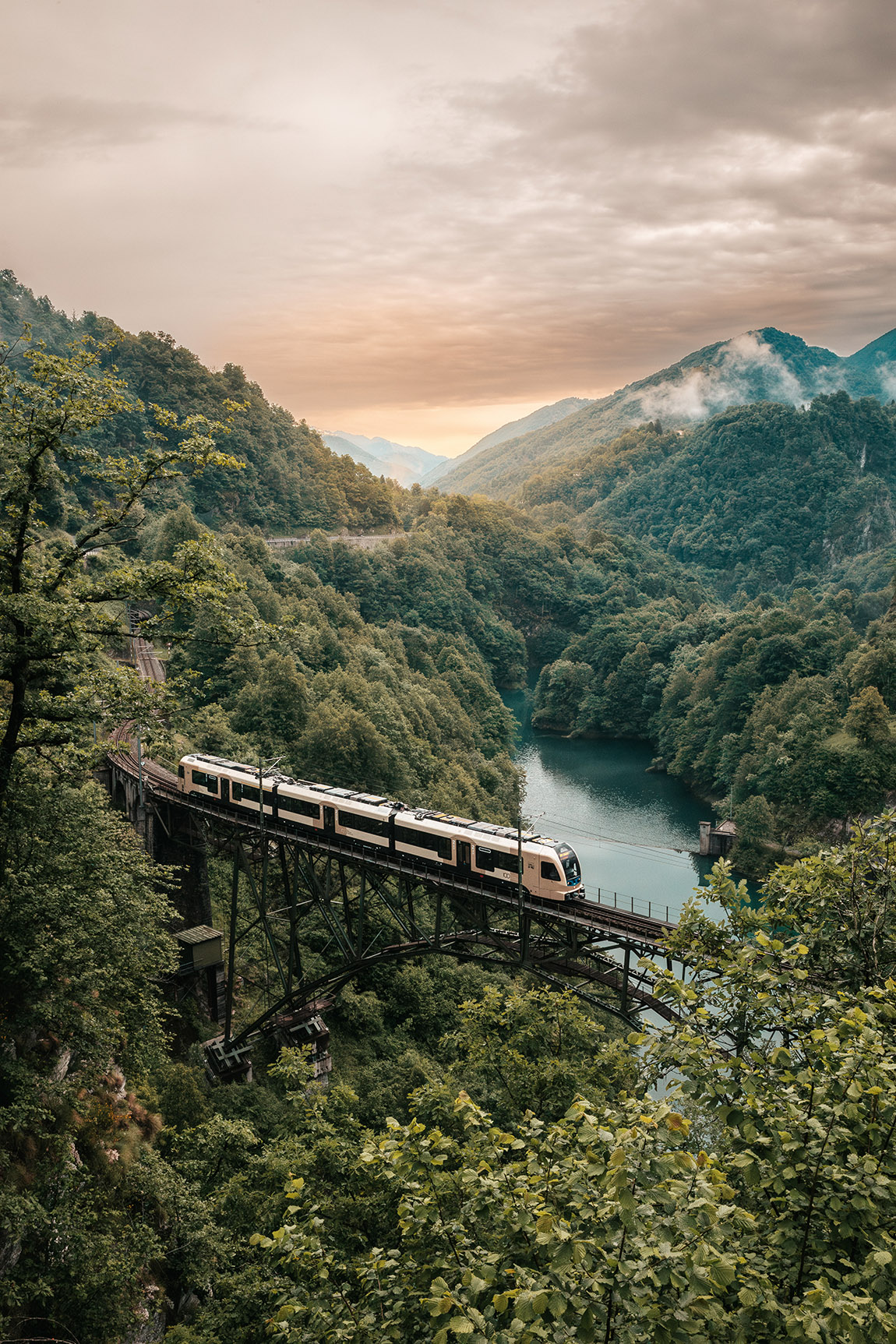
The Centovalli Railway above Lago di Palagnedra. Photo: 2025 Swiss Travel System AG / Massimo Pedrazzini
Small producers, big flavours
From Losone, the route opened towards Locarno and Ascona, where Lake Maggiore gives Ticino’s culinary identity a softer face. Locarno, on the lake’s northern shore, folds palm trees, arcaded streets and Piazza Grande into a mood of dolce vita, while Ascona feels more intimate, with painted façades, old lanes and cafés spilling onto Piazza Giuseppe Motta. Yet beneath the lakeside polish, the flavours remain local: cured meats, alpine cheese, polenta, risotto, lake fish, seasonal mushrooms, torta di pane, chestnut cake and, finally, a glass of grappa.
In the Mendrisiotto, Ticino’s southernmost and most vineyard-rich region, Borgovecchio vini in Balerna became the starting point for a Bike’n’Wine tour through low hills, villages and vine-striped slopes. The half-day ride was easy enough to keep the focus on the landscape, with stops at local wineries, tastings and plates of local specialities. It became less about famous labels than scale: meeting producers who work close to the land, pour their own wines and explain their choices. Rocco Travella, former Olympic cyclist and Bike’n’Wine guide, summed up the philosophy beautifully: “Wine doesn’t necessarily need to be the star in the room. Sometimes it can simply accompany other plates and dishes.”
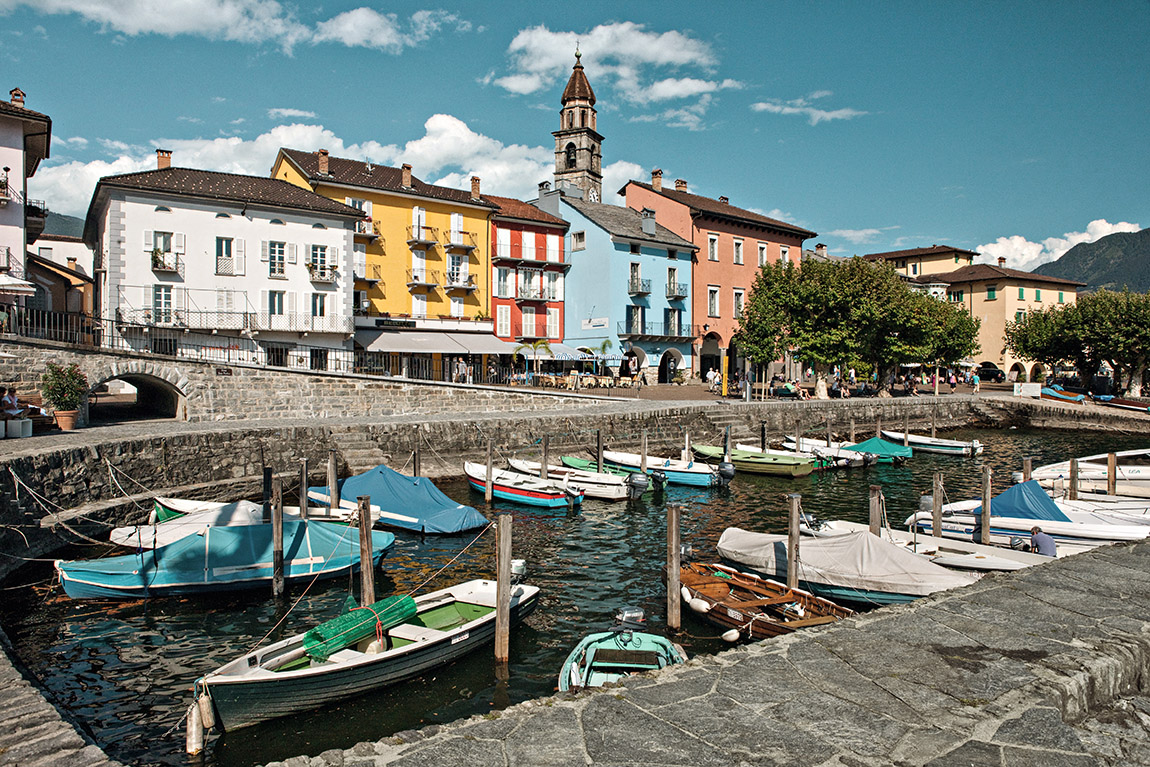
The port of Ascona on the shores of Lake Maggiore. Photo: swiss-image.ch / Christof Sonderegger
At each stop, the concentration of this small region’s wine culture became clear. Mendrisiotto accounts for around 40 per cent of Ticino’s wine production, with 360 hectares of vineyards. Travella spoke of that landscape with pride: “Thanks to our location and our soils, we have very unique terroirs,” he said, noting recognition at the Grand Prix des Vins Suisses and the Merlot World Championship.
At Piccola Vigna, Ortelli Vini and La Costa, those bigger claims became intimate because each bike stop revealed the passionate people behind the labels. Piccola Vigna began with Piermarco Soldini, who first vinified grapes from a family vineyard once tended by his father, before Pierwalter Trapletti joined him in 1998. What started as a passion project has remained deliberately modest: a family-run cellar where relatives are still involved in the vineyard and production, and where professional know-how is balanced with the spirit of a hobby carried seriously. Its purpose is expressed simply: “The feeling that unites us is the desire to preserve the great winemaking tradition of our region.”
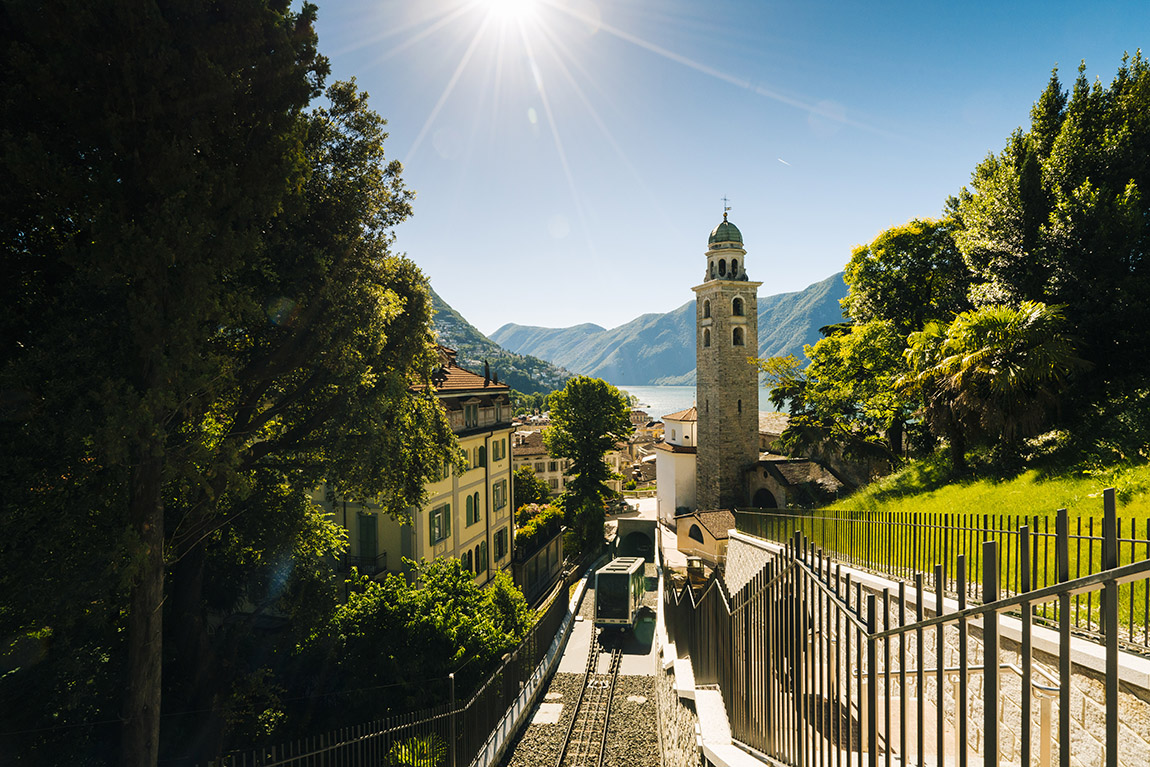
Lugano’s funicular railway connects the main train station to the city centre. Photo: Milo Zanecchia / Ticino Turismo
At Ortelli Vini, I learned that the story is one of continuity across generations. Mauro Ortelli began the modern activity in 1985 after training in viticulture and oenology, and the gradual handover to his sons Enzo and Lucio keeps the family tradition moving forward, one focused on six hectares of Mendrisiotto vineyards, Merlot, whites, sparkling wine, grappa and nocino. La Costa, meanwhile, is rooted in the hills of Novazzano, where Cristoforo and Fernanda Capoferri established the original farm in 1965 and where the winery is now run by Giovanni with his family and team. Across all three, the Bike’n’Wine route became less about tasting notes than inheritance: families adapting, refining and protecting a landscape they know row by row. Tradition survives here because it is carried by many small hands.
By the end of the journey, Ticino felt less like a destination to be checked off than a table to return to. Its lakes, valleys and vineyards provide the setting, but its character is carried in the hands of the many people who make its cheese, honey, wine, and grappa. To taste Ticino is to understand how closely landscape and tradition still belong together here and how, in every glass and plate, the canton continues to tell its story.
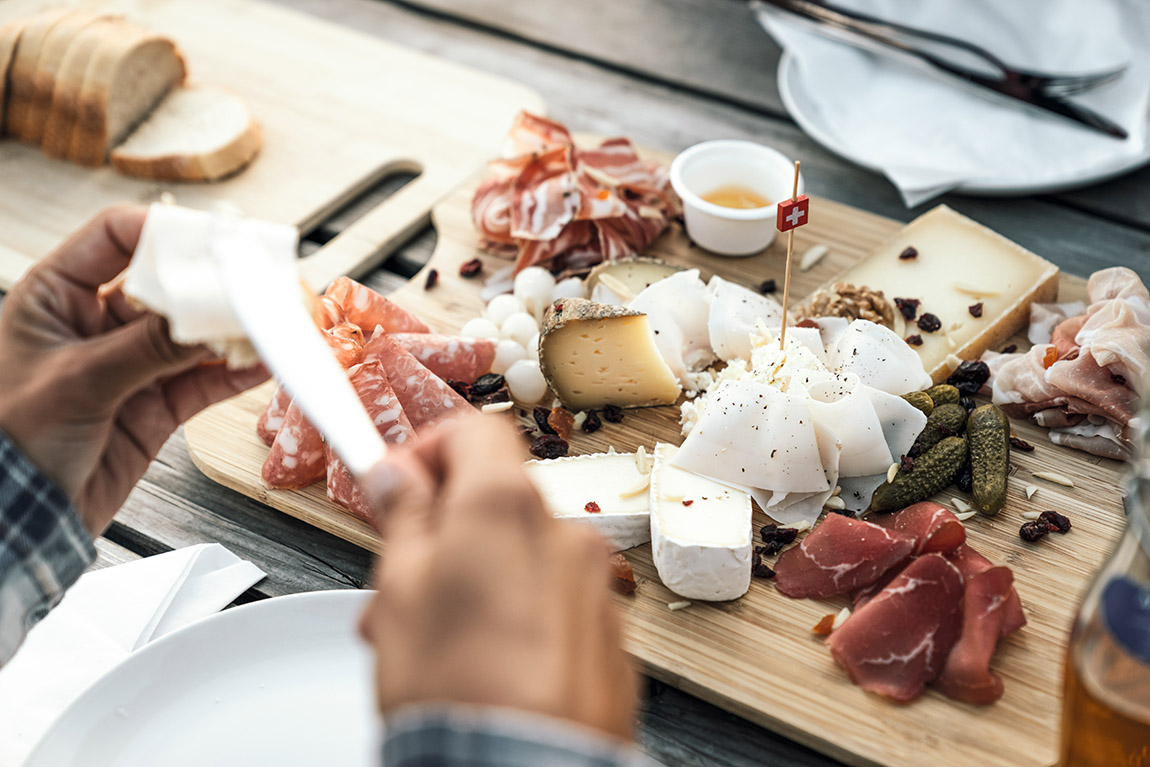
Meats and cheeses from Ticino, served at Capanna Monte Bar. Photo: Switzerland Tourism / Lorenz Richard
For more information on Switzerland and Ticino, visit: switzerland.com
www.ticino.ch/en

Subscribe to Our Newsletter
Receive our monthly newsletter by email