StructureLab Architekten – Building Visions, Shaping the future
TEXT: CORNELIA BRELOWSKI | PHOTOS: STRUCTURELAB
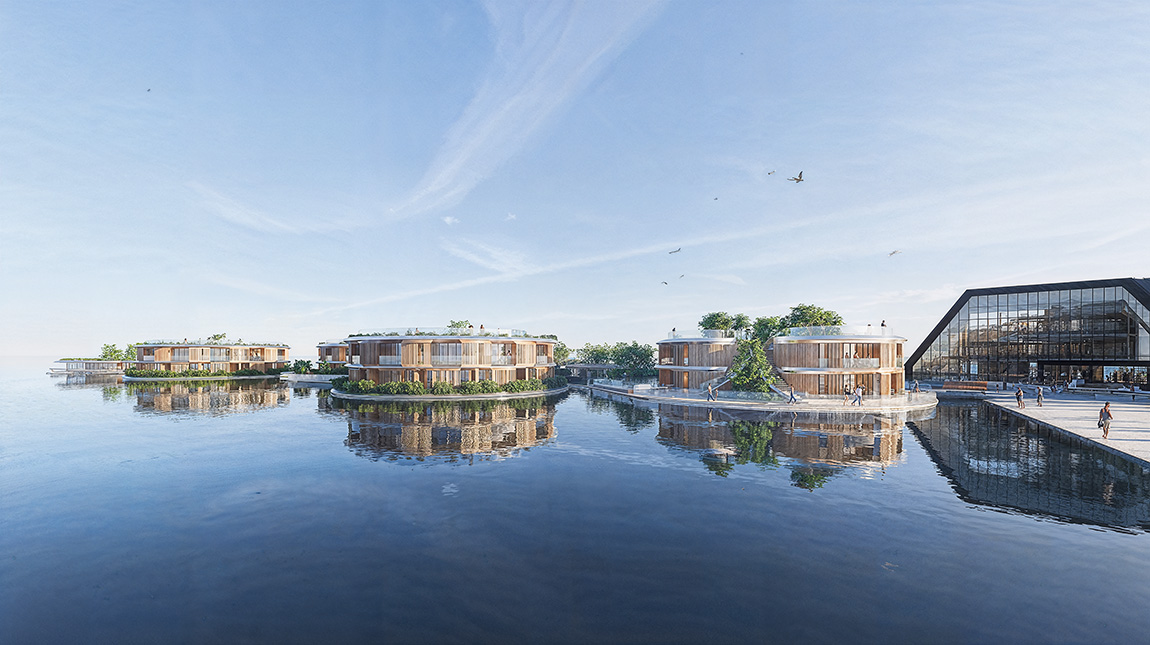
Floating Structures.
StructureLab combines design and technology with ecological and social responsibility to create a holistic, future-oriented approach to architecture.
The studio stands for visionary, experimental, and sustainable architecture — clear in its approach and efficient in its implementation, explains managing director Alexander Prang: “Our name says it all: STRUCTURE stands for intelligent systems and innovative concepts, LAB for experimental thinking and the courage to break new ground.” StructureLab develops solutions that address the pressing issues and challenges of our time — from urban densification and housing shortages to floating structures and climate-friendly construction.
“For us, ‘Shaping the Future’ is not just a motto, but a promise. Our designs are based on integrative strategies that rethink existing spaces, conserve resources, and blend harmoniously into their surroundings.”
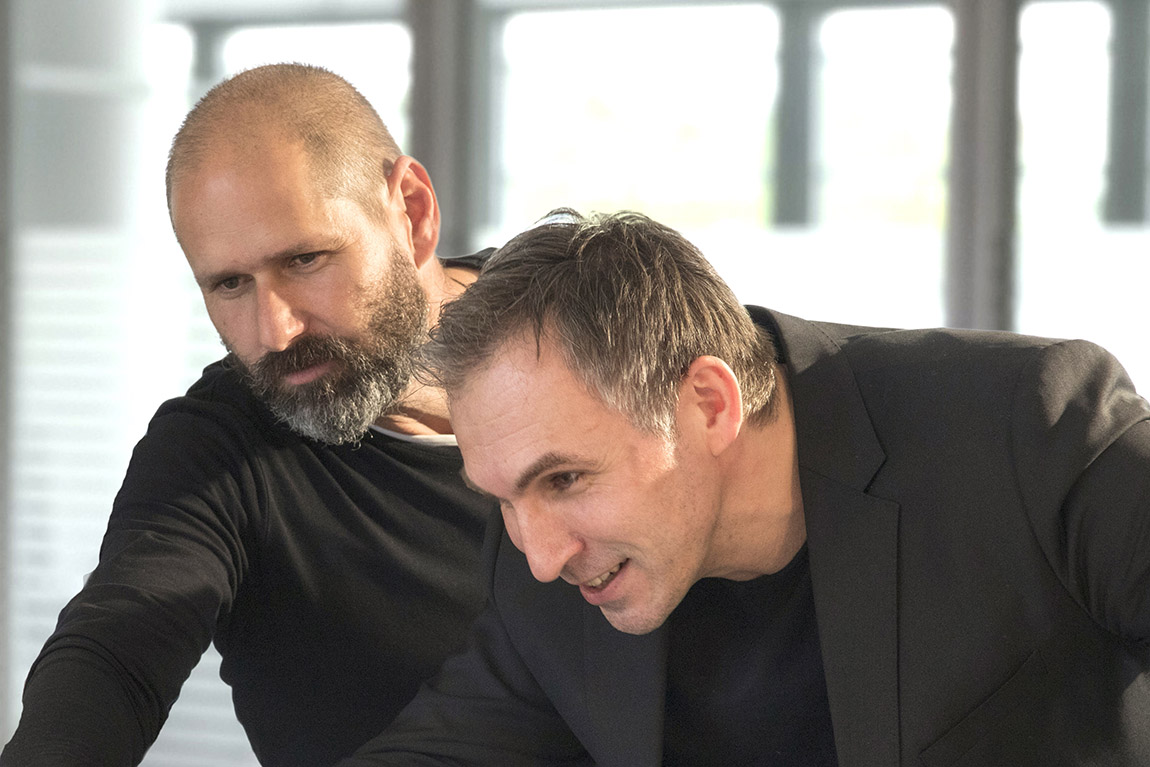
Partners Alexander Prang (right) and Jürgen Schubert
Modularity and flexibility are central principles of StructureLab’s approach—and, for the team, they are essential for creating sustainable architecture. Projects range from urban living concepts and educational and cultural buildings to innovative work environments and the development of entire neighbourhoods. The goal: to create architecture with real added value — for people, communities, and the environment.
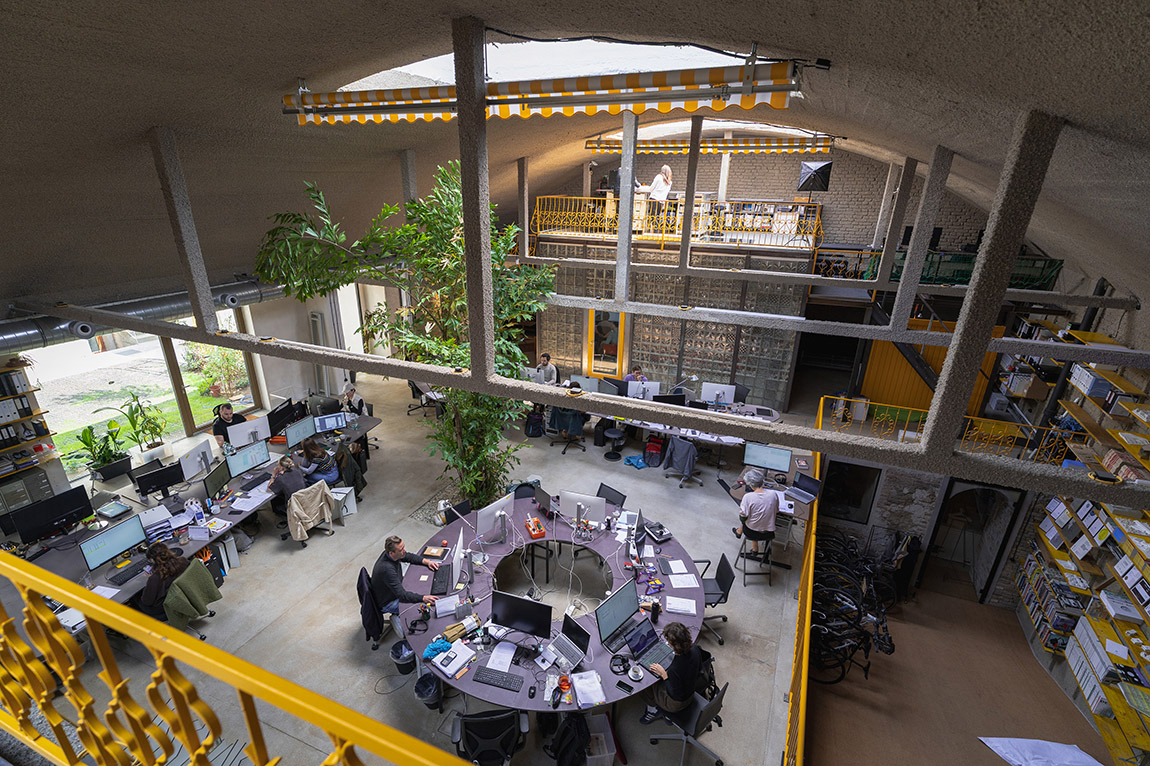
StructureLab was founded in 2002 in the start-up centre of the city of Düsseldorf, situated in an old warehouse building in the Media Harbour. Through the development of initial design and product ideas, the company succeeded in winning its first architectural contract: the MDT Competence Center in Tägerwilen, Switzerland. Today, StructureLab realizes projects on a wide variety of scales, both regionally and internationally. Its clients are as diverse as the projects themselves – ranging from public institutions and medium-sized companies to private builders. According to Prang, many of these relationships have grown into personal partnerships over the years, based on mutual trust, shared values, and a passion for good architecture.
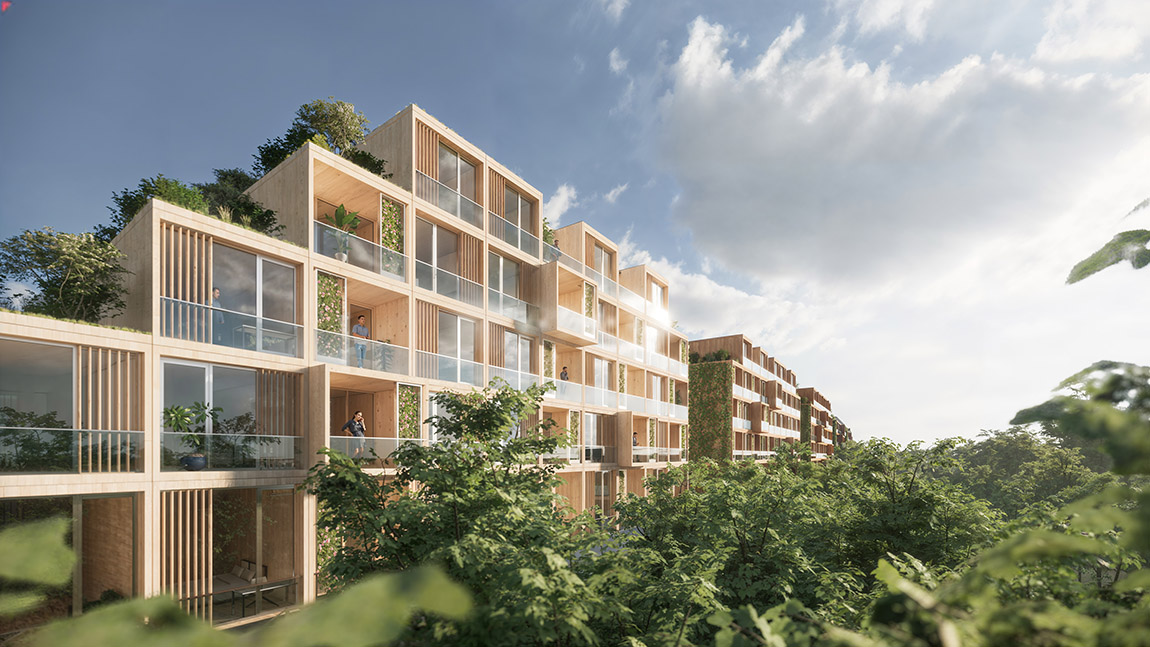
Detail of Pi Concept– Modular timber construction.
“Cities must grow without sealing off new areas”
In the coming years, StructureLab wants to further strengthen its commitment to ecological and socially relevant issues and also position its work more strongly on an international level: “Our ideas for floating structures were just presented at the World Conference on Floating Solutions (WCFS 2025) in Helsinki — under the theme: Connecting People through Water.” The main topics for the future remain urban redensification and the upgrading of existing areas, right in line with the latest trends, explains partner Jürgen Schubert: “Cities need to grow without sealing off new areas. Our answer: smart redensification through overbuilding and the addition of extra stories.”
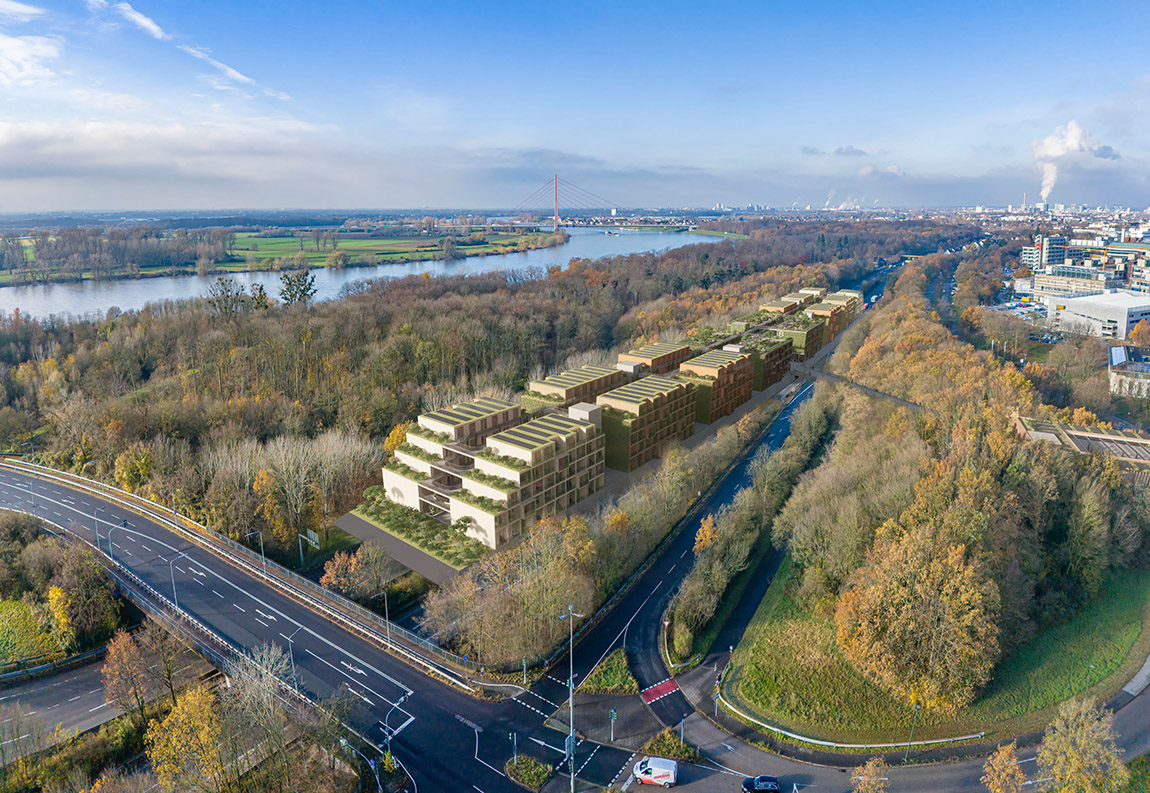
Pi Concept – Münchener Straße, Düsseldorf.
Redensification and Upgrading
In Düsseldorf, StructureLab is building affordable housing for nursing staff on top of a hospital parking lot. At the same time, an existing building is being extended by two floors. Another flagship project is in the planning stages: a mixed-use neighbourhood with up to 300 residential units above Münchener Straße — a bold urban development project that will serve as a model for others. The projects are being built exclusively using environmentally friendly timber construction methods.
Floating Structures – Urban vibes on the water
Access to water and green spaces improves health, social cohesion, and quality of life, but many waterfront areas in cities remain unused. “Our floating systems go beyond housing and gastronomy: they are social catalysts that enable encounters, cultural exchange, and more resilient urban structures,” says Prang: “By reactivating unused waterfront areas, floating structures promote inclusive, ecological, and social urban development — adapted to the challenges of climate change, land scarcity, and growing social pressure.”
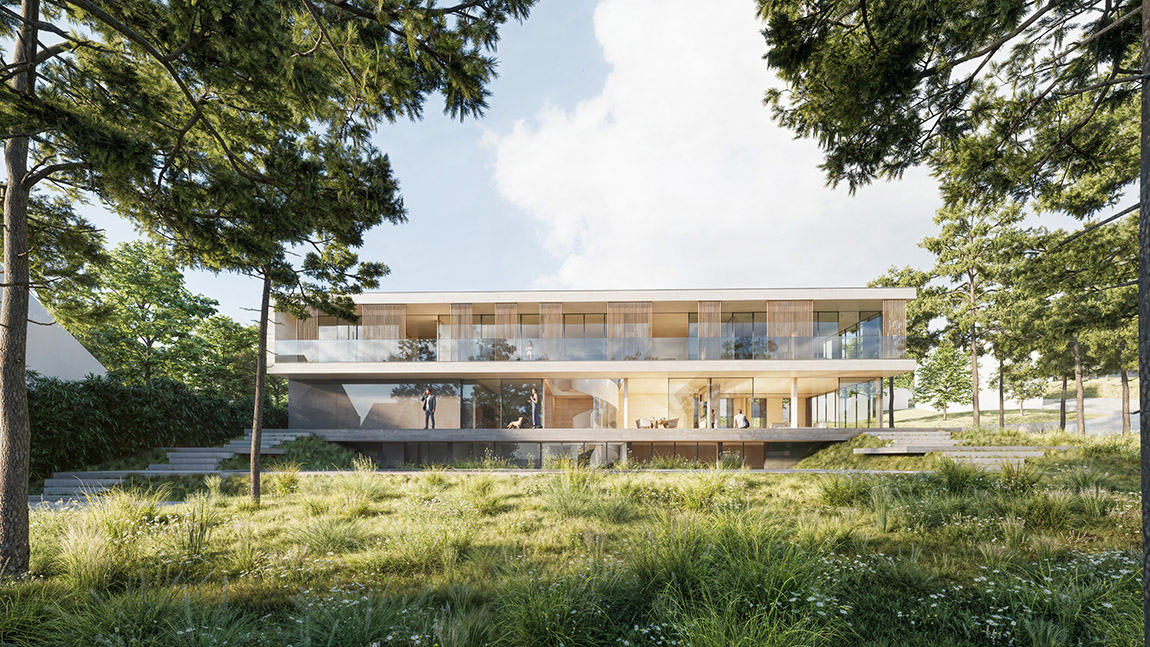
Private Housing.
Modular & Serial Construction – diversity with a system
For StructureLab, modularity is a means of enabling individuality rather than limiting it: “We think in terms of robust basic grids, clear interfaces, and prefabrication in order to accelerate processes, reduce emissions, and create planning and cost certainty,” says Schubert. Within this system, the studio designs the difference: facades, floor plans, materials, and open spaces are developed specifically for each location, bringing the identity of each project to life. Wood as the primary structure, single-origin materials, and detachable joints ensure recyclability and conversion reserves throughout the life cycle: “This creates serial diversity instead of standardized construction — adaptable, expandable, identity-forming.”
Sustainable private villas
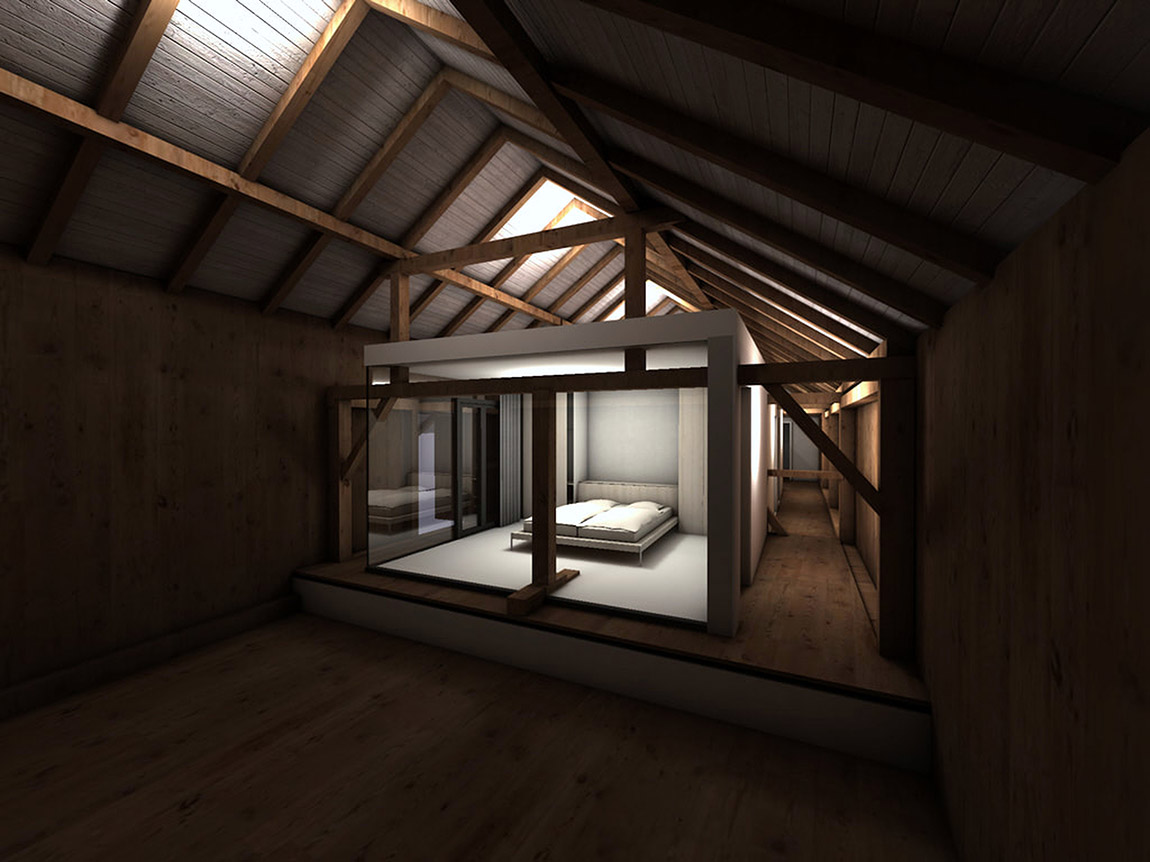
StructureLab also sets standards on a private scale: “We develop tailor-made, sustainable villas of high architectural quality – individual, climate-conscious, and with long-term value retention. Materials, energy and land use follow the principles of ecological architecture.”
Commercial real estate made future-proof
The profound change in commercial and logistics construction, with new requirements arising from ESG criteria, EU taxonomy, and the pressure to decarbonize, calls for new solutions, explains Prang: “We see existing buildings not as a problem, but as an opportunity: With CO₂-binding timber constructions, green facades, renewable energy systems and climate-friendly open spaces, we are developing commercial and production buildings that set new standards in terms of functionality, ecology, and design.”
The stated goal: To create buildings that preserve values, foster identities, and enable genuine progress.
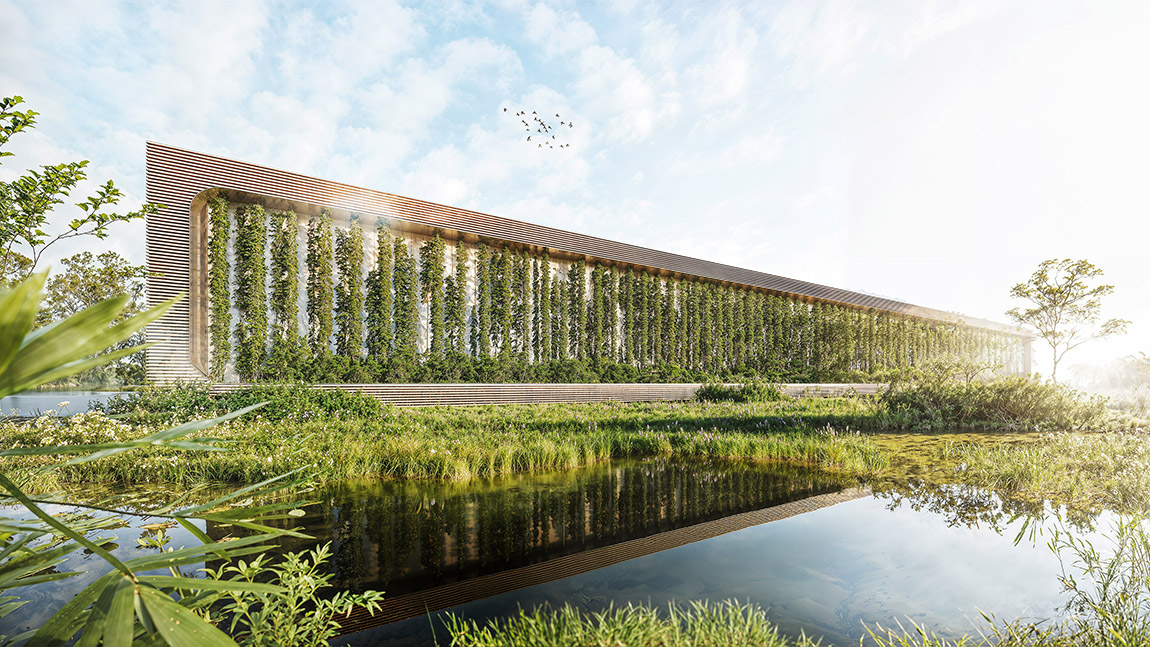
Frame the Green – Green facade on commercial properties.
Web: www.structurelab.com

Subscribe to Our Newsletter
Receive our monthly newsletter by email