Hosoya Schaefer Architects
TEXT: MARILENA STRACKE / HOSOYA SCHAEFER ARCHITECTS

Vanity desk. Photo: Time & Style
The Zurich-based architecture firm led by Hiromi Hosoya, Markus Schaefer and Alexander Kneer champions architecture that is integrated in the conditions of place, time, and everyday life.
Hosoya Schaefer Architects was established in Zurich in 2003 by architects from Switzerland and Japan. Since its founding, the office has regarded architecture not as a matter of form alone, but as something deeply embedded in the conditions of place, time, and everyday life.
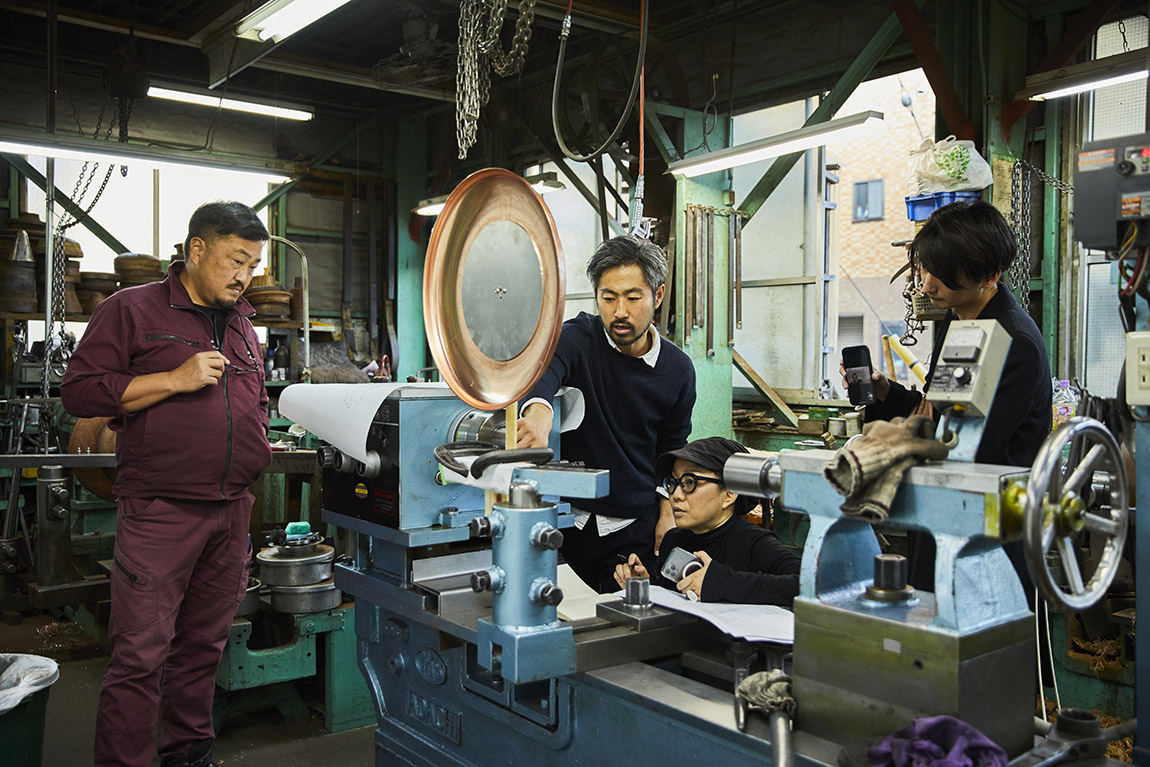
Overseeing the production of the vanity desk prototype at the metal-spinning manufacturer. Photo: Eri Takagi
From the outset, they understood that architecture begins well before the first drawing is made and continues to evolve long after a building is completed. To address the essential questions of why to build, for whom, and under what circumstances, the architects believe that it is necessary to move beyond architecture as a self-contained discipline and engage with broader systems and relationships.
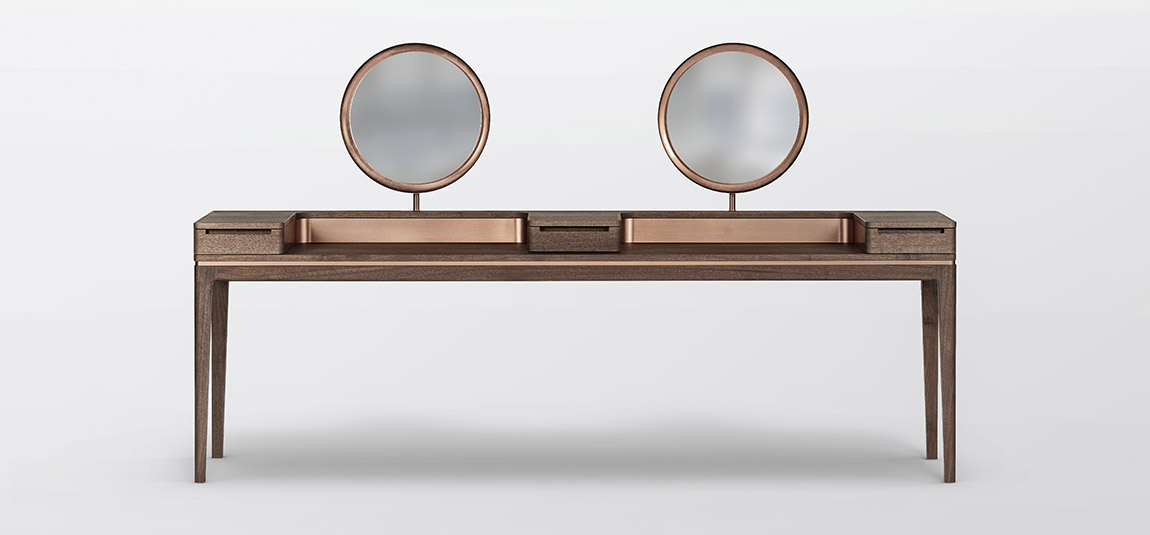
Vanity Desk. Photo: Time & Style
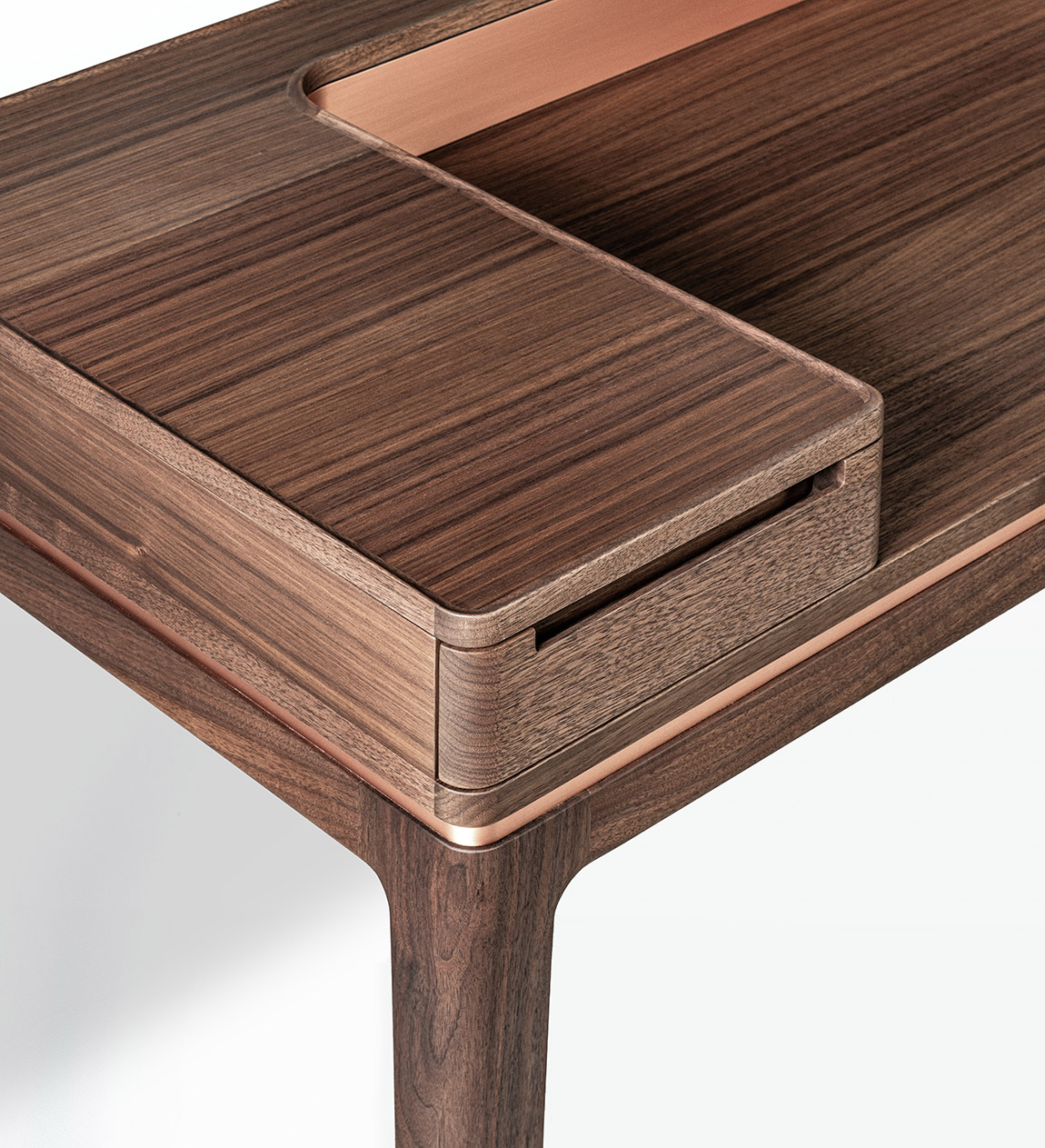
Vanity desk. Photo: Time & Style
Architecture shaped by rhythm, structure, and transformation
This perspective was formed during their early collaboration when Hiromi Hosoya and Markus Schaefer were still students. While analysing Iannis Xenakis’s Metastasis and the Philips Pavilion, which Xenakis designed under Le Corbusier, they explored how musical structure could inform spatial composition. Through this exercise, they came to see architecture not as a fixed object, but as something shaped by rhythm, structure, and transformation. This foundational idea, that architecture expresses the interplay of concept and material, remains central to their work.
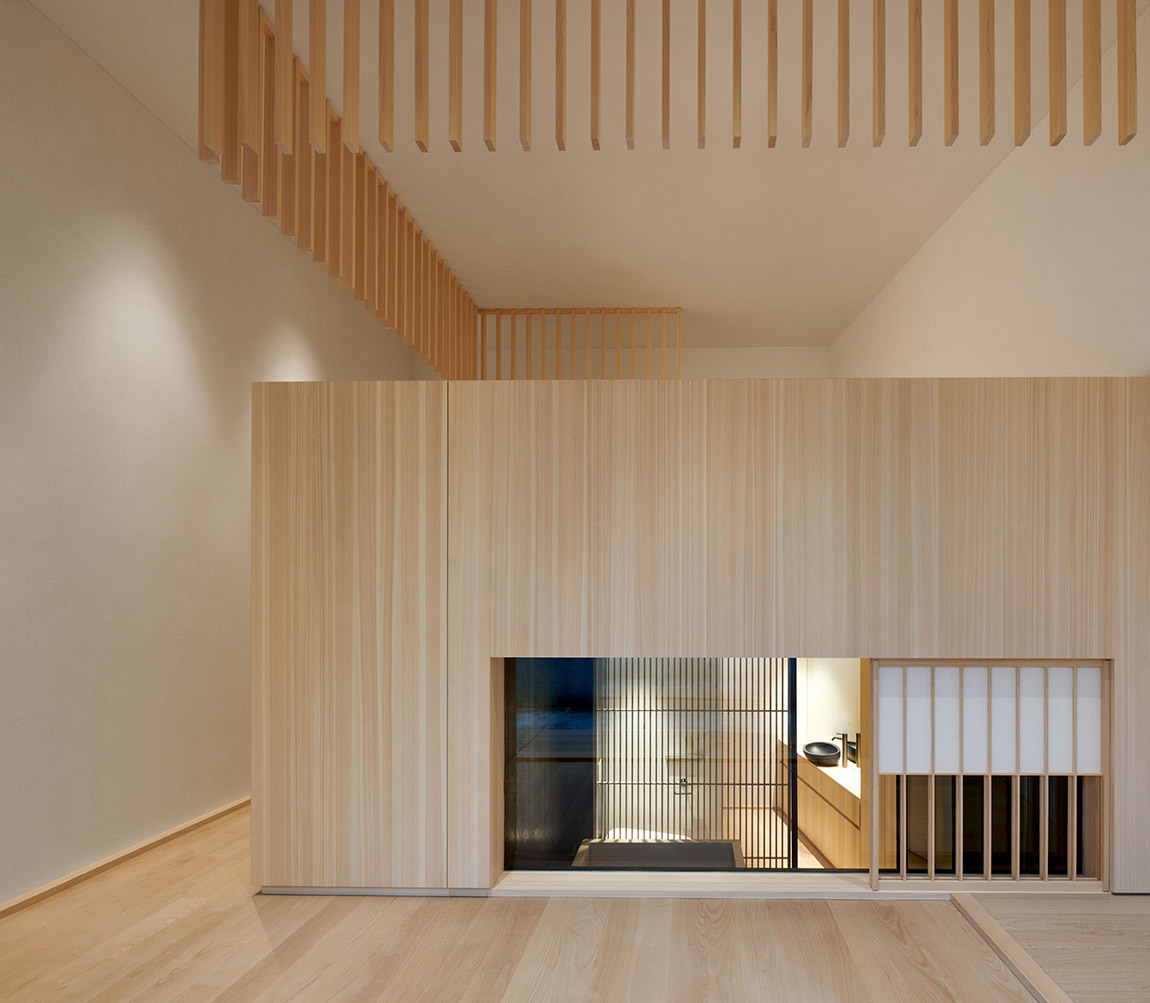
J-Suite. Photo: David Willen / Studio Wille
Today, this thinking continues to inform the firm’s practice. Their buildings seek clarity and coherence while remaining open to the diversity of life they serve. Architecture is approached not as an isolated artifact, but as a structure that accommodates change. Spatial layouts and circulation are carefully designed not to regulate movement, but to enable patterns of use to coexist naturally.
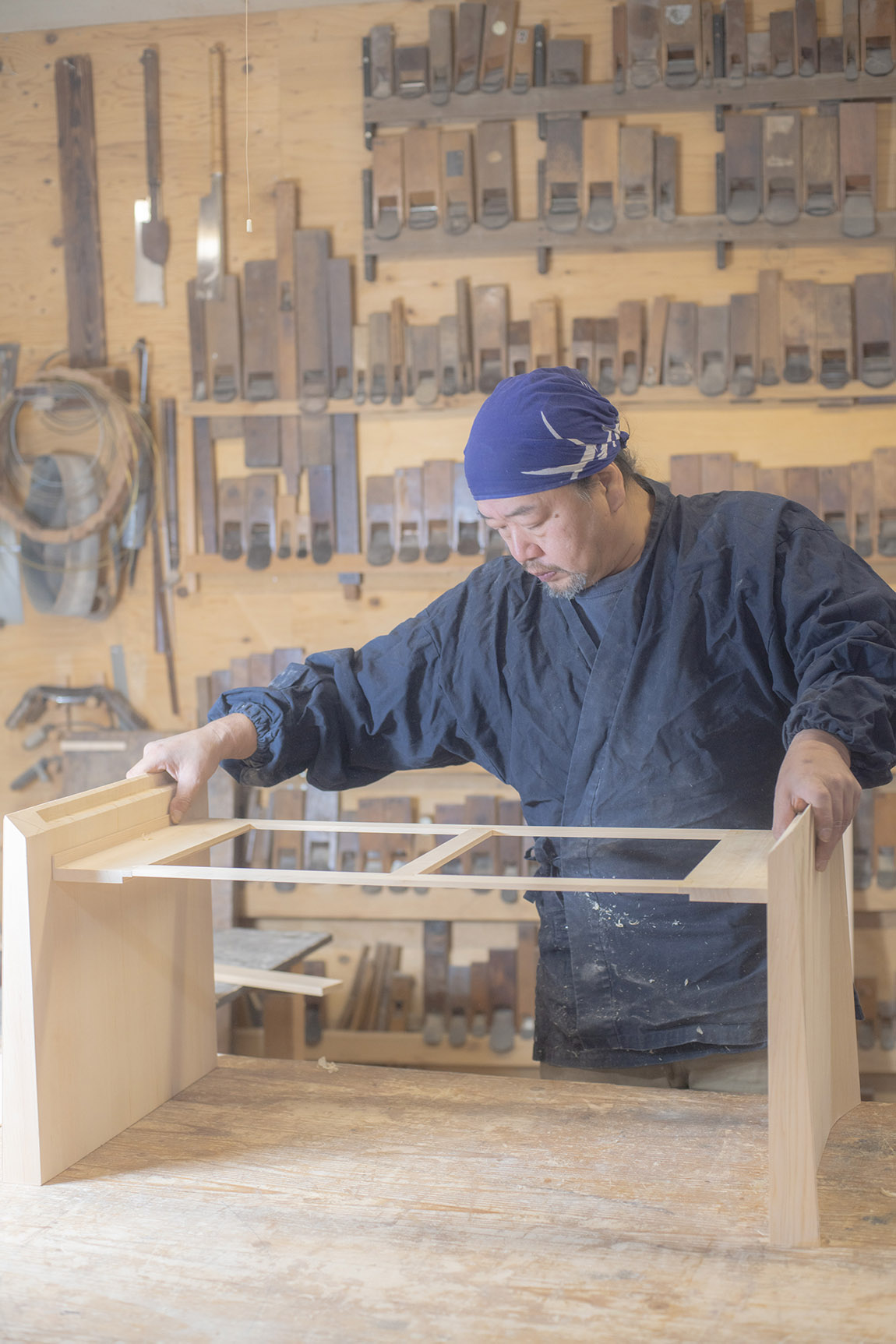
Shuji Nakagawa crafting the low table. Photo: Rinko Kawauchi
Their work is rooted in context. It responds to physical and historical conditions while remaining attentive to the behaviours and experiences of those who inhabit the space. How people gather, dwell, pass through, and return. These everyday actions are key to the process.
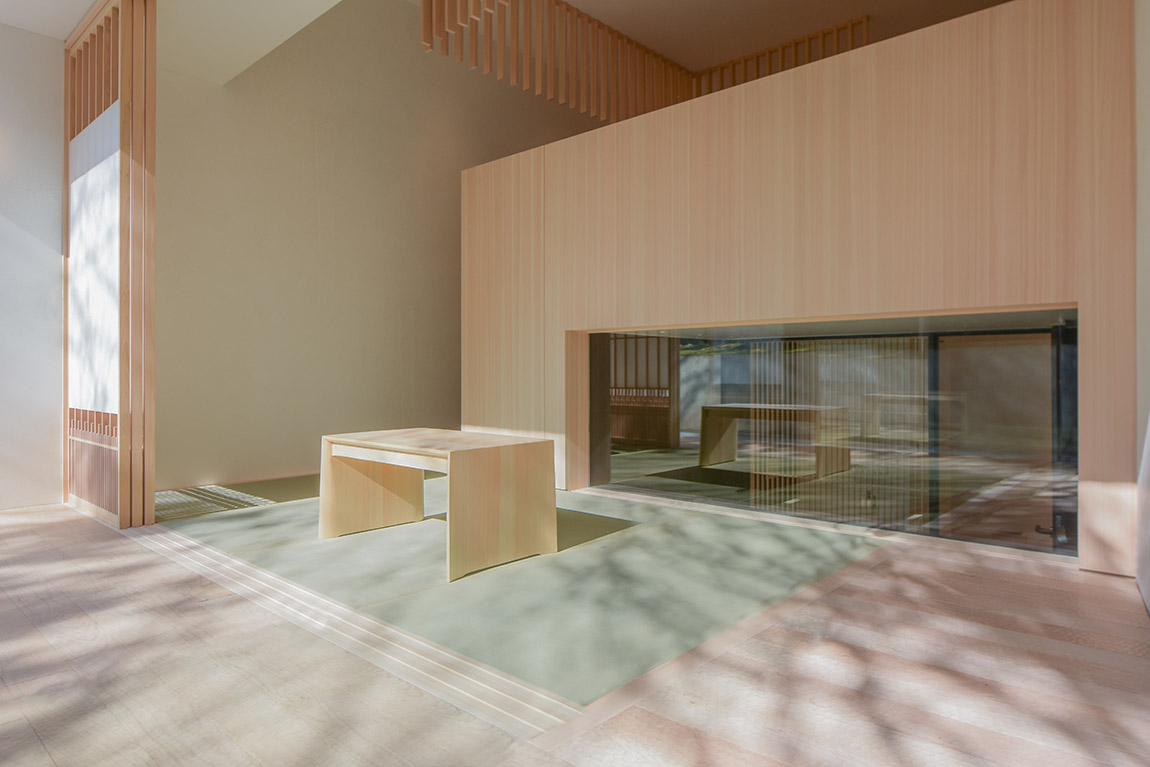
J-Suite with low table. Photo: Hosoya Schaefer Architects AG / Toru Shimizu
Rather than pursuing expressive forms or theatrical effects, the architects value restraint and precision. For them, architecture gains meaning not through spectacle, but through enduring use. This is reflected in their construction methods, material selection, and careful attention to detail.
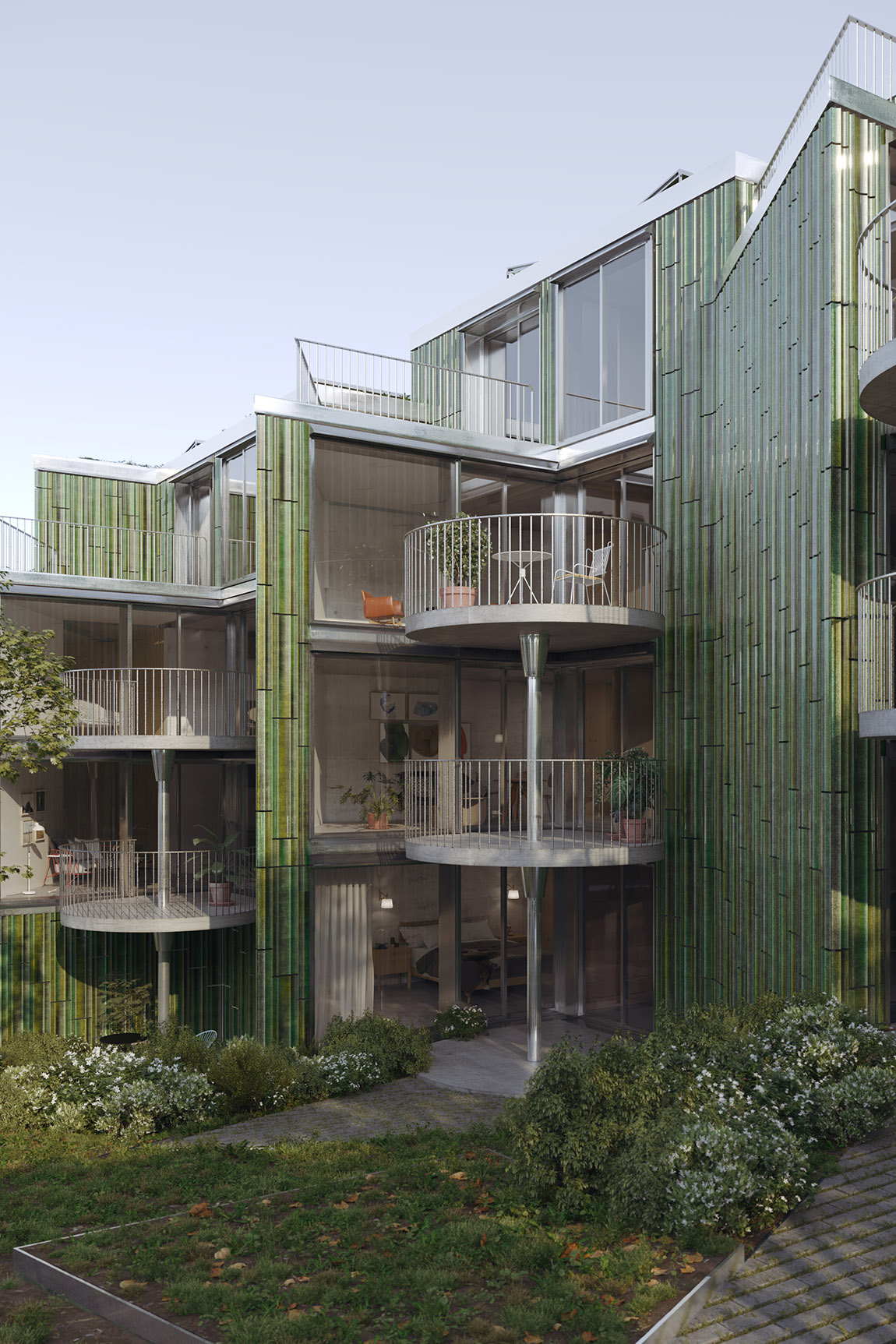
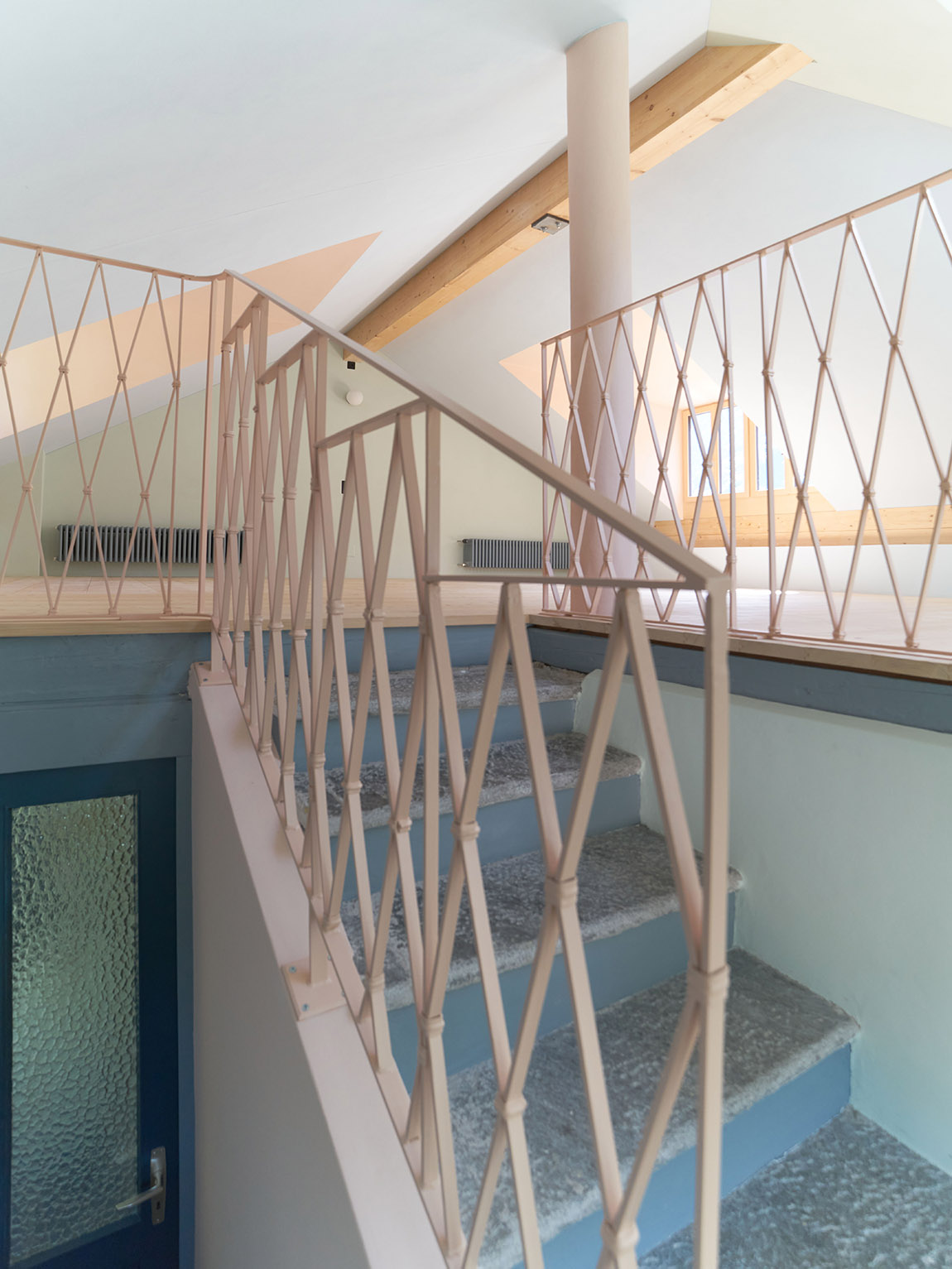
Winkelstrasse Apartments. Photo: ArtefactoryLab
In recent years, the office has collaborated with Japanese artisans to explore the relationship between architecture and craft. The use of local materials, techniques, and care in fabrication reflects a culturally grounded and practical approach to sustainability, focused on durability, repair, and long-term use.
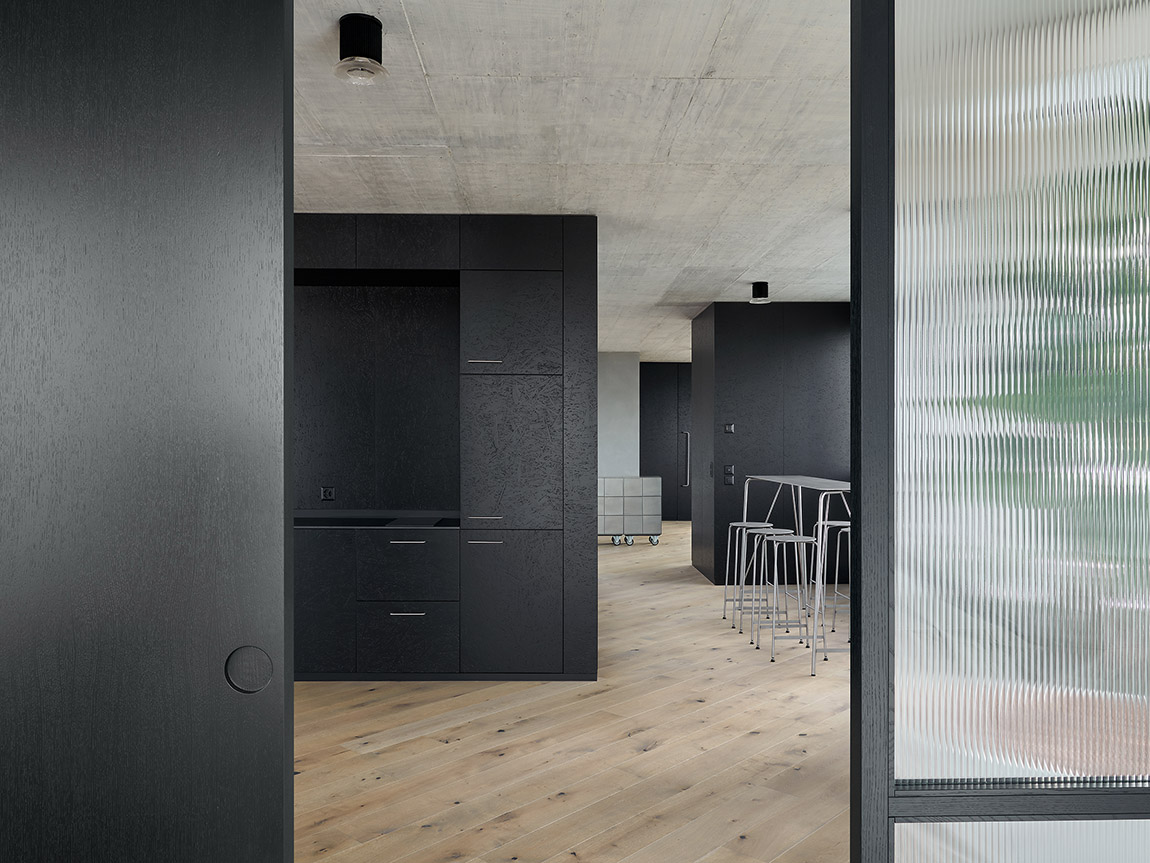
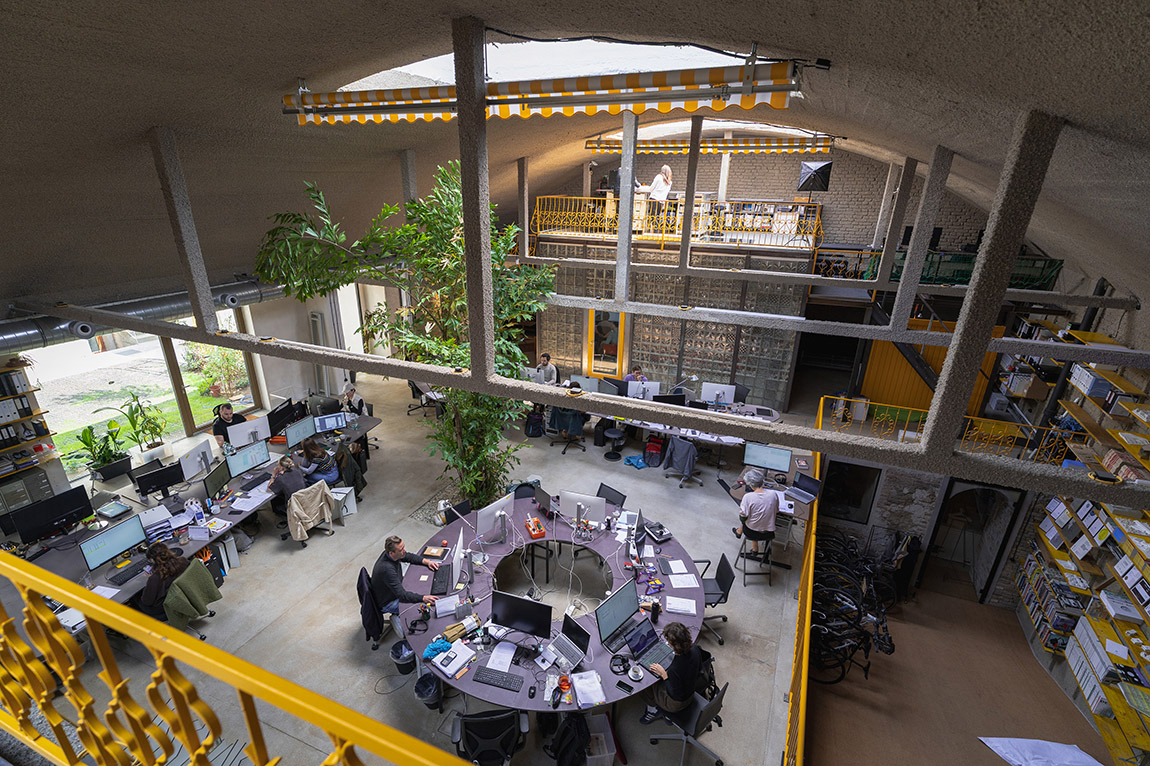
Office Renovation. Photo: David Willen / Studio Willen
This sensibility extends to smaller scales. In some projects, they design furniture and built-in elements that support daily activities and reinforce spatial logic, not as ornament, but as integral components of the architecture.
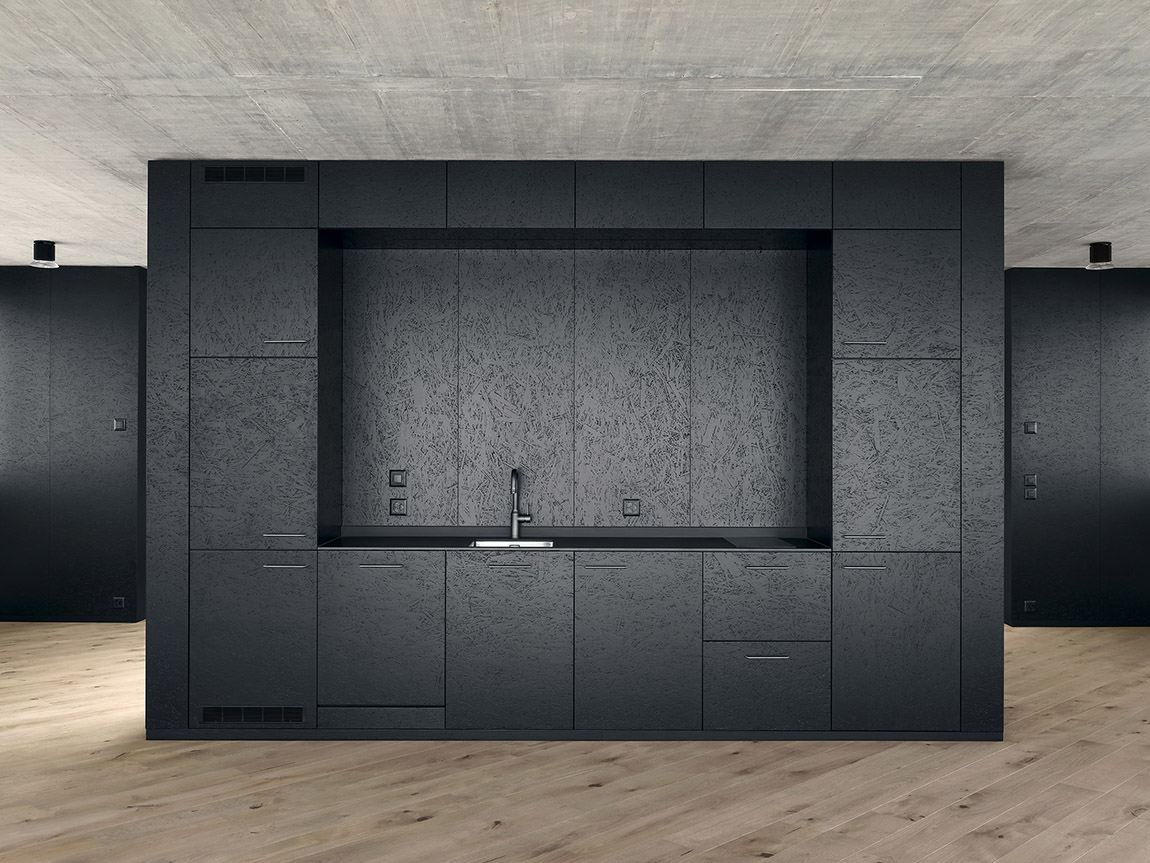
Office Renovation. Photo: David Willen / Studio Willen
Their work is shaped through observation, dialogue, and cumulative decision-making. Each project is approached on its own terms, responding thoughtfully to conditions rather than imposing predetermined ideas. They take full responsibility from concept to completion, maintaining a consistent involvement throughout the design process.
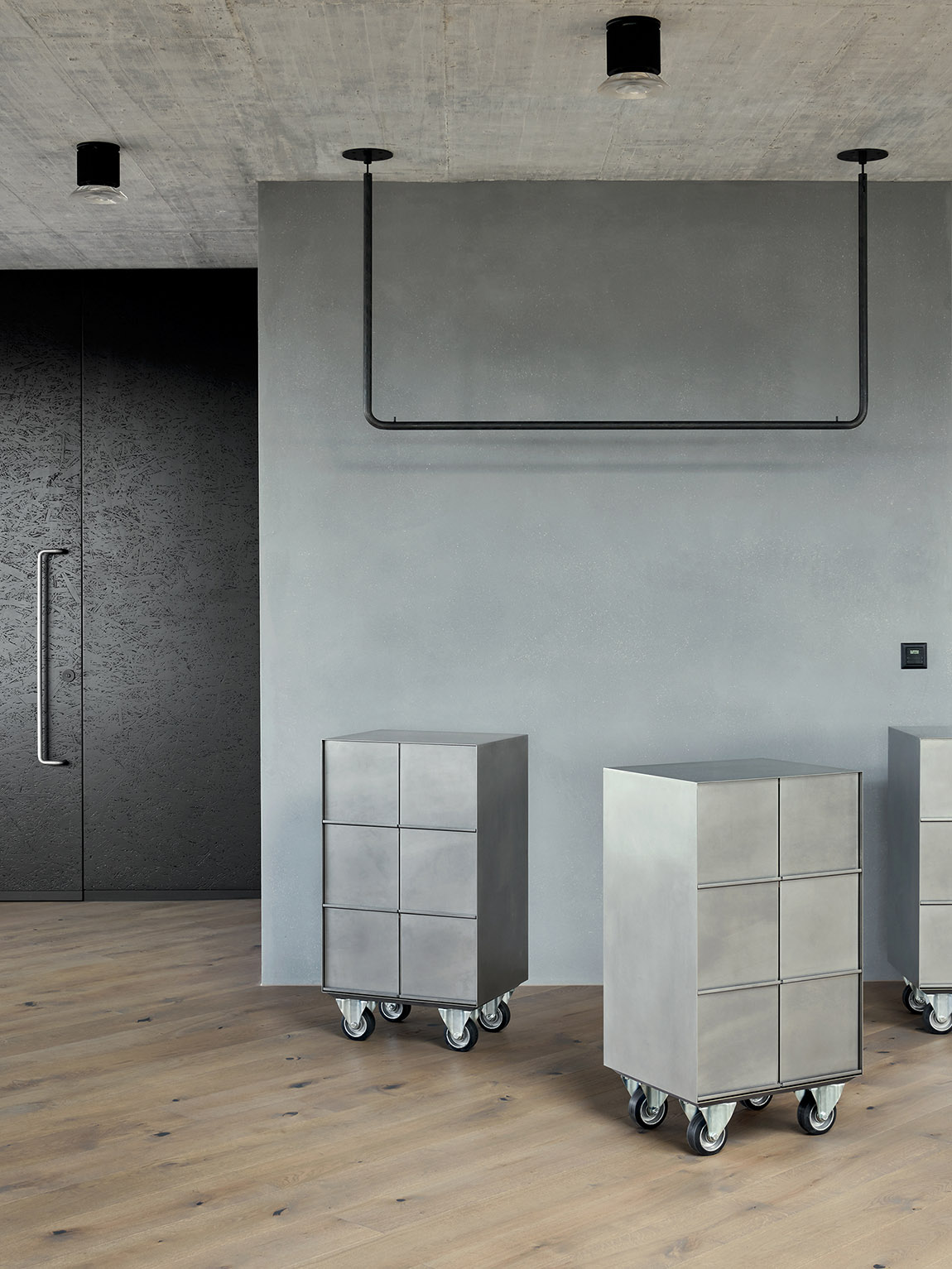
Office Renovation. Photo: David Willen / Studio Willen
Hosoya Schaefer Architects do not see themselves primarily as form-makers. They think of the architect as someone who prepares the ground, like a gardener. Or someone who observes complex relationships and adjusts them with care, like an ecologist. This attitude shapes their way of working.
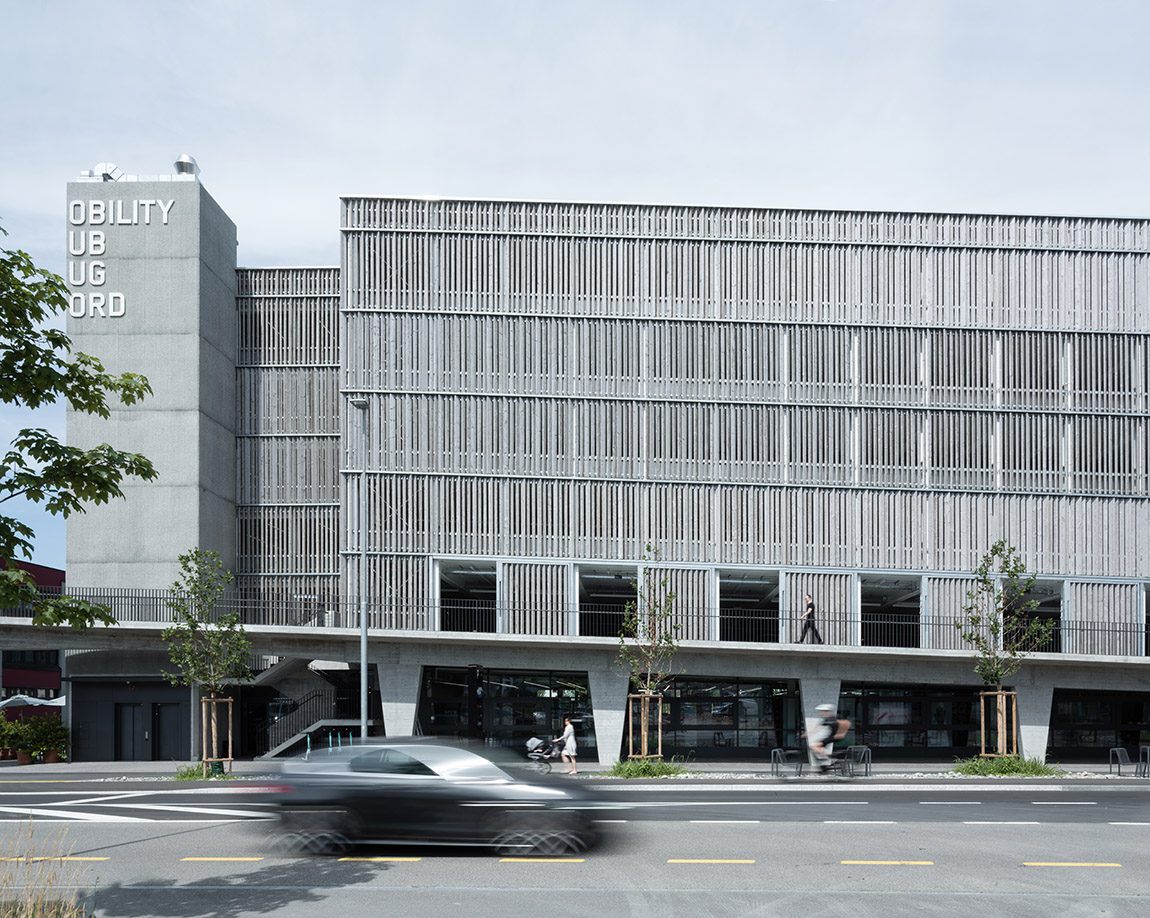
Mobility Hub Zug Nord. Photo: Hosoya Schaefer Architects AG / Oliver Franz
An honest response to a complex world
They do not believe that architecture can resolve the major challenges of our time, such as climate change, urban transformation, or social fragmentation. But they do believe that it can respond sincerely. This conviction anchors their practice.
The city, as they envision it, is not a system to control or a backdrop for spectacle. It is a shared space shaped by memory, encounter, and daily life. Architecture should accompany such places quietly, organising relationships, creating margins, and supporting the start of new possibilities.

Riga Waterfront. Photo: Hosoya Schaefer Architects / Riga Waterfront / Red Vertex
Projects range from public buildings and private houses to renovations, custom furniture, masterplans, urban design, and strategic planning. Across scales and typologies, they return to a simple question: How can architecture support how people live, gather, work, and enjoy leisure time?
For Hosoya Schaefer Architects, architecture is not about image. It is about structure, rhythm, and relationship. These are gently cultivated over time, in dialogue with life, place, and change.
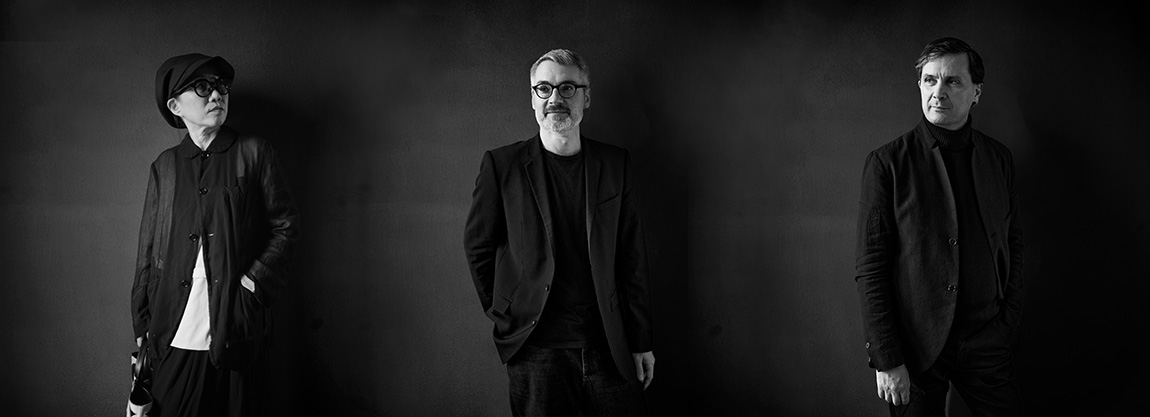
Left to Right: Hiromi Hosoya (Founding Partner), Alexander Kneer (Partner), Markus Schaefer (Founding Partner). Photo: Sayuri Murooka / Jos Schmid
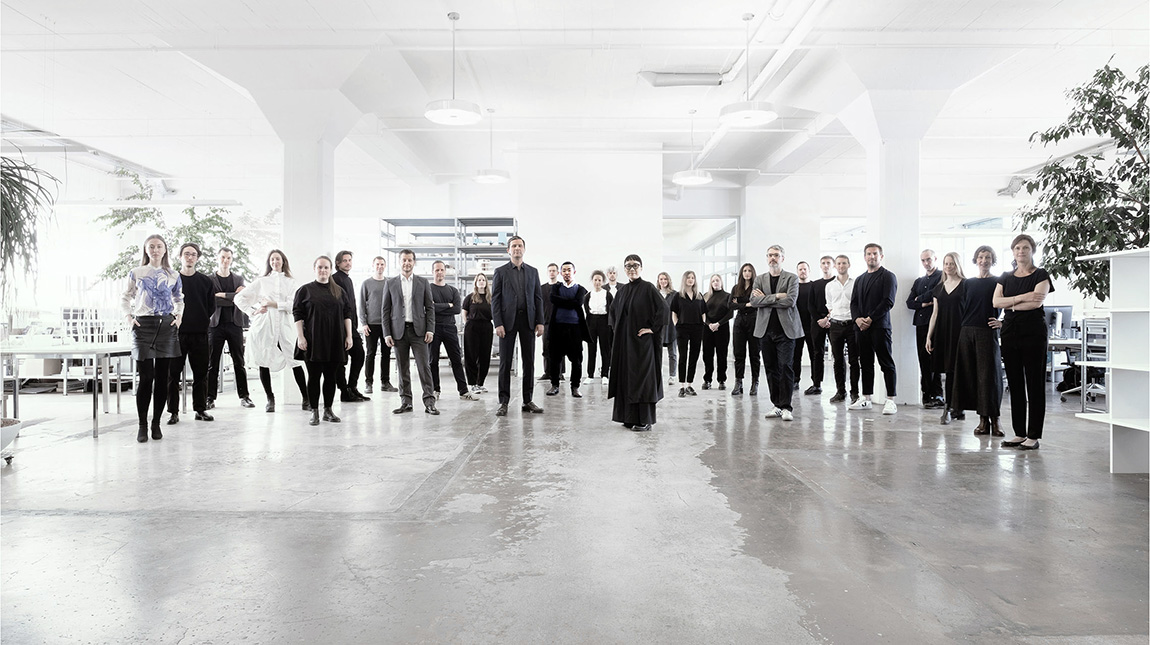
Staff and office Space. Photo: Hosoya Schaefer Architects

Subscribe to Our Newsletter
Receive our monthly newsletter by email