Silberstadt Freiberg – Von Bergparade bis Räuchermännchen
Authentisch und geheimnisvoll: Auf dem ‚Freiberger Christmarkt‘ im Weihnachtsland Erzgebirge werden bergmännische Traditionen und Brauchtum lebendig.…

During the Christmas season, Karlsruhe radiates in a brilliant, seasonal glow. Highlights include the traditional Christkindlesmarkt in the city centre and the Stadtwerke Karlsruhe WINTERZEIT with ice rink and curling range. Visiting Karlsruhe during Christmas time is a truly unforgettable experience. As soon as the Christmas season arrives, Karlsruhe transforms into a glittering Christmas City, enchanting with a diverse programme for the whole family. From 24 November to 23 December, the traditional Christkindlesmarkt around the market square and Friedrichsplatz draws visitors from near and far into the city centre. Why not enjoy a truly breathtaking view over the entire Christmas City…
When the lights shine across Kassel and the scent of roasted almonds drifts through the streets, the unique Fairy-tale Christmas Market opens its…
Festive splendour in cosy markets, contemplation and joyful music – Leipzig’s Advent season delights with the perfect blend. The Leipzig Christmas…
Glühwein is German mulled wine. The word literally translates to ‘glow wine’. The name derives from the red hot irons used to heat the wine across…
‘Tis the season to be jolly – and indulgent! After all, Christmas just wouldn’t be Christmas without visiting a gorgeous seasonal market at least…
Authentisch und geheimnisvoll: Auf dem ‚Freiberger Christmarkt‘ im Weihnachtsland Erzgebirge werden bergmännische Traditionen und Brauchtum lebendig.…

On all four Advent weekends, three enchanting Christmas markets invite visitors to enjoy an unforgettable experience along Lake Tegernsee, where…
During the Christmas season, Karlsruhe radiates in a brilliant, seasonal glow. Highlights include the traditional Christkindlesmarkt in the city…
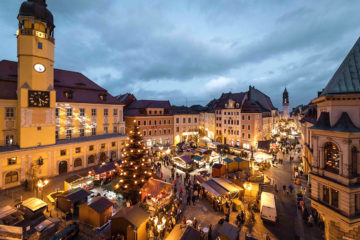
Since 1384, Bautzen Wenzelsmarkt has transformed the romantic old town into a glowing winter fairy tale, making it the oldest Christmas market in…
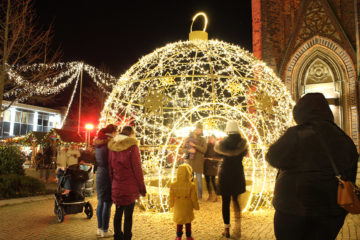
As soon as Bremerhaven Christmas Market opens on 24 November, the city centre of Germany's largest city by the North Sea Coast is transformed into a…

While Germany is world-famous for its festive Christmas markets and snow-dusted fairy-tale castles, there is a hidden side to winter here that…
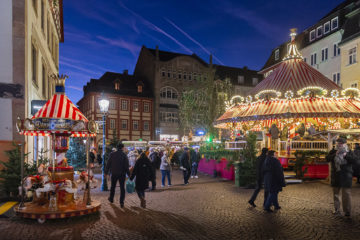
When baroque meets Christmas cheer, the city of Fulda becomes a winter wonderland that is not to be missed for visitors from near and afar. From 21…
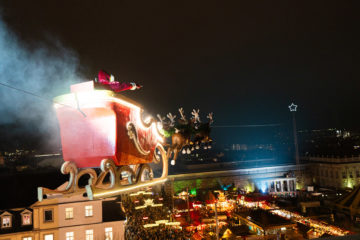
When the lights shine across Kassel and the scent of roasted almonds drifts through the streets, the unique Fairy-tale Christmas Market opens its…
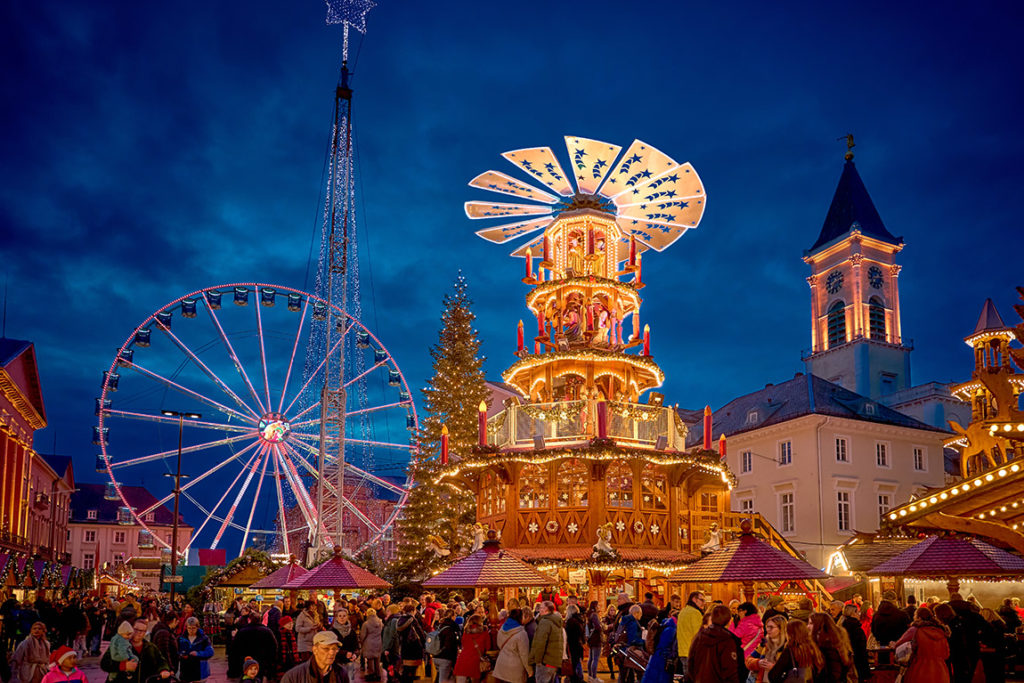
Karlsruhe’s Christmas City combines a traditional Christkindlesmarkt with festive lights, a Ferris wheel and seasonal attractions across the centre, creating plenty to explore after dark. Photo by Bruno Kelzer.

A steaming mug of Glühwein is one of the defining tastes of Germany’s Christmas markets, best enjoyed outdoors among the lights and festive stalls on a cold Advent evening. Photo by Pexels.
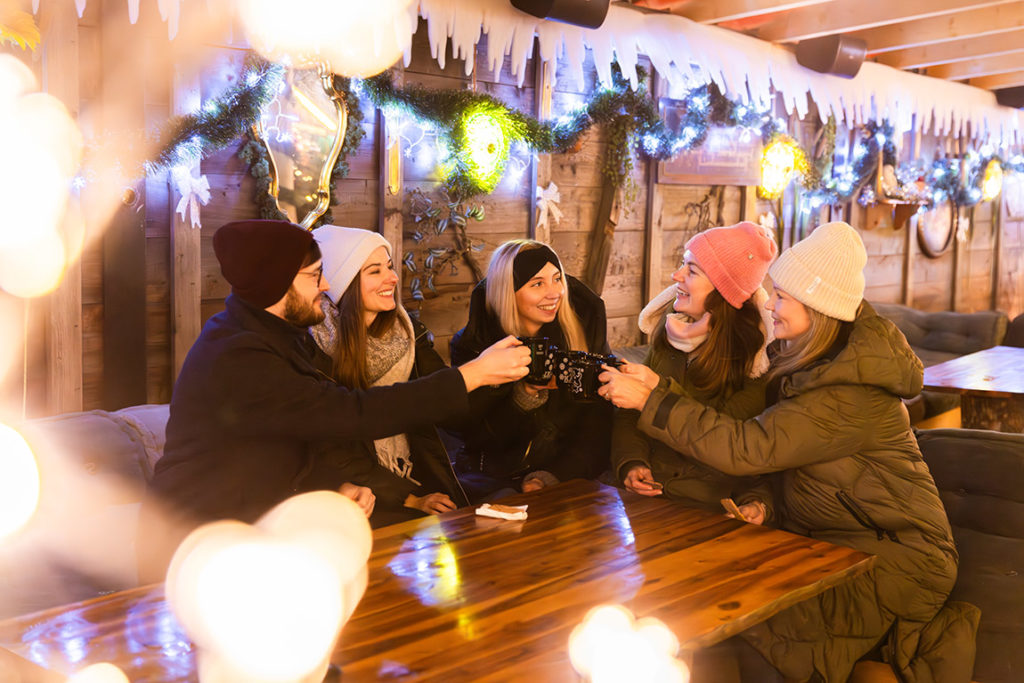
Friends sharing a mug of Glühwein capture one of the best parts of Leipzig’s Christmas markets: slowing down, warming up and enjoying the festive atmosphere together. Photo by Philipp Kirschner / Leipzig Travel.
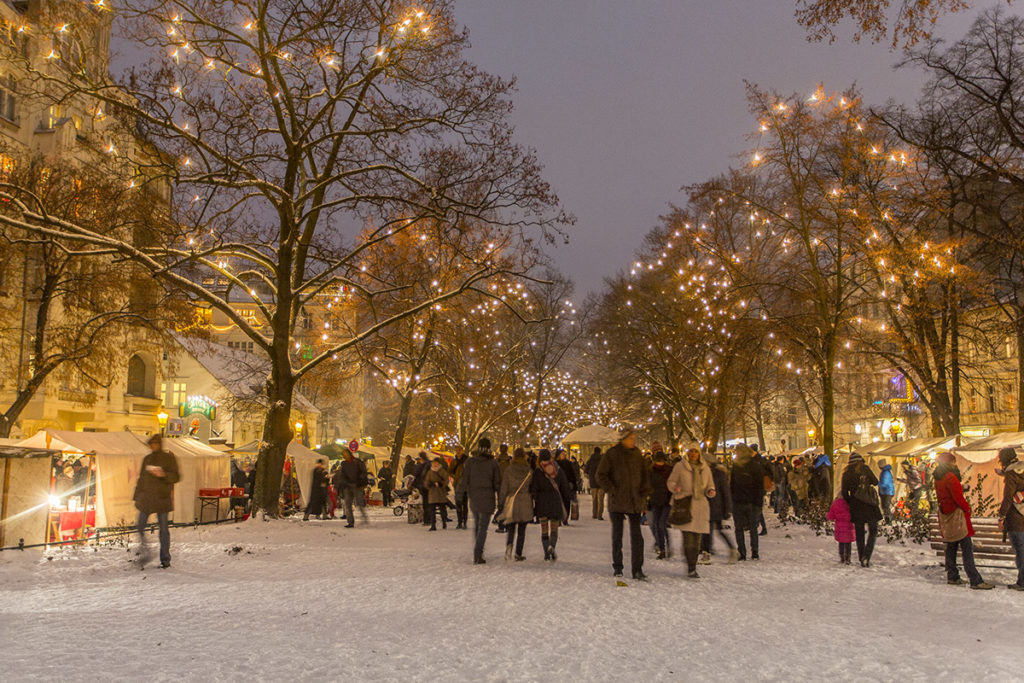
Berlin’s Christmas markets come in many forms, and the snow-covered market at Richardplatz shows the quieter, neighbourhood side of the city’s festive season beneath trees strung with lights. Photo by visitBerlin, Wolfgang Scholvien.
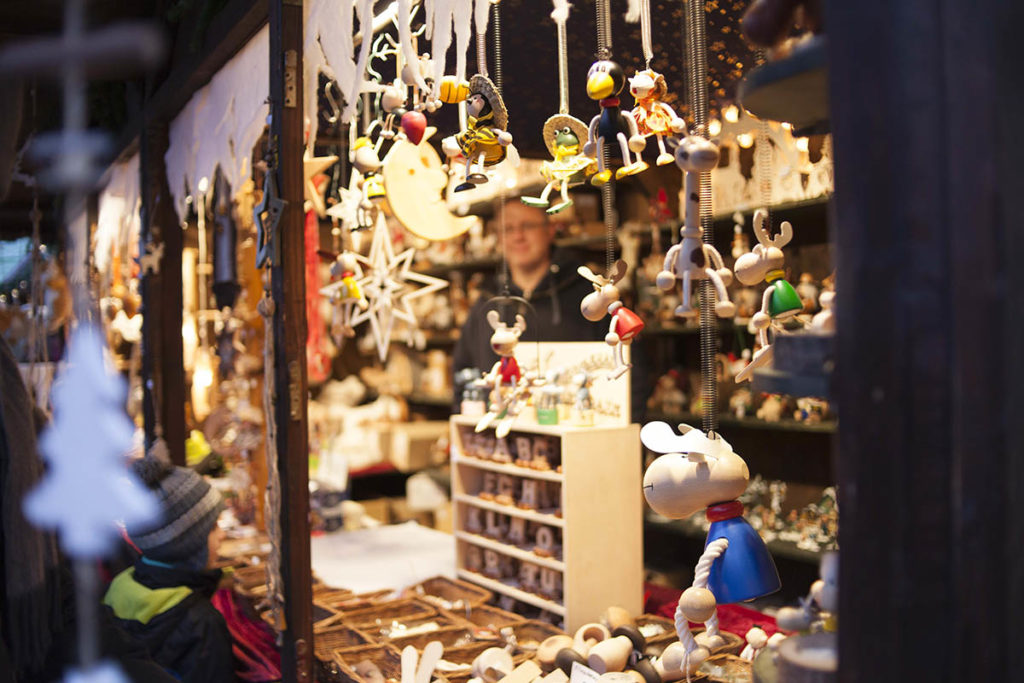
Handmade gifts and decorations are part of the charm of Bad Homburg’s Christmas market, with traditional stalls adding warmth and character to the festive setting. Photo by Christian Metzler.
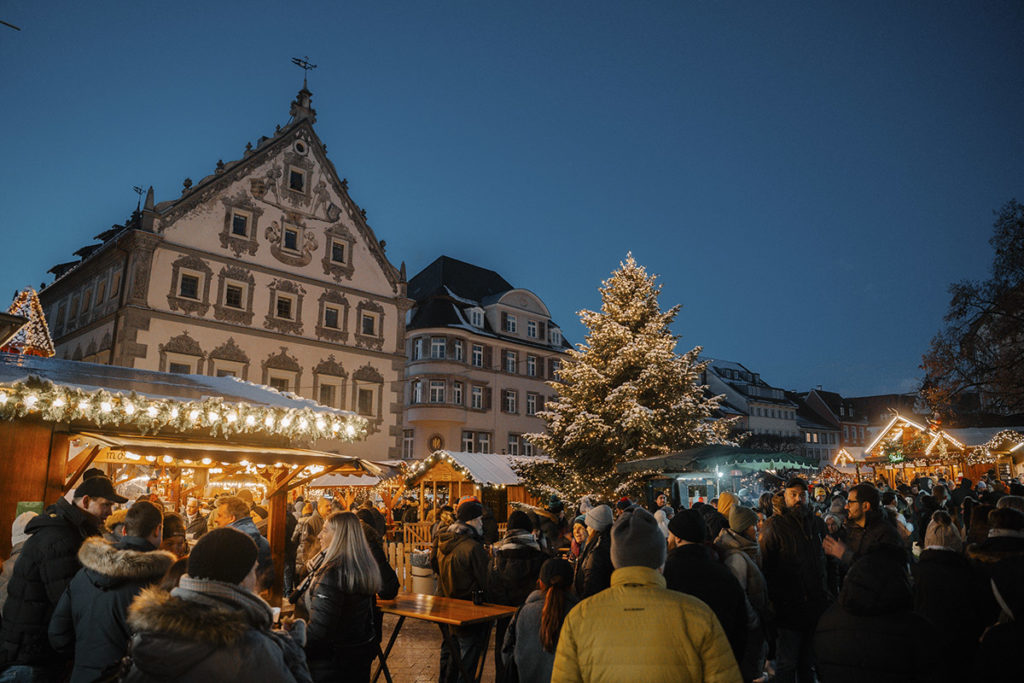
Ravensburg’s Christkindlesmarkt fills the historic old town with glowing stalls, festive lights and a lively Advent atmosphere after dark. Photo by Marius Hartinger.
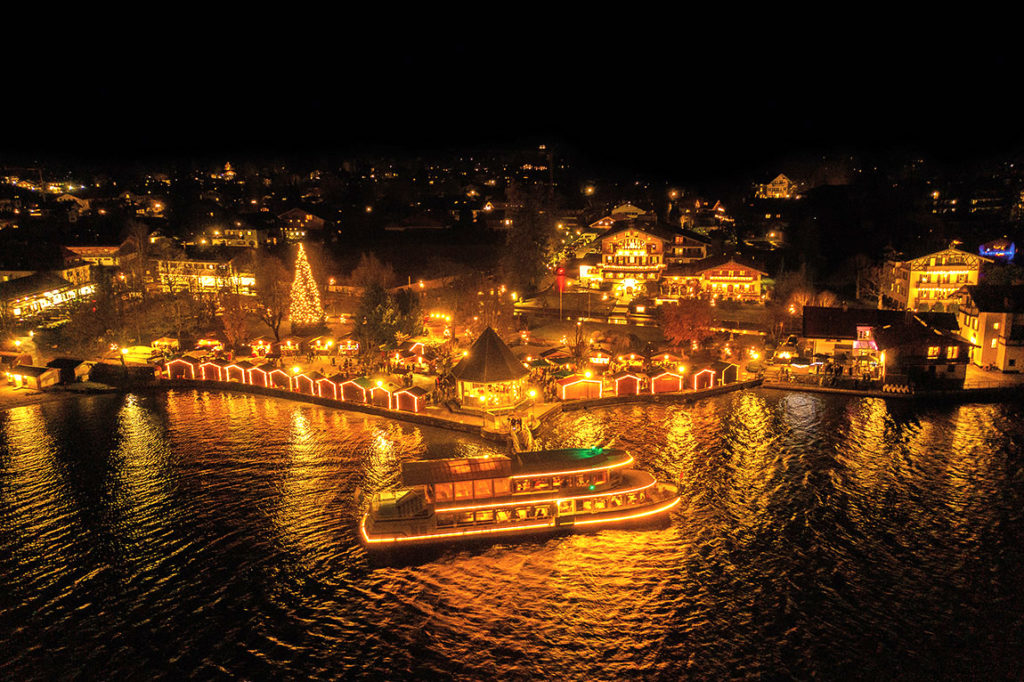
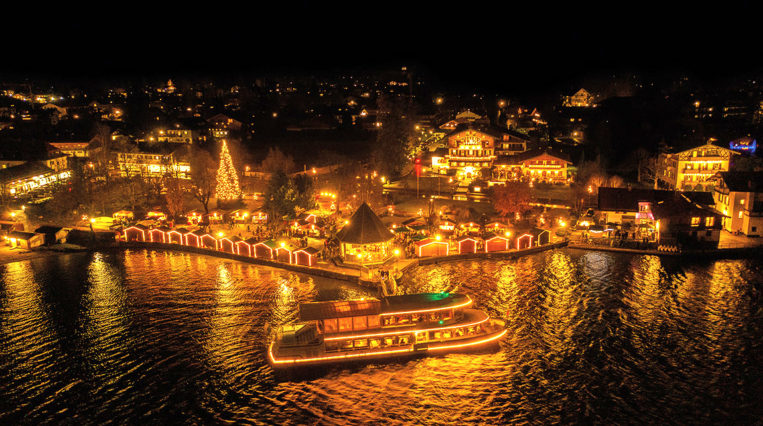
Few Christmas markets have a setting quite like Lake Tegernsee, where three Advent markets glow around the lakeshore and shuttle boats carry visitors between them across the water. Photo by Der Tegernsee, Sebastian Ulmer.
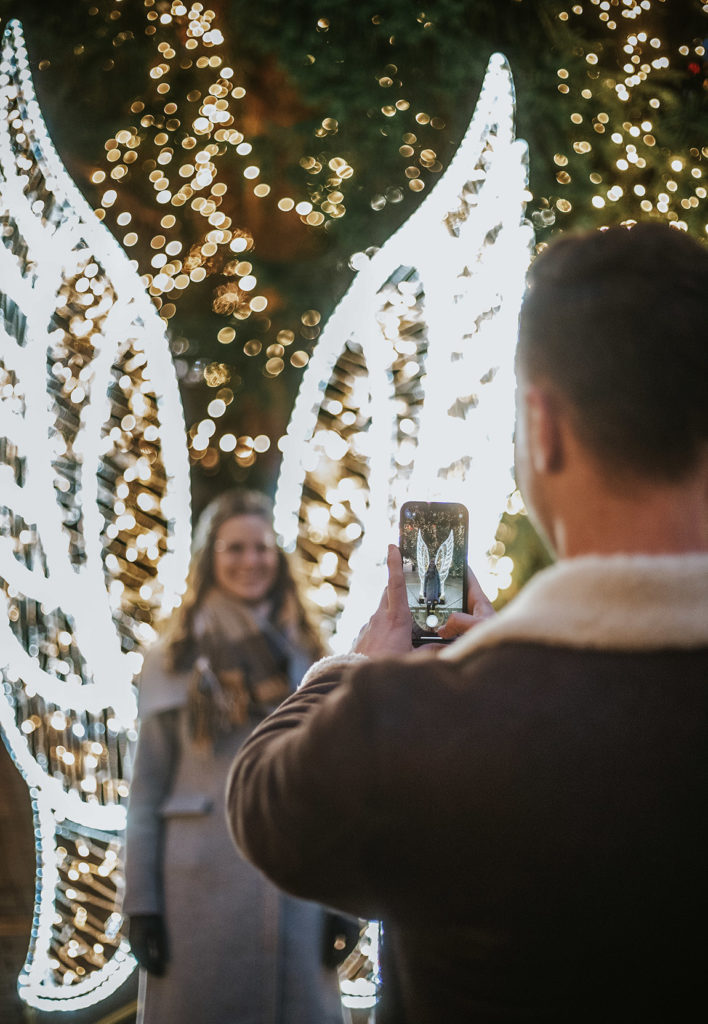
Heilbronn’s Käthchen Christmas Market fills the city centre with festive stalls, lights and traditional attractions, with the historic core providing the backdrop to the celebrations. Photo by Heilbronn Marketing GmbH.
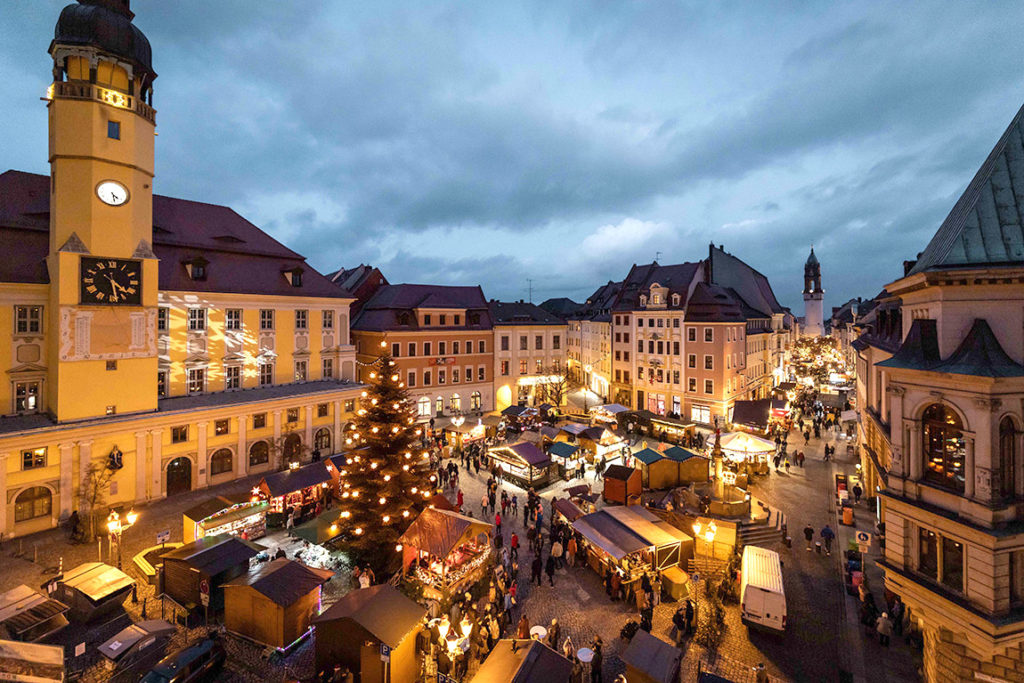
Bautzen’s Wenzelsmarkt brings more than 600 years of Advent tradition to the heart of the historic old town, with festive stalls filling the streets beneath its towers and landmark buildings. Photo by Philipp Herfort.
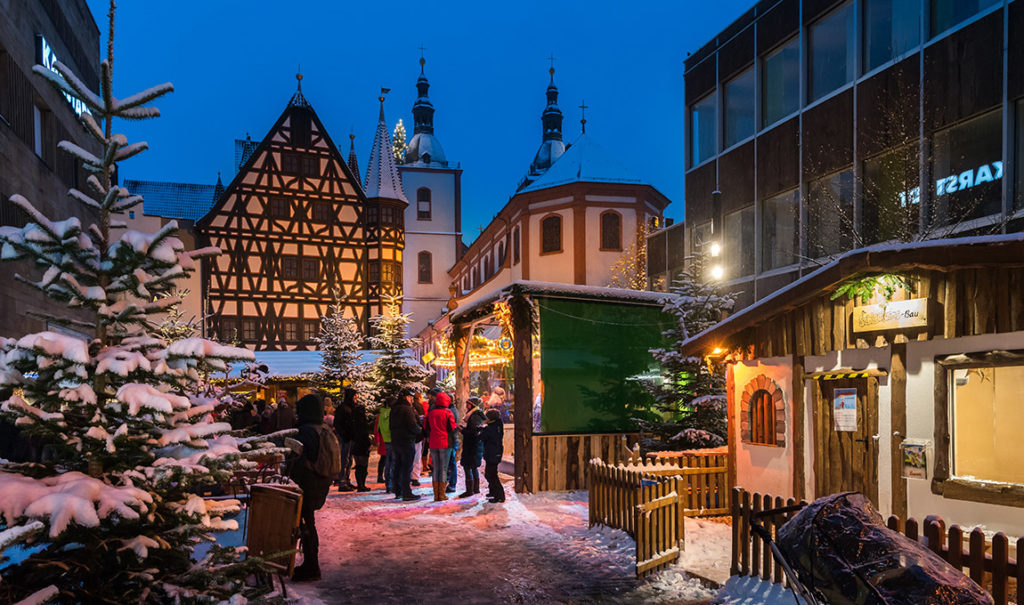
Fulda’s Christmas market brings festive lights, traditional rides and seasonal stalls to the heart of the baroque old town, creating a particularly atmospheric stop after dark. Photo by Stadt Fulda | Christian Tech.
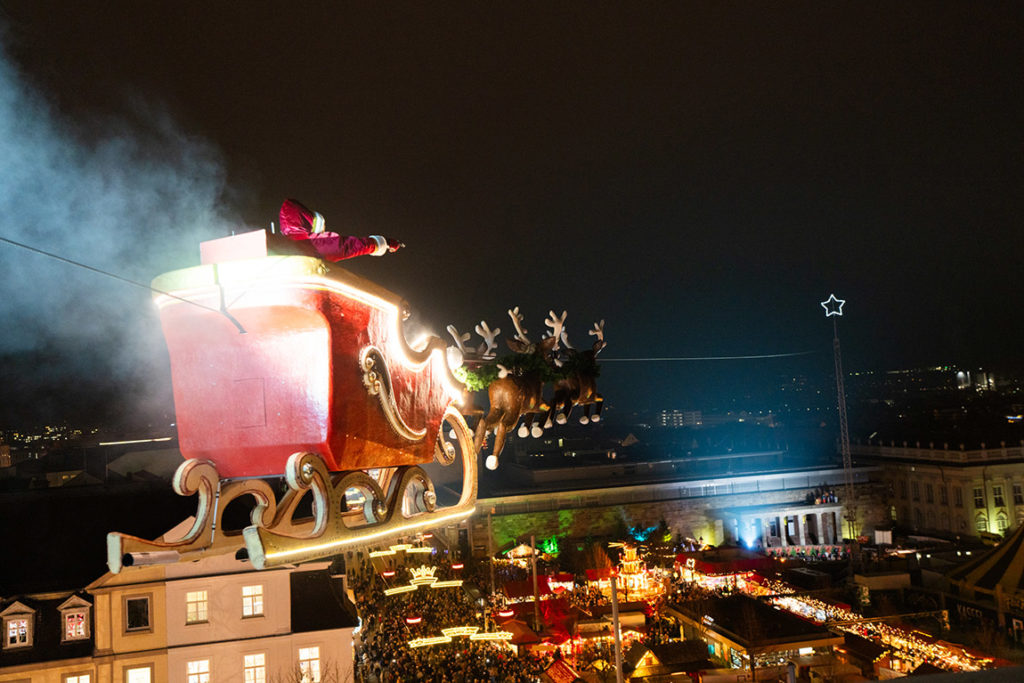
Kassel’s Christmas market leans into its fairy-tale heritage, with dramatic festive displays and storybook touches creating a playful Advent atmosphere in the city centre. Photo by Kassel Marketing GmbH, Can Wagener.
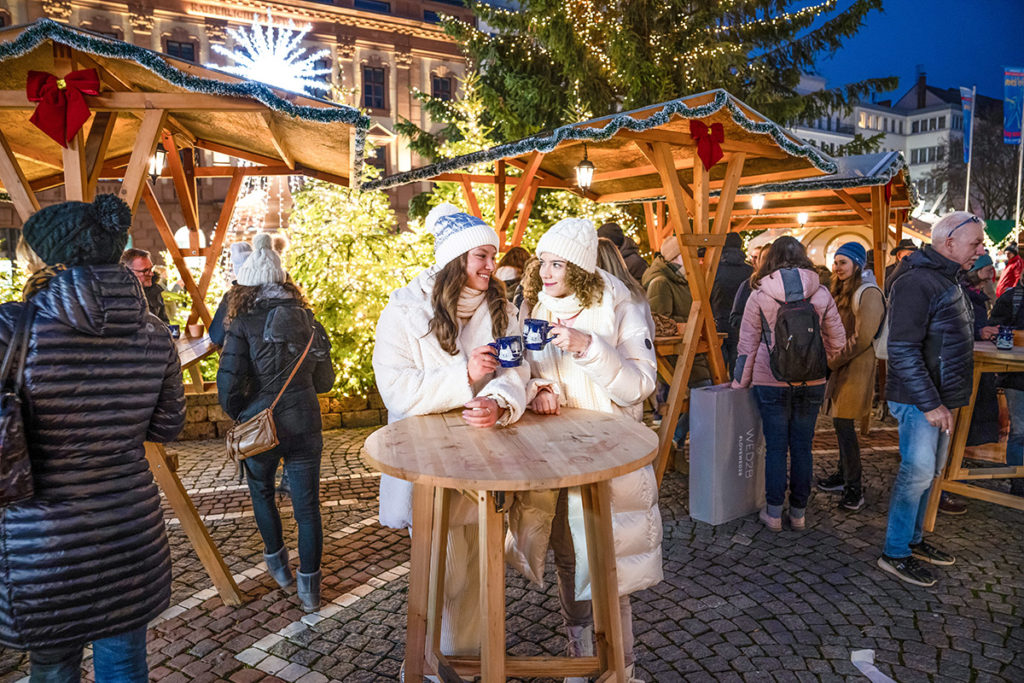
Sharing a warm drink among the wooden stalls is part of the pleasure of Bad Homburg’s Christmas Market, with plenty of time to stop, chat and enjoy the lights. Photo by Bad Homburg.
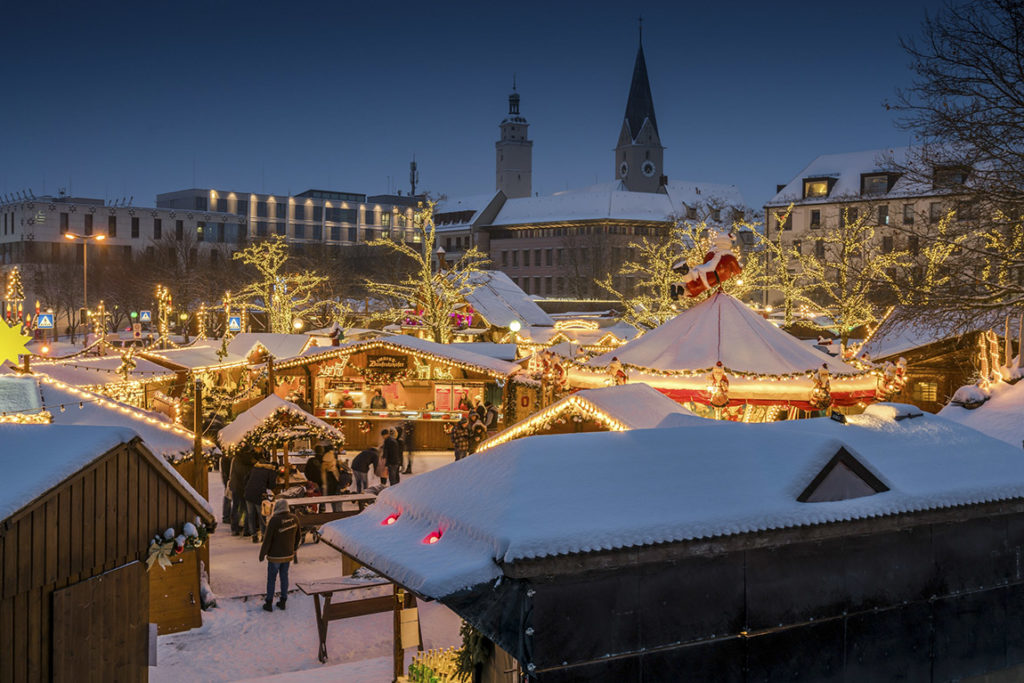
Ingolstadt’s Christmas celebrations unfold beneath the historic architecture of the former ducal town, with illuminated stalls, a towering Christmas tree and the Neues Schloss providing a striking backdrop. Photo by Erich Reisinger.
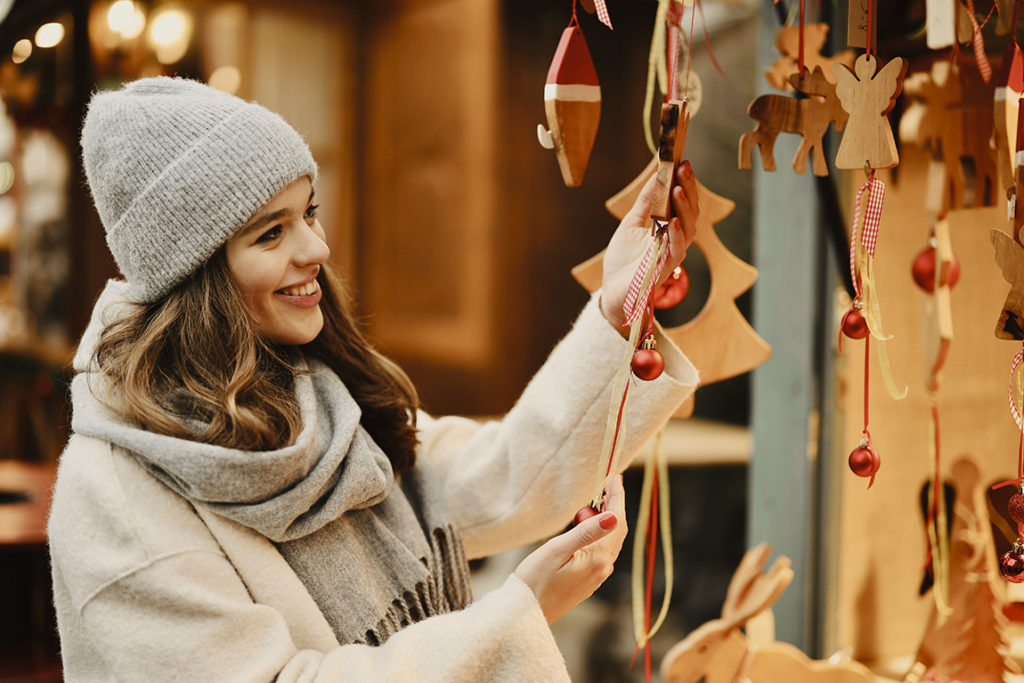
Browsing handmade wooden decorations is part of the pleasure of Ravensburg’s Christkindlesmarkt, where traditional crafts and festive stalls fill the old town in the run-up to Christmas. Photo by Marius Hartinger.
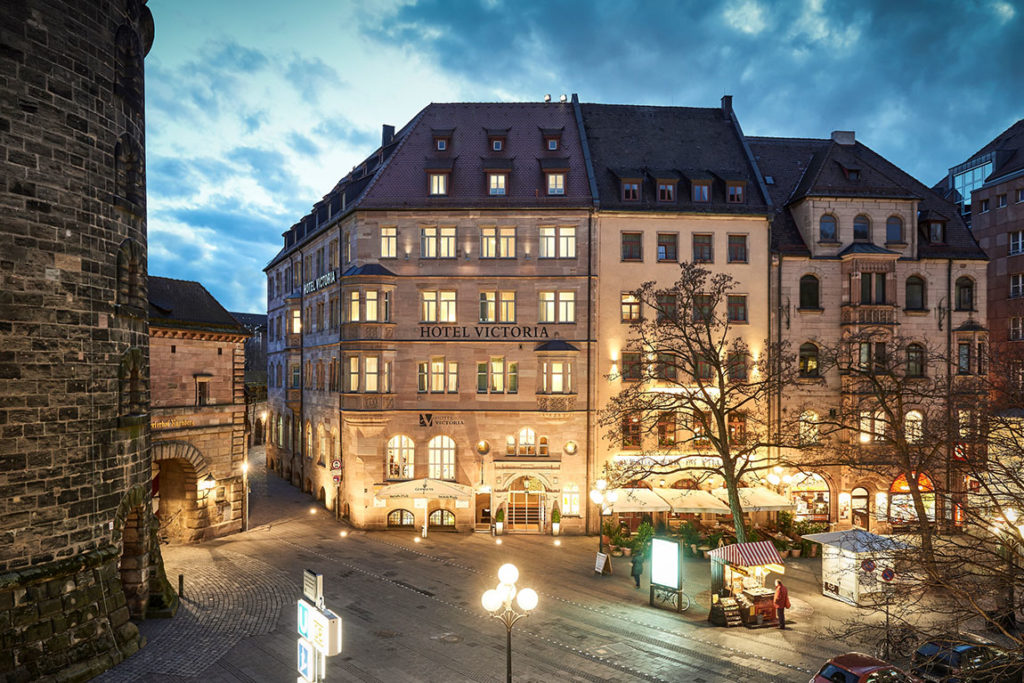
Hotel Victoria sits at the gateway to Nuremberg’s Old Town, making it an ideal base for exploring the Christkindlesmarkt and returning somewhere warm after an evening among the festive stalls. Photo by Hotel Victoria.

Sweet, spiced Christmas biscuits are among the seasonal treats that make a visit to Germany’s Christmas markets as much about tasting as browsing. Photo by Pixabay.
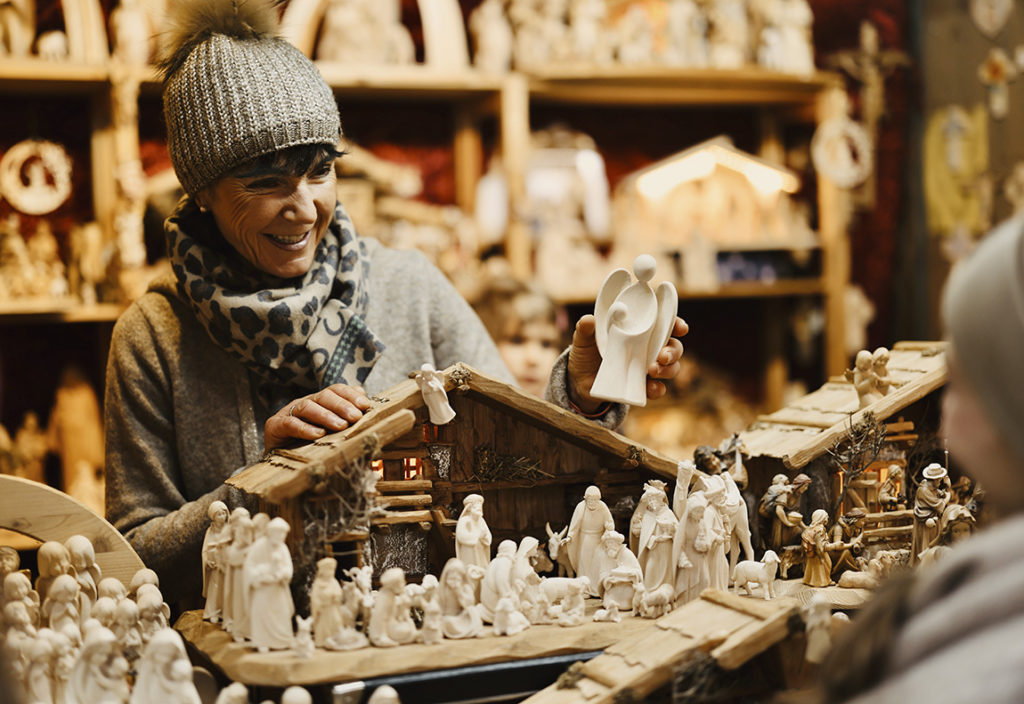
Handcrafted nativity figures and Christmas decorations are among the treasures to browse at Ravensburg’s Christkindlesmarkt, where local craftsmanship gives the market much of its traditional character. Photo by Marius Hartinger.
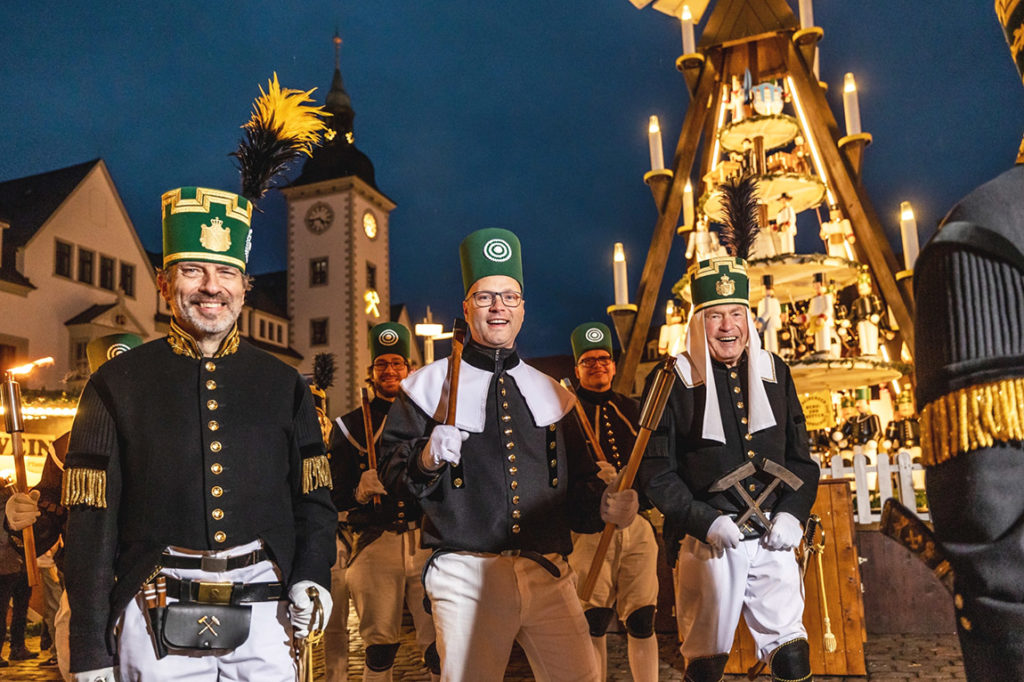
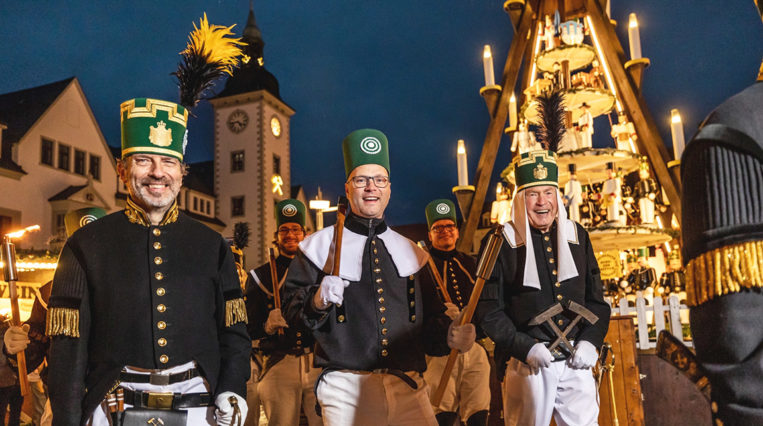
Freiberg’s Christmas traditions are closely tied to the Ore Mountains’ mining heritage, with historic costumes, candlelight and traditional wooden decorations giving the Christmarkt a character all its own. Photo by Philipp Herfort Photography.
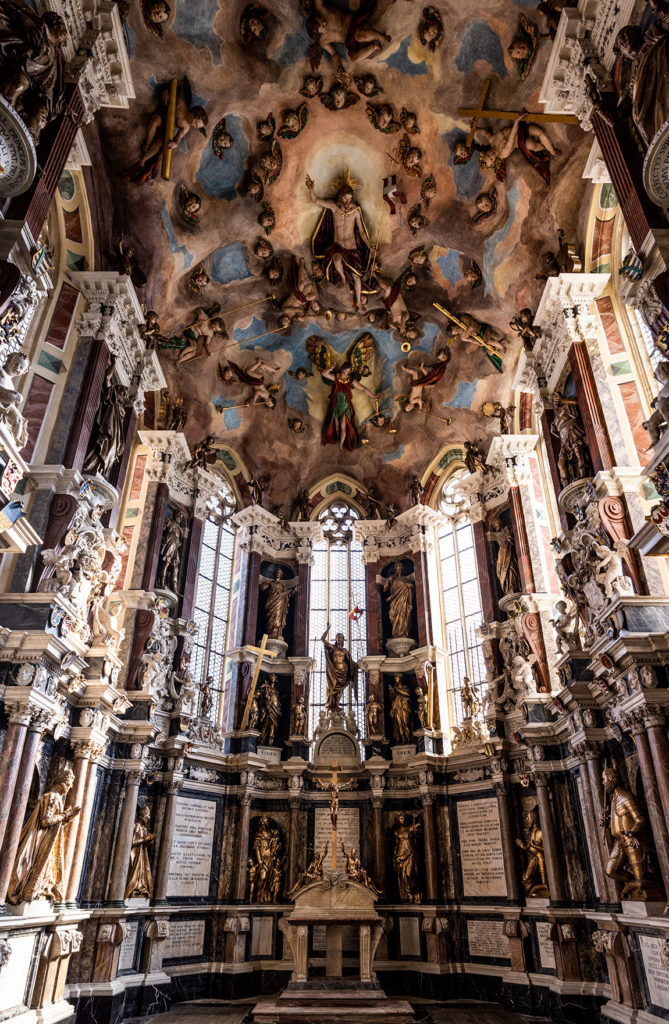
Freiberg Cathedral adds another dimension to a Christmas-market visit, with its richly decorated interior and the burial chapel of the Wettin electors offering a glimpse into the city’s long history. Photo by Philipp Herfort Photography.
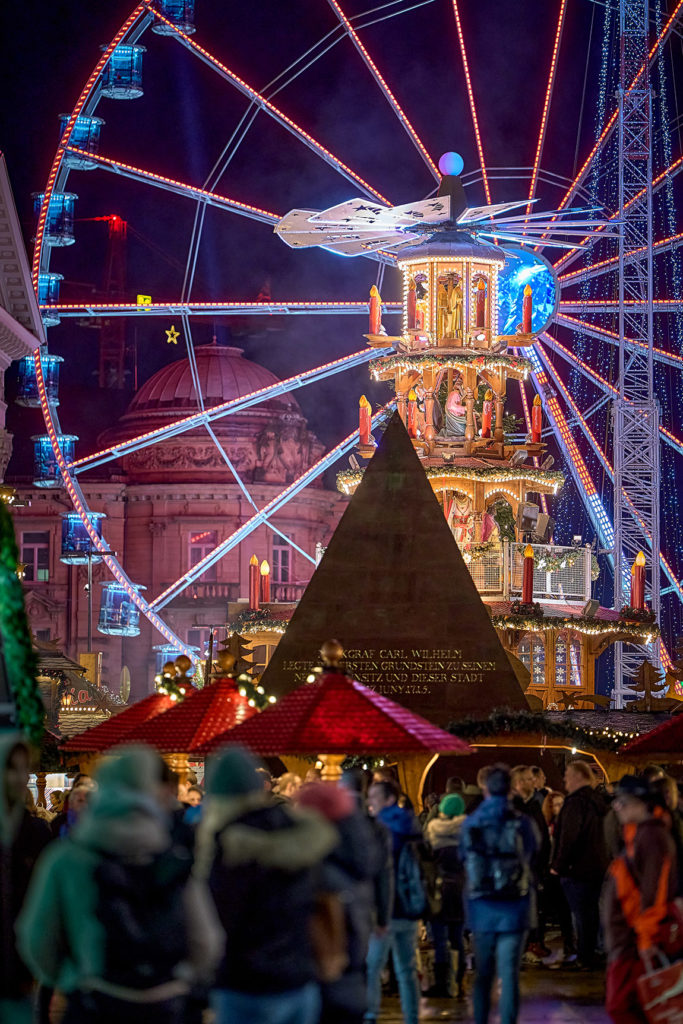
Karlsruhe’s Christmas City mixes traditional market stalls with bigger festive attractions, from the illuminated Christmas pyramid to the Ferris wheel rising above the crowds. Photo by Bruno Kelzer.
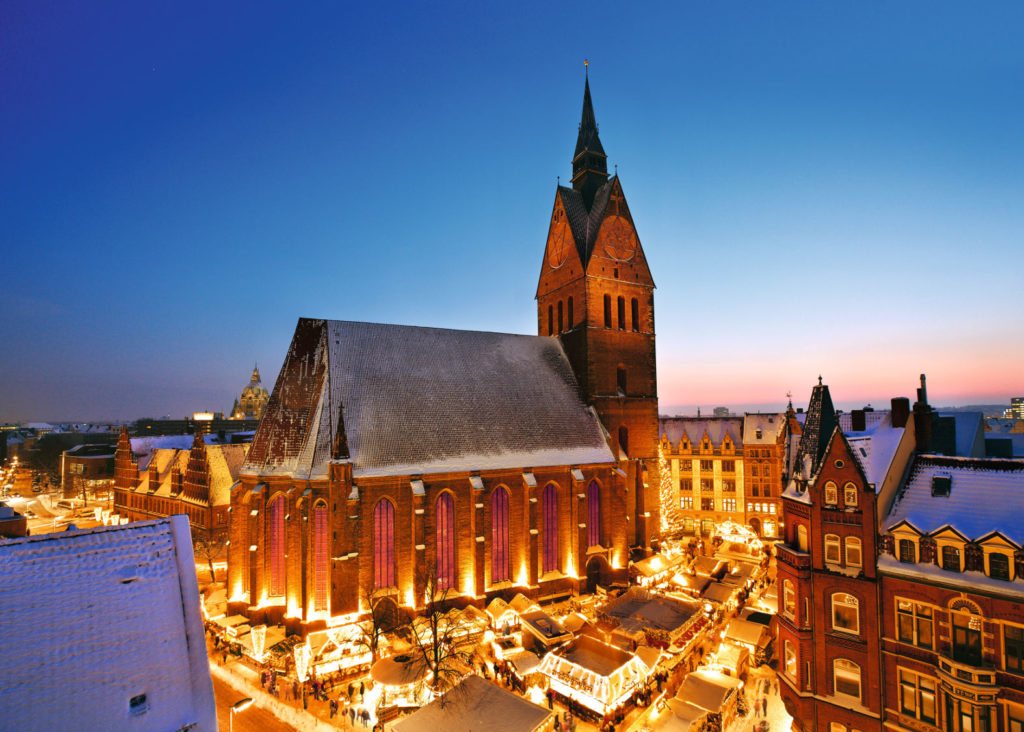
Hannover’s Christmas markets spread through the historic old town, with illuminated stalls clustered around the Market Church and half-timbered streets. Photo by Hannover Marketing und Tourismus GmbH.
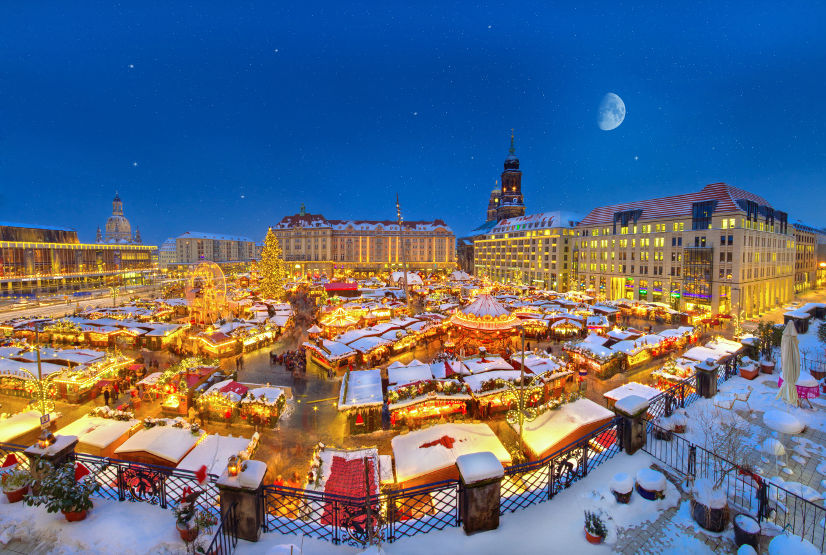
Dresden’s Striezelmarkt lights up the Altmarkt beneath a winter sky, with rows of festive stalls, Saxon specialities and centuries of Christmas tradition at the heart of the city. Photo by Landeshauptstadt Dresden / Sylvio Dittrich.
Few countries are as closely associated with Christmas markets as Germany. From medieval squares scented with Glühwein and roasted almonds to grand city markets, half-timbered old towns and Advent villages beside mountain lakes, the weeks before Christmas bring a different rhythm to towns and cities across the country.
Yet no two markets are quite alike. Some are shaped by centuries-old traditions, others by regional food and craftsmanship, architecture or an unusual setting. In the larger cities, several contrasting markets can often be explored in a single weekend.
Whether you are planning your first festive trip to Germany or looking for somewhere different to visit next, these are 20 Christmas markets worth travelling for.
1. Nuremberg Christkindlesmarkt
Best for: the classic German Christmas-market experience
Set on the Hauptmarkt in the heart of the old town, the Christkindlesmarkt brings together many of the traditions people associate with Christmas in Germany: red-and-white stalls, handmade decorations, festive food and the opening appearance of the Christkind.
Food is an important part of the experience. Small Nürnberger Rostbratwürste are a local staple, while the city’s Lebkuchen and gingerbread tradition stretches well beyond the market itself.
There is more to explore away from the main square, including the children’s market and the Market of the Sister Cities, where stalls represent Nuremberg’s international partner cities.
Come early enough to appreciate the details, then stay as daylight fades and the old town takes on the atmosphere for which the market has become known.
2. Dresden Striezelmarkt
Best for: history and Christmas traditions
Dresden’s Striezelmarkt is closely tied to the development of Christmas traditions in Saxony. First held in the 15th century, it takes its name from Striezel, an early form of the cake now known as Dresdner Christstollen.
The regional character is visible throughout the market. Wooden pyramids, candle arches, nutcrackers and carved figures reflect the craft traditions of the nearby Ore Mountains, while the Altmarkt provides a central setting in which those traditions sit comfortably alongside food stalls and festive entertainment.
Dresden also works particularly well as a city break. The Frauenkirche, baroque architecture, museums and the banks of the Elbe are all within easy reach, so the market becomes one part of a wider winter visit rather than the only reason to travel.
3. Cologne Christmas markets
Best for: exploring several markets in one city
Cologne does not ask visitors to choose a single Christmas market. During Advent, the centre becomes a series of festive areas, each with its own character.
The market beside Cologne Cathedral has the most imposing backdrop, with the Gothic towers rising above the stalls. In the old town, Heinzels Wintermärchen extends across Alter Markt and Heumarkt, while the Market of Angels brings a different atmosphere to Neumarkt.
The advantage is variety without much travelling. Markets can be combined with the cathedral, museums, shopping streets and walks along the Rhine, making the city particularly well suited to a two- or three-night break.
Rather than attempting to see everything in one evening, allow enough time to wander between the different areas and stop when somewhere catches your attention.
4. Munich Christmas markets
Best for: a Bavarian city break
The traditional Christkindlmarkt on Marienplatz forms the centrepiece of Christmas in Munich, spreading through the surrounding streets beneath the Neues Rathaus. Nearby, the Kripperlmarkt focuses on nativity figures and accessories, a tradition with deep roots in Bavaria.
But the city becomes more interesting when you move beyond the central square. Neighbourhood markets and seasonal events offer different interpretations of Advent, while Tollwood Winter Festival adds food, performances and a more contemporary atmosphere.
Munich’s wider appeal makes it an easy place to spend several days. Museums, historic beer halls, churches and Bavarian food provide plenty to do between market visits, and the city’s different Christmas experiences reward a little exploration rather than a single stop at Marienplatz.
5. Rothenburg ob der Tauber Reiterlesmarkt
Best for: storybook surroundings
Rothenburg ob der Tauber looks ready for Christmas before the first stall is built. Its preserved medieval walls, narrow lanes and half-timbered buildings provide the setting for the Reiterlesmarkt around the town hall and St Jakob.
The name comes from the Reiterle, a figure from local folklore that forms part of the market’s seasonal tradition. Elsewhere in town, Christmas decorations are hard to miss: Käthe Wohlfahrt, one of Germany’s best-known Christmas retailers, has its home here.
Rothenburg is also one of the highlights of Germany’s Romantic Road, which makes it possible to build the visit into a longer journey through Bavaria and southern Germany.
Staying overnight is worthwhile. After many day visitors have left, the old streets become quieter and the town takes on a rather different character.
Why Christmas markets matter in Germany
Christmas markets may now draw visitors from across the world, but they remain rooted in local life.
Seasonal trading markets developed as places to buy food, household goods and, later, gifts and decorations in the period before Christmas. Over time, different regions added their own crafts, foods and customs. That regional variation remains one of the pleasures of travelling between them today.
There is also a social side that is easy to overlook. A visit is often less about shopping than meeting friends or colleagues over something warm to drink after work. As Barbara Geier explores in her piece on German Christmas-market culture, the market is as much a seasonal meeting place as a retail event.
That is useful advice for visitors too: there is little benefit in rushing through as many stalls as possible.
6. Berlin Christmas markets
Best for: variety
Berlin offers almost every version of a Christmas market imaginable, from traditional squares and craft markets to neighbourhood events and more unconventional seasonal gatherings.
The city centre provides several well-known options, while smaller districts often offer a more local atmosphere. It is worth looking beyond the headline attractions: Berlin’s festive season can feel very different from one neighbourhood to the next, something captured nicely in this glimpse of Christmas around Richardplatz.
This is a destination where planning by area rather than trying to cover the whole city makes sense. Pick two or three markets that appeal, then combine them with the museums, restaurants and neighbourhoods nearby.
For travellers who want several contrasting experiences rather than one defining market, the capital is hard to beat.
7. Aachen Christmas Market
Best for: Printen and a compact historic centre
Aachen’s market fills the streets and squares around the cathedral and town hall, creating a festive centre that is easy to explore on foot.
One local speciality appears everywhere: Aachener Printen. These spiced baked treats are related to gingerbread but have their own texture, flavour and history, with versions ranging from traditional hard Printen to varieties covered with chocolate or nuts.
The setting adds much of the appeal. Aachen Cathedral brings more than a thousand years of history to the centre of the city, while the surrounding lanes keep everything close together. The market is one of several reasons the city works well as part of a winter trip through North Rhine-Westphalia.
It is a good choice for visitors who value atmosphere and local food over sheer scale.
8. Hamburg Christmas markets
Best for: tradition with a different side
The historic market in front of Hamburg’s Rathaus provides the traditional centrepiece, with wooden stalls, crafts and seasonal food against one of the city’s most recognisable buildings.
But Christmas in Hamburg is considerably broader than Rathausmarkt. Markets appear around churches, shopping streets and other parts of the centre, while Santa Pauli on the Reeperbahn gives the season a characteristically St Pauli interpretation.
That contrast is the reason to choose Hamburg. A weekend can move easily between a conventional market, the harbour, museums and a festive event that feels very different from anything found in a small medieval town.
Allow time for the city itself rather than treating the markets as isolated attractions.
9. Stuttgart Christmas Market
Best for: decorated stalls and a grand city setting
At Stuttgart’s Christmas market, the roofs are almost as important as the stalls beneath them.
Traders decorate them with winter scenes, figures, lights and elaborate festive displays, creating a small competition above visitors’ heads. The market spreads through the centre around Schlossplatz, Schillerplatz and Marktplatz, so there is plenty to explore without leaving the historic core.
Stuttgart also makes a useful base for a wider festive trip through the region. The city can be combined with very different Christmas experiences elsewhere in wintertime Baden-Württemberg, from medieval settings to the Black Forest.
The result is a large traditional market that still retains plenty of individual detail.
10. Leipzig Christmas Market
Best for: music and Saxon traditions
Leipzig’s Christmas-market history reaches back to the 15th century, and today the festivities spread through several areas of the city centre rather than occupying only one square.
Music provides an added reason to visit. This is the city associated with Johann Sebastian Bach and the Thomanerchor, so Advent can be combined with concerts and church music as well as the market itself.
Saxon food, crafts and decorations add a strong regional character, while the old centre is compact enough to explore comfortably on foot. The combination of music, market life and seasonal traditions is explored further in Christmas magic in Leipzig.
It is an especially good choice for anyone who wants culture to be as important as shopping and Glühwein.
What to eat and drink at a German Christmas market
There is no single Christmas-market menu.
Sausages, roasted almonds and Glühwein are widespread, but the more interesting choices tend to be regional. Nuremberg has its small grilled sausages and Lebkuchen, Dresden has Christstollen, Aachen has Printen and Lübeck is known for marzipan. Frankfurt brings apple wine into the equation, while local pastries and savoury dishes change from one region to the next.
For a broader introduction, these ten Christmas-market treats are a good place to start.
And while a mug of warming Glühwein may be the obvious order, it is worth checking what the locals are drinking before automatically choosing the same thing at every stop.
11. Ravenna Gorge Christmas Market
Best for: a dramatic setting
This Black Forest market swaps a town square for a narrow wooded valley beneath the Höllental Railway viaduct.
After dark, the illuminated arches tower above the stalls while the surrounding forest provides a backdrop unlike that of Germany’s large city markets. Crafts, food and seasonal music form part of the experience, but the location is what makes it memorable.
It is also one of the markets on this list that requires a little more organisation. Access and admission are controlled, and arrangements can change from season to season, so booking and transport should be checked before travelling.
The effort is rewarded with an experience that feels more like a winter excursion than a shopping trip. It works particularly well as part of a longer stay in the Black Forest rather than a hurried stop between cities.
12. Frankfurt Christmas Market
Best for: an easy festive city break
Frankfurt’s modern skyline can make it easy to forget how much historic character survives at street level.
At Christmas, the market extends through the centre towards Römerberg, where the reconstructed old town provides a traditional setting very different from the financial district only a short walk away.
Food gives the city its own seasonal identity. Bethmännchen, small marzipan pastries associated with Frankfurt, are worth seeking out, while hot apple wine offers a Hessian alternative to Glühwein.
Practicality is another advantage. Frankfurt’s airport and rail connections make it easy to reach from abroad or combine with other German destinations, so it works particularly well as the beginning or end of a longer Christmas-market journey.
13. Lübeck Christmas markets
Best for: Hanseatic character and marzipan
Lübeck’s old town brings Gothic brick churches, narrow lanes and historic merchant buildings to the Christmas season.
Several festive areas sit within the UNESCO-listed centre, including the traditional market around the town hall and smaller craft-focused events. Because everything is relatively close together, the city lends itself to wandering rather than following a rigid itinerary.
Then there is marzipan. Lübeck’s connection with the almond confection is part of the city’s culinary identity, with its history and traditions explored in Marzipan from Lübeck with love.
Combined with the architecture and northern German atmosphere, it gives the city a clear sense of place. This is a strong option for anyone who wants something smaller and more manageable than the major metropolitan markets.
14. Esslingen Medieval Market and Christmas Market
Best for: medieval atmosphere
Esslingen combines a conventional Christmas market with a medieval market in an old town already filled with half-timbered buildings.
Craftspeople demonstrate traditional skills, performers take to the streets and historic trades become part of the experience. The effect is more theatrical than many city markets, but the architecture provides a setting in which it feels surprisingly natural.
Blacksmithing, leatherwork and other crafts help distinguish the medieval section from the familiar pattern of festive stalls found elsewhere. Food and entertainment follow the theme too.
The attraction is not simply that Esslingen looks old. The market actively uses the history of the town to create something visitors can take part in, making it particularly appealing for families and anyone who wants more than shopping.
15. Dortmund Christmas Market
Best for: big-city spectacle
Dortmund approaches Christmas on a large scale.
Festive stalls and attractions spread across several areas of the city centre, creating an event that feels more urban and energetic than the compact markets of smaller historic towns.
Its most recognisable feature is the enormous illuminated Christmas tree on Hansaplatz, assembled from many individual trees and visible above the surrounding market.
This is not the place to look for quiet medieval lanes. The attraction is choice: plenty of food, shopping and entertainment within a busy city-centre setting.
That makes Dortmund a useful contrast to many of the other places on this list. Germany’s Christmas-market tradition is broad enough to include large contemporary city events as well as historic Advent markets, and both have their audience.
16. Lake Tegernsee Advent markets
Best for: a lakeside Alpine setting
At Lake Tegernsee, the journey between the markets is part of the experience.
Three Advent markets sit around the Bavarian lake, with locations in Bad Wiessee, Rottach-Egern and Tegernsee. Shuttle boats carry visitors across the water, linking the different stops against a backdrop of the Bavarian Alps.
The three romantic Advent markets along the shore each have their own character, while regional food and crafts help tie the experience together.
This is particularly appealing for repeat visitors who have already experienced Germany’s large city markets. Instead of moving through crowded shopping streets, the day can involve lake crossings, mountain views and smaller-scale festive stops.
Allow plenty of time rather than trying to complete the circuit as quickly as possible.
17. Freiberg Christmarkt
Best for: Ore Mountain crafts and traditions
Freiberg’s Christmas celebrations are closely connected to the mining culture of Saxony and the Ore Mountains.
That history can be seen in the wooden decorations associated with the region: candle arches, smoking figures, pyramids and carved miners all have roots in communities shaped by long winters and centuries of mining.
The setting in Freiberg’s historic centre reinforces that sense of place. Rather than adding generic Christmas decoration to an interchangeable market, many of the objects and customs have a direct connection with the surrounding region.
The relationship between Christmas and mining heritage is central to the city’s Christmarkt traditions, making this a rewarding stop for visitors interested in craftsmanship as much as festive atmosphere.
18. Bautzen Wenzelsmarkt
Best for: history and regional character
Bautzen’s Wenzelsmarkt has roots stretching back more than six centuries, but age is only part of its appeal.
The market sits among the medieval towers and historic facades of the old town, bringing seasonal stalls and food into one of eastern Germany’s most distinctive townscapes.
Bautzen also lies at the heart of Lusatia, where Sorbian culture adds another layer to the region’s identity. That makes local customs and food particularly worth looking out for.
The story behind more than 600 years of Advent in Bautzen is a reminder that some of Germany’s most interesting seasonal traditions are found well beyond the best-known tourist cities.
For travellers returning for a second or third Christmas-market trip, this is precisely the sort of place worth adding to the itinerary.
19. Kassel fairy-tale Christmas market
Best for: fairy-tale themes
Kassel has a natural starting point for its Christmas celebrations: the Brothers Grimm.
The city uses that literary heritage throughout the festive season, with fairy-tale themes appearing alongside stalls, food and seasonal attractions. Different stories can take centre stage, allowing the event to change character while retaining its connection to Kassel and the Grimm tradition.
The result is particularly appealing for families, but the cultural connection gives it more substance than a purely themed attraction. The city’s links to the Grimms can be explored beyond the market as part of a wider visit.
A season inspired by Frau Holle and fairy-tale winter in Kassel shows how naturally those stories fit into the Advent setting.
20. Münster Christmas markets
Best for: market-hopping on foot
Münster’s festive centre is made for wandering.
Several markets sit within a short walk of each other, with historic squares, churches and the arcaded Prinzipalmarkt linking the different areas. Visitors can move between them without spending half the day on public transport.
That makes the city particularly comfortable for a weekend break. Stop for food, explore the old centre, continue to another square and return to whichever market appealed most after dark.
The different settings are part of the attraction, as shown in this guide to Münster’s Christmas markets.
It is a fitting final entry because it demonstrates that scale is not everything. A well-preserved centre, several contrasting markets and the ability to explore at an unhurried pace can be just as rewarding.
Planning a German Christmas-market trip
When do Christmas markets start in Germany?
Most open during the second half of November, around the beginning of the Advent period, and run through much of December.
Many traditional markets close shortly before Christmas Eve, while some larger city markets and winter events continue beyond Christmas. Dates change annually, so check the official website of any market that is central to your trip before booking.
How long should you stay?
Two nights is enough for many smaller destinations, particularly where the market and main sights are concentrated in the historic centre.
Larger cities with several markets reward a longer stay. Three nights allows time to explore different areas without turning the trip into a race between stalls.
For a multi-city holiday, choosing a few well-connected bases is usually more enjoyable than changing hotels every night.
Are German Christmas markets free?
Most traditional outdoor markets do not charge an entrance fee. Visitors simply pay for food, drink, shopping and individual attractions.
There are exceptions, particularly destination events with limited capacity or special transport arrangements. Check in advance where booking is required.
Do German Christmas markets accept cards?
Card acceptance has improved, particularly at larger markets, but smaller stalls may still prefer cash.
Carrying some euros is sensible, especially for food, drinks, deposits on Glühwein mugs and smaller purchases. It also avoids relying on a particular stall’s card terminal or mobile connection.
What should you wear?
Think about standing outdoors rather than simply walking through a city.
Warm layers, gloves and comfortable waterproof shoes make a considerable difference, particularly after dark. Temperatures can be low even when there is no snow, and several hours outside can feel much colder than a short walk between indoor attractions.
Will there be snow?
Perhaps, but it should not be the basis of the trip.
December weather varies considerably, and the large lowland cities cannot promise a snow-covered market. Frost, rain, fog and clear winter evenings are all possible.
Higher areas of southern Germany may offer a better chance of wintry scenery, but even there snowfall cannot be guaranteed.
More winter inspiration
A Christmas-market trip does not need to begin and end at the stalls. Germany in winter offers museums, concerts, castles, regional food, walking and outdoor experiences that can turn a festive weekend into a much broader journey.
For more ideas away from the traditional Advent circuit, explore these unusual things to do in winter in Germany or continue through Discover Germany’s travel stories for more destinations, experiences and seasonal inspiration.

In need of inspiration for this year’s Christmas dinner? Or travelling to Germany in December and need to know what to order? Just in time for the…
On all four Advent weekends, three enchanting Christmas markets invite visitors to enjoy an unforgettable experience along Lake Tegernsee, where…
Authentisch und geheimnisvoll: Auf dem ‚Freiberger Christmarkt‘ im Weihnachtsland Erzgebirge werden bergmännische Traditionen und Brauchtum lebendig.…
Are you a fan of Germany, Switzerland and Austria? So are we! Sign up to our newsletter now to stay up to date on the most exciting news, events and destinations.