
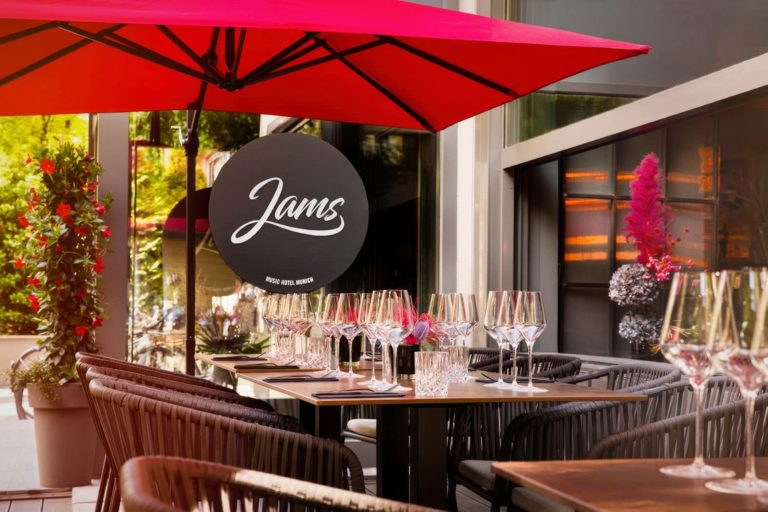
In Munich’s Haidhausen district, JAMS Music Hotel offers a different kind of city stay. Here, music is the starting point for everything, from its…

From urban allotments to restaurant-run food forests, a new generation of German chefs is finding ways to bring food production closer to the kitchen.…
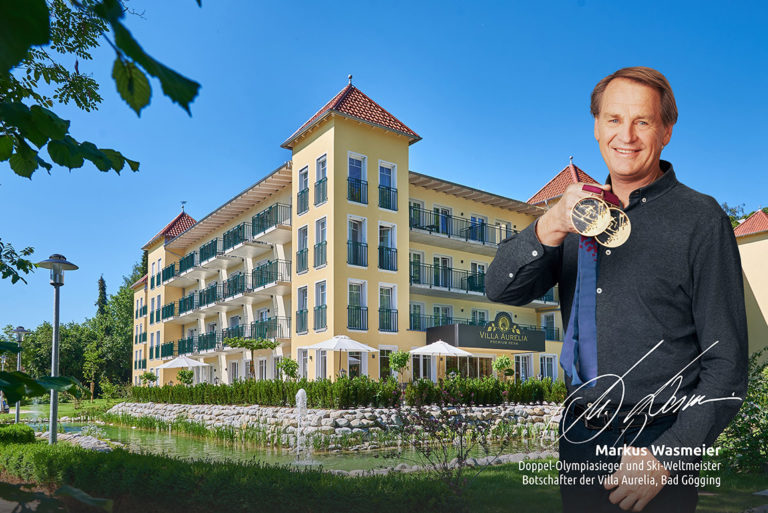
Rehabilitation marks the transition to everyday life. It is often preceded by surgery or a lengthy period of pain and limited mobility. What matters…
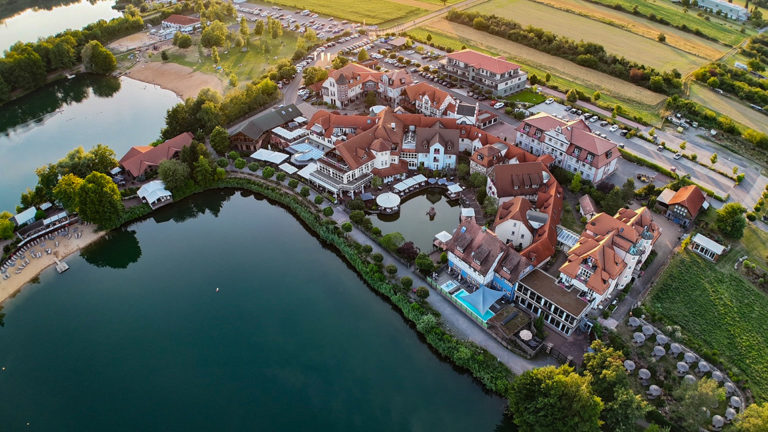
Just half an hour from Frankfurt lies a place where the everyday fades into the background: Seehotel Niedernberg. Amidst water, forest and warm hospitality,…
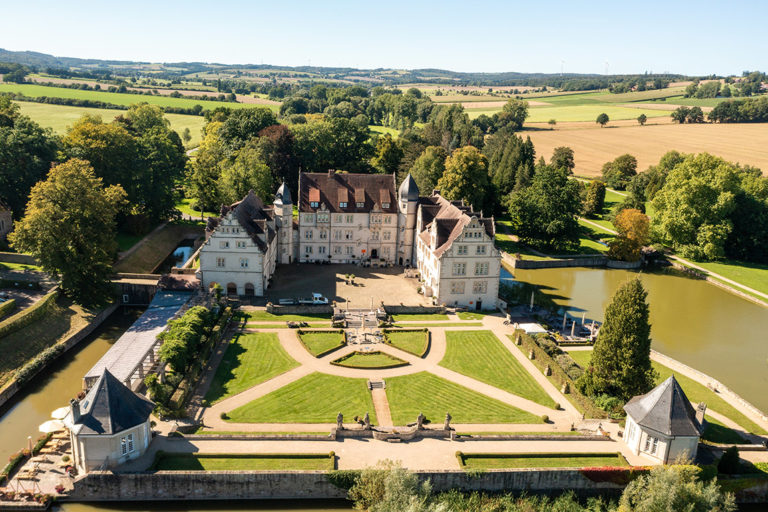
A historic castle, beautifully landscaped grounds and exceptional dining make Schlosshotel Münchhausen one of the Weserbergland’s most remarkable escapes. At the heart of it…
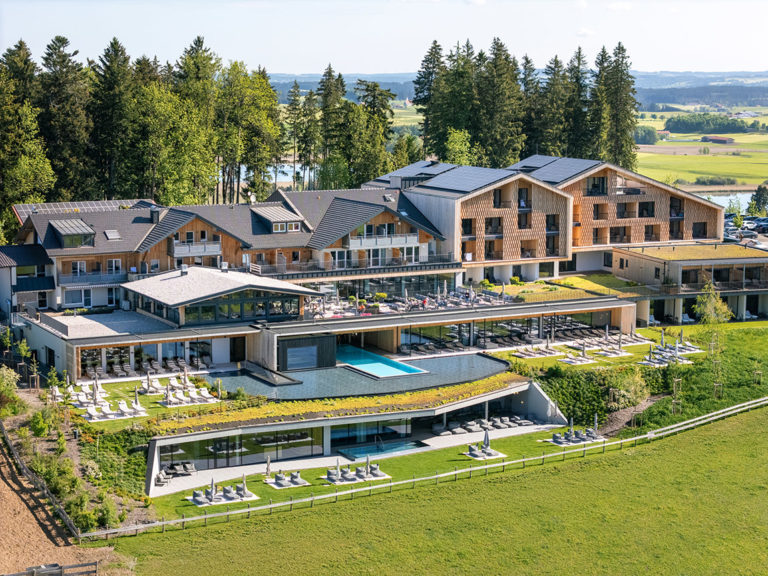
Das Allgäu zählt zu den beliebtesten Urlaubsregionen Deutschlands. Zwischen sanften Wiesen, glitzernden Seen und dem beeindruckenden Panorama der Alpen liegt im beschaulichen Rückholz, knapp…

Eingebettet in die beeindruckende Landschaft der Vulkaneifel und direkt am Stausee gelegen, verbindet das Seehotel am Stausee Natur, Genuss und Wellness zu einer Auszeit…

Whether visiting Stuttgart for business or leisure, at Holiday Inn Stuttgart guests will find the ideal setting for a relaxed stay. Located in the…
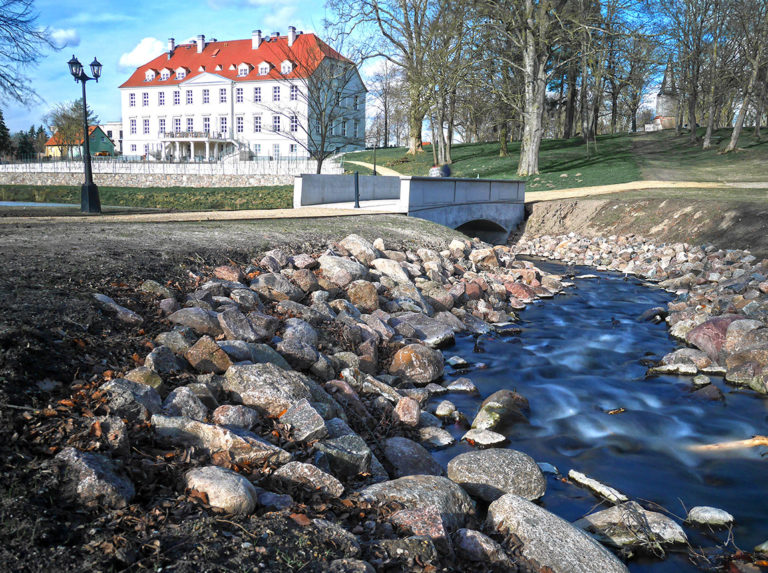
Nestled among rolling hills, ancient oak trees, and the vineyards of Germany’s northernmost official wine-growing region, Schloss Rattey in Mecklenburg’s countryside welcomes its guests…
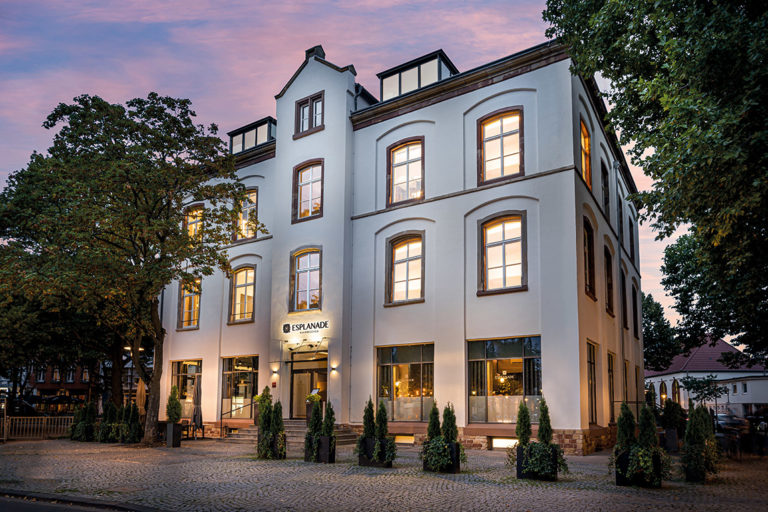
Surrounded by large plane trees, the ESPLANADE is located directly on Max-Ophüls-Platz, at the entrance to the trendy Nauwieser Quarter, the cultural centre of…
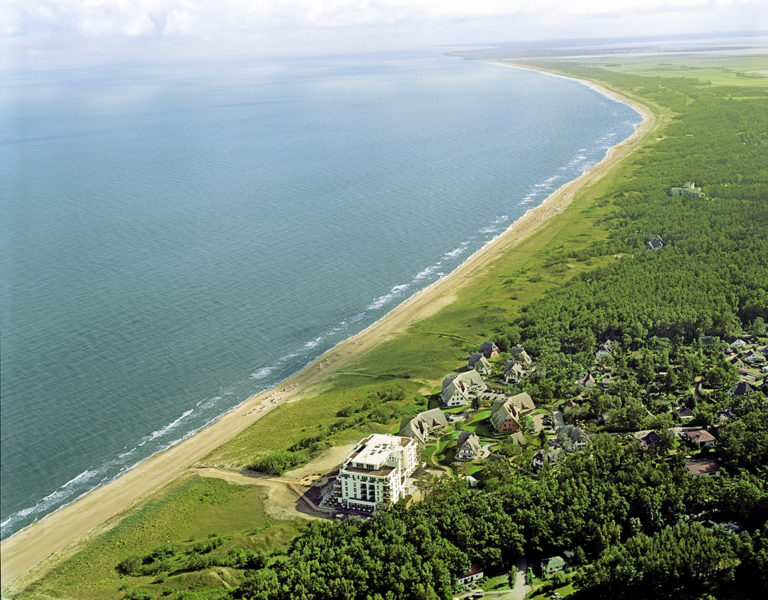
Feiner Sand unter den Füßen, das Rauschen der Ostsee im Ohr und der Duft von Kiefernwäldern in der Luft: Die Halbinsel Fischland-Darß-Zingst zählt zu…
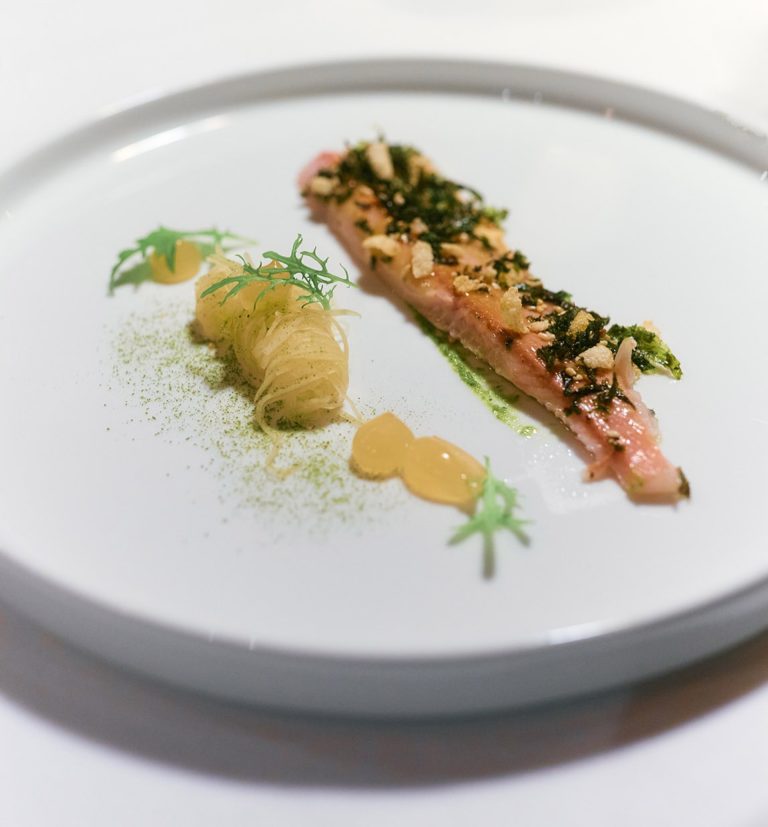
For more than 25 years, Restaurant Wonka has been adding to Nuremberg’s fine dining scene with creativity, innovation and an unwavering commitment to quality.…
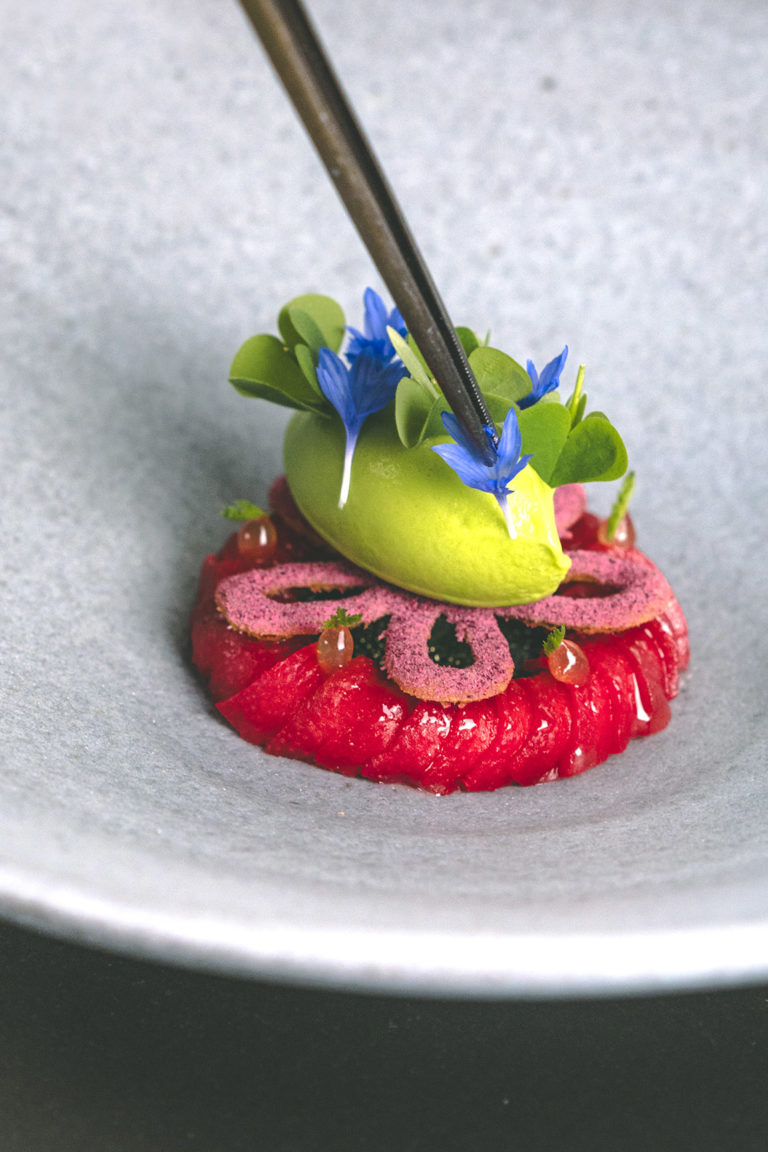
Culinary excellence meets minimalist precision – at restaurant Rutz, every detail is reimagined to elevate flavour, form and experience. When Rutz first opened in…
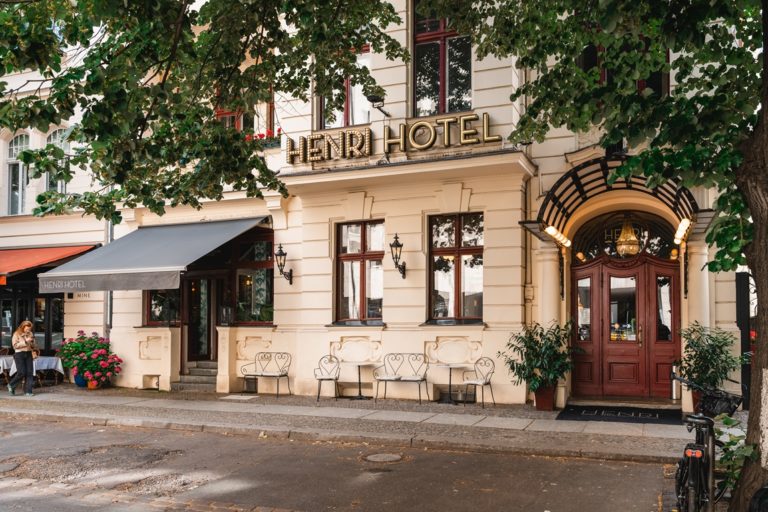
Whether travelling for business or leisure, guests look for more than just a hotel room. They seek places with character and a charming atmosphere.…
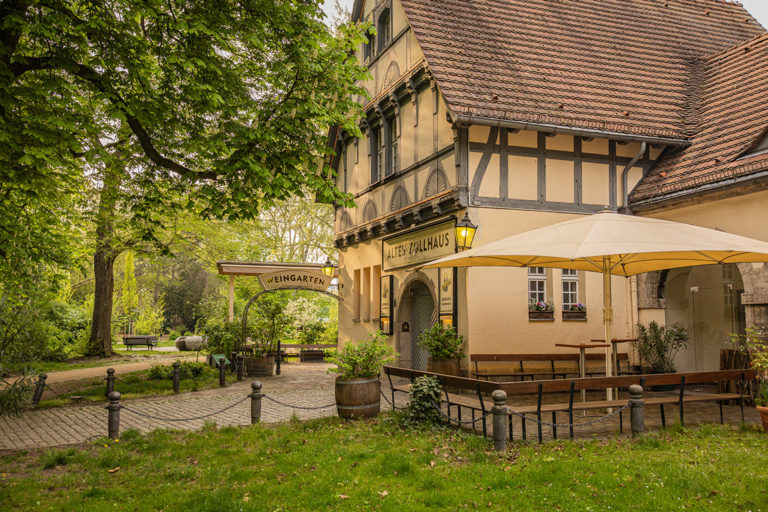
With Rutz Zollhaus, Berlin has gained a place that combines big city vibe and country inn atmosphere in a rare way. Located on the…
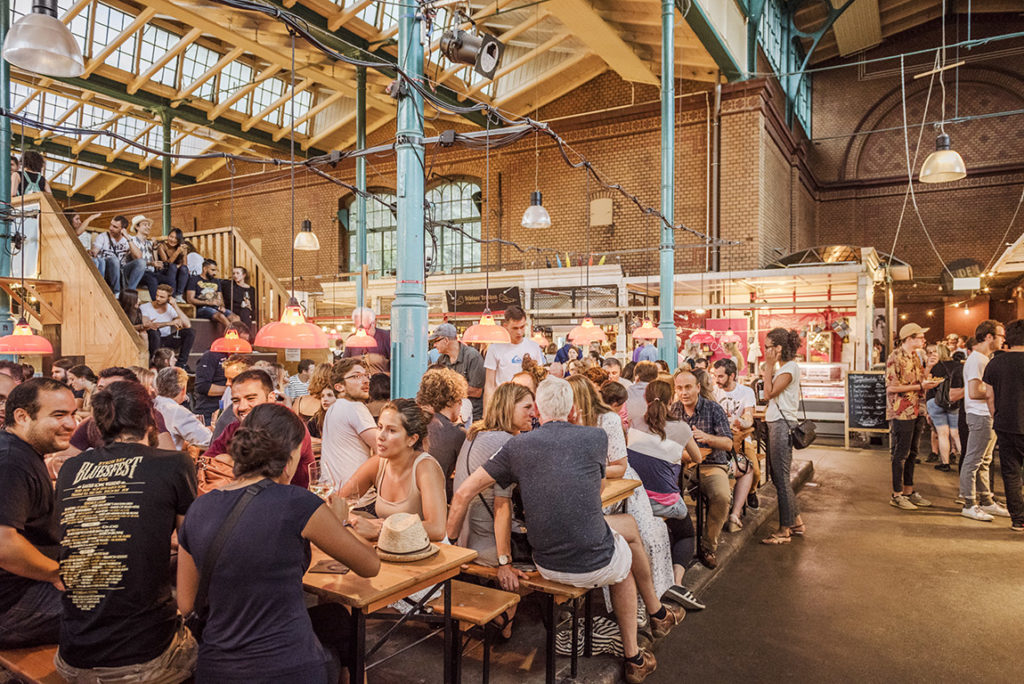
Berlin’s lively Markthalle Neun comes alive during Street Food Thursday, with visitors enjoying an exciting variety of international dishes beneath the historic market hall’s industrial architecture. This bustling culinary destination captures the capital’s diverse and creative food culture. Photo by visitBerlin, Dagmar Schwelle.
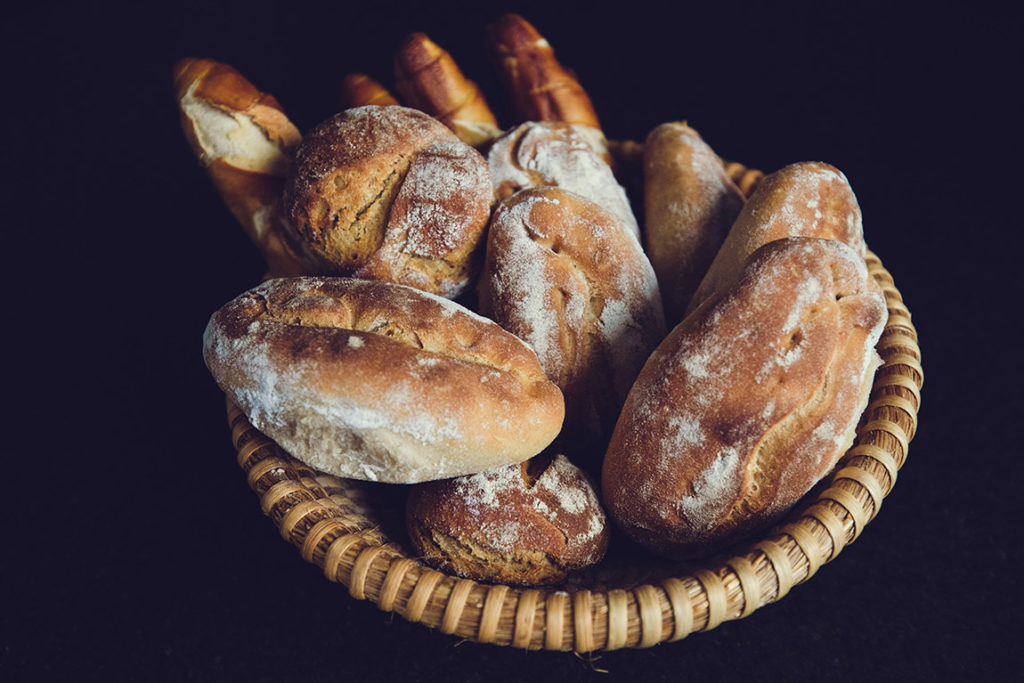
A rustic wicker basket filled with freshly baked loaves and rolls celebrates Germany’s remarkable bread-making heritage. From crusty wheat breads to traditional sourdough varieties, these artisan creations reflect the craftsmanship, regional diversity and enduring appeal of German baking. Photo by Unsplash.
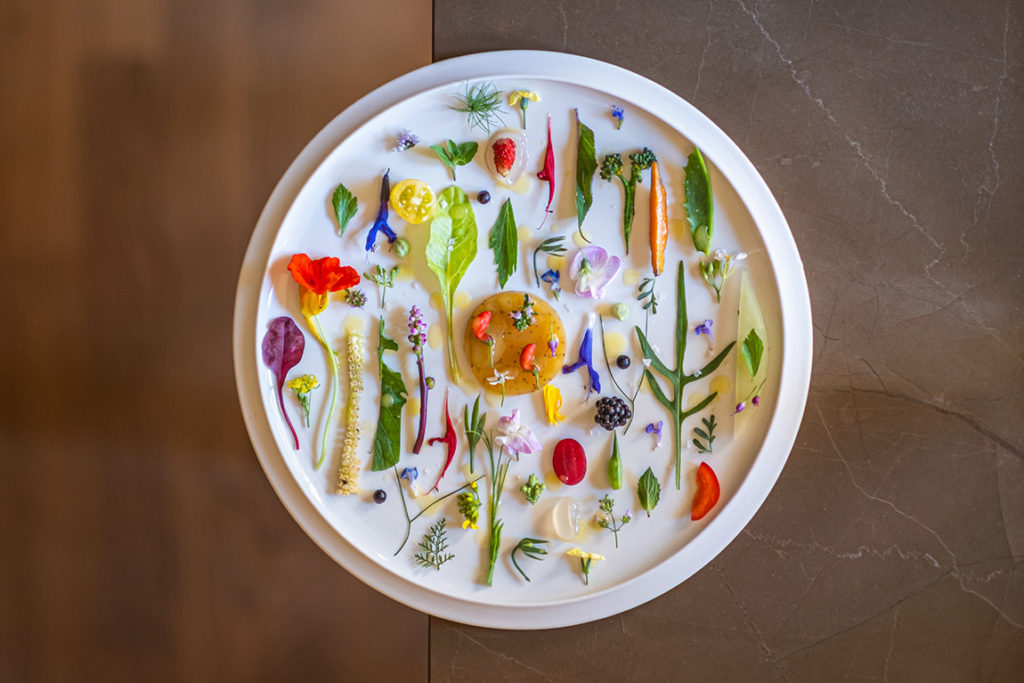
An exquisitely presented dish at Berlin’s Michelin-starred restaurant Horváth showcases colourful seasonal vegetables, delicate herbs and edible flowers. Reflecting Germany’s growing ‘brutal lokal’ movement, the creation celebrates regional ingredients, sustainable sourcing and the artistry of contemporary fine dining. Photo by Julian Redondo.
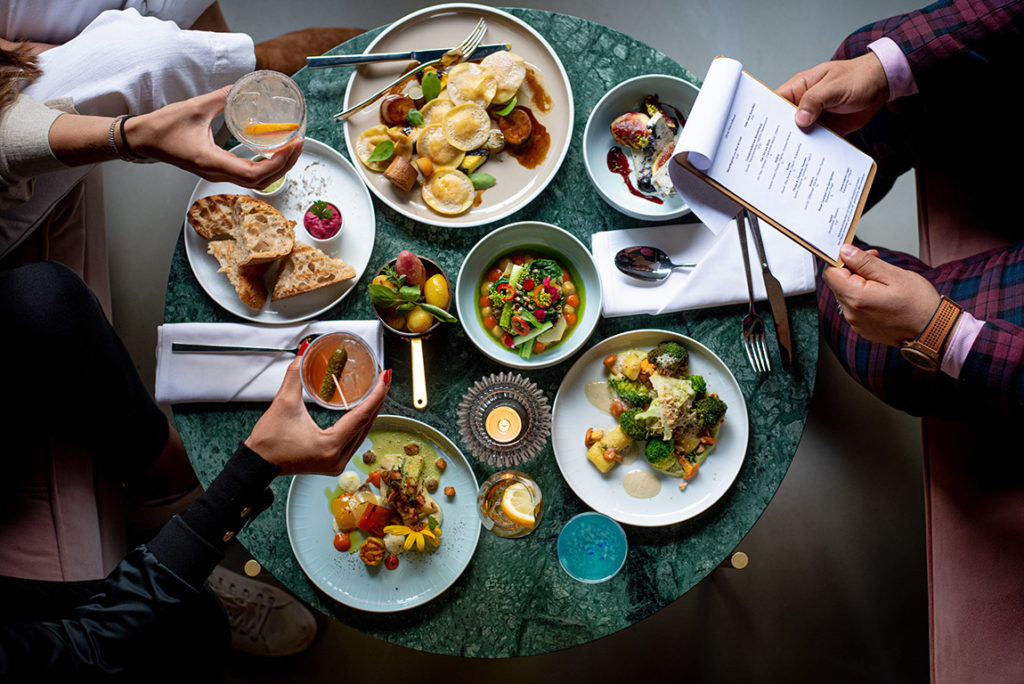
A colourful selection of beautifully presented dishes at Berlin’s Bonvivant restaurant captures the capital’s creative culinary spirit. From inventive vegetable-based cuisine to relaxed social dining, this vibrant setting reflects Berlin’s international and innovative food culture. Photo by visitBerlin, Caitlin Collins.

Berlin’s famous currywurst, served with rich tomato sauce and curry powder at Konnopke’s Imbiss, captures one of the capital’s best-loved street-food traditions. This iconic speciality reflects Berlin’s relaxed, vibrant and wonderfully diverse culinary culture. Photo by visitBerlin, Philip Koschel.
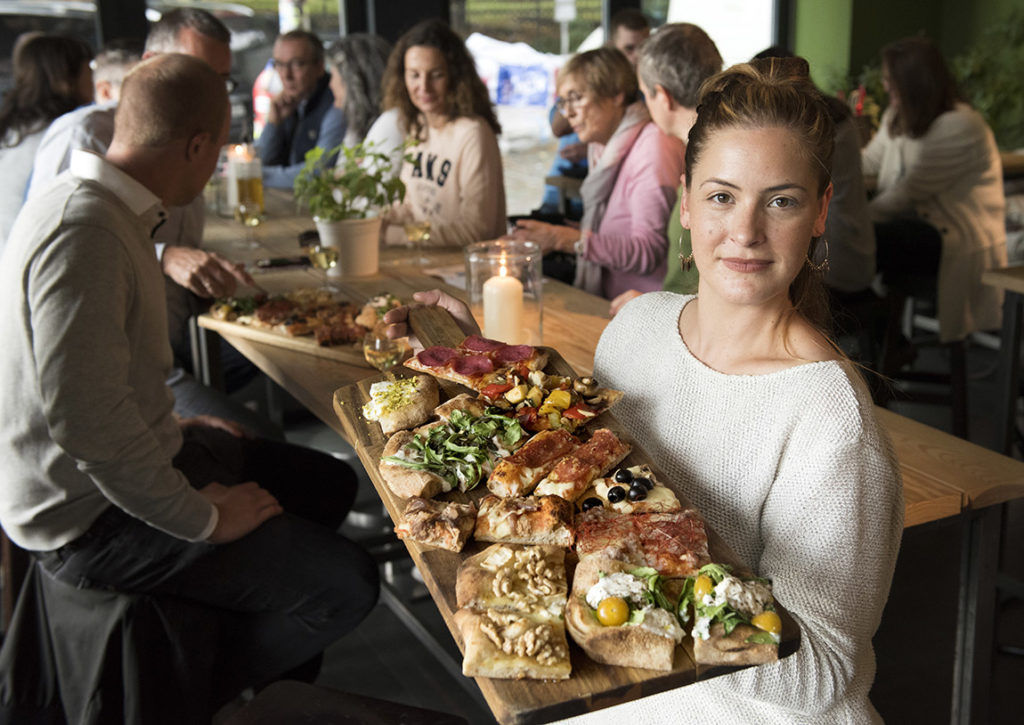
An Eat the World guide presents a colourful platter of delicious specialities to guests enjoying a communal meal. The scene captures how culinary tours reveal Germany’s cities through local flavours, lively conversation and shared discovery. Photo by Eat the World.
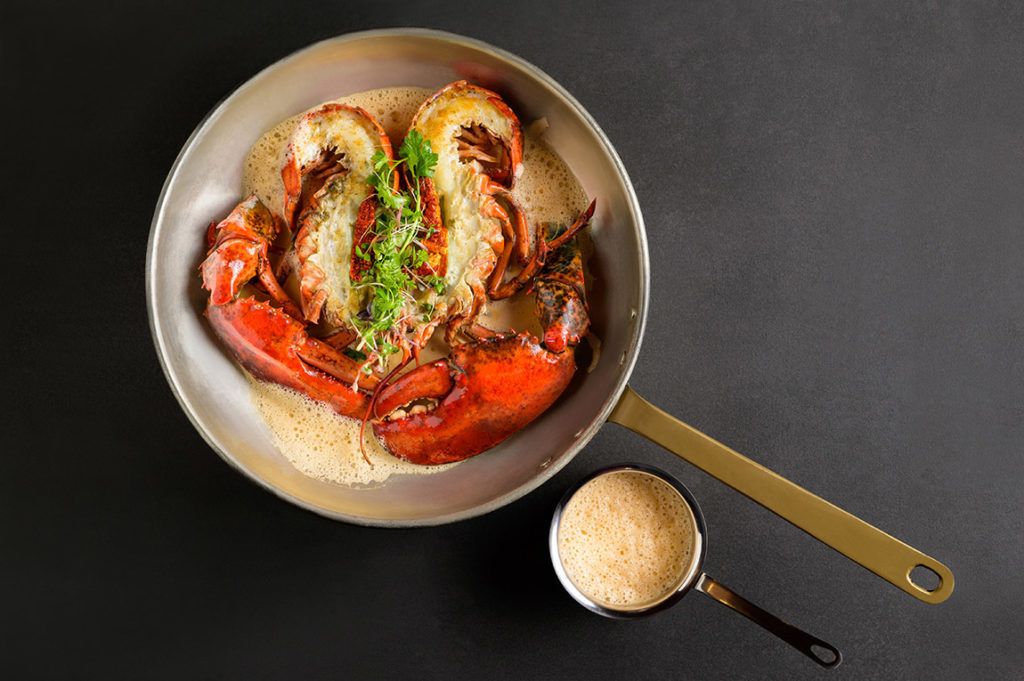
A beautifully prepared lobster served in a rich, creamy sauce showcases the culinary expertise of Munich’s Atlantik Fisch. Combining exceptional seafood with elegant presentation, this appetising creation reflects the restaurant’s passion for fresh ingredients and refined dining. Photo by Daniel Schwarz.
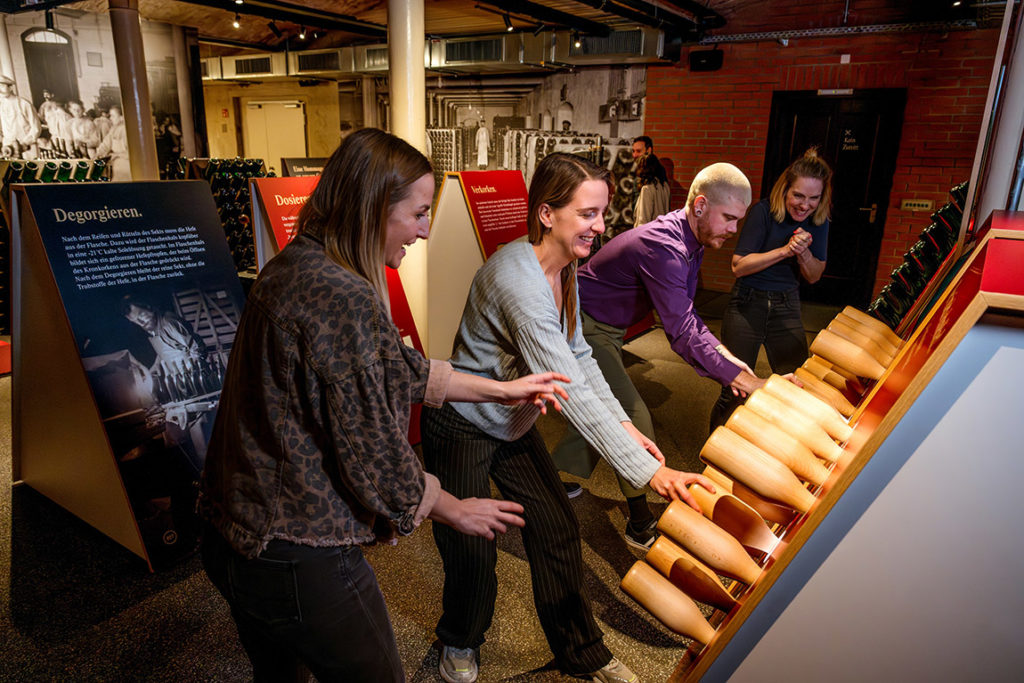
Visitors explore the interactive Rotkäppchen Brand Experience in Freyburg, trying their hand at traditional sparkling wine production techniques. This engaging exhibition brings Germany’s winemaking heritage to life through hands-on activities, historic displays and fascinating insights into craftsmanship. Photo by Nicky Hellfritzsch.
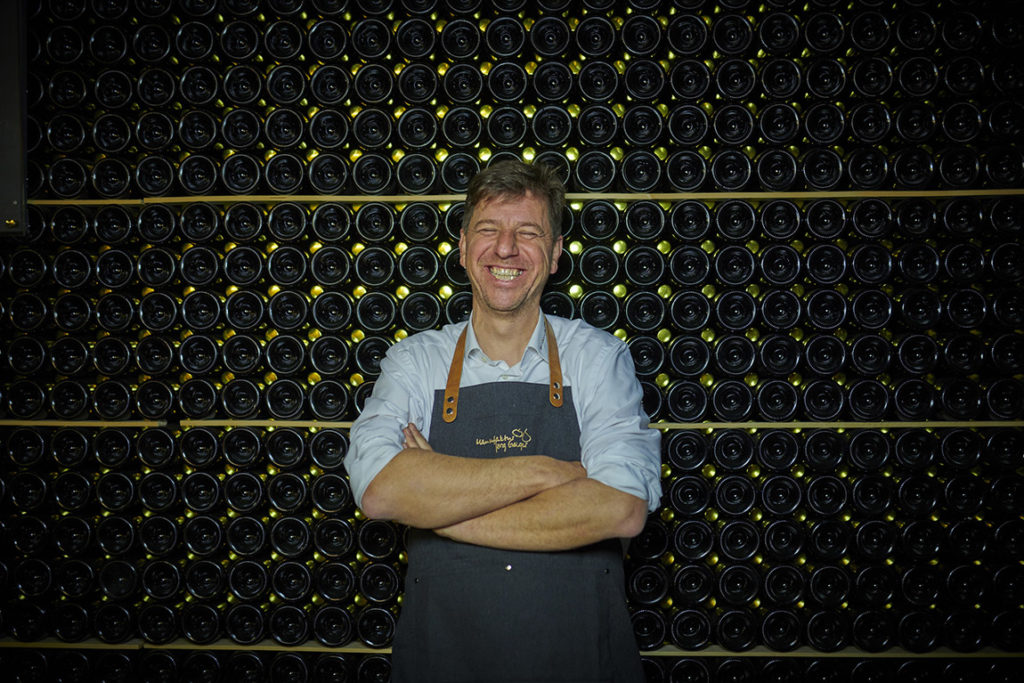
Jörg Geiger stands before an impressive wall of bottles at his Swabian manufactory, where traditional craftsmanship meets innovative alcohol-free drinks. Using heritage apple and pear varieties, his creations celebrate regional flavours, biodiversity and sustainable production. Photo by Manufaktur Jörg Geiger.
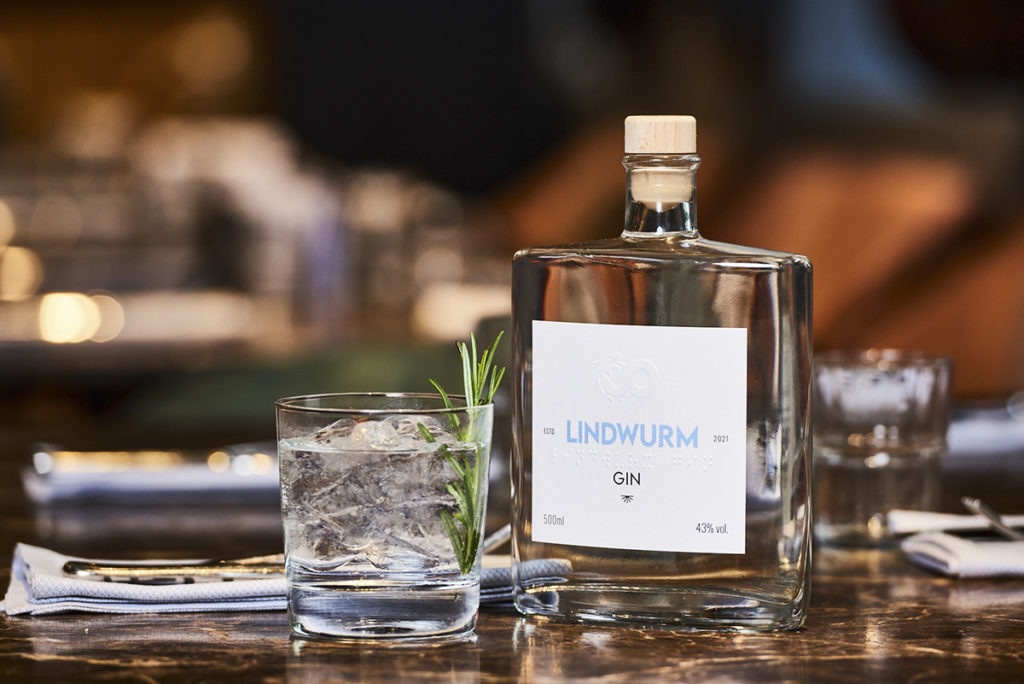
A bottle of Lindwurm Gin takes centre stage alongside a refreshing gin and tonic garnished with rosemary. Crafted by Munich-based Bavarian Finest, this small-batch spirit celebrates traditional distilling, carefully selected botanicals and the growing appeal of artisan German gin. Photo by Bavarian Finest GmbH.
Germany’s culinary landscape is as varied as its regions, combining centuries-old food traditions with adventurous contemporary cooking. From hearty regional specialities and artisan bakeries to inventive fine dining and internationally influenced restaurants, the country’s food culture offers far more than the familiar images of sausages, sauerkraut and beer.
Across Germany, local ingredients, traditional recipes and distinctive regional identities continue to shape what appears on the table. Along the northern coast, seafood reflects generations of maritime heritage, while southern Germany is celebrated for its comforting Alpine dishes, exceptional cheeses and seasonal produce. In the country’s cities, ambitious chefs and independent restaurateurs are bringing fresh perspectives to both German and international cuisine.
Whether exploring bustling food markets, discovering a countryside inn or enjoying an elaborate tasting menu, culinary experiences in Germany reveal a fascinating connection between food, culture and place.
Few foods are as deeply embedded in German daily life as bread. The country’s extraordinary baking heritage encompasses everything from dark rye loaves and traditional sourdough to crusty rolls, pretzels and speciality breads made with regional grains.
Independent bakeries remain an important part of communities throughout Germany, where generations of expertise are reflected in carefully developed recipes and traditional preparation methods. The distinctive flavours and textures of German bread often depend on combinations of rye, wheat, seeds and natural fermentation.
Bread also plays a central role in everyday meals. The traditional Abendbrot, or evening bread, brings together fresh loaves, cheese, cold meats, vegetables and regional accompaniments in a simple but satisfying dining tradition.
Germany’s baking culture extends well beyond bread. From buttery pastries and beautifully crafted cakes to seasonal gingerbread and festive Stollen, the country’s confectionery traditions provide another delicious introduction to its regional heritage.
The North Sea and Baltic Sea coastlines have shaped northern German cuisine for centuries. Fresh and preserved fish, regional seafood specialities and maritime traditions feature prominently in the food culture of Schleswig-Holstein, Lower Saxony, Hamburg and Mecklenburg-Western Pomerania.
One of the region’s most recognisable specialities is the Fischbrötchen, a simple bread roll filled with fish, often accompanied by onions, pickles or a creamy sauce. Smoked fish, herring and locally caught seafood also feature in traditional coastal cooking.
Hamburg combines this maritime heritage with a vibrant contemporary restaurant scene. Its historic harbour, international trading connections and cosmopolitan population have helped create a culinary culture that embraces both regional favourites and flavours from around the world.
Along the Baltic coast, seaside restaurants, fish markets and traditional smokehouses offer opportunities to experience ingredients closely connected to the surrounding landscape.
Further inland, northern Germany’s fertile agricultural regions provide apples, vegetables, dairy products and other ingredients that contribute to a distinctive regional food identity.
Southern Germany is particularly well known for its hearty cooking, regional craftsmanship and convivial dining traditions. In Bavaria, traditional inns and beer gardens provide welcoming settings for enjoying local specialities, often accompanied by freshly baked pretzels and regional beer.
Classic Bavarian dishes include Weißwurst, roast pork, dumplings and slow-cooked meat specialities, while the Alpine foothills introduce a cuisine influenced by mountain agriculture and dairy production.
In the Allgäu, cheese-making traditions are closely connected to the region’s meadows and mountain pastures. Richly flavoured Alpine cheeses feature in dishes such as Kässpatzen, soft egg noodles combined with melted cheese and fried onions.
Neighbouring Baden-Württemberg offers another distinctive culinary identity. Swabian specialities include Maultaschen, filled pasta parcels served in broth or prepared in a variety of other ways, and Spätzle, the soft egg noodles frequently accompanying regional meat dishes.
The Black Forest is renowned for its traditional ham, fruit-based specialities and famous Black Forest gateau, while Baden’s proximity to France and Switzerland contributes additional influences to its food culture.
Throughout southern Germany, traditional recipes coexist with ambitious contemporary restaurants that reinterpret familiar regional ingredients.
Germany’s central, western and eastern regions offer an equally fascinating variety of culinary traditions, shaped by agriculture, trade and neighbouring cultures.
In the Rhineland, traditional dishes include Sauerbraten, marinated pot roast, and regional preparations combining potatoes, apples and savoury ingredients. The Palatinate is associated with robust country cooking, seasonal produce and a deeply established wine culture.
Hesse brings its own distinctive flavours, including Frankfurt’s famous green sauce, traditionally prepared with a mixture of fresh herbs and served with potatoes and eggs.
Further east, Thuringia is celebrated for its grilled sausages and substantial potato dumplings, while Saxony has a rich tradition of baking and confectionery. Dresden’s Stollen, Leipzig’s pastries and the gingerbread traditions of smaller Saxon towns form part of a remarkable regional heritage.
Brandenburg’s Spreewald is particularly associated with pickled gherkins, while rural communities across eastern Germany preserve recipes influenced by locally grown vegetables, potatoes, grains and freshwater fish.
These regional differences make German food particularly rewarding to explore beyond the country’s largest cities.
Germany’s contemporary restaurant scene demonstrates how traditional food culture can evolve through international influences, experimental techniques and inventive approaches to familiar ingredients.
Berlin is especially renowned for its diverse culinary landscape. International restaurants, independent neighbourhood cafés, creative kitchens and sophisticated fine-dining establishments reflect the capital’s multicultural character and adventurous spirit.
Explore Berlin’s culinary experiences for a closer look at the city’s distinctive combination of international flavours, innovative restaurants and established food traditions.
Munich combines elegant dining establishments with traditional Bavarian hospitality, while Hamburg’s restaurant culture draws inspiration from its maritime heritage and international connections.
Cologne, Düsseldorf, Frankfurt and Stuttgart also offer a broad spectrum of experiences, from informal neighbourhood restaurants to ambitious culinary destinations.
Across Germany, chefs are exploring new ways to present regional ingredients through contemporary techniques, carefully balanced menus and imaginative combinations of flavours.
International influences are equally important. Mediterranean, Asian, Middle Eastern and numerous other culinary traditions have become integral parts of everyday dining, reflecting the changing character of German cities and their communities.
Seasonality has long influenced German cooking, with particular ingredients associated with different times of the year and distinctive regional traditions.
Spring brings the arrival of white asparagus, especially celebrated in agricultural regions such as Brandenburg, Lower Saxony and Baden-Württemberg. Often served with potatoes, melted butter or hollandaise sauce, Spargel occupies a special place in German food culture.
Summer introduces fresh berries, cherries and an abundance of vegetables, while autumn is associated with mushrooms, pumpkins, apples, chestnuts and hearty dishes reflecting the harvest.
Winter brings comforting regional cooking alongside traditional baked specialities, festive biscuits and the familiar aromas of Christmas markets.
Contemporary German gastronomy increasingly draws inspiration from these seasonal rhythms. Restaurants are exploring closer relationships with regional producers, farms and specialist suppliers, bringing greater attention to ingredient quality, provenance and responsible production.
Some chefs are rediscovering overlooked vegetables, traditional preservation methods and local varieties of fruit and grain. Others are developing plant-based menus or reducing waste through more imaginative use of ingredients.
These approaches illustrate how Germany’s culinary heritage can provide inspiration for a more resource-conscious food culture.
Food and drink have always been closely connected in Germany, with regional beverages reflecting local landscapes, agricultural traditions and centuries of craftsmanship.
Germany’s established wine-producing regions include the Moselle, Rheingau, Rheinhessen, Palatinate and Baden, where vineyards contribute both to the scenery and to the surrounding culinary culture.
Crisp Rieslings, elegant Spätburgunder wines and other regional varieties are enjoyed alongside dishes that often reflect the same local traditions.
Discover Germany’s wine regions for more on the country’s distinctive vineyard landscapes and winemaking heritage.
Beer remains another important element of German culinary identity. Traditional brewing centres across Bavaria, Franconia, Baden-Württemberg and northern Germany produce a wide range of styles, from refreshing lagers and wheat beers to darker and more specialised varieties.
Beer gardens, historic taverns and regional breweries offer opportunities to experience the social traditions associated with local brewing.
Beyond wine and beer, Germany also has a diverse culture of fruit juices, mineral waters, traditional spirits and increasingly sophisticated alcohol-free beverages.
Explore German drinks and brewing traditions to discover further aspects of the country’s beverage heritage.
One of the pleasures of exploring Germany is discovering how closely food is connected to its destinations. Historic towns, scenic countryside, vineyards and vibrant cities all offer distinctive settings for memorable culinary experiences.
Traditional country inns provide an introduction to regional recipes, while city restaurants showcase the creativity of contemporary chefs. Local markets offer opportunities to discover seasonal ingredients, artisan producers and speciality foods that reflect the character of their surroundings.
In wine-growing regions, vineyard landscapes and traditional wine taverns provide atmospheric settings for experiencing local hospitality. Along the coast, fresh seafood can be enjoyed within sight of the sea, while Alpine restaurants celebrate the flavours of mountain agriculture.
Cooking workshops, food tastings, brewery visits and culinary tours offer further opportunities to understand the craftsmanship and traditions behind German food.
For those seeking something exceptional, fine-dining restaurants combine imaginative cooking with carefully considered presentation, attentive service and often striking architectural surroundings.
From a freshly baked pretzel in Bavaria to an inventive tasting menu in Berlin, Germany’s culinary experiences reveal a country where regional identity, hospitality and creativity come together at the table.
Are you a fan of Germany, Switzerland and Austria? So are we! Sign up to our newsletter now to stay up to date on the most exciting news, events and destinations.