Vienna uncorked – a wine-lover’s city
TEXT: NANE STEINHOFF, KLAUS EGLE (VIENNA TOURIST BOARD)
Buschenschank Windischbauer, Nussberg. Photo: © WienTourismus/Mafalda Rakoš
Wine is as much a part of Vienna as St. Stephen’s Cathedral, Schönbrunn Palace, or the Vienna Boys’ Choir. It is an essential element of the city’s identity. But Viennese wine is no longer limited to the traditional heuriger; it is increasingly spreading throughout the entire city, shaping the urban lifestyle of the metropolis.
When I first visited Vienna, I was enthralled by its relaxed atmosphere, beautiful architecture, delicious food, and well…the sheer amount of good wine the region had to offer. When I planned my first trip to the Austrian capital, I certainly did not expect to find myself on one of my favourite wine hikes to date, popping from small tavern to small tavern, meeting warm and passionate locals, just mere minutes from the city centre.
Little did I know that Vienna and wine are inseparable. And they have been for a long time. Vienna stands out as the only global capital with extensive wine production inside its city borders. Wine growing is a signature feature here, but it is more than just tradition; it plays a vital economic role, shapes Vienna’s character, supports the city’s ecosystem, and enhances the quality of life for locals and visitors. To safeguard these vineyards, a groundbreaking 2015 law requires that city vineyards remain dedicated to winegrowing, protecting them from real estate development and preserving their heritage. Viennese wine, once tied mainly to traditional heuriger taverns, is now a vibrant part of the city’s culture. It takes centre stage at festivals and is featured in wine bars and shops throughout Vienna, making it easy for locals and visitors to savour its unique character almost anywhere in the city.
Wine tavern Wieninger, Nussberg. Photo: © WienTourismus/Julius Hirtzberger Discover Germany,
Capital of wine
Vienna is more than Austria’s capital. It is a bona fide wine region. Spanning roughly 600 hectares, the city’s vineyards support about 170 dedicated winemakers, who together produce approximately 2.4 million litres of wine each year. White grape varieties dominate, accounting for about 85 per cent of the planted area. Among the standout wines are Riesling, Weissburgunder, Grüner Veltliner, Sauvignon Blanc, and Gelber Muskateller, each delivering a fresh, vibrant elegance that is unmistakably Viennese. The city’s unique location, where warm Pannonian air mingles with crisp breezes from the north, creates an ideal microclimate, giving these wines their signature balance of ripeness and lively acidity. The result? Wines that are a delight to sip, whether enjoyed with classic Viennese dishes or as the perfect companion to a traditional heuriger snack.
Among Vienna’s unique wine offerings, the Field Blend – known locally as Wiener Gemischter Satz – stands out for its deep roots and distinctive character. In contrast to the high-yield grape production that took hold in much of Austria during the 19th century, Viennese vintners put their efforts into cultivating quality varieties like Riesling, Rotgipfler, Weissburgunder, and Traminer. These diverse grapes were planted side by side in the same vineyard, then harvested and fermented together, resulting in wines with remarkable layers: crispness, fruit flavours, and a full-bodied structure all in one glass. This traditional approach also provided a form of crop insurance, as the different bloom times of each grape meant that poor weather during flowering would only affect part of the harvest, not the entire crop. Although the Gemischter Satz was long associated with humble tavern offerings at the local heuriger, it has recently enjoyed a comeback. Today, this quintessential Viennese wine appears in everything from light, easy-drinking bottles to complex, premium selections, once again earning its place at the heart of Vienna’s wine culture.
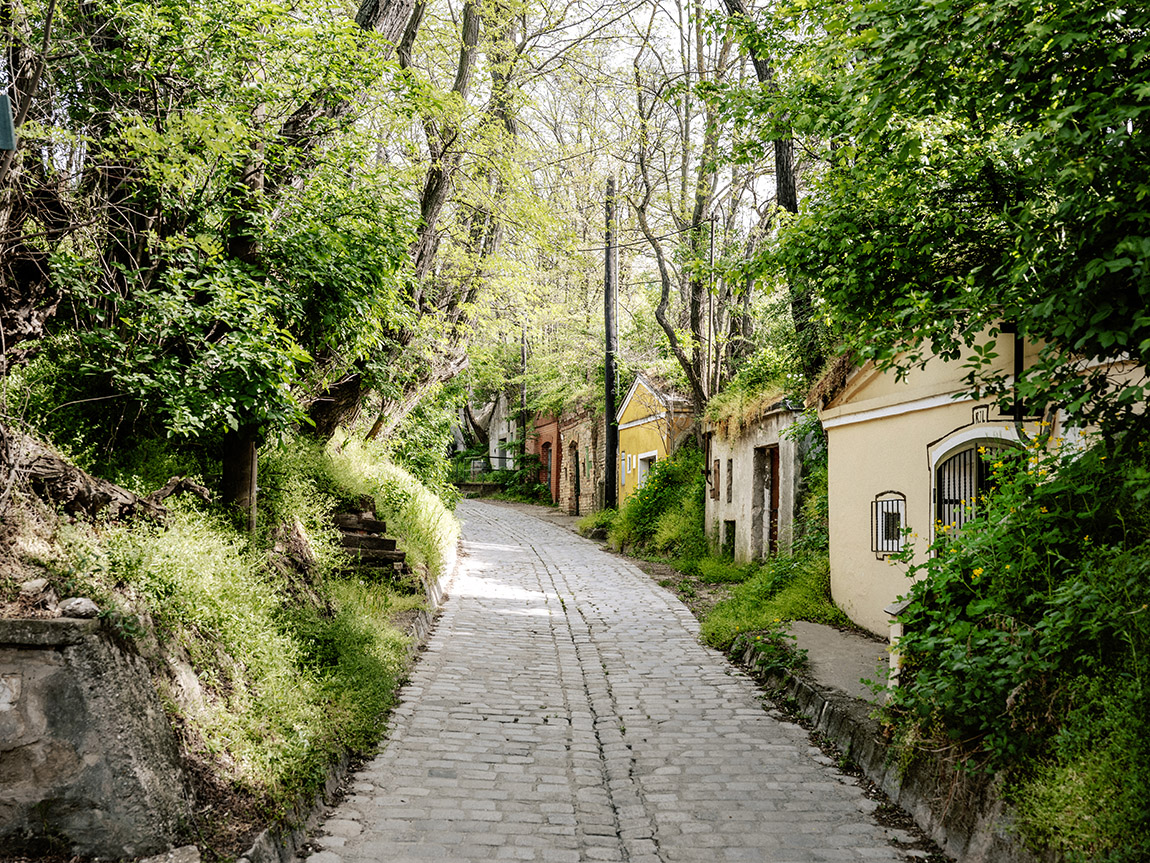
Wine cellars in Stammersdorf. Photo: © WienTourismus/Paul Bauer
A long-standing wine heritage
Vienna’s relationship with wine is deeply rooted in its past, stretching back over two millennia. Archaeological finds show that the Celts and Illyrians were making wine as far back as 500 BC, but it was the Romans who truly set the stage by bringing cultivated grapevines from Italy. Over centuries, vineyards expanded across what would one day become the city’s neighbourhoods, with locals caring for wine gardens both within and beyond Vienna’s boundaries. The tradition of the heuriger, those iconic wine taverns serving locally crafted wines, took hold early and gained momentum when taverns moved to the city’s edge following Turkish invasions. During the late Middle Ages, Vienna’s wine consumption soared – far higher than today – only to diminish over time due to shifting tastes, new taxes, and rising competition from coffee and beer. Despite setbacks from vine diseases and the devastation of wars, dedicated vineyard preservation and a renewed emphasis on quality have led to a renaissance, making wine an essential thread in the fabric of Vienna’s urban life once more.
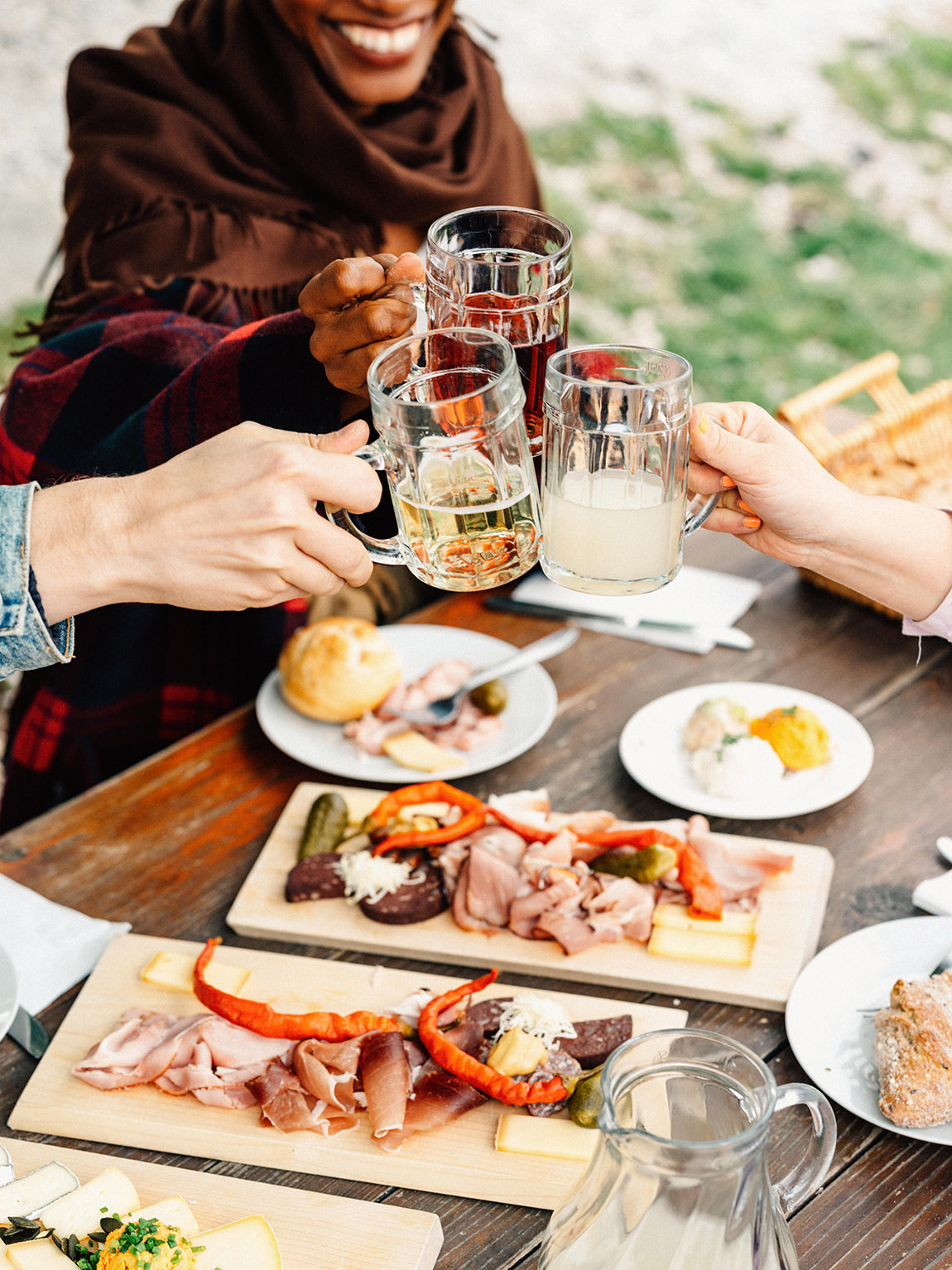
Approximately 70 per cent of Vienna’s yearly wine production is enjoyed at the city’s iconic heuriger taverns. The tradition traces back to Emperor Josef II, who in 1784 decreed that local winemakers could serve wine crafted from their own vineyards. Today, visitors can spot an authentic heuriger by the distinctive Ausg’steckt sign and a fir branch outside – both symbols that guarantee the wine poured inside is made by the proprietor themselves. With their welcoming ambiance, leafy gardens on Vienna’s outskirts, excellent wines, and tempting regional fare, these taverns remain a beloved gathering spot for locals and travellers alike.
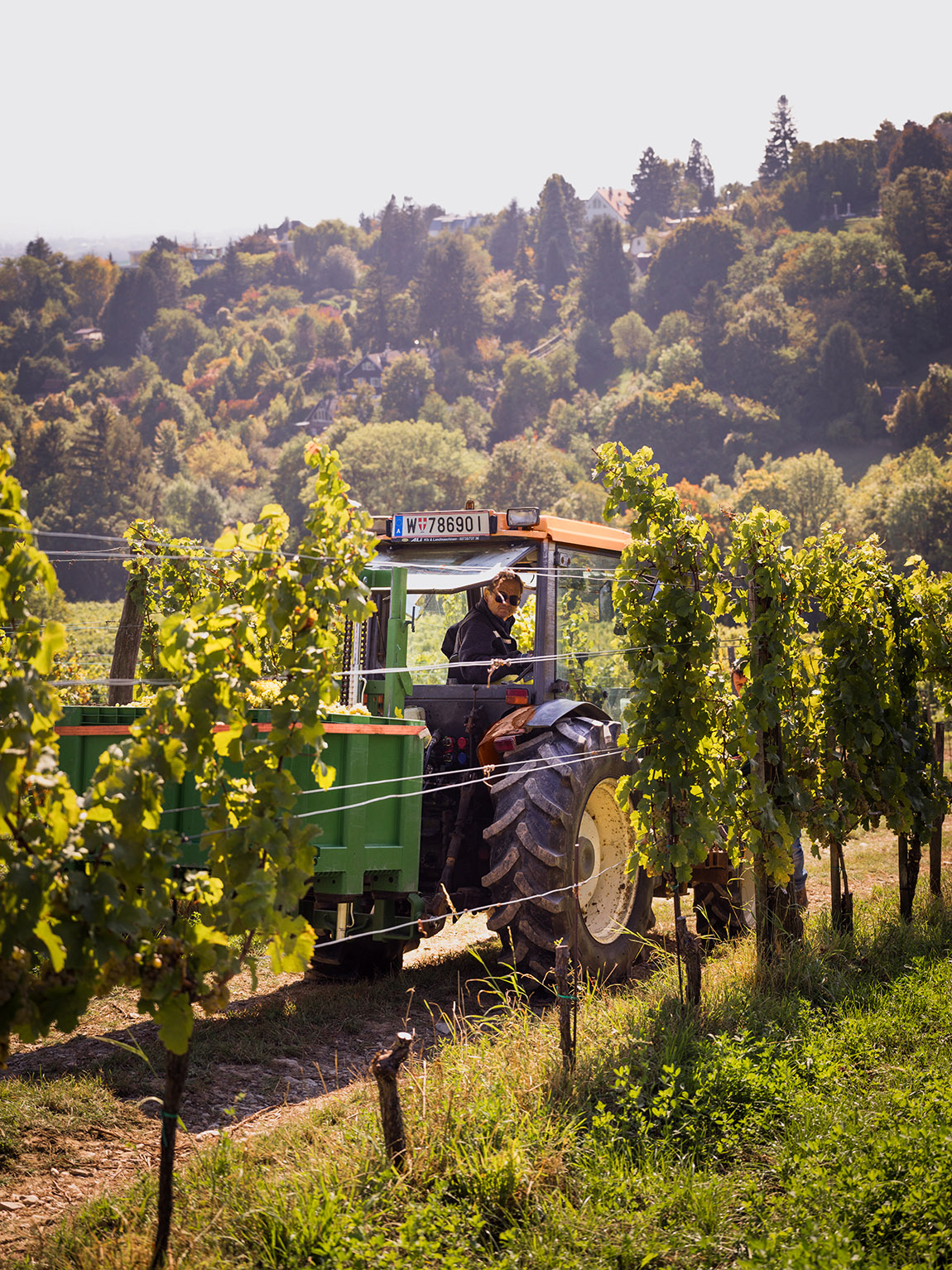
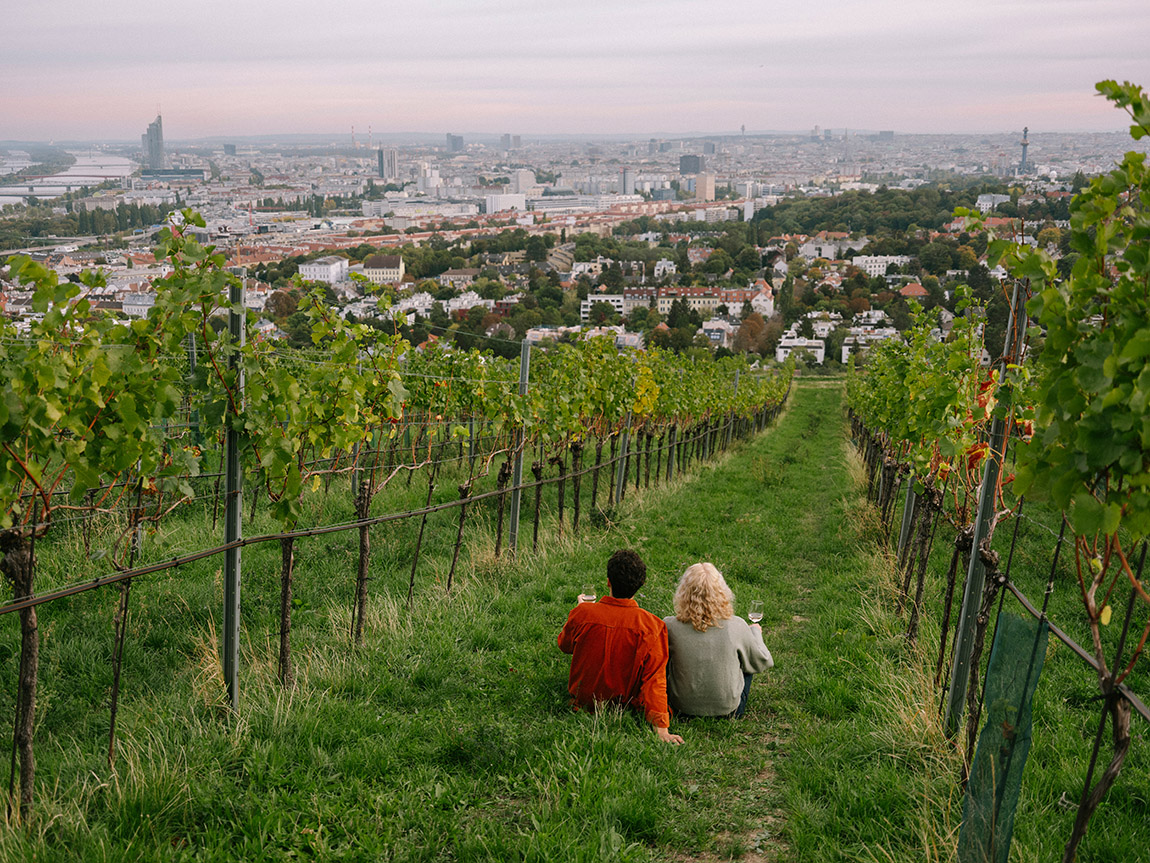
A vineyard, Nussberg. Photo: © WienTourismus/Julius Hirtzberger
Vienna’s beloved heuriger wine tavern culture earned a spot on UNESCO’s Intangible Cultural Heritage list in 2019, underscoring its significance. The Wiener Top-Heurigen association, launched by the Vienna Chamber of Agriculture, further ensures that only genuine wine taverns meeting strict standards – including those outlined in the Buschenschankgesetz act – can join. Members must deliver authentic ambiance, friendly service, and top-quality food and wine, guaranteeing an exceptional experience for guests.
If you are curious and want to combine a city trip with some amazing heuriger visits, from mid-April to the end of October, the vineyards are open to visitors: on Fridays, weekends and public holidays, when the weather is fine, Viennese wine can be enjoyed not only in the heuriger wine taverns themselves, but outdoors on the hillside vineyards and at pop-up heuriger – in many cases offering picturesque views over the city.
So, for those eager to blend urban exploration with unforgettable heuriger experiences, Vienna offers a unique opportunity each year from mid-April through late October. During this period, when the weather is pleasant, the city’s vineyards open their gates to guests on Fridays, weekends, and public holidays. Not only can wine lovers savour Viennese vintages in traditional heuriger taverns, but they can also enjoy their drinks outdoors – right among the vines or at lively pop-up heuriger spots – many boasting stunning panoramic views across Vienna.
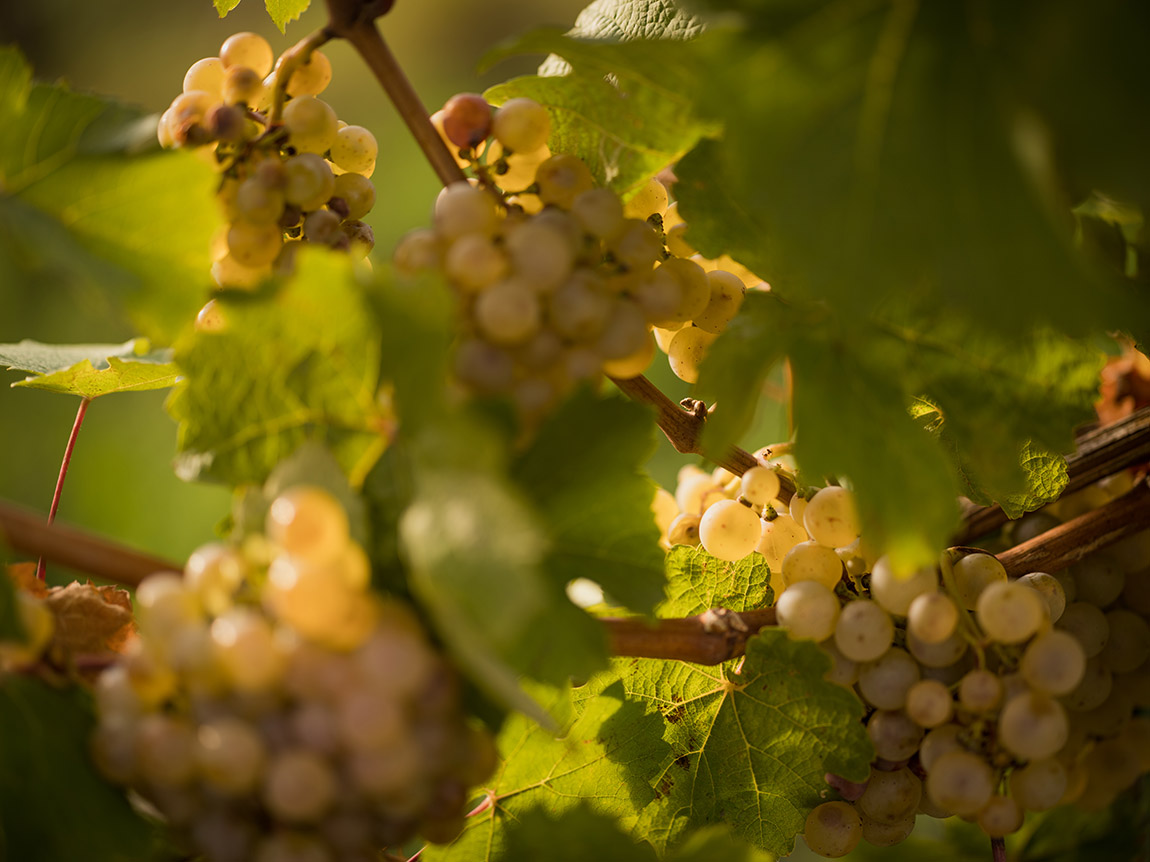
Nussberg vineyard. Photo: © WienTourismus/Julius Hirtzberger

Further information, a route planner, and a list of businesses that serve their wine and other specialties in the vineyards can be found at: www.wienerwein.at

Subscribe to Our Newsletter
Receive our monthly newsletter by email