Martin Helmchen & Marie-Elisabeth Hecker: A perfectly imperfect balance: Of music, fame and family
TEXT: CORNELIA BRELOWSKI | PHOTOS: PETER RIGAUD
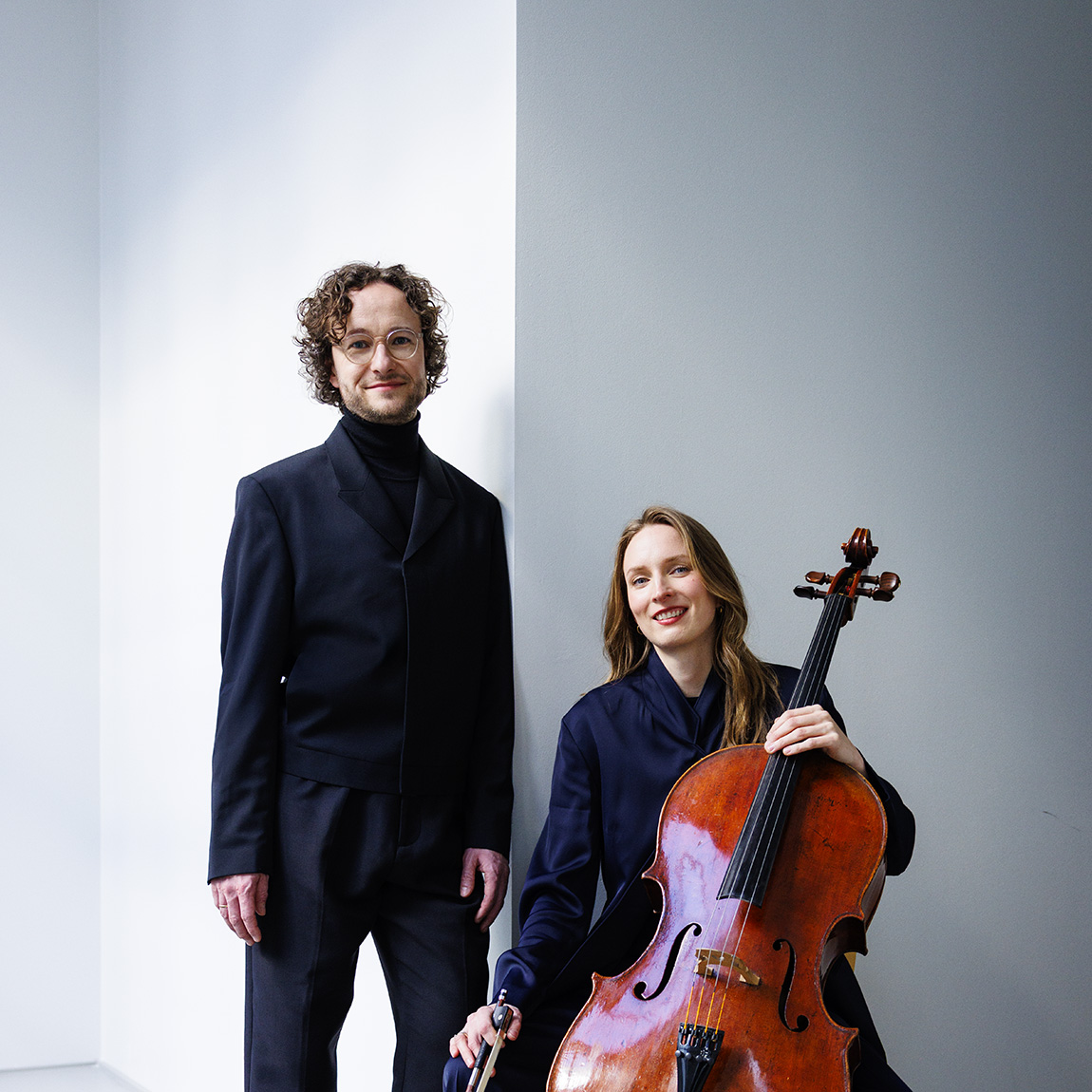
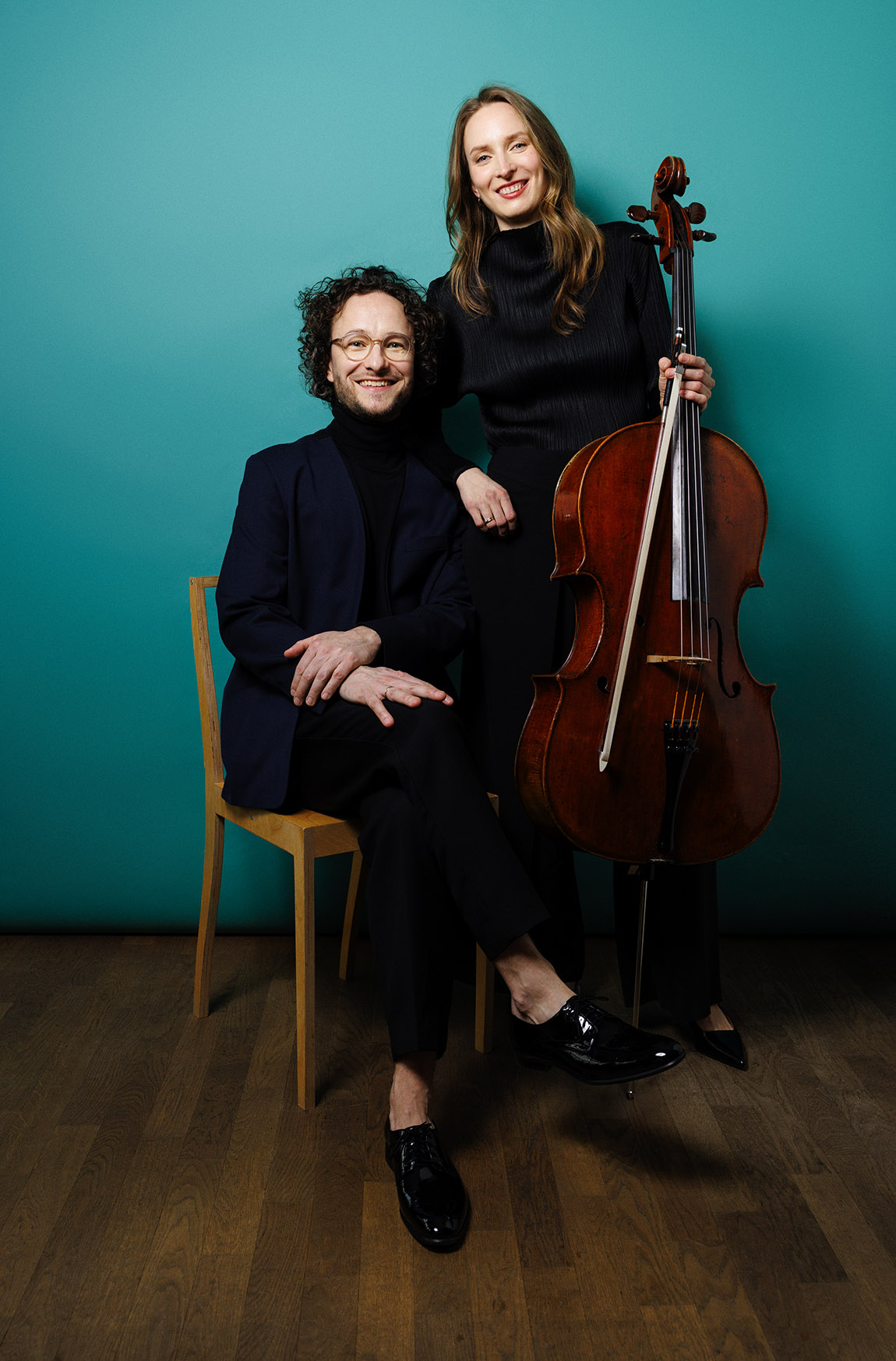
Acclaimed German pianist Martin Helmchen and top cellist Marie-Elisabeth Hecker live and work together with their four children in the Brandenburg region, exactly halfway between Dresden and Berlin. With two highly regarded new albums under their belt and more to come in the near future, the musicians reveal how a life between recordings and concert tours, home and family becomes the perfectly imperfect balance they both no not want to go without at this point in their lives.
“As freelancing musicians, we enjoy being able to choose the exact spot where we want to live as a family,” says Martin Helmchen, who recently surpassed Lang Lang in the classical music charts with his new album Schubert: Piano Sonatas Vol.1, a first of four recordings honouring Franz Schubert’s lesser known works by highlighting and completing his so-called unfinished sonatas. The couple left Berlin after their first child was born, choosing the quieter countryside over the capital and freely combining family life and music without the endless distractions of the city. “It’s the freedom that drew us here,” says Martin, “freedom and nature.” Both relish in the privilege to have the picturesque Spreewald region as well as local culture nearby, the latter of which they passionately and frequently enhance with house concerts and chamber music projects, through to heading the International Chamber Music Festival Fliessen as part of Brandenburg Summer Concerts.
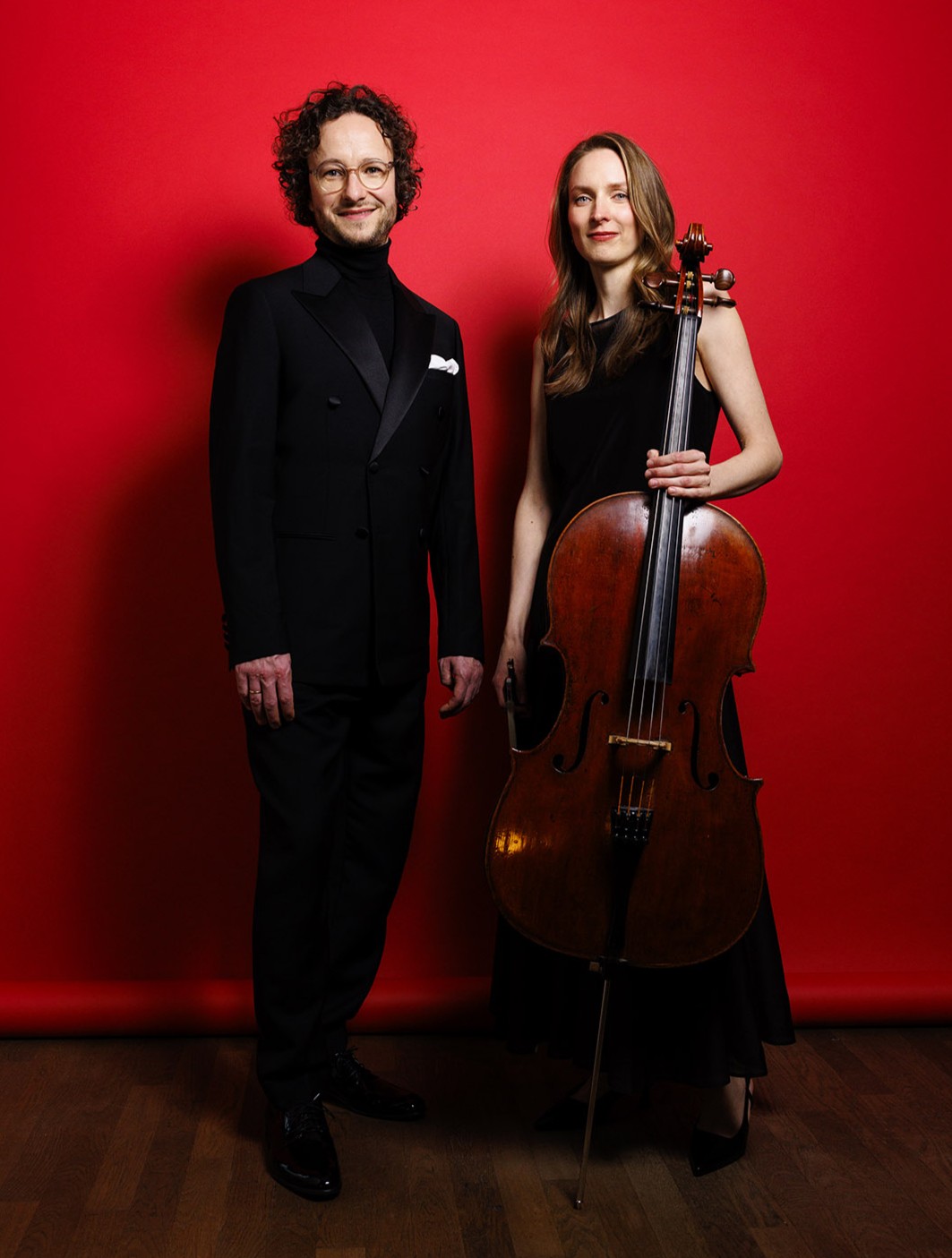
“When we first met, it was under purely professional circumstances in Kronberg/Taunus,” recalls Marie-Elisabeth, who was studying at the Kronberg Academy at the time, an internationally unique school for the world’s most talented young musicians, where both still regularly perform and record. “It must have been 2006 when we had our first public appearance together, at the Kammermusikfest Lockenhaus,” Marie-Elisabeth continues, while Martin adds: “In a way, we have been each other’s fans from the very beginning, even while still watching the other from afar!” Today, this is expressed in a very practical way by consulting each other as mentors before putting anything out for the public. “I would never play anything on stage or for a recording, which she hasn’t listened to first,” Martin states.
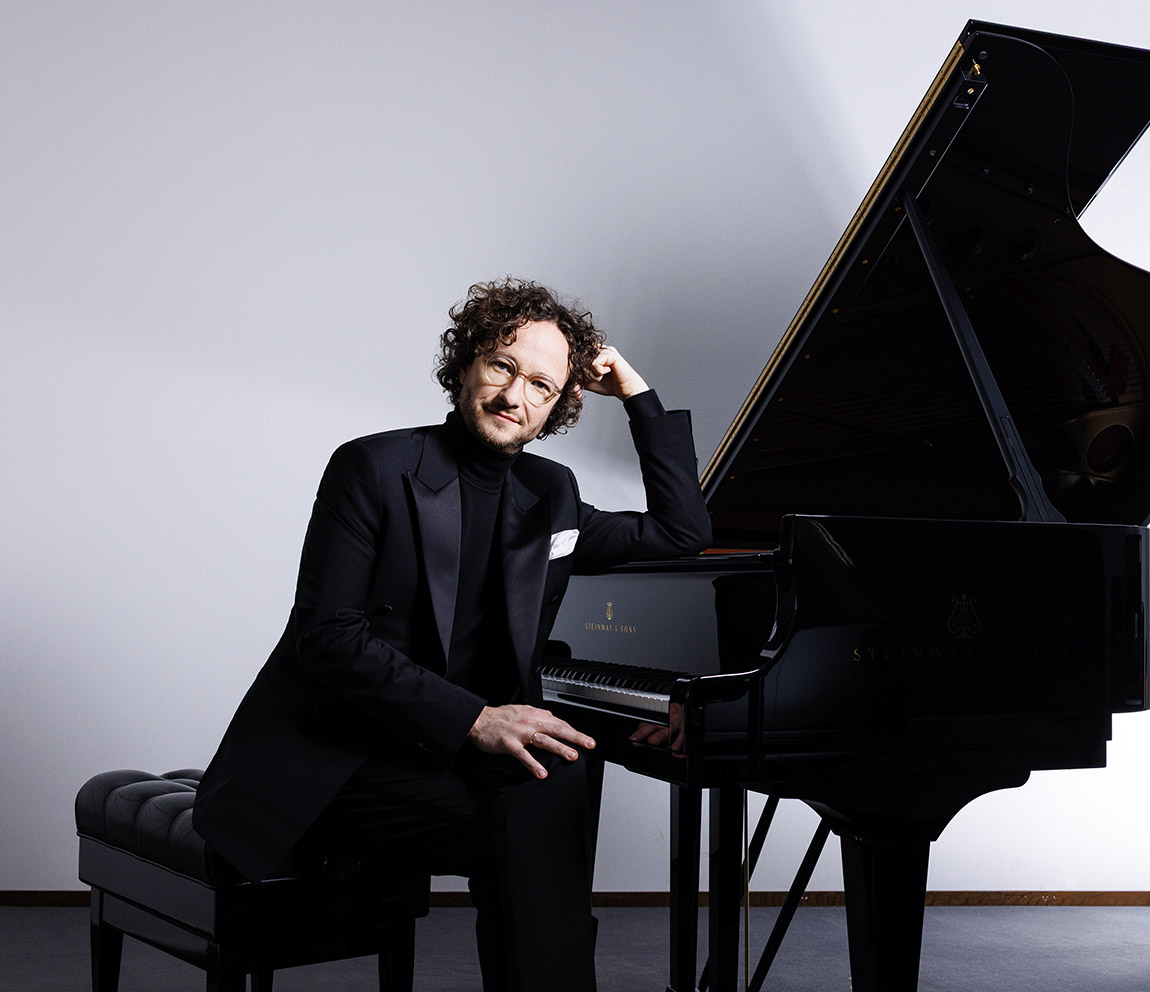
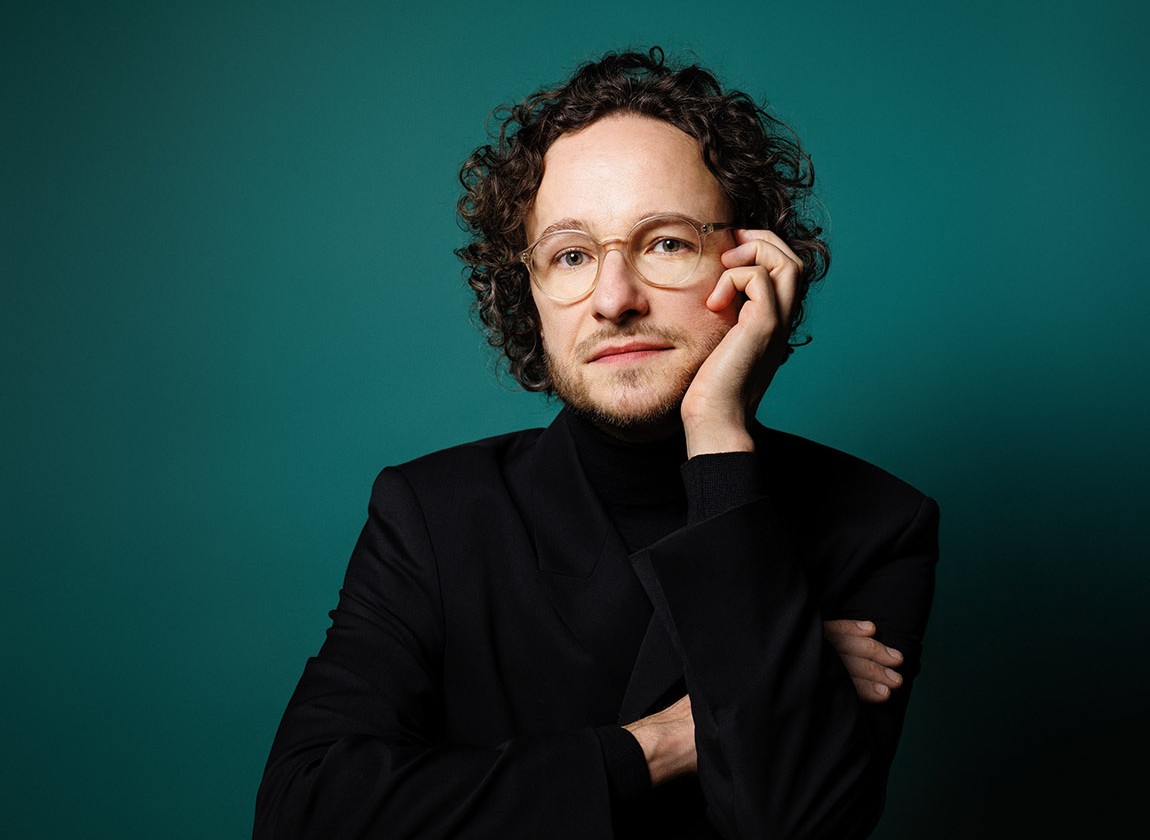
Martin Helmchen.
The couple’s long-time respect for each other’s work has resulted in many joint projects as well, such as the aforementioned recent album From Eastern Europe. The recording cherishes the musicians’ deep connection with Russian and Eastern European mentors, musicians and composers, from which they drew much inspiration from the very beginnings of their respective paths. “Nowadays, it isn’t always easy to split the political from the cultural,” says Martin, and his wife adds: “We wanted to share our gratitude as well as highlight what unites our cultures rather than what’s dividing them.” The album includes Cello&Piano sonatas by Shostakovich, Schnittke, Prokofiev, Rachmaninov, and Weinberg, as well as Stravinsky’s Suite Italienne.
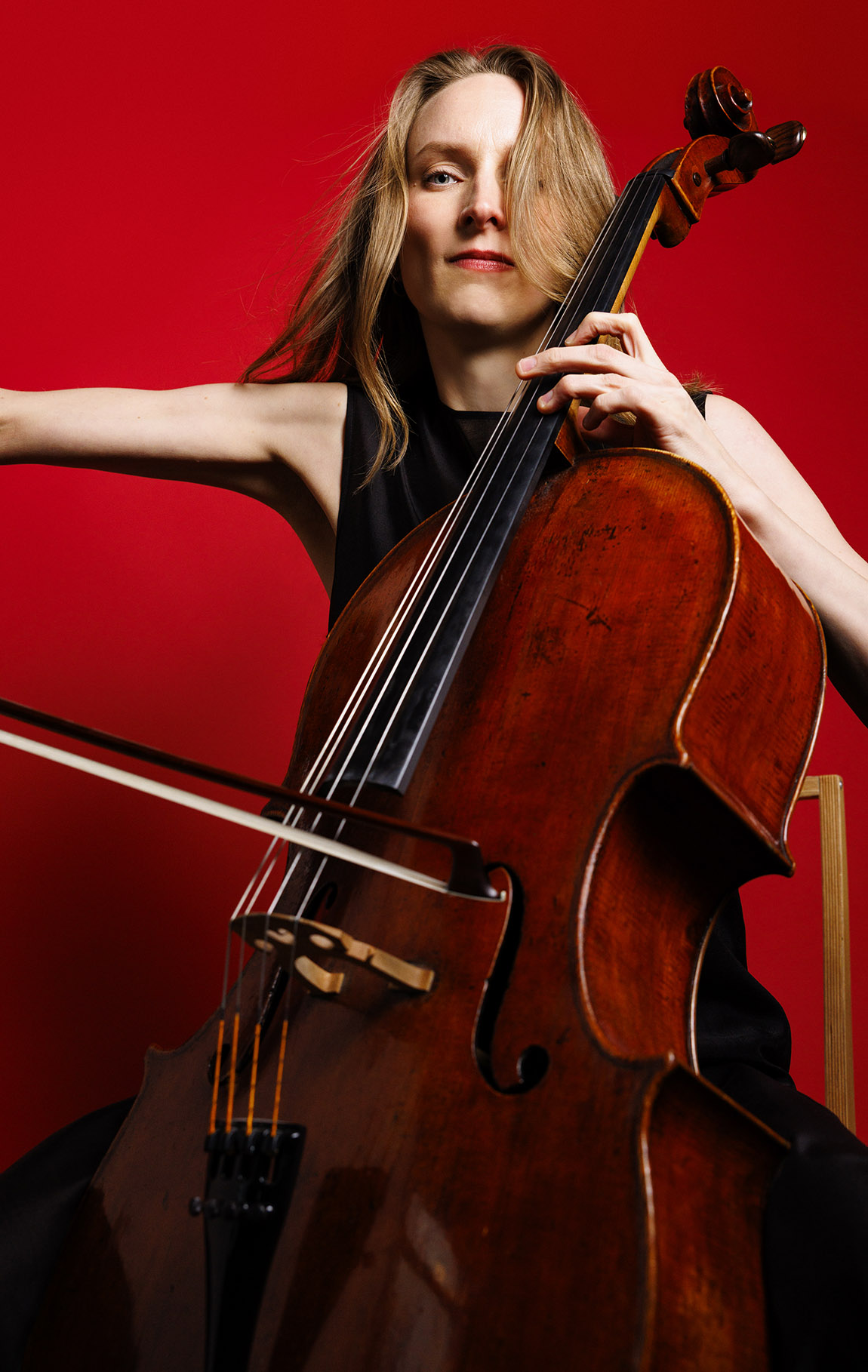
Marie-Elisabeth Hecker.
The musicians’ mutual love for chamber music preceded their romantic connection and is still being practised in their Brandenburg home on a frequent basis. “It’s one of my personal wells of recreation,” reveals Marie-Elisabeth, who sometimes can feel a little overwhelmed by juggling kids and home, trying to meet her own and others’ high expectations of mothering while also pursuing her own projects. “For me,” Martin laughs, “the concert tours often become my personal recreation time, as there’s always a little room around the performances to venture out, see new places and fill my batteries!”

While his tours and recordings must be both exhausting and rewarding in equal parts for Martin Helmchen, we were wondering what drove him to his latest passion project of recording all of Schubert’s piano sonatas, including the so-called unfinished ones. As mentioned above, Schubert: Piano Sonatas Vol.1 has just been released as a first album of four, with the last one expected to conclude the cycle in 2028. Martin explains: “Franz Schubert was immensely underrated during his lifetime, thus low in income, and it may as well often have been pure pressure and lack of resources which made him use both sides of a sheet, or even stop a sonata at that point where anyone knows how it will end (usually by repeating the first part). Seen from that perspective, it’s almost shameful how few recordings exist of these sonatas to date, just because they had been deemed unfinished. The man was probably so full of new ideas all the time, that he couldn’t waste any energy on filling in the obvious bits!” There are 20 sonatas in total, to be released in increments through a collection of four albums – “rather a grand tour,” as Martin puts it. The two musicians share this kind of passion for challenging, almost analytical projects. Following From Eastern Europe, they have already embarked on another large project at the time of our interview, recording Beethoven’s entire works for Piano&Cello across his various composing phases – aimed to conclude in the Beethoven Year 2027.
As for live concerts, a different interpretation of perfection applies, fuelled by the fact of the live audience being right there in the same room. Marie-Elisabeth explains: “While we study a piece at home, we already prepare for that moment when we can let it become pure music without any distraction interfering. To this end, we need to know both piece and composer so well, that they become part of us – we create a set world within which we can be free. And the audience always picks up on that magical moment, when everything becomes all about the music! It’s not so much about technique, yet more about bringing across what you want to express musically, at that exact moment. That’s what creates a special connection with the audience and in my opinion also makes for a perfect concert.”
Martin agrees: “During practice, you discover and get to know a piece more and more, which in itself can be quite exciting. Within the given parameters, you’re able to both honour the composition and add something to it – that something coming from your very own personality, just like an actor or actress does on stage. Unlike jazz performers, classical musicians deliver a piece note by note – and because of all the upfront preparation, we’re able to inhabit the piece in a way that we can play with it and interpret it every single time anew. While honouring a composed piece, you can still use your own voice for a deep and complex expression.” Marie-Elisabeth concludes: “In a way, we lend the composer our own voice.”
And how does all of this prep work and practising go together with having four kids in the house? “Well, right now it’s basically 24/7 of pure chaos,” laughs Martin. “But we know that this phase of our life is temporary, and there will be quieter times coming somewhere down the line. For now, this is our life as we want it.” His wife adds: “You know, we’ve just had one of these days when Martin would take the kids outside, and I got my time for practise. Then he came back and I did something with them in the house, and he would go practise in turn. And in the evening, we all came together for board games – a perfect day!”


Subscribe to Our Newsletter
Receive our monthly newsletter by email