VoltaViewAfrica: How solar energy revolutionises Africa’s economy and everyday life
TEXT: SILKE HENKELE | PHOTOS: WOLFGANG SCHADE
Sub-Saharan Africa faces a double challenge: while economic development across the region becomes ever more urgent, climate change intensifies existing inequalities between African nations and the industrialised world.
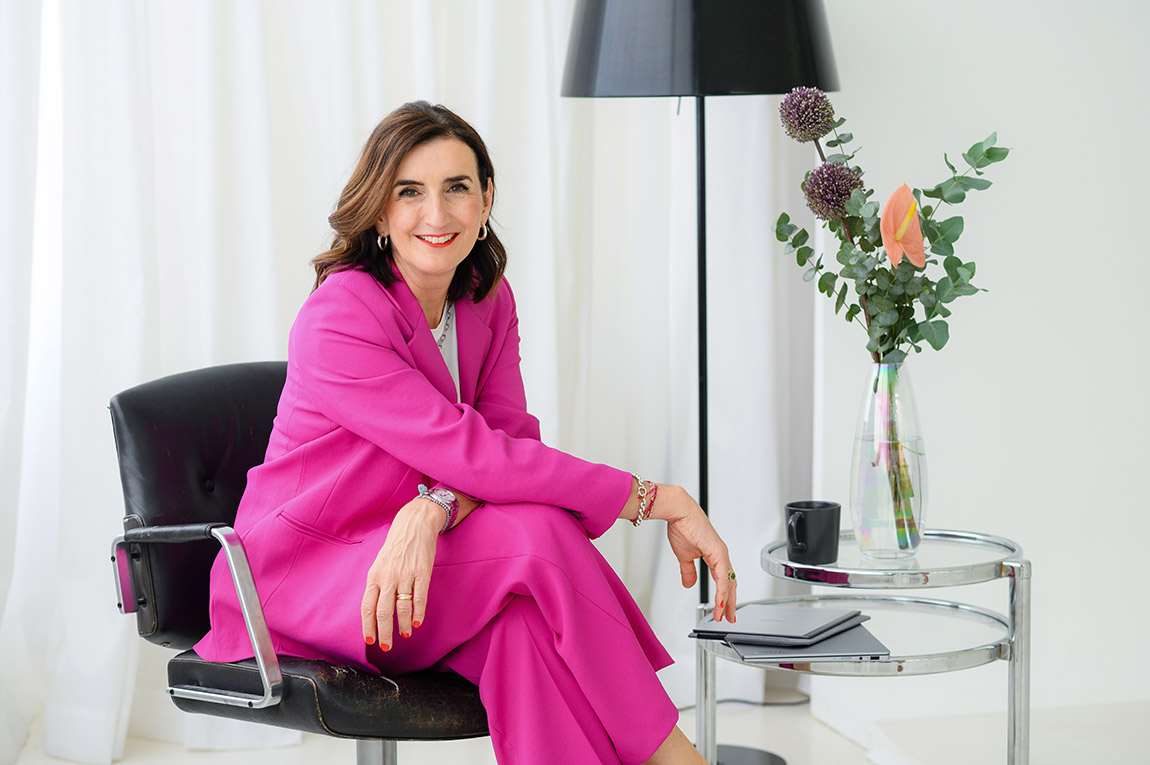
VoltaViewAfrica delivers solutions that enable growth without creating new dependencies. As a spin-off from the Fraunhofer Gesellschaft, the non-profit organisation develops decentralised concepts for renewable energy and sustainable mobility. “We don’t just sell technology. We create the keys that unlock Africa’s sustainable future,” professor Wolfgang Schade introduces the organisation. The physicist is a professor at Clausthal University of Technology, as well as co-founder and CEO of VoltaViewAfrica.
Decentralised energy
“The fundamental prerequisite for economic development is electricity,” explains professor Schade. In Sub-Saharan Africa, 86 per cent of people in rural areas have no reliable access to power. Without energy, however, a key element for progress and prosperity is missing.
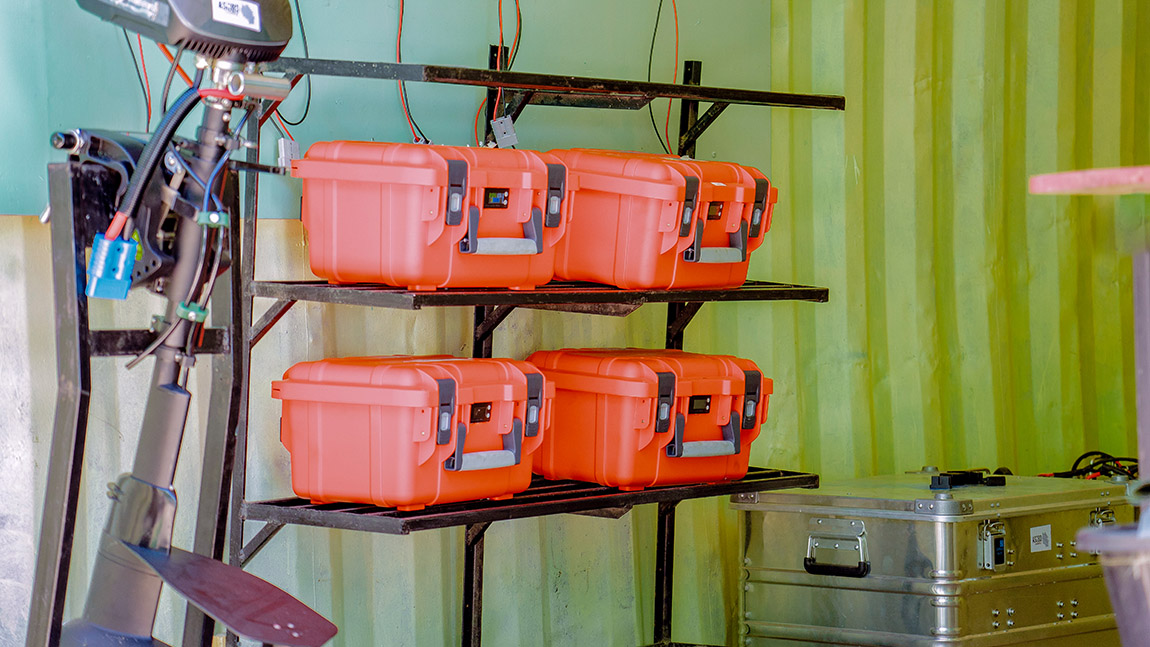
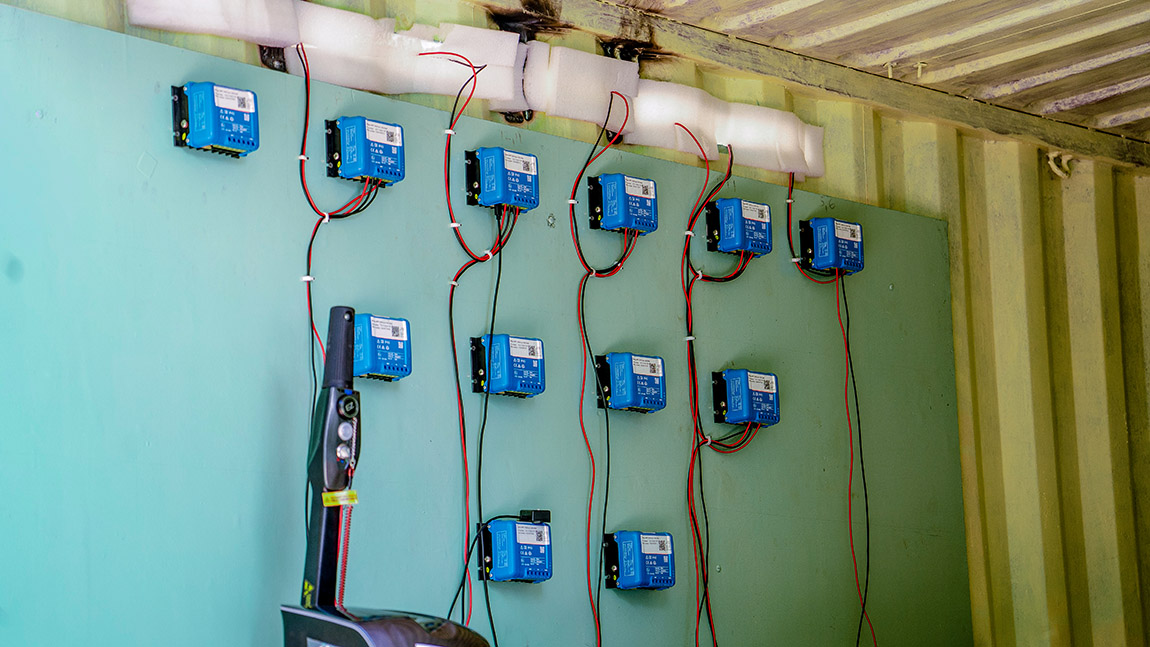
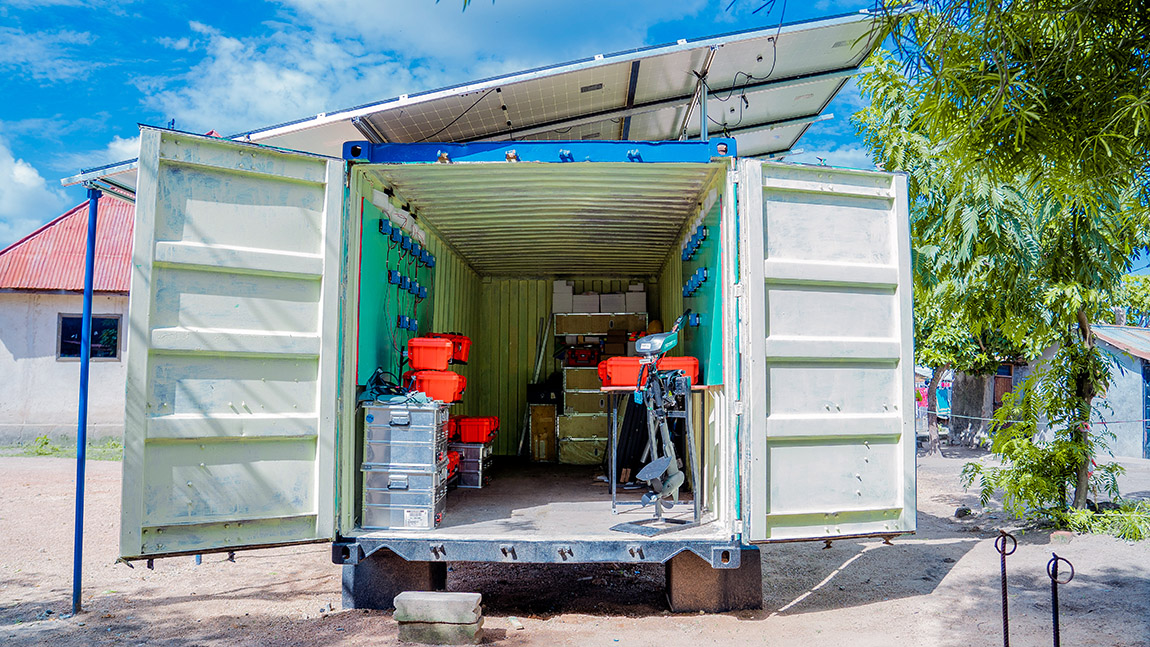
VoltaViewAfrica therefore pursues a decentralised approach for Sub-Saharan Africa. “There is no comprehensive grid like in Europe. Electricity must be generated where it is needed.” This is facilitated by SodiumX, specially developed energy storage systems with sodium-ion batteries that store solar power and make it available regardless of time of day or weather conditions, even on water. The potential of this development, both energetically and ecologically, is demonstrated in Tanzania.
Model region Lake Victoria
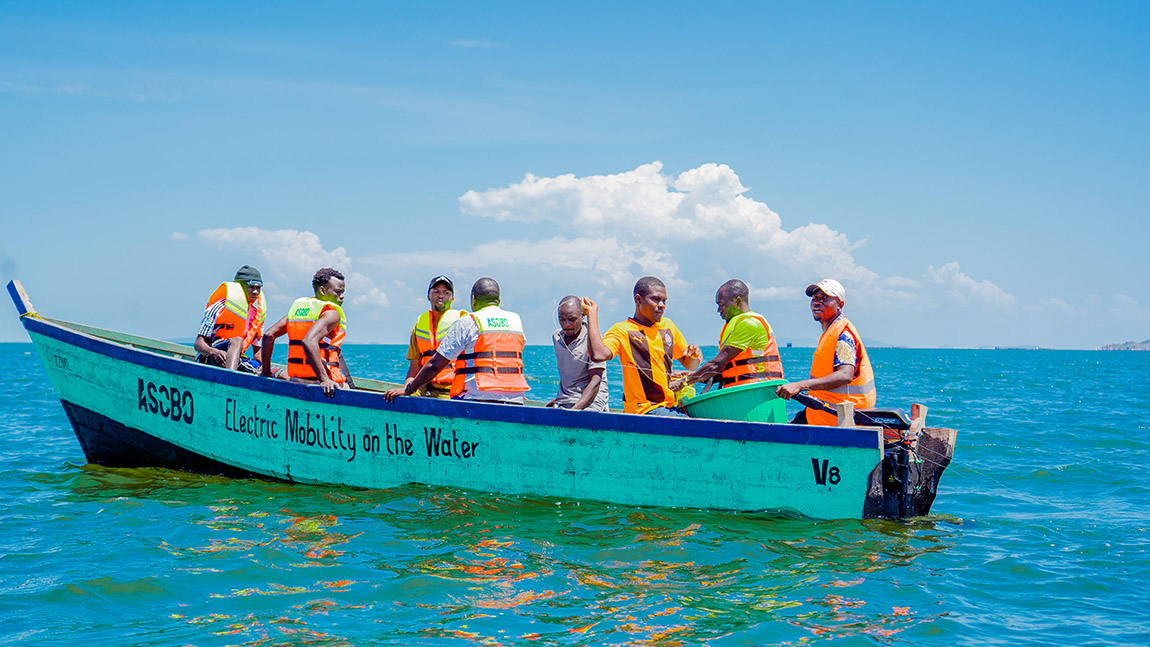
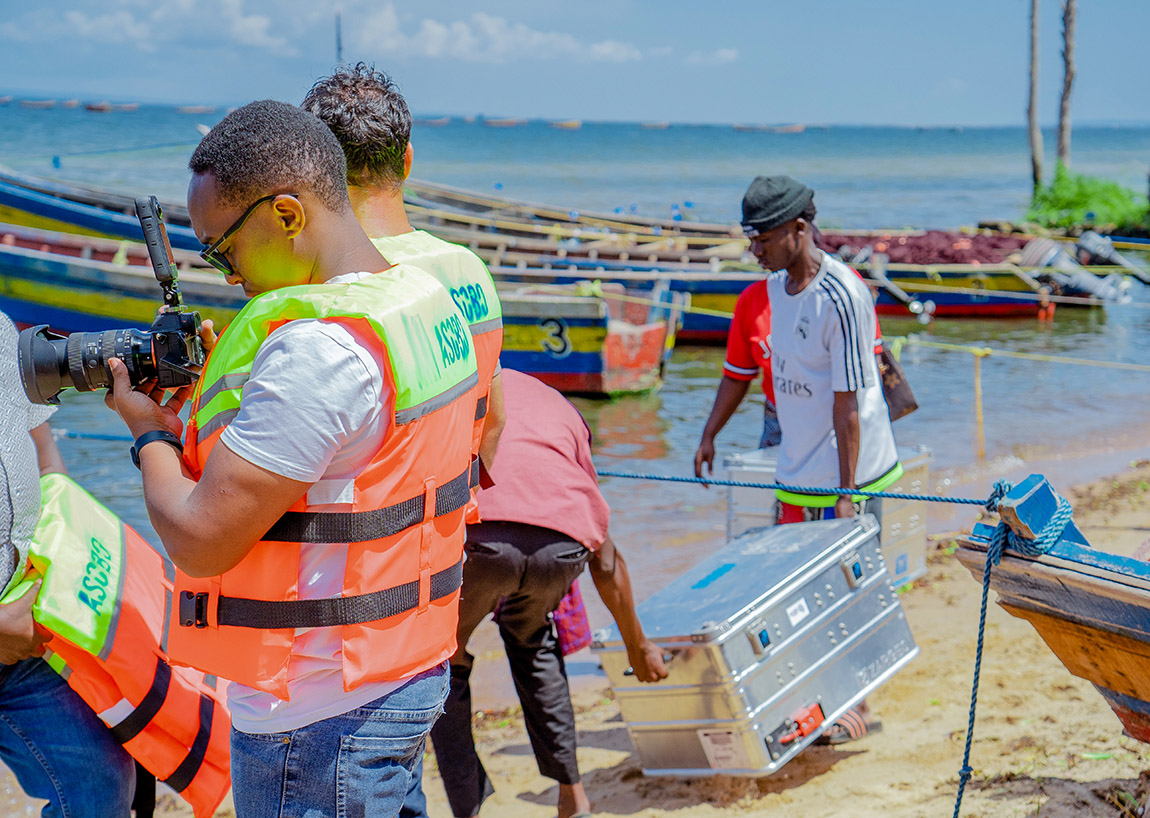
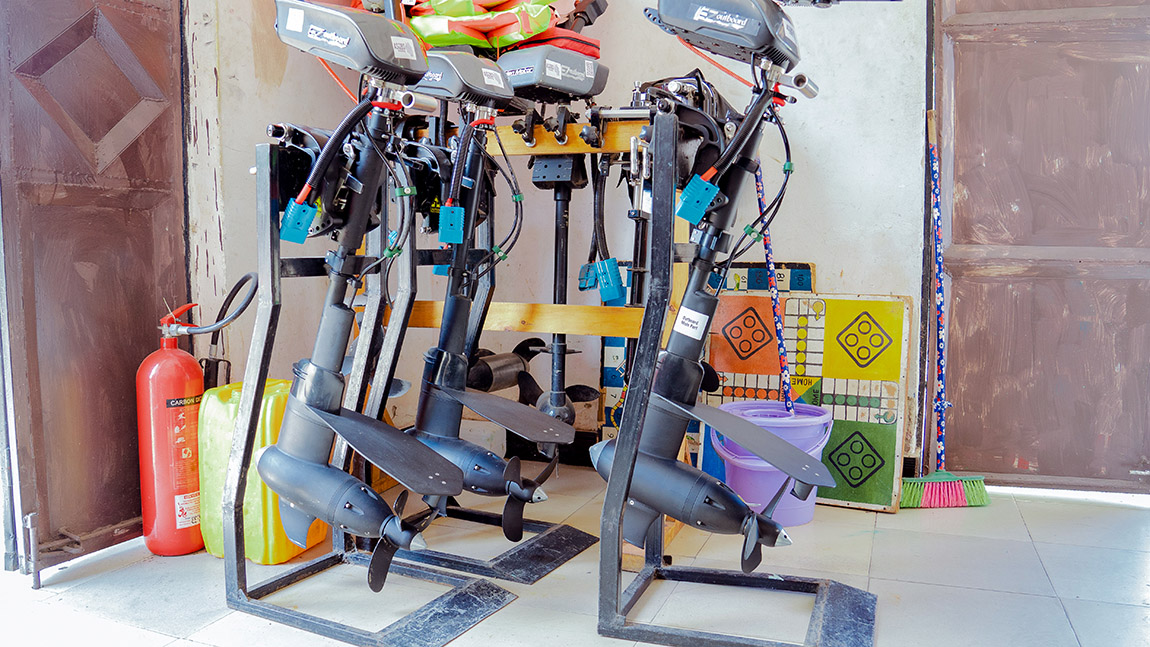
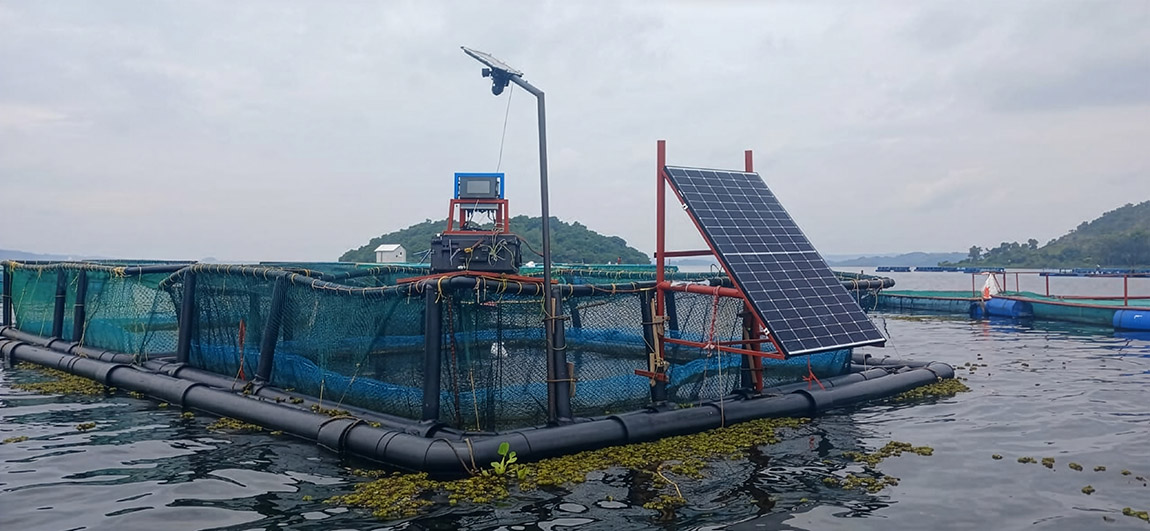
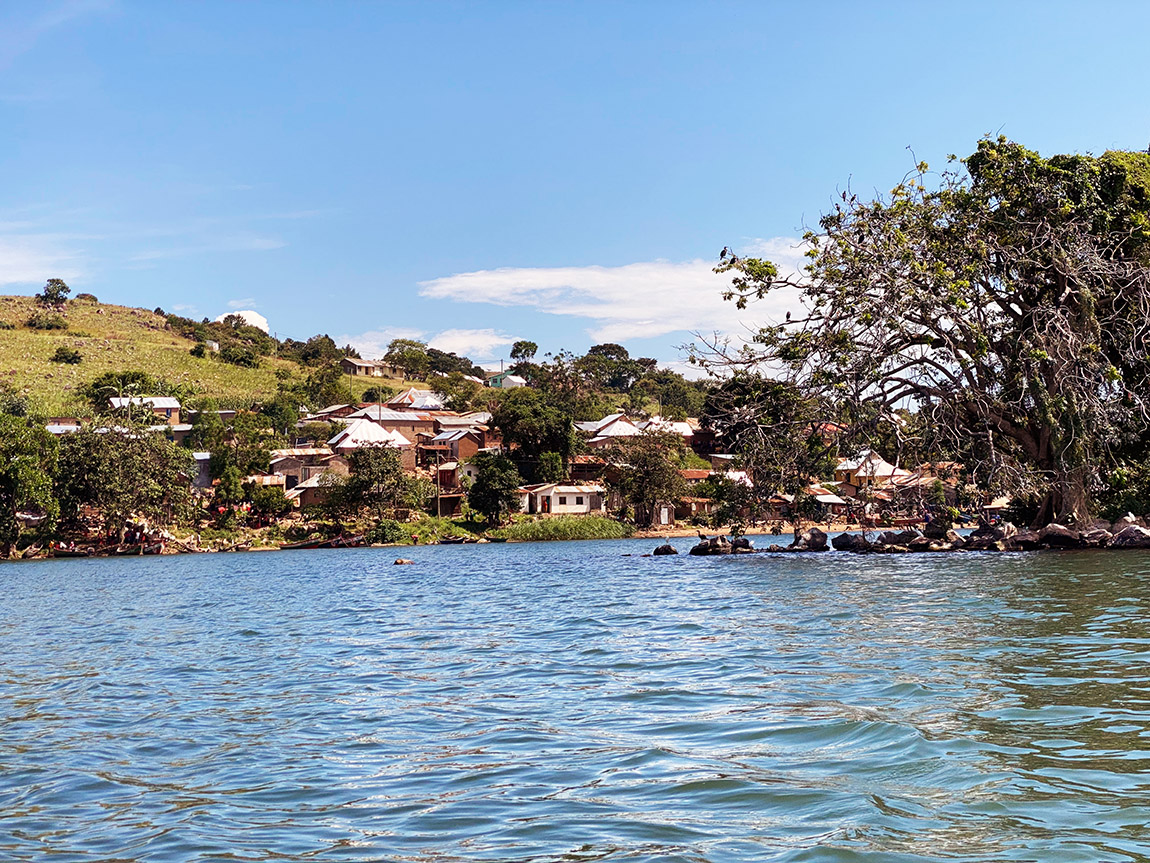
In the Mwanza region, the fisheries hub on the southern shores of Lake Victoria, a living lab, a pilot station for electric fishing boats and modern aquaculture, has been established. Solar energy, SodiumX batteries and electric propulsion systems come together in a pilot fleet of eleven electric fishing boats. Operating under a Boat as a Service rental model, the fleet demonstrates that the solution is both technically viable and economically sustainable.
In addition, sensors installed in fish cages continuously measure water temperature, oxygen levels and nitrate and nitrite concentrations. This enables optimised feeding, the protection of fish stocks and avoids over-fertilisation. Electric propulsions also prevent oil and petrol from entering the water, thereby safeguarding the sensitive ecosystem of Lake Victoria in the long term.
“Estimates suggest that around 100,000 fishing boats operate on Lake Victoria, most equipped with inefficient two-stroke engines,” Schade recounts. “One litre of petrol produces 2.4 kilograms of CO₂. Each boat emits roughly ten tons per year; in total, around one million tons annually.” By comparison, a large steelworks in Germany emits approximately three million tons per year.
Partnership as a principle
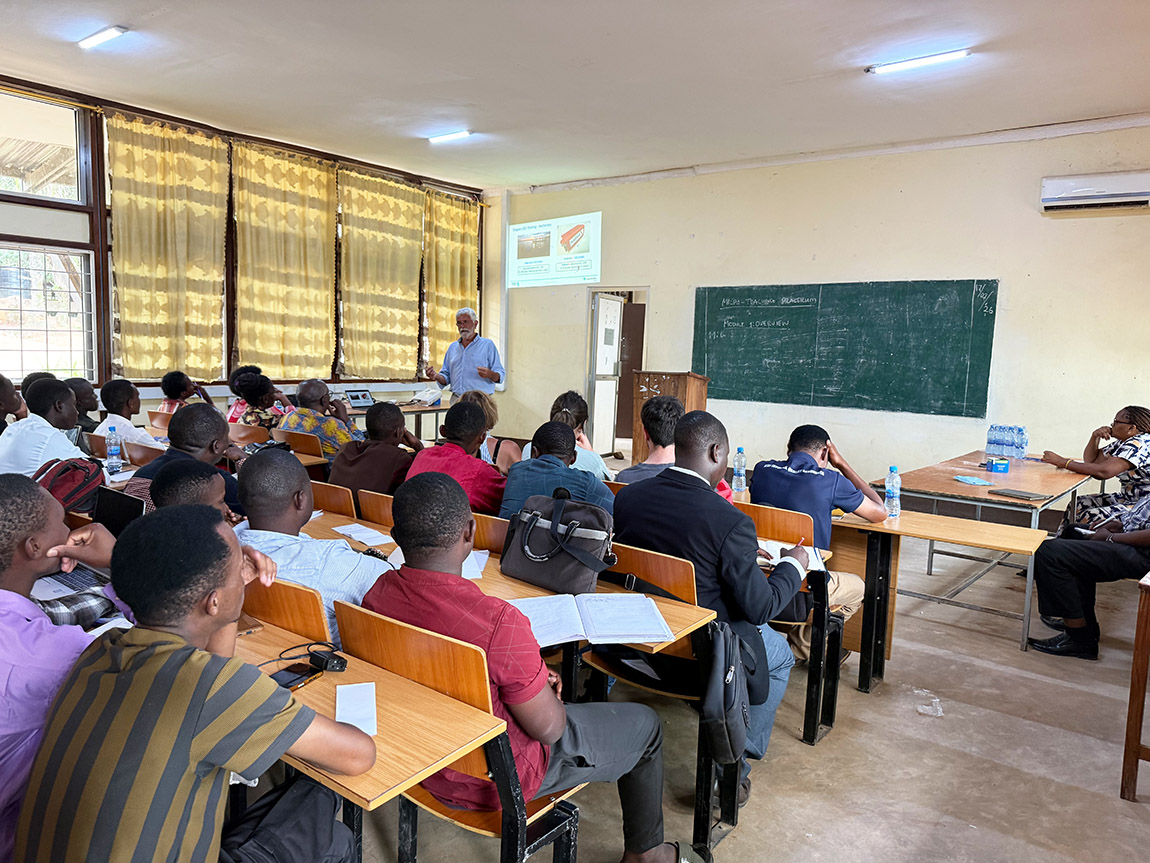
The project was facilitated by a major private sponsor and the support of the Lower Saxony Ministry for the Environment. In cooperation with St Augustine University of Tanzania (SAUT), local specialists are being trained on site. A crucial step towards ensuring long-term impact in the region.
This is where VoltaViewAfrica distinguishes itself from traditional infrastructure projects. The aim is not simply the installation of technology, but the implementation of sustainable participation. “We don’t just implement technology and leave,” Schade stresses. “We actively involve the community in our projects and share our knowledge.”
At the same time, the organisation works closely with local enterprises such as ASOBO Mobility in the field of electric boats and AQUACOM in sustainable fish farming. The result is not merely technical solutions, but long-term structures that promote regional added value and entrepreneurial independence.
Act! Now!
While these concepts are compelling, finances remains the greatest challenge. “Our ideas for solar power and battery systems receive widespread support. But the important question is: who will bear the initial investment costs?” notes the CEO.
As many people locally cannot finance the infrastructure themselves, VoltaViewAfrica relies on flexible models such as Battery as a Service and Boat as a Service. Yet these too require initial private or public investment. “As a Fraunhofer spin-off, we possess the necessary expertise and scientific excellence,” Schade stresses. “What we need are the financial resources to implement our solutions.”
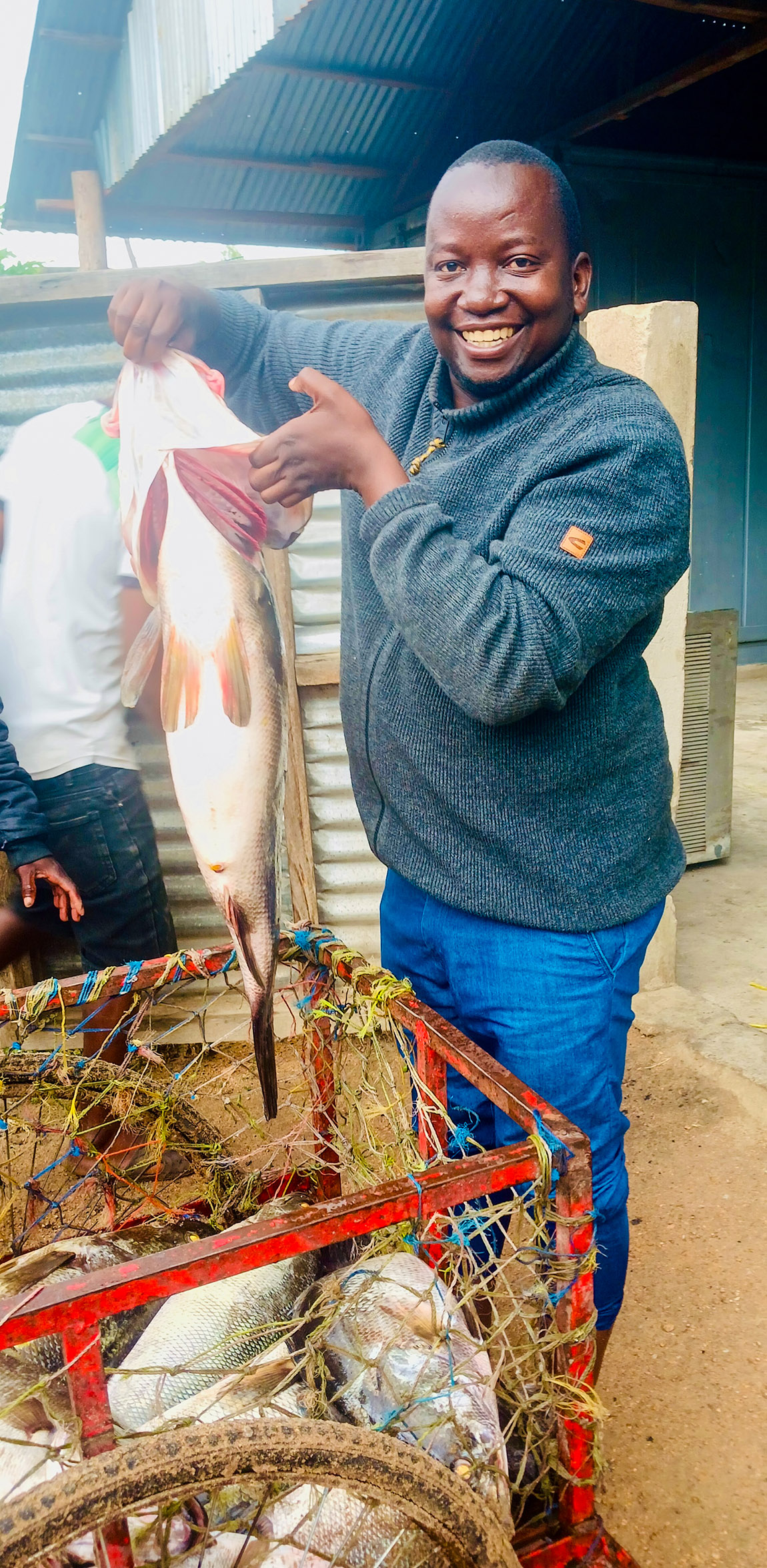
For professor Schade, timing is crucial. “Climate is not a local phenomenon,” he says. “Current studies indicate that by 2050, the African continent will be home to the largest population in the world. If we want sustainable transport concepts, we must act now!” While China is investing heavily in infrastructure in East Africa, Schade believes European engagement is lagging behind. Electrifying mobility, including on water, is a key lever. At the same time, fish remains the primary source of protein for many people in the region. “Sustainable fishing and responsible aquaculture are therefore not only ecological issues, but social ones as well.”
An investment that pays off
“Stopping climate change is a global responsibility. Africa must not be overlooked,” Schade urges. An investment in VoltaViewAfrica is more than financial support. It is a strategic commitment to climate protection, economic stability and global responsibility. The organisation combines scientific excellence from Fraunhofer research with implementation in Sub-Saharan Africa: decentralised solar energy, electric mobility on water and digital monitoring systems. Every euro invested has multiple effects. It reduces CO2 emissions, protects fragile ecosystems, strengthens local value chains, transfers knowledge and creates jobs. Instead of short-term aid, VoltaViewAfrica facilitates a scalable model with measurable impact.
The objectives are clearly defined: by 2028, 200 fishing boats are to be electrified, four additional sites established in Tanzania and Kenya and 300 fish cages equipped with sensor technology to sustainably improve water quality. “Whether through private donations, investors or public funding, those who invest today do not merely support innovative technology, but actively shape the sustainable development of a continent that will be decisive for the global climate balance and the economic future,” Schade concludes.
Wie Solarenergie Afrikas Wirtschaft und Alltag revolutioniert
Subsahara-Afrika steht vor einer doppelten Herausforderung: Während die wirtschaftliche Entwicklung der Länder immer dringlicher wird, verschärft der Klimawandel bestehende Ungleichheiten zwischen den afrikanischen Staaten und den Industrienationen.
VoltaViewAfrica überzeugt mit Lösungen, die Wachstum ermöglichen, ohne neue Abhängigkeiten zu schaffen. Als Ausgründung aus der Fraunhofer-Gesellschaft entwickelt die gemeinnützige Organisation dezentrale Konzepte für erneuerbare Energie und nachhaltige Mobilität. „We don’t just sell technology, we create the keys that unlock Africa’s sustainable future”, stellt Prof. Wolfgang Schade die Organisation vor. Der Physiker ist Professor an der Technischen Universität Clausthal und Mitbegründer und CEO von VoltaViewAfrica.
Dezentrale Energie
„Die Grundvoraussetzung von wirtschaftlicher Entwicklung ist Elektrizität”, erklärt Prof. Schade. In Subsahara-Afrika haben 86 Prozent der Menschen im ländlichen Raum keinen verlässlichen Zugang zu Strom. Ohne Energie fehlt allerdings ein zentraler Baustein für Fortschritt und Wohlstand.
VoltaViewAfrica setzt deshalb auf einen konsequent dezentralen Ansatz. „Es gibt kein flächendeckendes Netz wie in Europa. Strom muss genau dort erzeugt werden, wo er gebraucht wird.” Möglich wird das durch SodiumX, eigens entwickelte Energiespeicher mit Natrium-Ionen Batterien, die Solarenergie speichern und unabhängig von Tageszeit oder Wetter verfügbar machen, selbst auf dem Wasser. Das Potenzial dieser Entwicklung, sowohl auf energetischer als auch auf ökologischer Ebene, zeigt sich eindrücklich in Tansania:
Modellregion Viktoriasee
In der Gegend um Mwanza, dem Fischereizentrum im Süden des Viktoriasees, ist ein Living Lab, eine Pilotstation für elektrische Fischerboote und moderne Aquakultur, entstanden:
Solarenergie, SodiumX-Batterien und elektrische Antriebe. Eine Pilotflotte von elf E-Fischerbooten zeigt im Leihmodell ‚Boat as a Service’, dass diese Lösung technisch und wirtschaftlich tragfähig ist. Zusätzlich messen Sensoren in den Fischkäfigen der Aquakultur kontinuierlich Temperatur, Sauerstoff- sowie Nitrat- und Nitritwerte im Wasser. So lassen sich Fütterung optimieren, Überdüngung vermeiden und Fischbestände schützen. E-Antriebe verhindern zudem, dass Öl und Benzin ins Wasser gelangen. So wird das sensible Ökosystem des Viktoriasees nachhaltig gesichert.
„Schätzungen zufolge fahren etwa 100.000 Fischerboote auf dem Viktoriasee, die meisten mit ineffizienten Zweitaktmotoren. Ein Liter Benzin verursacht 2,4 Kilogramm CO₂, jedes Boot produziert etwa zehn Tonnen pro Jahr, insgesamt also rund eine Million Tonnen”, rechnet Schade vor. Zum Vergleich: Ein großes Stahlwerk in Deutschland kommt auf circa drei Millionen Tonnen jährlich.
Partnerschaft als Prinzip
Möglich wurde dieses Projekt durch einen privaten Großsponsor und die Unterstützung des Niedersächsischen Umweltministeriums. In Kooperation mit der St. Augustine University of Tanzania (SAUT) wird zudem lokales Fachpersonal ausgebildet. Ein wichtiger Schritt für die langfristige Wirkung vor Ort ist die Ausbildung lokaler Kompetenz.
Gerade hier wird deutlich, was VoltaViewAfrica von klassischen Infrastrukturprojekten unterscheidet: Es geht nicht um das bloße Installieren von Technik, sondern um nachhaltige Teilhabe. „Wir stellen nicht einfach etwas hin”, betont Schade, „sondern beziehen die Community aktiv in unsere Projekte ein und geben unser Wissen weiter”.
Gleichzeitig arbeitet die Organisation eng mit lokalen Unternehmen wie ASOBO Mobility im Bereich E-Boote und AQUACOM im nachhaltigen Fisch-Farming zusammen. So entstehen nicht nur technische Lösungen, sondern langfristige Strukturen, die regionale Wertschöpfung und unternehmerische Eigenständigkeit fördern.
Handeln! Jetzt!
So überzeugend die Konzepte sind, die größte Herausforderung bleibt die Finanzierung. „Wir stoßen mit unseren Ideen zu Solarstrom und Batterien auf viel Zustimmung. Aber entscheidend ist die Frage: Wer trägt die Anfangsinvestitionen?”, so der CEO.
Da viele Menschen vor Ort die Infrastruktur nicht selbst finanzieren können, setzt VoltaViewAfrica auf flexible Modelle wie ‚Battery as a Service’ oder ‚Boat as a Service’. Doch auch diese benötigen zunächst private oder öffentliche Investoren. „Als Fraunhofer-Ausgründung verfügen wir über das notwendig Know-how und wissenschaftliche Exzellenz”, betont Schade. „Was wir brauchen, sind die finanziellen Mittel, um unsere Lösungen zu realisieren.”
Für Prof. Schade ist klar: Der Zeitpunkt ist entscheidend. „Klima ist nicht lokal”, sagt er. „Aktuellen Studien zufolge werden 2050 auf dem afrikanischen Kontinent die meisten Menschen leben. Wenn wir nachhaltige Verkehrskonzepte wollen, müssen wir jetzt handeln!” Während China in Ostafrika massiv in Infrastruktur investiert, sieht Schade noch zu wenig europäisches Engagement. Die Elektrifizierung von Mobilität, auch auf dem Wasser, ist dabei ein zentraler Hebel. Gleichzeitig bleibt Fisch die wichtigste Proteinquelle vieler Menschen in der Region. „Nachhaltiger Fischfang und verantwortungsvolle Aquakultur sind daher nicht nur ökologische, sondern auch soziale Aufgaben.”
Lohnendes Investment
„Den Klimawandel aufzuhalten ist eine globale Aufgabe. Afrika darf dabei nicht vergessen werden”, betont Schade. Eine Investition in VoltaViewAfrica ist mehr als finanzielle Unterstützung. Sie ist ein strategisches Engagement für Klimaschutz, wirtschaftliche Stabilität und globale Verantwortung. Die Organisation verbindet wissenschaftliche Exzellenz aus der Fraunhofer-Forschung mit konkreter Umsetzung vor Ort in Subsahara-Afrika: dezentrale Solarenergie, elektrische Mobilität auf dem Wasser und digitale Monitoringsysteme. Jeder investierte Euro wirkt mehrfach. Er reduziert CO₂-Emissionen, schützt sensible Ökosysteme, stärkt lokale Wertschöpfungsketten, gibt Wissen weiter und schafft Arbeitsplätze.
Statt kurzfristiger Hilfe entsteht ein skalierbares Modell mit messbarer Wirkung.
Die Ziele sind klar definiert: Bis 2028 sollen 200 Fischerboote elektrifiziert, vier weitere Standorte in Tansania und Kenia aufgebaut und 300 Fischkäfige mit Sensorik ausgestattet werden, um die Wasserqualität nachhaltig zu verbessern. „Egal ob private Spender, Investoren oder öffentliche Gelder — wer heute investiert, fördert nicht nur innovative Technologie, sondern gestaltet aktiv die nachhaltige Entwicklung eines Kontinents, der für die globale Klimabilanz und die wirtschaftliche Zukunft entscheidend sein wird,” betont Schade.

Subscribe to Our Newsletter
Receive our monthly newsletter by email