Architektur Atelier Gegenhuber – special spaces with a vision
Architektur Atelier Gegenhuber develops tailor-made projects in close dialogue with its clients – to realise a shared vision. “We spend most of our…

Since its rebranding in 2017, TCHOBAN VOSS Architects, with offices in Hamburg, Berlin and Dresden, has made a name for itself with creative, pioneering projects. Under the leadership of Sergei Tchoban, an experienced architect of international renown, the firm sets standards in sustainability, technical excellence and creative variety. A graduate of St. Petersburg Academy of Arts, Sergei Tchoban’s career has proven time and again that architecture is more than just the construction of spaces. After becoming a partner with Ekkehard Voss in the renowned architecture firm Nietz-Prasch-Sigl in 1995, the two architects founded TCHOBAN VOSS Architekten GmbH in 2017, of which Tchoban is now the…
With offices in Munich and Stuttgart, the architecture firm Auer Weber serves as a creative foundation for pioneering building projects. What makes…
From cradle-to-cradle philosophy to iconic culture centres, wulf architekten designs spaces that surprise, captivate and inspire. At the heart of…
Humanity and beauty – two principles that underpin every project created by the architectural firm querkraft architektur. Founded on a mission to…
For the team around the three partners Roland Duda, Florian Matzker and Markus Penell of O&O Baukunst, each project is unique. According to…
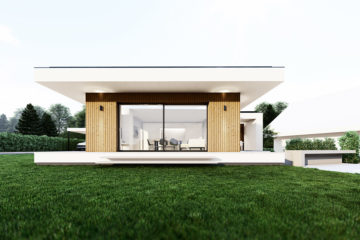
Architektur Atelier Gegenhuber develops tailor-made projects in close dialogue with its clients – to realise a shared vision. “We spend most of our…

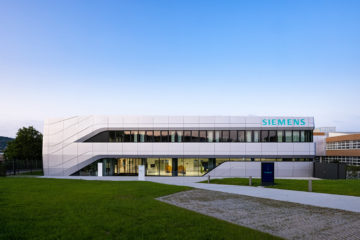
What does a building need to fulfil its purpose in 20 or 30 years? aib architects supports companies with fast-changing requirements – from…
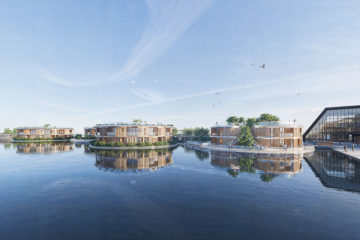
StructureLab combines design and technology with ecological and social responsibility to create a holistic, future-oriented approach to architecture.…
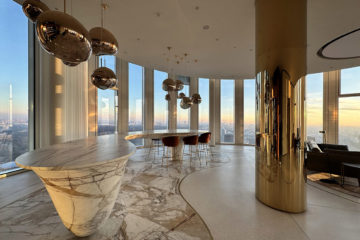
Sebastian Blancke and Mathis Malchow, of the Berlin architectural practice OOW, are something of a well-kept secret, despite delivering exclusive…

The Zurich-based architecture firm led by Hiromi Hosoya, Markus Schaefer and Alexander Kneer champions architecture that is integrated in the…
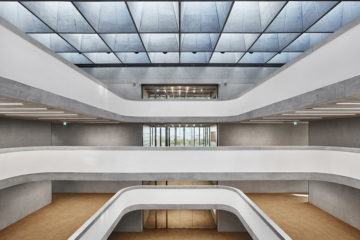
Berrel Kräutler architecture focuses on a detailed analysis of the context, the needs of the future users as well as the economic framework – and…
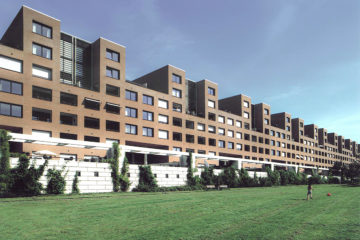
Let’s face it: Wilfried Schmidt’s profile as an architect defies simple categorisation. While all of us carry psychological complexity, his…
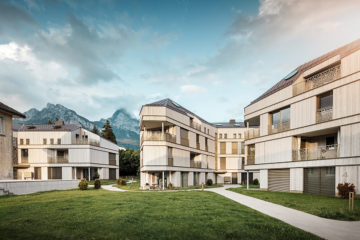
The Zurich-based company TOWNSET offers project development, architecture and urban planning, as well as consulting in the areas of sustainability,…
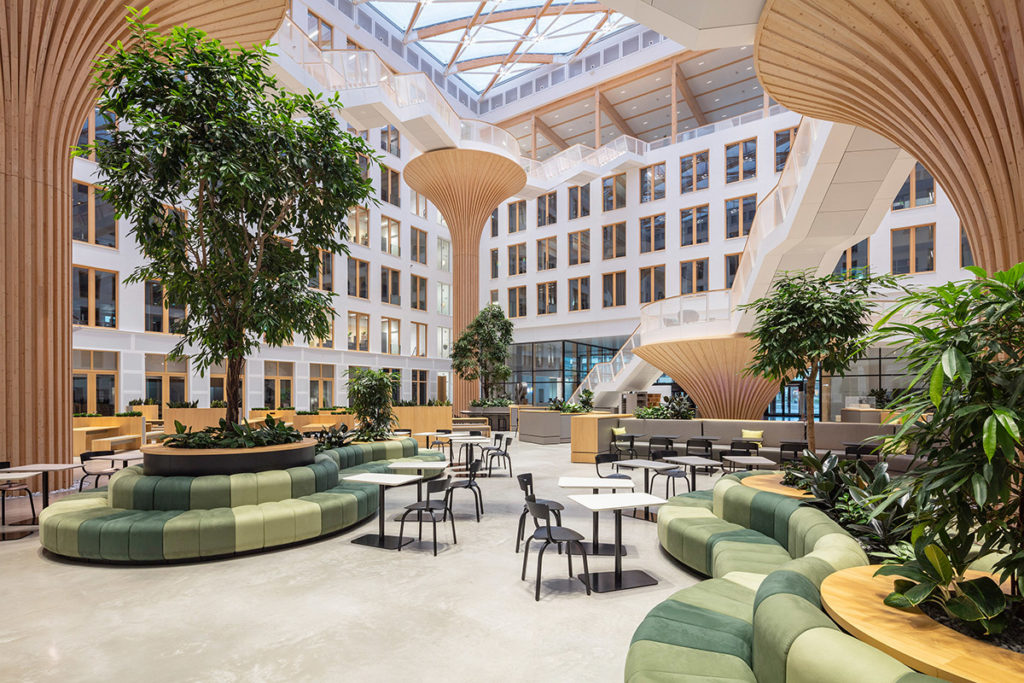
Sustainable architecture on a human scale: the timber-lined atrium at EDGE Suedkreuz Berlin, designed by TCHOBAN VOSS Architects, creates a bright, welcoming heart for the workplace. Photo by HG Esch.
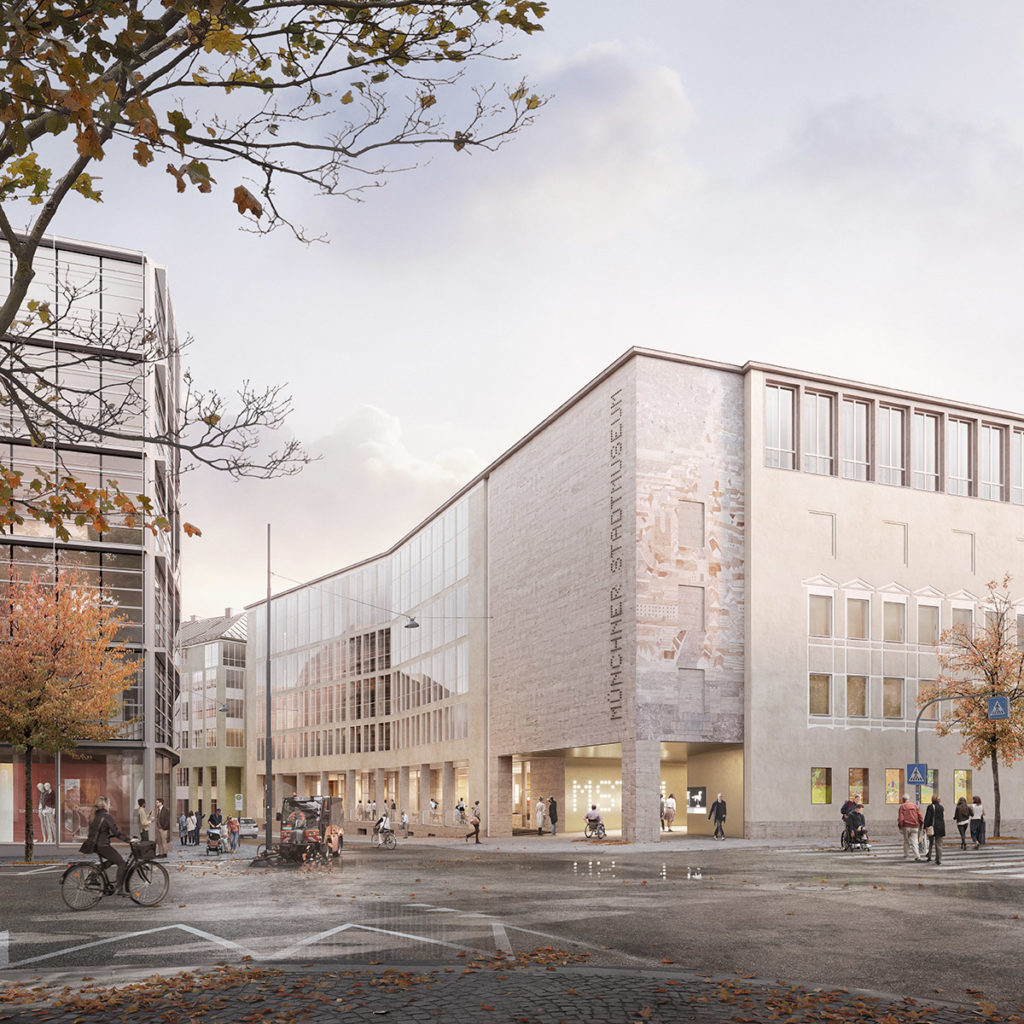
Auer Weber’s transformation of the Münchner Stadtmuseum shows how architecture can strengthen the relationship between a building and the city around it, with a new entrance creating a more open and accessible public connection. Visualization: Auer Weber, Jonas Bloch.
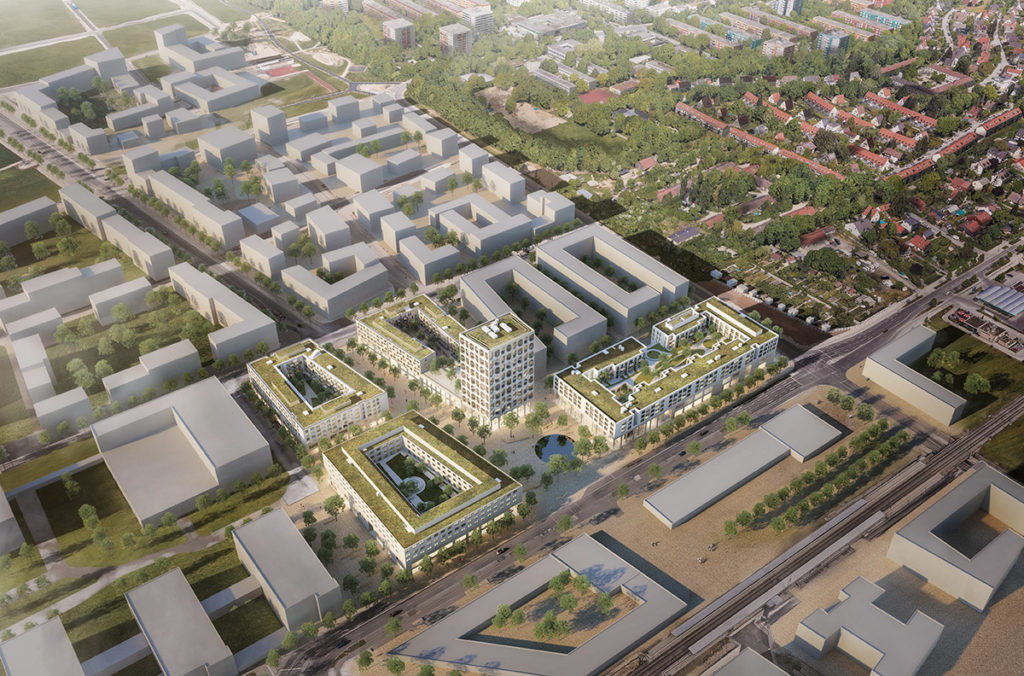
Störmer Murphy and Partners’ work on the Freiham district in Munich reflects the practice’s strong urban focus, shaping new buildings as part of a larger neighbourhood rather than as isolated objects. Visualisation: Störmer Murphy and Partners.
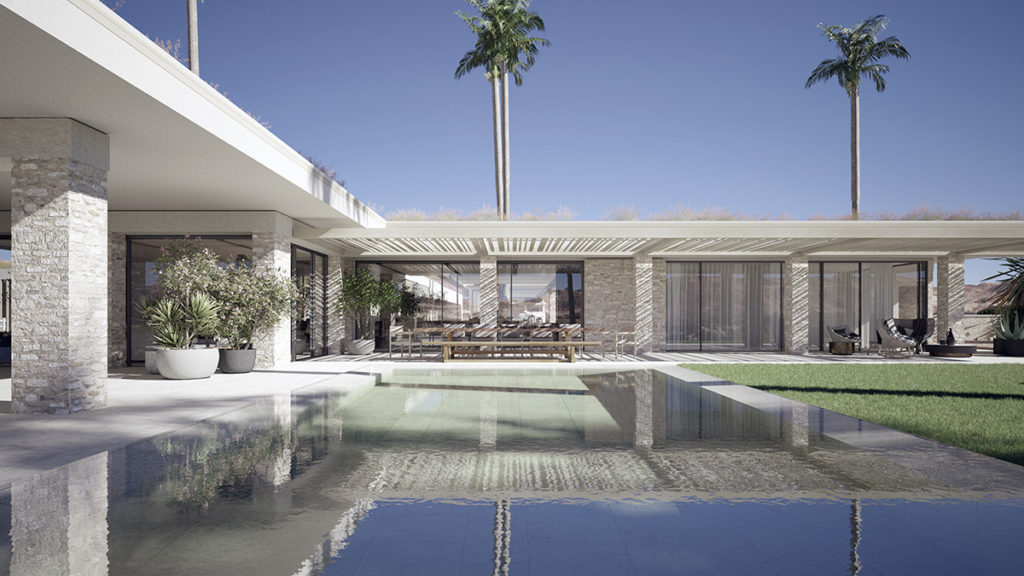
Fuchs Wacker Architekten’s Villa Mallorca shows how generous indoor-outdoor spaces, natural materials and carefully framed views can create the sense of a home away from home. Photo by Fuchs, Wacker, Architekten BDA.
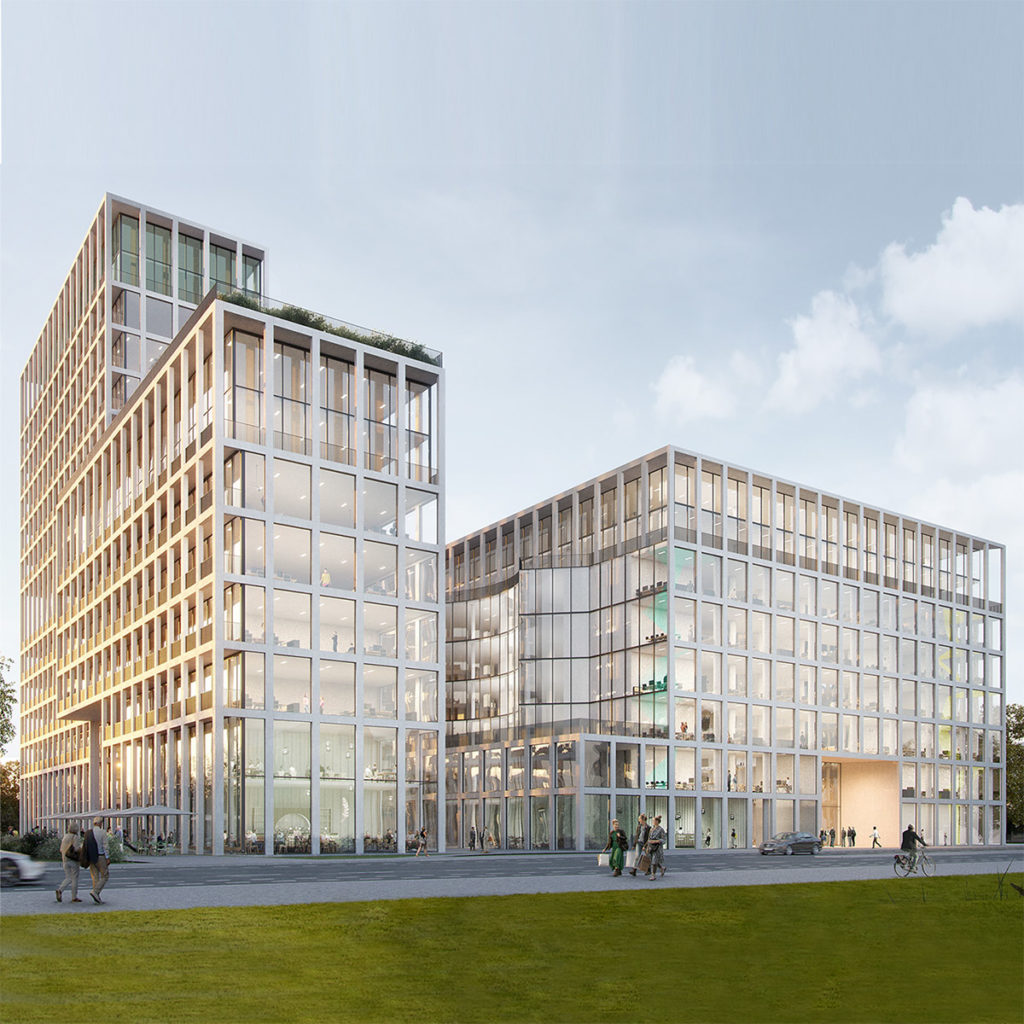
CSMM’s transformation and expansion of Sellerstrasse in Berlin into a hybrid building reflects the practice’s focus on resilient architecture, adaptive reuse and flexible workplaces. Visualisation: beyond visual arts.
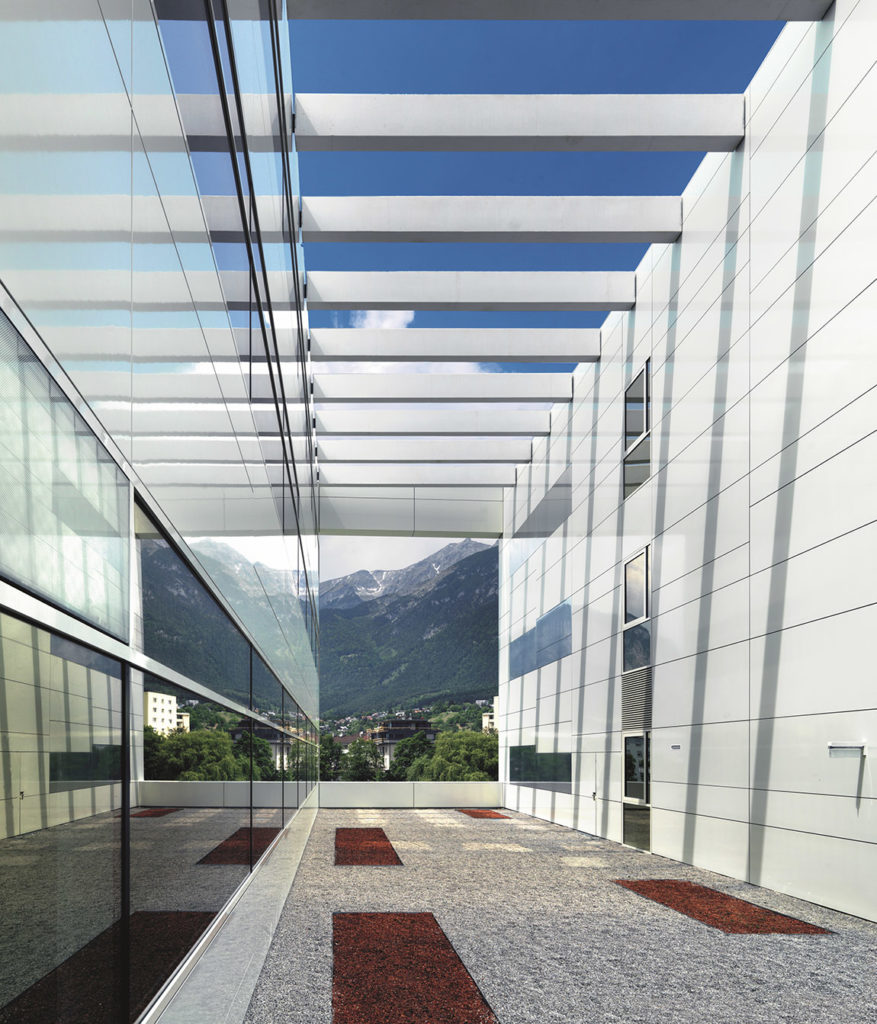
DIN A4 architecture’s Innsbruck University Faculty for Chemistry and Pharmacy pairs crisp contemporary design with its dramatic Alpine setting — a strong expression of the practice’s roots in Tyrol and its forward-looking approach to architecture. Photo by Walter Oczlon.
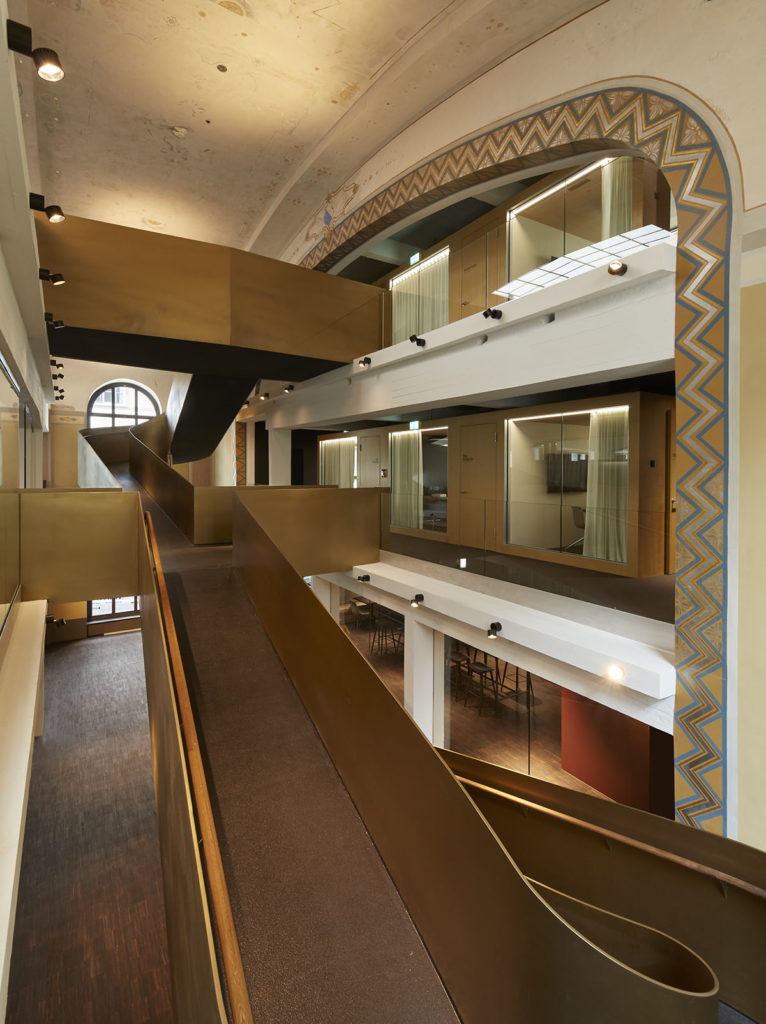
Oxid Architektur’s conversion of a 1906 municipal hall into a national communication centre demonstrates the value of careful reuse, giving the historic building a completely new purpose without erasing its character. Photo by Heinz Unger.
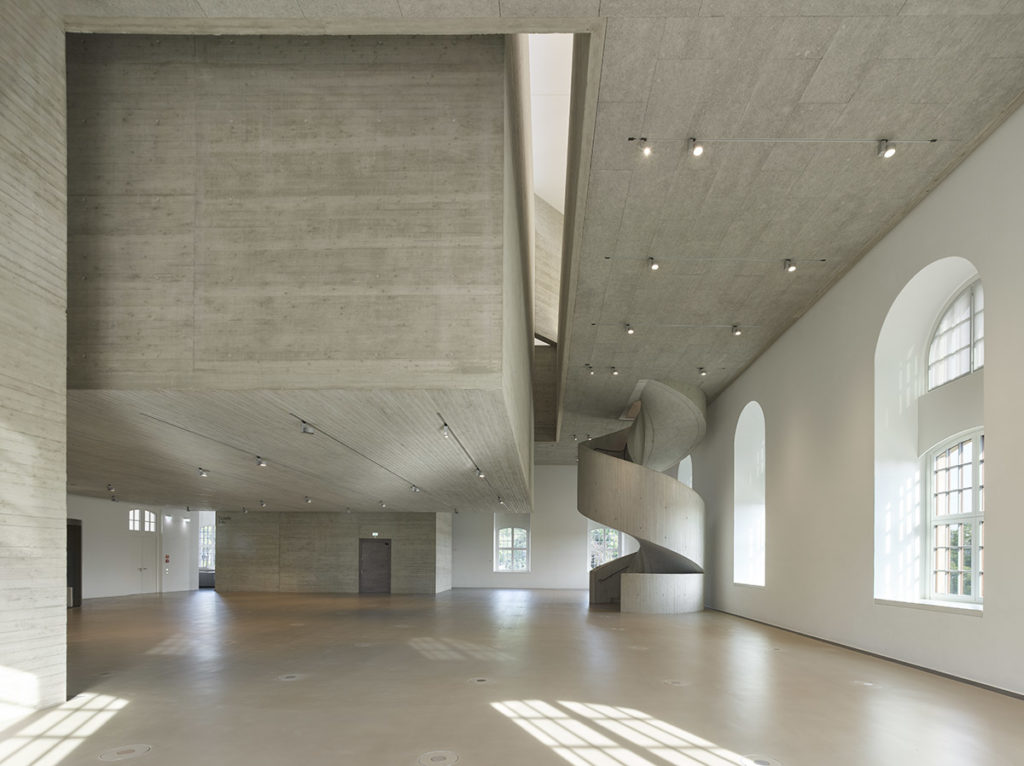
Nieto Sobejano’s transformation of Dresden’s historic Blockhaus into the Archiv der Avantgarden places a striking new concrete structure within the restored Baroque shell, bringing old and new into deliberate dialogue. Photo by Roland Halbe.
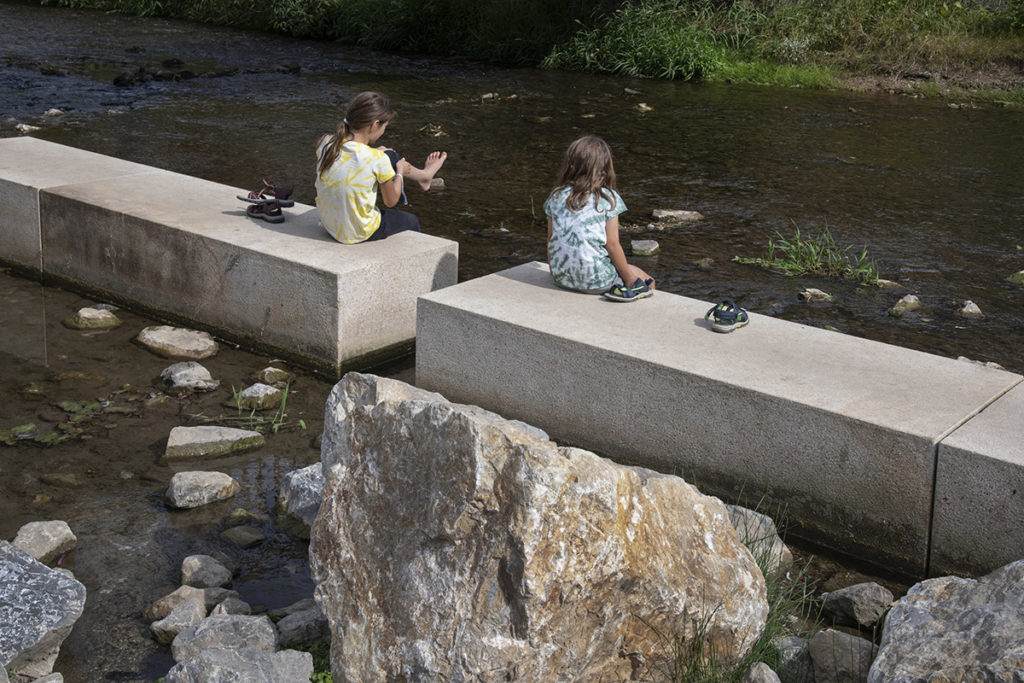
POLA Landschaftsarchitekten’s Marktplatz und Lammegarten in Bad Salzdetfurth brings people directly to the water, turning the river edge into an inviting piece of public landscape. Photo by Hanns-Joosten, © POLA.
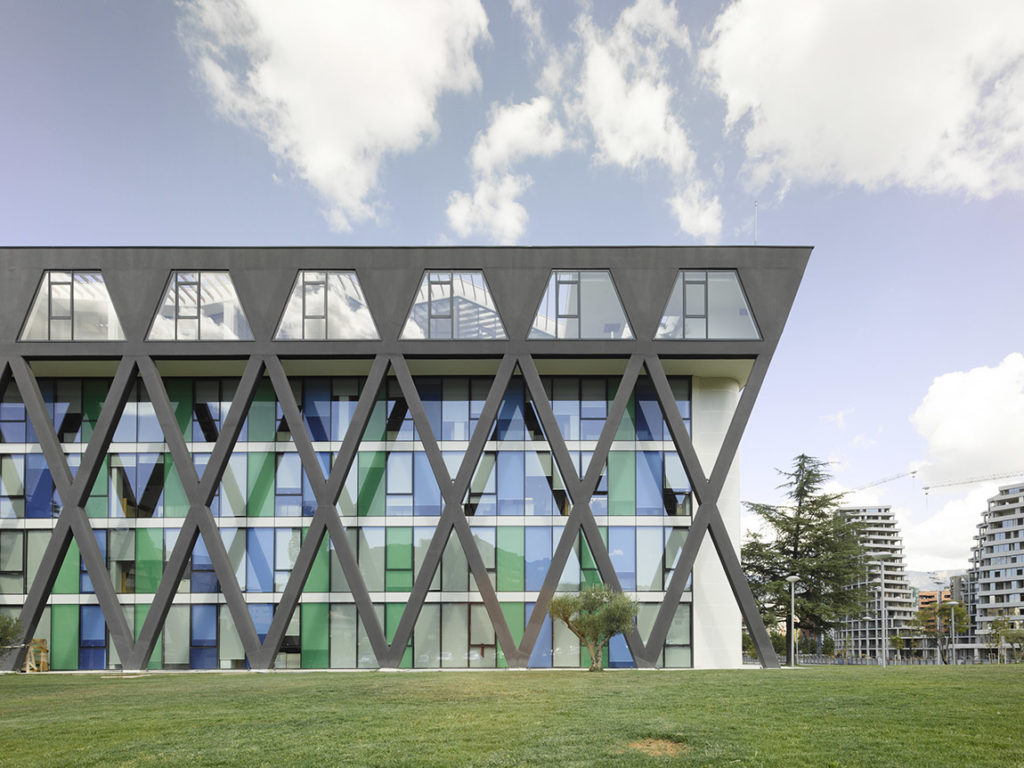
BOLLES+WILSON’s Albanian Football Association building in Tirana turns structure into identity, using its bold external frame to give the architecture a clear civic presence. Photo by Roman Mensing.
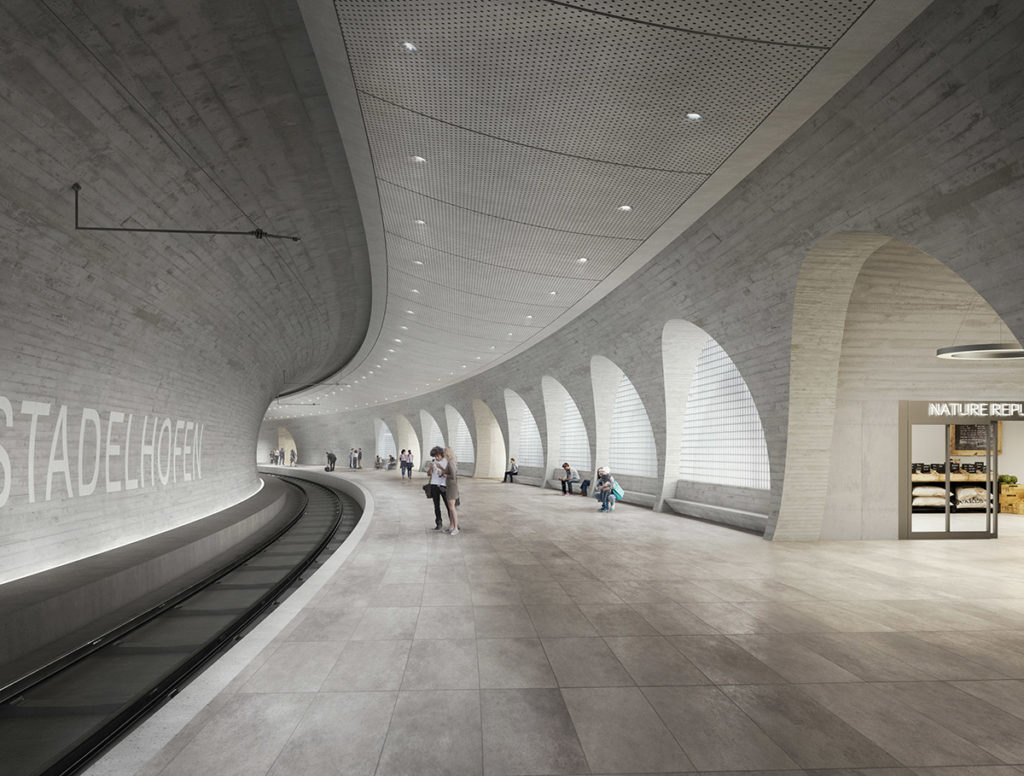
Giuliani Hönger Architekten’s winning extension for Zürich Stadelhofen station transforms the railway concourse into a flowing civic interior, strengthening the relationship between infrastructure, city and public space. Photo by maaars.
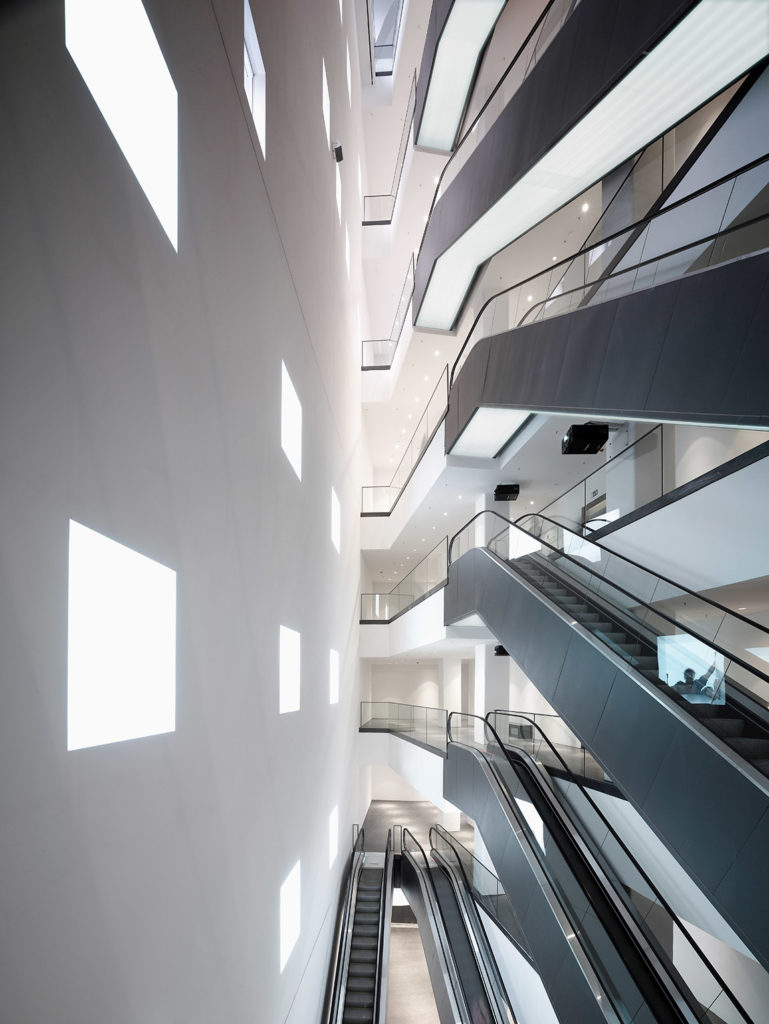
Inside the Dortmunder U in Dortmund, Gerber Architekten transformed the former 1927 Union Brewery tower into a centre for art and creativity, with a dramatic multi-storey “air space” carved through the historic structure. Photo by Christian Richters.
There is no single architectural language that defines Germany, Austria and Switzerland. The most interesting work across the three countries can be monumental or restrained, experimental or pragmatic, urban or deeply rooted in landscape. What the region does offer is an unusually dense concentration of architects working seriously with the questions that matter now: how cities grow, how existing buildings can be given new lives, how homes and workplaces should change, and how architecture can use fewer resources without becoming less ambitious.
Discover Germany has spent years meeting architects across the region and looking closely at their work. The result is an extensive collection of conversations with practices of very different sizes and characters — from internationally active offices designing at the scale of the city to smaller studios concentrating on individual buildings and carefully resolved spaces.
This is not intended as a ranking from one to one hundred. Instead, it brings together architects worth knowing, drawing heavily on practices we have interviewed while placing them within the much wider architectural landscape of Germany, Austria and Switzerland.
Architecture at every scale
At the larger end of that landscape, TCHOBAN VOSS Architects demonstrates how broad the work of a contemporary architectural practice can be. Its portfolio stretches across urban, residential and commercial architecture, and its work raises a question that recurs throughout this guide: how can substantial new development become a convincing part of the city rather than simply another object placed within it?
That question of city-making is also central to Auer Weber. The practice has long worked across complex cultural, educational, public and urban projects, but what makes its approach interesting is the emphasis it places on architecture as a collaborative process. Buildings ultimately have to work for the people occupying them, and the quality of the spaces between buildings can matter every bit as much as the buildings themselves.
wulf architekten belongs among the major German practices represented in our coverage too. Its substantial body of public and institutional work provides a useful counterpoint to architecture understood primarily through striking private houses or photogenic interiors. Schools, research facilities, cultural buildings and other civic projects have to negotiate demanding practical requirements while still creating places with identity. At this scale, architecture is as much about organisation, movement and public life as it is about form.
The breadth of the German scene becomes clearer still through practices such as Gerber Architekten, another long-established office working internationally, and asp Architekten, whose portfolio extends across major public and sports architecture. Störmer Murphy and Partners, meanwhile, brings a particularly strong urban dimension from Hamburg, while Stefan Forster Architekten has built a reputation around housing and the continuing question of how good urban homes should relate to streets, neighbourhoods and the city around them.
These are quite different practices, but their presence together is useful. Architecture is often discussed through a handful of spectacular buildings, whereas most of the built environment is formed through a much wider range of work: housing blocks, schools, workplaces, laboratories, hotels, hospitals, transport buildings and the gradual redevelopment of existing neighbourhoods. The quality of those everyday environments is where architecture has perhaps its greatest effect.
Architecture that begins with people
Scale alone is not a measure of significance. Some of the most interesting practices in the region begin from a much more intimate question: what should it actually feel like to live, work, learn or recover in a building?
That can be seen particularly clearly in housing. Stefan Forster Architekten approaches the subject through the city and the creation of durable urban homes, while Patzschke Architekten has developed a very different architectural language around human scale and the continuity of the traditional European city. Fuchs Wacker Architekten, meanwhile, brings another perspective through residential and hospitality work, where atmosphere and a sense of belonging become part of the architectural brief.
Specialisation can produce equally interesting results. Kinzel Architecture, for example, concentrates on healthcare and clinic design. Here architecture has to respond to very particular physical and emotional needs, balancing technical performance with environments that should feel reassuring rather than institutional. RDS Partner also brings decades of specialist experience in health and science buildings, fields in which circulation, technology and complex operational requirements are inseparable from the architecture itself.
Workplaces present another rapidly changing brief. CSMM has made resilient workplace and commercial architecture a central area of its work, while OCHS SCHMIDHUBER looks at the relationship between architecture, businesses and identity. These are not simply questions of how an office should look. Hybrid working, changing organisational cultures and the need to make better use of existing buildings are altering what workplaces are expected to do. The most successful projects increasingly have to justify why people would want to spend time there at all.
This movement between the very large and the very personal is one reason the DACH architectural landscape is so rich. A practice may be dealing with an entire urban quarter in one project and the quality of daylight falling across a room in another. Both decisions shape how a place is experienced.
Austria: confidence without a single style
Austria contributes a particularly distinctive group of practices to this wider picture. querkraft has established itself as one of the country’s notable contemporary offices through an architecture that is bold, direct and often willing to challenge familiar conventions. There is an energy to its approach that feels quite different from the quieter restraint associated with parts of the Swiss scene.
Ortner & Ortner Baukunst operates at another scale. With Vienna roots and an international portfolio, the practice brings together architecture, urban thinking and a long engagement with culture and the city. Its idea of “creative responsibility” is a useful phrase because it captures a tension faced by many established practices: architecture has to remain ambitious while accepting the environmental, economic and social consequences of what gets built.
The same broader perspective is visible in the work of Albert Wimmer, where architecture and urban planning are closely connected. Individual buildings cannot be separated from the streets, public spaces, transport networks and neighbourhoods around them. That becomes particularly important as European cities attempt to accommodate growth without simply repeating the development patterns of the past.
But some of Austria’s most interesting architectural conversations happen away from large metropolitan projects. DIN A4 architecture, based in Innsbruck, brings sustainability together with the particular conditions of Alpine architecture. Gangoly & Kristiner Architekten offers another established Austrian voice, while PAUAT Architekten explicitly looks towards the question of what an inhabitable future might mean. Together with practices such as SWAP Architektur, these offices show why reducing Austrian architecture to Vienna alone would miss much of its character.
Landscape, climate, local building traditions and material availability matter enormously in Austria, particularly in the western regions. The result is architecture that can feel highly contemporary without needing to detach itself from the places in which it is built.
Switzerland and the art of precision
Switzerland presents a different architectural ecosystem again. Its reputation for precision is deserved, but precision alone does not explain the diversity of work being produced there.
Burckhardt is one of the most substantial Swiss practices in our selection. With the resources to address large and technically demanding projects, it represents an architectural tradition in which design and technical capability are closely intertwined. RDR architectes similarly works across significant institutional and international projects, bringing another perspective from the French-speaking part of the country.
At Hosoya Schaefer Architects, architecture meets urban design more explicitly. The practice’s work engages with changing cities and infrastructure — subjects that are becoming harder to separate as mobility, housing, public space and environmental concerns increasingly overlap.
Giuliani Hönger Architekten, meanwhile, offers a strong example of architecture conceived through relationships: between individual buildings and their surroundings, between old and new, and between architectural form and the wider city. Its institutional work demonstrates how carefully considered architecture can be distinctive without needing to shout for attention.
That sensitivity to what already exists recurs throughout our Swiss coverage. Oxid Architektur explicitly works with transformation and preservation, while HOLZHAUSEN ZWEIFEL ARCHITEKTEN focuses on giving new life to older buildings and grown structures. Kuník de Morsier adds a strong emphasis on community, and Berrel Kräutler Architekten places people at the centre of its work.
The result is not a recognisable “Swiss style” so much as a culture of attention: to material, proportion, context, construction and the consequences of intervention.
The most sustainable building may be the one already standing
One of the clearest themes running through architecture in all three countries is a changed attitude towards existing buildings.
For much of the twentieth century, architectural progress was closely associated with replacing the old with the new. Today, the environmental cost of demolition and reconstruction has made that assumption increasingly difficult to defend. Transformation has moved from the margins of architectural practice towards its centre.
Several of the architects we have featured are already working directly with that challenge. STUDIO MHA describes its approach as reinterpreting the existing. Rustler Schriever Architekten combines preservation with transformation, while Gresser Architects explores the relationship between historical fabric and contemporary intervention. In Switzerland, Oxid Architektur and HOLZHAUSEN ZWEIFEL ARCHITEKTEN approach the same question in their own ways.
This is more than an environmental argument. Existing buildings carry histories, imperfections and relationships with their surroundings that are difficult to recreate from scratch. Working with them requires architects to make judgements about what deserves to remain, what can change and where a new intervention should make its presence visible.
That often produces richer architecture than simply clearing a site and beginning again.
The question also stretches beyond historic monuments. Ordinary offices, housing blocks, industrial structures and commercial buildings represent enormous stores of material and embodied energy. Finding convincing new uses for them will be one of the defining architectural tasks of the coming decades.
Materials matter again
Sustainability has also changed the conversation about materials.
The strongest architecture is moving beyond the idea that environmental performance can simply be added to a conventional building through technology. Architects are looking again at how much material is required, where it comes from, how long it will last and whether components can eventually be reused.
That thinking can be particularly visible in Alpine regions, where timber construction has a long history and contemporary architects have been able to combine local knowledge with modern engineering. Practices such as DIN A4 architecture demonstrate how environmental concerns can be integrated into the architectural idea rather than treated as a separate technical exercise.
It also changes aesthetics. A building that uses fewer resources does not have to look austere, but architects increasingly have to make choices for reasons beyond appearance alone. Material efficiency, adaptability and longevity are becoming design questions in their own right.
The best results are not buildings that advertise their sustainability most loudly. They are buildings in which environmental responsibility, usefulness and architectural quality have become difficult to separate.
Architecture is also about the spaces between buildings
Another strength within our selection is the number of architects working beyond the isolated building.
Nieto Sobejano, with its Berlin presence and international work, approaches architecture through cultural buildings and the transformation of places. BOLLES+WILSON, based in Münster and internationally recognised, has long been interested in how distinctive architecture can sit within existing urban fabric. Nething combines architecture and planning at a substantial scale, while Pola Landschaftsarchitekten reminds us that landscape architecture is essential to the way cities and public spaces actually function.
This broader view becomes increasingly important as cities become denser. A successful building can still contribute to an unsuccessful neighbourhood if its ground floor, edges, access or surrounding public realm are poorly considered.
Good architecture therefore often begins beyond the façade. It considers how someone approaches a building, where people meet, what happens at street level, how landscape and architecture interact and whether a place remains useful as needs change.
These questions may be less immediately photogenic than a dramatic exterior, but they are fundamental to creating places that continue to work long after publication photographs have been taken.
Five names that cannot sensibly be left out
Our own interviews provide the backbone of this guide, but they are not the whole architectural landscape. There are a handful of names whose absence would make any overview of architecture in Germany, Austria and Switzerland feel incomplete.
In Switzerland, Herzog & de Meuron has had an influence far beyond Basel, producing buildings that have become reference points in contemporary architecture around the world. Peter Zumthor represents almost the opposite kind of architectural presence: fewer buildings, intense attention to materials and atmosphere, and an influence vastly greater than the size of his practice might suggest.
Germany’s gmp · von Gerkan, Marg and Partners is equally difficult to omit. Its work at the scale of major cultural buildings, transport infrastructure, stadiums and urban projects has made it one of the country’s most internationally visible architectural practices. Sauerbruch Hutton deserves a place in the wider picture too, particularly for an approach that has connected environmental thinking with a distinctive understanding of material, colour and public architecture.
And in Austria, Coop Himmelb(l)au remains impossible to ignore. Its radical architectural language and international reach form part of the story of how Austrian architecture became so visible beyond the country’s borders.
Those five do not replace the practices featured throughout this page. They provide context for them. The point is not to produce a definitive league table, but to give a reader a credible route into a remarkably deep architectural culture.
A deeper field of practices worth discovering
The biggest names inevitably attract attention, but they are only one part of the picture.
One of the advantages of looking through years of architecture coverage is seeing just how much interesting work sits beyond the handful of practices that repeatedly dominate international architecture media. NKBAK Architects, for example, brings an award-winning approach to public buildings and timber construction. gernot schulz : architektur has developed particular expertise around education and public buildings. Nattler Architekten, Oliv Architekten, pasd architekten and aib architects each contribute different perspectives on how contemporary German practice is evolving.
Austria offers the same depth. Beyond the internationally familiar offices are practices such as Gangoly & Kristiner Architekten, PAUAT Architekten, SWAP Architektur and livingpool architektur, each working from a different position but all contributing to a far richer picture than a list based solely on famous names could provide.
And in Switzerland, practices such as KOHLERSTRAUMANN, Graf Biscioni Architekten, Appels Architekten, Hull Inoue Radlinsky and Jachen Könz demonstrate just how varied the country’s contemporary architectural output has become. Housing, community, preservation, landscape and the treatment of existing structures sit alongside larger institutional and urban work.
That depth is ultimately what makes architecture across the DACH region so interesting. The story is not simply about a small canon of star architects. It is about hundreds of practices dealing with similar pressures — climate, housing, changing cities, limited resources and existing buildings — and arriving at very different answers.
Explore more architects from Germany, Austria and Switzerland
The practices featured above are only a selection. Explore more architects, studios and architecture stories from across Germany, Austria and Switzerland in our dedicated Architects section.
Swiss architectural office Burckhardt combines the reliability, expertise and experience of a long-established enterprise with the power of…

The Zurich-based architecture firm led by Hiromi Hosoya, Markus Schaefer and Alexander Kneer champions architecture that is integrated in the…
For the team around the three partners Roland Duda, Florian Matzker and Markus Penell of O&O Baukunst, each project is unique. According to…
Are you a fan of Germany, Switzerland and Austria? So are we! Sign up to our newsletter now to stay up to date on the most exciting news, events and destinations.