Once upon a time in Baden-Württemberg
TEXT: NANE STEINHOFF
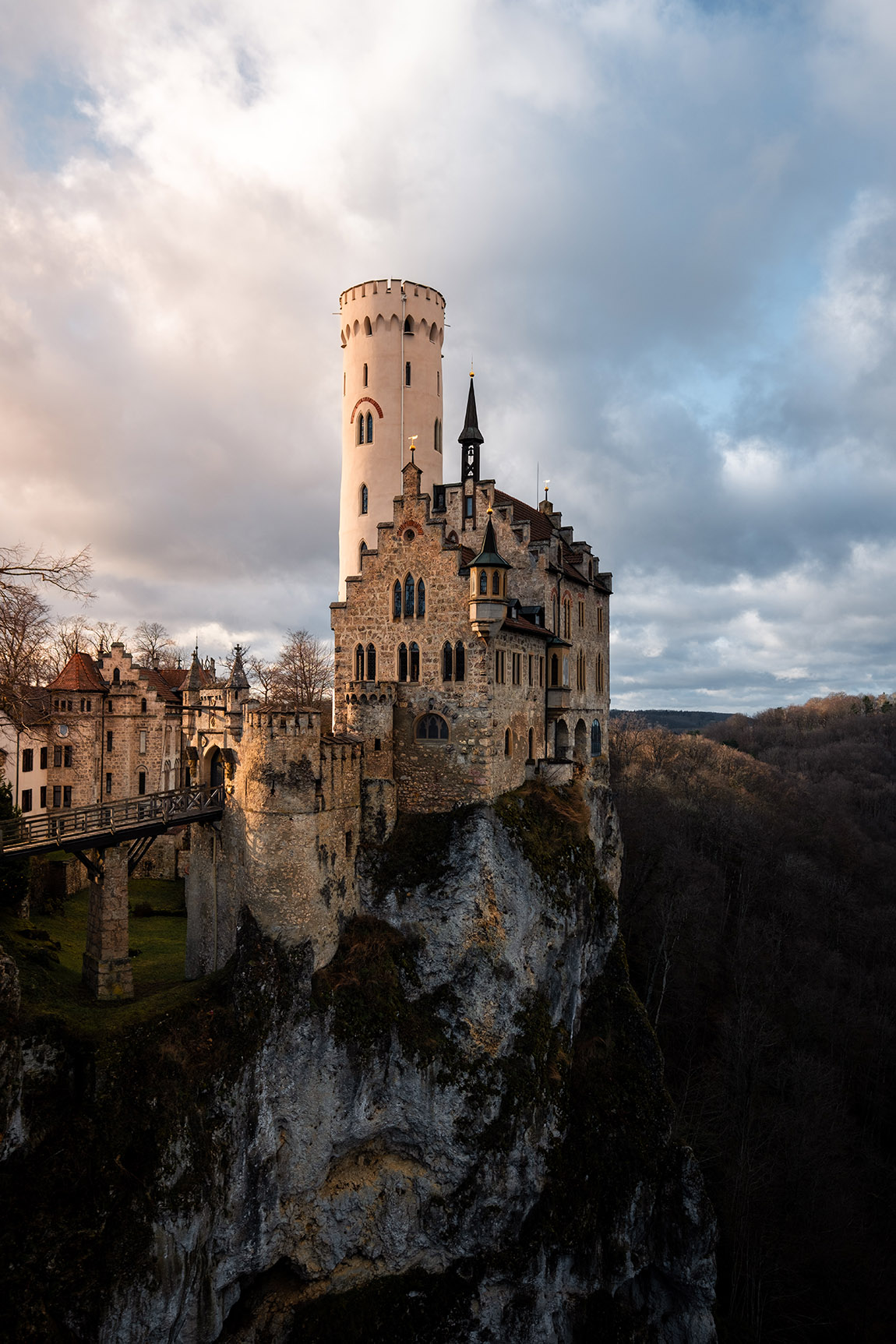
Lichtenstein Castle. Photo: janisview
Baden-Württemberg’s castles and fortresses are the stuff of stories, with dramatic towers and centuries-old legends around every corner. Whether gazing up at a mighty medieval fortress nestled in the woods or strolling through the gardens of a grand palace, each place has its own tale to tell, offering a personal glimpse into Southwest Germany’s fascinating past and vibrant culture.
Whether you long to wander through stately gardens, explore mysterious dungeons, or simply bask in the romance of bygone eras, the German state of Baden-Württemberg’s remarkable collection of castles and fortresses invites you to step back in time and discover the magic that still lingers around every turret and rampart.
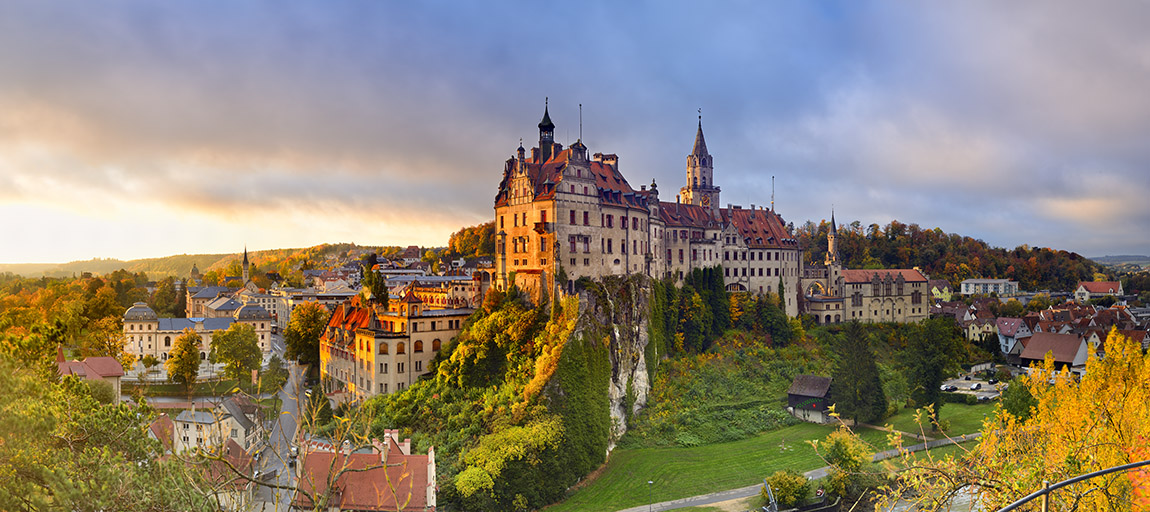
Hohenzollern Castle in Sigmaringen. Photo: DZT, Francesco Carovillano
There is a reason why Baden-Württemberg is dotted with so many castles and fortresses – its past is as lively as its landscape. For centuries, the region was divided into countless small territories, duchies and principalities, all jostling for influence and protection. This constant rivalry meant that local rulers built not just strongholds to guard their lands, but also grand castles to flaunt their status. Today, you can still see these remarkable buildings, each one a reminder of the area’s medieval roots and the lasting impact of its noble families.
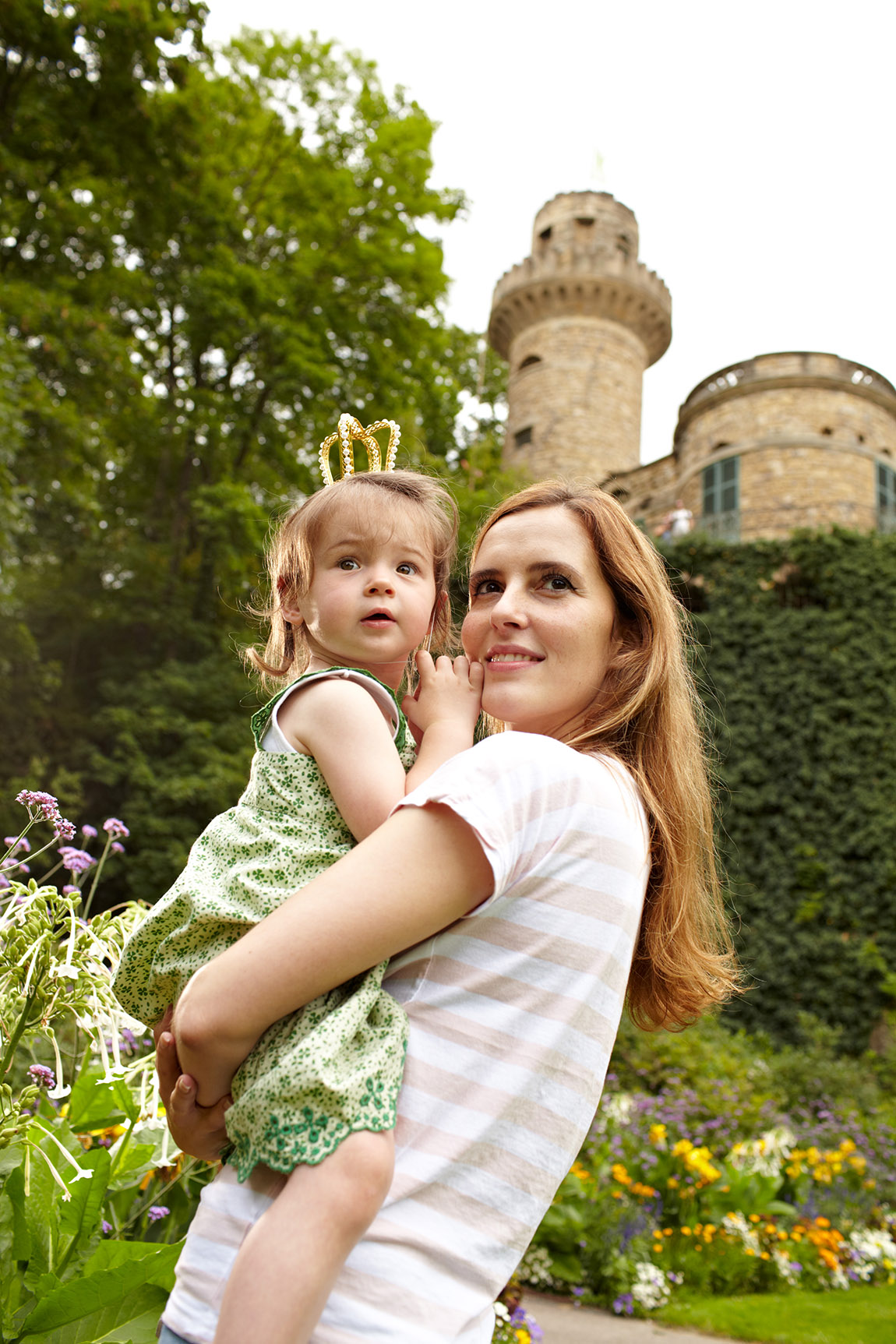
Family in the fairy tale garden of the Blühendes Barock gardens of Ludwigsburg Palace. Photo: TMBW, Christoph Duepper
Take Hornberg Castle, for example, perched high above the Neckar Valley. This castle stands as a striking example of medieval grandeur, complete with sturdy towers, stone ramparts, and breathtaking vistas over the Odenwald forest. Still owned by the Gemmingen-Hornberg family, this historic stronghold is most famously tied to Götz von Berlichingen, the legendary knight brought to life in Goethe’s classic play. Step inside and you will find Götz’s original suit of armor on display, while a night spent within these storied walls or a hearty feast in the great hall lets visitors immerse themselves in the authentic spirit of the Middle Ages.
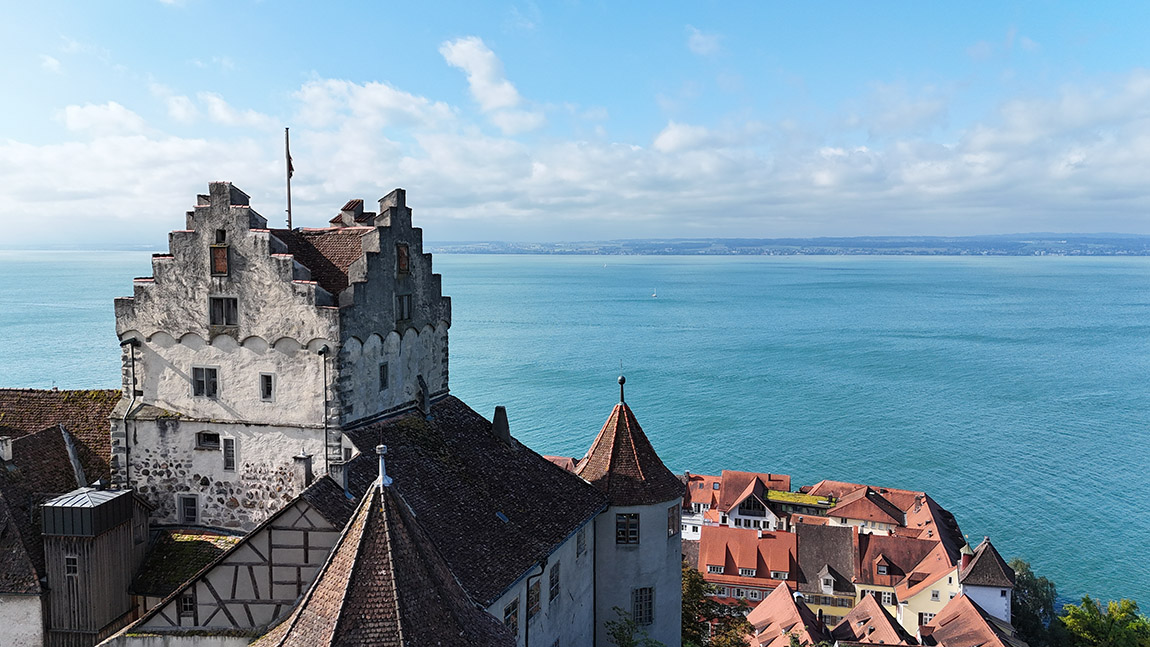
Meersburg Castle. Photo: Britta Termeer and Sascha Termeer
In Heidelberg, a picturesque city in southwestern Germany which is home to Germany’s oldest university, the red-sandstone ruins of Heidelberg Castle are iconic. What started out as a formidable fortress, Heidelberg Castle eventually evolved into a splendid Renaissance palace. Despite suffering significant destruction during the War of the Palatinate Succession in the late 1600s, the castle’s dramatic ruins later captured the imagination of Romantic poets and artists, making Heidelberg a symbol of longing and creativity. These days, the castle welcomes countless visitors, offering lively tours in costume and local dialect that make its vibrant history feel real and engaging.
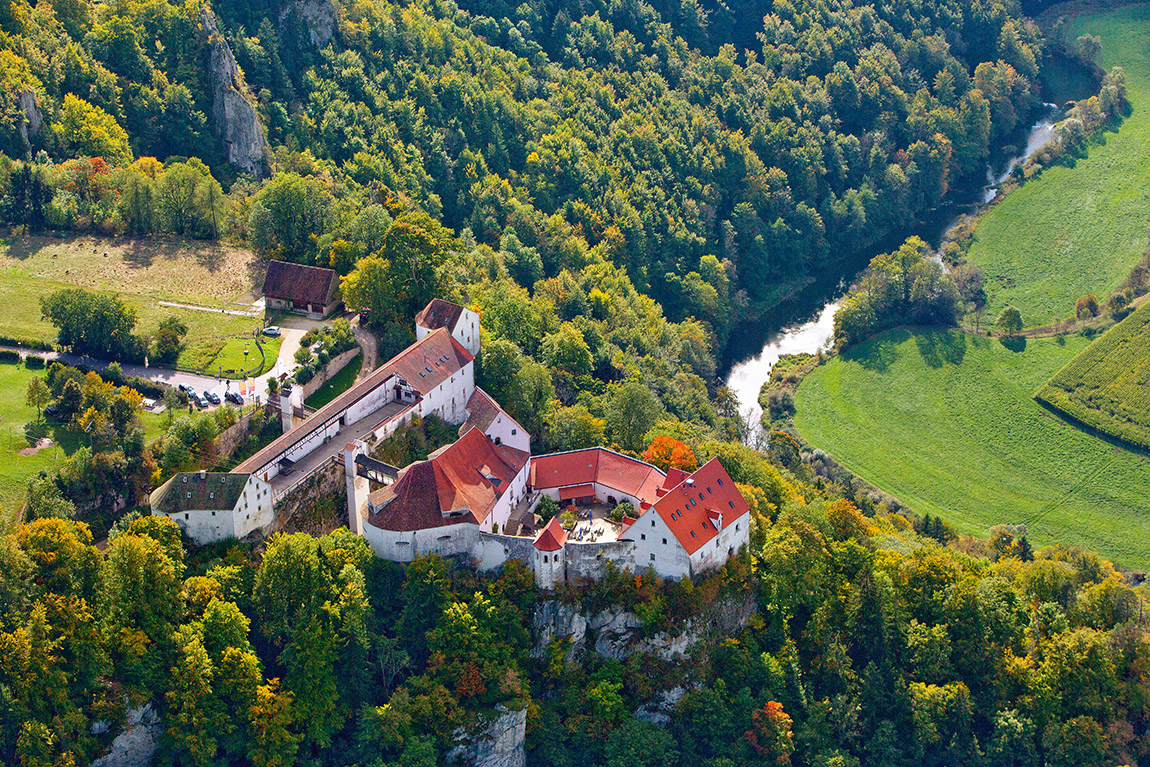
Wildenstein Castle. Photo: Donaubergland GmbH, Gemeinde Leibertingen, Achim Mende
If you are more into historic gardens, Langenburg Castle, still home today to the Hohenlohe-Langenburg family, is your best bet. Between 1610 and 1616, the former castle was transformed into an elegant palace residence. Here, every year on the first weekend of September, Stately Garden Days invite flower lovers and garden enthusiasts to celebrate colourful displays, whilst car aficionados can explore classic vehicles and ground-breaking innovations in the German Automobile Museum in the former royal stables.
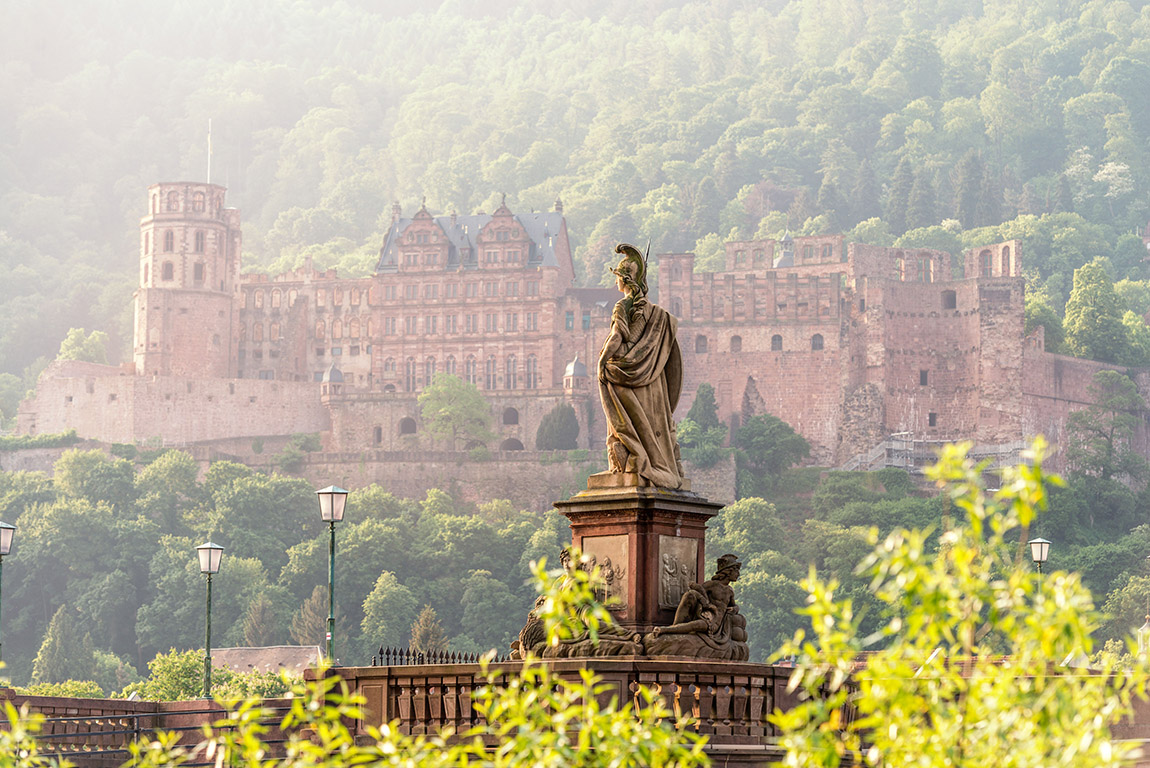
Minerva Statue and Heidelberg Castle. Photo: Heidelberg Marketing
Just outside Stuttgart, Ludwigsburg Palace is a great example of Baroque splendour from the early 18th century. Commissioned by Duke Eberhard Ludwig, the palace was inspired by the grandeur of Versailles and remains one of Europe’s largest preserved Baroque palaces. Visitors get a glimpse into the opulent life of the historic royal court, while in the enchanting Blooming Baroque, or Blühendes Barock, gardens, fairy tales come to life: The Frog King, Sleeping Beauty, Rapunzel, and many more transport visitors of all ages away to spectacular worlds.
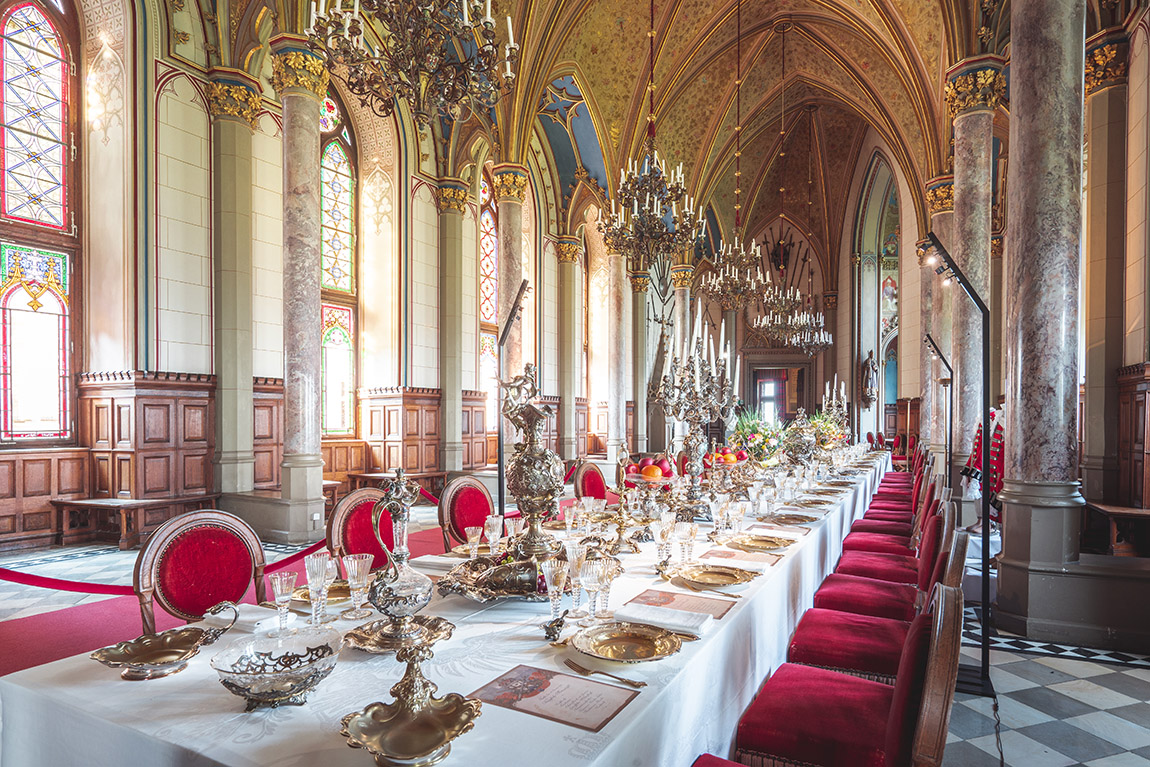
The Grafensaal or Hall of Counts/Dukes in Hohenzollern Castle on the edge of the Swabian Alb. Photo: Black Forest Production GmbH
For those loving breathtaking views, Hohenzollern Castle on the edge of the Swabian Alb is a striking symbol of the region. Since 1850, the Hohenzollern family has restored their ancestral fortress and continues to maintain it today. Visitors are invited year-round to experience engaging guided tours and a variety of memorable events. Activities range from outdoor cinema evenings to the enchanting Royal Winter Magic, where twinkling lights, hot mulled wine and fresh waffles fill the castle with a festive atmosphere.
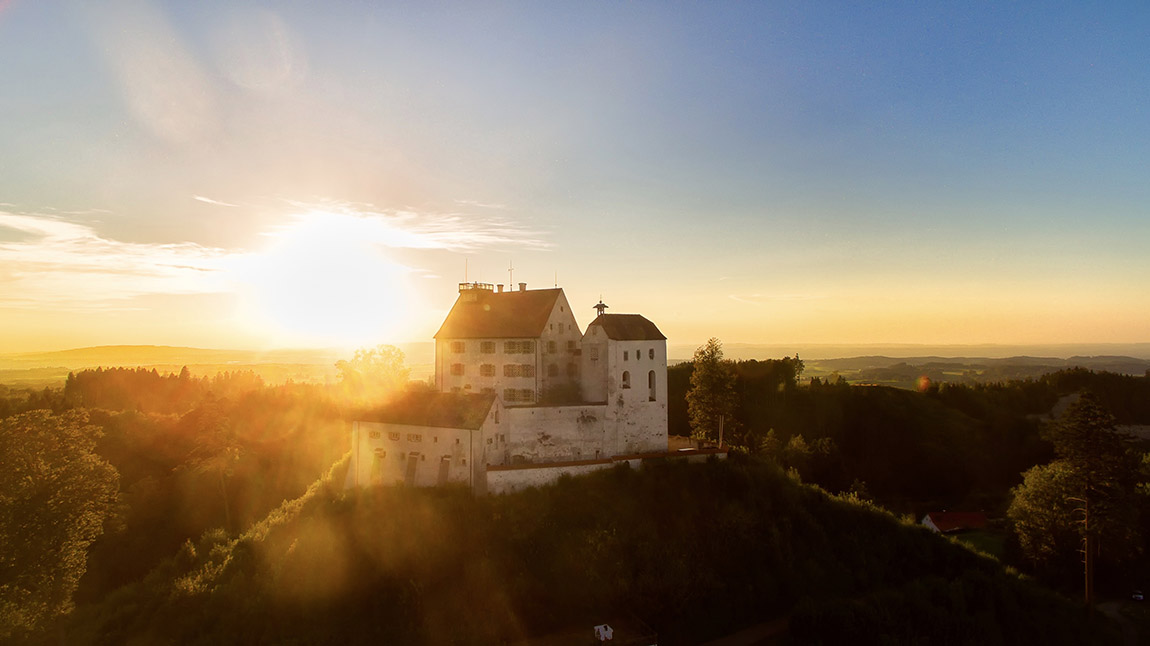
Waldburg Castle. Photo: Max Haller
In Sigmaringen, another Hohenzollern Castle can be found. Towering above the Danube, the historic residence of the Hohenzollern-Sigmaringen family stands out for its distinctive towers, ornate bay windows, and stately gates – a castle with all the allure of a fairy tale. This enchanting setting has attracted numerous film productions, both from Germany and abroad, making it a favourite backdrop for period dramas and fantasy movies. Guests are even invited to step into the past themselves, donning the costumes of noblewomen and knights during guided tours that lead them through the palace’s grand chambers and courtyards, allowing them to relive the stories and myths woven through centuries of history.
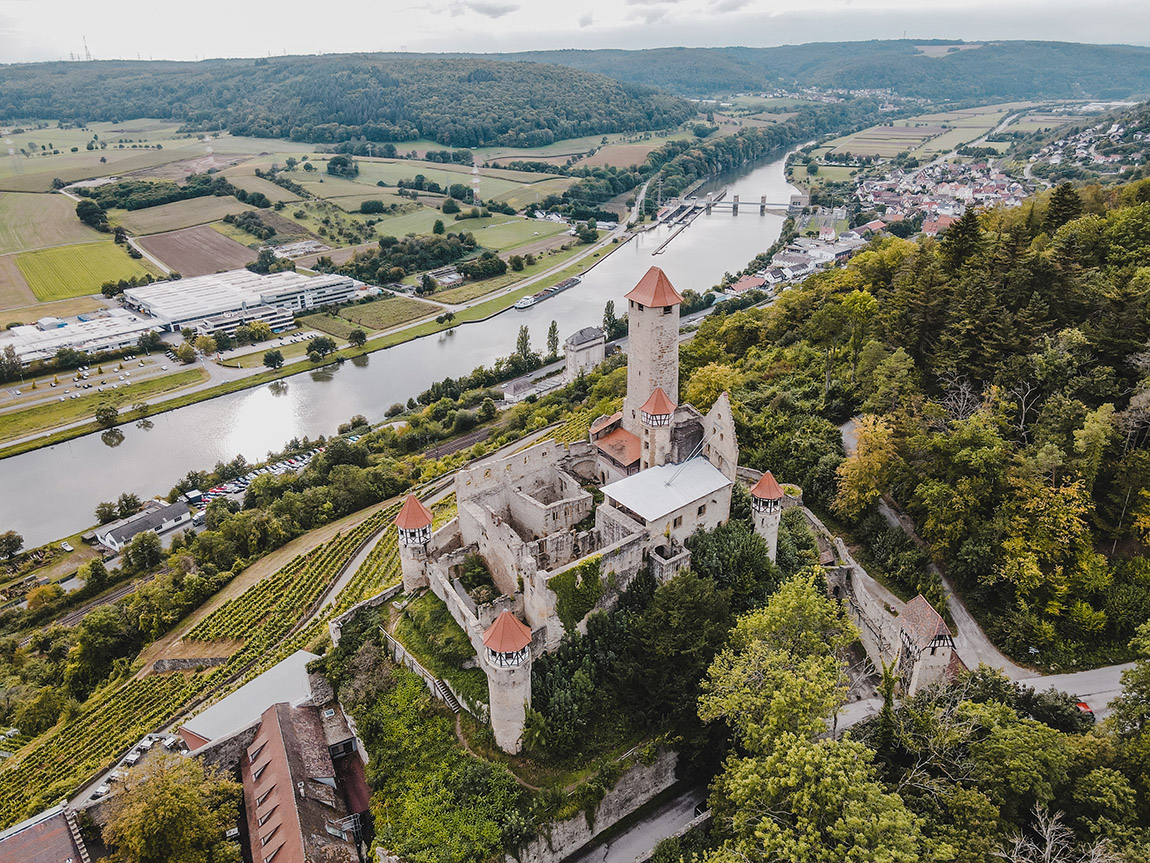
Hornberg Castle. Photo: wetraveltheworld
Dramatically perched atop a precipitous cliff, Lichtenstein Castle commands attention with its distinctive round tower and drawbridge – an unforgettable vision against the landscape. The castle’s fairy tale silhouette owes much to Wilhelm Hauff, whose 1826 novel Lichtenstein inspired the Count of Württemberg to acquire the rocky site and construct a fortress reminiscent of the story in 1840. Today, visitors are invited to immerse themselves in this literary legacy, exploring a castle that feels plucked straight from the pages of a romantic tale.
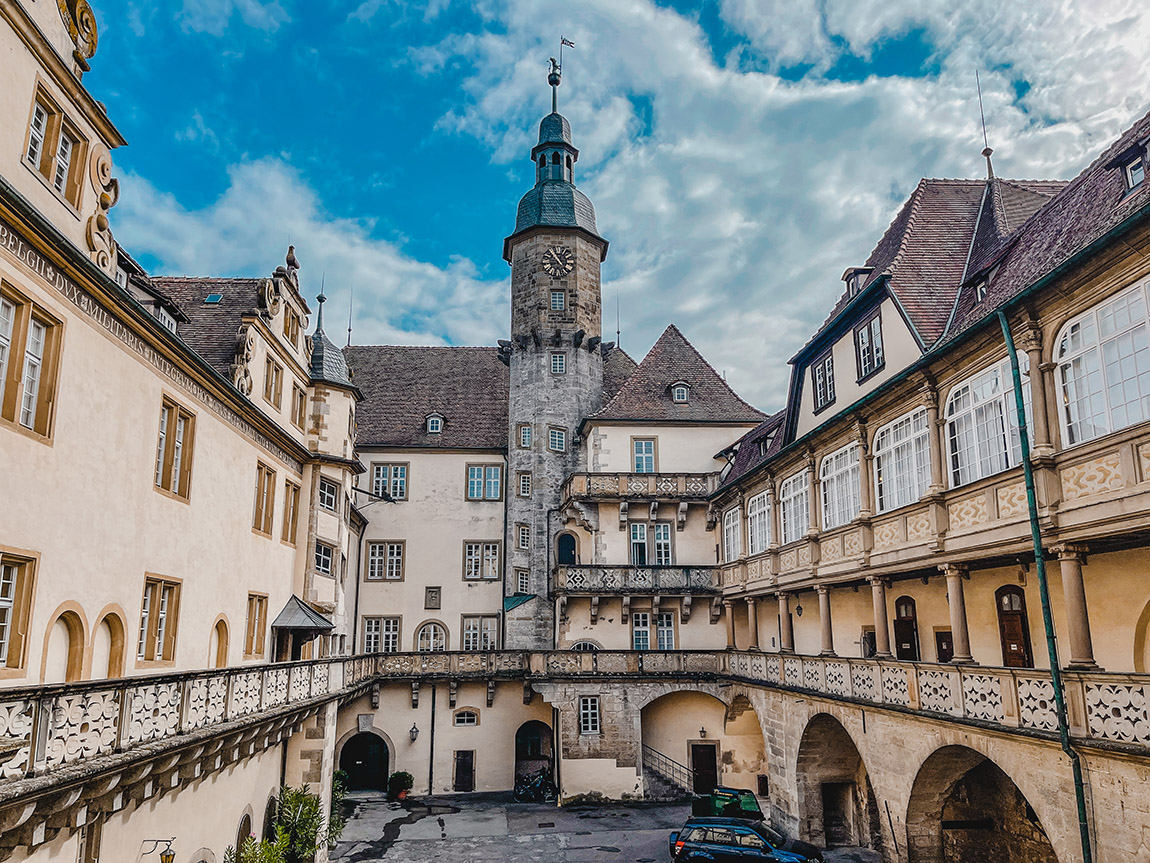
Langenburg Castle. Photo: wetraveltheworld
Wildenstein Castle, with roots stretching back to the 13th century, stands as a testament to history’s resilience. Its transformation in the 16th century ushered in the early-modern fortress we see today, complete with striking murals in the dining hall – now part of the youth hostel – which offer glimpses into its storied past. Encircled by deep moats and accessible solely by bridges, Wildenstein’s dramatic setting is matched by its enduring appeal.
In Upper Swabia’s Ravensburg district, Waldburg Castle not only boasts centuries of heritage, but also panoramic views over Lake Constance and the distant Alps. Far from being a relic, the ancestral home of the Waldburg family offers an interactive experience – think talking portraits, a guided app, and a rooftop selfie spot – making history engaging and accessible.
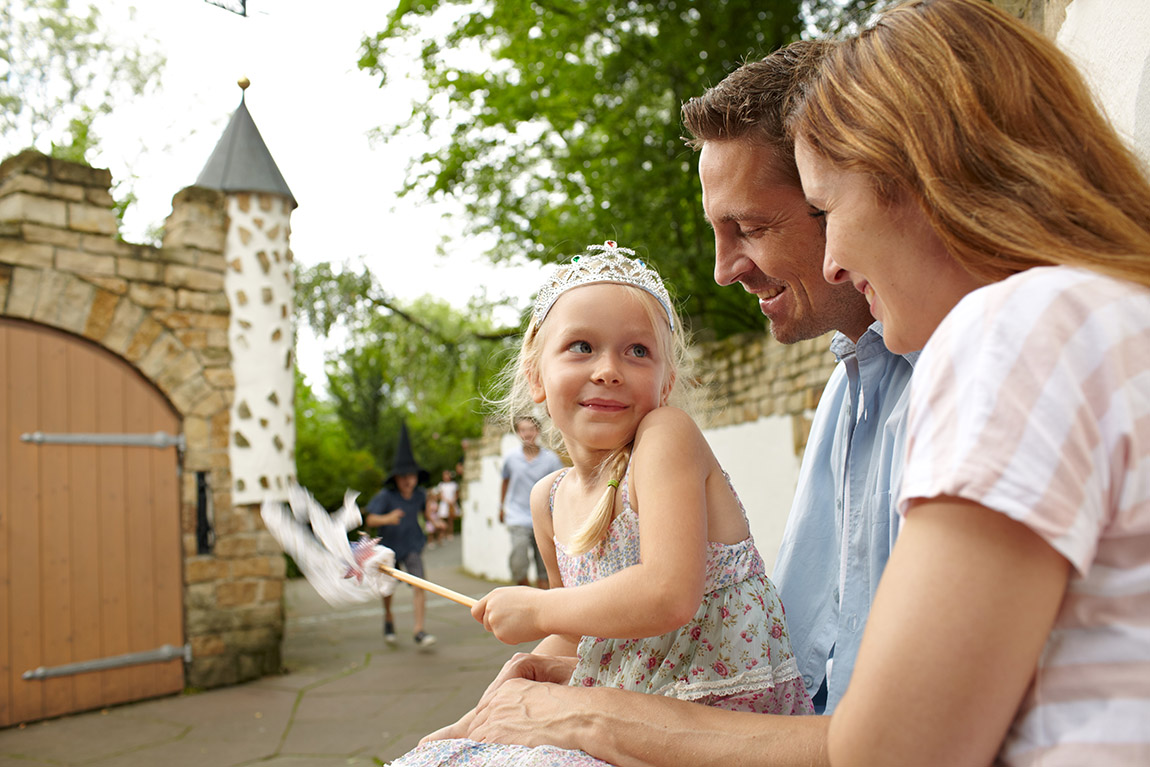
Family in the fairy tale garden of the Blühendes Barock gardens of Ludwigsburg Palace. Photo: TMBW, Christoph Duepper
Last but not least, Meersburg Castle, overlooking Lake Constance, claims over a thousand years of history. Legend has it that King Dagobert I laid its foundation stone in the 7th century, and throughout the ages, monarchs and bishops have resided within its walls. Despite many sieges, the fortress was neither conquered nor destroyed, offering visitors a rare, authentic journey through the centuries.
These remarkable castles stand as enduring witnesses to the passage of time, inviting visitors to connect with centuries of history and timeless beauty.
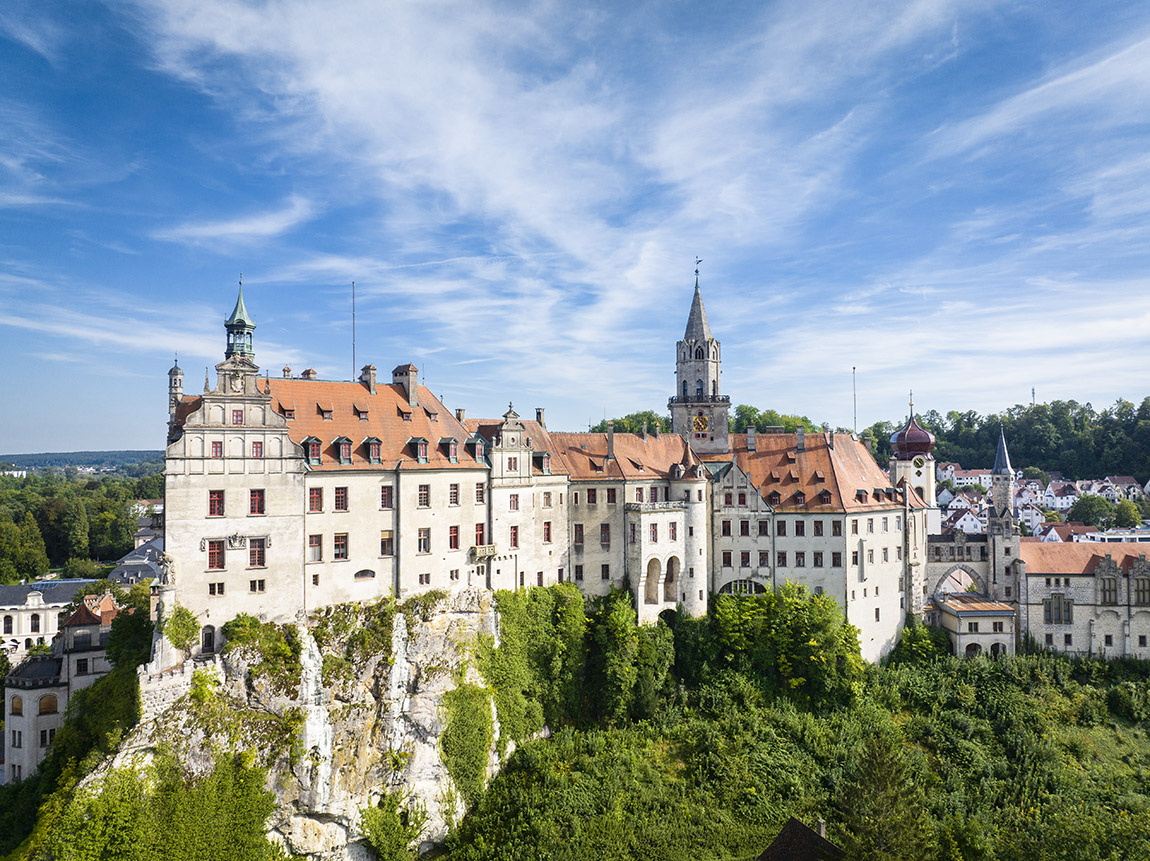
Hohenzollern Castle in Sigmaringen. Photo: TMBW, Dietmar Denger


Subscribe to Our Newsletter
Receive our monthly newsletter by email