Plastic surgery meets bionic innovation
TEXT: MARILENA STRACKE / PROF. ALEXANDER GARDETTO

Brixen Town. Photo: Thomas Rötting
In South Tyrol, plastic and reconstructive surgery is moving beyond restoration into reinvention. At his clinic in Brixen, Prof. Dr Alexander Gardetto is pioneering techniques that reconnect the human nervous system with advanced prosthetics, allowing amputees not only to move again, but to feel. His work sits at the cutting edge of medicine, where surgical precision, neuroscience and technology converge to redefine what recovery can mean.
In the heart of the Italian Alps, in the historic town of Brixen in South Tyrol, a quiet medical revolution is taking place. While this region is internationally known for its wonderful mountain landscapes, cultural heritage and exceptional quality of life, patients from around the world are increasingly travelling here for something far less expected: pioneering bionic surgery.

The Dolomites. Photo: Matthias Gasser
At the centre of this development is Prof. Dr Alexander Gardetto, specialist in plastic, reconstructive and aesthetic surgery and founder of the private clinic Brixsana. His work spans the full spectrum of modern plastic surgery, yet one field has gained particular international attention: the development of a groundbreaking surgical concept that allows amputees to regain sensation through advanced prosthetic limbs.
Through the innovative TSR technique (Targeted Sensory Reinnervation), Prof. Gardetto helps to shape a new era of bionic surgery, where medicine, neuroscience and engineering merge to reconnect the human nervous system with modern prosthetic technology.
For Prof. Gardetto, the fascination with plastic surgery began early. “Plastic surgery is one of the most versatile fields in medicine,” he explains. “It combines scientific precision with creativity and empathy. What fascinated me from the beginning was the possibility not only to reconstruct the human body but also to restore quality of life.”
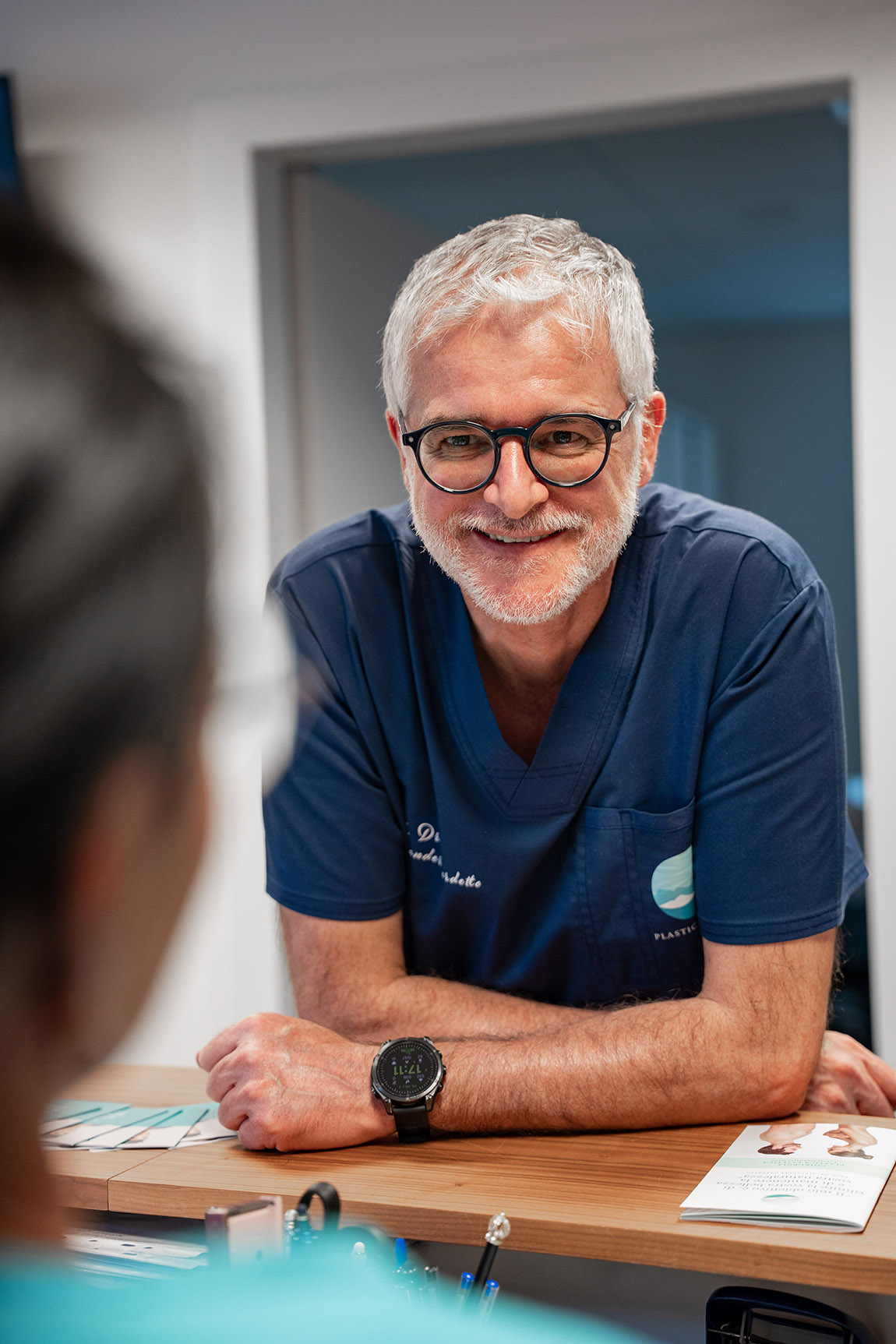
Prof. Alexander Gardetto. Photo: Aaron Matscher
Beyond aesthetics: restoring function and identity
Although plastic surgery is often primarily associated with aesthetic procedures, the field has deep roots in reconstructive medicine. Patients who have lost limbs due to accidents, cancer or severe infections often face life-changing physical and psychological challenges. “In reconstructive surgery, we deal with the fundamental question of how to restore function,” Prof. Gardetto says. “But function and aesthetics are never separate. The human body is both mechanical and expressive. Restoring one without the other is incomplete.”
This philosophy guides his daily work in plastic and reconstructive surgery. Whether performing complex reconstruction after trauma or refined aesthetic procedures, the goal remains the same: creating harmony between function and natural appearance. Prof. Gardetto adds: “That’s why my motto is: only when you know how to reconstruct a body part, you truly know how to beautify it. With that in mind, I also have a special passion for aesthetic surgery of the breast, including breast augmentation and reduction, as well as treatments and procedures in the facial area, where subtle changes can significantly enhance both harmony and confidence.”
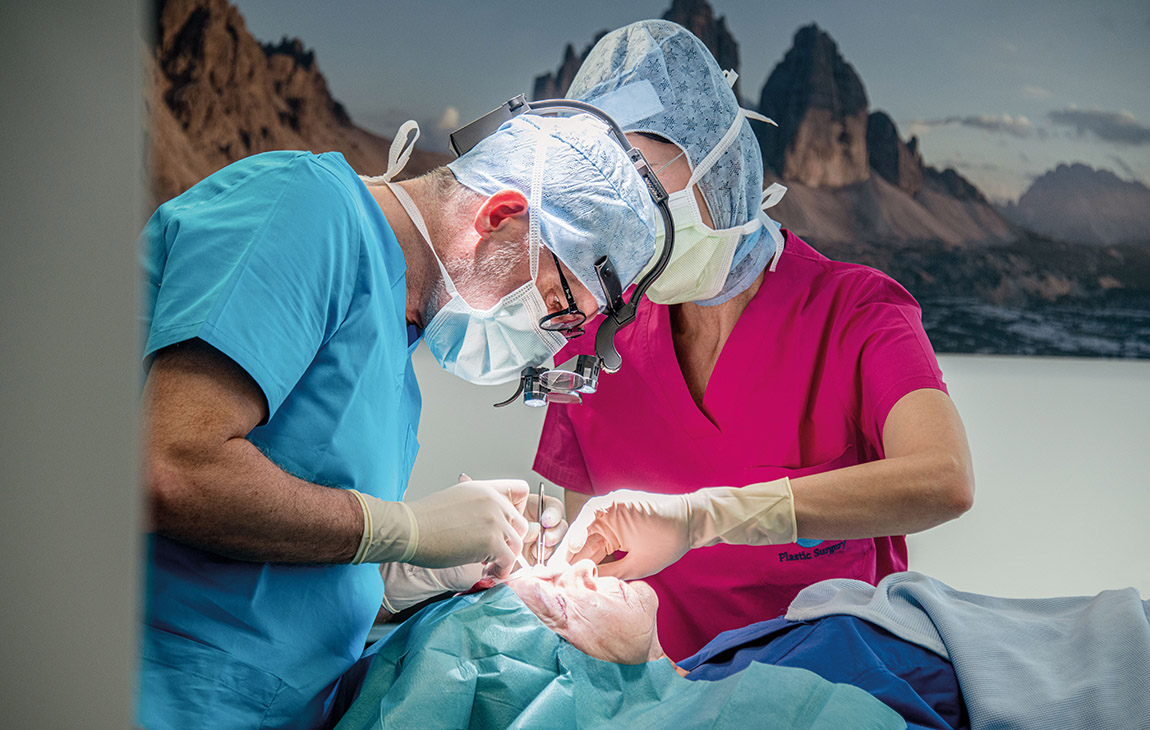
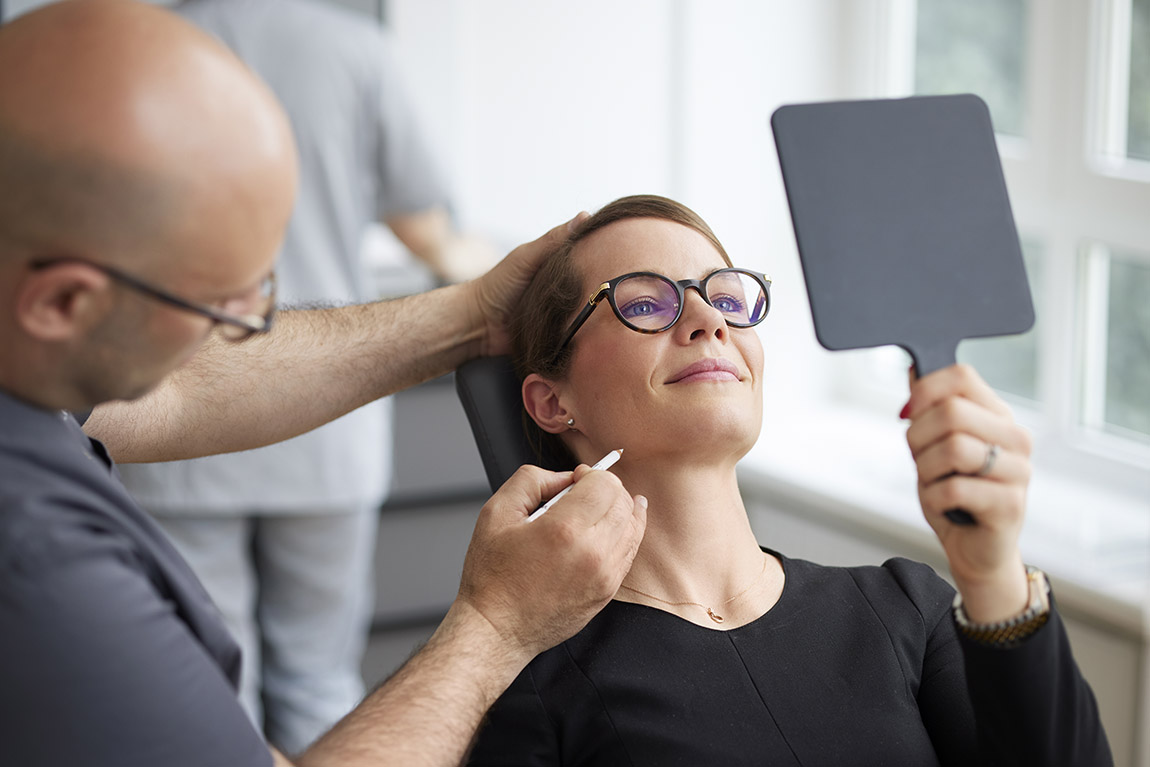
Aesthetic treatment. Photo: Horst Oberrauch
Alongside his broader reconstructive and aesthetic work, Prof. Gardetto’s most innovative contributions lie at the intersection of reconstructive microsurgery, neuroscience and bionic technology. He is internationally recognised as the inventor of the TSR technique, a surgical method that represents a major step toward true bionic integration. During the procedure, sensory nerves that once served the amputated limb are carefully redirected to new areas of skin. When combined with modern prosthetic systems equipped with sensory feedback, these nerves allow patients to perceive touch signals from their prosthesis. In essence, the artificial limb becomes connected to the brain in a meaningful way.
“The missing link in prosthetics has always been sensation,” Prof. Gardetto explains further. “Patients could move their prosthetic hand, but they could not feel with it. TSR allows us to reconnect the nervous system with modern bionic technology.” For many patients, the experience is remarkable. Instead of controlling a purely mechanical device, they begin to feel pressure, contact and spatial awareness through their prosthetic limb. At the same time, TSR can significantly reduce phantom limb pain, one of the most persistent complications after amputation.
For many patients, this shift is not only physical, but deeply psychological. The ability to perceive touch again can influence confidence, independence and the sense of being present in one’s own body. Everyday actions, from holding an object to navigating space, begin to feel less like tasks to be managed and more like natural extensions of movement.
A global destination for bionic surgery in South Tyrol
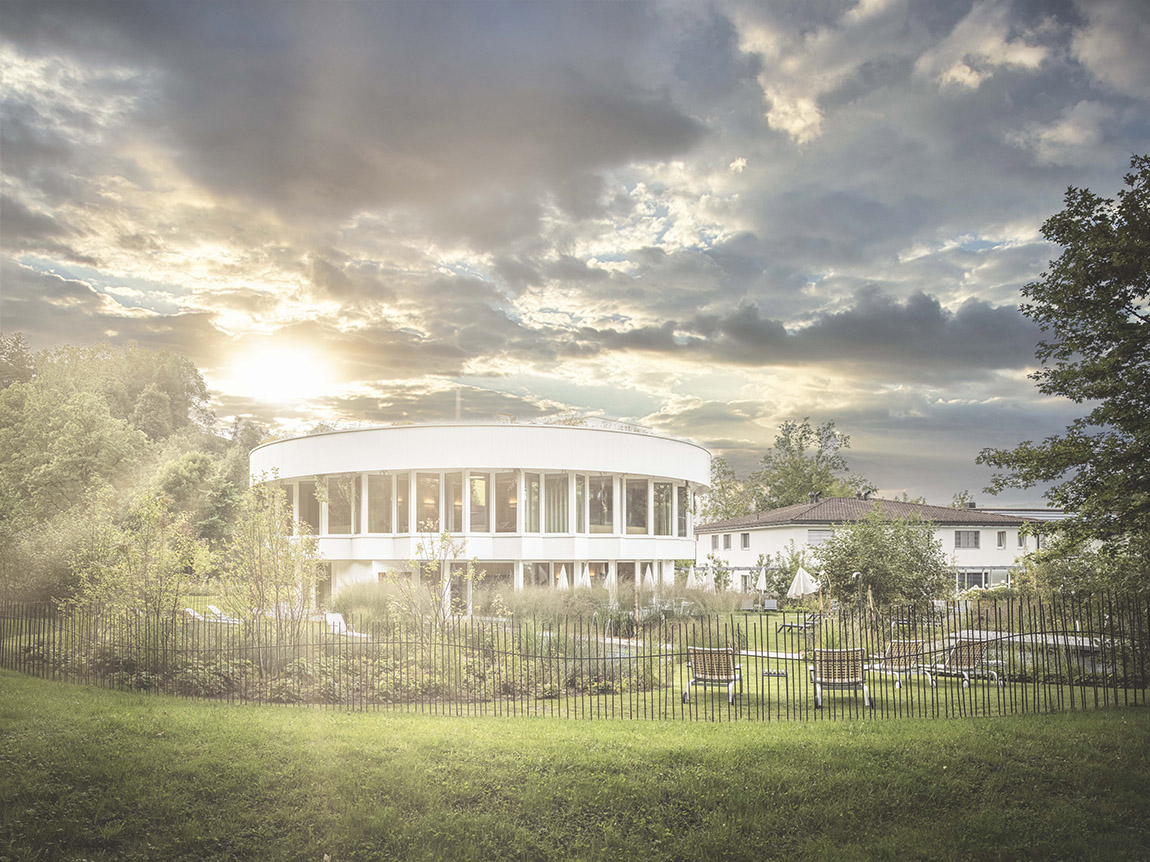
The setting of this innovation is as distinctive as the surgery itself. Prof. Gardetto performs these procedures at Brixsana Private Clinic in Brixen, South Tyrol – a modern medical centre that he co-founded and where he serves as medical director and head of plastic, reconstructive and aesthetic surgery. South Tyrol’s distinctive combination of Alpine landscape, Mediterranean climate and international culture attracts visitors from all over the world.
Increasingly, those visitors also include patients seeking advanced reconstructive and aesthetic surgery. “It’s a place where people normally come to relax and spend their holidays,” Prof. Gardetto points out. “But this environment also creates a very special atmosphere for recovery and rehabilitation.”
The clinic itself reflects this forward-thinking approach, bringing together surgical expertise, technological innovation and personalised rehabilitation in one place. For international patients, this combination offers not only access to highly specialised treatment, but also continuity of care that extends beyond the procedure itself, supporting recovery in a setting that is both medically advanced and uniquely restorative.
Prof. Dr. Alexander Gardetto’s torch relay during the opening of the Milano-Cortina 2026 Paralympic Winter Games
Medicine, sport and the spirit of resilience
The impact of these medical advances can also be seen in the world of sports. Two athletes treated surgically by Prof. Gardetto have gone on to compete in the Paralympic Games, demonstrating how modern reconstructive and bionic techniques can restore not only everyday mobility but also elite athletic performance.
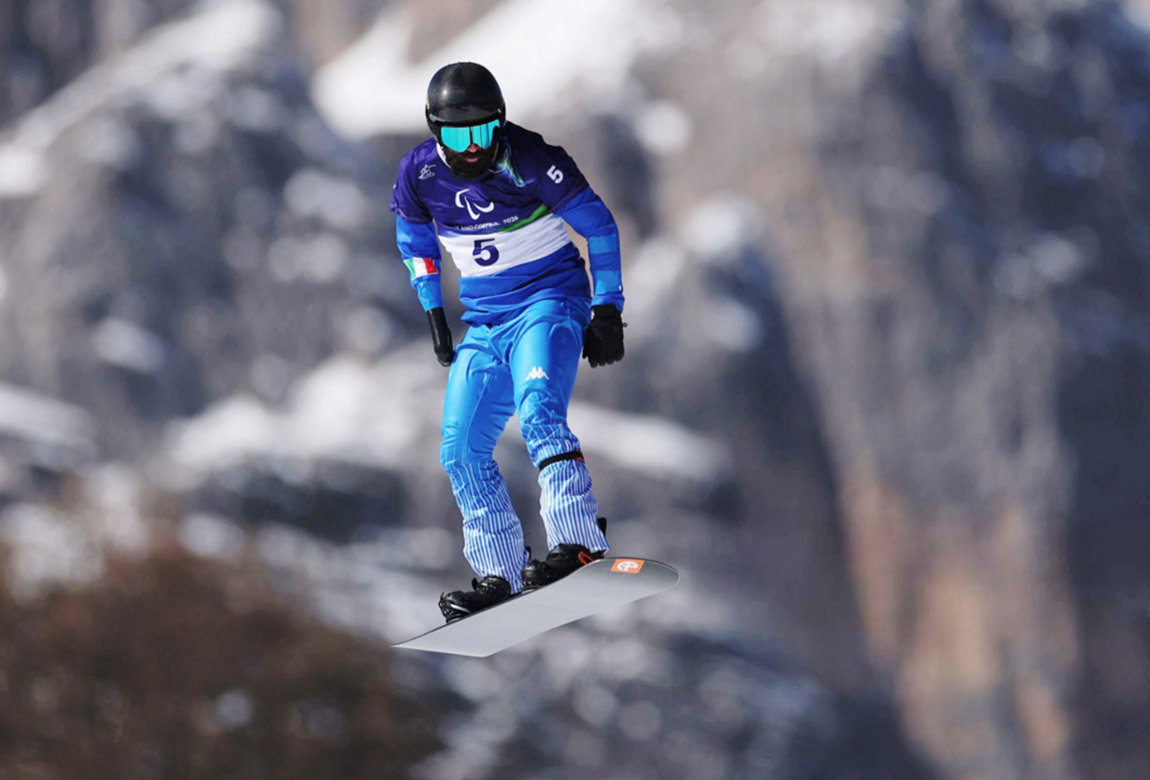
Riccardo Cardani. Photo: Maja Hitij © gettyimages
In recognition of his work and his commitment to patients with disabilities, Prof. Gardetto himself was honoured as a torchbearer for the Paralympic Winter Games Milano-Cortina 2026 – a symbolic moment connecting medical innovation with the spirit of resilience and human potential.
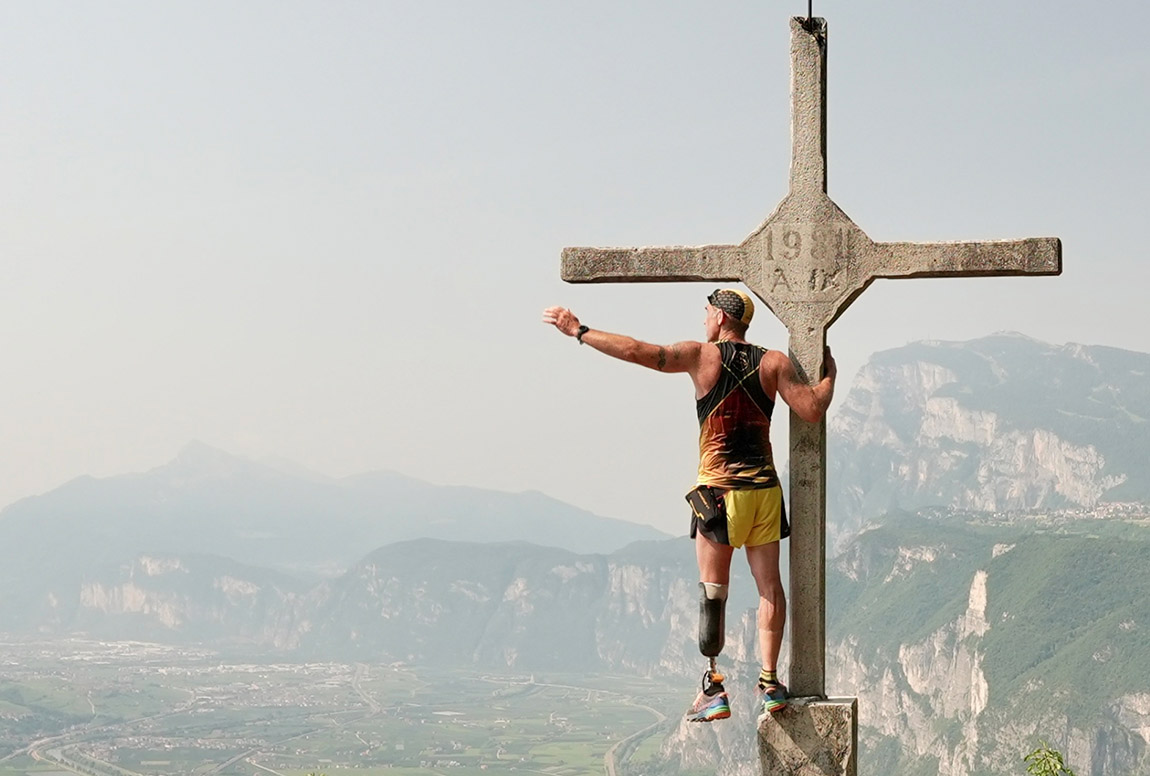
Alessandro Colombo. Photo: Alessandro Colombo
The future of bionic surgery
Looking ahead, Prof. Gardetto believes that bionic surgery and reconstructive medicine will increasingly evolve toward a seamless fusion of biology and technology. “We’re entering an era in which prostheses will no longer feel like external tools,” he emphasises. “The goal is to make them an integrated part of the body.” From nerve regeneration and artificial intelligence to increasingly sophisticated prosthetic systems, the possibilities are expanding rapidly.
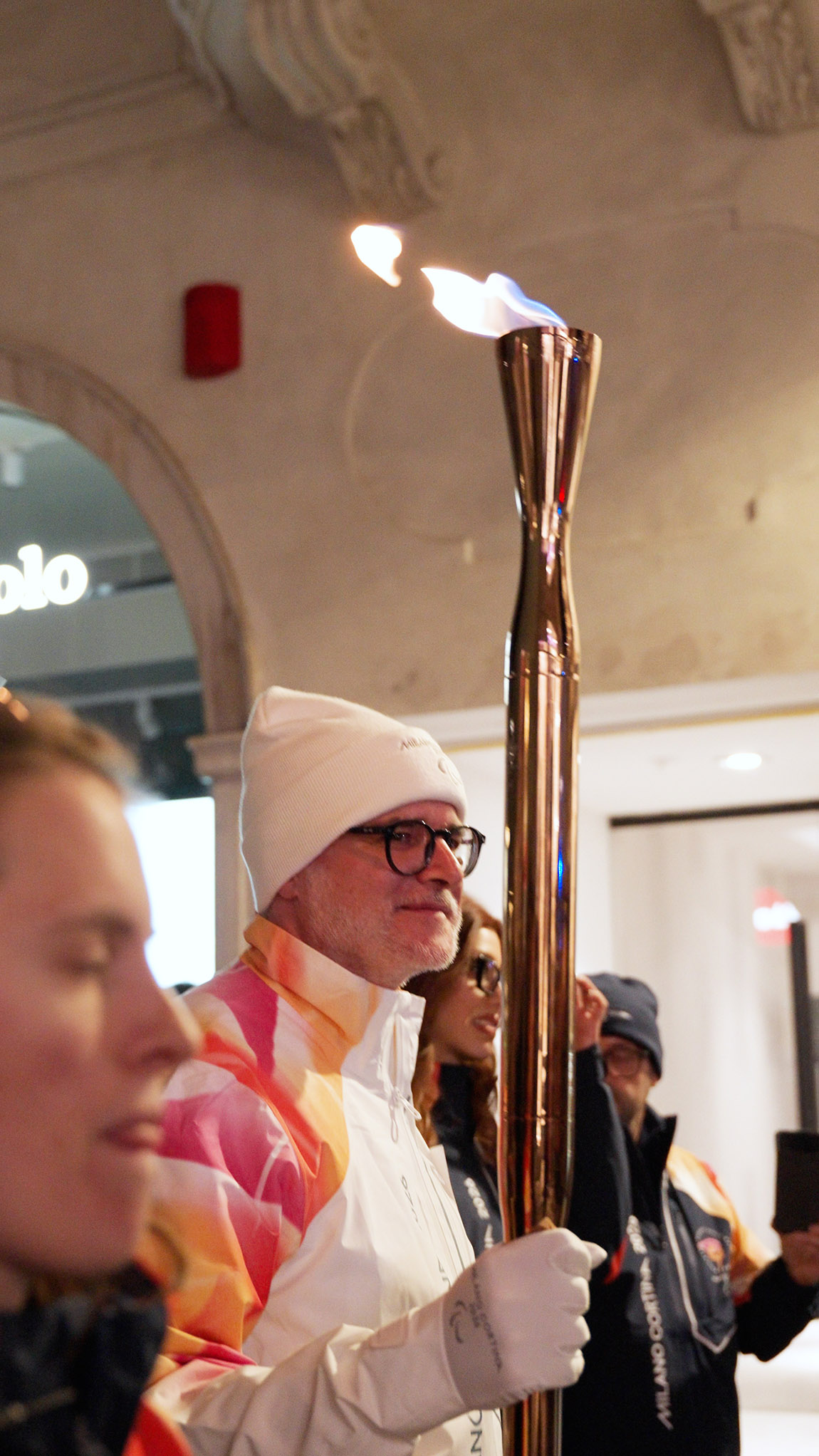
Prof. Alexander Gardetto as a torchbearer for the Paralympic Winter Games Milano–Cortina 2026. Photo: Aaron Matscher
What this means in practice is a profound shift in how patients live with limb loss. As prosthetic systems become more responsive and intuitive, the focus moves beyond basic functionality toward fluid, everyday interaction. Tasks that once required concentration and adaptation begin to feel natural again, reducing both physical strain and cognitive effort. At the same time, long-term complications such as discomfort, rejection or detachment from the prosthesis may become less dominant, as the connection between body and technology becomes more seamless.
Perhaps it is no coincidence that this vision of the future is emerging in South Tyrol, where tradition and innovation have long coexisted. In Brixen, surrounded by the Dolomites, it is through Prof. Gardetto’s work that TSR, bionic surgery and advanced reconstruction are opening a new chapter of medicine, one in which technology does not replace the body, but helps it regain its most fundamental ability: to feel again.
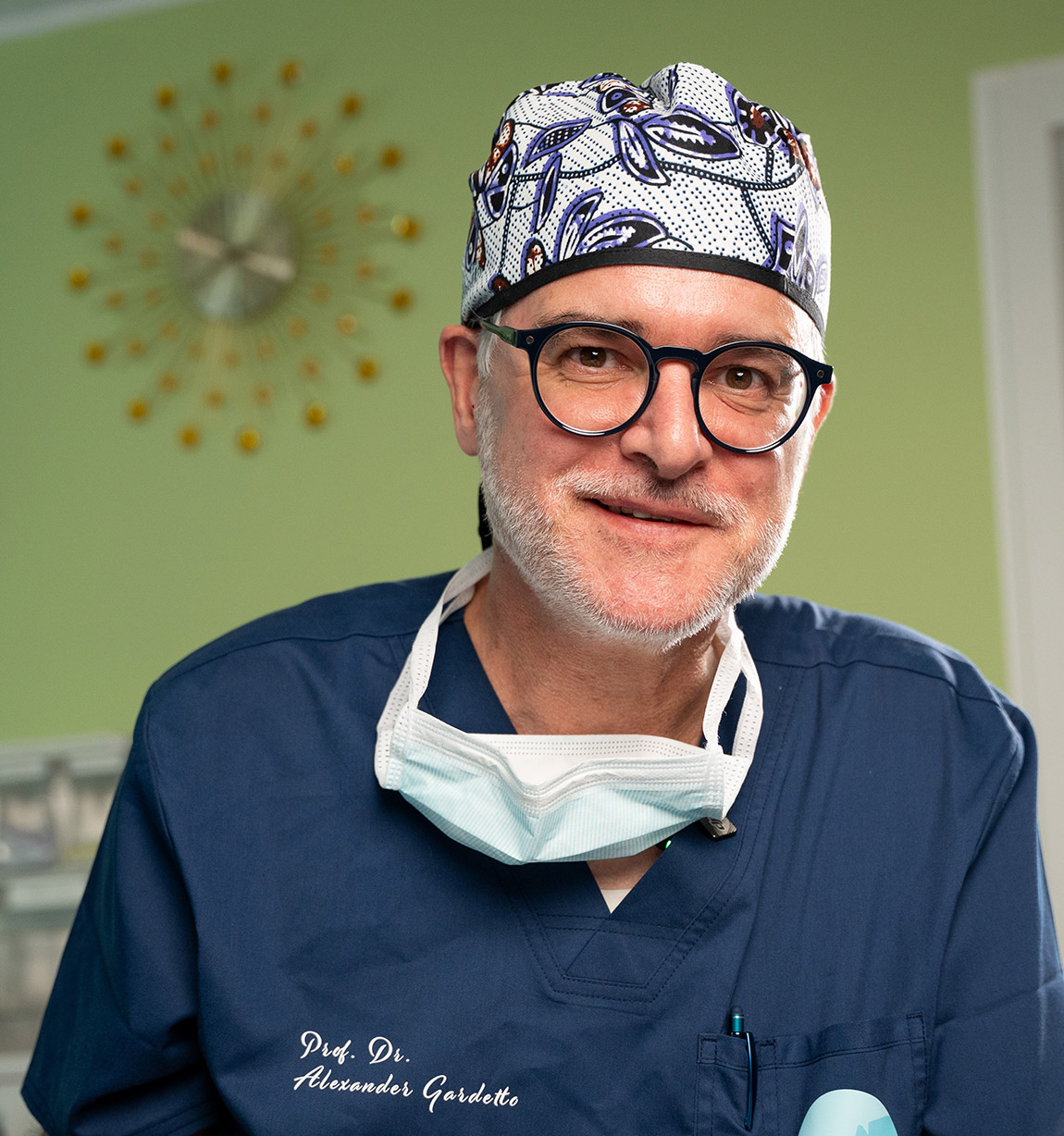
Prof. Alexander Gardetto. Photo: Aaron Matscher
www.gardetto.it
www.brixsana.it

Subscribe to Our Newsletter
Receive our monthly newsletter by email