
Rice to the occasion: How Berlin is reimagining the spirit of Japan
TEXT: DAN COLE I PHOTOS: REIGEN.IMAGES
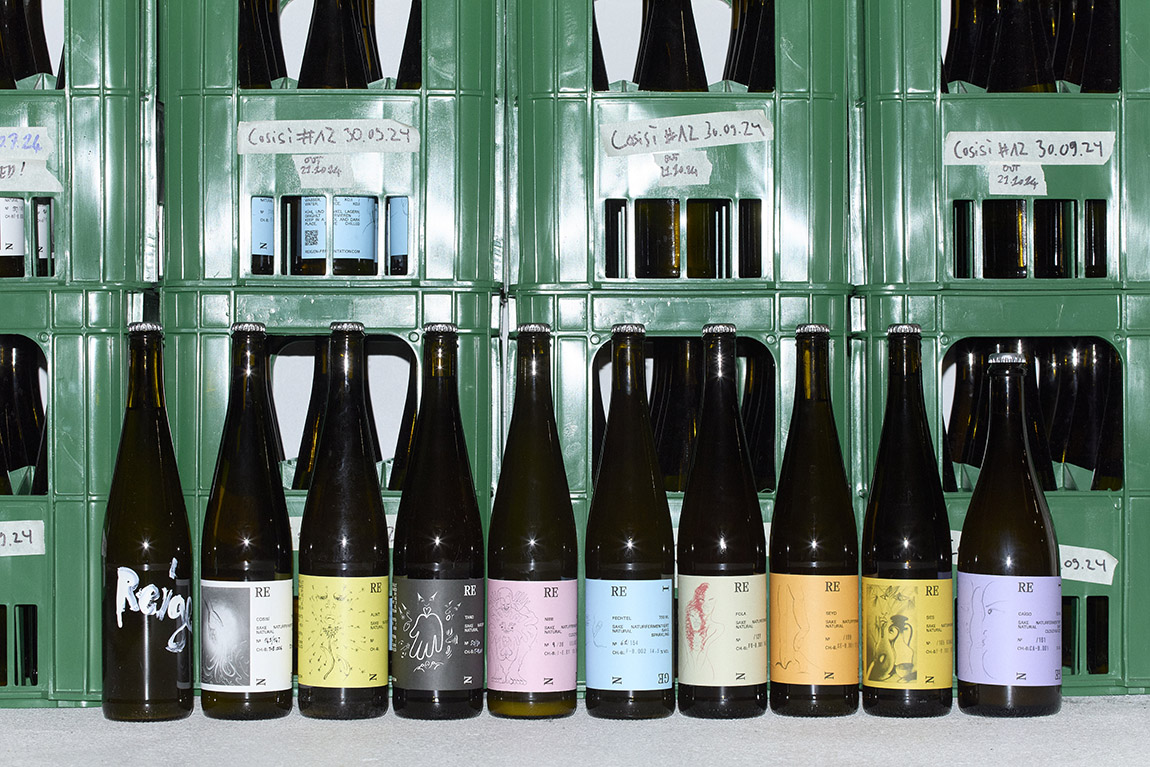
Germany, a country primarily known for its love of beer and wine, is seeing some major changes in its drink industry. Beer consumption is down, but sake demand is rising. And, as the Japanese beverage takes more prominence in the market, the country saw its first sake brewery open in Berlin. Founded by three music lovers and their Japanese brewmaster, Reigen Fermentation uses European ingredients and modern brewing techniques, and applies them to traditional sake, bringing the drink to a younger, western market.
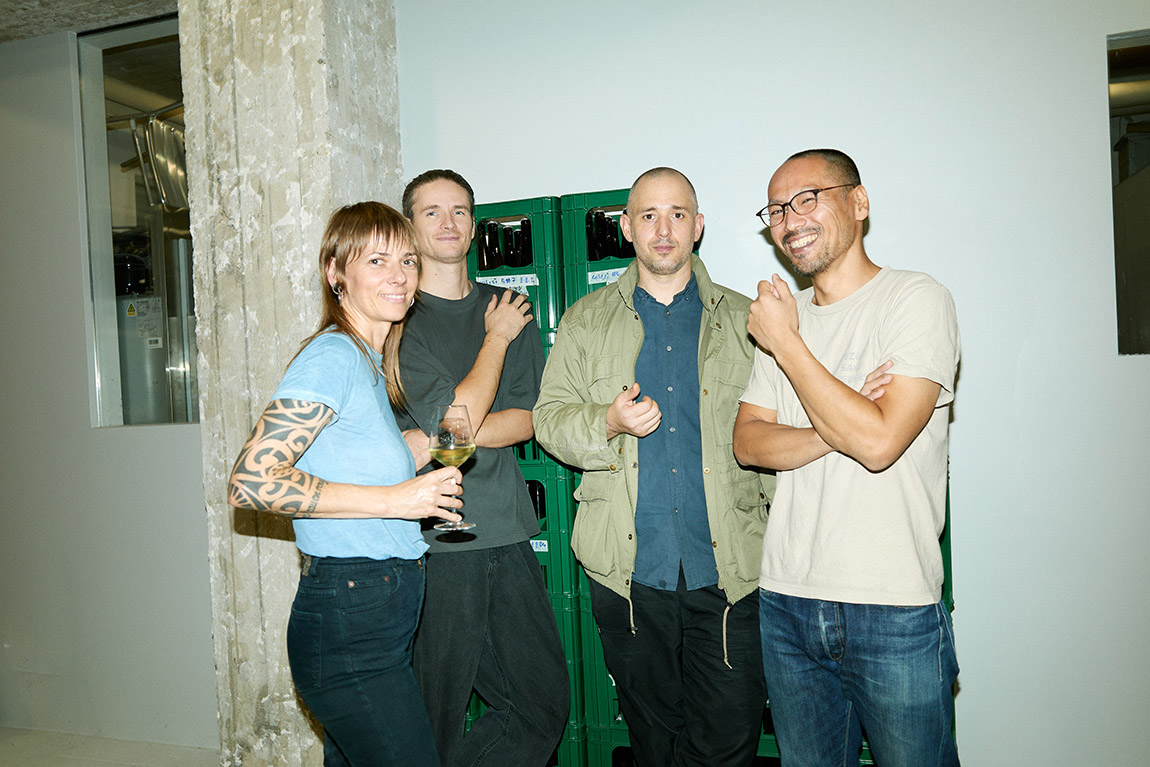
Situated in a former bowling alley in Berlin’s Wedding district, outside from the city centre, the team at Reigen brewed their first sake back in 2024. The Germanised sakes are sparkling, cloudy, aged, and oxidised, which set them apart from their Japanese counterparts. Reigen is one of only a handful of sake breweries based in Europe. Run by Francesco Todescato, Katharina Koitz and Sebastian Mrohs, along with their Japanese brewmaster Jun Santo, the sake brewery is riding a wave of growing sake interest in Europe.

In 2024, reports showed that exports to Western Europe grew by 18% year-on-year, with Germany being a key driver in this trend, accounting for 5% of the global Sake Market. In Berlin alone, there are now several sake-specialist bars and restaurants, many of which have popped up over the past few years, including Shizuku, Bar Neiro and Our Sake Club, a specialist bar opened by international techno DJ Richie Hawtin. The city even has its own sake festival, Sake Week, which celebrated its fifth anniversary last year.
Reigen’s origins, however, started deep in the Japanese countryside. “Francesca and I met in a Zen monastery in Japan,” explains founder and CEO Sebastian Mrohs from the underground brewery. Sebastian had been studying meditation in Japan for several years when his new life story started to take hold. “I had to leave the monastery to go and renew my visa and on the way went into a wine shop, which was where I tried this unfiltered sake.” Overwhelmed by the wide variety of flavours, which reminded him of European wines, he rushed back to share his experience. Sebastian and Francesca applied to do an internship at a sake brewery, to learn about the natural practises that went into making the popular beverage. It was during this stint that they met their brewer Jun Sato. “Jun wanted to open his own brewery in Japan, but you couldn’t do it without a a reference from a former brewery, which was almost impossible, so he decided to join us in starting something up in Germany.”
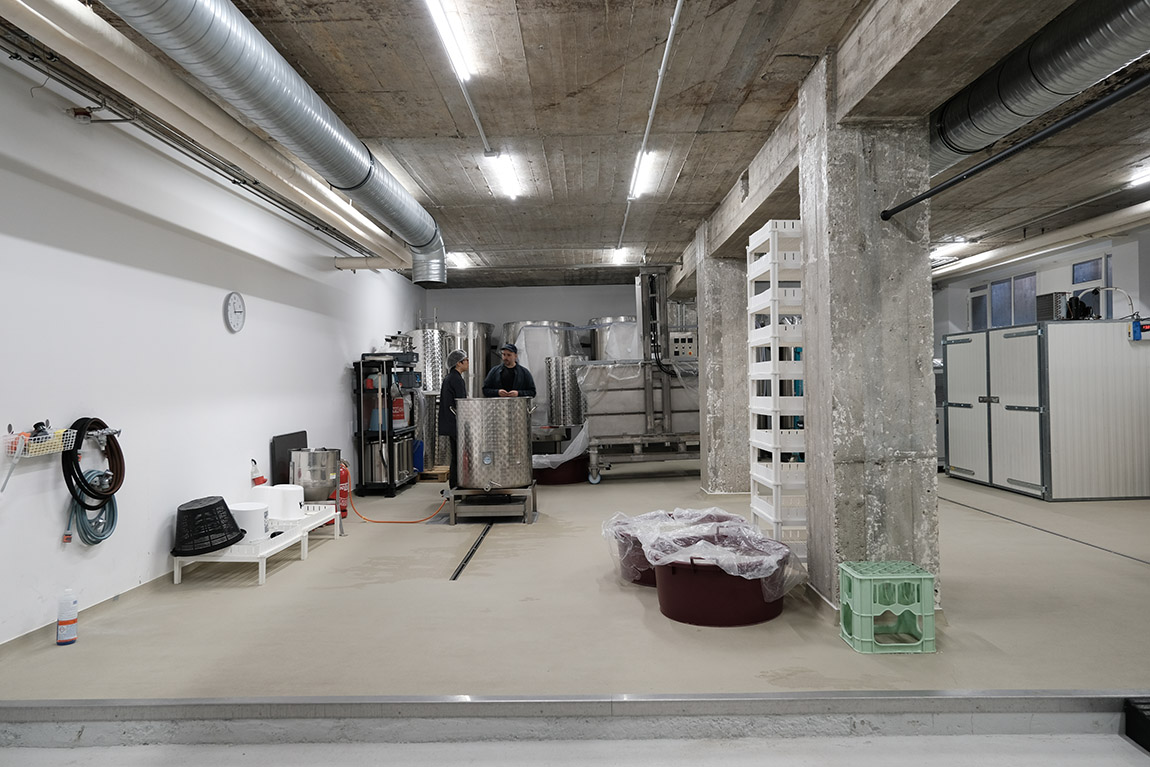
The team added Katharina to their company and started home brewing, settling upon a name for their brewery taken from a prominent Krautrock record by Lord Krishna Von Goloka. It was this love for music (Katharina and Sebastian had both worked in the music industry prior to this) that would carry on further into their business. Fortuitously, they came across the abandoned Kegelbahn – bowling centre – in Berlin, located beneath a fine dining restaurant, and Japanese condiments specialist.
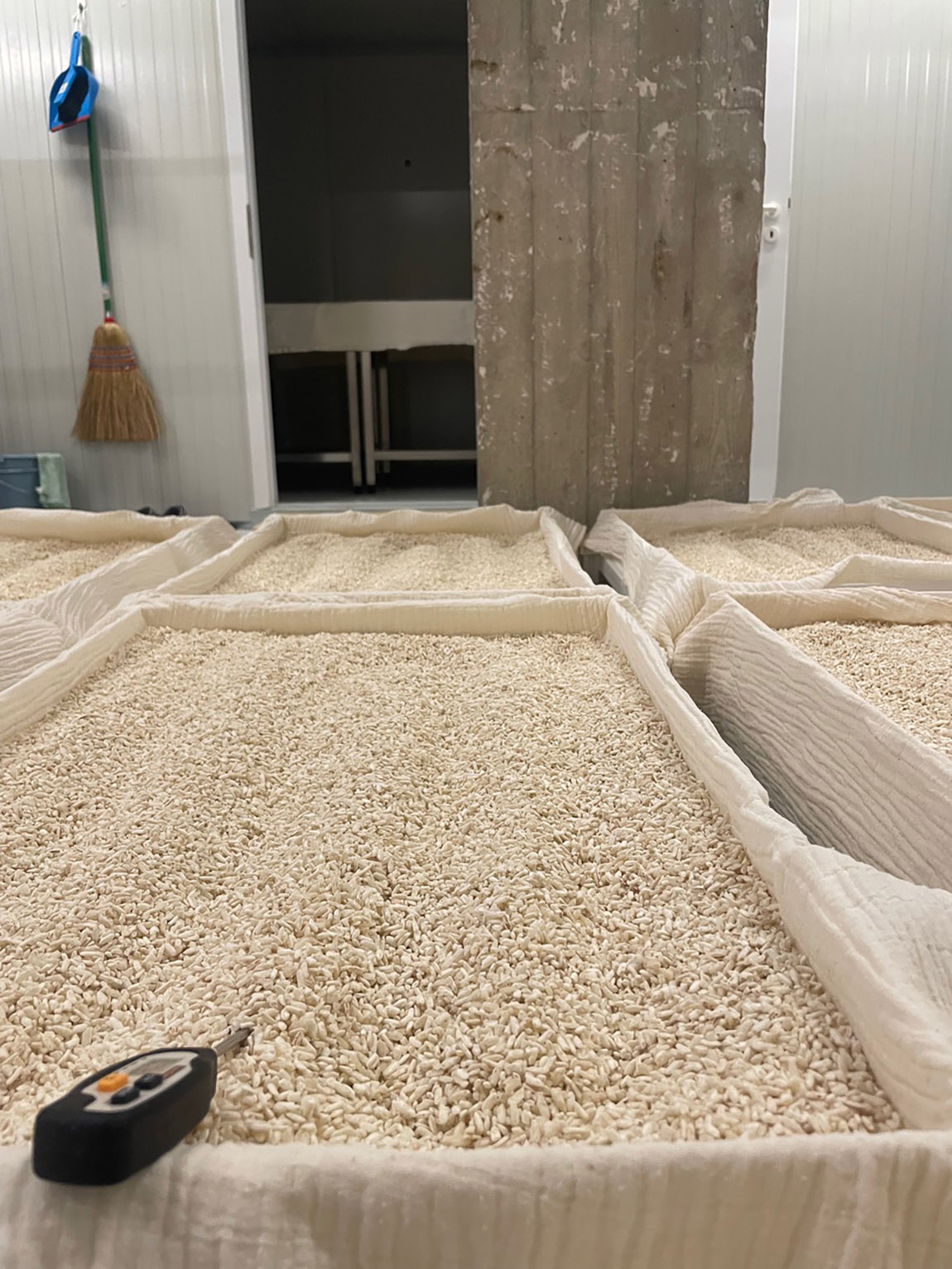
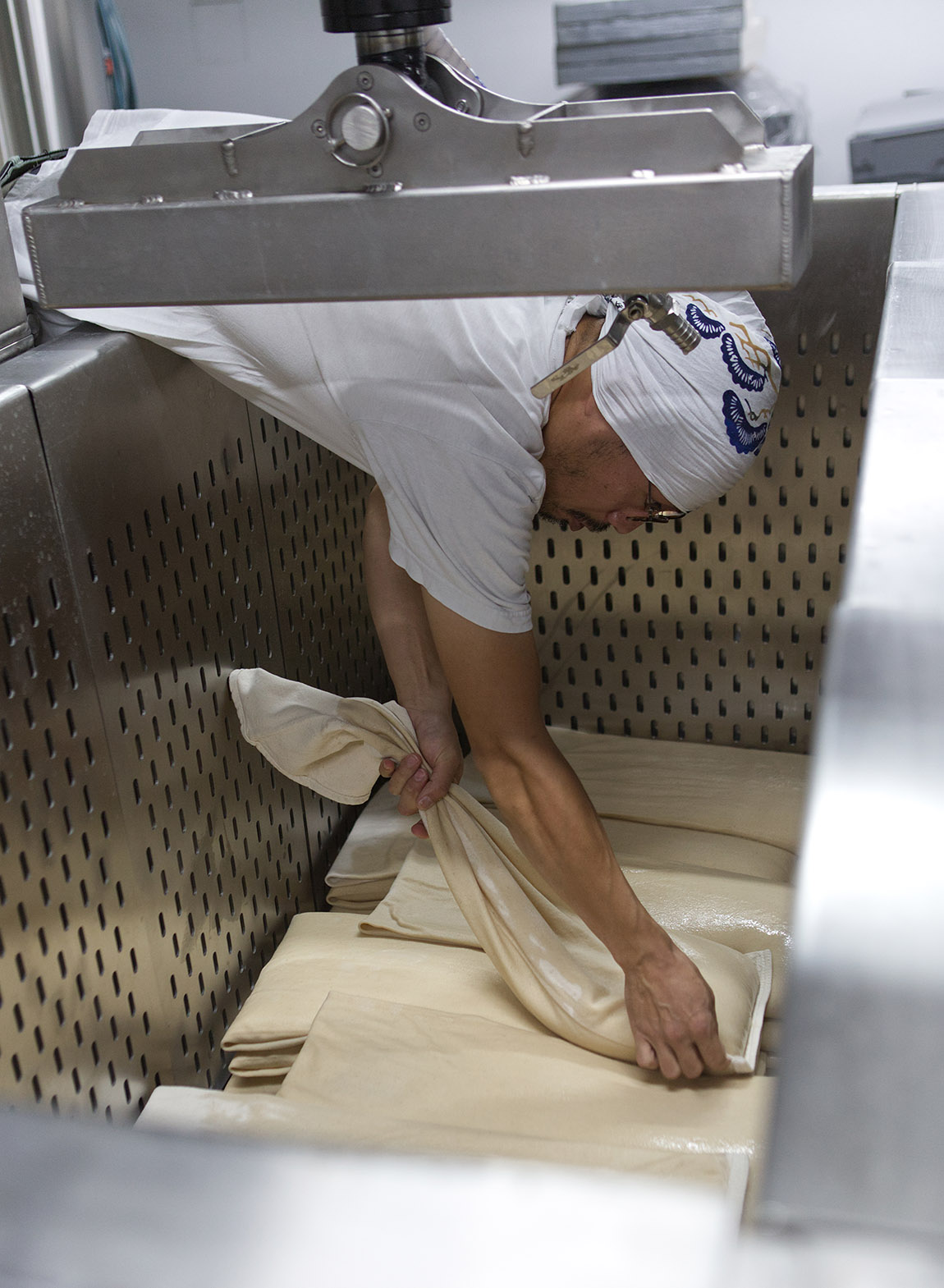
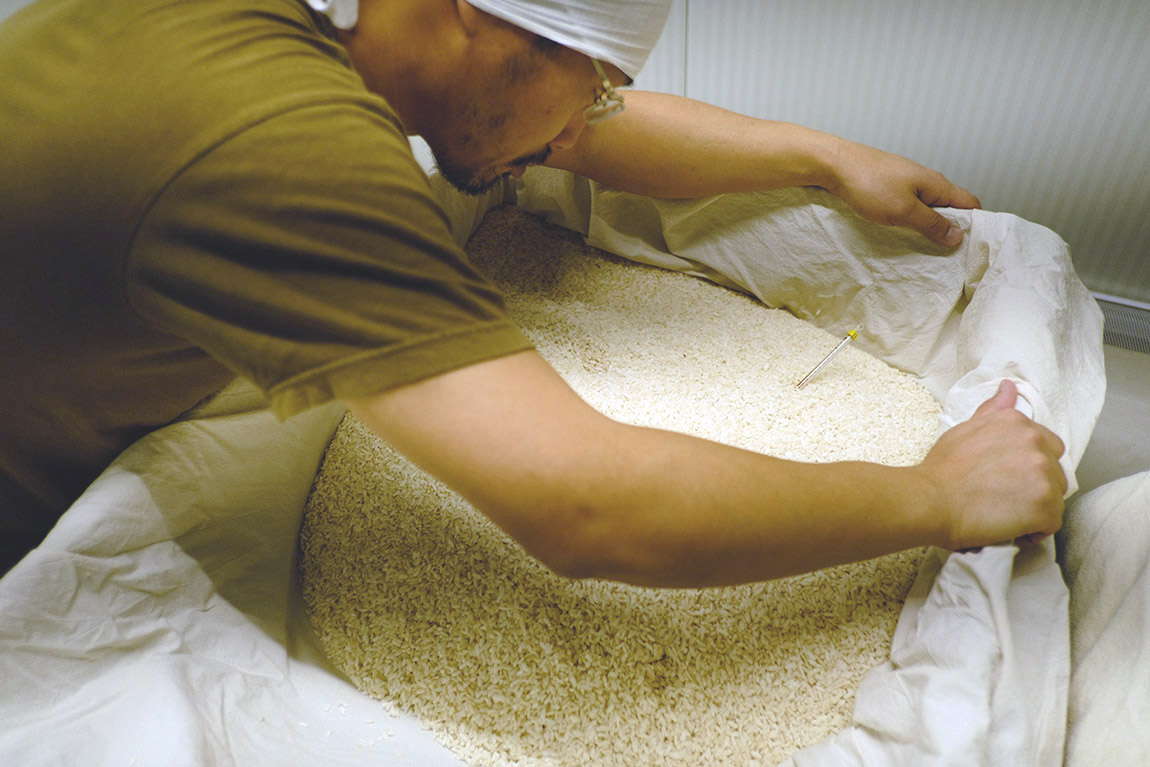
Reigen prides itself on its European identity, using locally produced and carefully crafted ingredients. The water is from Berlin, while the rice originates from Italy, made by Francesco’s family. “It’s low in starch, which is great for sake,” says Sebastian. The rice is then inoculated with koji spores, which decomposes the starch into sugar. After fermentation, the sake is pressed using a custom-made machine, through brewing bags, imported from Japan.

“We’ve done a lot of things differently,” says Sebastian, referring to how they make their sake. Unlike in Japan, Reigen does not pasteurise its sakes. With a mixed variety on offer, the sakes still retain their Japanese identity, but are embodied with modern, European fermentation and production techniques. Tand Natural, for instance, is left to oxidise in open barrels, some are aged in white wine barriques, that adds a dry fruit flavour to its overall profiles. Sowiesoso (also named after a prominent musical record) goes through a secondary fermentation to create a sparkling sake. The brewery is even making a tea-flavoured alcohol-free sake in order to placate the growing demand in this field.
It has not been an easy process getting to where they are now. For a start, none of the equipment was readily available, so they used a mixture of wine and beer making equipment and adapted it to their needs. Then, they were unable to find a German bank to invest, instead having to turn to Berlin-based creative studio that supports Japanese business and culture for support. “Our investor really wants to see something successful for Japan in Europe,” explains Sebastian, who recently returned from business trips to Paris and Copenhagen. Even with a growing market in Germany, integration has seen its share of challenges as well. “Here in Germany, you still have more of an older customer group, comprised of traditional German guys… it’s a bit more difficult, and taking a while for people to understand what we’re doing,” he explains.
That said, Reigen’s sake is available in many high-end establishments, including Tim Raue, Barra, Kanal 61, popular wine bar Ernst Cave, amongst others. “We recently had a pop-up at restaurant Irori in Landau [West Germany],” describes Sebastian. “It’s in this 400-year-old house, fill of Japanese influence, and locally sourced produce. We served our sake, mainly to people from the countryside, and everyone was very open to it, and really enjoyed it.”
With further growth predicted for the sake industry in Germany, Reigen is in a good position to further its expansion in the market. “You see that there’s a mix of younger people, who would normally drink natural wine, also getting into sake,” adds Sebastian. The brewers have also received positive feedback from Japan, with a recent article in The Japan Times praising their unique take to sake. Hopefully, at some point in the future, Reigen can take its newly established product back to its homeland and show what they have created.

Subscribe to Our Newsletter
Receive our monthly newsletter by email