Monika Oschek: Fighting for diversity in the film industry
INTERVIEW BY NANE STEINHOFF | PHOTOS: KIMI PALME
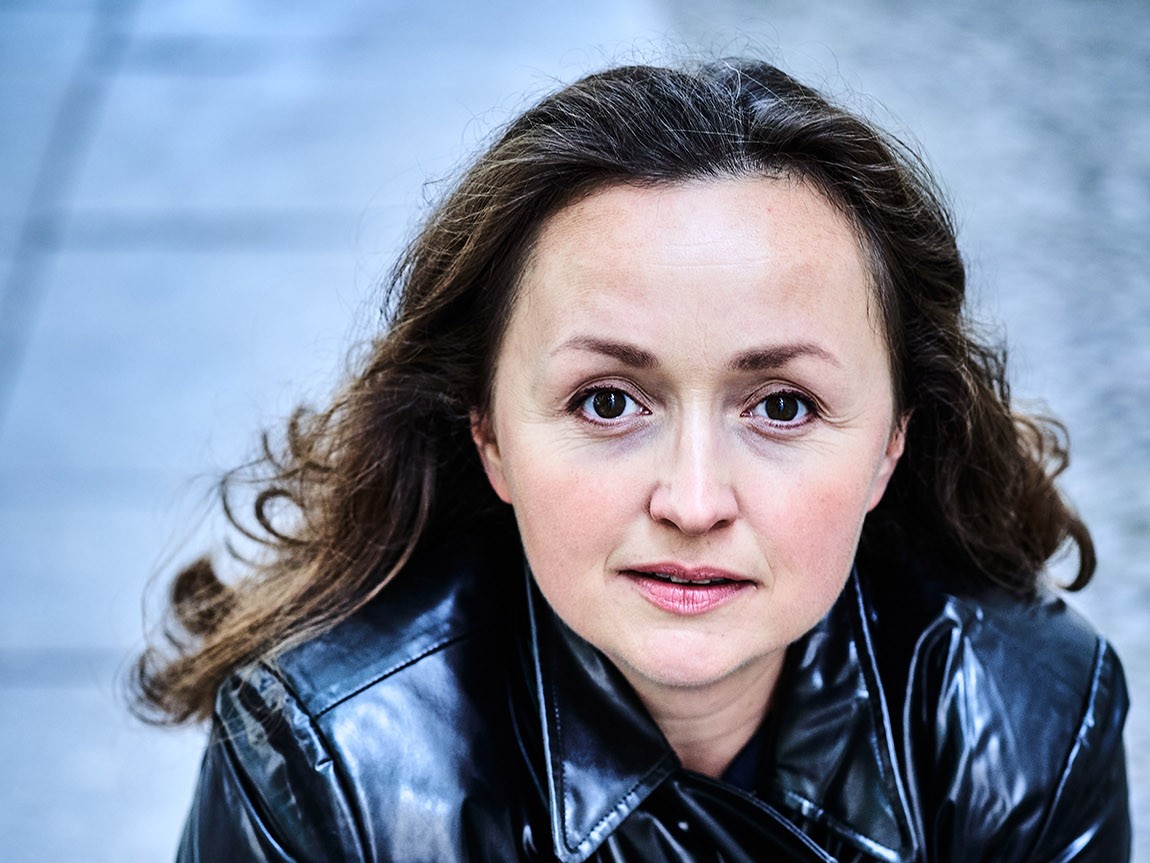
With roles in Charité, Tatort, Ich Bin Dein Menschand Cobra 11, actress Monika Oschek has been a firm staple of the German TV landscape for a while. Next to her acting career, she has become an outspoken proponent for diversity in film as she founded an initiative against physical discrimination. Here, she speaks to Discover Germany, Switzerland & Austria about the importance of that fight, and much more.
Discover Germany: How did you become an actress? What do you love most about this profession?
Monika Oschek: “Even as a child, I recorded audio cassettes, performed on stage, and charged admission to my circus shows in the neighbouring children’s gardens. Entertaining others with my body and voice started at an early age. It’s always been there. And the best thing for me is the variety. I love being on stage, but I don’t want to do that exclusively. I also enjoy being in front of the microphone or camera just as much. I like challenging and dramatic projects, but I have an equally great passion for simply making people laugh with my art. And the combination of the two – the tragic and the comical – is my specialty.
Discover Germany: You have founded ALLE KÖRPER IM FILM (All bodies in film), a network for physical diversity. What was the idea behind this?
Monika Oschek: “I’ve been working as a body activist since 2020, and I want to do more than just talk about physical diversity; I really want to make a difference and actively change things. I was inspired by Tina Thiele from Casting Network, who set up sponsorships for the participants of the CAST ME IN event. I took part in the event in Cologne myself and then volunteered a year later in Munich. I also took on a sponsorship for the actress Nora Krohm, who has completed her training at Glanzstoff – Academy of Inclusive Arts in Wuppertal. When I gave the launch signal for all bodies in film in 2024, I was inspired by this event. This is where the ideas for the coaching offers and the ambassadors came to me.”
Discover Germany: Why is diversity on screen so important? To what extent does more need to be done in Germany regarding this issue?
Monika Oschek: “The German film industry is characterised by weight and age discrimination; pregnant actresses are often recast or uncast for years. People with disabilities are often portrayed by actors without disabilities. People who visually deviate from the supposed ideal of beauty are systematically less represented in film and media. And when they do appear, their deviation from this ideal is the topic of discussion. However, film describes worlds, establishes them, turns them upside down, and then rearranges them again. We tell horror stories, love stories, dramas, and crime thrillers. And we lose so many stories and opportunities when we exclude this part of society. Studies show that films and series aren’t just entertainment; they profoundly shape our perceptions. Neurofilm research demonstrates that certain scenes in the brain simultaneously activate emotions and cognitive processes, thereby solidifying long-term attitudes. Other studies have shown that films can foster empathy – for example, when marginalised groups are portrayed positively. And even political attitudes can shift: in studies, watching certain films led viewers to more strongly embrace authoritarian or anti-authoritarian values, and biopics demonstrably influenced attitudes toward real-life female politicians. All the media we consume shape our thoughts, feelings, and actions. So, we can bring people together or push them apart. The question is what we choose and whether we are willing to take responsibility for one another.”
Discover Germany: How does ALLE KÖRPER IM FILM attempt to create a platform for actors who act beyond conventional body norms?
Monika Oschek: “ALLE KÖRPER IM FILM is a networking platform and social media campaign on Instagram to promote physical diversity in the German film landscape. Casters and directors offer actors free coaching and one-year sponsorships to facilitate their entry into the industry. Coaching and sponsorships can be accessed online, so the offer is not limited to specific regions. The programme is aimed exclusively at actors who have already completed their training or are already working in this field and who belong to the physically diverse spectrum, that is pregnant or overweight, women over 40, people with disabilities, and anyone who does not conform to the supposed ideal of beauty. Many of the actors who benefited from ALLE KÖRPER IM FILM’s program are now back in front of the camera – sometimes after a long time – and I’m very happy about that!”
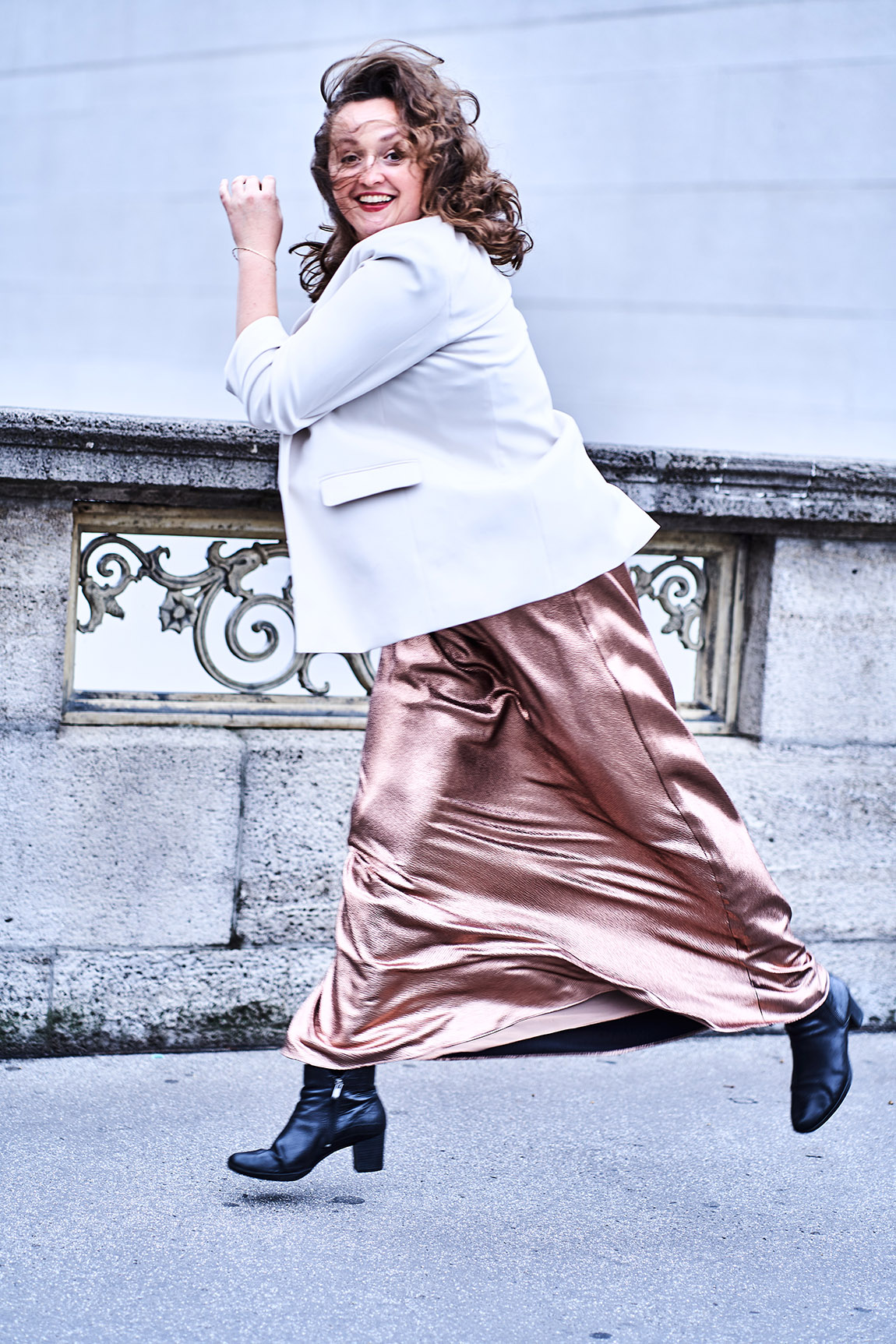
Discover Germany: You are currently appearing in the new season of Cobra 11. What do you love about your role in this format?
Monika Oschek: “It was a special feeling to suddenly find myself in the hallowed halls of Cobra 11 – a series I watched with my parents as a child. Cobra 11 is an institution on German television, and being a part of it made me feel very proud. I had hoped to do really cool stunts and wreck cars, but our stunt people do that, and in the end, I’m very happy about it. I liked my role from the start: Silke is a capable, smart, and warm person. And she likes going to the karaoke bar. There are a few personal overlaps with mine.”
Discover Germany: What has been your favourite shoot so far?
Monika Oschek: “My favourite shoots are those where I work eye-to-eye with the director, where we collaborate on the character I’m portraying and develop new ideas together from this fantasy.”
Discover Germany: You were born in Poland and grew up in Germany. What does home mean to you, and what do you miss about Poland?
Monika Oschek: “For me, home is where my loved ones are – especially my dog. It’s less a geographical location than a sense of belonging and security. At the same time, I feel my Polish roots very strongly. I associate Poland not only with fond childhood memories, but also with a culture that means a lot to me – the language, the festivals, the food, the special warmth of the people. Precisely because this is so important to me, I take a critical look at current political developments in Poland: the way women’s rights are being treated, the restrictions on democracy, and the discrimination against queer people worry me. But even in Germany, not everything is as free and tolerant as we like to believe. Racism, anti-Semitism, and right-wing extremist tendencies are noticeably on the rise – and remind us that freedom and diversity must be defended again and again. In the end, it’s a matter of chance – or luck – where we’re born. None of us chose it.”
Discover Germany: What other wishes and dreams do you have?
Monika Oschek: “Personally, I’m currently dreaming of travelling. Last year, I crossed the Alps with my dog. It was incredibly strenuous and amazing. Next year, we’re planning on going to Mount Vesuvius, and then definitely cross the Alps again – this time through Switzerland. Such trips aren’t just a vacation for me, they’re also a chance to reflect and recharge my creative juices. In addition to my travel dreams, I also hope to gain international experience professionally – perhaps to participate in a European co-production or even an American or Polish project. There are still many exciting and complex characters I haven’t played yet, and I’m really looking forward to them. I’d also like to act in the theatre again. And a really big dream would, of course, be that diversity in our industry will one day no longer be a struggle, but a matter of course.”
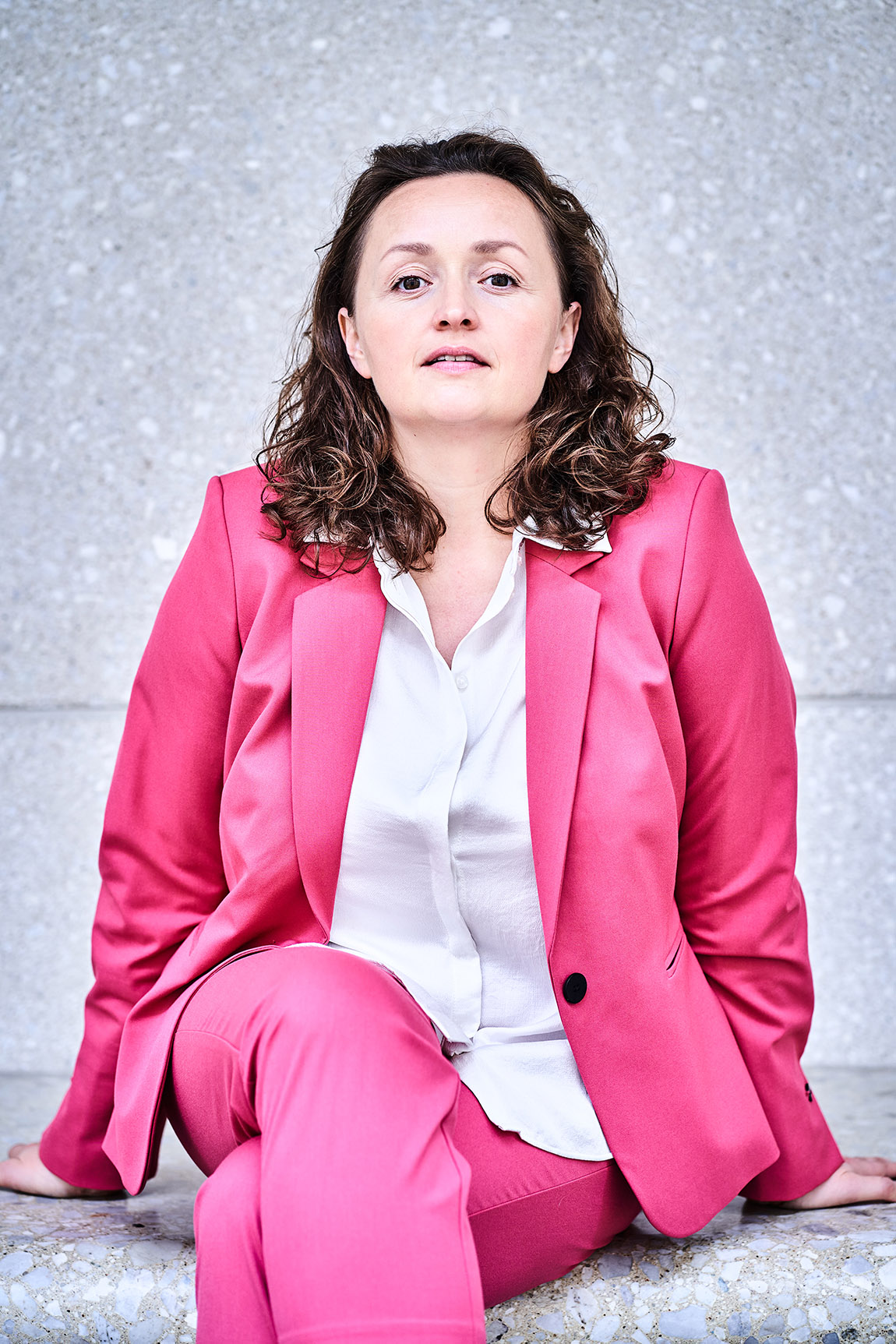
Monika Oschek has recently been nominated for the emotion award in the 'diversity in media' category for her work.

Subscribe to Our Newsletter
Receive our monthly newsletter by email