The pear necessities: Getting the most from Austrian pear-fect cider
TEXT & PHOTOS: DAN COLE
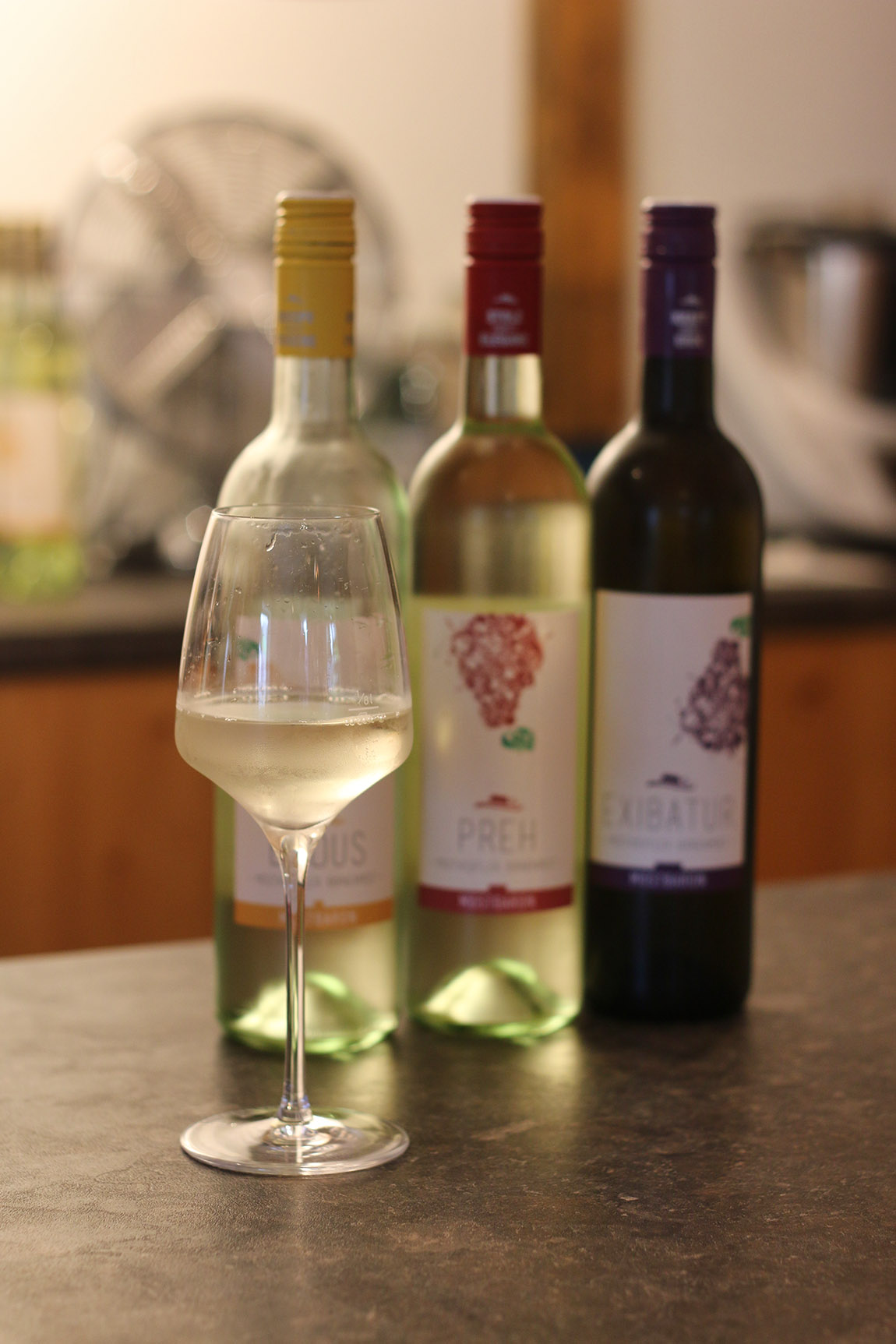
Just to the west of Vienna in the Mostviertel district, a new generation of pear cider manufacturers are starting to break away from tradition. Taking on board new approaches to making alcoholic, fermented pear juice, the area is starting to attract attention from across the globe, and brings in awards whilst doing so. To find out more, Discover Germany journeys down to the Mostviertel on a perry adventure.
The Haselberger perry manufacturers are known for their adventurous approach to making pear cider. Located in the village of St Valentin, a short drive from Linz, the Haselbergers use newer forms of fermentation, creating a range of perries that have more in common with wine than with traditional cider. Their approach embodies the change happening in the region, where tradition and innovation live side by side.
Nestled between the Alps and the Danube, the Mostviertel’s rolling green-carpeted valleys make for some of the best and beautiful agricultural lands in Europe. Amongst many of the area’s regional delights, it is best known for its pears, of which there are over 200 different varieties in Mostviertel alone. The pears here are mostly utilised in the production of perry, or Most as it is referred to in the region.
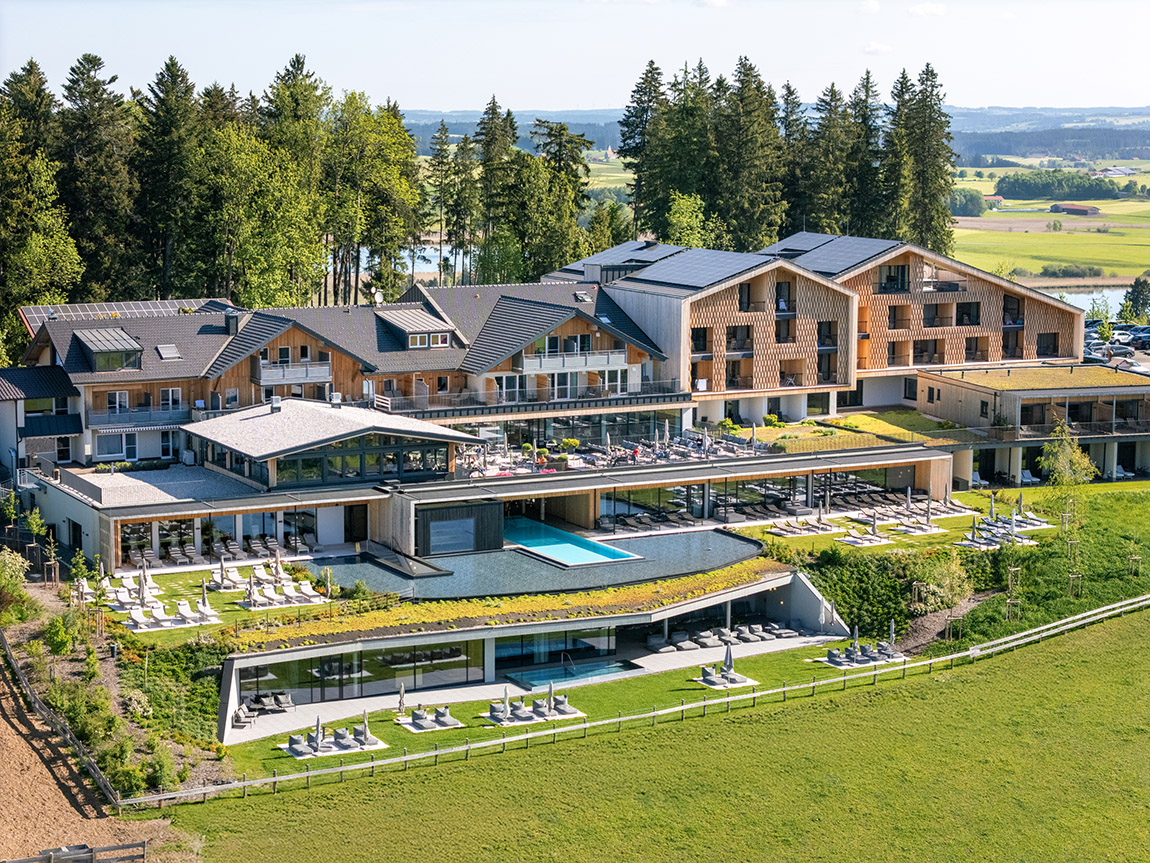
The pear is king in Mostviertal and dominates the surroundings wherever you turn. When arriving at Amstetten, there are giant pear sculptures on the road. The local hotel, the four-star RelaxResort Kothmüle that attracts many visitors to the region, is adorned with pear artworks in the elevators and room decor. Even the different hotel rooms are named after the various types of pears found in the region.
Throughout the day, locals flock to Mostheurigen, taverns that serve perry and local foods. Many of which are interconnected by a 200-kilometer-long road called Moststrasse. The pear trees were originally introduced to the region by the Romans, and for a long time, perry was enjoyed primarily by farmers on a seasonal basis. After a drop in interest and a culling of pear trees almost 100 years ago, it was not until the ‘90s that interest in perry made a return to the region. Encouraged by members of the community, the industry and institutions started to recognise the importance of perry, spearheading new interest. These community heads would become known as Mostbarons.
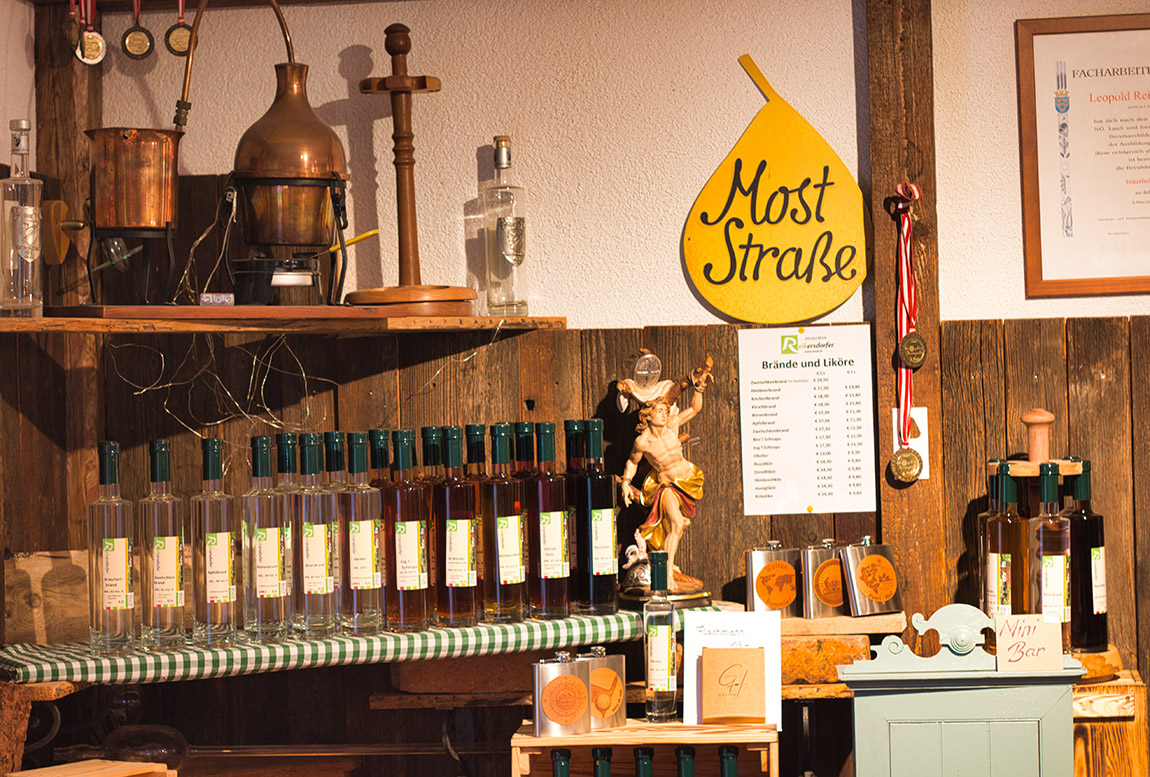
The Mostbarons set out to raise the profile of the region, ensuring that all perry produced adhered to the utmost quality. One of the Mostbarons can be found at Mostheuriger Reikersdorfer, for instance. Leopold Reikersdorfer’s family-run restaurant and store can be found deep in Mostviertel, looking out across the valley. The rustic, old-fashioned restaurant offers home-baked bread, meat and cheese plates – the perfect accompaniment to perry. Reikersdorfer offers a range of products with pears in the farmyard store; dried fruit bars, vinegars, schnapps, and juices. As with most places in the region, Reikersdorfer produces a mix of single-varietal perries and cuvées, and there is a blend of dry and sweet versions. Most are carbonated, but still varieties are also available.
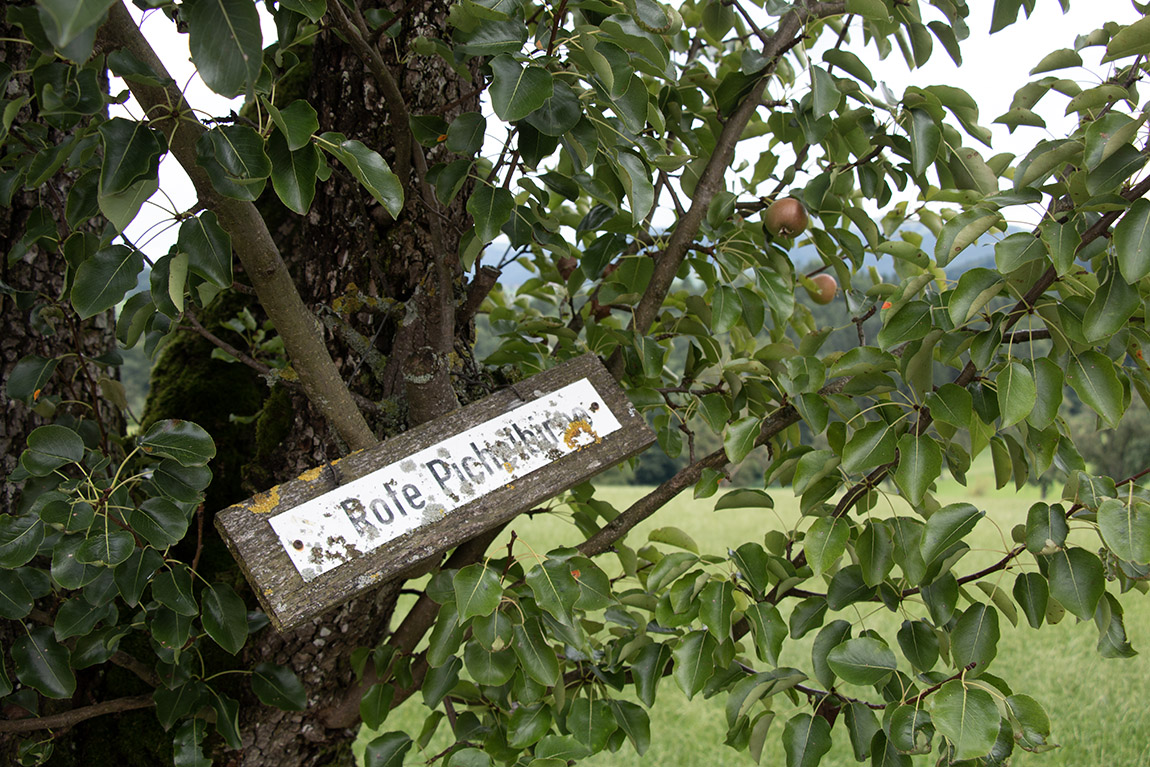
This approach to perry is common in Mostviertel, and seen at almost every Mostheurige. Pears are harvested, pulped and fermented for about three to four weeks. The variety of flavours can be distinguished by the pears used in the process, with Speckbirne and Grüne Pichlbirne appearing often on the menu.
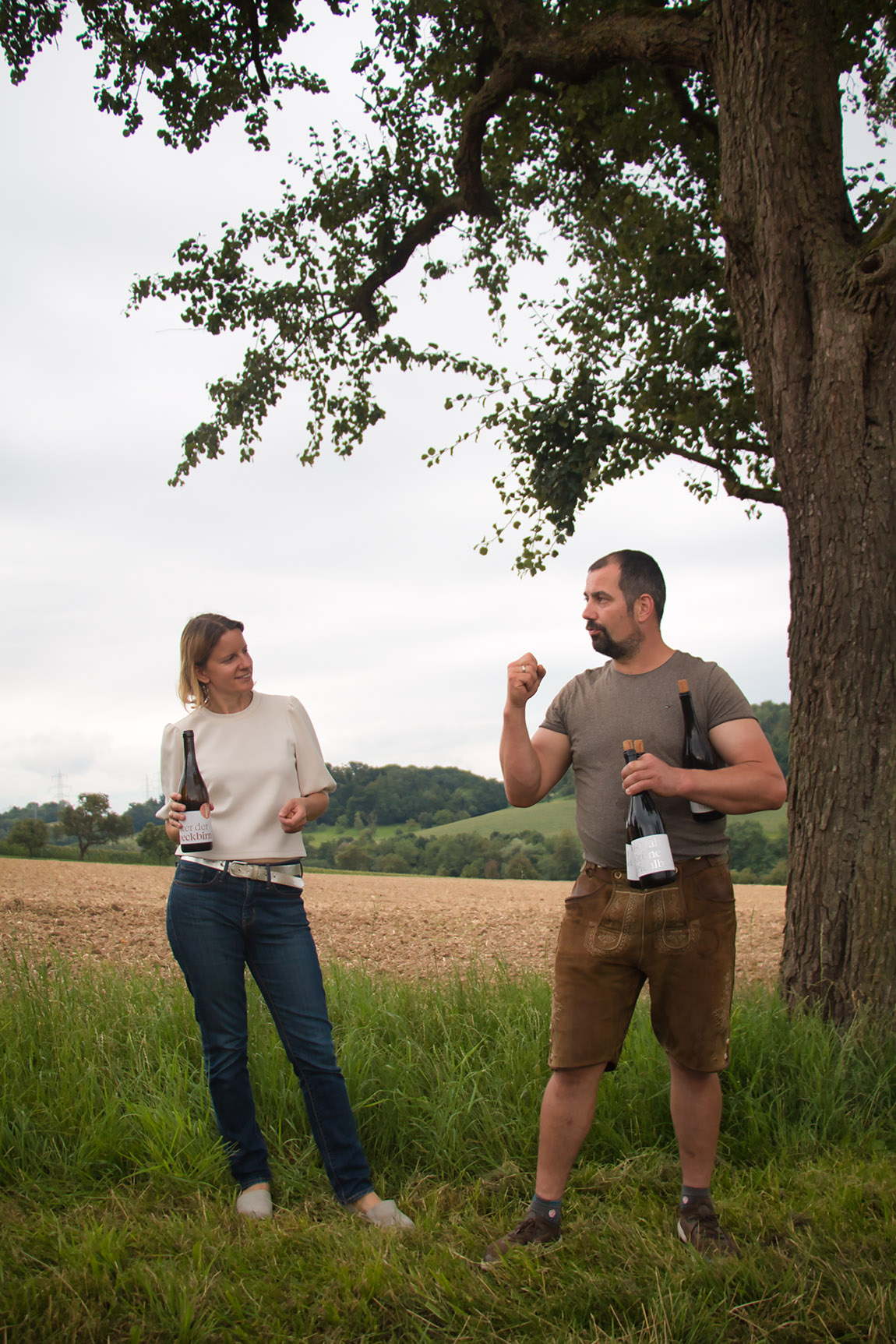
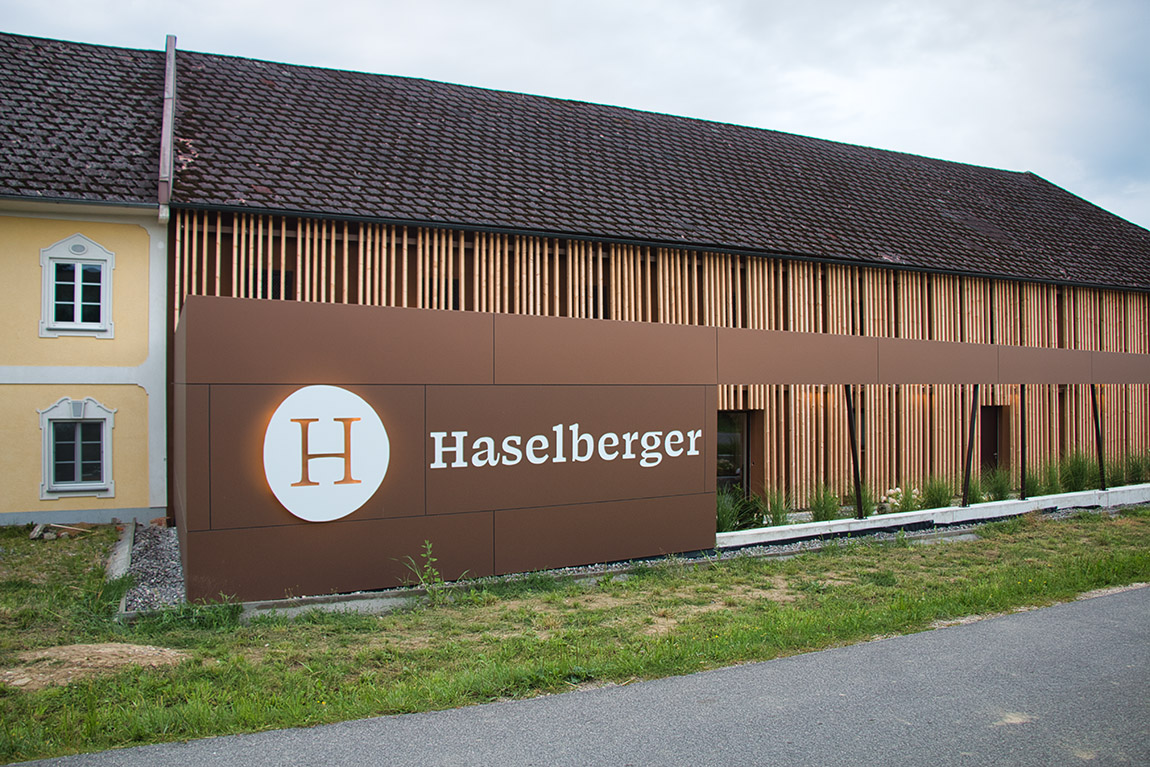
At Haselberger, however, owners Peter and Bernadette are not taking the traditional route. Without a doubt, the Haselbergers are some of the most exciting perry innovators in the world right now. The first thing that stands out is that Haselberger is not your typical Mostheurigen. With a modern, wooden facade, the cider house appears more like a modern, French winery than an Austrian restaurant. And that is with good reason. The bottled, aged, fermented perries have similar qualities to white wines, with one critic even comparing them to a fine Riesling.
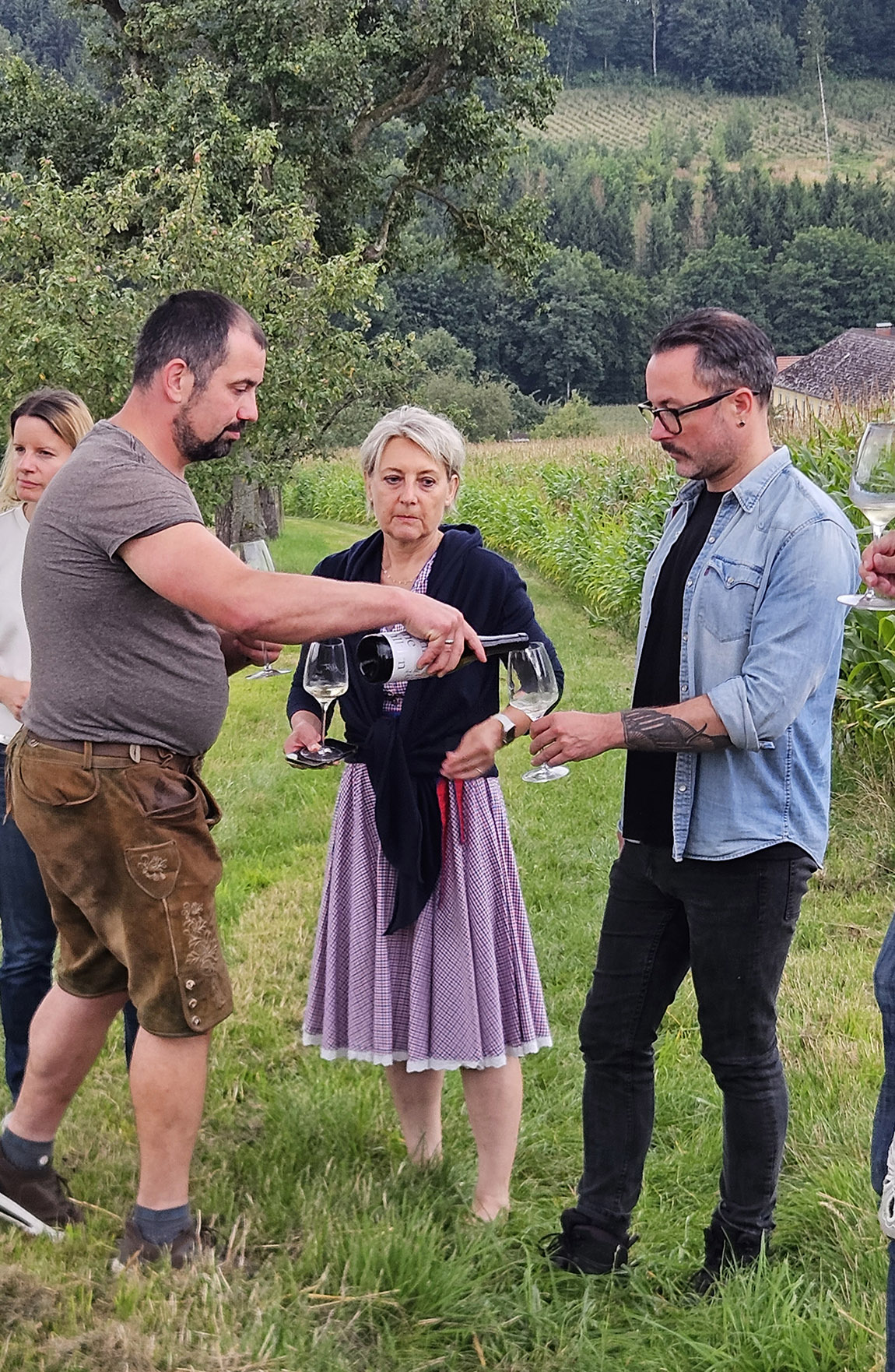
Having inherited the business from Peter’s family, the Haselbergers hand-pick pears from the trees, some of which are over 160 years old. They use a mixture of steel and barrique barrels to ferment the pear wines. Some of their finest products are made through natural fermentation, giving the products a tart and funky flavour, akin to that of other natural wines found throughout Europe. Their hard work has not gone unnoticed, and the pair earned their first Falstaff award in 2019.
At the evening tasting, attended by local dignitaries and cider enthusiasts from across Austria, Peter and Bernadette share their passion for the process and manufacturing. Peter, a certified perry sommelier, has a refined vision of where the industry is going. Served in wine bottles with elaborately designed labels, each perry is first savoured with the nose, then appreciated on the tongue. The Haselbergers’ Almost Pearfect Pear PetNat is a natural sparkling wine, with an aromatic head and crisp sour and honey flavours. There is also a Birnenschaumwein, a sparkling pear wine, in which a secondary fermentation happens in the bottle for over a year, similar to how Champagne is made. The Haselbergers’ products are popular with the locals and can be found throughout Austria, and it will not take long for this trend to catch elsewhere. In the near future, pear wine could be appearing on the menu throughout Europe.
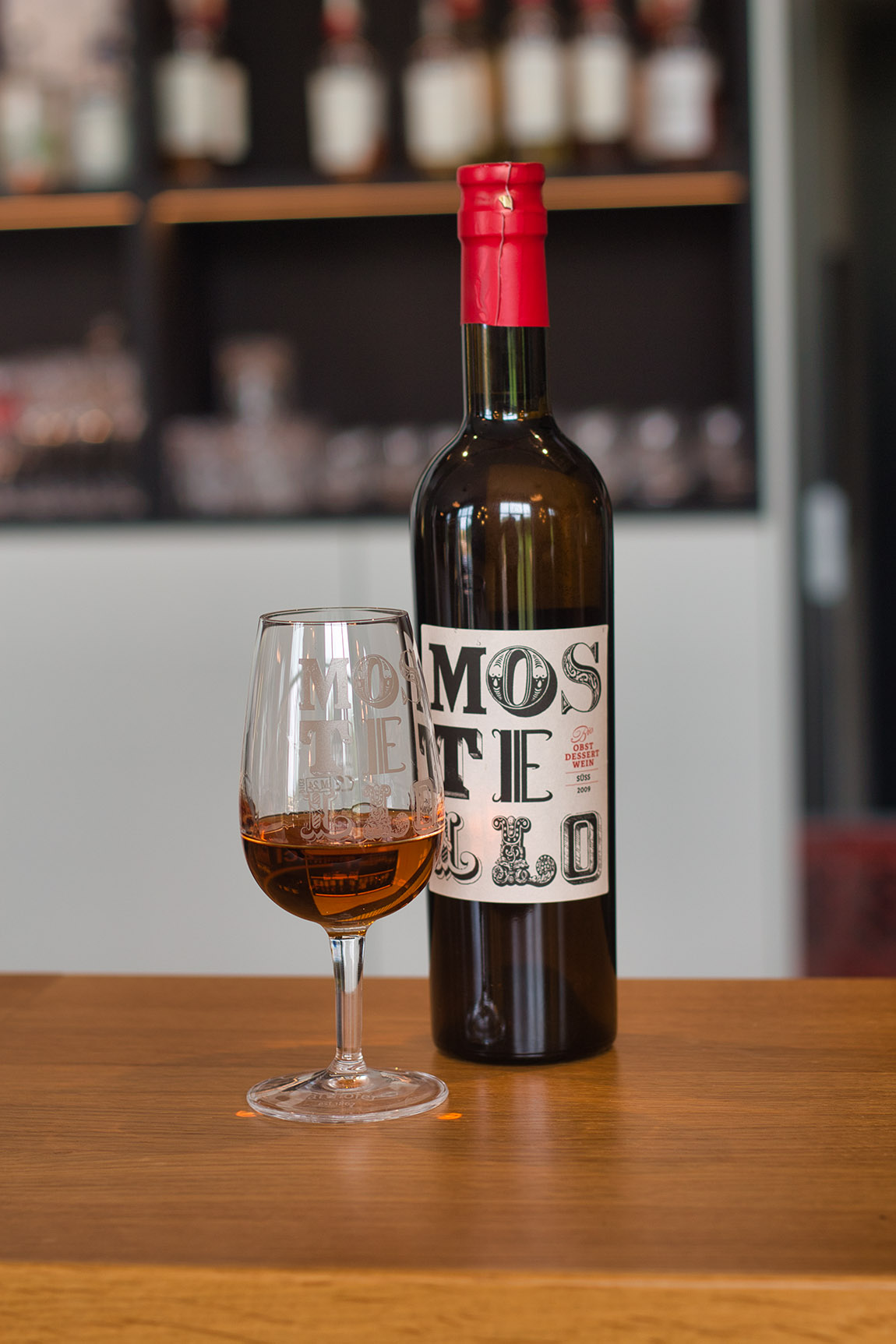
Beyond perry, the next generation of barons are looking to further the creativity and innovation in the region. At Destillerie Farthofer, for instance, another family-owned enterprise, the team has come up with a pear fortified wine called Mostello. Made in a similar way to port wine, Mostello is a dessert wine made from pears, aged in oak barrels for three years. The flavour profile gives nutty, honey-like sweet notes that once again reimagine the future of pears. It is just one more example of what is possible for the fruit that was almost forgotten so long ago.
In a region that has been defined and cultivated by its pear production, Mostviertal is now giving back to the world by reinventing itself.

Subscribe to Our Newsletter
Receive our monthly newsletter by email