Dr Sebastian P. Nischwitz: Responsibility between scalpel and society
TEXT: MARILENA STRACKE | PHOTOS: BENEDIKT HAUSHOFER
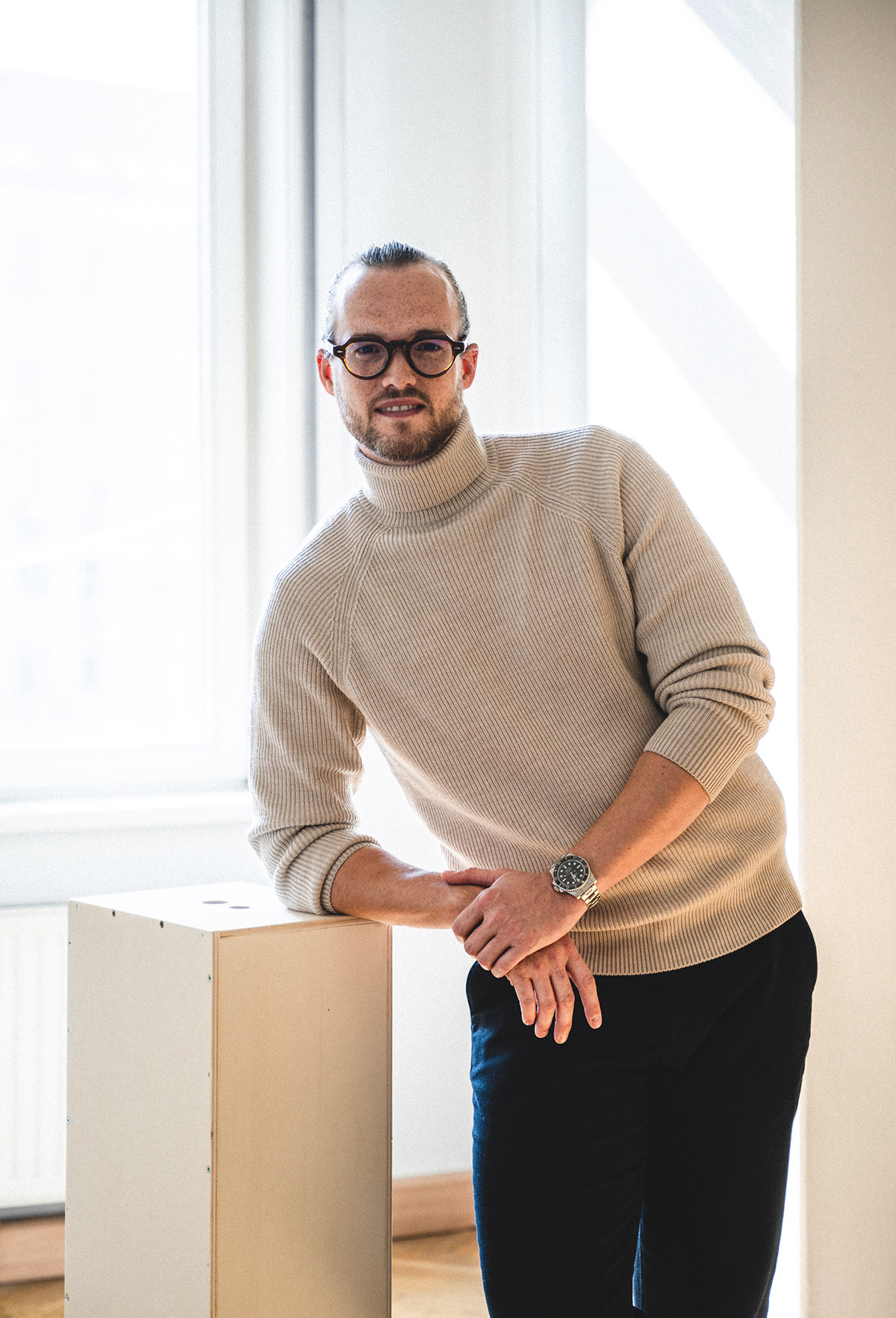
Priv.-Doz. Dr Sebastian P. Nischwitz, MD, PhD, MSc, FEBOPRAS.
For Assoc. Prof. Dr Sebastian P. Nischwitz, MD, PhD, MSc, FEBOPRAS, the art of plastic surgery is far more than the pursuit of flawless symmetry: it is a delicate balancing act between science, expertise and empathy.
A consultant in plastic, reconstructive and aesthetic surgery, Dr Nischwitz has long been based at the Medical University Hospital in Graz and in 2024, opened his own private practice. “The practice was born from a desire to bring this scientifically grounded background into aesthetic medicine and to dedicate the time to patients that the public healthcare system doesn’t always allow,” he explains.
Within his practice, reconstructive precision and aesthetic sensitivity merge into a holistic approach that places both medical safety and emotional intelligence at its core. “Every reconstructive procedure requires an aesthetic understanding, and every aesthetic intervention must be carried out with functional and ethical responsibility,” the surgeon notes. His spectrum is broad, from complex reconstructions following trauma and cancer treatment to hand surgery and aesthetic procedures. His personal focus lies in rhinoplasty and facial surgery as well as minimally invasive, individually tailored concepts.
“I don’t see myself as a service provider performing quick treatments in a rush or on lunch break, but as a creative mind helping the person opposite me to find harmony in body and soul,” says Dr Nischwitz. “Especially in aesthetics, it takes more than operative skill – it requires empathy, psychological insight and the ability to gently guide unrealistic wishes.”
He advises patients to look carefully when choosing a surgeon: only board-certified specialists in plastic, reconstructive and aesthetic surgery have the required years of training, whereas the term cosmetic surgeon is not a protected title. Equally important is a practice that is prepared to handle complications. “This issue is particularly close to my heart, precisely because I work within a university medical setting. The maximum care provided by university hospitals offers the necessary infrastructure to manage complex or adverse outcomes of aesthetic procedures – including referred cases. The expertise, however, should lie with the one treating.”
Alongside his surgical work, Dr Nischwitz is also internationally active as a speaker and serves on the scientific board of major aesthetic congresses such as IMCAS. It is this dual responsibility – clinical and academic – that has led him to establish the Research Unit for Responsible Aesthetics at the Medical University of Graz. Here, the aim is to strengthen quality and ethics in aesthetic medicine over the long term through research and interdisciplinary dialogue.
His message is unequivocal: aesthetic surgery must not be driven by commercial interests alone. It demands integrity, precision, and a forward-thinking awareness of what lies behind every wish for change: the human being.
Web: www.drnischwitz.com
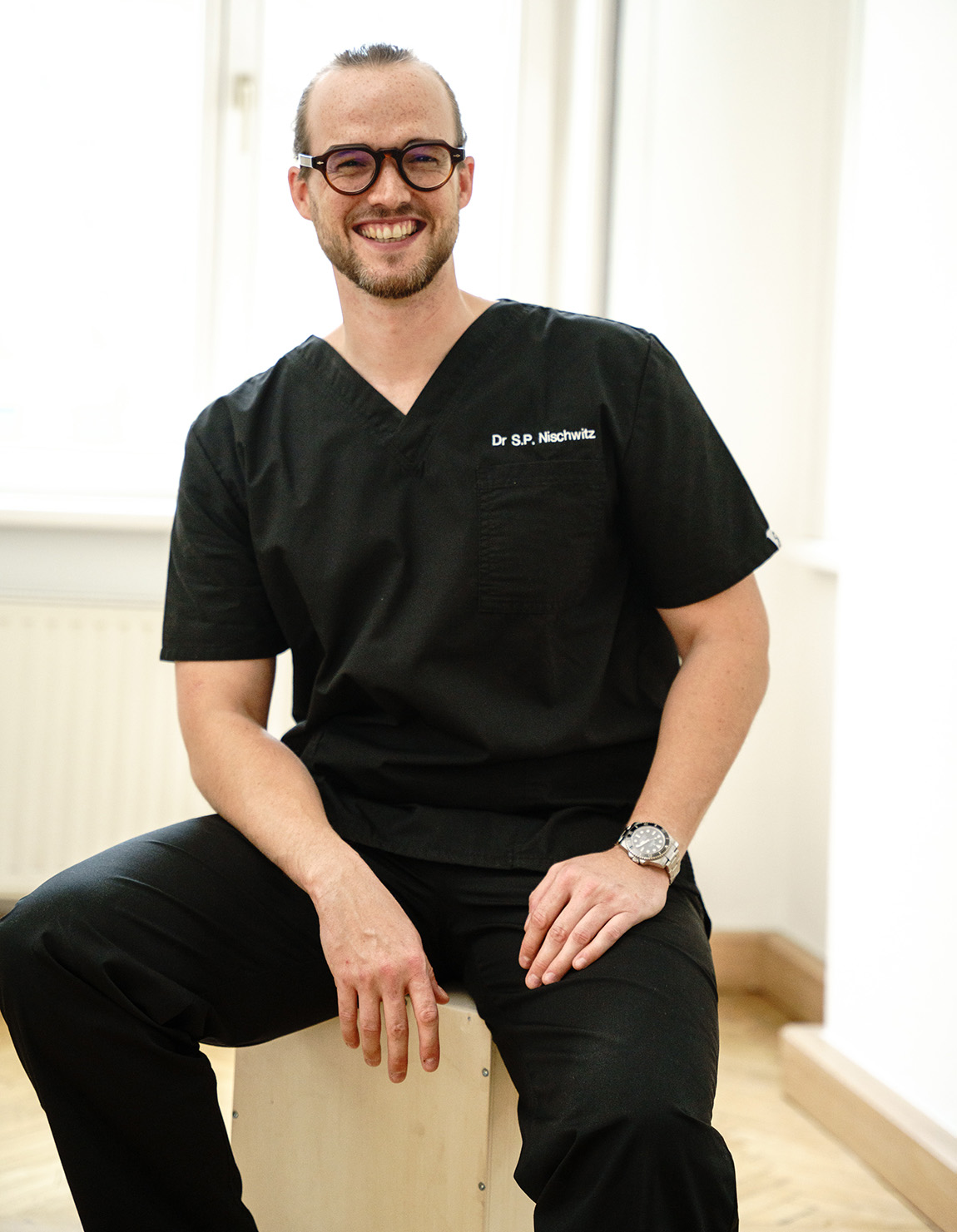
Priv.-Doz. Dr. med. Dr. scient. med. Sebastian P. Nischwitz M.Sc. FEBOPRAS.
Verantwortung zwischen Skalpell und Gesellschaft
Die Kunst der Plastischen Chirurgie ist für Priv.-Doz. Dr. med. Dr. scient. med. Sebastian P. Nischwitz M.Sc. FEBOPRAS weit mehr als das Streben nach makelloser Symmetrie: Sie ist ein Balanceakt zwischen Wissenschaft, Expertise und Menschlichkeit.
Als Facharzt für Plastische, Rekonstruktive und Ästhetische Chirurgie ist Dr. Sebastian P. Nischwitz seit langem an der Universitätsklinik Graz tätig und eröffnete dazu 2024 seine Privat-Praxis. „Die Gründung entstand aus dem Wunsch, diesen wissenschaftlich fundierten Hintergrund auch in der ästhetischen Medizin nutzbar zu machen und mir für Patientinnen und Patienten die Zeit zu nehmen, die das Konstrukt öffentliches Gesundheitswesen nicht immer erlaubt”, erzählt er.
In seiner Praxis verschmelzen rekonstruktive Präzision und ästhetisches Feingefühl zu einem ganzheitlichen Ansatz, der sowohl medizinische Sicherheit als auch emotionale Intelligenz in den Mittelpunkt stellt. „Jede rekonstruktive Maßnahme braucht ein ästhetisches Verständnis, und jeder ästhetische Eingriff muss mit funktionellem und ethischem Verantwortungsbewusstsein erfolgen”, erklärt der sympathische Chirurg. Sein chirurgisches Spektrum ist breit – von komplexer Rekonstruktion nach Unfällen und Tumorerkrankungen bis hin zu Handchirurgie und ästhetischen Eingriffen. Sein persönlicher Schwerpunkt: Nasen- und Gesichtschirurgie sowie minimal-invasive, individuell zugeschnittene Konzepte.
„Ich sehe mich nicht als Dienstleister, der mal eben schnell eine Behandlung zwischen Tür und Angel oder in der Mittagspause durchführt, sondern als kreativer Geist, der dem Gegenüber zu Harmonie in Körper und Geist verhilft”, so Dr. Nischwitz. „Gerade in der Ästhetik braucht es nicht nur operative Fertigkeiten, sondern auch Empathie, psychologisches Gespür und die Fähigkeit, unrealistische Wünsche behutsam zu begleiten.”
Er rät Patient:innen bei der Chirurgen-Wahl genau hinzuschauen: Nur Fachärzt:innen für Plastische, Rekonstruktive und Ästhetische Chirurgie verfügen über die entsprechende langjährige Ausbildung, während der Begriff ‚Schönheitschirurg‘ nicht geschützt ist. Ebenso wichtig ist eine Praxis, die auch auf Komplikationen vorbereitet ist: „Gerade, weil ich universitätsmedizinisch tätig bin, liegt mir dieses Thema besonders am Herzen: Die Maximalversorgung der Universitätsklinik bietet die notwendige Infrastruktur für komplexe oder fehlerhafte Verläufe ästhetischer Eingriffe – auch von extern. Die Expertise sollte jedoch beim Behandler liegen.”
Neben der Tätigkeit am OP-Tisch engagiert Dr. Nischwitz sich auch international als Speaker und Mitglied im wissenschaftlichen Board großer Ästhetik-Kongresse wie IMCAS. Aus dieser doppelten Verantwortung – klinisch und akademisch- heraus, gründete er die Research Unit for Responsible Aesthetics an der Medizinischen Universität Graz. Ziel ist es, durch Forschung und interdisziplinären Austausch Qualität und Ethik in der ästhetischen Medizin langfristig zu stärken.
Seine Botschaft ist klar: Ästhetische Chirurgie darf nicht allein wirtschaftlichen Interessen folgen. Sie braucht Haltung, Präzision und ein wegweisendes Bewusstsein für das, was hinter jedem Wunsch nach Veränderung steht: den Menschen.
Web: www.drnischwitz.com

Subscribe to Our Newsletter
Receive our monthly newsletter by email