ANNA HANDLER – Orchestrating the future of classical music
TEXT: NANE STEINHOFF | PHOTOS: PETER RIGAUD
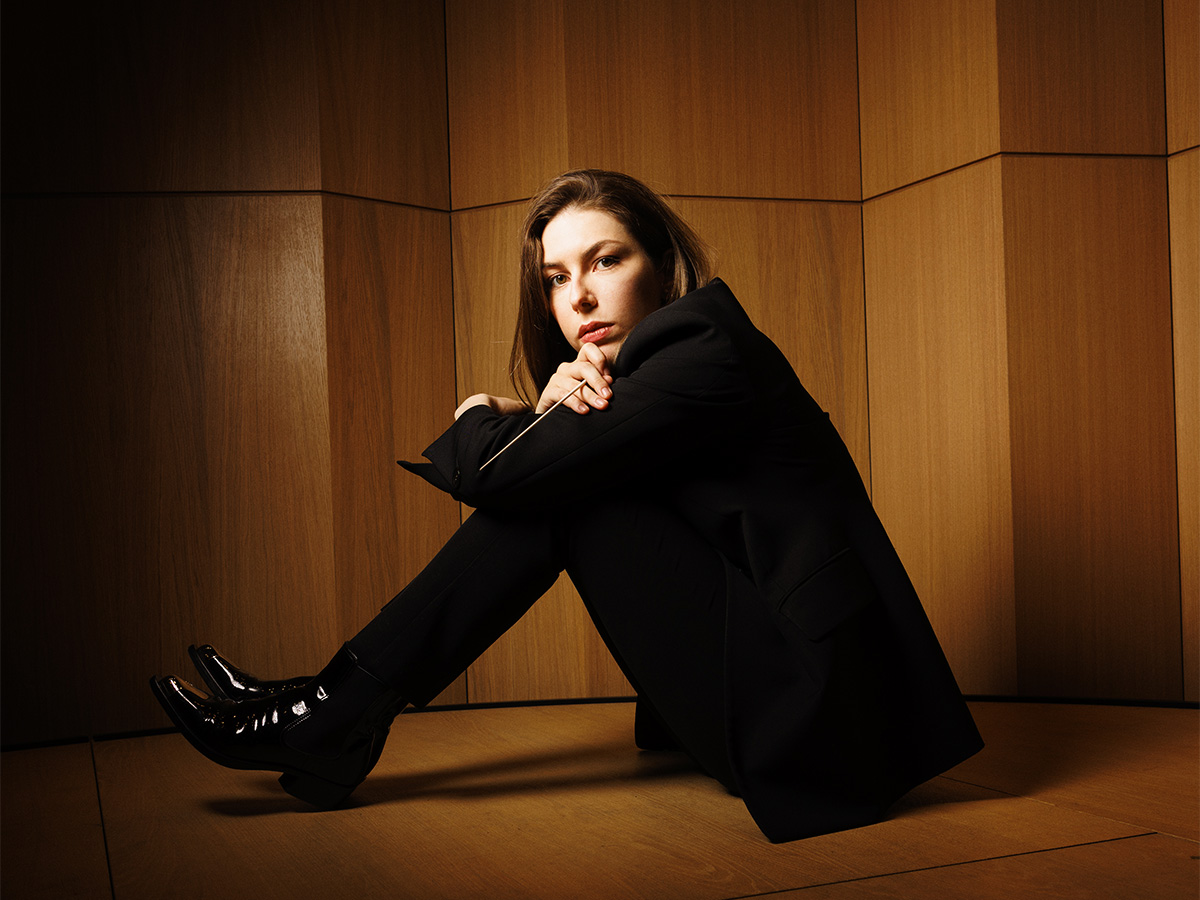
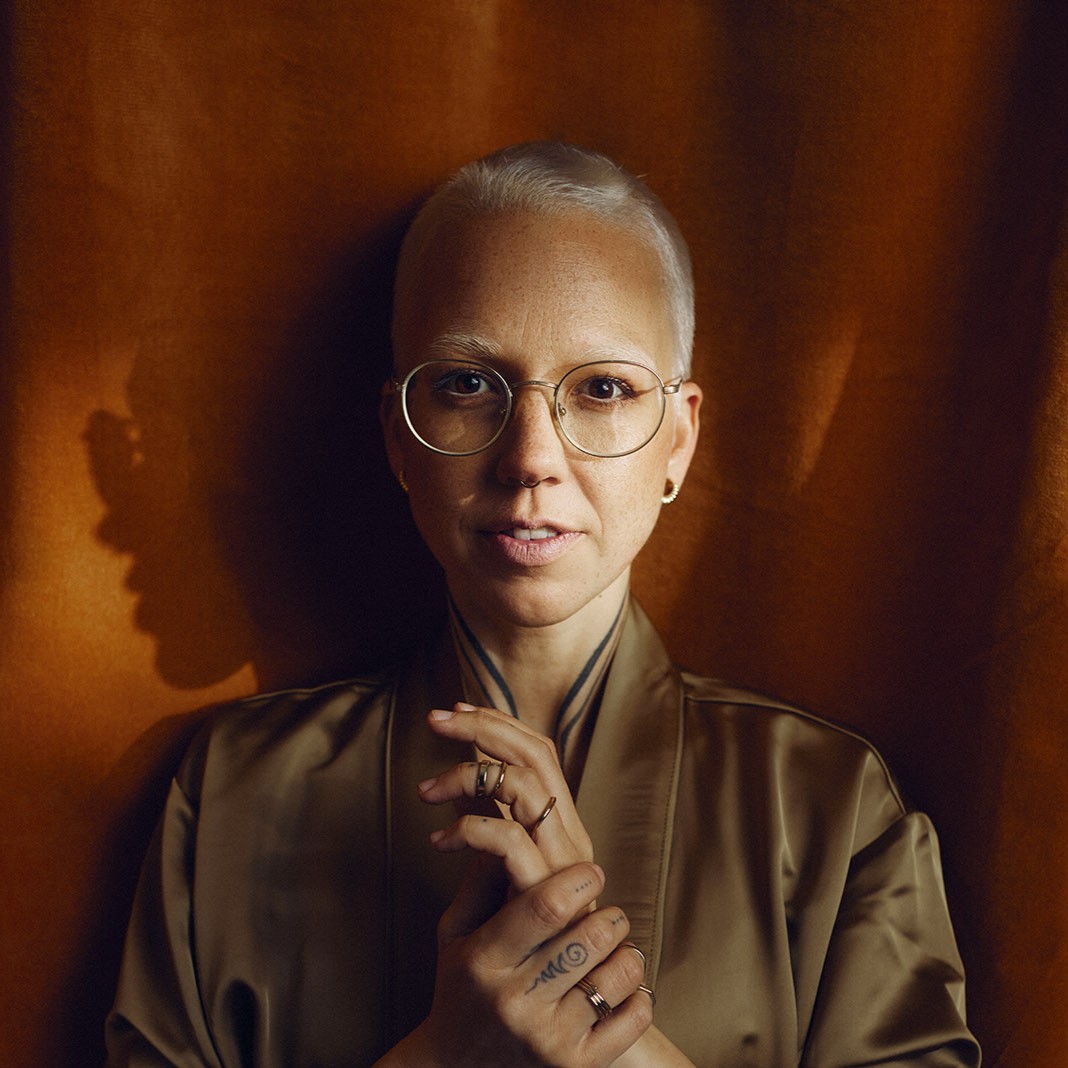
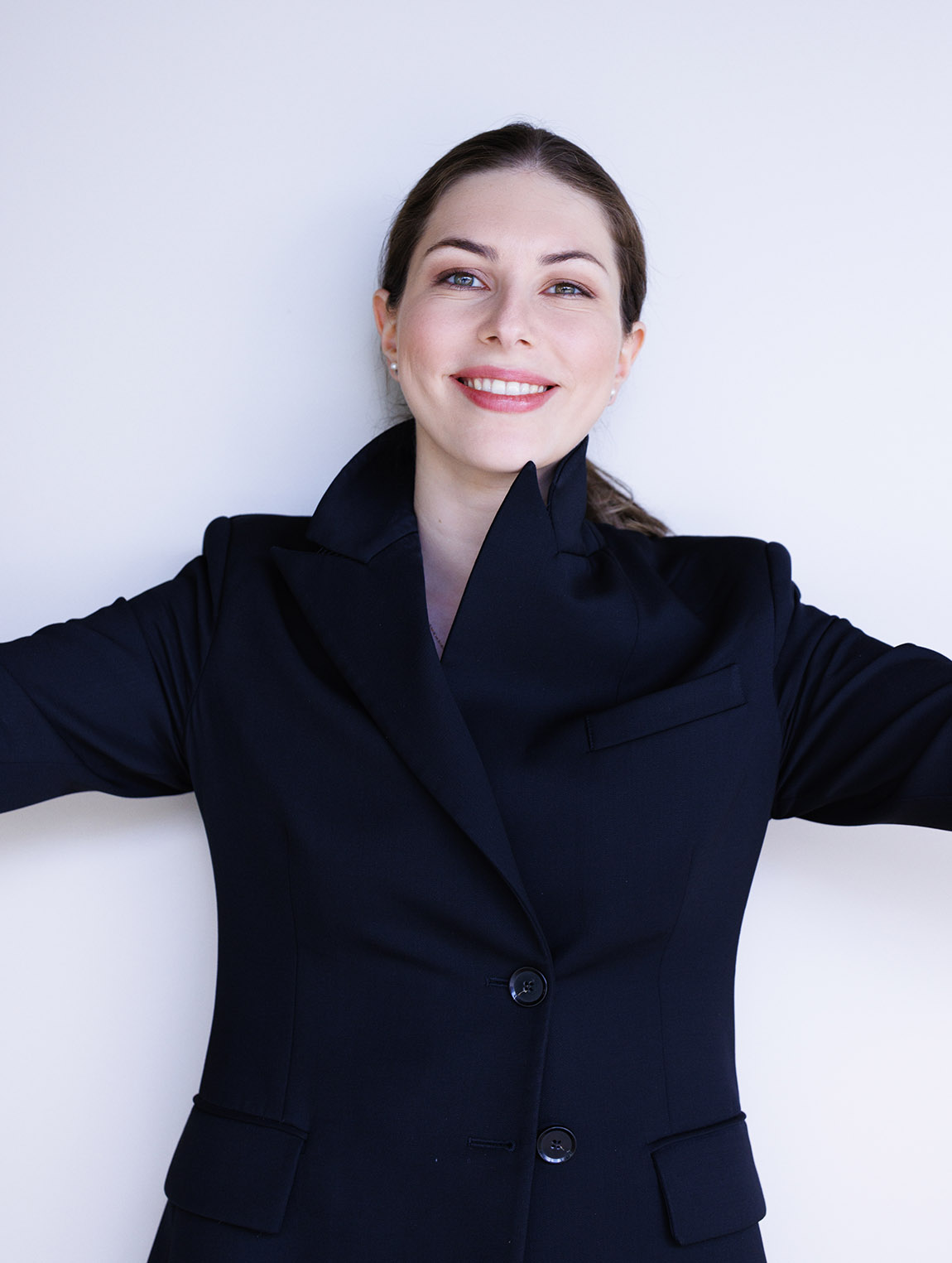
Munich-raised conductor Anna Handler has already conducted some of the world’s best orchestras at her young age. In the 2025/2026 season, she will also take over the prestigious Kapellmeisterin role at the Deutsche Oper Berlin. In our interview, the classical music star reveals how she got into conducting, explains how to instil fascination of classical music in younger generations, and more.
What transforms a conductor into a magnetic force – someone capable of drawing the collective focus of a hundred musicians, an audience of thousands, and the gaze of the entire classical world? The answer, as revealed through the thoughtful reflections of Anna Handler, lies at the crossroads of deep-rooted passion, fearless ambition, and an unwavering belief in music’s power to connect.
Anna Handler, the 29-year-old German- Colombian conductor and pianist, is a name on the lips of orchestras from Munich to Boston, Salzburg to Los Angeles. Her story is marked by early immersion, relentless curiosity, and an openness that resonates as much on the podium as in conversation. In the 2025/2026 season, Anna will take over the prestigious role of the Kapellmeisterin at the Deutsche Oper Berlin, conducting 11 opera performances in her first year. This appointment is yet another one in a flourishing symphony of achievements, including recent debuts at Salzburg Festival, Walt Disney Concert Hall, Hollywood Bowl, and upcoming collaborations with some of the world’s most renowned ensembles.
“My love of music was never a conscious decision – it was simply there,” reveals Anna Handler. “As a child, I sang a lot with my parents, grandparents, and my sister – German and Colombian folk songs. We would play the piano and violin for hours, immersing ourselves in worlds that touched me deeply. Music was my refuge, but also my playground.” And it is still today for the conductor and pianist, who had her debut at Salzburg Festival in 2022.
The path to the world stage
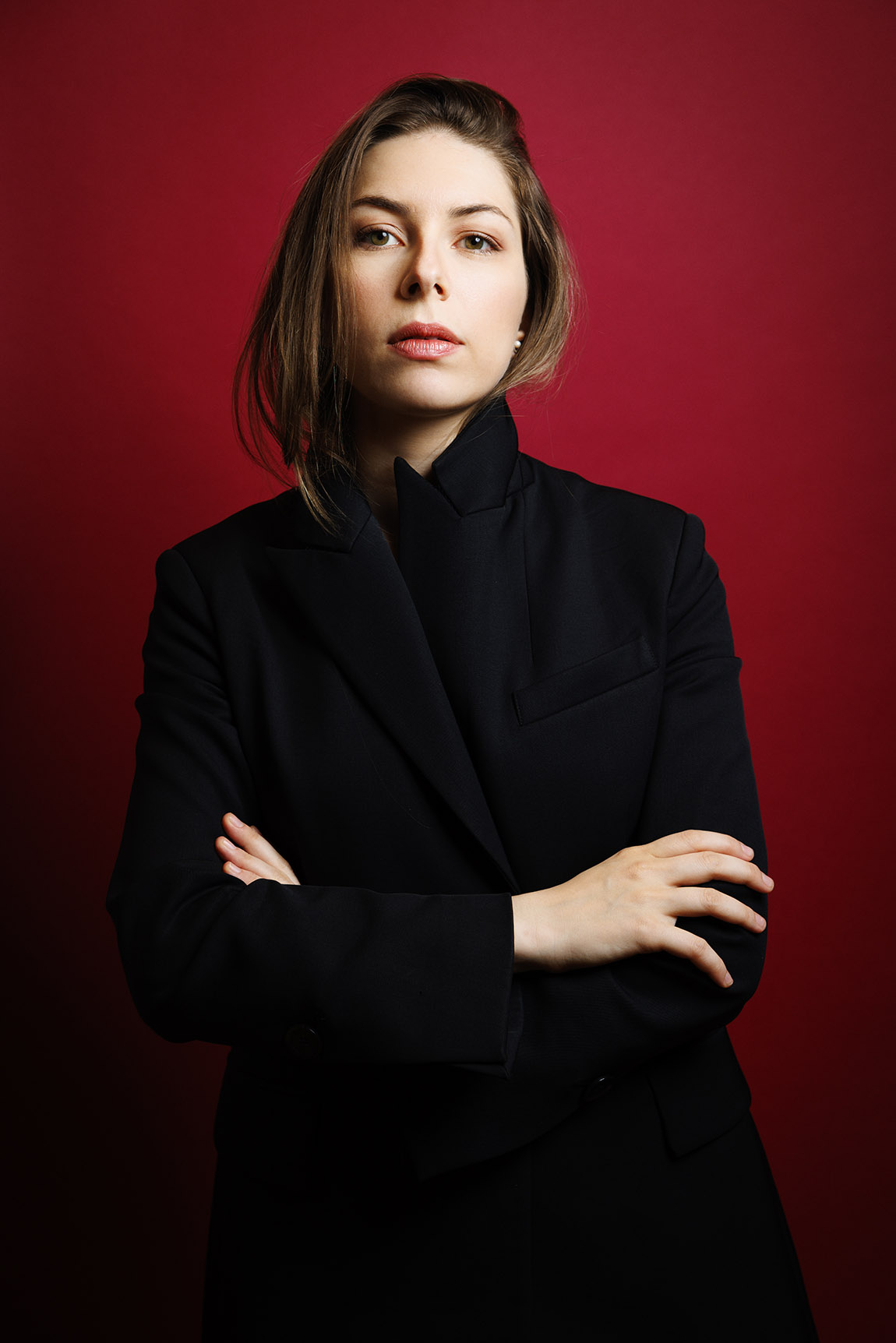
At an early age, Handler started to play piano, but her wish to create music in a larger space, together with other people, later led her to conducting at the age of 15. She studied in Germany, Italy and New York City’s esteemed Juilliard School, where she completed her master’s degree in conducting. Here, she was the first conductor ever to receive the prestigious Kovner Fellowship. She remembers: “It was a puzzle of encounters, curiosity, and an inner need to connect with other musicians through movement. For me, becoming a conductor meant opening myself completely and expressing my feelings with my whole being, trusting my inner voice, and taking responsibility for sound, atmosphere, and people.”
Juilliard, Handler says, was transformative. “Juilliard was the place of my dreams – intense, supportive, inspiring. I grew wings there, thanks to the belief that others placed in me. I met incredible mentors and companions, who helped me develop not only as a musician but as a person. The university encouraged me to think big and feel deeply. It was the best period of study in my life.”
This period of growth was also marked by resilience. The COVID-19 shutdown imposed an unexpected stillness, but Handler made it her time for reflection and renewal. “It was a painful period for everyone, but it became important for me. I used it productively to learn, read, write, and practice. I asked myself: Why do I do this? What is my inner drive? This clarity still helps me set priorities and not get lost in external expectations.” She continues: “I’ve learned that creativity doesn’t depend on external factors. That silence can be fruitful. And how important peace and quiet is for learning. I’m an artist even without the stage, and I know my why.”
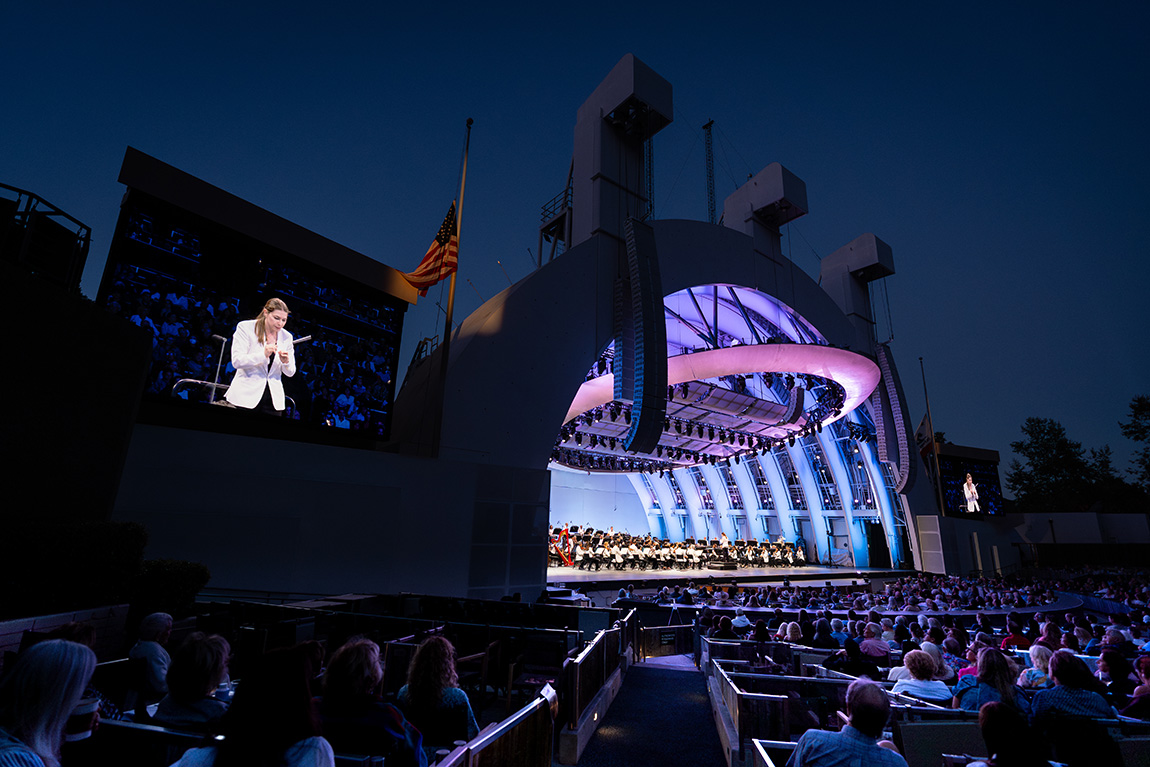
Anna Handler at her debut at the Hollywood Bowl in Los Angeles. Photo: Elizabeth Asher (LA Phil)
The genesis of a conductor
The craft of conducting, for Handler, has always been akin to assembling a puzzle – each piece a new encounter, a spark of curiosity, or an inner necessity.
The last few years have been a whirlwind of high-profile engagements and new responsibilities. After a successful debut at the 2022 Salzburg Festival as music director of Janáček’s Kát’a Kabanová for Opera Camp, Handler returned to lead Ravel’s L’Enfant et les sortilèges and Orff’s Die Kluge in subsequent seasons. Her U.S. trajectory is no less impressive: a Dudamel Fellowship with the Los Angeles Philharmonic in 2023/24 was swiftly followed by a Walt Disney Concert Hall debut, an invitation to conduct at the Hollywood Bowl in July 2025, and an assistant conductor post with the Boston Symphony Orchestra, appointed by Andris Nelsons. Handler says: “Boston has an incredibly rich musical tradition, and the orchestra is of impressive quality. I wanted to immerse myself even more deeply in the American orchestral landscape, after my studies in New York and my assistantship with the LA Philharmonic. Boston opened a wonderful door for me.”
Her forthcoming season is equally packed: subscription debuts with both the Los Ange les Philharmonic at Disney Hall and the Bos ton Symphony Orchestra at Symphony Hall, as well as appearances with the Dresden Philharmonic, Berlin Philharmonic Brass, the Royal Stockholm Philharmonic Orchestra, as well as collaborations with renowned solo ists such as Barbara Hannigan, Okka von der Damerau, Sabine Meyer, and Yo-Yo Ma.
The art and philosophy of conducting
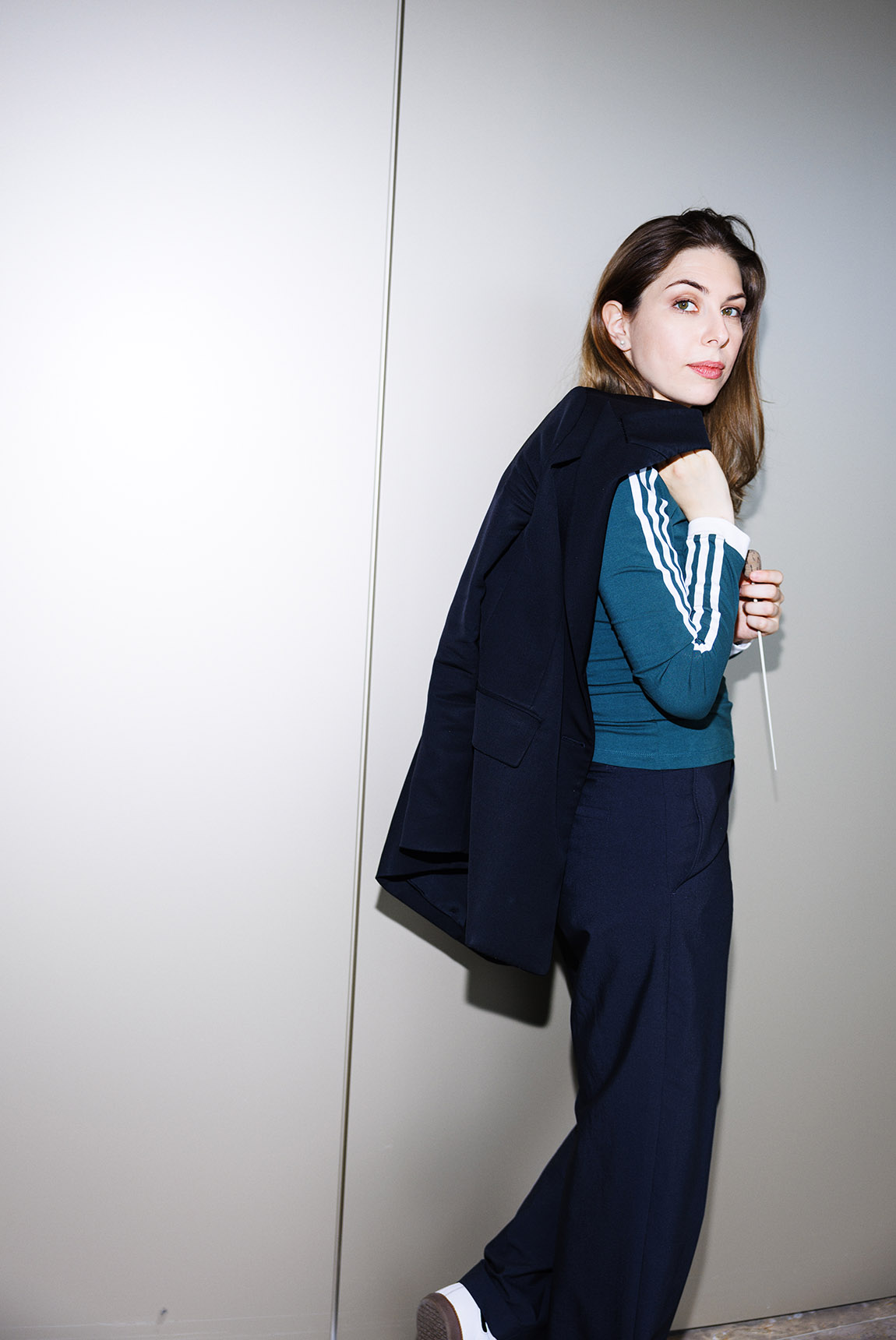
What does it mean to be a conductor, in a world where music must continually renew its relevance? For Handler, the answer is both philosophical and practical. “When I conduct, I’m the guardian of energy. It’s an exchange, a conversation without words – I give impulses and get responses back. The magic lies in connection: between me and the orchestra, among the musicians, between stage and audience. When this flow succeeds, something greater than ourselves is created.”
Central to her approach to conducting is the art of listening – both musically and emotionally. “For me, listening is key. Only those who truly hear – musically and humanly – can lead. In rehearsals, I try to create an atmosphere where everyone feels seen and heard. That’s when togetherness begins and music can flow freely.” Furthermore, she believes her German-Colombian heritage gives her deep joy in life, great emotional openness, and a powerful sense of rhythm and physicality. “These elements flow naturally into my work, especially in my communication with the orchestra and my approach to music.”
Another key element to her creations is innovation, particularly in technology-mediated music education. As director of Ensemble Enigma Classica, which she founded in 2019, she collaborates with renowned soloists and explores new forms of real-time, technology-supported music mediation. Chamber music, especially with her violinist sister Laura Handler, is another integral part of her musical identity.
And, last but not least, her connection to the piano remains foundational to her work. “The piano is my home. There I can breathe, think, dream – alone and directly. I love the instrument’s intimacy, but also its orchestral power. It’s like a mirror of my thoughts and emotions. Many ideas for conducting come to me at the piano – I speak with the music before sharing it with the orchestra.” Even nerves, Handler says, are a tool to be transformed. “I only get stage fright in the first rehearsal, because that’s where the most important work happens. In concert, I’m in a kind of trance – it’s not nervousness anymore, but flow. Stage fright means something is truly important. I try not to fight it, but to convert it: into concentration, presence, clarity.”
Bridging generations and genres
While she listens to everything, from Bach to Disney, in her free time Handler’s ultimate mission is to make classical music accessible to new audiences. “Classical music is a mirror of humanity: it knows all feelings – longing, anger, comfort, joy, silence. It asks questions instead of giving simple answers. It challenges us to feel deeply and listen carefully, which I love.”
Her prescription for engaging young musicians and getting them more interested in classical music? To awaken curiosity and instil fascination, without only explaining and teaching. “Classical music must not be elitist – it’s for everyone. When we tell stories, connect to the present, and open spaces for new forms and formats, it reaches young people, too.”
Looking forward, her dreams remain both ambitious and grounded: “I want to become the music director of a major orchestra, develop my own ensemble Enigma Classica further, and someday write a book. But above all, I wish to continue being brave and curious, and to make music that touches people.” She adds: “Every moment where I feel music truly moves something – in me, the orchestra, or the audience – is a milestone. I take every opportunity equally seriously and always give my best.”
Her 2025/26 season also promises new chapters: “I’ll begin my role as Kapellmeisterin at the Deutsche Oper Berlin, continue with the Boston Symphony Orchestra, debut at the Hollywood Bowl in L.A., shoot a personal documentary series about Beethoven, and make my debut at the Elbphilharmonie in Hamburg. I’m excited for all the new work and people, and grateful to be living this life.”
Legacy in the making
No wonder then that recognition has followed Handler’s achievements: the Rising Star Award from the European Cultural Foundation Europamusicale, scholarships from the German Foundation for Musical Life, the Maria Ladenburger Prize for Music in collaboration with WDR, the Cusanuswerk Foundation, and Deutsche Grammophon. Speaking to her, it quickly becomes clear that Handler’s story is one of movement. Movement across borders, genres, languages, and the boundaries of tradition. With each performance, rehearsal, and conversation, she orchestrates not just music, but a vision for the future: one where connection, curiosity, and courage set the tempo for a new generation.
It is this blend of humility and boldness, rootedness and openness, that makes Anna Handler not simply a rising star, but a conductor for our times – one whose baton sweeps wide enough to gather every listener in its embrace.


Subscribe to Our Newsletter
Receive our monthly newsletter by email